ESS B Final Exam Review
Presentation
•
Biology
•
9th - 12th Grade
•
Medium
+34
Standards-aligned
Rachel Roland
Used 1+ times
FREE Resource
32 Slides • 130 Questions
1
ESS B Final
Exam Review
🔇
Mute your mic.
📷
Turn on your camera
🧠
Get ready to learn!
2
Table of Contents
Module 6
Module 5
Module 7
Module 8
●
Lesson 5.01
●
Lesson 5.02
●
Lesson 5.03
●
Lesson 5.04
●
Lesson 5.05
●
Lesson 6.01
●
Lesson 6.02
●
Lesson 6.03
●
Lesson 6.04
●
Lesson 6.05
●
Lesson
6.06H
●
Lesson 7.01
●
Lesson 7.02
●
Lesson 7.03
●
Lesson 7.04
●
Lesson 7.05
●
Lesson 7.06
●
Lesson 8.01
●
Lesson 8.02
●
Lesson 8.03
●
Lesson 8.04
●
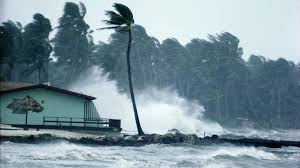
Lesson 8.05
●
Lesson 8.06
3
5.01 Erosion and Deposition
● Weathering vs. Erosion vs.
Deposition
● Agents of erosion
● Erosional features
4
Labelling
Label: erosion, weathering, and deposition
5
Draw
Circle the items that are not agents of erosion
6
Correct answers
Acids and oxygen
Acids and oxygen are agents of chemical weathering.
7
Match
deflation
abrasion
desert varnish
deflation
abrasion
desert varnish
8
Multiple Choice
Which type of mass wasting is shown in the image?
Creep
Slump
Debris flow
Rock Avalanche
9
Multiple Choice
What type of mass wasting is shown in the image?
debris flow
mudflow
rockfall
rockslide
10
Multiple Choice
Identify the landform shown in the image.
Alluvial fan
Delta
Drumlin
Kettle lake
11
Labelling
Label the glacial formations.
12
Open Ended
Use the images below to describe how sea stacks form through wave erosion.
13
Explanation
Waves can have varying speed and size, but all waves are agents of erosion, removing and transporting sediment from one location to another.
Waves splash against a cliff face, creating a vertical wall of rock called a wave-cut cliff. Over time, waves continue to erode the cliff, creating a hole in the rock and forming a sea arch. Eventually, the top of the sea arch is eroded, leaving behind pillars of rock known as sea stacks.
14
Labelling
Label the wave deposition features
15
Lesson 5.02 - Rivers
● Relationship between water velocity, erosion,
and deposition.
● Where erosion and deposition happen on a
river.
● How rock type affects erosion by running
water
16
Labelling
How do rivers transport sediment?
17
Multiple Choice
Which river cause more erosion?
River A because rivers with steeper slopes have a faster velocity
River B because rivers with steeper slopes have a faster velocity
River A because rivers with gentler slopes have a faster velocity
River B because rivers with gentler slopes have a faster velocity
18
Open Ended
Which rock would you expect to erode quickly? Be sure to explain your reasoning.
19
Explanation
Limestone, sedimentary rocks that are not firmly cemented or those containing calcium dissolved easily in water. Igneous and metamorphic rocks are relatively hard and have a crystalline structure, making them more difficult to dissolve.
20
Lesson 5.03 - Mississippi Case Study
● Investigate the impact of water on Earth's
materials and natural systems
● Refine a solution that reduces the impacts of
human activities on natural systems
● Know the three management systems
21
Lesson 5.04 - Glaciers
● Describe the ways glaciers can erode and
deposit material.
● Identify glacial features from erosion and
deposition.
22
Multiple Select
Which of the following factors would lead to faster movement of a glacier? (Select all that apply)
steep slopes
rough ground texture
smooth ground texture
shallow slopes
large glacial mass
23
Open Ended
Describe the difference between plucking and abrasion erosion.
24
Explanation
Plucking is where the glacier picks up sediment that freezes to its bottom and moves it away.
Abrasion is the scraping of rock underneath a glacier by the rocks embedded in the base of the glacier.
25
Match
Cirque
Arete
Striations
U-shaped valley
Horn
A bowl-shaped depression formed by a glacier
A jagged, narrow ridge formed as a glacier plucks rock and soil from a rounded ridge.
Grooves formed when rocks embedded in a glacier scrape the bedrock below.
Formed as glaciers erode pre-existing V-shaped valleys, scooping out its round shape.
A jagged, pointed mountain top formed by a glacier
A bowl-shaped depression formed by a glacier
A jagged, narrow ridge formed as a glacier plucks rock and soil from a rounded ridge.
Grooves formed when rocks embedded in a glacier scrape the bedrock below.
Formed as glaciers erode pre-existing V-shaped valleys, scooping out its round shape.
A jagged, pointed mountain top formed by a glacier
26
Lesson 5.05 Waves
● Describe how waves produce different
erosional features along the shoreline
● Examine depositional features found along
the shoreline and how they form
27
Wave Formation
Surface Waves are formed
from the friction between
the wind and surface of a
body of water.
28
Lesson 6.01 - Atmosphere
● Layers of the Atmosphere
● Temperature changes with increase in altitude
● How the sun drives atmospheric processes
● How atmospheric currents transport matter and transfer energy
○ Conduction, convection, and radiation
29
Multiple Choice
The air pressure decreases as the altitude
Decreases
Increases
Remains constant
They are not related
30
Multiple Choice
The lowermost layer of the atmosphere
Stratosphere
Mesosphere
Troposphere
Exosphere
31
Multiple Choice
The ozone layer is found in
Stratosphere
Thermosphere
Exosphere
Troposphere
32
Multiple Choice
Meteors from the space burn in which layer?
Troposphere
Exosphere
Stratosphere
Mesosphere
33
Multiple Choice
Satellites orbit in which layer?
Troposphere
Stratosphere
Thermosphere
Mesosphere
34
Multiple Choice
Troposphere
Thermosphere
Mesosphere
Stratosphere
35
Atmosphere
In our atmosphere as altitude increases, density will
____________.
A. Increase
B. Decrease
36
Multiple Choice
What layer protects us from the harmful ultraviolet (UV) rays from the sun?
Troposphere
Greenhouse Gases
Ionosphere
Ozone Layer
37
Multiple Choice
Movement of heat from one material to another through direct contact.
Radiation
Conduction
Convection
38
Explanation Slide...
B has more direct sunlight near the equator. Which is why the equator is always hot.
39
Multiple Choice
Which point on Earth will get the most heat from the sun due to solar radiation?
A
B
40
Lesson 6.02 - Weather
●Factors that influence weather
○Temperature
○Pressure
○Humidity
○Wind
○Clouds
○Precipitation
●Examine patterns in data to determine which factors influence weather at
locations around Earth
○Air masses, fronts, and pressure systems
41
Multiple Choice
At warmer temperatures, liquid water molecules move faster and turn into water vapor that stays in the air. This moisture in the air is called ___.
precipitation
humidity
air mass
front
42
Multiple Choice
The fact that it's less dense than cold air
The fact that it weighs more than cold air
The fact that it has higher pressure than cold air
The fact that it's more dense than cold air
43
Multiple Select
Check all weather associated with a high pressure system.
sunny
clear skies
calm winds
warm, moist air
44
Multiple Choice
What kind of pressure system is South of Panama City Beach?
high
low
warm front
cold front
45
Multiple Select
Check all weather associated with a low pressure system.
warm, humid air
strong winds
cloudy, stormy skies
sunny, clear skies
46
Multiple Select
What are the three things that describe a high pressure system? Check all that apply.
air cools
air becomes more dense
air sinks
air rises
air warms
47
Multiple Choice
What type of pressure system is modeled in the picture?
high
low
48
Multiple Choice
What does this weather map symbol represent?
warm front
cold front
stationary front
occluded front
49
Multiple Choice
What kind of weather is generally associated with a cold front?
heavy rain possible thunderstorms
sunny skies
warmer air temperature
no wind
50
Multiple Choice
The short term state of the atmosphere including temperature, humidity and wind.
thunderstorm
climate
weather
hurricane
51
Multiple Choice
What type of pressure system does the model represent?
low pressure system
high pressure system
52
Multiple Choice
Differences in longitude
Shock waves from clouds
Differences in air temperature and pressure
The rotation of earth
53
Lesson 6.03 - Oceans and Weather Patterns
●Examine models of ocean circulation.
●Describe how energy and water move throughout the oceans.
○Surface currents
○Deep ocean currents - thermocline circulation
●Explain the relationship between ocean circulation and weather
patterns.
○Current's connection to weather
○El Nino, La Nina
54
Multiple Choice
Deep Currents
Convection Currents
Surface Currents
Wave Currents
55
Multiple Choice
The Coriolis Effect
Cold and Warm Water
Convection
Wind
56
Multiple Choice
Winds
Cooling
Heating
Rotation
57
Multiple Choice
Warm Currents
Deep Currents
Shallow Currents
Surface Currents
58
Multiple Choice
Oxygen
Climate
Upwelling
Sunlight
59
Multiple Select
Which of the following will decrease ocean salinity:
Evaporation
Sea ice formation
Precipitation (Rain)
Runoff
Icebergs melting
60
Multiple Choice
______ causes deep ocean currents
The Coriolis Effect
gravity
wind
density differences
61
Multiple Choice
Gyres in the southern hemisphere are surface currents that turn _________ due to the Coriolis Effect.
clockwise
counterclockwise
toward the right
toward the bottom of the ocean
62
Multiple Choice
The large, circular surface-current pattern found in each ocean produced by wind and the Coriolis effect
California Current
Upwelling
Gyre
Global Conveyor Belt
63
Multiple Select
Which factors cause gyres?
prevailing winds
salinity
shape of the ocean basin
Coriolis effect
64
Multiple Choice
What does El Niño and La Niña's effect on ocean circulation heavily depend on?
Salt
Humans
Marine life
Wind Patterns
65
Multiple Choice
What does ENSO stand for?
Emergency National Security Organization
El Niño Southern Oscillation
El Niño Southbound Oscillation
El Niño Silver Oyster
66
Multiple Choice
What are the conditions for El Niño and La Niña?
El Niño has colder waters and La Niña has warmer waters
El Niño and La Niña both have warmer waters
El Niño has warmer waters and La Niña has colder waters
El Niño and La Niña both have cooler waters
67
Multiple Choice
An El Niño occurs when trade winds drop or even reverse
True
False
68
Lesson 6.04 - Severe Weather
●
Examine severe weather phenomena that result from
specific atmospheric conditions.
○
Characteristics of thunderstorms, tornadoes,
hurricanes, and tsunamis.
●
Explore how Earth's interior processes impact surface
processes and severe weather.
69
Multiple Choice
Thunderstorm clouds are known as _____.
cirrus clouds
stratus clouds
cumulonimbus clouds
cumulus clouds
70
Multiple Choice
The most dangerous aspect of a hurricane that comes ashore is the ________.
storm surge
eye wall
wind speed
rainfall
71
Multiple Choice
About 75% of the world's tornadoes happen in the United States during Springs and early Summer when cold, dry from Canada meets warm, moist air from the Gulf of Mexico. This relatively flat part of the country is known as ________________.
Tornado Paradise
Thunderstorm Lane
Tornado Alley
Hurricane Row
72
Multiple Choice
What are large thunderstorms that have winds already in rotation called?
supercells
blizzards
hurricanes
tornadoes
73
Multiple Choice
Wind
Sunlight
Warm Water
Cold Water
74
Multiple Choice
Tornadoes never form when there is rain, while hurricanes always form with rain.
Tornadoes form under low pressure, while hurricanes form under high pressure
Tornadoes form in a stable atmosphere, while hurricanes form in an unstable atmosphere
Tornadoes form over land, while hurricanes form over bodies of water
75
Multiple Choice
it will get stronger
it will get weaker
it will upgrade its category
it will morph into a typhoon
76
Lesson 6.05 - Living with Weather
●
Examine the cause and effect relationships between weather
and features of human societies.
●
Describe how natural hazards have altered human activity.
●
Describe how evidence allows for distinction between causal
and correlational relationships between environmental factors
and human activity.
●
Early warning systems and how they have saved lives.
77
Multiple Choice
A natural hazard occurs when natural physical processes become:
dormant and inactive.
extreme and unpredictable.
scary!
faster than usual.
78
Multiple Select
Which of the following are potential effects of a natural disasters (check all that apply)?
spread of disease due to reduced standards of sanitation
disruption of communication networks
disruption of government and its services
loss of jobs and businesses
79
Multiple Choice
Why is it beneficial to be able to predict when and where natural hazards will occur as much as possible?
Communities can be notified to evacuate
So that we can stop them from happening again
So that scientists know where to go in order to study them
So that we can harness their power for renewable energy
80
Multiple Choice
In order for a hurricane to form, the water must be:
Cool
Warm
Cold
Hot
81
Multiple Choice
Which of the following is NOT a natural hazard?
Hurricane
Tornado
House Fire
Earthquake
82
Multiple Choice
Hurricane
Flood
Wildfire
Tsunami
83
Lesson 6.06 HONORS ONLY
Weather Maps Decoded
● Read and interpret the symbols on a weather map.
● Make weather predictions based on provided weather
data.
84
Multiple Choice
A line on a weather map that connects points of equal air temperature
A line on a map that shows which areas of the United states get more sun
A line on a weather map that connects points of equal air pressure
A line of latitude on a map that shows the different zones; tropic, temperate and polar
85
Multiple Choice
Which city would have the most unstable atmospheric
conditions and the greatest chance of precipitation?
A
B
C
D
86
Multiple Choice
The wind direction at station A is
A) southeast
B) northeast
C) southwest
D) northwest
87
Multiple Choice
High pressure system
Low pressure system
Cold front
Warm front
88
Multiple Choice
High pressure system
Low pressure system
Cold Front
Warm Front
89
Match
Cold front
Warm front
Occluded front
Stationary front
Cold front
Warm front
Occluded front
Stationary front
90
Lesson 7.01
● Weather vs. Climate
● Types of climate
○ Tropical
○ Temperate
○ Dry
○ Continental
○ Polar
● Factors that affect
climate
○
Latitude
○
Ocean currents
○
Wind
○
Altitude
○
Mountains
○
Distance from water
91
Multiple Choice
What is the Greenhouse Affect?
As carbon dioxide concentrations increase, temperatures increase
Condition that is caused by carbon dioxide, methane, and water vapor trapping heat in the Earth's atmosphere
causes sea levels to rise because it adds water to the ocean.
The cooling of Earth due to air pollution.
92
Multiple Choice
Which of the following events would be MOST likely to add Greenhouse Gases to the atmosphere?
Hurricane
Tsunami
Forest Fire
Ecological Succession
93
Multiple Choice
Why is Carbon Dioxide considered to be a Greenhouse Gas?
It is a combination of natural and human forces
It has a biogeochemical cycle
It is a type of weather that occurs during a particular season
It absorbs and reradiates infrared radiation to warm the Earth
94
Multiple Choice
The water causes cooler summers and colder winters.
The water causes cooler summers and warmer winters.
The water causes hotter summers and warmer winters.
The water causes warmer summers and colder winters.
95
Multiple Choice
The _______ of a mountain range is the side that receives a lot of precipitation.
windward side
leeward side
96
Multiple Choice
What type of pressure zone is associated with a dry climate?
Low-pressure
High-pressure
Polar pressure
Prevailing winds
97
Multiple Choice
Identify the factor that influence the temperature of these two areas
Latitude
Elevation
Distance from Large Bodies of Water
Ocean Currents
98
Multiple Choice
Which city will have a cooler average temperature
Chapel Hill
Havana
99
Multiple Choice
The water causes cooler summers and colder winters.
The water causes cooler summers and warmer winters.
The water causes hotter summers and warmer winters.
The water causes warmer summers and colder winters.
100
Multiple Select
What are four factors that affect climate?
latitude
proximity (closeness) to large body of water
earthquakes
ocean currents
elevation
101
Multiple Select
The following are Greenhouse Gases:
Carbon Dioxide
Methane
Salt
Phosphorus
Water vapor
102
Lesson 7.02
●
Convection, conduction, and radiation
○
How does the sun’s energy reach Earth’s
surface?
●
Why do we have seasons? How do seasons
compare when looking at difference
hemispheres during the same time of year?
●
How does the angle of the sun impact the
intensity of solar radiation in a given area?
103
Multiple Choice
When the northern hemisphere is tilted towards the sun, which hemisphere is in the summer?
Northern
Southern
Eastern
Western
104
Multiple Choice
What is the approximate tilt of the Earth's Axis?
23.5 Degrees
30 Degrees
60 Degrees
10 Degrees
105
Multiple Choice
Which BEST describes why latitudes closest to the equator have warmer climates?
they are at lower elevations
they receive high angle sunlight
they are nearer to ocean currents
they get more winds that carry energy in the form of heat
106
Lesson 7.03
● Orbital Cycles and the sun
○
Milankovitch Cycles
○
Eccentricity
○
Perihelion and aphelion
○
Obliquity
○
Precession
● Historical causes of
sudden climate change
○ Volcanic eruptions
○ Evolution of Life
○ Asteroid Impact
107
Multiple Choice
What is one way volcanic eruptions can effect climate?
When a volcano errupts, secondary succession begins
Lava is hot which makes the community hotter
Ash blocks sunlight, causing temperatures to drop
108
Multiple Choice
Even without human activity, there is naturally occurring greenhouse effect. Without it, the Earth would be ____________.
When a volcano errupts, secondary succession begins
6 to 11°C cooler
28 to 33°C warmer
28 to 33°C cooler
109
Lesson 7.04
●
Technologies we use to study climate change
○
Ice cores
○
Rock/Sediment cores - Relationship between 18O levels and
glacial ice volume
○
Ice sheets
○
Geological/biological proxies
●
Accuracy, Limitations, and Bias
○
Differentiate between bias and limitations
○
Intentional vs. unintentional bias
○
How do we ensure accuracy?
110
Multiple Choice
soil samples
ocena sediment
fossil gases
ice core bubbles
111
Multiple Select
Which of the following best explains the graph (select two)
Average Temperatures have cooled down significantly since 1951
Average Temperatures have risen significantly since 1951
From 2015 onwards we are more likely to see colder weather than hotter weather
From 2015 onwards we are more likely to see extremely hot weather than colder weather
112
Multiple Choice
Where have some of the strongest and earliest impacts of global warming occurred?
The tropics
The Northern latitudes
The subtropics
113
Lesson 7.05
● Human activities that influence regional and
global climate
● Analyze data from global climate models
● How can we manage current and future
impacts of human activity on climate
change?
○ Mitigation and adaptation
114
Multiple Choice
Efficient infrastructure can help mitigate climate change. Infrastructure is:
planes, trains, and automobiles.
buildings, roads, water treatment plants, and irrigation systems.
plants, trees, and animals.
115
Multiple Choice
As average global temperature rises, ___________.
average precipitation increases
average precipitation decreases
116
Multiple Choice
How is climate change affecting biodiversity?
decreasing
increasing
it is not affecting it
117
Multiple Choice
Burning fossil fuels puts ________ into the atmosphere.
oxygen (O)
carbon dioxide (CO2)
helium (He)
118
Multiple Select
Increased production of greenhouse gasses has lead to (Select two)
No major change in Earth's climate
Poorer health conditions for people in areas of higher pollution
An increase of approximately 1.5 degrees celcius on a global scale
Better harvesting conditions for food
119
Multiple Select
Why does global warming cause sea levels to rise? [Choose 1 to 4 options.]
Warm ocean waters expand more.
Seismic activity in the ocean increases in warmer temperatures.
Glacial ice is melted and this adds water to the oceans.
The Earth's core expands in warm temperatures, elevating the ocean floor.
120
Multiple Choice
Mitigation is:
the act of increasing harmful actions.
the act of decreasing harmful actions.
doing nothing about harmful actions.
121
Multiple Choice
burning more fossil fuels
cutting down trees
raising livestock
burning gasoline
122
Multiple Choice
Sustainable buildings use more energy efficient materials and can reduce the amount of energy people use.
True
False
123
Lesson 7.06
● How climate change impacts oceans
○ Increased ocean heat
○ Melting ice
○ Changing ocean currents
○ Increasing ocean acidification
124
Multiple Select
Which type of organism will have issues reproducing due to rising temperatures in the ocean? Use the provided graph for information.
Marine life by coastal areas
terrestrial life
Human being
wookies
125
Multiple Choice
What two factors are affecting the oceans due to climate change?
decrease in temperature and increase in pH
increase in salt levels and decrease in sea levels
increase in temperature and decrease in pH
126
8.01 Carbon Cycle
●
Forms of carbon
○
Organic vs. inorganic
●
Carbon reservoirs/sinks
●
Carbon sources
●
How carbon cycles through the different spheres of Earth
●
How humans impact the carbon cycle
○
Deforestation
○
Thawing permafrost
○
Burning fossil fuels
○
Ocean acidification
127
Multiple Choice
How does the human body return carbon to the atmosphere in the carbon cycle?
Waste products
Photosynthesis
Cellular respiration
Formation of glucose
128
Multiple Choice
In the carbon cycle, animals can release carbon back into the cycle through __________ or through __________.
burning . . . photosynthesis
fixation . . . decomposition
decomposition . . . photosynthesis
respiration . . . decomposition
respiration . . . photosynthesis
129
Multiple Choice
Which of the following is an example of human impact on the carbon cycle?
The increased production of methane gases from cattle farms
The burning of fossil fuels
The cutting down of trees for lumber
Driving automobiles
All of the above
130
Multiple Choice
How do organisms (living things) move carbon through the carbon cycle?
Respiration only
Decomposition only
Photosynthesis, respiration, and decomposition
Decomposition and sedimentation
Respiration, decomposition, sedimentation, and photosynthesis
131
Multiple Choice
What kind of organism takes out the most carbon from the atmosphere?
Plants
Bacteria
Animals
Humans
132
Multiple Choice
All of the carbon in existence is continually recycled in the carbon cycle.
True
False
133
Multiple Choice
water
nutrients
air
fossil fuels
134
8.02 Natural Resources
●Natural resources
○Examples
○Renewable vs. nonrenewable resources
●Process for obtaining natural resources
○Discovery, extraction, transportation, processing, distribution
●How technology has impacted our ability to obtain natural resources
●How natural hazards impact natural resources
○Hurricanes, volcanic eruptions, earthquakes, floods, and wildfires
●How climate change impacts the availability of natural resources
○Who is impacted most severely?
135
Multiple Choice
Which term best describes coal, water, and wood?
man-made resources
renewable resources
non-renewable resources
natural resources
136
Multiple Choice
True or False: The main disadvantage with nonrenewable resources is that they can take as long as 10 years to replenish.
True
False
137
Multiple Choice
Which of the following is not a fossil fuel
biogas
natural gas
coal
petroleum
138
8.03 Case Study: The Cost of Coal
●
Which energy sources are used most often in the U.S. to
produce electricity?
●
How coal is formed
●
Surface mining vs. deep mining
●
How coal is burned to produce electricity
●
Benefits and drawbacks of each solution to mitigate the
impacts of coal
○
Coal ash reuse
○
Alternative energy sources
○
Energy efficiency
139
Multiple Choice
Why must batteries become more advanced for alternative energy to fully thrive?
Current batteries are likely to explode if overused.
Batteries are needed to efficiently convert electricity from coal-fired power plants into a cleaner alternative energy.
Batteries are required to provide the electricity needed to make windmills and solar panels work.
Large quantities of energy need to be able to be stored for times when energy production conditions are not optimal.
140
Multiple Choice
Which of the following is not an example of a nonrenewable resource.
plants
coal
natural gas
oil
141
Multiple Choice
Which of the following is NOT and example of a renewable resource?
wind
water
oil
plants
142
Multiple Choice
It's cheaper than fossil fuels
The sun's energy would not run out for billions of years
Solar energy recharges batteries
All of them
143
8.04 Natural Resources and Sustainability
●Renewable vs. nonrenewable resources
●Sustainability types
○Social sustainability
○Economic sustainability
○Environmental sustainability
●How sustainability is impacted by:
○Population density
○Technology access
●Agriculture sustainability
●Climate change’s impact on sustainability
144
Multiple Choice
Solar
Wind
Hydroelectric
water
145
Multiple Choice
Energy that comes from harnessing the movement of the air
Energy that comes from the Sun
A source of renewable energy, such as solar, wind, or geothermal energy
Fuel from plant material
146
Multiple Choice
All of the following are considered renewable energy sources EXCEPT –
Wind
Coal
Biomass
Solar
147
Multiple Select
What are some benefits of Solar energy? (Select all that apply)
Non-polluting
Expensive
Scarce
Abundant
148
Multiple Select
Some of the main advantages of wind power are that ___________________.(Select all that apply)
It is non-polluting
It is hard to find.
Winds will always blow.
It is expensive
149
Multiple Select
Some of the disadvantages of using windmills for electricity are.......(Select all that apply)
Windmills can be noisy
They can take away from the natural beauty of the land.
They can cause an increase in migratory bird deaths.
They can be put anywhere.
150
Multiple Select
Biomass includes which of the following? (Select all that apply)
manure
lumber
crop residue
paper by-products
151
8.05 Biodiversity
●Definition of biodiversity
○Species diversity
○Ecosystem diversity
○Genetic diversity
●How biodiversity benefits humans and other species
○Environmental and economic benefits
●S=BRT equation
●How biodiversity has fluctuated over time
●Threats to biodiversity
○Habitat loss
○Pollution
○Climate change
○Invasive species
○Resources exploitation
○Disease
152
Multiple Choice
True or false: An ecosystem with high genetic diversity is healthier than an ecosystem with low genetic diversity.
True
False
153
Multiple Choice
extinct species
the variety of species on Earth
nonrenewable resources
the rate of species decline
154
Multiple Choice
Invasive Species are native to an area.
Invasive species are prey to many animals.
Invasive species have no predators.
Invasive species keep the ecosystems in equilibrium.
155
Multiple Choice
How does habitat fragmentation reduce genetic diversity in species?
Habitat fragmentation makes nonnative species introduction possible.
Habitat fragmentation opens migration routes.
Habitat fragmentation isolates a large population into smaller groups.
Habitat fragementation encourages open gene flow.
156
Multiple Choice
bidiversity
species diversity
extinction
genetic diversity
157
Multiple Choice
genetic diversity
ecosystem diversity
extinction
species diversity
158
8.06 Future Earth
●
Characteristics of urban environments
●
Positive and negative impacts of urbanization
●
How urbanization impacts the environment
●
Ways technology can reduce the harmful effects of
urbanization
○
Green technologies
○
Urban farming
○
Desalination
○
Smart cities
○
Carbon capture
159
Multiple Choice
Which image best represents infrastructure?
160
Multiple Select
Select all that are correct.
Select two correct benefits of urbanization
Opportunity - Careers & Education
Safety - Police, Fire, Medical
Air Quality - Air quality is more clean in cities
Efficiency - Every is spread far apart
Heat Islands - Cities are warmer than surrounding areas
161
Multiple Select
Select all that are correct.
Select two correct downsides of urbanization
Opportunity - Careers & Education
Safety - Police, Fire, Medical
Air Quality - Air quality is much more polluted in cities
Efficiency - Everything is spread far apart
Heat Islands - Cities are warmer than surrounding areas
162
Multiple Choice
Sustainability is the idea that we are responsible to...
maintain the environment for future generations
maintain the environment for past generations
destroy the environment to punish future generations for things that haven't happened yet
maintain the future for past generations
ESS B Final
Exam Review
🔇
Mute your mic.
📷
Turn on your camera
🧠
Get ready to learn!
Show answer
Auto Play
Slide 1 / 162
SLIDE

Similar Resources on Wayground
166 questions
Quizizz AI certification course - Old and backup
Lesson
•
KG - University
148 questions
Anatomy Female Reproductive System Lesson
Lesson
•
11th - 12th Grade
158 questions
Présentation sans titre
Lesson
•
KG - Professional Dev...
152 questions
Unit 2 Parabola
Lesson
•
11th Grade
146 questions
學輔國文
Lesson
•
9th Grade - University
152 questions
Unit 1 Lesson 2
Lesson
•
9th - 12th Grade
164 questions
SMN 20213 - Pemesinan Konvensional
Lesson
•
KG - University
155 questions
Presentación sin título
Lesson
•
KG - University
Popular Resources on Wayground
15 questions
Fractions on a Number Line
Quiz
•
3rd Grade
10 questions
Probability Practice
Quiz
•
4th Grade
15 questions
Probability on Number LIne
Quiz
•
4th Grade
20 questions
Equivalent Fractions
Quiz
•
3rd Grade
25 questions
Multiplication Facts
Quiz
•
5th Grade
22 questions
fractions
Quiz
•
3rd Grade
6 questions
Appropriate Chromebook Usage
Lesson
•
7th Grade
10 questions
Greek Bases tele and phon
Quiz
•
6th - 8th Grade
Discover more resources for Biology
22 questions
Human Body Systems Overview
Quiz
•
9th Grade
25 questions
photosynthesis and cellular respiration
Quiz
•
9th Grade
18 questions
Enzymes and Their Functions Quiz
Quiz
•
9th Grade
20 questions
Food Chains and Food Webs
Quiz
•
7th - 12th Grade
30 questions
Exploring the World of Plants
Quiz
•
9th Grade
65 questions
Review for TEST 1
Quiz
•
9th - 10th Grade
10 questions
Exploring Food Webs and Energy Pyramids
Interactive video
•
6th - 10th Grade
20 questions
Meiosis and Sexual Reproduction
Quiz
•
9th Grade