Search Header Logo
SB1.a, c, d Combined Lesson

SB1.a, c, d Combined Lesson

Assessment

Presentation

•

Biology

•

10th Grade

•

Easy

•
NGSS
HS-LS1-6, HS-LS2-5, HS-LS2-3

+7

Standards-aligned

Created by

Krista Marshall

Used 12+ times

FREE Resource

31 Slides • 24 Questions

1

The Molecules of Life

media
media
media

2

Macromolecules

Monomers join together to form polymers

media

3

Macromolecules

4 Major Categories of Organic Macromolecules:

media

4

  • Used as a quick energy source

  • Often end in -ose

  • Mainly sugars and starches​

  • Made up of C, H, and O in a 1:2:1 ratio​

  • Examples: Glucose, Cellulose, Fructose, Lactose​

​

Carbohydrates

media

5

Monosaccharide: "one sugar"

  • Glucose​

​

Monomer:

Carbohydrates

media

6

Disaccharide= 2 monosaccharides joined together

​

Polysaccharide= many monosaccharides joined together.​

  • ​Forms complex carbohydrates like starches and glycogen

​

Carbohydrates

media

7

Multiple Choice

Question image

What elements are present in glucose?

1

P, Ag, Si

2

C, H, O

3

H, N, S, C

4

OH, CH2

8

Multiple Choice

A ______________ is a smaller part of a polymer. 
1
micromer
2
macromer
3
minimer
4
monomer

9

Multiple Choice

Question image
Sugar or starch that living things use for energy. 
1
protein
2
carbohydrate
3
lipids
4
nucleic acids

10

  • Used as a long term or stored energy source

  • ​Made up of C, H, and O, but not in a specific ratio

  • Not soluble in H2O

  • Examples: Oils, Fats, and Waxes​

Lipids

media

11

  • Structure

  • No "true" monomer, but mainly made up of 2 parts:

    • Glycerol

    • Fatty Acids ​

Lipids

media

​Monomer:

12

  • Main component of cell membranes

  • Insulation for certain types of animals

  • Hormones-chemical messengers in the body​

Lipids

Functions

media
media

13

Multiple Choice

What is the function of lipids?
1
store genetic information
2
store energy (long-term)
3
store energy (short-term)
4
build skin, hair, nails, muscles

14

​Widely variable functions and Complex Structure

  • Enzymes-catalyze chemical reactions

  • ​Building muscle

  • Component of hair, nails, and skin

  • Examples: Collagen, Elastin, Hemoglobin​

Proteins

media

15

Amino Acid

  • 20 different amino acids

  • Amino acids join forming polypeptides​

​

Monomer:

Proteins

media

16

Collagen:

​

Hemoglobin:

Proteins

media
media

17

Enzymes:

​

Proteins

media
  • ​Biological Catalysts

  • Speed up chemical reactions in organisms

  • ​Vital for life

18

Multiple Choice

A biological substance that speeds up a chemical reaction.
1
sugar
2
enzyme
3
cellulose
4
lipid

19

  • ​Make up DNA and RNA found in all living organisms.

  • Function to store and transmit genetic or hereditary information​

Nucleic Acids

media

20

  • ​Monomer: Nucleotide

  • Composed of C, H, O, N, and P​

    • Phosphate

    • Sugar

    • Nitrogen Base​

Nucleic Acids

media

21

Multiple Choice

Question image

A large molecule made up of amino acids that is often plentiful in meat.

1

carbohydrates

2

lipids

3

proteins

4

nucleic acids

22

Multiple Choice

Question image
Information molecules that provide directions to make proteins. Most important DNA & RNA 
1
carbohydrates
2
lipids
3
nucleic acids
4
proteins

23

Multiple Choice

The element _______is found in all of the organic compounds.
1

Iron

2

Nitrogen

3

Carbon

4

Oxygen

24

Multiple Choice

Nucleotides are the building blocks (monomers) of ______.
1

Carbohydrates

2

Lipids

3

Proteins

4

Nucleic Acids

25

Multiple Choice

What is the function of carbohydrates?
1

store genetic information

2

store energy (long-term)

3

store energy (short-term)

4

build skin, hair, nails, muscles

26

Multiple Choice

Question image

Which organic macromolecule monomer is shown?

1

Lipid

2

Carbohydrate

3

Nucleic Acid

4

Protein

27

Multiple Choice

What are enzymes used for? 
1

speed up chemical reactions 

2

store energy 

3

fight off infections 

4

structural support for cell walls of plants 

28

Multiple Choice

Carbohydrates contain carbon, hydrogen and oxygen in the following ratio
1

1:1:1

2

1:2:1

3

2:1:2

4

2:2:1

29

Cell Organelles

media

30

media

31

Multiple Select

Which type of organisms' cells will have organelles?

1

Bacteria

2

Humans

3

Dogs

4

Plants

32

media

33

media

34

Multiple Select

This vital nutrient is made in ribosomes.

1

DNA

2

Proteins

3

Chicken Nuggets

35

media

36

media

37

media

38

media

39

Multiple Choice

Which organelle is more like Amazon.com?

1

smooth ER

2

rough ER

3

FedEx

4

Golgi Apparatus

40

Multiple Choice

Which organelle acts as a storage compartment for water and other cell material?

1

Lysosomes

2

Foot Locker

3

Vacuole

4

Nucleus

41

media

42

media

43

Multiple Choice

This organelle is also known as the "Power House" of the cell.

1

PWC

2

Mitochondrion

3

Chloroplasts

4

Cytoskeleton

44

Multiple Choice

This organelle is only found in organisms who conduct photosynthesis.

1

Chloroplasts

2

Mitochondrion

3

Plants

4

Euglena

45

media

46

media

47

Multiple Choice

This cell organelle helps organisms maintain homeostasis by controlling what substances may enter or leave cells.
1

vacuole

2

nucleus

3

cell membrane

4

cell wall

48

media

49

Multiple Choice

True or False? Passive Transport does not require energy

1

true

2

false

50

media

51

Multiple Choice

Question image
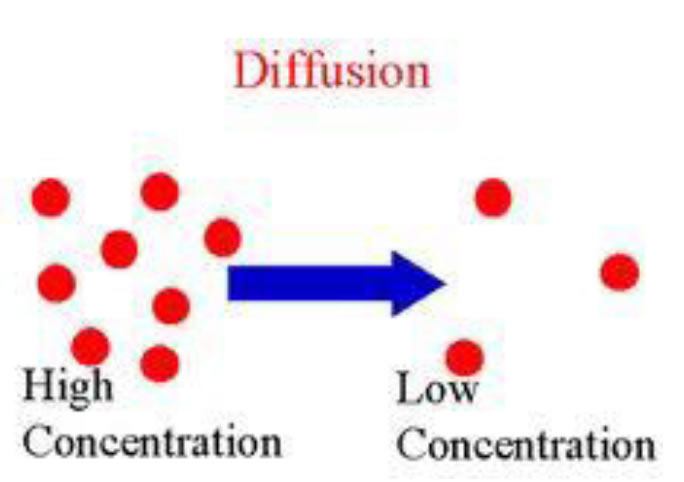
Movement of particles from high to low concentration. 
1

Passive Transport

2

Active Transport

52

media

53

Multiple Choice

Osmosis is the movement of _____ across a membrane.
1

food

2

energy

3

oxygen

4

water

54

media

55

Multiple Choice

Which is true about active transport?

1

it moves material from low to high concentration

2

it does not require energy

3

it moves material from high to low concentration

The Molecules of Life

media
media
media

Show answer

Auto Play

Slide 1 / 55

SLIDE