Search Header Logo
Biology District Unit I Review

Biology District Unit I Review

Assessment

Presentation

Biology

9th - 12th Grade

Easy

NGSS
MS-LS2-4, MS-LS2-3, MS-LS1-6

+12

Standards-aligned

Created by

Carolyn Munoz

Used 2+ times

FREE Resource

17 Slides • 43 Questions

1

media

District Unit I Review

2

Ecology

3

The bottom of a food web, or ecological pyramid will always have 100% energy available and it will pass approx. 10% of energy to the next level. Most energy lost as HEAT

This is known as 10%rule

​Ch. 3-7 - Ecology

Energy in an Ecosystem

media

4

  • Autotrophs = organisms that are able to automatically make their own food (energy), also known as producers, they perform photosynthesis or chemosynthesis (ex: plants,

    bacteria)

  • Heterotrophs = organisms that must consume other organisms to gain energy, also known as consumers (ex: animals)

​Ch. 3-7 - Ecology

Autotroph vs. Heterotroph

media

5

​Ch. 3-7 - Ecology

Food Chains

media

​Remember that the arrows point to where the energy is going NOT who is eating who.

6

Carrying capacity - The maximum amount of organisms that can an ecosystem can hold given the resources it has​

Limiting factors - decrease carrying capacity ​

​Ch. 3-7 - Ecology

Carrying Capacity & Limiting Factors

media

7

  • Limiting factor any factor that will limit the size of a population.​

  • Density -dependent limiting factors: Number of organisms in the environment influences the population size.

    • Examples: Competition, Disease, Water/food resources

  • Density Independent limiting factors: Number of organisms in the environment DO NOT influence the population size.

    • Examples: Natural disasters ( forest fires, floods, etc.

​Ch. 3-7 - Ecology

Limiting Factors

8

media

​Growth Curves

9

media

​Symbiotic Relationships

10

​Ch. 3-7 - Ecology

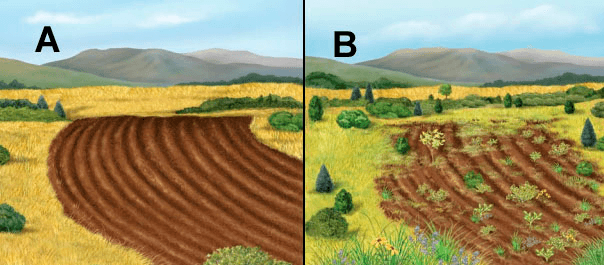
Ecological Succession

  • Succession is a series of progressive changes in the composition of an ecological community over time.

  • In primary succession, newly exposed or newly formed rock is colonized by living things for the first time.

  • In secondary succession, an area previously occupied by living things is disturbed—disrupted—then recolonized following the disturbance.

media
media

11

​Ch. 3-7 - Ecology

Ecological Succession

  • Succession is a series of progressive changes in the composition of an ecological community over time.

  • In primary succession, newly exposed or newly formed rock is colonized by living things for the first time.

  • In secondary succession, an area previously occupied by living things is disturbed—disrupted—then recolonized following the disturbance.

media
media

12

​Ch. 3-7 - Ecology

Human Impact

  • Main cause of global warming = increased green house gasses

  • Main cause of flooding in south FL = sea level rising due to climate change ​

13

media

14

media

15

media

​Green house Effect

16

Multiple Choice

What does NOT produce carbon dioxide?
1

Photosynthesis

2

Burning Fossil Fuels

3

Cellular respiration

4

Plants decaying

17

Multiple Choice

Combustion is another word for __________.
1

Transportation

2

Cellular respiration

3

Fossil Fuels

4

Burning

18

Multiple Choice

Organisms that do not decompose can be buried and become what?
1

water

2

nutrients

3

air

4

fossil fuels

19

Multiple Choice

Which of the following removes carbon from the atmosphere?
1

Combustion

2

Cellular respiration

3

Photosynthesis

4

Death

20

Multiple Choice

Which of the following is an example of a decomposer?
1

Owl

2

Fish

3

Tree

4

Mushroom

21

Multiple Choice

Which of the following are fossil fuels?

1

Coal, water, oil

2

Oxygen, coal, oil

3

Coal, Oil, Natural Gas

4

None of the above

22

Multiple Choice

C6H12O6 is also known as glucose (sugar). Where is it found?

1

Plants

2

Animals

3

Both plants and animals

4

Neither plants or animals

23

Multiple Choice

Question image
Which of the following is the best conclusion that can be made from this graph?
1

atmospheric carbon dioxide levels have been decreasing since 1960

2

Hawaii has a lot of carbon dioxide

3

humans have been working hard to decrease carbon dioxide levels

4

atmospheric carbon dioxide levels have increased steadily since 1960

24

Multiple Choice

The main human activity that releases greenhouse gases is

1

using public transportation and there by reduce the affects of greenhouse gases.

2

burning fossil fuels

3

texting on cellphones

4

eating meat

25

Multiple Choice

Question image

Which of the following are greenhouse gases?

1

Carbon dioxide

2

Methane

3

Water vapor

4

All answers are correct

26

Multiple Choice

Without the Greenhouse Effect the Earth would be
1

warm 

2

cold

3

dead

27

Multiple Choice

What is the greenhouse effect?
1

The warming of a planet due to trapped radiation.

2

The cooling of Earth due to air pollution.

3

The heating of a solid, such as a rock.

28

Multiple Choice

Question image

Which best explains why runoff is important?

1

It returns water to other locations on Earth

2

It increases the chance of flooding

3

It makes evaporation occur faster

4

It increases condensation

29

Multiple Choice

Question image
When water _________, dew forms.
1

Melts

2

Evaporates

3

Condenses

4

Precipitates

30

Multiple Choice

Question image

When water changes from a liquid to a gas in plants it is called...

1

condensation.

2

evaporation.

3

sublimation.

4

transpiration.

31

Multiple Choice

Question image
Cattle egrets forage (feed) in fields among cattle. The egret gets easy access to flying insects stirred up by the cattle, and the cattle don't care if they are there or not.
1

mutualism

2

commensalism

3

competition

4

parasitism

32

Multiple Choice

Question image
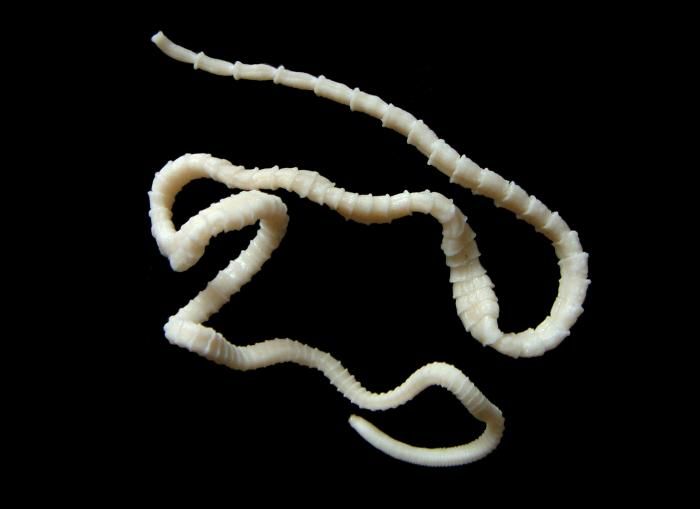
A tapeworm and a cat have this type of relationship.
1

mutualism

2

parasitism

3

commensalism

4

competition

33

Multiple Choice

Question image
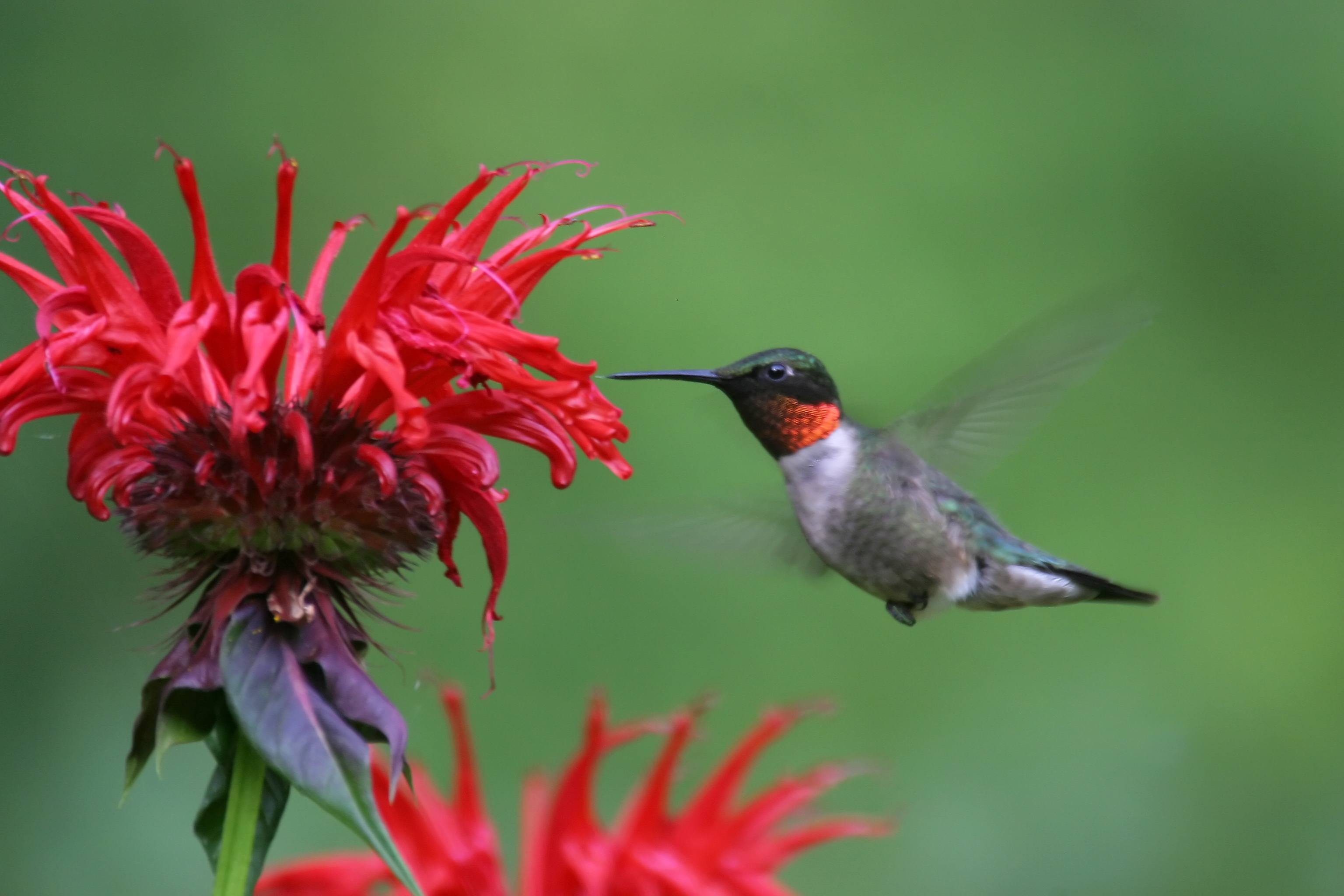
What type of symbiosis?  Hummingbirds feed on nectar from flowers.  The flowers are pollinated by hummingbirds as they move from flower to flower.
1

commensalism

2

mutualism

3

parasitism

4

predation

34

Multiple Choice

Which symbols best describe parasitism?
1

+,+

2

+,-

3

+,0

4

-,0

35

Multiple Choice

Question image

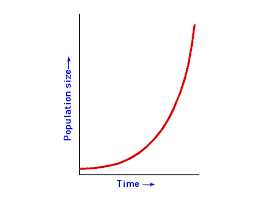
What type of growth is shown in the diagram?

1

exponential growth

2

logistic growth

3

predator-prey cycle

4

boom-bust curve

36

Multiple Choice

Question image

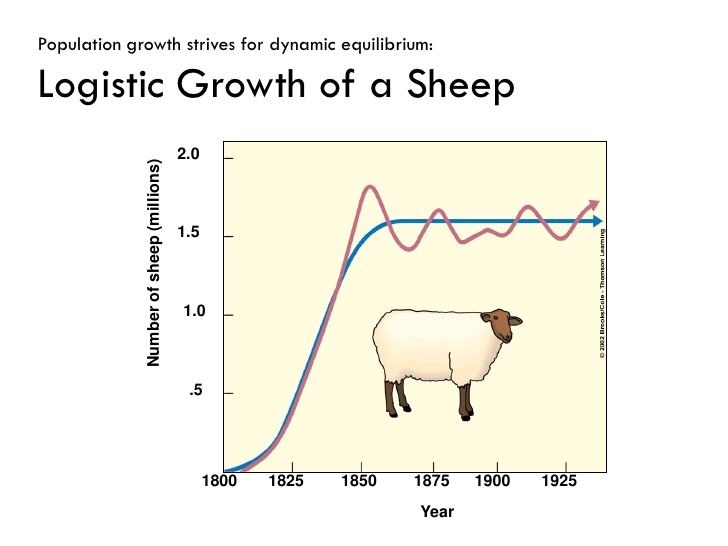
What is the carrying capacity for this sheep population?

1

2.0 million

2

1.0 million

3

1.6 million

4

0.5 million

37

Multiple Choice

Question image

What is the approximate carrying capacity of Paramecium aurelia grown alone?

1

100

2

200

3

300

4

450

38

Multiple Choice

Question image

If a disease destroying wheat plants in a field swept through an ecosystem, what would happen to the bird population that feed off of the wheat in the the field ?

1

The bird population would stay the same

2

The bird population would increase

3

The bird population would decrease

39

Multiple Choice

Question image

What point on the graph represents the carrying capacity?

1

A

2

B

3

C

4

D

40

Multiple Choice

Question image

When a population grows past the ecosystem's carrying capacity, what most likley happens to the population?

1

Continues to grow

2

The population starts to die off to return to carrying capcity

3

The population will go completely extinct due to lack of resources

41

Multiple Choice

At which level of ecological organization is there the greatest amount of energy available?

1

primary consumer

2

secondary consumer

3

decomposer

4

primary producers

42

Multiple Choice

An environmental factor such as amount of space, disease, and availability of mates that depends on the number of members in a population is called

1

density- dependent factor

2

density- independent factor

43

Multiple Choice

A population is...
1

A group of one species in one area

2

Multiple species that live in one area

3

All of the living and nonliving things in an area

4

None of these

44

Multiple Choice

Natural disasters such as flooding and tornadoes are linked to ________________.
1

primary succession

2

secondary succession

3

old field

4

ecosystem

45

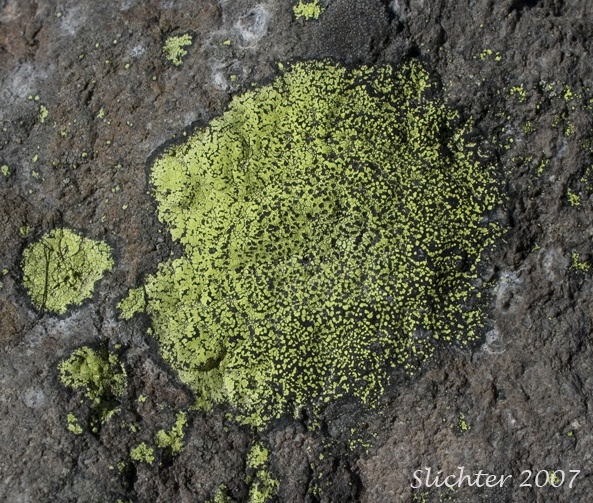
Multiple Choice

How do lichens contribute to primary succession?
1

Lichens decompose organic matter from animals and plants

2

Lichens begin to break down rock to form soil

3

Lichens are nitrogen fixing bacteria

4

Lichens convert carbohydrates into fossil fuels.

46

Multiple Choice

succession that occurs in an area with no soil
1

ecological succession 

2

primary succession 

3

secondary succession

4

pioneer speciles

47

Multiple Choice

Which experiences the least change over time?

1

Pioneer Species

2

Primary Succession

3

Aquatic Succession

4

Climax Community

48

Multiple Choice

Which of the following best describes primary succession?

1

Volcano wipes out ecosystem that gradually grows back from ash covered soil

2

Volcano creates a new island of rock that must break down to form an ecosystem

3

Forest fire burns down forest that must bounce back over time

4

Tornado destroys a crop that must slowly grow back over time.

49

Multiple Choice

Question image
What is the order of succession shown in this figure?
1

A, B, C, D

2

B, A, D, C

3

C, D, A, B

4

D, A, B, C

50

Multiple Choice

Question image
What type of succession is shown going from figure A to figure B?
1

primary succession

2

ecological succession

3

secondary succession

4

intermediate

51

Multiple Choice

Question image
What is the name given to lichen or algae after a primary succession?
1

pioneer species

2

volunteer species

3

founder species

4

conqueror species

52

Multiple Choice

Which of the following is NOT a heterotroph?

1

lion

2

jelly fish

3

aloe plant

4

seagull

53

Multiple Choice

Which of the following is NOT density dependent limiting factors?

1

competition

2

disease

3

natural disaters

4

water/food resources

54

Multiple Choice

Question image

If I were to remove the heron which is a predator in this food chain, what would happen to the population of butterflies?

1

a decrease in frogs due to the decrease in herons

2

a decrease in butterflies due to the decrease in frogs

3

a decrease in butterflies due to the increase in frogs

4

an increase in butterflies due to the increase in frogs

55

Multiple Choice

Question image

Removing which level would cause the most

damage?

1

1st trophic level

2

2nd trophic level

3

3rd trophic level

4

4th trophic level

56

Multiple Choice

How would a natural disaster such as a forest fire affect the population of secondary consumers?

1

a decrease in secondary consumers due to an decrease in primary producers

2

a increase in secondary consumers due to an decrease in primary producers

3

a decrease in secondary consumers due to an increase in primary producers

4

a increase in secondary consumers due to an increase in primary producers

57

​Scientific Method ( steps)

  1. Make observations ( formulate a question)

  2. Form a hypothesis ( testable explanation)

  3. Experiment

  4. analyze data

  5. Refine hypothesis or redefine if necessary and retest.

    Key to all experiments: must have large sample size, at least 3 experiment trials.

    Variables:

    1. independent variable ( only 1 tested a time) :is the factor the investigator changes.

    2. Dependent variable: factor affected by independent variable ( what is measured, observed or recorded)

    3. Controlled variables: Factors that are kept constant

    4. Control group: group not being tested on, used as a comparison.

    5. experimental group: group that IS being tested, included the Independent variable.

58

media

Independent variable: the factor being manipulated (what am I changing)

Dependent variable: the factor being measured ​

Ch. 1 - Scientific Method, What is Biology, Origin of Life

Experiment Variables

59

Multiple Choice

Kady is running an experiment to see if her newly created "headache tea" can effect the amount of headaches people experience in a month. She is going to give everyone 1 tea per day but 1 group will receive the tea with the active ingredient while the other group will receive a placebo tea. She will survey them at the end of the month to finds out how many headaches they had. What would be the INDEPEDENT variable in this experiment?

1

placebo tea

2

how many headaches they had that month

3

the active ingredient in the tea

4

how many people kady is using in her experiment

60

Multiple Choice

Kady is running an experiment to see if her newly created "headache tea" can effect the amount of headaches people experience in a month. She is going to give everyone 1 tea per day but 1 group will receive the tea with the active ingredient while the other group will receive a placebo tea. She will survey them at the end of the month to finds out how many headaches they had. What would be the DEPEDENT variable in this experiment?

1

active tea or placebo tea

2

how many headaches they had that month

3

the active ingredient in the tea

4

how many people kady is using in her experiment

media

District Unit I Review

Show answer

Auto Play

Slide 1 / 60

SLIDE