
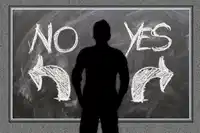
Conscience

Presentation
•
•
Practice Problem
•
Medium

Liliveth Gustilo
Used 7+ times
FREE Resource
27 Slides • 11 Questions
1

Second Quarter
Week 3
2

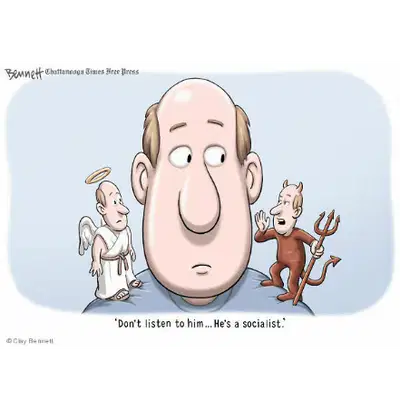
Picture Analysis
Activity:
3
Open Ended

What do you observe in the picture?
4
Open Ended
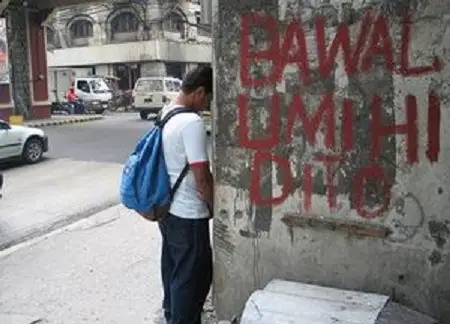
What are your insights about the picture?
5
Open Ended
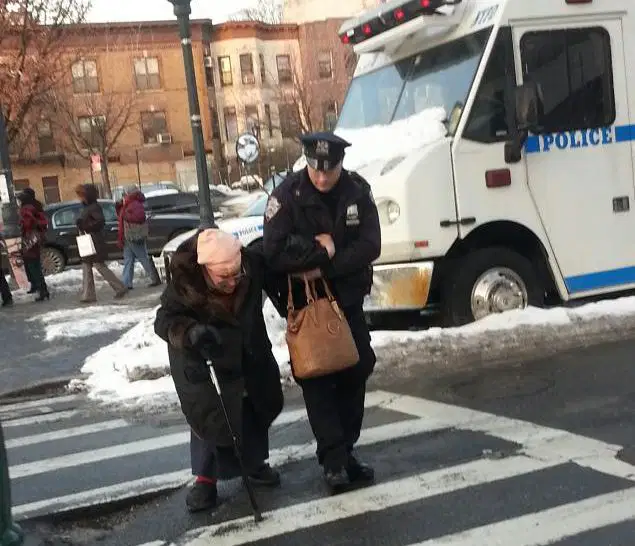
What can you observe in the picture?
6

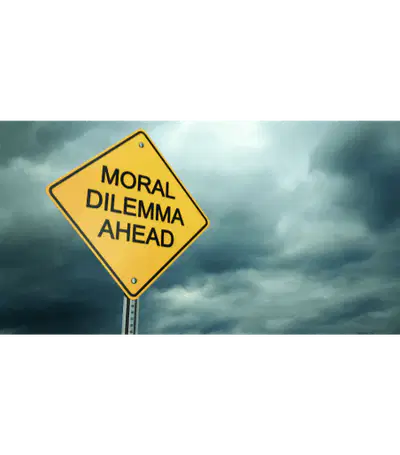
Christian
Conscience
7
Word Cloud
What motivates you to assist or support others?
8

What is
Conscience?
9


Misconception of Conscience
Conscience is not:
1. Individualistic
2. God’s Voice within Us
3. Our Feeling of Guilt
4. Media’s Depiction of Conscience as external reality is accurate
10

What is
Conscience?
Conscience
-Latin word: conscientia
con + scientia = with + knowledge
11

What is Conscience?
- is popularly understood as
that “little voice within”
(tinig ng budhi)
which tells us whether we
done right or wrong.
CFC 701
12
What is Conscience?
Conscience- is a practical judgment that
evaluates whether an action, word,
thought, desire, or omission is good and
to be consented to or evil and to be
avoided.
Since it is an act of judgment, it
considers a choice between right and
wrong.
13
What is Conscience?
“It is our secret core and sanctuary where we are alone with God.”
CCC 1776-1778
14


Role of Conscience
•Antecedent Conscience
•Concomitant Conscience
•Consequent Conscience
15

Role of Conscience
•Antecedent Conscience
Ante- before
Cedere- go
•Concomitant Conscience
Con- with or together
Comitari- (comes) companion
•Consequent Conscience
Con- with or together
Sequi- to follow
16

Role of Conscience
•Antecedent Conscience
-Conscience which discerns (before the act)
•Concomitant Conscience
-Conscience in action (during the act)
•Consequent Conscience
-Conscience which reviews, evaluates an
action which has already been done.
(after the act)
17

Dimension of Human Conscience
1. Subjective- refers to the person’s
norm of judging moral good or evil.
Simply means that an individual’s
conscience is his or hers and no one
else’s.
2. Objective- this means that our
conscience, while intimately ours, is
formed by the universal values and norms
we learn from others.
- we are all persons-in-community
18
Kinds of Conscience
Right Conscience
Erroneous Conscience
Doubtful Conscience
Confused Conscience
Scrupulous Conscience
Lax Conscience
19
Multiple Choice
It is a kind of conscience wherein one mistakenly judges something that is really evil to be good or something good to be evil.
Doubtful Conscience
Scrupulous Conscience
Erroneous or False Conscience
Lax Conscience
20
Multiple Choice
It is a kind of conscience where one judges what is good as good and what is evil as evil.
Doubtful conscience
Right or True conscience
Confused conscience
Lax conscience
21
Multiple Choice
It is a kind of conscience where one cannot decide if an act is good and to be done or evil and to be avoided.
Doubtful conscience
Confused conscience
Lax conscience
Erroneous conscience
22
Multiple Choice
It is a kind of conscience wherein when confronted with two alternatives, fears sin in whatever choice.
Lax conscience
Right conscience
Doubtful conscience
Confused conscience
23
Multiple Choice
It is a kind of conscience wherein one is extremely afraid of committing evil. In fear of sin when there is none, or in fear of mortal sin when there is only venial sin.
Right conscience
Lax conscience
Scrupulous conscience
Erroneous conscience
24
Multiple Choice
It is a conscience where one judges more by convenience than by God’s law and leads a person to easily commit sin.
Lax conscience
Doubtful conscience
Confuse conscience
Right conscience
25
Kinds of Conscience
Right or True Conscience
-judges what is good as good and what is evil as evil.
-this conscience corresponds to the objective moral values and precepts.
26
Kinds of Conscience
Erroneous or False Conscience
-mistakenly judges something that is really evil to be good or something good to be evil.
-mistakenly judges something that is really evil to be good or something good to be evil.
27
Kinds of Conscience
Doubtful Conscience
Certain Conscience- passes judgment about the goodness and evilness of an act without fear of committing error.
Doubtful Conscience
- can not decide if an act is good to be done or evil to be avoided.
When in doubt , one must refrain from
acting and resolve the doubt first.
28
Kinds of Conscience
Erroneous or False Conscience
-an erroneous conscience whose error is due to the neglect of malice is called culpable conscience.
29
Kinds of Conscience
Confused Conscience
-when confronted with two alternatives, fears sin in whatever choice.
- thus before acting, one must determine the goodness or evilness of an act itself, purpose, and circumstance.
30
Kinds of Conscience
Scrupulous Conscience
-extremely afraid of committing evil.
In fear of sin when there is none, or in
fear of mortal sin when there is only
venial sin.
31
Kinds of Conscience
Lax Conscience
-judges more by convenience than by God's law and leads a person to easily commit sin.
-everything is judged carelessly, without thought of the consequences or the offense to God
32


3 Stages of Conscience
Instinctive Level
Ethical or Moral Level
Christian or Religious Level
33


3 Stages of Conscience
Instinctive Level
-an act is judged as good if it is it is rewarded, and judged as evil if it is punished.
-focus only on the avoidance of punishment or the attainment of rewards.
34

3 Stages of Conscience
Ethical Level
-a person begins to realize that the goodness or evilness of an act does not depend on the approval of others or on the prospect of a reward or
punishment.
- this is about authentic identity and character.
35
3 Stages of Conscience
3.Christian or Religious Level
-our moral judgment will somehow reflect our deep, personal, and mature faith in Jesus Christ.
-judge an act to be good or evil on the basis of the teachings, the life, and the perfect example of Christ.
-bringing moral discernment into prayer
36
Open Ended
Can we form and educate our conscience? If yes, then how? If no, then why?
37

Forming a Christian Conscience
•Ways of forming our minds
Learning from the experiences and reflections
Taking time to read and study Sacred Scriptures
Listening to Parents
Learning in school
Study the teachings and principles of Church on moral issues
Consulting Parents, teachers, and counselors on issues and life situations
38
Forming a Christian Conscience
•Ways of forming our hearts
Spending moments alone in quiet personal prayer and reflection
Attending and participating in the Holy
Eucharist
Joining Prayer groups or recollection
Celebrating the sacraments, especially the reconciliation.
Second Quarter
Week 3
Show answer
Auto Play
Slide 1 / 38
SLIDE
Similar Resources on Wayground

33 questions
Unit 2.2 Conservation of Energy
Presentation
•
6th - 9th Grade
33 questions
Persuasive Techniques
Presentation
•
6th - 8th Grade
33 questions
Food Chains and Food Webs
Presentation
•
5th - 8th Grade
33 questions
Grade 9 General Unit 2 Lesson 7
Presentation
•
9th Grade
30 questions
Unit 2.6: Fossil Fuels
Presentation
•
9th - 12th Grade
30 questions
Inequalities
Presentation
•
5th - 8th Grade
33 questions
Review: Carrying Capacity and Limiting Factors
Presentation
•
6th - 12th Grade
33 questions
Sun, Earth, and Moon
Presentation
•
5th Grade
Popular Resources on Wayground
6 questions
PRIDE Always and Everywhere
Presentation
•
12th Grade
20 questions
Lab Safety Quiz

Quiz
•
6th Grade
26 questions
KOR Review Kahoot Questions
Quiz
•
8th Grade
21 questions
Continents and Oceans
Quiz
•
6th Grade
12 questions
Unit Zero lesson 2 cafeteria
Presentation
•
9th - 12th Grade
20 questions
Parts of Speech
Quiz
•
5th Grade
10 questions
Riddles Riddles fun Riddles
Quiz
•
6th - 12th Grade
16 questions
Subject & Predicate
Quiz
•
5th Grade
Discover more resources for
6 questions
PRIDE Always and Everywhere
Presentation
•
12th Grade
20 questions
Lab Safety Quiz
Quiz
•
6th Grade
26 questions
KOR Review Kahoot Questions
Quiz
•
8th Grade
21 questions
Continents and Oceans
Quiz
•
6th Grade
12 questions
Unit Zero lesson 2 cafeteria
Presentation
•
9th - 12th Grade
20 questions
Parts of Speech
Quiz
•
5th Grade
10 questions
Riddles Riddles fun Riddles
Quiz
•
6th - 12th Grade
16 questions
Subject & Predicate
Quiz
•
5th Grade