


Cells
Presentation
•
Science
•
KG
•
Practice Problem
•
Hard
alaa tarek
FREE Resource
10 Slides • 43 Questions
1
Multiple Choice
Humans are multicellular organisms
True
False
2
Match
Uses sunlight to create glucose sugar
Breaks down waste using Digestive Enzymes
Converts glucose into usable energy
Modifies, sorts, and packages proteins
Chloroplast
Lysosome
Mitochondria
Golgi Apparatus Body
Chloroplast
Lysosome
Mitochondria
Golgi Apparatus Body
3
Match
A transportation system within the cell
Builds Proteins
Manages the Actions of a the cell
Endoplasmic Reticulum
Ribosome
Nucleus
Endoplasmic Reticulum
Ribosome
Nucleus
4
Multiple Choice
The smallest unit of an organism, it is enclosed by a membrane and performs life functions
cell
nucleus
mitochondria
cytoplasm
5
Multiple Choice
Most bacteria are unicellular organisms
True
False
6
Multiple Choice
a protective layer that surrounds a cell or organelle the controls what may enter or leave
cell
nucleus
cell membrane
cytoplasm
7
Multiple Select
Eukaryotic cells can include ______________. *Select all that apply.
plants
animals
fungi
8
Multiple Choice
Structures in cells that perform specific functions and are found in all Eukaryotic cells and some Prokaryotic cells.
cell
organelle
cell membrane
cytoplasm
9
Match
Offers Support and structure to the cell
Controls what may enter or leave the cell
Storage site of water and nutrients
A gel-like fluid that fills empty space in the cell
Cell Wall
Cell Membrane
Vacuole
Cytoplasm
Cell Wall
Cell Membrane
Vacuole
Cytoplasm
10
Multiple Choice
Prokaryotic Cells include animals, plants and fungi
True
False
11
Multiple Choice
Eukaryotic Cells have a nucleus
True
False
12
Multiple Select
Plant and Animal cells are both __________________ and _________________. SELECT ALL THAT APPLY.
Eukaryotic
Prokaryotic
Multicellular
Unicellular
13
Multiple Choice
14
Multiple Choice
The _____________ holds the DNA, and controls the functions of eukaryotic cells.
Nucleus
Nuclear Membrane
Mitochondria
Chloroplast
15
Multiple Choice
What can only be found in plant cells?
Cell membrane
Vacuole
Chloroplast
Mitochondria
16
Multiple Choice
This is the brain or control center of the cell.
Cytoplasm
Nucleus
Cell membrane
17
Multiple Choice
This cell part is in ALL cells. It is the gel-like fluid that fills empty space in the cell.
Chloroplasts
Cell membrane
Cytoplasm
Nucleus
18
Cells
19
Organelles
Tiny cell structures that carry out specific functions within the cell.
20
Cytoplasm
Jelly-like structure. Keeps all the organelles together in the cell.
21
Nucleus
'Brain' of the cell. Control all cell activities.
22
Cell Wall
Layer of non living material that surrounds the cells of plants.
Only in plant cells.
Gives plants it's shape. It helps protect and support the cell.
23
Cell Membrane
All cells have it. It is the outside boundary that separates the cell from the environment.
"Hey border patrol let the water and food inside we need need them, but don't let the Corona Virus in we don't need that."
24
Chloroplast
Only found in plant cells. Allows the cell to make its own food.
25
Mitochondria
"Powerhouses" of the cell because they produce most of the energy the cell needs to carry out its functions. Rod shaped organelles.
26
Vacuole
Storage of the cells. Plants cells have one large vacuole. Animal cells have many large vacuole.
27
Remember that -
Structure refers to the Shape/ Description
Function is the organelles Job
The following questions will help you sort the function and structure card sort on page 16 of your online journal....... yes open your journal.
At the end of the questions review your answers and make any corrections to your online journal.
28
Multiple Choice
What is the Function and Structure of the Nucleus?
Structure: The Jelly-like material that is within the cell and is enclosed by the cell membrane.
Function: Converts light energy into chemical energy
Structure: A large, oval-shaped structure that is enclosed in a membrane.
Function: Contains the genetic material responsible for controlling the activities of the cell
29
Multiple Choice
What is the Function and Structure of the Vacuole?
Structure: Large, round sac that is filled with fluid
Function: Stores water, food, or waste materials for the cell
Structure: Bean- or peanut-shaped with internal membranes
Function: Gives support to the organelles within the cell
30
Multiple Choice
What is the Function and Structure of the Mitochondria?
Structure: Bean- or peanut-shaped with internal membranes.
Function: Breaks down sugars to release energy in a form usable by the cell; the powerhouse of the cell.
Structure: Green, oval-shaped structure that contains chlorophyll
Function: Regulates the passage of materials in and out of the cell, protects and gives some structure.
31
Multiple Choice
What is the Function and Structure of the Cell Membrane?
Structure: A porous, thin tissue that forms the outer surface of the cytoplasm.
Function: Converts light energy into chemical energy.
Structure: A porous, thin tissue that forms the outer surface of the cytoplasm.
Function: Regulates the passage of materials in and out of the cell, protects and gives some structure.
32
Multiple Choice
What is the Function and Structure of the Cytoplasm?
Structure: The Jelly-like material that is within the cell and is enclosed by the cell membrane.
Function: Gives support to the organelles within the cell.
Structure: A porous, thin tissue that forms the outer surface of the cytoplasm.
Function: Contains the genetic material responsible for controlling the activities of the cell
33
Multiple Choice
What is the Function and Structure of the Chloroplast?
Structure: Green, oval-shaped structure that contains chlorophyll
Function: Converts light energy into chemical energy.
Structure: Bean- or peanut-shaped with internal membranes.
Function: Contains the genetic material responsible for controlling the activities of the cell.
34
Multiple Choice
Which model is a Animal Cell?
35
Multiple Choice
Which model is a Plant Cell?
36
Multiple Select
Check mark all that apply. How can you tell the difference between a Plant Cell and an Animal Cell? (Hint there's more than one right answer)
Plants Cells have Mitochondria and Animal Cells do not
Plant cells have a Cell Wall and Animals cells do not
Animal cells have many, small Vacuoles. Plant cells have one large Vacuole.
Animal cells do not have Chloroplast, but Plant cells do.
Plant cells have a square shape and Animal cells have a circle shape.
37
Multiple Choice
Every living organism is made up of one or more cells.
True
False
38
Multiple Choice
A cell is...
the basic unit of structure and function in living organism
an organism
a basic part of everything that we see
found only in animals, not plants
39
Multiple Choice
Which of the following are NOT found in animal cells
chloroplasts and cytoplasm
chloroplasts and cell wall
cell wall and cell membrane
cell wall and nucleus
40
Multiple Choice
41
Multiple Choice
The jelly-like fluid that surrounds the organelles in the plant and animal cells is called what?
chloroplast
cytoplasm
vacuole
cell wall
42
Multiple Choice
What do vacuoles do?
They give the cells their shape.
They protect the cell.
They are the brain of the cell.
They are used for storage.
43
Multiple Choice
Which organelle helps plants with the process of photosynthesis?
Vacuole
Mitochondria
Cytoplasm
Chloroplast
44
Multiple Choice
45
Multiple Choice
Which of the following, found ONLY in plant cells, provides structure?
cell wall
chloroplast
nucleus
vacuole
46
Multiple Choice
In which organelle is the genetic material, or DNA, found inside?
cell membrane
chloroplast
nucleus
vacuole
47
Multiple Choice
A large vacuole is found in a _____ cell.
animal
plant
48
Multiple Choice
Identify the structure that is indicated by the arrow in the image.
cell wall
vacuole
chloroplast
nucleus
49
Multiple Choice
The arrow is showing the fluid inside the cell that surrounds the cell organelles. What is the arrow pointing to in the cell?
cytoplasm
cell membrane
chloroplast
nucleus
50
Multiple Choice
Which organelle gives the cell a rigid, box-like shape?
cytoplasm
chloroplasts
cell wall
cell membrane
51
Multiple Choice
Which organelle uses energy from sunlight to make food?
cytoplasm
nucleus
chloroplasts
vacuoles
52
Multiple Choice
53
Multiple Choice
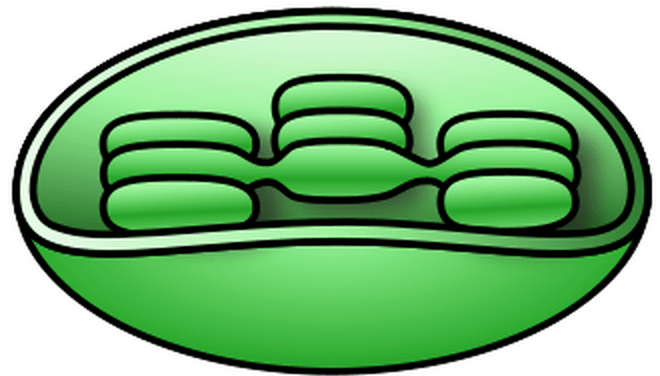
I am only found in a plant cell. What am I?
cell wall
vacuole
cytoplasm
chloroplast
Humans are multicellular organisms
True
False
Show answer
Auto Play
Slide 1 / 53
MULTIPLE CHOICE

Similar Resources on Wayground
49 questions
8.5C Periodic Table (Identifying Elements)
Presentation
•
8th Grade
45 questions
Module 3:1 Lesson
Presentation
•
6th Grade - University
49 questions
Meiosis
Presentation
•
9th Grade
45 questions
Unit 1 Lesson 3: Erosion and Deposition by Water
Presentation
•
6th Grade
48 questions
Heredity & Genetics
Presentation
•
6th - 9th Grade
49 questions
8th Grade 1-6 Scientific Measurement & Math
Presentation
•
8th Grade
50 questions
Electric Circuits
Presentation
•
8th - 11th Grade
Popular Resources on Wayground
20 questions
Math Review
Quiz
•
3rd Grade
15 questions
Fast food
Quiz
•
7th Grade
20 questions
Context Clues
Quiz
•
6th Grade
20 questions
Inferences
Quiz
•
4th Grade
19 questions
Classifying Quadrilaterals
Quiz
•
3rd Grade
20 questions
Figurative Language Review
Quiz
•
6th Grade
20 questions
Equivalent Fractions
Quiz
•
3rd Grade
10 questions
Identify Fractions, Mixed Numbers & Improper Fractions
Quiz
•
3rd - 4th Grade
Discover more resources for Science
20 questions
Cartoon Characters!
Quiz
•
KG - 5th Grade
10 questions
Movie Trivia
Quiz
•
KG - 2nd Grade
15 questions
Memorial Day Trivia
Quiz
•
KG - 12th Grade
12 questions
Name that Candy
Quiz
•
KG - 12th Grade
20 questions
Guess The App
Quiz
•
KG - Professional Dev...
20 questions
Guess that Disney
Quiz
•
KG - 5th Grade
16 questions
cartoons
Quiz
•
KG - 6th Grade
16 questions
Fun Fun Fun Fun!!!!!!!!!!!!!!
Quiz
•
KG - 5th Grade