#9 Cells and Viruses
Presentation
•
Science
•
9th Grade
•
Easy
+16
Standards-aligned
Federica Ramos
Used 6+ times
FREE Resource
10 Slides • 30 Questions
1
Labelling
Label the levels of organizations
Atom
Cell
Tissue
Molecule
Organ system
Organism
Organ
2
3
Categorize
4
Hotspot
Which image shows an example of the genetic material of all living things?
5
Carb Facts
Monomer : Monosaccharides
Polymer : Polysaccharides
Function : Short term energy
Example : Glucose, Lactose, Starch
Elements : C, H, O
6
Multiple Choice
What is the function of carbohydrates?
Hold genetic information
Short term energy
Long term energy
Transport
7
Multiple Select
Carbohydrates contain which of the following elements?
Carbon
Hydrogen
Oxygen
Nitrogen
Phosphorus
8
Lipid Facts
Monomer : Fatty Acid & Glycerol
Polymer : Triglyceride, Steroid
Function : Long term energy
Example : Phospholipid, wax, butter, olive oil
Elements : C, H, O (sometimes P)
9
Multiple Choice
What is the function of Lipids?
Hold genetic information
Short term energy
Long term energy
Transport
10
Protein Facts
Monomer : Amino Acid
Polymer : Polypeptide
Function : EVERYTHING; structure, reactions, support, transport
Example: Keratin (hair/nails), Lactase, Hemoglobin
Elements : C, H, O, N
11
Multiple Choice
What is the function of Proteins?
Hold genetic information
Short term energy
Long term energy
Aid in all cell functions
12
Match
Genetic material of the cell
Proteins
Long term energy storage
Nucleic Acids
Speeds Up chemical reactions in cells.
Lipids
Carbohydrates
Nucleic Acids
Speeds Up chemical reactions in cells.
Lipids
Carbohydrates
13
Match
Builds muscle
Makes up the cell membrane.
Stores genetic information.
Short term energy
Proteins
Protein
Lipid
Nucleic Acid
Carbohydrates
Speeds up chemical reactions
Protein
Lipid
Nucleic Acid
Carbohydrates
Speeds up chemical reactions
14
Multiple Choice
A student creates a Venn diagram comparing and contrasting carbohydrates to lipids. Which function below should be recorded in the shared space of the Venn diagram?
Structural Support for cell walls
Hormone Production
Catalyst for chemical reactions
Energy storage
15
Multiple Select
Check all of the correct answers. Which of the following are types of biomolecules?
Carbohydrates
Nucleic Acids
Lipids
Water
Protein
16
TWO TYPES:
Eukaryotic and Prokaryotic
VIRUSES ARE NOT CELLS
Cells
17
Multiple Choice
All living things are made up of...
cells
cell tissues
organ
organ systems
18
19
20
Categorize
Nucleus
Mitochondria
Cell Wall
Ribosomes
Cytoplasm
Protein
Membrane bound organelles
Uni or multicellular
Unicellular
DNA / RNA
Ribosome
Ribosom
Non-living
Requires host
Cannot metabolize independently
21
Multiple Choice
22
Multiple Choice
23
Multiple Choice
Viruses are bacteria.
True
False
24
Multiple Choice
Viruses are made up of cells.
True
False
25
Multiple Choice
The basic building blacks from which all living organisms are made are
cells
DNA
chromosomes
Amoeba
26
27
28
Multiple Choice
Which of the following pictures is NOT a example of a virus?
a
b
c
d
29
Multiple Choice
Observe the diagram of the two viruses.
Part C is the ______________
Genetic material
Capsid
Ligand
Envelope
30
Multiple Choice
Using your knowledge on viruses, which structure below IS NOT part of a viruses structure?
Genetic Material (DNA/RNA)
Capsid (Protective Protein Coat)
Cytoplasm (gel like fluid)
Projections (Protein Spikes used for attachment)
31
32
Multiple Choice
33
Multiple Choice
Which of the following is ONLY in a plant cell?
Cell Membrane
Cell Wall
34
Multiple Choice
35
Multiple Choice
36
Multiple Choice
What is the function of the nucleus?
The nucleus gives the cell energy
The nucleus protects the cell from outside things
The nucleus controls what happens in the cell
The nucleus does not have a job in the cell
37
Multiple Choice
The clear, jelly-like material in a cell that surrounds the cell’s organelles.
Cytoplasm
Cell Membrane
Nucleus
Mitochondria
38
Multiple Choice
Genetic Information or DNA is housed where in eukaryotic cells?
The Cytoplasm
The Plasma Membrane
The Mitochondria
The Nucleus
39
Multiple Choice
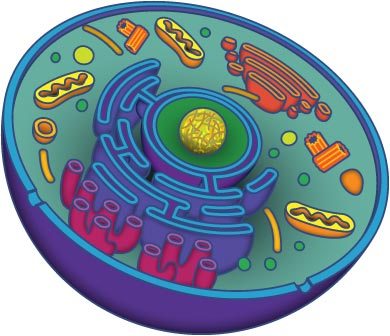
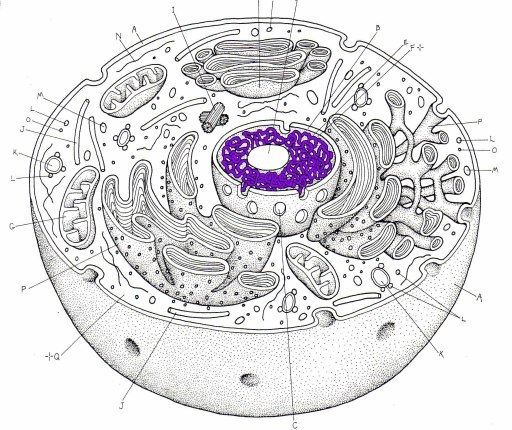
This organelle is present in BOTH prokaryotic and eukaryotic cells and connect amino acids to build proteins in the cells.
Golgi Body
Smooth ER
Lysosomes
Ribosomes
40
Multiple Choice
A flexible material that holds the parts of the cell together
Cell Barrier
Nucleus
Cell Membrane
Vaculoe
Label the levels of organizations
Organ system
Tissue
Cell
Organ
Organism
Atom
Molecule
Show answer
Auto Play
Slide 1 / 40
LABELLING
Similar Resources on Wayground
37 questions
Chemistry EOG Review
Presentation
•
8th Grade
39 questions
Precision, Accuracy, and Sig Figs
Presentation
•
9th Grade
33 questions
Grade 9 General Unit 2 Lesson 7
Presentation
•
9th Grade
34 questions
Lesson 6.2: The Relative Age of Rocks
Presentation
•
8th Grade
34 questions
Chemical Reactions
Presentation
•
9th Grade
38 questions
Structure and Properties of Matter
Presentation
•
9th Grade
36 questions
DNA Intro Review
Presentation
•
9th Grade
36 questions
Lesson: Identifying Atoms, Isotopes, and Ions
Presentation
•
9th Grade
Popular Resources on Wayground
10 questions
5.P.1.3 Distance/Time Graphs
Quiz
•
5th Grade
10 questions
Fire Drill
Quiz
•
2nd - 5th Grade
20 questions
Equivalent Fractions
Quiz
•
3rd Grade
22 questions
School Wide Vocab Group 1 Master
Quiz
•
6th - 8th Grade
20 questions
Main Idea and Details
Quiz
•
5th Grade
20 questions
Context Clues
Quiz
•
6th Grade
20 questions
Inferences
Quiz
•
4th Grade
12 questions
What makes Nebraska's government unique?
Quiz
•
4th - 5th Grade
Discover more resources for Science
10 questions
Exploring the Layers of the Earth
Interactive video
•
6th - 10th Grade
25 questions
Naming Ionic and Covalent Compounds
Quiz
•
9th Grade
20 questions
Balancing Chemical Equations
Quiz
•
9th Grade
15 questions
Protein synthesis
Quiz
•
9th Grade
20 questions
Human Impact on the Environment Review #2
Quiz
•
9th Grade
20 questions
Newton's Laws of Motion
Quiz
•
9th Grade
20 questions
Mendelian Genetics Review
Quiz
•
9th Grade
16 questions
Balancing Chemical Equations and Types of Reactions
Quiz
•
9th - 10th Grade