

RW Lesson 04.12.24

Presentation
•
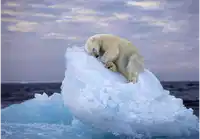
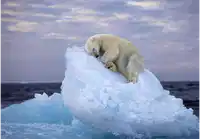
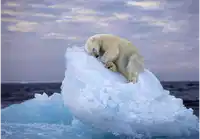
English
•
3rd Grade
•
Practice Problem
•
Hard
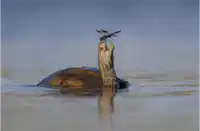
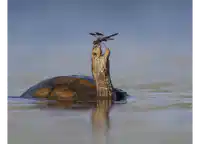
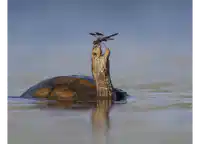
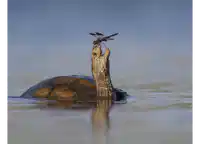
Standards-aligned

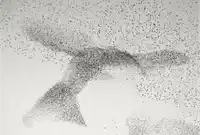
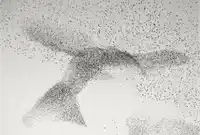
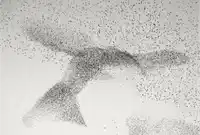
Jennifer Holmes
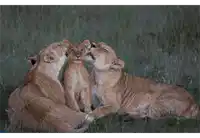
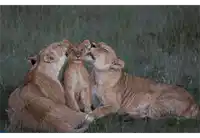
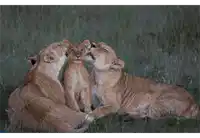
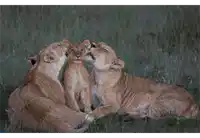
Used 1+ times
FREE Resource
32 Slides • 0 Questions
1


HISD 3rd Grade
Read Write
April 12, 2024
Teacher Facing
2
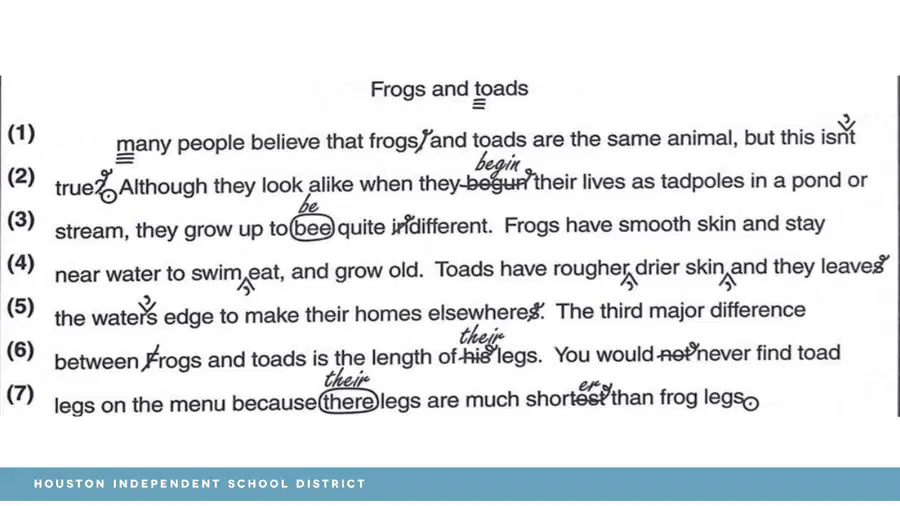
7
Do Now
3


HISD 3rd Grade
Read Write
INFORMATIONAL
April 12, 2024
4

9
TEKS: 3.6F make inferences and use evidence to support understanding
TEKS: 3.7C use text evidence to support an appropriate response
TEKS: 3.10A explain the author's purpose and message within a text
TEKS: 3.10C explain the author's use of print and graphic features to achieve specific purposes
LOs:
Student Objective: SWBAT make inferences and use text evidence to
support understanding.
SWBAT refer explicitly to informational text when answering questions.
SWBAT explain the author's purpose and message within a text.
SWBAT explain the author's use of print and graphic features to achieve
specific purposes.
5





LEARNING
3.6F_3.7C_3.10A_3.10C
INFORMATIONAL
6



11
What do we need to make an inference when reading an
informational text?
Text
Evidence
Background
knowledge
Readers always use evidence to support an inference.
7

12
Readers use these sentence
stems when making
inferences:
● The text says _____, I know
that ________, my inference
is_______.
● Reading ___ makes me
think ____ because I know
_____.
➔ think of what the
text reminds them
of.
➔ look for clues in the
text
When making an
inference, a reader can
8

13
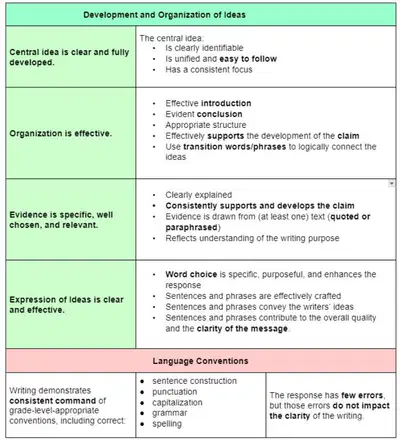
1-2 points
✔
✔
✔
✔
✔
1-3 points
ECR
Extended-Constructed
Response
9





1
2
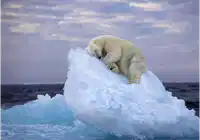
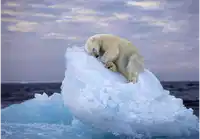
Ice Bed by Nima Sarikhani. A polar bear carves out a bed
from a small iceberg before drifting off to sleep in the far north, off Norway’s Svalbard archipelago.
Vocabulary
contest (noun):
A competition where people try to win by being
the best, smartest, or most skilled.
Photographer Wins Annual Wildlife Award for Image of a
Sleeping Polar Bear
By USA TODAY
favorite (noun/adjective):
If something is your favorite, you like it the most out
of all other things like it.
3
climate change (noun):
Changes in the world's weather patterns over
a long period of time, are often caused by
human activities.
What is the
importance of
capturing images of
animals in their
natural habitats?
1.The Natural History Museum in London holds a contest every
year. The contest is for the Wildlife Photographer of the Year. To
compete in the contest, photographers submit images of
creatures from around the world.
2.The museum has a special award. It is called the Wildlife
Photographer of the Year People's Choice Award. Photographers
from all over the world enter photos in the contest. The museum
and a panel of judges choose the best 25. Then they put the
photos online. They let people vote on their favorite one.
4
habitat (noun):
The natural environment where a plant or
animal lives.
5
struggle (verb):
If you struggle with
something, it is hard for
you to do.
6
finalists (noun):
A person or thing that
makes it to the last
round of a competition
10




1
2
Vocabulary
contest (noun):
A competition where people try to win by being
the best, smartest, or most skilled.
favorite (noun/adjective):
If something is your favorite, you like it the most out
of all other things like it.
3
climate change (noun):
Changes in the world's weather patterns over
a long period of time, are often caused by
human activities.
How can photographs
raise awareness about
environmental issues
like habitat loss?
3.In February, photographer Nima Sarikhani was announced as the
winner of the People's Choice Award. His winning photo is called "Ice
Bed." It shows a young polar bear drifting off to sleep on a small
chunk of sea ice.
The Winning Photo
4.Douglas Gurr is the director of the Natural History Museum in London.
He said the image is a big reminder of the important bond between an
animal and its habitat. A habitat is the natural environment of a living
thing.
5."Nima's breathtaking and poignant image allows us to see the beauty
and fragility of our planet," Gurr said.
6.Gurr said the photo shows the harmful impacts of climate change.
Climate change is the significant change in the climate of Earth over a
long period of time. It can happen naturally. But today, climate change
is largely caused by human activities. Gurr said that the photo also
shows the harm of habitat loss.
7.Polar bears live in the cold areas of the north. They spend most of
their time on sea ice. That is their main habitat. On the sea ice, polar
bears hunt seals. This is their main food source. When sea ice lasts
all year long, bears will hunt throughout the year. But in areas where
sea ice melts in the summer, bears spend several months on land.
They eat very little and live off of stored fat in their bodies.
4
habitat (noun):
The natural environment where a plant or
animal lives.
5
struggle (verb):
If you struggle with
something, it is hard for
you to do.
6
finalists (noun):
A person or thing that
makes it to the last
round of a competition
11





1
2
Vocabulary
contest (noun):
A competition where people try to win by being
the best, smartest, or most skilled.
favorite (noun/adjective):
If something is your favorite, you like it the most out
of all other things like it.
3
climate change (noun):
Changes in the world's weather patterns over
a long period of time, are often caused by
human activities.
8.But our climate is warming. With warmer temperatures, there is less
sea ice because it melts. And it doesn't last as long when it forms. The
polar bears are losing their habitat. Less sea ice forces the bears onto
land for longer periods of time, and the bears struggle to find food.
The Finalists
9.Sarikhani's image of the polar bear
won the big award. But there were
several other "highly commended"
finalists.
10.
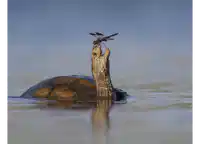
They include the photo titled
"The Happy Turtle." It was taken by
Tzahi Finkelstein. It shows a smiling
turtle with a dragonfly.
11.
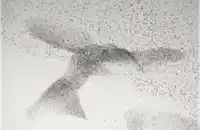
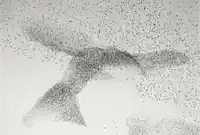
"Starling Murmuration" was taken
by Daniel Dencescu. A murmuration is
a large group of birds flying in a pattern.
The photo shows a group of starlings
swirling together to form the shape
of a giant bird.
4
habitat (noun):
The natural environment where a plant or
animal lives.
5
struggle (verb):
If you struggle with
something, it is hard for
you to do.
6 finalists (noun):
A person or thing that
makes it to the last
round of a competition
Image 1. "The Happy Turtle" by Tzahi Finkelstein.
A Balkan pond turtle shares a moment of peaceful
coexistence with a northern banded groundling
dragonfly in Israel's Jezreel Valley.
Image 2. "Starling Murmuration" by Daniel
Dencescu. A mesmerizing mass of starlings swirl
into the shape of a giant bird on their way to
communal roosts above the city of Rome, Italy.
How can photographs
raise awareness about
environmental issues
like habitat loss?
12




1
2
Vocabulary
contest (noun):
A competition where people try to win by being
the best, smartest, or most skilled.
favorite (noun/adjective):
If something is your favorite, you like it the most out
of all other things like it.
3
climate change (noun):
Changes in the world's weather patterns over
a long period of time, are often caused by
human activities.
What is the
importance of
capturing images of
animals in their
natural habitats?
12.
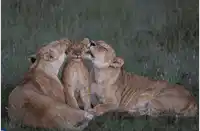
Mark Boyd's "Shared Parenting" shows two lionesses cleaning a lion
cub.
13.
The big cats, birds, and turtles were
all finalists. But there were other
interesting contenders, too.
One was a photo of a mudskipper fish
defending its territory. There was also
a photo of two mountain hares sharing
a tender moment.
14.
The People's Choice Award images
can be seen online. They can also be
seen at the Natural History Museum in
London. They will be on display there
until June 30, 2024.
4
habitat (noun):
The natural environment where a plant or
animal lives.
5
struggle (verb):
If you struggle with
something, it is hard for
you to do.
6 finalists (noun):
A person or thing that
makes it to the last
round of a competition
Image 3. "Shared Parenting" by Mark Boyd. A pair of
lionesses devotedly groom one of the pride's five
cubs in Kenya's Maasai Mara. Females raise each
other's cubs as their own, sharing parenting duties.
Here the youngster was clearly enjoying the moment
of affection and attention. Photo: Mark Boyd/Wildlife
Photographer of the Year.
By Chicago Tribune, Tribune Content Agency (2024). Photographer wins annual wildlife award for image of a sleeping polar bear. Text retrieved
from Newsela with permission.
13



18
Read the selection “Photographer Wins Annual Wildlife Award for Image
of a Sleeping Polar Bear.”
Based on the information in the article, write a response to the following.
Explain how climate change is affecting polar bears.
Write a well-organized informational composition that uses specific evidence from the article to support your
answer.
Remember to —
●clearly state your central idea
●organize your writing
●develop your ideas in detail
●use evidence from the selection in your response
●use correct spelling, capitalization, punctuation, and grammar
Manage your time carefully so that you can —
●review the selections
●plan your response
●write your response
●revise and edit your response
Topic
ECR
Genre
14


19
Explain how climate change is affecting polar bears.
ECR
✔
✔
✔
✔
15


20
Explain how climate change is affecting polar bears.
ECR
Based on the information in the article, climate change is
affecting polar bears by causing the melting of sea ice, their
main habitat. Paragraph 8 states, "With warmer
temperatures, there is less sea ice because it melts. And it
doesn't last as long when it forms."This evidence indicates
that rising temperatures due to climate change lead to reduced
sea ice coverage and duration, which directly impacts polar
bears' ability to hunt for seals, their main food source, and rest
on the ice. As a result, polar bears are forced to spend more
time on land, where they struggle to find food.
✔
✔
✔
✔
16




Based on paragraph 6, what inference can the reader
make about the future challenges facing polar bear
populations? Select TWO correct answers.
A.
Polar bears may benefit from reduced sea ice
coverage, as it may provide them with new hunting
opportunities.
B.
Warmer temperatures will likely lead to increased
habitat loss for polar bears, making it difficult for
them to hunt seals.
C.
Warmer temperatures could potentially lead to an
increase in sea ice coverage, making it easier for
them to hunt seals.
D.
Polar bear populations are not at risk of decline due
to habitat loss caused by diminishing sea ice.
E.
Polar bears may spend longer periods on land,
facing challenges in finding adequate food.
Gurr said the photo shows the harmful impacts of
climate change. Climate change is the significant
change in the climate of Earth over a long period
of time. It can happen naturally. But today, climate
change is largely caused by human activities.
Gurr said that the photo also shows the harm of
habitat loss.
pARAGRAPH 6
Text
Evidence
What do we need to make an inference?
Background
Knowledge
17




Based on paragraph 6, what inference can the reader
make about the future challenges facing polar bear
populations? Select TWO correct answers.
A.
Polar bears may benefit from reduced sea ice
coverage, as it may provide them with new hunting
opportunities.
B.
Warmer temperatures will likely lead to increased
habitat loss for polar bears, making it difficult for
them to hunt seals.
C.
Warmer temperatures could potentially lead to an
increase in sea ice coverage, making it easier for
them to hunt seals.
D.
Polar bear populations are not at risk of decline due
to habitat loss caused by diminishing sea ice.
E.
Polar bears may spend longer periods on land,
facing challenges in finding adequate food.
Gurr said the photo shows the harmful impacts of
climate change. Climate change is the significant
change in the climate of Earth over a long period
of time. It can happen naturally. But today, climate
change is largely caused by human activities.
Gurr said that the photo also shows the harm of
habitat loss.
pARAGRAPH 6
Text
Evidence
What do we need to make an inference?
Background
Knowledge
18




Look at the photographs from the selection.
Which sentence from the article helps the reader
understand that photography can help teach others about
the environment?
A.
In February, photographer Nima Sarikhani was announced as
the winner of the People’s Choice Award. (paragraph 3)
B.
“...breathtaking and poignant image allows us to see the
beauty and fragility of our planet,” Gurr said. (paragraph 5)
C.
Climate change is the significant change in the climate of
Earth over a long period of time. (paragraph 6)
D.
But in areas where sea ice melts in the summer, bears spend
several months on land. (paragraph 7)
pHOTOGRAPHY
19




Look at the photographs from the selection.
Which sentence from the article helps the reader
understand that photography can help teach others about
the environment?
A.
In February, photographer Nima Sarikhani was announced as
the winner of the People’s Choice Award. (paragraph 3)
B.
“...breathtaking and poignant image allows us to see the
beauty and fragility of our planet,” Gurr said. (paragraph 5)
C.
Climate change is the significant change in the climate of
Earth over a long period of time. (paragraph 6)
D.
But in areas where sea ice melts in the summer, bears spend
several months on land. (paragraph 7)
pHOTOGRAPHY
20





Read the sentence from paragraph 7.
Based on the information in this sentence, the reader can
conclude that—
A.
Sea ice is a part of artists’ photographs all year long.
B.
Polar bears hunt seals during the summer months
when sea ice melts.
C.
Sea ice is an important part of polar bears’ natural
habitats.
D.
Polar bears rely on other sources of food during
other periods of the year.
"On the sea ice, polar bears hunt seals. This is their main
food source. When sea ice lasts all year long, bears will
hunt throughout the year."
Text Evidence
Conclusion
21





Read the sentence from paragraph 7.
Based on the information in this sentence, the reader can
conclude that—
A.
Sea ice is a part of artists’ photographs all year long.
B.
Polar bears hunt seals during the summer months
when sea ice melts.
C.
Sea ice is an important part of polar bears’ natural
habitats.
D.
Polar bears rely on other sources of food during
other periods of the year.
"On the sea ice, polar bears hunt seals. This is their main
food source. When sea ice lasts all year long, bears will
hunt throughout the year."
Text Evidence
Conclusion
22







What evidence from the section, "The Winning Photo"
suggests that the melting of sea ice could potentially
impact the hunting behavior of polar bears?
The melting of sea ice
________________________.
In paragraph ___ it says, “
________.”
This shows that _________.
23







What evidence from the section, "The Winning Photo"
suggests that the melting of sea ice could potentially
impact the hunting behavior of polar bears?
The melting of sea ice in climate changecould
impact the hunting behavior of bears. In
paragraph 7 it says, "Polar bears live in the
cold areas of the north. They spend most of
their time on sea ice. That is their main habitat.
On the sea ice, polar bears hunt seals. This is
their main food source."This shows that polar
bears heavily rely on sea ice for hunting seals,
indicating that the melting of sea ice due to
climate change could potentially disrupt their
hunting behavior.
The melting of sea ice
________________________.
In paragraph ___ it says, “
________.”
This shows that _________.
24




Look at the photographs from the selection.
Select TWO correct answers.
Which idea from the selection does the author best
support by including the photographs?
A.
The diversity and beauty of wildlife.
B.
The impact of climate change on polar bear
habitats.
C.
The interconnectedness between animals and
their habitats.
D.
The role of humans in the degradation of
habitats.
E.
The conservation efforts to protect animals.
pHOTOGRAPS
25




Look at the photographs from the selection.
Select TWO correct answers.
Which idea from the selection does the author best
support by including the photographs?
A.
The diversity and beauty of wildlife.
B.
The impact of climate change on polar bear
habitats.
C.
The interconnectedness between animals and
their habitats.
D.
The role of humans in the degradation of
habitats.
E.
The conservation efforts to protect animals.
pHOTOGRAPS
26





Based on the selection, the reader can conclude that—
A.
the Wildlife Photographer of the Year People's
Choice Award is about competing in a wildlife photo
contest
B.
the Wildlife Photographer of the Year People's
Choice Award raises awareness about wildlife
conservation
C.
the Wildlife Photographer of the Year People's
Choice Award is about celebrating photography
D.
the Wildlife Photographer of the Year People's
Choice Award has no relevance to climate change
Text Evidence
Conclusion
27



Based on the selection, the reader can conclude that—
A.
the Wildlife Photographer of the Year People's
Choice Award is about competing in a wildlife photo
contest
B.
the Wildlife Photographer of the Year People's
Choice Award raises awareness about wildlife
conservation
C.
the Wildlife Photographer of the Year People's
Choice Award is about celebrating photography
D.
the Wildlife Photographer of the Year People's
Choice Award has no relevance to climate change
Text Evidence
Conclusion
28





This question has two parts. First, answer Part A. Then answer Part B.
Part A
What is the most likely reason the author wrote this selection?
A.To persuade the reader to support the Wildlife Photographer of
the Year People's Choice Award
B.To teach the reader about the importance of wildlife conservation
efforts
C.To tell the reader to take action against climate change and
wildlife conservation
D.To inform the reader about the Wildlife Photographer of the Year
People's Choice Award in wildlife conservation
Part B
Provide text evidence to support your answer to Part A.
The most likely reason the author wrote this selection is to _______.
In the text it says, “ ____________.” This shows ___________.
TEXT
EVIDENCE
Text
Evidence
What do we need to make an inference?
Background
Knowledge
29



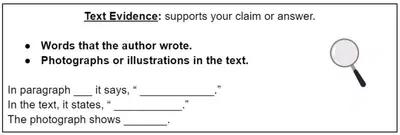
This question has two parts. First, answer Part A. Then answer Part B.
Part A
What is the most likely reason the author wrote this selection?
A.To persuade the reader to support the Wildlife Photographer of
the Year People's Choice Award
B.To teach the reader about the importance of wildlife conservation
efforts
C.To tell the reader to take action against climate change and
wildlife conservation
D.To inform the reader about the Wildlife Photographer of the Year
People's Choice Award in wildlife conservation
Part B
Provide text evidence to support your answer to Part A.
The most likely reason the author wrote this selection is to _______.
In the text it says, “ ____________.” This shows ___________.
TEXT
EVIDENCE
Text
Evidence
What do we need to make an inference?
Background
Knowledge
30







Part B
Provide text evidence to support your answer to Part A.
The most likely reason
the author wrote this selection
is to _______. In the text it says,
“ ____________.” This shows
___________.
31







Part B
Provide text evidence to support your answer to Part A.
The most likely reason
the author wrote this selection
is to _______. In the text it says,
“ ____________.” This shows
___________.
Answers may slightly vary:The most likely reason the
author wrote this selection isto inform readers about the
Wildlife Photographer of the Year People's Choice Award and
raise awareness about wildlife conservation and the impact of
climate change on polar bear habitats.In the text it says,
"Douglas Gurr is the director of the Natural History Museum
in London. He said the image is a big reminder of the
important bond between an animal and its habitat."This
shows the author's intention to highlight the
interconnectedness between animals and their habitats and
the need for conservation efforts.
32

41
Readers use these sentence
stems when making
inferences:
● The text says _____, I know
that ________, my inference
is_______.
● Reading ___ makes me
think ____ because I know
_____.
➔ think of what the
text reminds them
of.
➔ look for clues in the
text
When making an
inference, a reader can
HISD 3rd Grade
Read Write
April 12, 2024
Teacher Facing
Show answer
Auto Play
Slide 1 / 32
SLIDE
Similar Resources on Wayground

24 questions
Reading Comprehension
Presentation
•
3rd - 4th Grade
24 questions
Subject and Predicate with Noun and Verb
Presentation
•
3rd - 4th Grade
29 questions
Central Idea
Presentation
•
3rd Grade
21 questions
Contractions
Presentation
•
3rd Grade
25 questions
Variant Vowel /u/ oo, u, u_e, ew, ue, ui
Presentation
•
2nd - 4th Grade
25 questions
Informational Text Structures
Presentation
•
4th Grade
27 questions
Figurative Language Review!
Presentation
•
3rd Grade
22 questions
Reading Skills Review
Presentation
•
3rd Grade
Popular Resources on Wayground
10 questions
Factors 4th grade

Quiz
•
4th Grade
10 questions
Cinco de Mayo Trivia Questions

Interactive video
•
3rd - 5th Grade
13 questions
Cinco de mayo
Interactive video
•
6th - 8th Grade
20 questions
Math Review
Quiz
•
3rd Grade
20 questions
Main Idea and Details
Quiz
•
5th Grade
20 questions
Context Clues
Quiz
•
6th Grade
20 questions
Inferences
Quiz
•
4th Grade
19 questions
Classifying Quadrilaterals
Quiz
•
3rd Grade
Discover more resources for English
41 questions
Reading Practice - Comprehension
Quiz
•
3rd Grade
10 questions
Context Clues
Quiz
•
3rd Grade
20 questions
Find the Main Idea and Supporting Details
Quiz
•
3rd Grade
20 questions
Reading & Test Testing Strategies
Quiz
•
3rd - 5th Grade
12 questions
Context Clues Vocabulary
Quiz
•
3rd Grade
20 questions
Prefix and Suffix Review
Quiz
•
3rd - 5th Grade
10 questions
Main Idea and Supporting Details
Quiz
•
3rd - 6th Grade
20 questions
3rd Grade Grammar Review
Quiz
•
3rd Grade