Search Header Logo
  1. Resource Library
  2. Science
  3. Biology
  4. The Cell Membrane
  5. Transport In Cells
Transport in cells

Transport in cells

Assessment

Presentation

Science

9th Grade

Practice Problem

Easy

NGSS
MS-ESS1-1, MS-LS1-2, K-ESS3-1

+16

Standards-aligned

Created by

Sam Bendle

Used 4+ times

FREE Resource

7 Slides • 13 Questions

1

Transport in cells recap

media

​Cells need to move substances in and out of them.

Some of these substances are needed to keep the cell alive.

Some are waste products which need removing.

2

​On the next page there will be a link to BBC bitesize.
Take 5 minutes to recap:

1) What organelles are in an animal cell.
2) What is the function (job) of these organelles.

3

web page not embeddable

Animal cells - Cell structure - AQA - GCSE Combined Science Revision - AQA Trilogy - BBC Bitesize

You can open this webpage in a new tab.

4

web page not embeddable

Plant cells - Cell structure - AQA - GCSE Combined Science Revision - AQA Trilogy - BBC Bitesize

You can open this webpage in a new tab.

5

Match

Question image

What are the functions of these parts of a cell (organelles)?

Nucleus

Cell membrane

Mitochondria

Ribosomes

Chloroplasts

Controls cell activities and contains genetic material

Regulates what enters and leaves the cell

Produces energy for the cell

Protein synthesis

Converts light energy into chemical energy

6

web page not embeddable

Diffusion in cells - Living organisms - KS3 Biology - BBC Bitesize

You can open this webpage in a new tab.

7

Drag and Drop
Question image
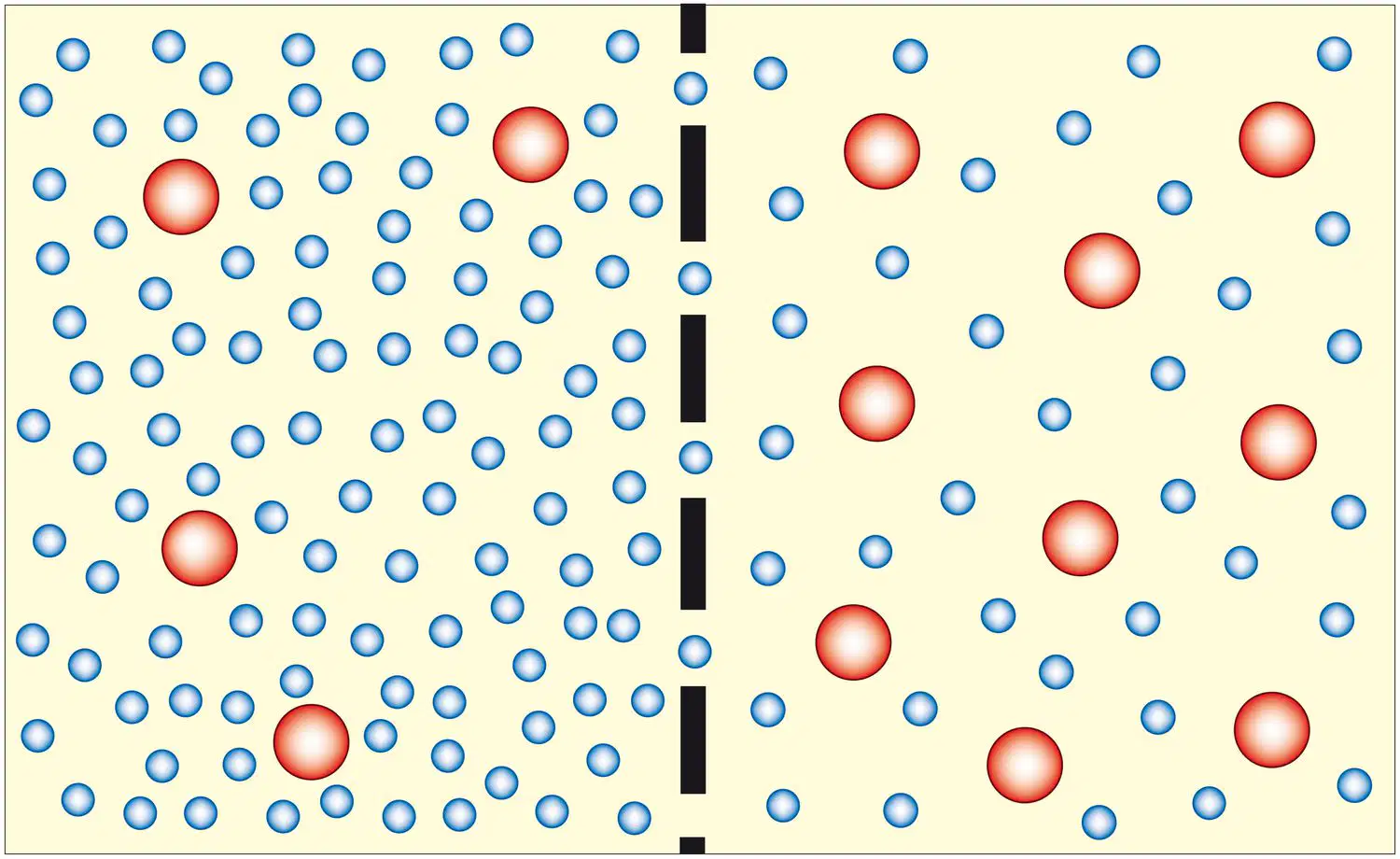
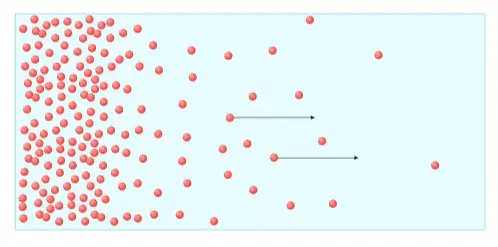
Diffusion is the movment of ​
from an area of ​
concetration to an area of ​
concentration through a partically ​
membrane.
Drag these tiles and drop them in the correct blank above
particles
water
energy
high
low
permenable

8

web page not embeddable

Osmosis - Transport in cells - AQA - GCSE Combined Science Revision - AQA Trilogy - BBC Bitesize

You can open this webpage in a new tab.

9

Multiple Choice

Osmosis is the movement of

1

particles

2

oxygen

3

water

4

sugar

10

Hotspot

Which of these is a solute?

11

Match

Match the following

Solute

Solution

Solvent

Sugar

Water

A solid which dissolves

A mixture of a solute and a solvent

The liquid which does the dissolving

an example of a solute

an example of a solvent

12

Dropdown

Question image
Osmosis is the movement of ​
particles towards an area with a ​
concentration.

13

Draw

Draw an arrow to show which direction the water particles will move due to osmosis.

14

Categorize

Options (2)

movement of water

movement of particles

Match the facts

Osmosis
Diffusion

15

Multiple Choice

If water is drawn into a cell it will...

1

get smaller

2

get bigger

3

stay the same size

4

16

Draw

Draw an arrow to indicate which direction the water (blue dots) will travel. Either into or out of the c

17

Draw

Draw a diagram of a cell which will get smaller becuae of osmosis. Inlude a cell membrane, water molecules and sugar molecules.

18

media

Click on the link to the simulation.


https://www.focuselearning.co.uk/s/4437ecsilkqh

Osmosis practical simulation

19

Reorder

Go to the "method" section on the simulation. Order the steps for method of this experiment.

Cut the potates into cylinders the same size.

Weigh your sample to get a first reading.

Place your sample in the glucose solution.

After a set time remove the sample from the solution.

Weigh your sample again and calulate the change in mass.

1
2
3
4
5

20

Match

Match the variables to this experiment

Independent variable (what you change)

Dependent variable (what you will measure)

Control variable (what you keep the same to make it a fair test)

The concentration of glucose

The percentage change in mass

The size of the potatoe pieces.

Transport in cells recap

media

​Cells need to move substances in and out of them.

Some of these substances are needed to keep the cell alive.

Some are waste products which need removing.

Show answer

Auto Play

Slide 1 / 20

SLIDE