Search Header Logo
Unit 6 Review

Unit 6 Review

Assessment

Presentation

Science

9th Grade

Medium

NGSS
MS-LS2-4, MS-LS2-1, MS-LS2-3

+22

Standards-aligned

Created by

Viveca Elsey

Used 12+ times

FREE Resource

9 Slides • 42 Questions

1

media

2

media

3

Multiple Choice

Which of the following terms describes an area where an organism lives?
1
community
2
habitat
3
area

4

Multiple Choice

Which is represented by all of the bullfrogs living around a pond?
1
community
2
habitat
3
population

5

Multiple Choice

What would most likely happen if the rabbit population was removed from the food chain grass —› rabbit —› fox?
1
their would be more grass
2

there would be less grass

3
there would be more fox

6

media

7

Multiple Choice

Emigration is

1

the movement out of an area

2

the movement into an area

3

movement in and out of an area

4

migration

8

Multiple Choice

Why don't populations grow indefinitely?

1

limiting factors

2

only biotic factors

3

only abiotic factors

4

none of the above

9

Multiple Choice

Question image

What is the arrow pointing at?

1

carrying capacity

2

biotic potential

3

density-independent

4

density dependent

10

Multiple Choice

Question image

What is the carrying capacity mean?

1

The number of individuals an area can carry

2

the number of births

3

The number of deaths an area has

4

not sure

11

media

12

Multiple Choice

Question image
When a specific population grows past the ecosystem's carrying capacity, what happens to the population?
1
Density Independent limiting factors start to occur resulting in the population going farther above carrying capacity.
2
Density Dependent limiting factors start to occur resulting in the population going back below carrying capacity.
3
The population will go extinct due to lack of resources
4
The population grows then finds a new carrying capacity

13

Multiple Choice

Question image
What is the carrying capacity of the following graph?
1
1000
2
8000
3
800
4
600

14

Multiple Choice

Question image
The total number of individuals a habitat can survive with the resources it has available.
1
Carrying capacity
2
Limiting factors
3
Resources
4
Population

15

media

16

Multiple Choice

Question image

A rock

1

Biotic (living)

2

Abiotic (non-living)

17

Multiple Choice

Question image

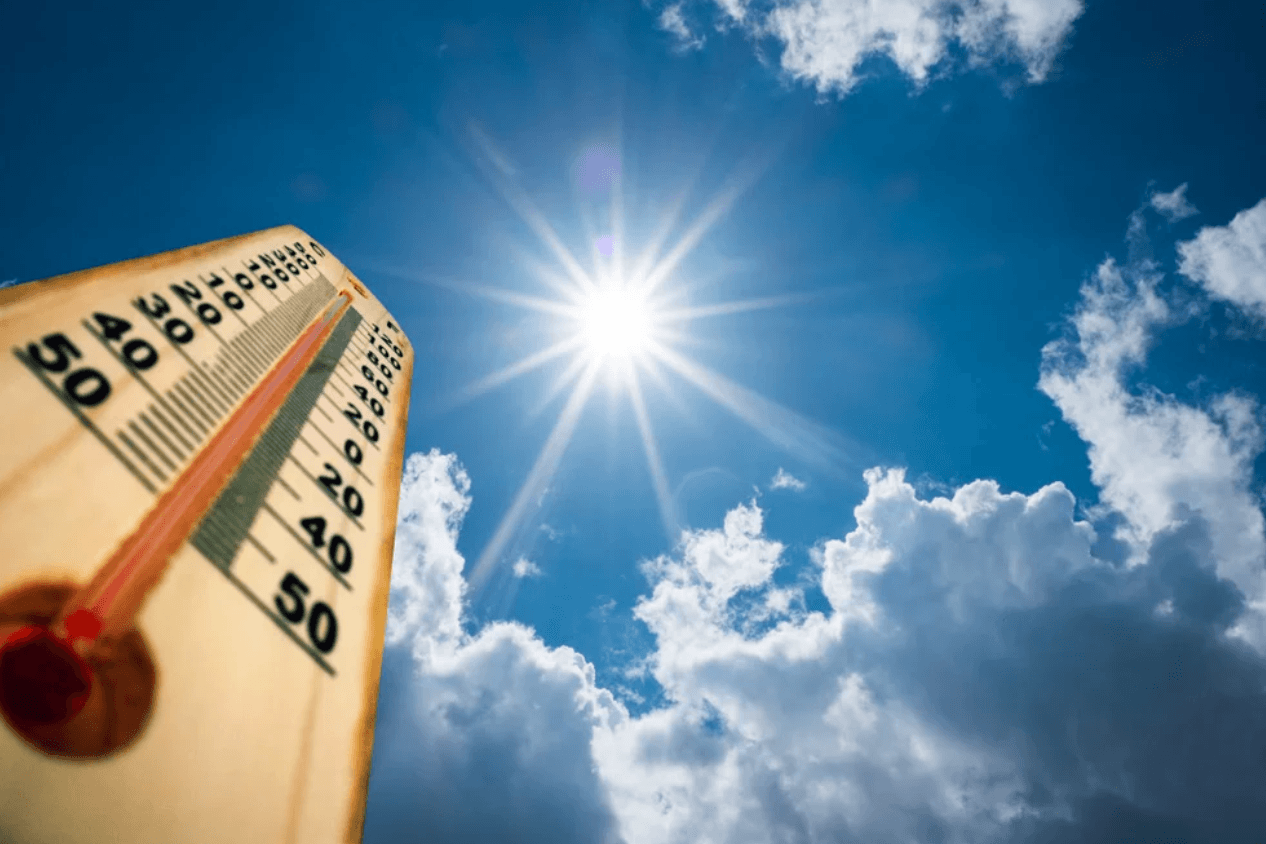
Temperature

1

Biotic (living)

2

Abiotic (non-Living)

18

Multiple Choice

Question image

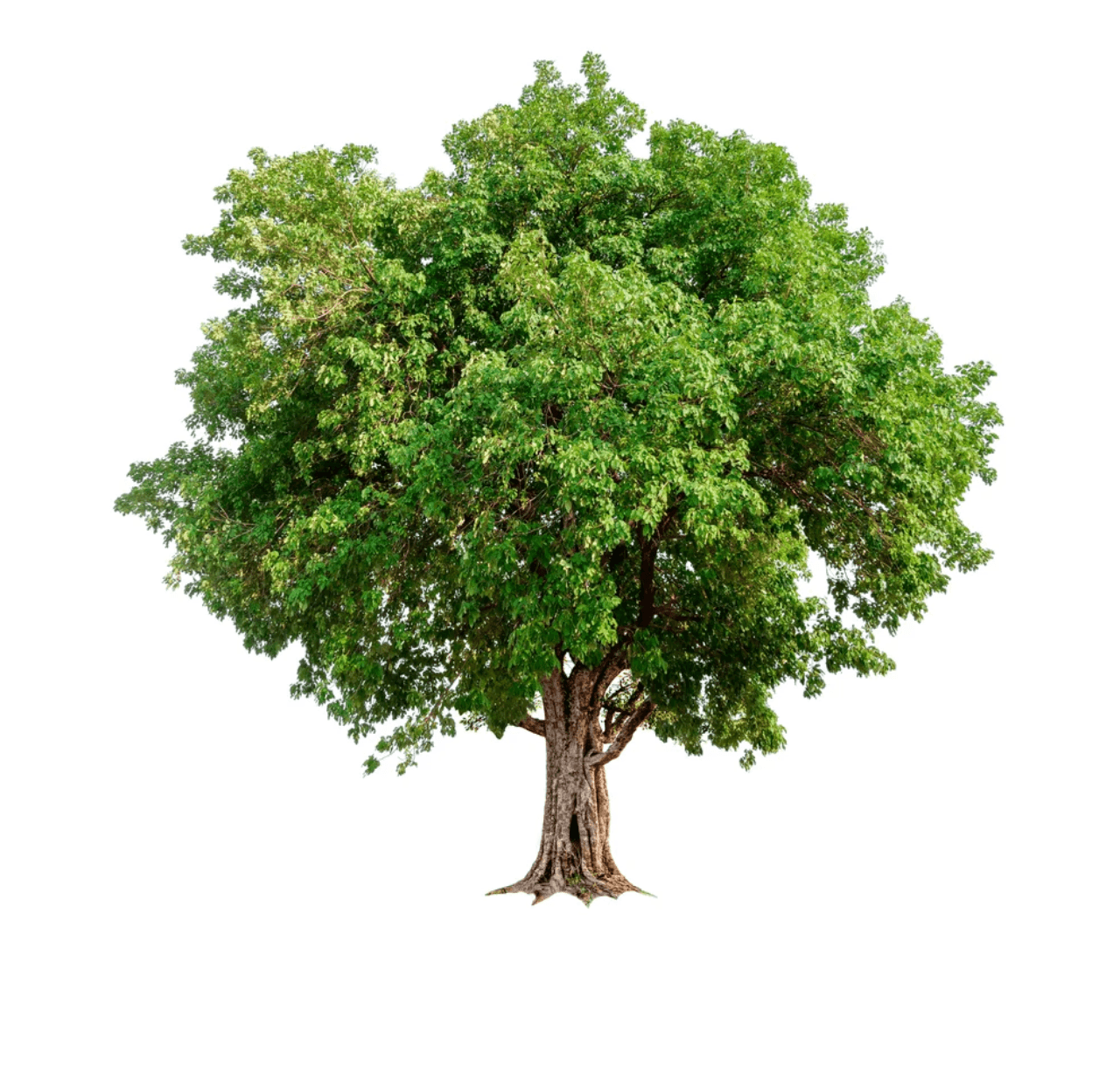
Tree

1

Biotic (living)

2

Abiotic (non-living)

19

Multiple Choice

Question image

Starfish

1

Biotic (living)

2

Abiotic (non-living)

20

Multiple Choice

Question image

Sunlight

1

Biotic (living)

2

Abiotic (non-living)

21

Multiple Choice

Question image

wind

1

Biotic (living)

2

Abiotic (non-living)

22

Multiple Choice

Question image

water

1

biotic (livng)

2

Abiotic (non-living)

23

Multiple Choice

Question image

Mushroom

1

biotic (livng)

2

Abiotic (non-living)

24

media

25

Draw

Mark Density Depending factors with BLUE or GREEN.

Mark Density Independent factors with RED or ORANGE

26

Multiple Choice

An abiotic factor such as storms and extreme heat or cold that decrease a population (no matter the size) are considered to be. 

1

density- dependent factor

2

population density

3

dispersion

4

density- independent factor

27

Multiple Choice

Question image

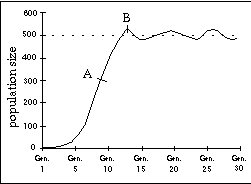
What is happening to the birth rate vs death rate for the population at letter A?

1

birth rate is more than the death rate

2

death rate is greater than the birth rate

3

the birth rate and death rate are equivalent

4

population is extinct

28

Multiple Choice

An extensive drought in the Serengeti Plain threatens wildebeest, giraffe, zebra, and springbok populations.

1

Density-Dependent

2

Density-Independent

29

Multiple Choice

Fish on a coral reef stake out their territory and chase away any younger fish that try to live there.

1

Density-Dependent

2

Density-Independent

30

Multiple Choice

Many fish die due to a change in the winds and the appearance of the El Nino ocean current off the coast of Peru and Chile.

1

Density-Dependent

2

Density-Independent

31

Multiple Choice

Due to stress from lack of space, large numbers of female lemmings miscarry their young and fail to reproduce.

1

Density-Dependent

2

Density-Independent

32

Multiple Choice

A severe flood in the Red River Valley causes a decline in the deer population. What type of limiting factor does the flood represent?

1

Density-Dependent

2

Density-Independent

33

Multiple Choice

Due to severe overcrowding children in many countries do not survive to reach adulthood.

1

Density-Dependent: Disease

2

Density-Independent: Disease

34

Multiple Choice

Name the type of limiting factor and type of relationship

Since lynx prey on hares, an increase in the hare population causes an increase in the lynx population.

1

Density-Dependent: Parasitism

2

Density-Independent: Competition

3

Density-Dependent: Predator-Prey

4

Density-Independent: Predator-Prey

35

media

36

Multiple Choice

Salinity refers to

1

how many plants are in the water

2

how many organisms live in the water

3

how much salt in is water

37

Multiple Choice

Which is NOT example of freshwater ecosystems
1
Coral Reef
2
Lake
3
Pond
4
Stream

38

Multiple Choice

Almost ____% of the earth's surface is covered with water.

1

100%

2

75%

3

50%

4

35%

39

Multiple Choice

Which aquatic ecosystem are streams?

1

estuaries

2

freshwater ecosystem

3

ocean

4

wetland

40

Multiple Select

What are the two most important abiotic factors in determining the productivity, or amount of life in different areas of the ocean? Choose two.

1

Amount of sunlight.

2

Wind and wave speed

3

Nutrient levels in the water

4

Amount of dissolved carbon dioxide in the water

41

Multiple Choice

What is an aquatic ecosystem?

1

An aquatic ecosystem includes any water environment and the community of organisms that live there

2

An aquatic ecosystem includes any land environment and the community of organisms that live there.

42

media

43

Match

Match the following

Primary succession

pioneer species

abiotic factor

secondary sucession

climax community

44

Multiple Choice

Primary succession occurs in an area that has:

1

Has Soil

2

Has No Soil

3

Has Some Soil

4

none of these

45

Multiple Choice

What is the main difference between primary and secondary ecological succession?

1

Primary begins WITHOUT soil; Secondary begins WITH soil

2

Primary is the first state and secondary is the second stage

3

Primary builds plant community; secondary builds animal community.

4

Primary begins WITH soil; Secondary begins WITHOUT soil

46

Multiple Choice

What is an example of an area that is likely to undergo primary succession?

1

Glaciers melt and leave exposed rock

2

Plants die from drought and decompose

3

Land is bulldozed and soil remains

47

Multiple Choice

Question image
What are examples of pioneer species in a primary succession?
1
Bushes and Shrubs
2
Oak trees
3
Mossess and Lichens 
4
A rose Bush

48

Multiple Choice

After a volcanic eruption, volcanic rock is present (but no soil). Which of the following states the most likely order of succession that would be seen?

1

Lichens → Shrubs → Grasses → Trees

2

Lichens → tree → shrubs→Grasses

3

Grasses → Lichens → Shrubs → Trees

4

Lichens → Grasses → Shrubs → Trees

49

Multiple Choice

Question image
What is the order of succession shown in this figure?
1
A, B, C, D
2
B, A, D, C
3
C, D, A, B
4
D, A, B, C

50

Multiple Choice

Question image
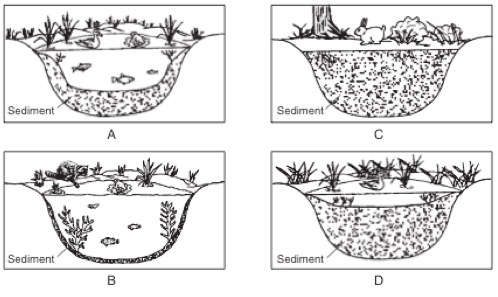
What is the correct order from oldest (happened first) to youngest (happened last) in this pond succession?
1
A, B, C, D
2
D, C, B, A
3
B, A, D, C
4
C, D, A, B

51

media
media

Show answer

Auto Play

Slide 1 / 51

SLIDE