

Unit 7: Section 4 - Textile Mills

Presentation
•
Social Studies
•
8th Grade
•
Medium

Stella Baily
Used 4+ times
FREE Resource
11 Slides • 15 Questions
1


Section 4 - The Textile Industry
Standard 8-5.5 - Compare industrial development in SC to industrialization in the
rest of the U.S.
2


Early Industrialization
●
Even though SC’s economy relied on agriculture, parts of the state had
begun to industrialize before the Civil War
●
This was particularly true in the Upcountry which had good streams and
rivers needed to power factories
3


●
The building of railroads and
access to cotton grown in the
state made the Upcountry a
good location to build textile
mills
●
These mills processed the
cotton grown on southern farms
into cloth, which was shipped
using the railroads
4


The Growth of Textile Mills
●
The textile industry began in the
Upcountry, but started
spreading throughout the state
after the Civil War
●
By the early 1900s, SC was the
2nd largest textile producing
state in the country
5

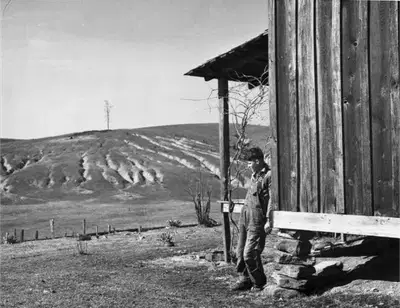
●
One reason the textile
industry grew after the Civil
War is that there was a ready
supply of labor looking for
work
●
Most of these people were
poor farmers that could no
longer make a living working
the land
●
Many poor farmers looked to
textile mills to provide not only
work, but also homes
6


Mill Villages
●
To help attract workers textile
mills would provide homes,
schools, churches and stores
for their employees
●
These communities became
known as “Mill Villages,” where
employees of the mill and their
families lived
7


●
Life in the mill villages was not
perfect
●
In bad economic times workers
were laid off and lost their
homes
●
The mills also employed young
children, where some became
injured or were even killed in
work accidents
8


●
The building of mill villages
created many new
communities in the
Upcountry of South
Carolina
●
Most of these communities
still exist today, even though
the mills have closed
9


Textile Workers
●
Men, women and children
worked long hours for low
pay in textile mills
●
They also worked around
machines that could
sometimes be dangerous,
and injuries were common
10


●
The typical work shift was from
6 AM - 6 PM Monday through
Saturday
●
Workers in SC were also paid
less than half what other
workers in the U.S. were paid,
and women and children made
less than men
11


●
Mill workers in SC were
also looked down on by
other parts of society
●
They were often referred to
as “lint heads” because the
cotton fibers from the mill
sometimes stuck in their
hair
12
Multiple Choice
What was the state of SC's economy primarily based on before the Civil War?
Industrialization
Agriculture
Trade
Mining
13
Multiple Choice
Which part of SC began to industrialize before the Civil War due to its good streams and rivers?
Lowcountry
Midlands
Upcountry
Coastal areas
14
Multiple Choice
What was the role of the mills mentioned in the text?
To process wool into cloth.
To process cotton into food products.
To process cotton into cloth.
To ship cotton to other countries.
15
Multiple Choice
Why was the Upcountry considered a good location to build textile mills?
Because it had a large population.
Because it had access to railroads and cotton.
Because it was close to coal mines.
Because it had advanced technology.
16
Multiple Choice
When did the textile industry start spreading throughout the state of SC?
Before the Civil War
After the Civil War
During the Civil War
In the late 1800s
17
Multiple Choice
By the early 1900s, what was SC's rank in terms of textile production in the country?
The largest textile producing state
The 2nd largest textile producing state
The 3rd largest textile producing state
Not among the top textile producing states
18
Multiple Choice
What is one reason the textile industry grew after the Civil War?
There was a decrease in the demand for textiles
There was a ready supply of labor looking for work
There was an increase in the price of cotton
There was a shortage of labor
19
Multiple Choice
Who were most of the people that provided labor for the textile industry after the Civil War?
Wealthy landowners
Skilled artisans from cities
Poor farmers that could no longer make a living working the land
Foreign immigrants
20
Multiple Choice
What were "Mill Villages" known for providing to attract workers?
Entertainment venues and luxury apartments
Homes, schools, churches, and stores for their employees
High wages and stock options
Free transportation and healthcare
21
Multiple Choice
Who lived in the "Mill Villages"?
Only the mill owners and their families
Employees of the mill and their families
Independent farmers and craftsmen
Government officials and administrators
22
Multiple Choice
What was not perfect about life in the mill villages?
The houses were very luxurious
Workers were laid off and lost their homes in bad economic times
The mills employed young children
Some children became injured or were even killed in work accidents
23
Multiple Choice
Who did the mills employ that sometimes led to tragic accidents?
Experienced adult workers
Foreign experts
Young children
Robots
24
Multiple Choice
Do most of the communities created by the building of mill villages in the Upcountry of South Carolina still exist today?
No, all of them have been abandoned.
Yes, but they have been relocated.
No, most of them have been demolished.
Yes, even though the mills have closed.
25
Multiple Choice
Who worked in textile mills for low pay?
Only men
Only women
Only children
Men, women, and children
26
Multiple Choice
What was the social perception of mill workers in SC by other parts of society?
They were highly respected
They were considered wealthy
They were looked down on
They were seen as celebrities
Section 4 - The Textile Industry
Standard 8-5.5 - Compare industrial development in SC to industrialization in the
rest of the U.S.
Show answer
Auto Play
Slide 1 / 26
SLIDE
Similar Resources on Wayground

21 questions
Basic Types of Business Ownerships 12c
Presentation
•
8th Grade
18 questions
Louisiana Territory
Presentation
•
8th Grade
21 questions
Africa
Presentation
•
7th - 8th Grade
19 questions
Reconstruction Amendments Notes
Presentation
•
8th Grade
21 questions
Civil War
Presentation
•
8th Grade
19 questions
Manifest Destiny
Presentation
•
8th Grade
19 questions
Supreme Court Cases
Presentation
•
8th Grade
20 questions
Westward Expansion Map Lesson
Presentation
•
8th Grade
Popular Resources on Wayground
10 questions
Factors 4th grade

Quiz
•
4th Grade
10 questions
Cinco de Mayo Trivia Questions

Interactive video
•
3rd - 5th Grade
13 questions
Cinco de mayo
Interactive video
•
6th - 8th Grade
20 questions
Math Review
Quiz
•
3rd Grade
20 questions
Main Idea and Details
Quiz
•
5th Grade
20 questions
Context Clues
Quiz
•
6th Grade
20 questions
Inferences
Quiz
•
4th Grade
19 questions
Classifying Quadrilaterals
Quiz
•
3rd Grade
Discover more resources for Social Studies
64 questions
Civics PMA 3
Quiz
•
7th - 8th Grade
44 questions
8th Grade Social Studies - Staar Review 2021
Quiz
•
8th Grade
10 questions
Exploring the 50 States and Capitals of the USA
Interactive video
•
6th - 10th Grade
18 questions
Candy Trivia for National Candy Month!
Quiz
•
8th Grade
25 questions
Civics EOC Review
Quiz
•
6th - 8th Grade
48 questions
Georgia Studies Milestone Review
Quiz
•
8th Grade
60 questions
Civics SOL Review
Quiz
•
8th Grade
20 questions
From Cash Crops to Tourism Review
Quiz
•
8th Grade