
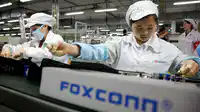
China Manufacturing

Presentation
•
Geography
•
7th Grade
•
Practice Problem
•
Easy

Aimee Cooper
Used 2+ times
FREE Resource
17 Slides • 11 Questions
1
Match
Match the following
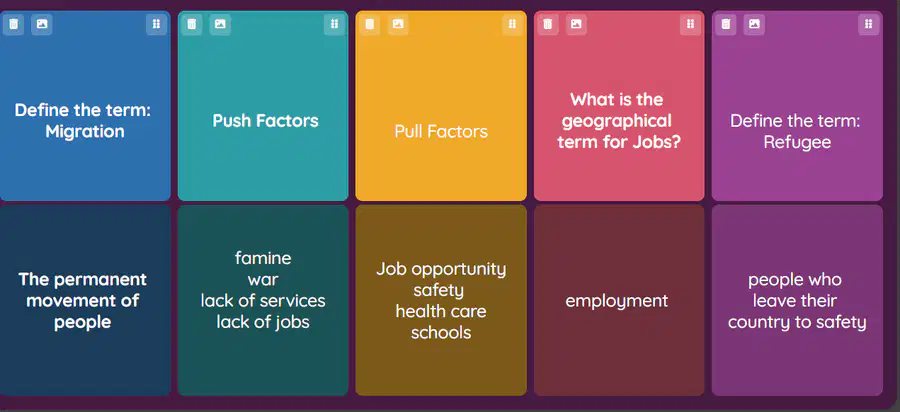
Define the term: Migration
Push Factors
Pull Factors
What is the geographical term for Jobs?
Define the term: Refugee
The permanent movement of people
famine
war
lack of services
lack of jobs
Job opportunity
safety
health care
schools
employment
people who leave their country to safety
The permanent movement of people
famine
war
lack of services
lack of jobs
Job opportunity
safety
health care
schools
employment
people who leave their country to safety
2

3

To know what life is like for migrant workers in China.
To explore how our technology is made.
To make connections between China's manufacturing and the environment.
4
Open Ended

Who are the main group of people migrating? Why?
5
The most common people to migrate in China are young people from rural areas.
They are drawn to work in big cities by the promise of good jobs and a perceived better quality of life.

6
Open Ended

What are some social impacts caused by rural urban migration?
7
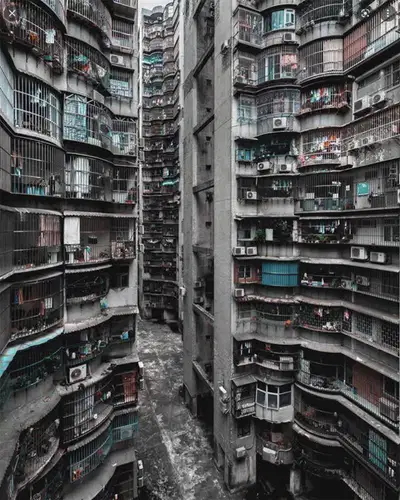
Urbanisation Pressure: When people move from rural to urban areas in China, it puts a lot of pressure on cities. More people mean we need more houses, better roads, hospitals, and schools. Sometimes, cities can get really crowded, and it's hard for everyone to find a good place to live or a job.
Jobs and Wages: Many people from rural areas take up jobs that don't need a lot of skills when they move to cities. This helps industries like factories, building, and services grow. But sometimes, this can also mean that wages stay low, and it can be tough for locals to find work.
Social Differences: People from rural areas often face unfair treatment and find it hard to get help from the government in cities. This is because of something called the 'hukou' system, which decides who gets help based on where they're from. It can make life harder for migrants and their families.
8
9
Family Changes: Moving to cities can mean families get split up. Sometimes, parents go to work in cities while their kids stay in the countryside with their grandparents. This can be tough for everyone, especially kids who miss their parents.
Mixing Cultures: When people from different places come together, they share their cultures and ways of life. This can be really cool and create new things, but it can also cause problems if people don't get along because they're different.
Not Enough Help in Rural Areas: When lots of people leave rural areas, it can mean there aren't enough doctors, teachers, or shops. This can make life difficult for those who stay behind, and things like healthcare and education might not be as good as they should be.
Older People in Rural Areas: With younger people moving away, rural areas end up with lots of older people. This can make it hard for villages to keep going and provide services like shops and buses.

10
Multiple Choice
So, once these people have moved to cities –
where do (a majority) of them work?
11
Open Ended
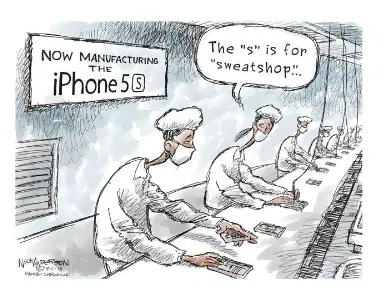
What does this cartoon suggest about working conditions in Chinese factories?
12

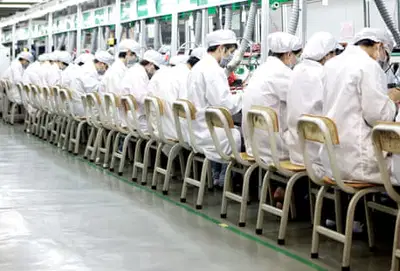
Apple is one of the largest TNCs (Trans-national corporations) in the World – 30% of their products are made in China by a company called Foxconn. Foxconn has over 1.3million employees in China in 12 factories.
Foxconn has come under scrutiny in the last few years about working conditions, pay and the safety of their staff.
13

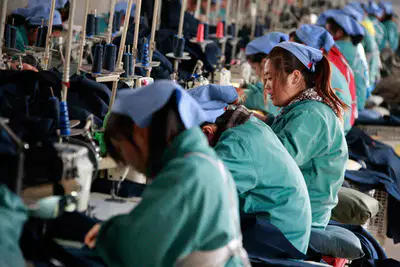
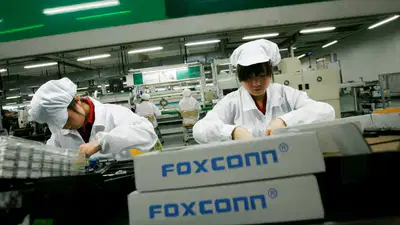
The factory is an Apple factory, making iPhones. It makes 72 million iPhones each year. The factory has been built in China because land is much cheaper and there are less strict planning controls. Over 90% of the workers in the factory are unmarried, Chinese women. Many of these women are from very poor rural areas of China who have moved to the city to earn money. Working in the Apple factory, means that these women earn more than they would usually be able to. Each woman earns £14 a month, which is only half of the minimum wage in China, although a lot less than would need to be paid to workers in other countries.
14

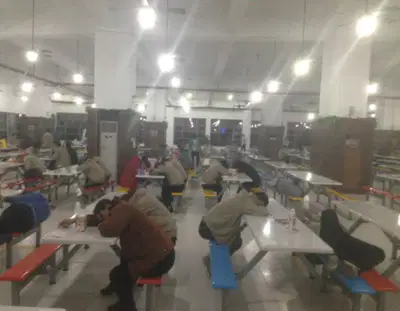
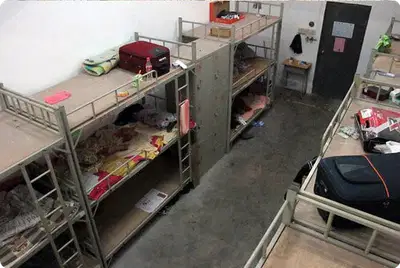
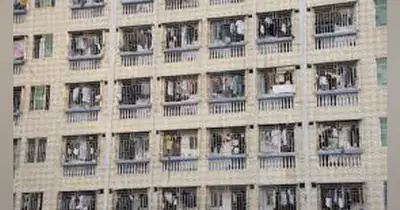
The women live in dormitories close to the factory. They work for between 8 and 10 hours a day and working conditions are often very hot and below the standard which would be expected in other countries. They are given food but many complain that it is not very good.

15
If they break company rules (for example. lose their name badge), the women are fined. They can also never be late for work, be even 5 minutes late can mean that 30 minutes of pay is lost. However, the machinery used is safe and is checked regularly. Although the women are given masks to wear when handling dangerous chemicals, these chemicals are often stored close to drinking water.
Many of the women say that they plan to move away from the factory once they get married.
16
17
Open Ended
What do you think the biggest issues are in factories in China?
18
Open Ended
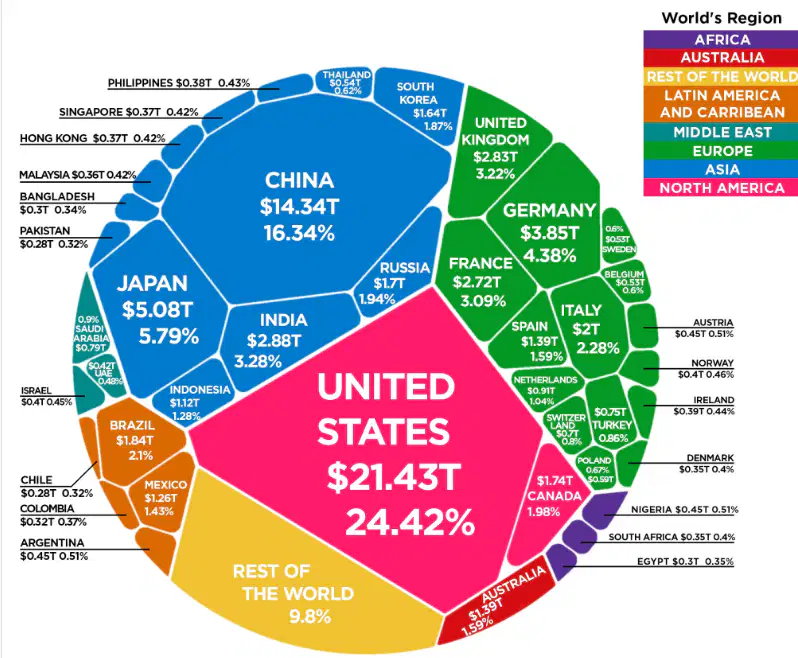
What does this infographic show us?
Why is China's GDP so high?
19
In 2011, China produced 90.6% of all personal computers made that year – a staggering 320.4million
80% of Air Conditioning units (109million)
320.4million energy saving light bulbs – 80% of all produced in 2011
74% of all solar panels were made in China – that’s 21.8 gigawatts of electricity
1.1billion mobile phones – only 70.6% of all mobiles produced in 2011
12.6 billion pairs of shoes (63% of all shoes produced) – that’s enough for everyone in the world to have at least 1 new pair of shoes
1.8billion tonnes of cement (60% of all cement produced)
51.5million tonnes of Pork (49.8%)
1.8billion units of coal (1 unit is equivalent to a tonne of oil)
70% of the world’s umbrellas are made in China
76.6million metric tonnes of ships – the Titanic weighed 52,310 tonnes

20
Draw
Design an infographic to help you remember 3 of these:
In 2011, China produced 90.6% of all personal computers made that year – a staggering 320.4million
80% of Air Conditioning units (109million)
320.4million energy saving light bulbs – 80% of all produced in 2011
74% of all solar panels were made in China – that’s 21.8 gigawatts of electricity
1.1billion mobile phones – only 70.6% of all mobiles produced in 2011
12.6 billion pairs of shoes (63% of all shoes produced) – that’s enough for everyone in the world to have at least 1 new pair of shoes
1.8billion tonnes of cement (60% of all cement produced)
51.5million tonnes of Pork (49.8%)
1.8billion units of coal (1 unit is equivalent to a tonne of oil)
70% of the world’s umbrellas are made in China
76.6million metric tonnes of ships – the Titanic weighed 52,310 tonnes
21
Open Ended
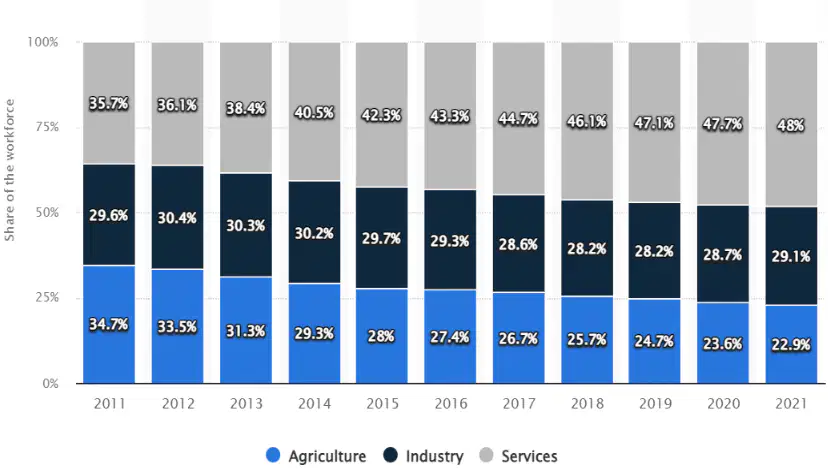
Using your knowledge and facts from the information, what are the benefits of China’s huge manufacturing industry?
Challenge – Try to put all of these key words in your answer
Manufacturing, Employment, Income, Taxes, Development, Trade, Economy
22
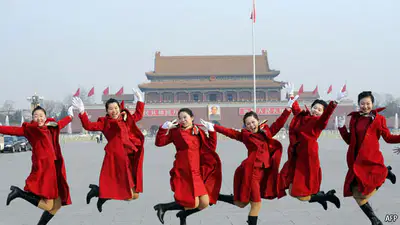
China is leading in manufacturing – for example, in 2011 China manufactured 70% of mobile phones. The creation of these phones provides employment for people (30% of people are employed in manufacturing), who pay tax which improved the Chinese economy through their income. The trade of these good globally leads to improved economic development for China.
23
Open Ended

Describe a potential issue with China’s huge manufacturing industry
24
Match
Match the following
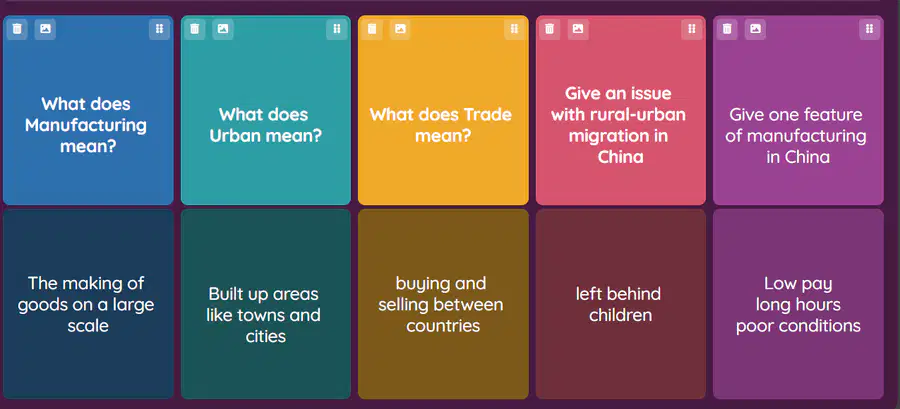
What does Manufacturing mean?
What does Urban mean?
What does Trade mean?
Give an issue with rural-urban migration in China
Give one feature of manufacturing in China
The making of goods on a large scale
Built up areas like towns and cities
buying and selling between countries
left behind children
Low pay
long hours
poor conditions
The making of goods on a large scale
Built up areas like towns and cities
buying and selling between countries
left behind children
Low pay
long hours
poor conditions
25
26
To know what life is like for migrant workers in China.
To explore how our technology is made.
To make connections between China's manufacturing and the environment.
27

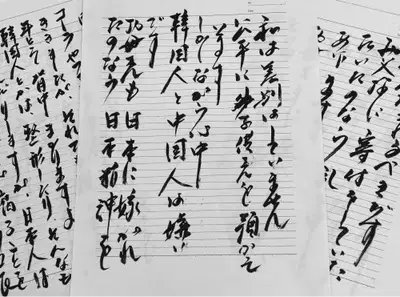
Imagine that you are a migrant worker in China.
Write a letter home to your family in your rural village.
Describe what your life is like and how you are feeling.
Make sure you include information about where you are living and working as well as some of the challenges you have faced along the way. Are you happy with your new life?
28
Match the following
Define the term: Migration
Push Factors
Pull Factors
What is the geographical term for Jobs?
Define the term: Refugee
The permanent movement of people
famine
war
lack of services
lack of jobs
Job opportunity
safety
health care
schools
employment
people who leave their country to safety
The permanent movement of people
famine
war
lack of services
lack of jobs
Job opportunity
safety
health care
schools
employment
people who leave their country to safety
Show answer
Auto Play
Slide 1 / 28
MATCH
Similar Resources on Wayground

22 questions
Continents & Oceans
Presentation
•
6th - 7th Grade
22 questions
Climate and Climate Zones
Presentation
•
6th - 8th Grade
20 questions
Geography
Presentation
•
6th Grade
21 questions
Mean, Median, Mode, and Range
Presentation
•
7th Grade
21 questions
Rocks and The Rock Cycle
Presentation
•
7th Grade
21 questions
Text Structures!
Presentation
•
7th Grade
23 questions
Earthquakes
Presentation
•
7th Grade
22 questions
Empire of Mali
Presentation
•
7th Grade
Popular Resources on Wayground
10 questions
Safety Day 2026 – Student Review

Quiz
•
9th Grade
21 questions
Continents and Oceans
Quiz
•
6th Grade
20 questions
Parts of Speech
Quiz
•
5th Grade
16 questions
Subject & Predicate
Quiz
•
5th Grade
25 questions
Multiplication Facts
Quiz
•
5th Grade
12 questions
Map Skills
Quiz
•
3rd Grade
22 questions
Continents and Oceans
Quiz
•
5th Grade
15 questions
Rounding Decimals
Quiz
•
5th Grade
Discover more resources for Geography
11 questions
49b Establishment of Israel Remediation
Presentation
•
7th Grade
38 questions
49a and 49c - Partitioning leads to Conflict Remediation
Presentation
•
7th Grade
21 questions
Key Vocabulary Definitions Quiz
Quiz
•
7th Grade
0 questions
U2 Physical Features
Quiz
•
7th Grade
21 questions
Continents and Oceans
Quiz
•
7th Grade
18 questions
Europe Test
Quiz
•
7th Grade
50 questions
U.S. 50 States Map Practice
Quiz
•
5th - 8th Grade
50 questions
US States & Capitals
Quiz
•
7th Grade