

Unit 1: Structures and Processes Review

Presentation
•
Science
•
9th - 12th Grade
•
Easy
+24
Standards-aligned

Amanda Duncan
Used 4+ times
FREE Resource
12 Slides • 71 Questions
1

LS1-4: Mitosis
LS1-5: Photosynthesis
LS1-6: Macromolecules
LS1-7: Respiration
Structures and Processes
2
Interphase
G1
S Phase
G2
Mitosis
Prophase
Metaphase
Anaphase
Telophase
Cytokinesis
Mitosis
3
Mitosis
Cancerous Cells
4
Mitosis
Stem Cells
5
Multiple Choice
6
Multiple Choice
exposure to cigarette smoke
7
Multiple Choice
8
Multiple Choice
Somatic cell division results in
2 identical diploid cells
4 identical diploid cells
2 genetically different haploid cells
4 genetically different haploid cells
9
Multiple Choice

During which phase of the cell cycle does the cell spend the most time?
Mitosis
Cytokinesis
Interphase
10
Match
Match the image to the correct answer
Prophase
Metaphase
Anaphase
Telophase
Cytokinesis
Prophase
Metaphase
Anaphase
Telophase
Cytokinesis
11
Labeling
Label the parts of the Cell Cycle
Mitosis
S phase
G1
G2
12
Dropdown
13
Hotspot
Click where DNA replication takes place
14
Dropdown
15
Multiple Choice
How many phases does Mitosis have?
3
6
4
16
Match
Match each phase with its correct description
Cell grows rapidly while carrying out normal functions.
Cells must replicate their DNA before cell division to ensure that identical genetic information is passed to the next generation.
FINISHES GROWING
Errors in DNA replication are checked- if something is wrong, cell needs to fix its errors before it divides!
G1 Phase
S Phase
G2 Phase
G1 Phase
S Phase
G2 Phase
17
Multiple Select
What are the THREE MAIN events in cell division
INTERPHASE
CYTOKINESIS
PHOTOSYNTHESIS
MITOSIS
18
Fill in the Blanks
What type of cells do we have the most of?
19
Reorder
Put the Cell Cycle phases in order
Prophase
Metaphase
Anaphase
Telophase
Cytokinesis
20
Multiple Choice
What happens during G1 phase
Cell prepares for division, DNA replication, cytokinesis
DNA replication and cell division
Cell growth, checks for errors in DNA before replication occurs
Cell divides
21
Labeling
Label the phases?
prophase
interphase
telophase
cytokinesis
metaphase
anaphase
22
Multiple Choice
The first phase of Mitosis is called ________
Prophase
Anaphase
Interphase
Telophase
23
Multiple Choice
Which is NOT a phase of the cell cycle
Interphase
Monophase
Anaphase
Telophase
24
Reorder
Put the Cell Cycle events in order
Cell grows
DNA replicates
Cell prepares for Mitosis
Cell divides
25
Fill in the Blanks
26
Multiple Choice
In which stage of the cell cycle is protein and organelle synthesis
S phase
G2
Cytokinesis
27
Multiple Choice
What is the result of the cell cycle?
Three cells
Four daughter cells
2 identical cells
1 clone cell
28
energy (sunlight) + 6H2O (water) + 6CO2 (carbon dioxide) --> 6O2 (oxygen) + C6H12O6 (glucose)
Light Dependent Reaction
Light Independent Reaction
Photosynthesis
29


30
Fill in the Blanks
31
Drag and Drop
32
Drag and Drop
33
Multiple Choice
What is the science word for turning sunlight into food?
Photosynthesis
Cellular Respiration
Decomposition
34
Multiple Select
Which 3 are Inputs for photosynthesis?
(Pick 3)
Carbon Dioxide
Oxygen
Water
Sugar
Sunlight
35
Multiple Choice
The gas that plants breathe in is called ____.
Carbon Dioxide
Oxygen
Nitrous Oxide
36
Multiple Select
Which 2 are outputs for photosynthesis?
(Pick 2)
Carbon Dioxide
Oxygen
Water
Sugar
Sunlight
37
Multiple Choice
The sugar plants produce is called ____.
Glucose
Fructose
Lactose
38
Multiple Choice
After the plant produces glucose, ___.
It must be used right away.
It must be stored for 3 months before it is used.
It can be used right away or stored for later.
39
Multiple Choice
The gas that plants breathe out is called ____.
Carbon Dioxide
Oxygen
Nitrous Oxide
40
Multiple Choice
What organelle is responsible for photosynthesis?
mitochondria
chloroplast
ribosomes
cytoplasm
41
Drag and Drop
42
Carbohydrates
elements-CHO
monomer-monosaccharide
main function-short term energy storage
Lipids
elements-CHO
monomer-triglyceride
main function-long term energy storage
Macromolecules
43
Proteins
elements-CHONS
monomer-amino acid
main function-involved in almost every function of the human body
enzyme
Nucleic Acids
elements-CHONP
monomer-nucleotide
main function-blueprints of life
Macromolecules
44
Multiple Choice
A monosaccharide is the monomer for which biomolecule:
Lipid
Carbohydrate
Nucleic Acid
Protein
45
Multiple Choice
Lipids have which of the following monomer:
Glycerol & fatty acids
amino acids
monosaccharide
nucleotide
46
Multiple Choice
Which biomolecule has amino acids as their monomer?
Carbohydrate
Nucleic acid
lipid
protein
47
Fill in the Blanks
The monomer for nucleic acids is called a:
48
Multiple Choice
A banana is an example of which biomolecule
carbohydrate
lipid
protein
nucleic acid
49
Match
protein
nucleic acid
carbohydrate
lipid
protein
nucleic acid
carbohydrate
lipid
50
Multiple Select
Select the biomolecules that contain the elements C,H,O
Lipid
Protein
Carbohydrate
Nucleic acid
51
Multiple Choice
C,H,O,N,P are the elements in
Nucleic acid
Protein
Carbohydrate
Lipid
52
Multiple Select
Which biomolecules contain the element Nitrogen?
Carb
Protein
Lipid
Nucleic acids
53
Multiple Select
Carbs and lipids are similar because they... (choose 2)
Are a source of energy for living organisms
Help with immune response
build structures such as cellulose and chitin
Contain the same elements (CHO)
54
Match
Match the following functions to the biomolecule
Long term energy storage
Build muscle
Carry genetic information
Immediate energy source
Lipid
Protein
Nucleic acid
Carbohydrate
Lipid
Protein
Nucleic acid
Carbohydrate
55
Fill in the Blanks
True or False: You need all 4 biomolecules to survive.
56
Fill in the Blanks
True or False: Biomolecules are necessary for ALL living organisms
57
Multiple Choice

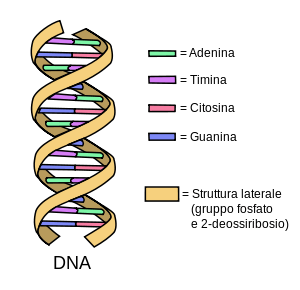
Which of the following is represented in the image?
Nucleotide
Carbohydrate
Lipid
Protein
58
Multiple Choice
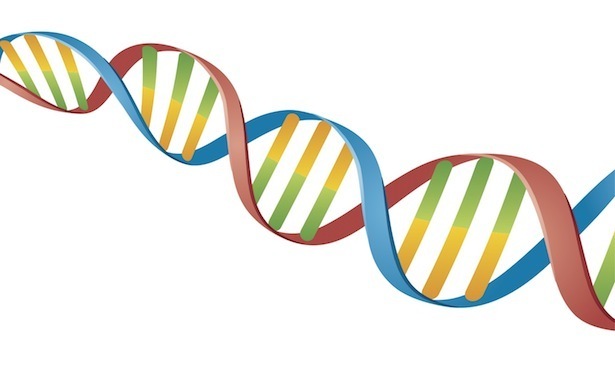
Stores genetic information
Stores energy
Quick source of energy
Builds structures
59
Multiple Choice
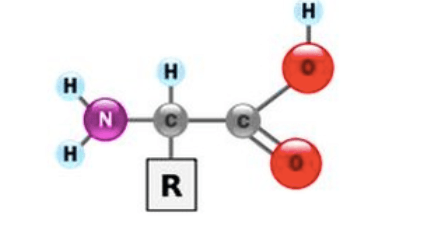
60
Multiple Choice
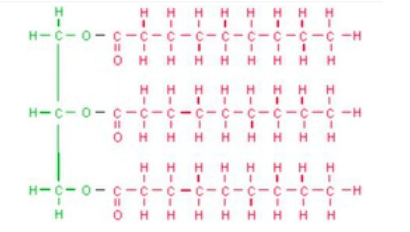
61
Multiple Choice
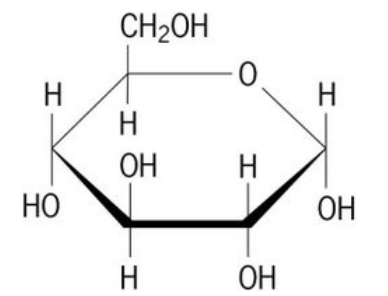
62
Multiple Choice
63
ATP/ADP Cycle
Respiration
64
C6H12O6 (glucose) + 6O2 (oxygen) --> 6CO2 (carbon dioxide) + energy (ATP) + 6H2O (water)
Glycolysis
Aerobic Respiration
Krebs Cycle
Electron Transport Chain
Respiration
65
Anaerobic Respiration
Lactic Acid Fermentation
Alcoholic Fermentation
Respiration
66

67
Multiple Choice
68
Multiple Choice
69
Multiple Choice
70
Multiple Choice
What is the equation for aerobic cellular respiration?
71
Multiple Choice
In what molecule is the energy carried in cells?
Glucose
Oxygen
ATP
Carbon Dioxide
72
Multiple Choice
Which organelle does aerobic cellular respiration happen in?
Nucleus
Mitochondria
Chlorophyll
Chloroplast
73
Multiple Select
What materials GO INTO cellular respiration?
Glucose
ATP
Oxygen
Carbon Dioxide
Water
74
Multiple Choice
75
Multiple Choice
Which step of aerobic cellular respiration makes the most ATP?
76
Multiple Choice
The process of glycolysis results in which of the following molecules?
77
Multiple Choice
Which of these processes takes place in the cytoplasm of a cell?
Electron transport
Glycolysis
Krebs cycle
Photosynthesis
78
Multiple Choice
The starting molecule for glycolysis is
ADP
Pyruvic acid
Glucose
Citric acid
79
Multiple Choice
The Krebs cycle does NOT occur if
oxygen is present
oxygen is not present
glycolysis occurs
carbon dioxide is present
80
Multiple Choice
Lactic acid fermentation occurs in
bread dough
any environment containing oxygen
muscle cells
mitochondria
81
Dropdown
82
Labeling
Label the Diagram of the first stage of aerobic cellular respiration:
2 ATP
2 Pyruvate
Glucose
83
Labeling
Label the Diagram of the second and third stage of aerobic cellular respiration:
Krebs Cycle
Electron Transport Chain
2 ATP
32-34 ATP
LS1-4: Mitosis
LS1-5: Photosynthesis
LS1-6: Macromolecules
LS1-7: Respiration
Structures and Processes
Show answer
Auto Play
Slide 1 / 83
SLIDE
Similar Resources on Wayground

79 questions
Geologic Processes
Presentation
•
9th - 12th Grade
76 questions
North Korea Lesson
Presentation
•
9th - 12th Grade
79 questions
Miskonsepsi IKM dan Optimalisasi Kombel
Presentation
•
KG - University
80 questions
Prior Learning
Presentation
•
9th - 12th Grade
76 questions
Inequality vs Equation
Presentation
•
9th - 12th Grade
79 questions
PS - Force and Motion
Presentation
•
8th - 11th Grade
80 questions
Lo más importante de las ciudades españolas
Presentation
•
9th - 12th Grade
75 questions
Photosynthesis
Presentation
•
9th Grade - University
Popular Resources on Wayground
10 questions
Safety Day 2026 – Student Review

Quiz
•
9th Grade
21 questions
Continents and Oceans
Quiz
•
6th Grade
20 questions
Parts of Speech
Quiz
•
5th Grade
16 questions
Subject & Predicate
Quiz
•
5th Grade
25 questions
Multiplication Facts
Quiz
•
5th Grade
12 questions
Map Skills
Quiz
•
3rd Grade
22 questions
Continents and Oceans
Quiz
•
5th Grade
15 questions
Rounding Decimals
Quiz
•
5th Grade
Discover more resources for Science
10 questions
Exploring Chemical and Physical Changes

Interactive video
•
6th - 10th Grade
20 questions
Atomic Structure
Quiz
•
9th Grade
10 questions
Exploring the Electromagnetic Spectrum for Middle School Science
Interactive video
•
6th - 10th Grade
10 questions
Exploring Force and Motion Concepts
Interactive video
•
6th - 10th Grade
10 questions
Exploring Air Masses and Weather Fronts
Interactive video
•
6th - 10th Grade
14 questions
Periodic Trends
Interactive video
•
11th Grade
10 questions
Exploring the States of Matter
Interactive video
•
6th - 10th Grade
10 questions
Exploring Forces: Net Force, Normal Force, Gravity, and Friction
Interactive video
•
6th - 10th Grade