

Embalming Theory Week 10

Presentation
•
Science
•
University
•
Hard

Tina Belt
Used 1+ times
FREE Resource
22 Slides • 0 Questions
1
Postmortem Conditions and Embalming Treatments -Discolorations!!!
Week 10
2
Discolorations
Discolorations can be categorized into six main types, based on their causes:
Blood discolorations
Drug and therapeutic (pharmaceutical) discolorations
Pathological discolorations
Surface discoloring agent discolorations
Reactions to embalming chemicals
Decomposition-related discolorations
Note: Some discolorations may fall into more than one category.
3
Classifications by Occurrence
Antemortem Discolorations
Occur before death but may persist after death.
Types include:Blood discolorations
Drug and therapeutic discolorations
Pathological discolorations
Surface discoloring agent discolorations
4
Postmortem Discolorations
Occur only after death.
Types include:Blood discolorations
Surface discoloring agent discolorations
Reactions to embalming chemicals
Decomposition discolorations
5
6
Classifications by Cause: Blood Discolorations
Intravascular Blood Discolorations (Antemortem)
Caused by changes within the blood vessels.
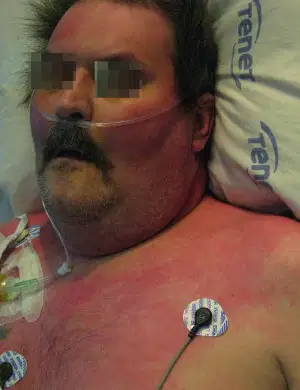
Examples include:Carbon monoxide poisoning – produces a cherry-red coloration
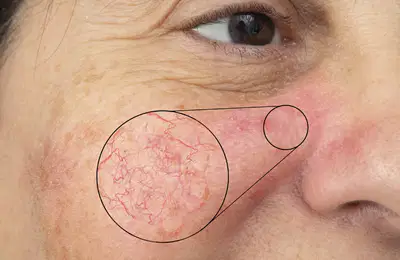
Capillary congestion – distended vessels indicating impaired blood flow
7
Classifications by Cause: Blood Discolorations
Extravascular Blood Discolorations (Antemortem)
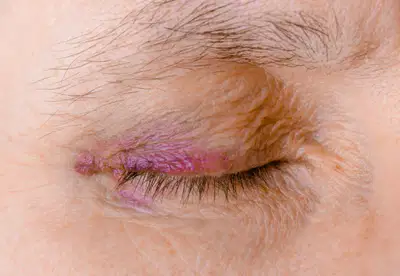
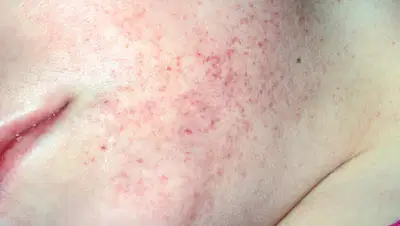
Ecchymosis – escape of blood into extravascular tissues, resulting in larger areas of discoloration.
Petechiae – pinpoint purplish hemorrhages caused by small amounts of blood escaping into the tissues.
8
Classifications by Cause: Blood Discolorations
Extravascular Blood Discolorations (Antemortem)
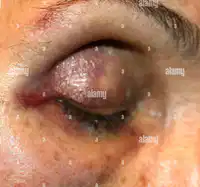
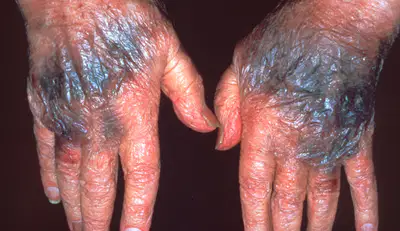
Hematoma – a tumor-like swelling caused by the rupture of a large blood vessel and the collection of blood in the tissues.
Senile Purpura – red, purple, or brown bruises that develop on aged or fragile skin due to weakened blood vessels.
9
Postmortem Blood Discoloration
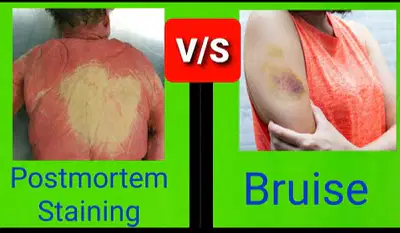
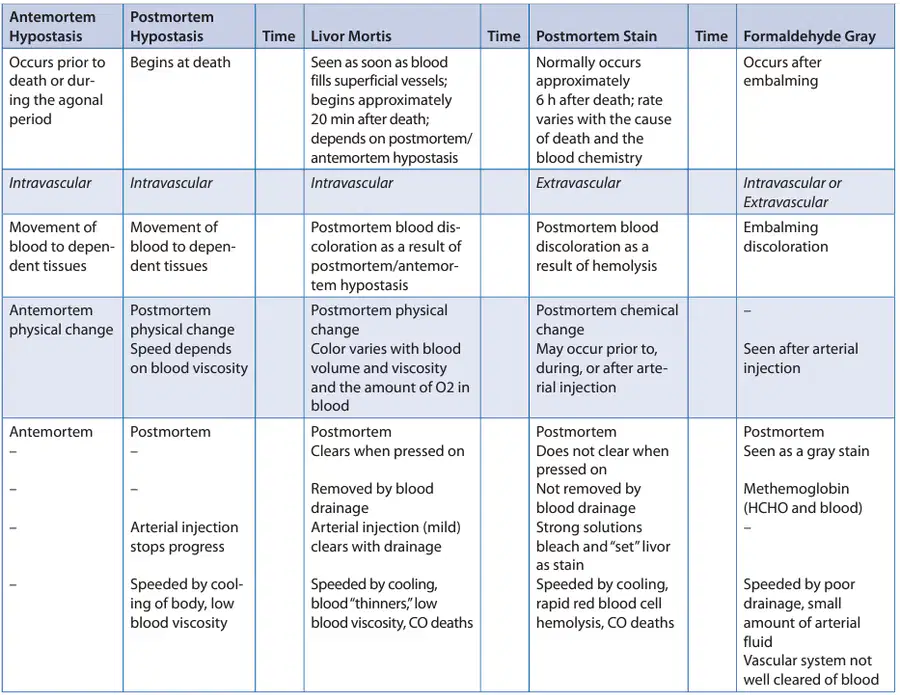
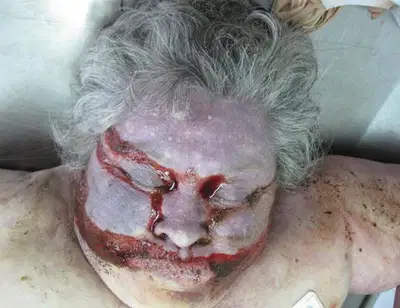
Livor Mortis
An intravascular red-blue discoloration that develops after death due to postmortem hypostasis (the settling of blood within the body).
10
Postmortem Blood Discoloration
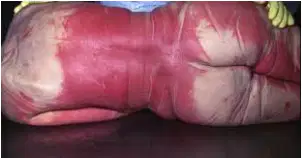
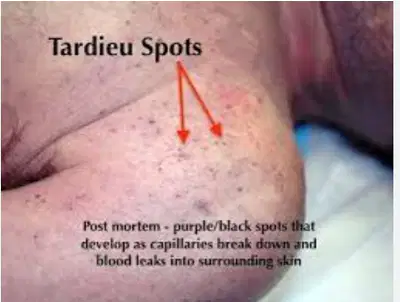
Extravascular Blood Discolorations (Postmortem)
Postmortem Stain – occurs when heme pigments seep through vessel walls and into surrounding body tissues.
Tardieu Spots – small, pinpoint discolorations caused by the rupture of minute vessels as blood settles in the body’s dependent areas.
11
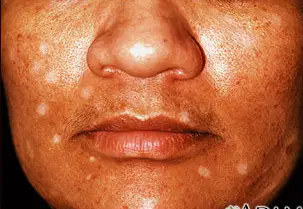
Other Extravascular Discolorations
Pharmaceutical Causes
Example: Vitiligo
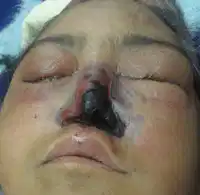
Pathological Causes
Examples:
Gangrene (moist)
Ischemic necrosis (dry)
12
Other Extravascular Discolorations
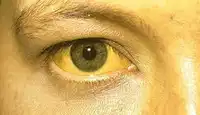
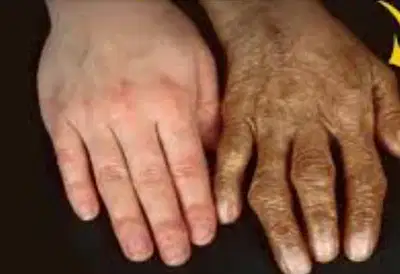
Pathological Discolorations
Jaundice – caused by excess bilirubin from liver failure; turns green upon contact with formaldehyde.
Addison’s Disease & Hemochromatosis – cause skin bronzing due to hyperpigmentation.orstoring of excess iron.
13
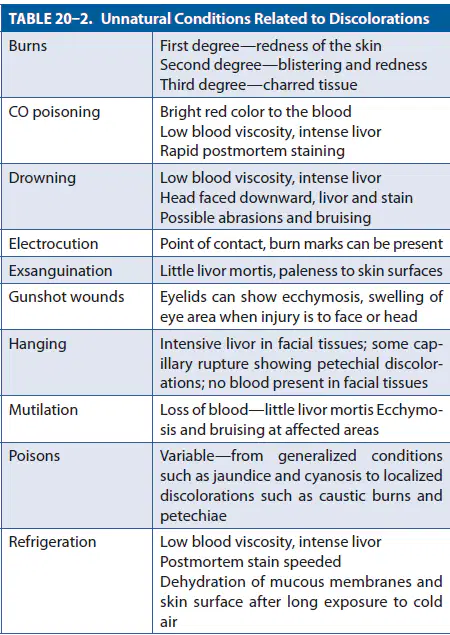
Unnatural Conditions Causing Discoloration
Certain external or traumatic events can produce distinctive discolorations in the body:
Refrigeration – prolonged cold can cause pale or mottled skin.
Hanging – may produce dark purplish or reddish discoloration in dependent areas of the face and neck.
Burns – skin may appear charred, blackened, or red depending on severity.
14
Unnatural Conditions Causing Discoloration
Poisons – some chemicals cause unique tissue or skin color changes (e.g., cyanide, arsenic).
Gunshot wounds – bruising, hematoma, and localized blood discoloration around entry/exit sites.
Drowning – often produces bluish discoloration in dependent areas and around the lips and fingertips.
Exsanguination – pallor due to extreme blood loss.
Mutilation – trauma may result in localized bruising or abnormal coloration.
Electrocution – brown or charred tissue at contact points; possible surrounding vascular discoloration.
15
16
Embalming Treatments
General Treatments for Discolorations
Elevate the head and shoulders – helps reduce postmortem discoloration by promoting drainage.
Pre-injection fluid – clears the vascular system before arterial embalming; intravascular discolorations often clear during blood drainage.
A dye may be added to the pre-injection solution to counterstain discoloration.
17
Embalming Treatments
Aids to improve injection and drainage:
Gravity
Gentle massage
Sectional arterial injection with venous drainage
Increased injection pressure with limited drainage
18
Surface Discolorations
Methods of Removal:
Physical Methods – cleaning or gentle abrasion of the affected area.
Chemical Methods – application of bleaching agents or other chemical treatments.
Hypodermic or Surface Treatment – direct injection or topical application of chemicals.
Phenol Cautery – cauterization using phenol.
Cavity Fluid Containing Phenol – used for localized tissue treatment.
19
Surface Discolorations
Pre-Embalming Removal:
Pre-injection prior to arterial embalming can help clear discolorations.
Dyes may be added to pre-injection fluid to counter-stain problem areas.
20
Reactions to Embalming Chemicals
Dehydration – caused by too strong or excessive arterial solution or continuous drainage.
Yellow-Green Jaundice – may develop due to chemical reactions with body tissues.
Formaldehyde Gray – occurs when blood removal is inadequate; remaining blood reacts with formaldehyde, producing a gray color.
Prevention: Use a large volume of arterial solution, ensure thorough drainage, and aspirate the heart completely.
21
Jaundice – Avoid the Green Face!
Treatment Strategies:
Use jaundice-specific arterial fluid
Pre-inject with a dye to counter discoloration
Use a mild arterial solution
Consider a non-formaldehyde fluid
Use a bleaching co-injection

22
Reactions to Embalming Chemicals
Flushing – occurs when arterial solution reaches a body area but blood drainage is inadequate.
Razor Burn (Abrasion) – cuts to the skin from shaving the deceased.
Prevention: Shave before embalming and use massage cream to keep skin from drying.
Postmortem Bruising – results from excessive pressure on tissues, damaging capillaries.
Treatment: Manage like any other bruise.
Postmortem Conditions and Embalming Treatments -Discolorations!!!
Week 10
Show answer
Auto Play
Slide 1 / 22
SLIDE
Similar Resources on Wayground

17 questions
Circulatory system
Presentation
•
Professional Development
17 questions
Blood and Circulation
Presentation
•
Professional Development
18 questions
11.1 Immune Response
Presentation
•
12th Grade
16 questions
Applications of Heat Energy Transfer
Presentation
•
KG - University
19 questions
Cardiovascular Conduction
Presentation
•
12th Grade
18 questions
Blood Types
Presentation
•
12th Grade - University
16 questions
MRTS 2244 Chapter 11
Presentation
•
University
16 questions
BM1004 PASS Wk2
Presentation
•
University
Popular Resources on Wayground
19 questions
Naming Polygons

Quiz
•
3rd Grade
10 questions
Prime Factorization
Quiz
•
6th Grade
20 questions
Math Review
Quiz
•
3rd Grade
15 questions
Fast food
Quiz
•
7th Grade
20 questions
Main Idea and Details
Quiz
•
5th Grade
20 questions
Context Clues
Quiz
•
6th Grade
20 questions
Inferences
Quiz
•
4th Grade
19 questions
Classifying Quadrilaterals
Quiz
•
3rd Grade