
- Resource Library
- Social Studies
- Geography
- Mexico
- Exploration And Colonization Of Mexico And The Caribbean
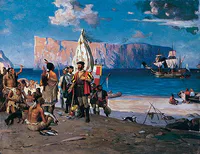
Exploration and Colonization of Mexico and the Caribbean

Presentation
•
Social Studies
•
6th Grade
•
Easy

Melissa Davis
Used 12+ times
FREE Resource
23 Slides • 4 Questions
1
Exploration and Colonization of Mexico and
the Caribbean
Objectives/Goals
Vocabulary
Identify the reasons people wanted to explore this region
Explain the causes and effects of exploration in the Caribbean and Mexico
Describe civilizations in Mexico before European contact
Aztec
Century
Colonization
Conquistador
Era
Glyph
Hacienda
Mayan
Nahuatl
Olmec
Tenochtitlan
Plantation
Essential Question: How did colonization impact Mexico and the Caribbean Islands?
2
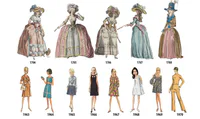
Centuries and Eras
Historians divide major divisions of time into eras.
Era: a major division of time
Eras can be divided into topics, such as technology, food, music, art, etc.
Century: a period of 100 years
Begin at Year 1 of a new century and continue until Year 100.
Many historical eras are from the European perspective
Common Era (CE): the widely accepted system of eras that is used worldwide today and is broken into centuries
Before Common Era (BCE) - refers to the time when people around the world followed the different calendars created by the region they lived in (ancient times)


3
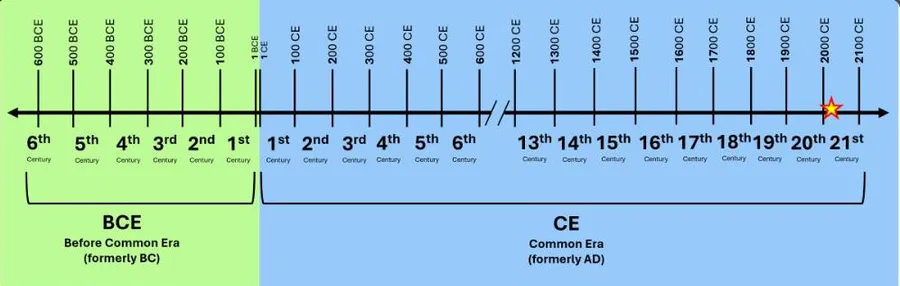
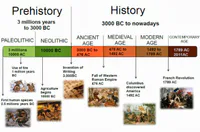
The green portion of this timeline shows the era BCE, which means Before the Common Era. The blue portion shows our current era, CE, which means Common Era. The star shows where we are now, in the twenty-first century.
BCE refers to ancient time
CE refers to the current era
No Era listed = Common Era
It began being used by many people worldwide in 525 CE
No Year Zero
4
Word Cloud
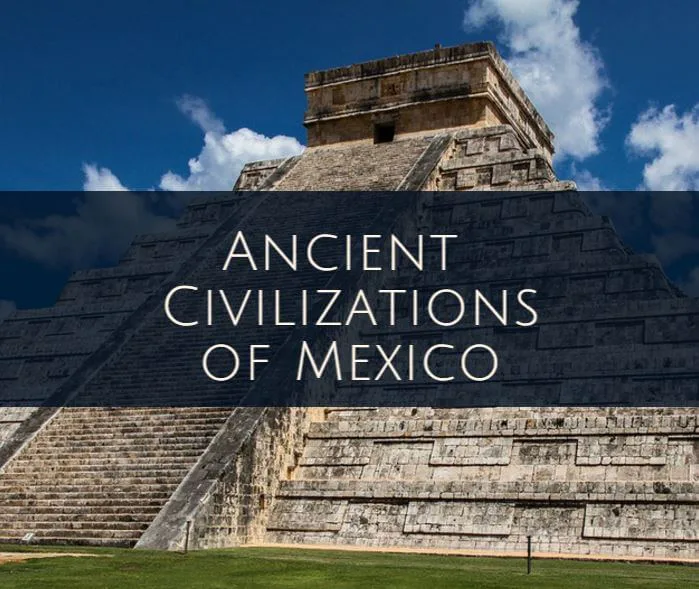
When you think of the Ancient Civilizations in Mexico and the Caribbean, what words come to mind?
5
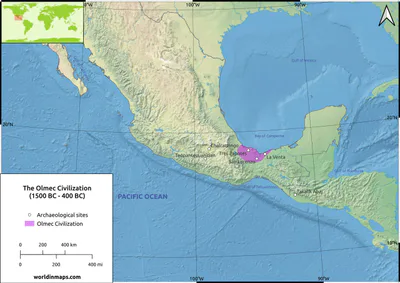
1200 BCE to 1500 BCE - Olmec people built the first known civilization in Mexico
Located in Southeast Mexico
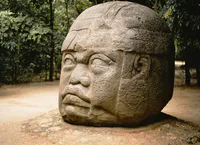
Large stone heads of the rulers from single boulders
Used Obsidian (black glass from volcanoes)
Grew Maize (corn) to feed hundreds of thousands
Olmec means (rubber people) used and traded rubber
Early Civilizations in Mexico
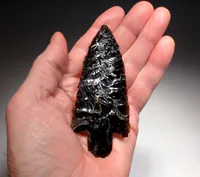

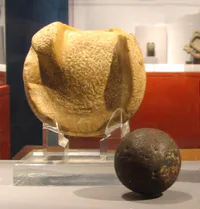
6
7
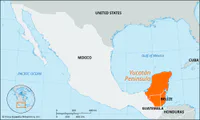
250 CE to 900 CE - The Yucatan Peninsula is the home of the Mayan Empire
Mayan Achievements
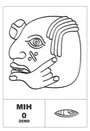
Glyphs: a writing system that uses pictures instead of letters and words
Written history of their people
Advanced Math and astronomy (study of the stars)
Created the number 0
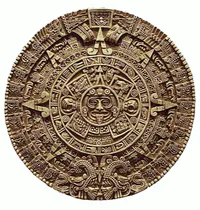
Create an accurate and elaborate calendar
allowed for predictions, such as weather events.
Was so accurate that it was used until 2012 by modern scientist
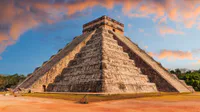
Temples (El Castillo) that worked as scientific stations to study the stars
The Maya
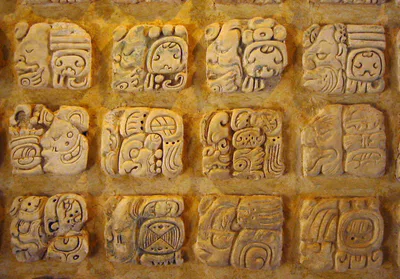
8
9
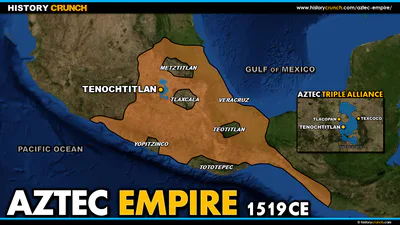
1200CE - In Central America, the Aztec empire began to rule (300 years after the Maya)
Nahuatl: the Aztec language (still spoken today)
Words we use today that came from the Aztec language: Chili, avocado, chocolate, guacamole, coyote
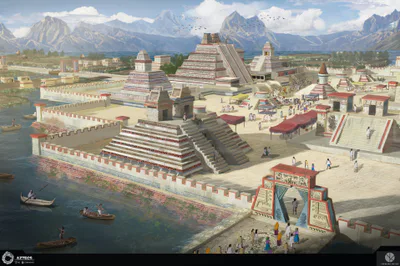
Tenochtitlan: Capital city of the Atec was built in the middle of Lake Texcoco (modern-day Mexico City)
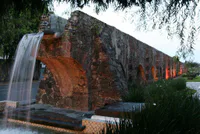
Chapultepec aqueduct - a system of running water for the city
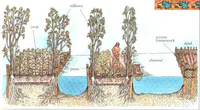
Chinapas: floating islands (farms) to feed hundreds of thousands of people
Aztec diet: maize, tomatoes, peppers, avocados
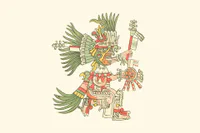
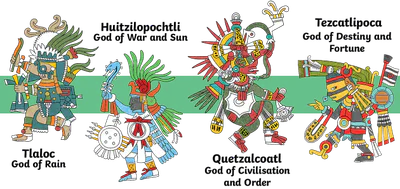
Advanced religion with a sun god as the main deity
Temples and elaborate traditions surrounded the sun god - Huitzilopochtli)
The Aztec
10
11
12
13
14
15
Colonization: the action of settling in an area and taking over the native people that live there
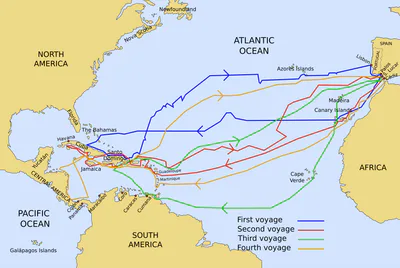
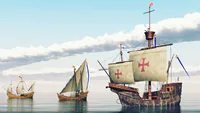
1492 - Spain and Christopher Columbus
Set sail searching for a faster way to Asia
Landed in San Salvador (Bahamas)
Encountered the Taino people
Explored the islands of Cuba, Puerto Ricco, the Virgin Islands, Jamaica, and Trinidad
1493 - Spain established the first settlement in the Caribbean (Santa Domingo)
Spain came looking for gold
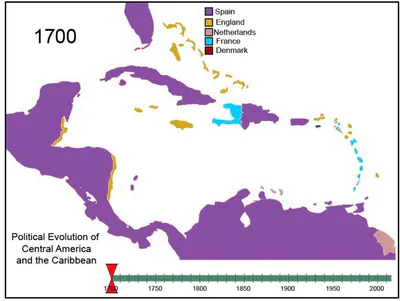
Denmark, the Netherlands, England, and France soon began establishing colonies in the Caribbean
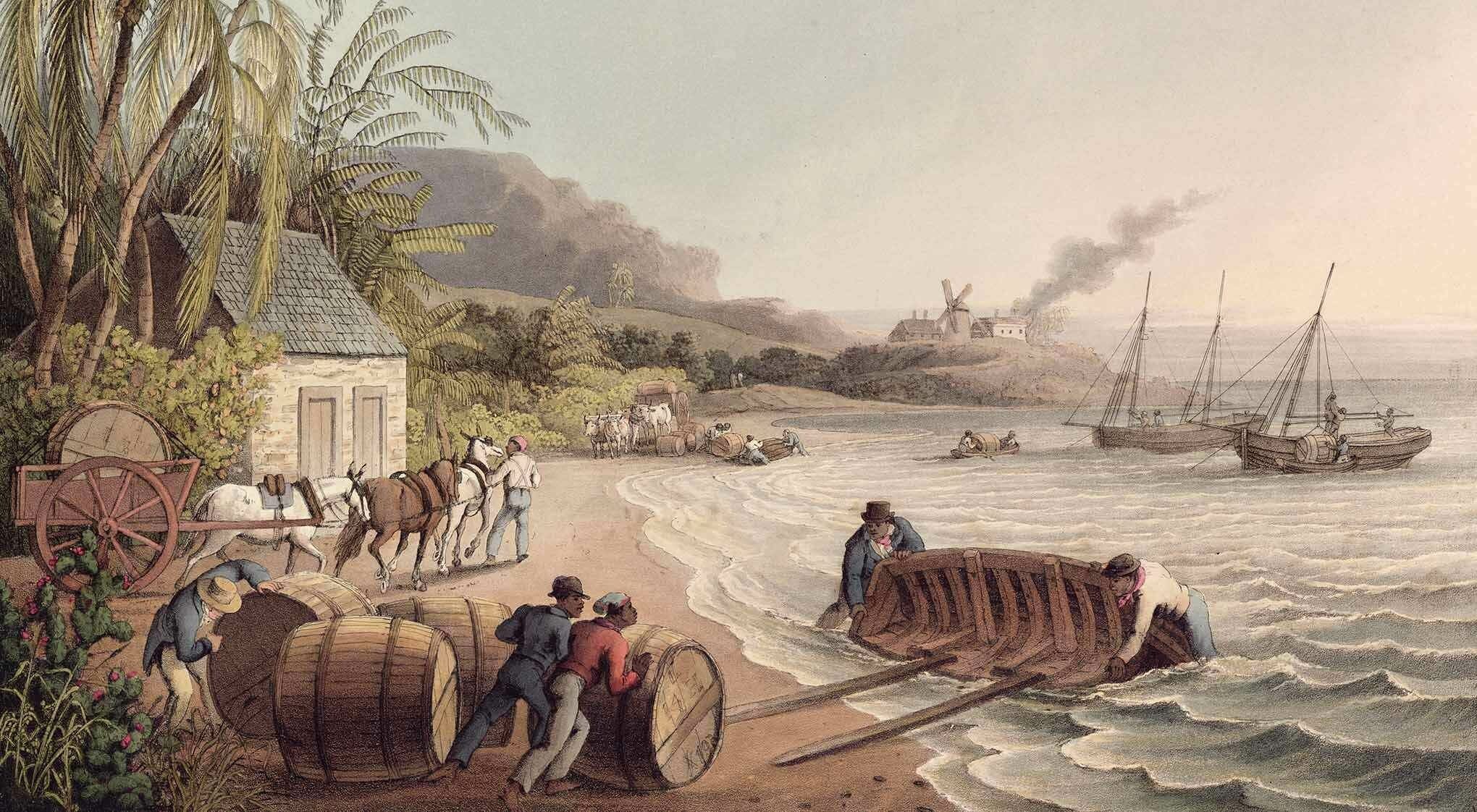
Set up ports for the trade of sugar cane and other crops
Expand their nation's glory
Colonization of the Caribbean
16
Multiple Select
Which of the following are reasons why Europeans colonized the Caribbean islands?
get rich from gold
become friends with the native peopleColonization o
trade new animals and plants with Europe
get away from war
17
Colonization of Mexico
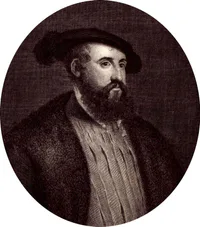
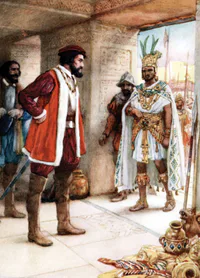
Hernan Cortes was a Conquistador: a conqueror from Spain who came for the natural resources of Mexico (Gold and Silver)
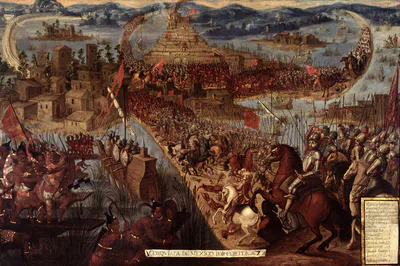
1519 CE - 600 men and Cortes approached Tenochtitlan looking for gold, and some Native Americans who did not like the Aztecs joined the Spanish
Cortes was able to take control over the capital of the Aztecs and defeat hundreds of thousands of skilled warriors
18
19
Draw
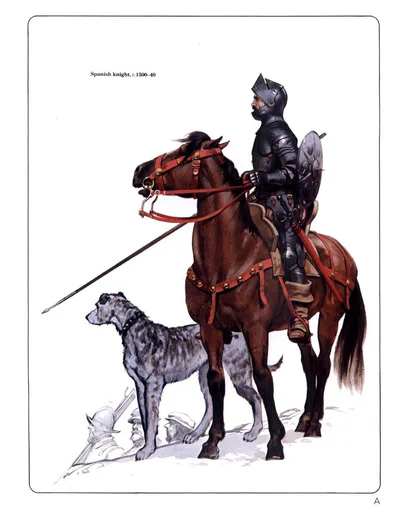
Look at this image. What are some of the advantages that Cortes had that would allow his 600 men to defeat an army of hundreds of thousands of Aztec?
20
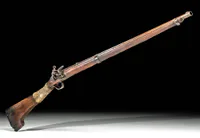
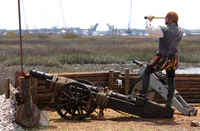
Horses
Armor
Guns
Dogs
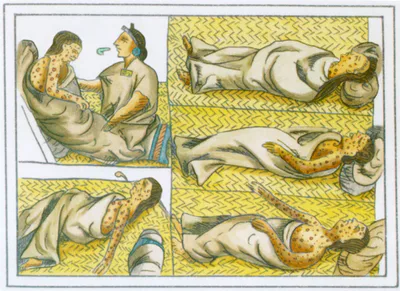
Diseases
Cortes's Advantages
21
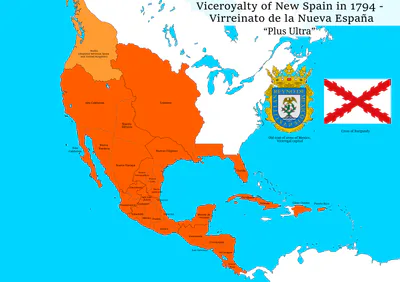
Cortes Control in Mexico
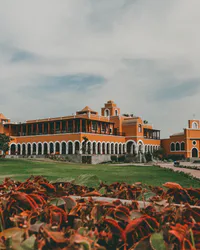
Cortes created a Spanish Colony in Mexico (New Spain)
Spanish Settlers focused on mining gold and silver and raised cattle on haciendas (ranches)
As the demand for more workers increased, the Spanish began to enslave the native people
22
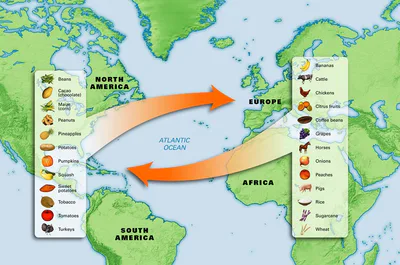
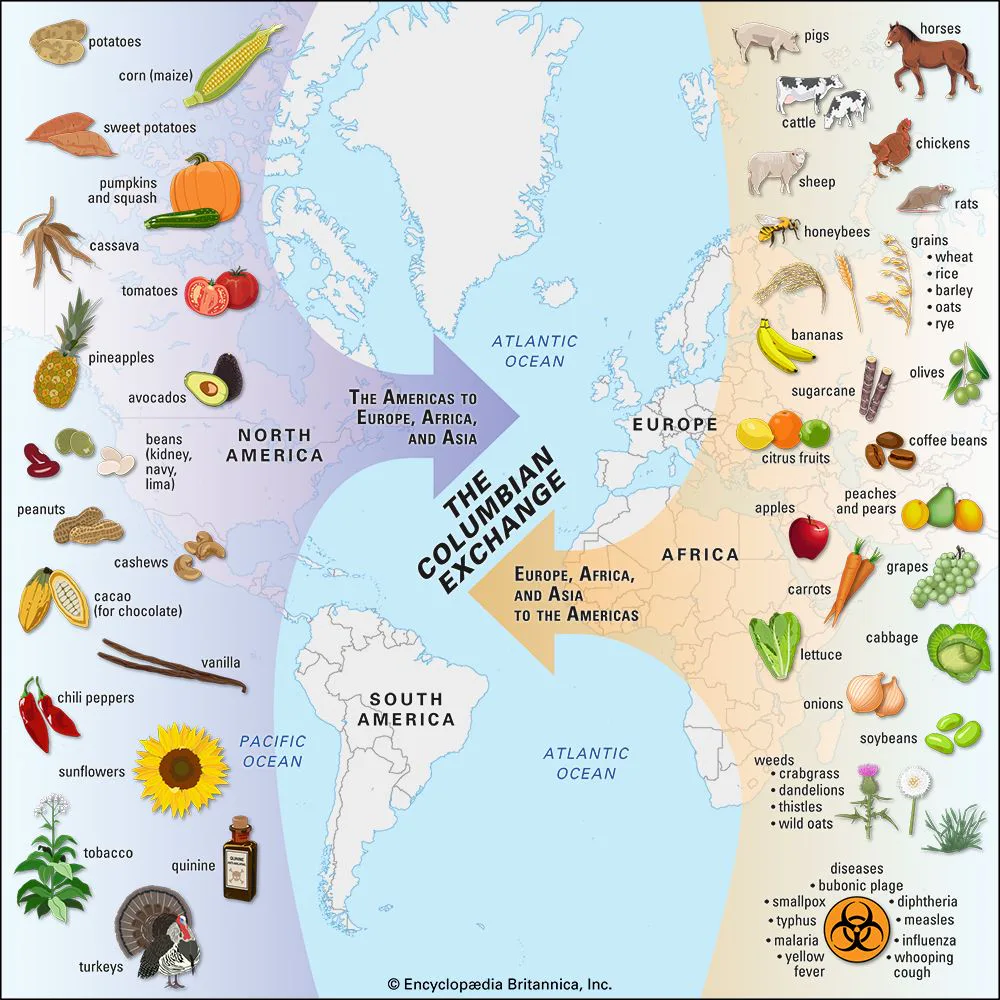
The Columbian Exchange
The Columbian Exchange: the movement of resources, foods, animals, ideas, and enslaved people between Europe and the Americas
Named after Columbus
Surprises of the Columbian Exchange
Pizza = Italy didn't have tomatoes for red sauce until the Columbian Exchange
Sugar and Coffee - now major exports of Mexico but were brought by Europeans
Cacoa



23
Lasting Effects of Colonization
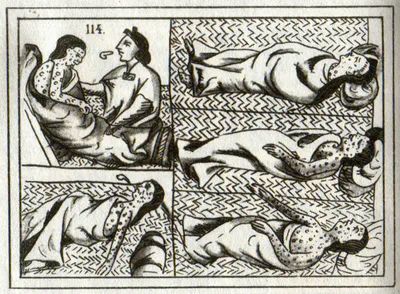
Spread of Diseases
Smallpox, Influenza, Malaria, and Yellow Fever were common diseases in Europe.
Europeans had developed an immunity to it and had learned to treat the symptoms
Native Americans had never been exposed to these diseases
75% of the population died shortly after Europeans came to the Americas




24
Lasting Effects of Colonization
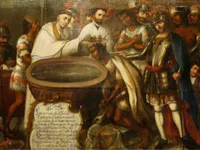
Spread of Religion
Roman Catholicism was one of the dominant religions in Europe
Europeans believed in spreading the ideals and beliefs of their religion to the Natvie people
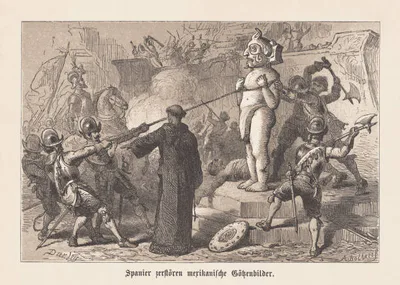
Europeans forced the native people to change their religion, change their practices, and destroyed the temples of the Aztec religion
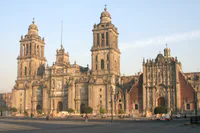
Catholicism is the number one religion in Mexico today
25
Lasting Effects of Colonization
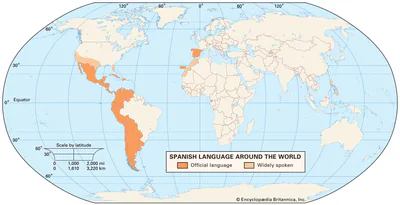
Language
Native languages became less dominant
Spanish became the dominant religion of Mexico and the Caribbean
Ethnicity
Marriages between Europeans and Native People blended the family's ethnicity in Mexico and the Caribbean
Other Elements of Culture
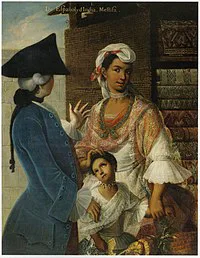
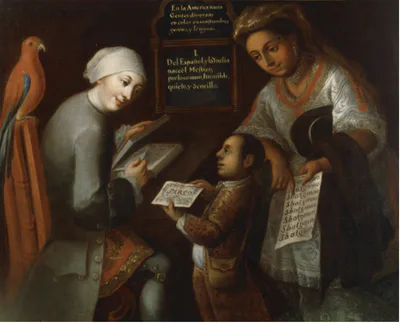
26
Lasting Effects of Colonization
Slavery
Europeans often forced native populations into slavery in mines or ranches
Native families could be separated and bought and sold
Working Conditions were harsh
If they rebelled, you would be harshly punished
Growth of the Economy
Plantations: large farms that mainly produced one crop
As the need for more crops to be sent to Europe increased, the need for more workers increased
Slaves were brought from other continents, such as Asia (India) and Africa
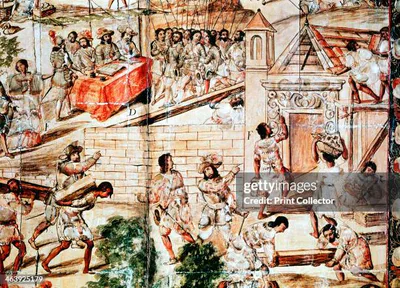
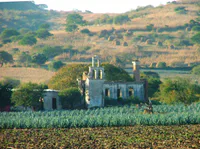
27
Open Ended
What is one positive and one negative impact of the Columbian Exchange or Colonization of Mexico and the Caribbean?
Exploration and Colonization of Mexico and
the Caribbean
Objectives/Goals
Vocabulary
Identify the reasons people wanted to explore this region
Explain the causes and effects of exploration in the Caribbean and Mexico
Describe civilizations in Mexico before European contact
Aztec
Century
Colonization
Conquistador
Era
Glyph
Hacienda
Mayan
Nahuatl
Olmec
Tenochtitlan
Plantation
Essential Question: How did colonization impact Mexico and the Caribbean Islands?
Show answer
Auto Play
Slide 1 / 27
SLIDE
Similar Resources on Wayground

22 questions
The Social Structure of Ancient Egypt
Presentation
•
6th Grade
22 questions
The Aztecs: A Journey through Mesoamerica
Presentation
•
6th Grade
22 questions
Mesopotamia: The Rise of Babylonia and Assyria
Presentation
•
6th Grade
19 questions
Boston Tea Party
Presentation
•
6th Grade
19 questions
Neolithic Era
Presentation
•
6th Grade
23 questions
Protestant Reformation
Presentation
•
6th Grade
23 questions
The Aboriginal People of Australia - ASYNC LESSON
Presentation
•
6th Grade
22 questions
From Republic to Empire: Part 1
Presentation
•
6th Grade
Popular Resources on Wayground
10 questions
Impact of 9/11 and the War on Terror

Interactive video
•
10th - 12th Grade
21 questions
Continents and Oceans

Quiz
•
6th Grade
5 questions
9/11
Interactive video
•
9th Grade
20 questions
Parts of Speech
Quiz
•
5th Grade
16 questions
Subject & Predicate
Quiz
•
5th Grade
10 questions
Riddles Riddles fun Riddles
Quiz
•
6th - 12th Grade
21 questions
Lab Safety
Quiz
•
10th Grade
6 questions
PRIDE in the Hallways and Bathrooms
Presentation
•
12th Grade
Discover more resources for Social Studies
15 questions
6th Grade Europe's Environmental Issues/Impact of Geography
Quiz
•
6th Grade
10 questions
9/11
Quiz
•
5th - 7th Grade
6 questions
Branches of Hope: The 9/11 Survivor Tree
Interactive video
•
6th Grade
10 questions
Exploring the Age of Exploration: Key Events and Figures
Interactive video
•
6th - 10th Grade
13 questions
Primary and Secondary Sources
Quiz
•
6th Grade
7 questions
Otto's Tale Today is September 11th
Interactive video
•
6th Grade
10 questions
Exploring the Causes of the American Revolution
Interactive video
•
6th Grade
12 questions
Latitude & Longitude
Interactive video
•
6th Grade