Search Header Logo
Define Mass and Acceleration

Define Mass and Acceleration

Assessment

Presentation

Physics

4th Grade

Practice Problem

Easy

Created by

Amanda Cooper

Used 4+ times

FREE Resource

11 Slides • 7 Questions

1

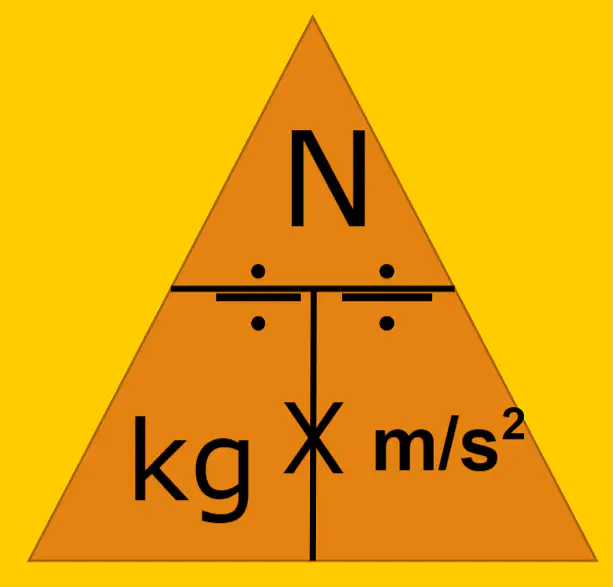
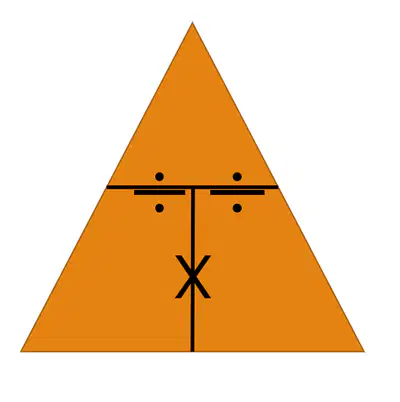
Newton's Second Law of Motion also known as the Law Of Acceleration describes what happens when a force acts on an object. The force will cause the object to accelerate. In science, accelerate refers to the rate of change in speed. How much force is needed to cause an object to accelerate? It depends on the mass of the object. The larger the object's mass, the greater the force needed to cause it to accelerate. This law may be written as force = mass x acceleration, or: 

F = m * a 


​DO Now

  1. How does force affect the acceleration of objects?


  1. How does mass affect the motion and force of an object?


2

  1. How does force affect the acceleration of objects?  The force will cause the object to accelerate. 


  1. How does mass affect the motion and force of an object?   The larger the object's mass, the greater the force needed to cause it to accelerate. 


3

Objective: I will learn how mass and acceleration affect an object.


DOL: Given 5 questions, I can define mass and acceleration by explaining how they affect the acceleration of an object.  With 100% accuracy.


Complete each letter -What does each of the variables mean?


F = _______ m = ______a = ___________________


N=Newtons=net  force

4

Turn and Talk-
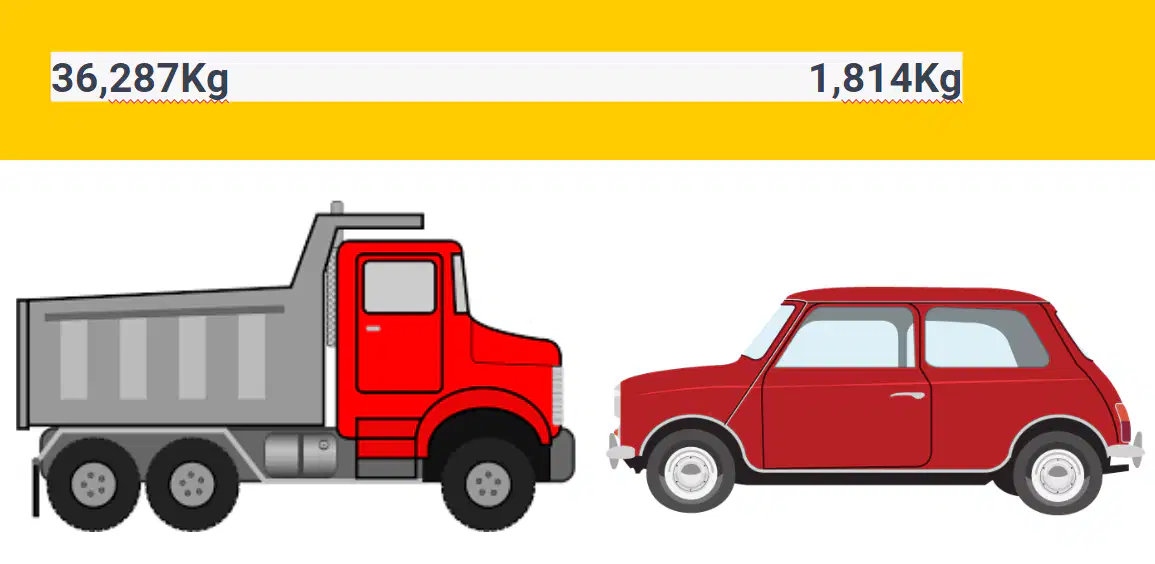
Mass is the amount of matter (stuff) that object is made of. 


100Kg                                                           300Kg


media
media

5

Multiple Choice

Question image

Which object has more mass?

1

Truck

2

Car

3
4

6

The greater the mass of an object, the smaller the acceleration will occur.


Increasing mass decreases the acceleration caused by a given force.


Decreasing the mass will cause an increase in acceleration by a given force. 


SCR-What is the relationship between mass and acceleration?


7

Annotate-
When describing motion you typically think of speed. In science there are more than one way to describe motion. 


  • Change in speed or direction over a specific amount of time


  • Speeding up, slowing down, or a change in direction

media
media

8

Open Ended

Question image

In order to get more acceleration, What do you need to apply?

9

R and A-

The relationship between mass and acceleration is that the mass of object is how it responds to a force of its acceleration. 


C- 

In the text it states that, “Increasing mass decreases the acceleration caused by a given force.

Decreasing the mass will cause an increase in acceleration by a given force.”

E- 

This means that more mass, the more force it needs, for example, my feather takes less force to pick it up verus your bowling ball. It will be faster to pick up the feather, giving it more acceleration. 


10

Multiple Choice

Question image

Which of the following shopping carts is likely to accelerate more when pushed with the same force?


1

The empty cart

2

The cart loaded with heavy groceries.

3

Both carts will accelerate the same amount. 


4

It depends on the direction of the push.


11

Open Ended

Question image


Explain your choice.


Why do you think the empty cart will accelerate more when pushed with the same force?


12

Dropdown

The greater the ​ ​
of the object being accelerated the greater the amount of ​
needed to accelerate the object.Force causes acceleration, and mass resists acceleration.


13

Drag and Drop

Question image
What does each Variable represent?

Force- measure in Newtons (N)


Mass is measured in Kilograms ( kg) 


Acceleration is measured in meters per second squared (m/s2)


​ ​
Drag these tiles and drop them in the correct blank above
Newton's
Mass
Acceleration
Measure
Divide
Weight
Area

14

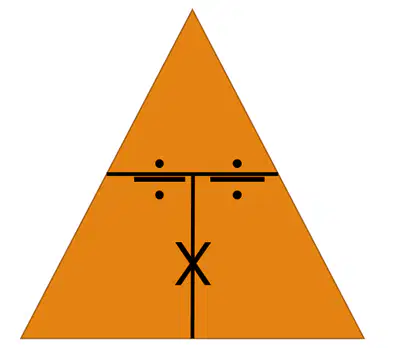
  1. Place given information where it belongs.

    A 2kg snowball was thrown with 8N of force. .


    2. Solve-

    What is the acceleration of the ball?


media

15

Multiple Choice

Question image

A 5kg snowball was thrown with 20N of force. What is the acceleration of the ball?


1

4 m/s2


2

100 m/s2


3

25 m/s2


4

15 m/s2


16

Solve + Whiteboard-
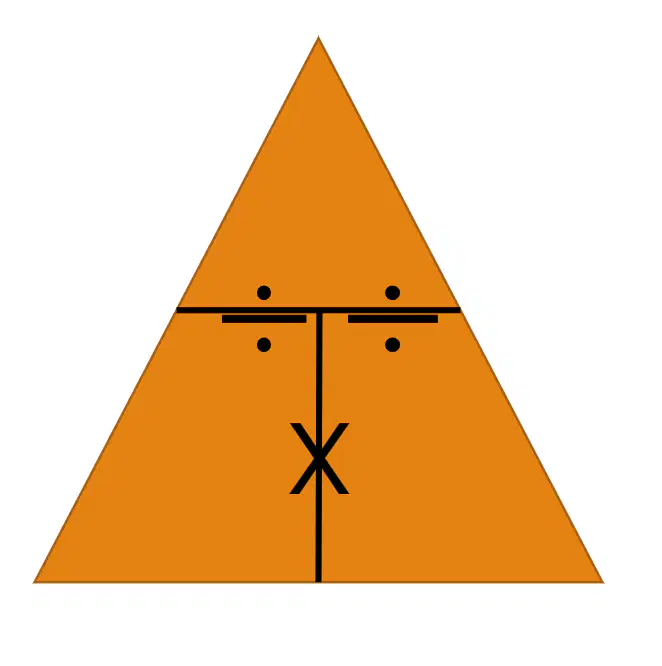
20N of force


What if you increase the mass to 10 kg snowball. What is the acceleration of the ball now?


media

17

Solve + Whiteboard-

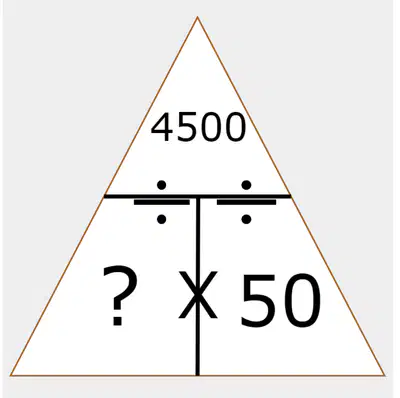
If Luke uses “the Force” of 4,500 N, and he can accelerate Darth Vader away from him at a rate of 50 m/s2, what is the mass of Darth Vader?


media

18

DOL TIME!!

WORK LIKE A CHAMPION!!!

Newton's Second Law of Motion also known as the Law Of Acceleration describes what happens when a force acts on an object. The force will cause the object to accelerate. In science, accelerate refers to the rate of change in speed. How much force is needed to cause an object to accelerate? It depends on the mass of the object. The larger the object's mass, the greater the force needed to cause it to accelerate. This law may be written as force = mass x acceleration, or: 

F = m * a 


​DO Now

  1. How does force affect the acceleration of objects?


  1. How does mass affect the motion and force of an object?


Show answer

Auto Play

Slide 1 / 18

SLIDE