

Energy from Water

Presentation
•
Science
•
University
•
Practice Problem
•
Hard
+5
Standards-aligned

Paul Safara
Used 1+ times
FREE Resource
16 Slides • 0 Questions
1

ENVIRONMENTAL SCIENCE
Lesson 18.2:
Hydropower & Ocean Energy
2

OBJECTIVES
1. Explain how river water can be used to
generate electricity.
2. Identify benefits and costs of hydropower.
3. Describe how energy from the ocean can
generate electricity.
3

GO to this link
https://phet.colorado.edu/sims/html/generator/
latest/generator_all.html
A) What does the magnet need to do near a coil to turn the lights on?
B) How can you get the lightbulb to burn brighter?
4

What is something else that could
be used to turn the magnet?
5

GENERATING ELECTRICITY WITH HYDROPOWER
➢ Hydropower (or hydroelectric power): use of the kinetic energy of moving
water to turn turbines and generate electricity; In the U.S., about 6% of
electricity use is from hydropower.
6

GENERATING ELECTRICITY WITH HYDROPOWER
➢ We draw more renewable energy from the motion of water than from any
other resource other than biomass.
7

GENERATING ELECTRICITY WITH HYDROPOWER
○ Two basic approaches to electricity generation from moving water:
■DAMS block rivers and the water is stored in a reservoir behind the
dam. As the river water passes through the dam, it turns turbine
blades, which cause generators to produce electricity.
■Natural movement of river water— flowing water turns turbines, but
some water may be diverted through a pipe and carried to the
turbines. This method doesn’t disturb natural habitats as much as
dams and reservoirs, but when the river is low, less energy is
generated.
8

9

BENEFITS AND COSTS OF HYDROPOWER
➢ The use of hydropower is unlikely to grow because most of the rivers
that offer the best opportunities for hydropower are already damed.
➢ Benefits of hydropower:
○ Renewable
○ Clean— doesn’t pollute
○ Inexpensive
○ Dams may also control floods
➢ Costs of hydropower:
○ Dams and reservoirs drastically change ecosystems
■Example: populations of many fishes, such as salmon
○ Construction damages the landscape, which can cause erosion
and landslides.
○ Can prevent sediments and nutrients from getting downstream.
10

Case Study
Three Gorges Dam
11

https://www.youtube.com/watch?
v=Jyrlmar501c
12

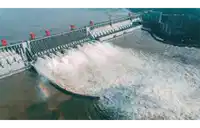
BENEFITS AND COSTS OF HYDROPOWER
➢ Example of benefits & costs:
○ Three Gorges Dam— on China’s Yangtze River (completed in 2008)
■ Benefits: It generates enough hydroelectric power to replace
dozens of large coal or nuclear plants. It also controls floods and
allows boats to travel further upstream.
■ Costs: The reservoir has flooded many cities and destroyed the
homes of 1.3 million people.
It has flooded 10,000-year-old
archaeological sites, farmlands,
and wildlife habitats. Also, water
pollutants may end up trapped in
the reservoir and make the water
undrinkable.
13

Tidal Energy
14

ENERGY FROM THE OCEAN
➢ Tidal energy: using the movement of tidal water to generate electricity.
○ How to do this: Build a dam across a bay or tidal river. When the tide
rises, water moves through the dam and enters the bay. When the
tide falls, water leaves the bay and passes through the dam and is
channeled through a system of turbines.
○ Best locations: along narrow bays, like Alaska’s Cook Inlet (below)
○ Costs & benefits:
■ Releases little to no pollutants.
■ Can harm the ecology of the bay or
river.
■ Few places where tidal energy can
be harnessed effectively.
15

ENERGY FROM THE OCEAN
➢ Thermal energy from the ocean
○ Every day, ocean water absorbs radiation from the sun— equivalent to
the heat content of 250 million barrels of oil.
■It could provide 20,000 times the electricity used in the U.S. every day.
○ Ocean thermal energy conversion (OTEC): process that converts the
thermal energy in ocean water to electrical energy that can be used
■ Temperature gradient: gradual change in ocean temperature as you
go deeper— OTEC methods use temperature gradient to generate
electricity. Warm surface water circulates around pipes that contain
substances that boil at temperatures below the boiling point of water.
These substances evaporate from the heat of the water and the
gases spin turbines. Cold water piped in from the ocean depths
condenses the gases for reuse.
16

ENVIRONMENTAL SCIENCE
Lesson 18.2:
Hydropower & Ocean Energy
Show answer
Auto Play
Slide 1 / 16
SLIDE
Similar Resources on Wayground

13 questions
RECOUNT TEXT
Presentation
•
University
11 questions
STEM Looks Like ME!
Presentation
•
KG - University
13 questions
ANIMALES
Presentation
•
KG - University
10 questions
Respiratory Disorders in Children
Presentation
•
University
10 questions
Describing and classifying matter (6th and 3rd)
Presentation
•
6th - 9th Grade
11 questions
Leandro Cars Presentation!
Presentation
•
University
12 questions
Energy Review
Presentation
•
8th - 10th Grade
11 questions
PARTICIPLE CLAUSES
Presentation
•
University
Popular Resources on Wayground
10 questions
Safety Day 2026 – Student Review

Quiz
•
9th Grade
21 questions
Continents and Oceans
Quiz
•
6th Grade
20 questions
Parts of Speech
Quiz
•
5th Grade
16 questions
Subject & Predicate
Quiz
•
5th Grade
25 questions
Multiplication Facts
Quiz
•
5th Grade
12 questions
Map Skills
Quiz
•
3rd Grade
22 questions
Continents and Oceans
Quiz
•
5th Grade
15 questions
Rounding Decimals
Quiz
•
5th Grade
Discover more resources for Science
20 questions
Disney Trivia
Quiz
•
University
10 questions
Spanish Greetings and Goodbyes!
Presentation
•
6th Grade - University
20 questions
Physical or Chemical Change/Phases
Quiz
•
8th Grade - University
39 questions
Unit 7 Key Terms
Quiz
•
11th Grade - University
25 questions
SER and Subject Pronouns
Quiz
•
8th Grade - University
38 questions
Unit 6 Key Terms
Quiz
•
11th Grade - University
19 questions
Key Concepts in Buddhism
Quiz
•
University
0 questions
Cell Domain Basic Review (Biology)
Quiz
•
University