

Physical Science

Presentation
•
Science
•
5th Grade
•
Practice Problem
•
Medium
+10
Standards-aligned

Steven Allen
Used 5+ times
FREE Resource
7 Slides • 10 Questions
1

SC.5.P.8.1 Compare and contrast the basic properties of solids, liquids, and gases, such as mass, volume, color, texture, and temperature.
2
Multiple Choice
What is the amount of matter in an object?
density
shape
volume
mass
3
Multiple Choice
Which property of a rubber band will stay the same when the rubber band is stretched?
length
mass
shape
width
4
Multiple Choice
Diego carefully places ten marbles into a graduated cylinder filled with water, making sure no water splashes out. He then measures how high the water level rises and divides this value by ten. He then repeats this process using ten pennies. What property of the marbles and the pennies can Diego now directly compare?
mass
shape
temperature
volume
5
Multiple Choice
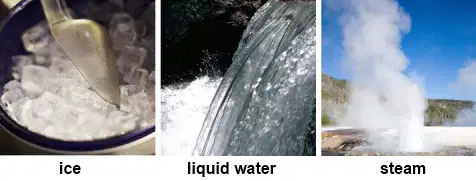
The picture shows examples of water in its solid, liquid, and gas forms.
Which statement about the temperature of the different forms of water is true?
The ice must be cooler than the liquid water.
The ice must be warmer than the liquid water
The steam must be cooler than the ice.
The liquid water must be warmer than the steam.
6

7
Multiple Choice
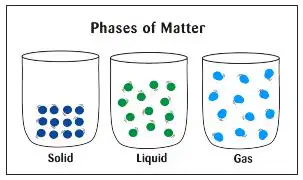
Which of the following phases of water has a definite volume but not a definite shape?
solid
none of these
gas
liquid
8
Multiple Choice
A substance is round in one container and has a volume of one liter. In a much larger container, the substance is rectangular but still has a volume of one liter.
What state of matter is the substance in?
magnetic
solid
liquid
plasma
9
Atoms are the smallest units of a substance that still have all the properties of that substance. Atoms are represented on the Periodic Table of Elements by the chemical symbols. For example, H is hydrogen and O is oxygen
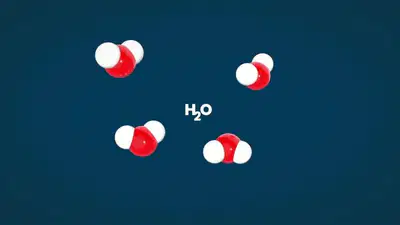
Atoms can be joined together to form molecules or compounds, such as water.
10
Multiple Choice
All matter, both living and nonliving, is made up of tiny parts that are too small to be seen without a high-powered microscope. These tiny parts are called _______.
bacteria
atoms
dust
cells
11
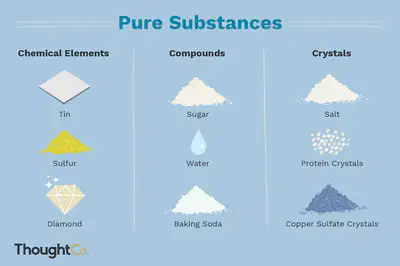
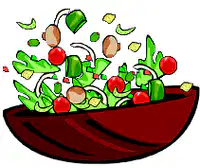
A pure substance is made up of only one kind of material. A mixture is made up of two or more materials mixed together.
12
Multiple Choice
Which of the following is considered a pure substance:
A bowl of salad with lettuce, carrots, and tomatoes.
A glass of saltwater.
A cup of plain water.
A bag of mixed candy.
13
14
Multiple Choice
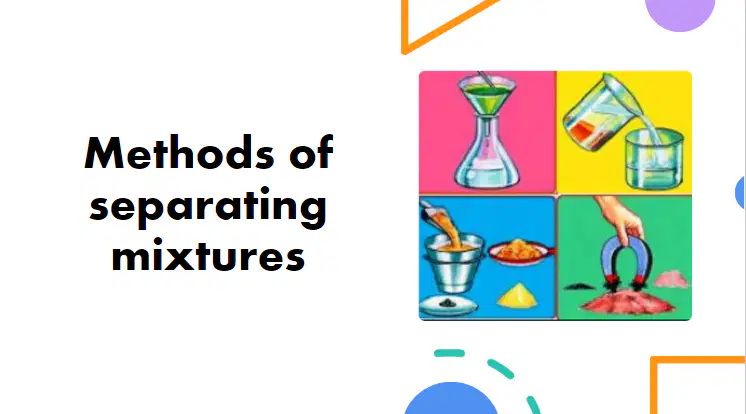
A beaker contains a mixture of sand and salt. Which of the following procedures will best separate this mixture?
placing a magnet in the beaker
heating the beaker on a hot plate
pouring the contents of the beaker through a filter
adding warm water to the beaker and pouring through a filter
15
16
Multiple Choice
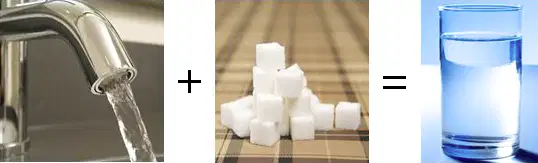
Which of the following is a good example of a solution?
A salad with lettuce, tomatoes, and cucumbers.
Sand mixed with water.
Saltwater, where the salt dissolves completely in the water.
Oil floating on top of water.
17

SC.5.P.8.1 Compare and contrast the basic properties of solids, liquids, and gases, such as mass, volume, color, texture, and temperature.
Show answer
Auto Play
Slide 1 / 17
SLIDE
Similar Resources on Wayground

13 questions
Natural Resources
Presentation
•
5th Grade
13 questions
Inherited Trait or Learned Behavior
Presentation
•
5th Grade
13 questions
La Rotación de la Tierra
Presentation
•
5th Grade
10 questions
Acids and Bases
Presentation
•
5th Grade
13 questions
Electric Circuits Lesson
Presentation
•
5th Grade
15 questions
Thermal Energy
Presentation
•
5th Grade
15 questions
Force and Motion
Presentation
•
5th Grade
12 questions
The Earth's 4 Spheres
Presentation
•
5th Grade
Popular Resources on Wayground
10 questions
How much do you know about our Portrait of an Eagle?

Quiz
•
10th Grade
10 questions
Fast Food Slogans
Quiz
•
6th - 8th Grade
21 questions
Continents and Oceans
Quiz
•
6th Grade
20 questions
Parts of Speech
Quiz
•
5th Grade
16 questions
Subject & Predicate
Quiz
•
5th Grade
25 questions
Multiplication Facts
Quiz
•
5th Grade
12 questions
Map Skills
Quiz
•
3rd Grade
22 questions
Continents and Oceans
Quiz
•
5th Grade
Discover more resources for Science
9 questions
Properties of matter and Mixtures
Quiz
•
5th Grade
20 questions
Mixtures and Solutions Practice
Quiz
•
5th Grade
20 questions
Food Chains and Food Webs Review
Quiz
•
5th Grade
11 questions
Understanding Light Review 4
Quiz
•
5th Grade
15 questions
Force and Motion
Presentation
•
5th Grade
20 questions
Food Chains & Food Webs
Quiz
•
5th - 7th Grade
20 questions
Weathering, Erosion, & Deposition
Quiz
•
5th Grade
16 questions
Mixture or Solution?
Quiz
•
5th Grade