Semester 1 Exam Review BIOLOGY
Presentation
•
Biology
•
9th Grade
•
Medium
+32
Standards-aligned
Charla Southers
Used 36+ times
FREE Resource
75 Slides • 86 Questions
1
2
3
4
5
6
7
8
9
10
11
Multiple Choice
12
Multiple Choice
13
Multiple Choice
14
Multiple Choice
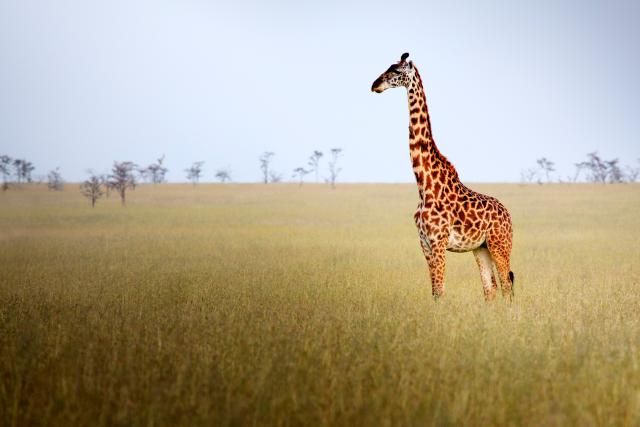
In this photo, what is an abiotic factor?
Deer
Grass
rain
15
Multiple Choice
16
Multiple Choice
Which phrase best describes an ecosystem (Biotic and Abiotic factors)?
Gaggle of geese, parliament of owls, and troupe of gorilla
Sun, rain, rocks
School of fish, sand, army of frogs, temperature
A group of the same species living in a particular area
17
Multiple Choice
What percentage of energy is passed on to the next trophic level?
5%
10%
50%
90%
18
19
20
21
22
23
24
25
26
Multiple Choice
Carbon cycles through the biosphere in all of the following processes EXCEPT
photosynthesis
transpiration
burning of fossil fuels
decomposition of plants and animals
27
Multiple Choice
28
Multiple Choice
Denitrification is the process by which bacteria
Make ammonium
NH4+
Create Nitrate
NO3-
Create Nitrite
NO2-
Return nitrogen gas to the air
N2
29
Multiple Choice
Ammonification is the process by which decomposers convert wastes and dead organisms into ____.
ammonium
NH4+
Nitrate
NO3-
Nitrite
NO2-
nitrogen gas
N2
30
Multiple Choice
What is the role of nitrogen-fixing bacteria in the nitrogen cycle?
Nitrogen-fixing bacteria convert atmospheric nitrogen into carbon dioxide in the nitrogen cycle.
Nitrogen-fixing bacteria convert atmospheric nitrogen into a usable form for plants in the nitrogen cycle.
Nitrogen-fixing bacteria break down nitrogen compounds into atmospheric nitrogen in the nitrogen cycle.
Nitrogen-fixing bacteria release nitrogen gas into the atmosphere in the nitrogen cycle.
31
Multiple Choice
In the carbon cycle, the only process that removes CO2 from the atmosphere is
combustion
cellular respiration
decomposition
photosynthesis
32
Multiple Choice
If the plant population decreased, the amount of carbon dioxide in the atmosphere would _________.
Stay the same
Increase
Decrease
33
Multiple Select
Check all the ways that carbon dioxide is ADDED to the atmosphere.
Respiration
Combustion
Photosynthesis
Diffusion
Decomposition
34
35
36
37
38
39
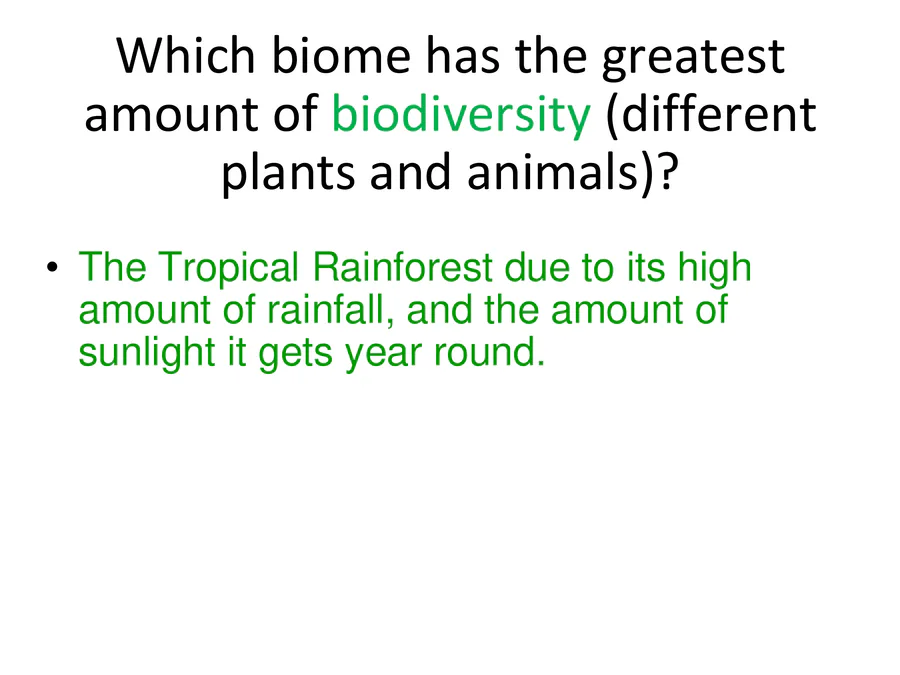
Multiple Choice
Which biome has the greatest amount of biodiversity?
Taiga
Desert
Rainforest
Savanna
40
Multiple Choice
Permafrost is a layer of permanently frozen soil found in the ____ biome.
Grasslands
Savanna
Tundra
Deciduous Forest
41
Multiple Choice
42
Multiple Choice
43
Multiple Choice
Both species benefit
symbiosis
parasitism
mutualism
commensalism
44
Multiple Choice
One species benefits, the other is unaffected
symbiosis
parasitism
mutualism
commensalism
45
Multiple Choice
Barnacles create home sites by attaching themselves to whales. As the barnacle is a filter feeder, it also gets access to more water (and more food) due to the relationship. Whale is unaffected.
symbiosis
parasitism
mutualism
commensalism
46
Multiple Choice
Ostriches and gazelles feed next to each other. They both watch for predators. Because the visual abilities of the two species are different, they can each identify threats that the other animal may not see as readily.
symbiosis
parasitism
mutualism
commensalism
47
Multiple Choice
Mistletoe extracts water and nutrients from the spruce tree to the detriment (ill effect) to the spruce
symbiosis
parasitism
mutualism
commensalism
48
49
50
POPULATION LIMITING FACTORS:
• When factors are affected by the size of the population they
are:
- DENSITY DEPENDENT FACTORS
- Ex. food, shelter, water, etc.
• When factors are not affected by the size of the population,
they are:
- DENSITY INDEPENDENT FACTORS
• Ex. weather, climate, etc.
51
Multiple Choice
The graph below shows population growth of a fruit fly population over time.
The fruit fly population growth over time is an example of:
Exponential growth
Logistic growth
52
Multiple Choice
53
Multiple Choice
54
Multiple Choice
The graph below shows population growth of a fruit fly population over time.
Point ______________ shows that the fruit fly population has reached carrying capacity.
Point 1
Point 2
Point 3
55
56
57
58
Multiple Choice
59
Multiple Choice
60
Multiple Choice
61
Multiple Choice
62
Multiple Choice
63
Multiple Choice
64
65
66
67
68
69
Multiple Choice
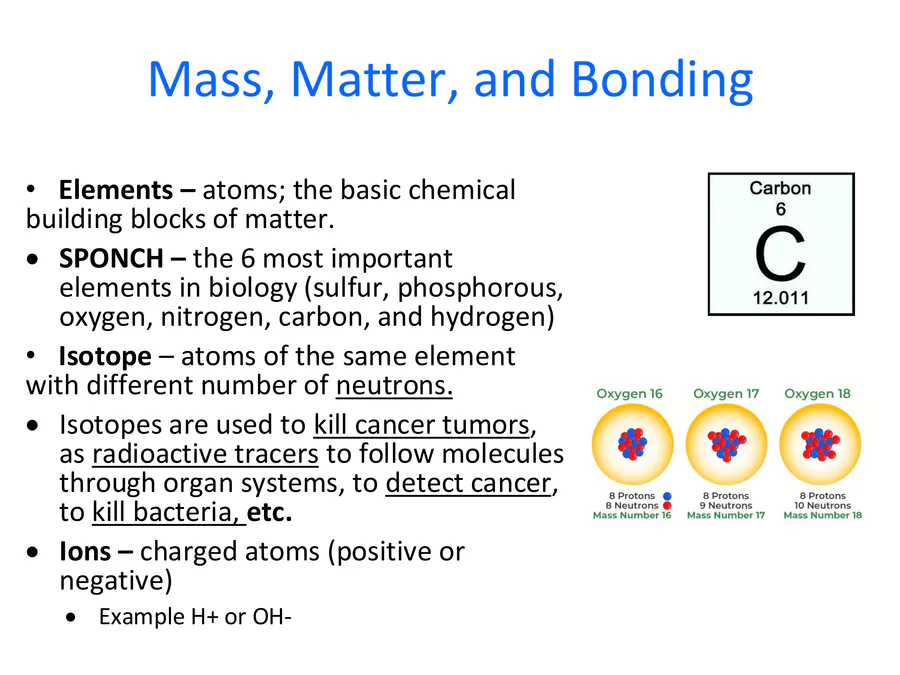
Which of the following are the 4 essential elements that make up 96% of living matter?
H, O, N, P
C, O, N, H
C, O, S, H
O, S, P, N
70
Multiple Choice
atoms
elements
molecules
compounds
71
Multiple Choice
Which is the smallest particle of an element that has the same properties as that element?
atom
molecule
electron
neutron
72
Multiple Choice
H2O is most accurately described as a ___________________.
molecule
compound
element
atom
73
Multiple Choice
6
12
3
Cannot be determined
74
Multiple Choice
Electron
Proton
Neutron
Quark
75
Multiple Choice
An ion is when an atom has a
proton
neutron
charge
electron
76
Multiple Choice
Unequal sharing of electrons is called
Non-polar covalent
Polar covalent
Ionic
Crazy
77
Multiple Choice
Polar means
both sides of the molecule are negative
one side of the molecule is more negative and one is more positive
both sides are equal
neither atom has a great pull
78
79
80
Multiple Choice
81
Multiple Choice
82
Multiple Choice
83
Multiple Choice
84
Multiple Choice
85
Multiple Choice
86
87
88
89
Multiple Choice
90
Multiple Choice
91
Multiple Choice
A base is a substance
That releases OH- ions when dissolved in water
That releases H+ ions when dissolved in water
Does not release any ions when dissolved in water
None of the above
92
Multiple Choice
An acid
is a substance that releases H+ ions when dissolved in water
is a substance that does not release any ions when dissolved in water
is a substance that releases OH- when dissolved in water
releases an equal amount of OH- and H+ ions when dissolved in water
93
Multiple Choice
Water has a neutral because
it has more H+ ions than OH-
it has more OH- ions than H+
it does not produce any ions
it has an equal amount of H+ and OH- in solution
94
95
96
97
98
99
100
101
102
103
104
Multiple Choice
105
Multiple Choice
106
Multiple Choice
107
Multiple Choice
108
Multiple Choice
109
Multiple Choice
110
Multiple Choice
111
Multiple Choice
112
113
114
115
Multiple Choice
116
Multiple Choice
117
Multiple Choice
118
Multiple Choice
119
Multiple Choice
120
Multiple Choice
121
Multiple Choice
122
Multiple Choice
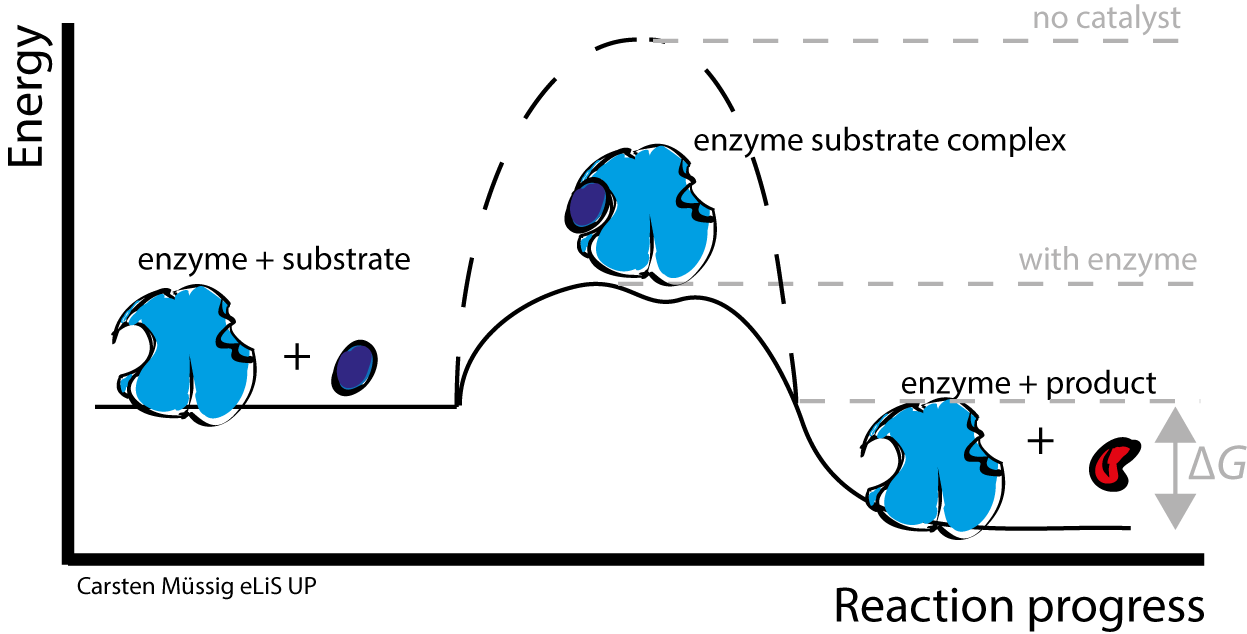
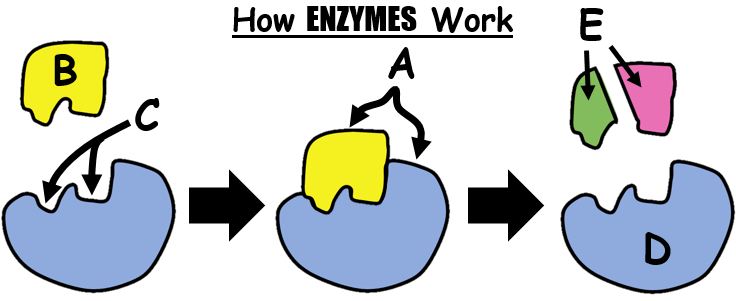
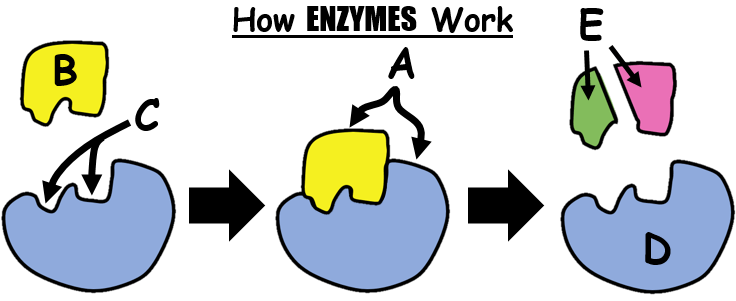
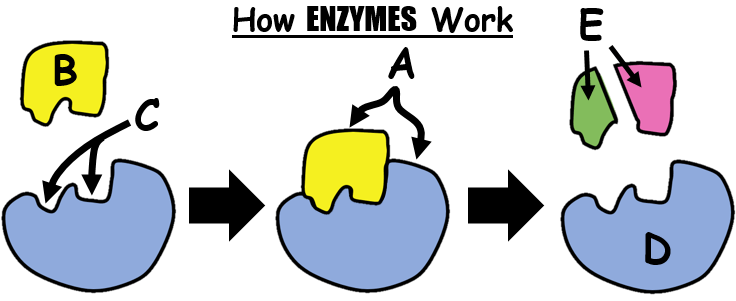
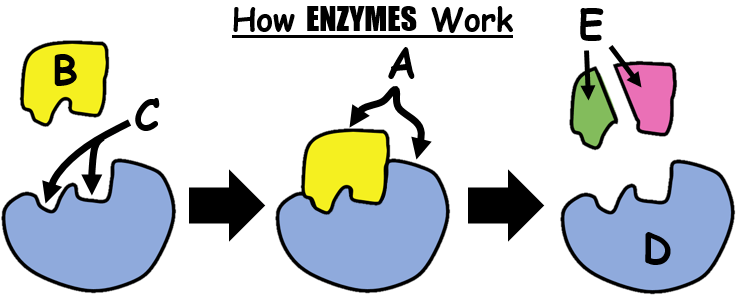
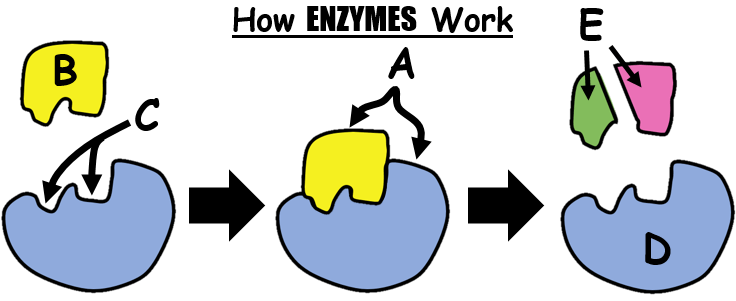
In a chemical reaction, ________ are what you have at the end
Products
Molecules
Reactants
Substances
123
Multiple Choice
124
Multiple Choice
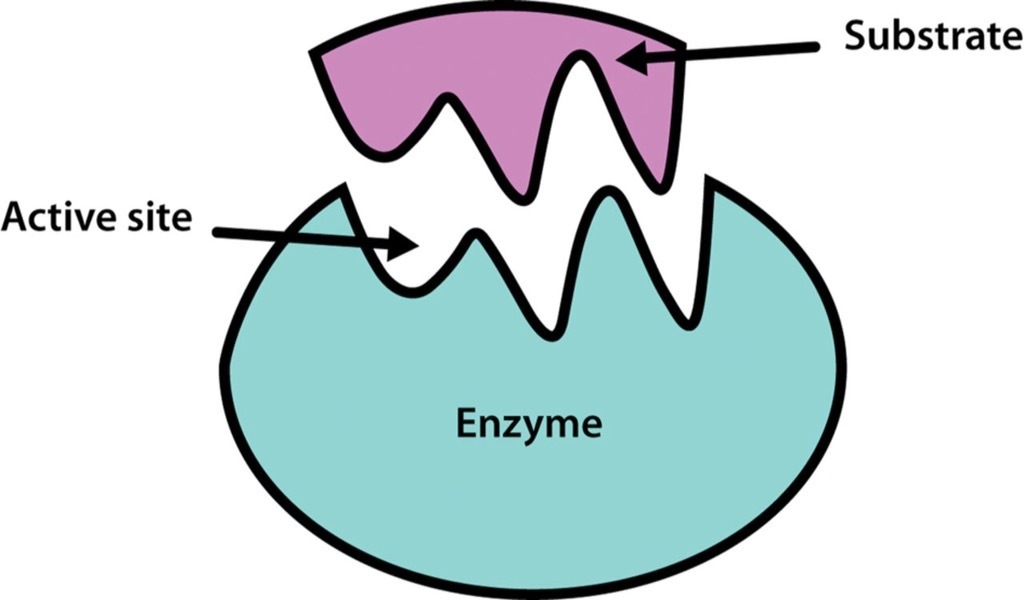
The shapes of the enzyme are denatured (no longer work)
125
Multiple Choice
126
127
128
129
130
131
132
133
Multiple Choice
134
Multiple Choice
Which do BOTH prokaryotes and eukaryotes contain?
nucleus
mitochondria
ribosomes
chloroplasts
135
Multiple Choice
136
Multiple Choice
Bacteria is an example of a(n)
prokaryotic cell.
eukaryotic cell.
137
Multiple Choice
What is the endosymbiotic theory?
An explanation for how eukaryote cells evolved from prokaryote cells
An explanation for how prokaryote cells evolved from eukaryote cells
An explanation for how cells evolved from non-living matter
An explanation for how cells evolved from viruses
138
139
140
141
142
143
144
145
146
147
148
149
150
151
152
153
154
Multiple Choice
Smooth Endoplasmic Reticulum makes
Carbohydrates
Lipids
Proteins
Nucleic Acid
155
Multiple Choice
Which organelles are only found in plants
Chloroplasts and cell membranes
chloroplasts and cell walls
golgi apparatus and cell membranes
golgi apparatus and vacoule
156
Multiple Choice
157
Multiple Choice
controls functions of cells and contains genetic material
nucleus
cell membrane
cell wall
mitochondria
158
Multiple Choice
What is the purpose of the centriole
to provide support to the cell
to help animal cells divide
the power house of the cell
holds waste
159
Multiple Choice
The rough Endoplasmic Reticulum is covered with
protein
spots
ribosomes
vesicles
160
Multiple Choice
The Central Vacuole in plants
allows for support of the leaf
stores water
stores waste
All of the above
161
Multiple Choice
The Heart is an organ made of smooth muscle tissue that requires energy. These cells would have large quantities of which organelle?
mitochondria
nuclei
rough endoplasmic reticulum
lysosomes
Show answer
Auto Play
Slide 1 / 161
SLIDE

Similar Resources on Wayground
153 questions
French Revolution Slide Show (Teaching to the Middle)
Presentation
•
7th Grade
153 questions
EOC Review: Questions Ch1 - 6
Presentation
•
9th - 12th Grade
153 questions
Imperialism Notes
Presentation
•
9th - 12th Grade
161 questions
F5 C5 Unit 5.3 Farming in the Sahel
Presentation
•
11th Grade
158 questions
Презентация без названия
Presentation
•
11th Grade
159 questions
MUSIC
Presentation
•
8th Grade
151 questions
Electron Configuration Gizmo
Presentation
•
10th Grade
157 questions
Phonics Letter Sounds
Presentation
•
KG
Popular Resources on Wayground
20 questions
"What is the question asking??" Grades 3-5
Quiz
•
1st - 5th Grade
20 questions
“What is the question asking??” Grades 6-8
Quiz
•
6th - 8th Grade
10 questions
Fire Safety Quiz
Quiz
•
12th Grade
20 questions
Equivalent Fractions
Quiz
•
3rd Grade
34 questions
STAAR Review 6th - 8th grade Reading Part 1
Quiz
•
6th - 8th Grade
20 questions
“What is the question asking??” English I-II
Quiz
•
9th - 12th Grade
20 questions
Main Idea and Details
Quiz
•
5th Grade
47 questions
8th Grade Reading STAAR Ultimate Review!
Quiz
•
8th Grade
Discover more resources for Biology
24 questions
BIOLOGY STAAR REVIEW
Quiz
•
9th Grade
30 questions
Biology STAAR Review #3
Quiz
•
9th Grade
16 questions
AP Biology: Unit 1 Review (CED)
Quiz
•
9th - 12th Grade
50 questions
Biology EOC Review
Quiz
•
9th Grade
25 questions
photosynthesis and cellular respiration
Quiz
•
9th Grade
20 questions
AP Biology: Unit 3 Review (CED)
Quiz
•
9th - 12th Grade
20 questions
Enzymes
Quiz
•
9th Grade
20 questions
Food Chains and Food Webs
Quiz
•
7th - 12th Grade