

Visible Light 6.3.5

Presentation
•
Science
•
7th Grade
•
Practice Problem
•
Easy
+2
Standards-aligned

Tara Welsh
Used 2+ times
FREE Resource
11 Slides • 7 Questions
1

Notebook Page 125
2
Poll

Topic: Shadow Illusion
Question: Do you think the size and shape of a pinhole in cardboard affects the image on a wall as light passes through it?
yes, the shape of the hole will appear on the wall
yes, the shape and the size will appear the same on the wall
no, the shapes and size will all be the same
3
4
Open Ended
According to the video, what is being projected on the wall?
5
photon- a unit of light energy
transmission- the movement of waves through a medium
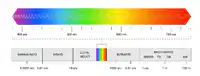
visible light- electromagnetic radiation that humans can see
electron- subatomic particle with a negative charge
particle- a small piece of matter

6
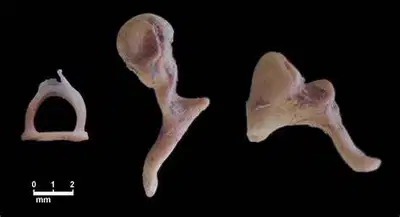
The stapes, or stirrup, is the smallest bone in the body!
7
Reorder
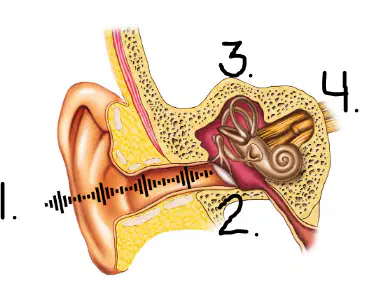
Reorder the following
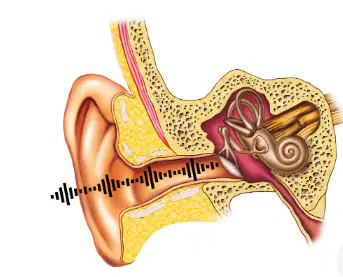
Sound waves travel into the ear through the ear canal
The waves vibrate the eardrum
The eardrum stimulates three small bones, which transfer the vibration to the cochlea
From the cochlea, nerves carry signals to the brain, which decodes the sounds
8
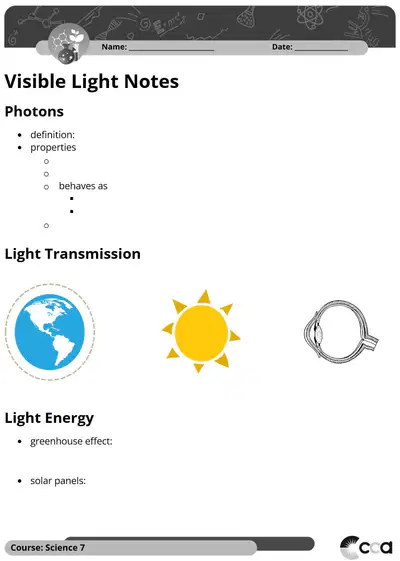
Page 125

9
Photons
A photon is an individual packet of light. Each day light reaches Earth from the Sun. When you turn on a light bulb, the filament produces photons that light a room. The screen of your laptop produces photons of light that form the patterns you recognize as words and pictures.
Photons of visible light have several distinct properties.
Photons of light behave like transverse waves.
Photons of visible light have wavelengths between 380 and 700 nm. (nm= nanometer or 1 billionth of a meter)
Photons behave as both a wave and a particle.
Photons can travel through some mediums via transmission.
10
11
Draw
Based on research, scientists concluded that light sometimes behaves like a wave. Which of the following data supports the model of light as a wave?
12
Light Transmission
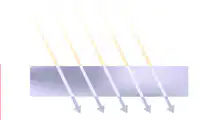
One property of light is transmission. Transmission occurs when light waves pass through a medium. Light waves can pass through gases such as the atmosphere and liquids such as shallow water. Most solid matter prevents light transmission.
Example: Very thin sheets of solid matter, such as the specimens you view on microscope slides, allow some light to pass through.
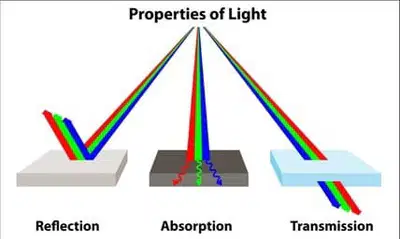
Let's draw this on the whiteboards!
13
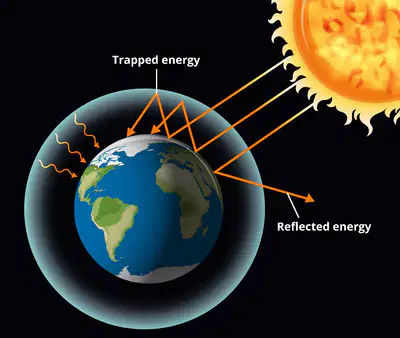
Greenhouse Effect
The greenhouse effect keeps Earth's temperatures warm enough for life to exist. When light waves enter the atmosphere, some of those waves bounce back into space.
However, gases in Earth's atmosphere called greenhouse gases trap some of the energy from light waves in the atmosphere. That energy becomes heat, which warms Earth's surface.
14
15
Edio Lesson page 8

16
Multiple Choice
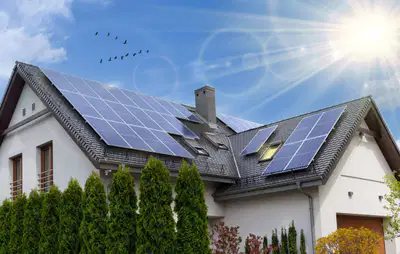
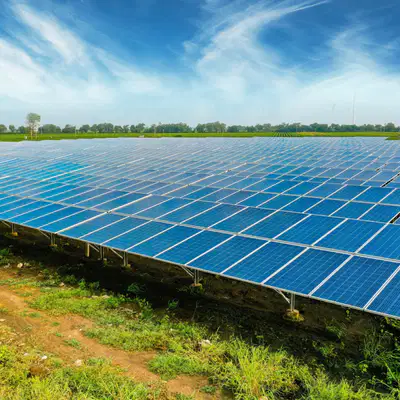
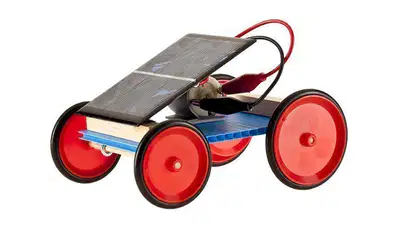
Solar panels are a technology that produces energy that people can use to power devices.
Which statement best describes the types of energy involved with solar panels?
17
Open Ended

Your eyes contain cells that detect light energy. Nerves send the information from the cells in your eye to your brain. Why can you not see when your eyes are closed?
18
Poll
Which concept did you understand the most today?
visible light consists of photons
photons sometimes behave like waves and sometimes behave like particles
light passes through a medium during transmission
the greenhouse effect keeps Earth warm
solar panels convert light energy into electrical energy
Notebook Page 125
Show answer
Auto Play
Slide 1 / 18
SLIDE
Similar Resources on Wayground

13 questions
Speed v. Velocity
Presentation
•
8th Grade
13 questions
ALL ABOUT ME
Presentation
•
7th Grade
12 questions
Tropisms
Presentation
•
7th Grade
14 questions
Circulatory and Respiratory Systems
Presentation
•
7th Grade
12 questions
Skeletomuscular System
Presentation
•
7th Grade
15 questions
Rocks and Minerals
Presentation
•
7th Grade
11 questions
Photosynthesis
Presentation
•
7th Grade
11 questions
Dichotomous Keys & Taxonomy
Presentation
•
7th Grade
Popular Resources on Wayground
21 questions
Continents and Oceans

Quiz
•
6th Grade
20 questions
Parts of Speech
Quiz
•
5th Grade
16 questions
Subject & Predicate
Quiz
•
5th Grade
25 questions
Multiplication Facts
Quiz
•
5th Grade
12 questions
Map Skills
Quiz
•
3rd Grade
22 questions
Continents and Oceans
Quiz
•
5th Grade
15 questions
Rounding Decimals
Quiz
•
5th Grade
20 questions
Brand Labels
Quiz
•
5th - 12th Grade
Discover more resources for Science
17 questions
7.6D Aqueous Solutions
Quiz
•
7th Grade
20 questions
Claim, Evidence and Reasoning (CER)
Quiz
•
6th - 8th Grade
10 questions
Exploring Chemical and Physical Changes

Interactive video
•
6th - 10th Grade
16 questions
Photosynthesis and Cellular Respiration Review
Quiz
•
7th Grade
20 questions
Food Webs + Energy Pyramids
Quiz
•
7th Grade
24 questions
Cell Organelles
Quiz
•
7th Grade
20 questions
Human Body Systems
Quiz
•
7th Grade
10 questions
Exploring the Periodic Table
Interactive video
•
6th - 10th Grade