
Electron Dot Structure
Presentation
•
Chemistry
•
9th Grade
•
Hard

Joseph Anderson
FREE Resource
9 Slides • 7 Questions
1
Lewis Electron Dot Structure
Mrs. Perlita V. Sanchez
Grade 9 Science
2
I. OBJECTIVES
Illustrate Lewis Electron Dot Structure of some elements.
Understand the Octet Rule
Identify which element or atom will more likely give or accept electrons
3
Lewis Electron Dot Structure
Proposed by Gilbert Lewis
A model used to illustrate the electrons in the outermost energy level of an atom
It helps picture out the Octet Rule and how chemical bonding takes place between elements
4
Lewis Electron Dot Structure
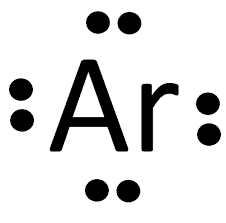
The chemical symbol of an element is surrounded by a number of dots which are the valence electrons.
5
Multiple Choice
The outermost electrons of an atom are __________.
outermost electron
Lewis electrons
valence electrons
octet electrons
6
Octet Rule or Rule of Eight
Elements with with complete number of electron are those with 8 valence electrons and they are described as STABLE ELEMENTS
Example: 18Ar 2) 8) 8) valence electron is 8 therefore 18Ar is stable.
Elements with incomplete number of valence electrons are those with less than 8 valence electrons and they are described as UNSTABLE ELEMENTS
Example: 11Na 2) 8) 1) valence electron is 1, its is less than 8 therefore 11Na is unstable.
7
Octet Rule Exemption
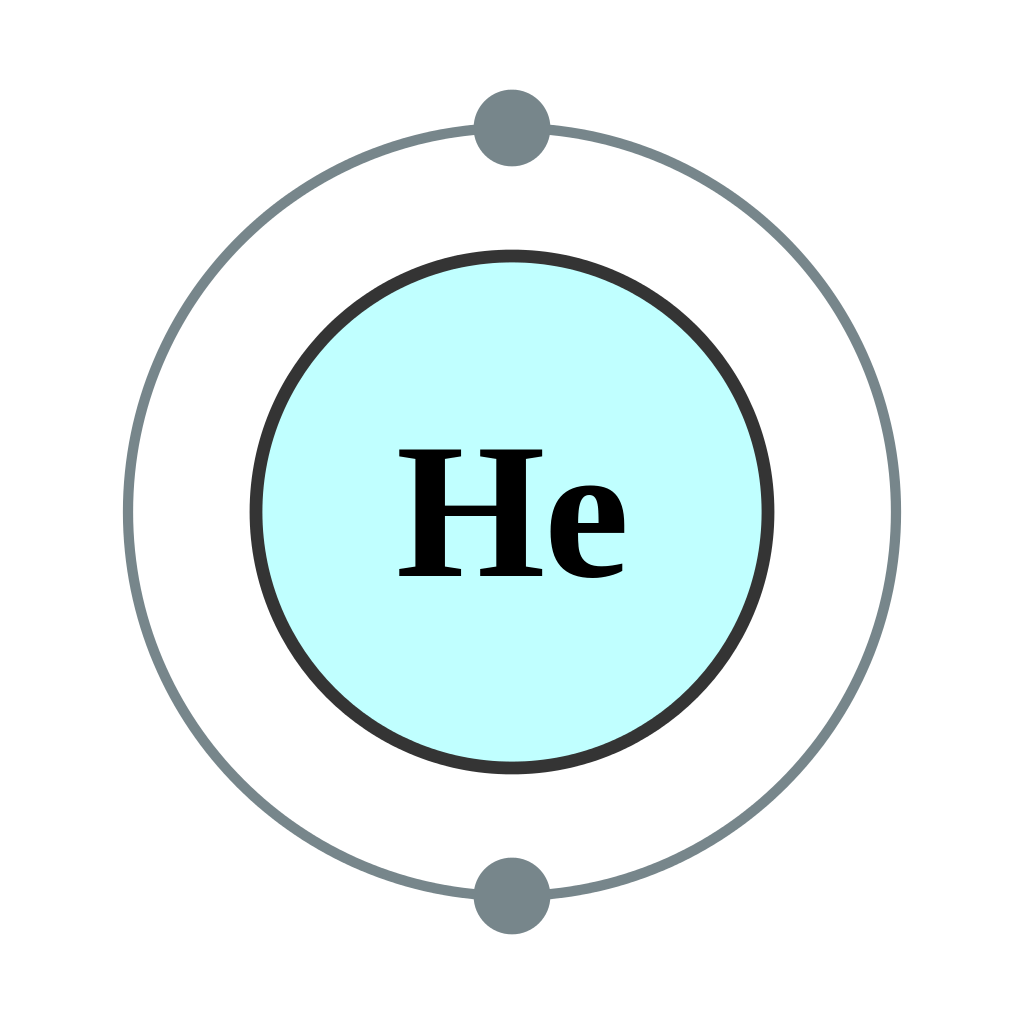
The element Helium (2He) is exemption to this rule. Since helium has 2 electrons, its energy level is complete with 2 valence electrons making it a stable element.
8
Multiple Choice
Identify if this element 19K 2) 8) 8) 1) is stable or unstable?
Stable
Unstable
9
Multiple Choice
Identify if the element 10Ne 2) 8) is stable or unstable?
Stable
Unstable
10
Multiple Choice
How many valence electrons should an element have for it to be considered as a STABLE element?
2
10
6
8
11
Accept, Lose or Share?
Elements with fewer electrons tend to lose electrons rather than keeping them because in this way they can achieve a stable condition.
On the other hand, elements with more valence electrons will ten to accept electrons from other elements because they only need fewer electrons to complete their valence electrons.
In the case of carbon atom with 4 valence electrons, it will either lose or accept electron but it will enter into sharing of electrons.
12
Stable Elements
Stable elements DOES NOT accept, lose or share electron because their valence shell is already complete.
13
Multiple Choice
Which of the elements will share electrons?
12Mg 2) 8) 2)
14Si 2) 8) 4)
17Cl 2) 8) 7)
15P 2) 8) 5)
14
Multiple Choice
Which element will most likely lose its electrons?
Na 2)8)1)
N 2)5)
O 2) 6)
F 2)7)
15
Multiple Choice
Which element will prefer to accept electrons from another element?
11Na 2) 8) 1)
20Ca 2) 8) 2)
16S 2) 8) 6)
10Ne 2) 8)
16
Key Concepts
Stability of an element can be identified by knowing how many electrons can be found in its outermost energy level.
The Octet Rule or Rule of Eight, states that for an element to become stable it should have eight valence electrons in its outermost energy level; if not then, it is unstable. With the exemption of Helium.
The Lewis Electron Dot Structure is used to show the valence electron of an element or atom helps us visualize the Octet Rule.
Lewis Electron Dot Structure
Mrs. Perlita V. Sanchez
Grade 9 Science
Show answer
Auto Play
Slide 1 / 16
SLIDE

Similar Resources on Wayground
12 questions
Calculating Protons Neutrons Electrons
Presentation
•
9th Grade
14 questions
Electron Math
Presentation
•
9th - 12th Grade
14 questions
Covalent Bonding
Presentation
•
9th - 10th Grade
10 questions
Ionic bonds
Presentation
•
9th Grade
14 questions
Periodic Table Review
Presentation
•
8th Grade
14 questions
Balancing Chemical Equations
Presentation
•
10th Grade
11 questions
chemistry
Presentation
•
9th Grade
11 questions
Narrative Writing
Presentation
•
9th - 10th Grade
Popular Resources on Wayground
15 questions
Grade 3 Simulation Assessment 1
Quiz
•
3rd Grade
22 questions
HCS Grade 4 Simulation Assessment_1 2526sy
Quiz
•
4th Grade
16 questions
Grade 3 Simulation Assessment 2
Quiz
•
3rd Grade
19 questions
HCS Grade 5 Simulation Assessment_1 2526sy
Quiz
•
5th Grade
17 questions
HCS Grade 4 Simulation Assessment_2 2526sy
Quiz
•
4th Grade
20 questions
Equivalent Fractions
Quiz
•
3rd Grade
24 questions
HCS Grade 5 Simulation Assessment_2 2526sy
Quiz
•
5th Grade
20 questions
Math Review
Quiz
•
3rd Grade
Discover more resources for Chemistry
10 questions
Exploring Properties and Models of Acids and Bases
Interactive video
•
6th - 10th Grade
20 questions
Types of Chemical Reactions
Quiz
•
9th - 12th Grade
10 questions
Identifying Types of Chemical Reactions
Interactive video
•
6th - 10th Grade
30 questions
Final Exam Prep S22: 2.1.A.1 Isotopes
Quiz
•
9th - 12th Grade
21 questions
Heating and Cooling Curves
Quiz
•
9th - 10th Grade
20 questions
IP: Endothermic and Exothermic Reactions
Quiz
•
9th - 11th Grade
6 questions
DOL: Endothermic and Exothermic Reactions
Quiz
•
9th - 11th Grade
13 questions
Reaction Rates
Presentation
•
9th - 12th Grade