

Exothermic and Endothermic Lessons

Presentation
•
Science
•
8th Grade
•
Hard

Joseph Anderson
FREE Resource
14 Slides • 7 Questions
1
Content Objective: PS.3b
Learning Target: use evidence and scientific reasoning to differentiate (tell the difference) between a chemical reaction that requires an input of energy (endothermic) and one that releases energy (exothermic)
Language Objective: I can define and identify the endothermic and exothermic reactions.
2
Directions:
watch the video
write down key details and/or examples of endothermic and exothermic reactions
use the slides to write key information on the notes sheet.
answer the interactive questions

3
4
Share the key details from the video.

5
Recall:
Chemical changes involve the breaking and making of chemical bonds. Any time there is a chemical reaction, there will also be a change in energy.
Let's discuss two types of chemical change that are classified by whether the reaction absorbs or releases heat energy: endothermic reactions and exothermic reactions.

6
Multiple Choice

During chemical reactions, bonds are...
broken only
formed only
both broken and formed
none of the above are correct
7
ENDOTHERMIC REACTIONS - "endo" is a prefix that can mean "inner" or "absorbing"
If the total energy required to break bonds in the reactants is more than the total energy released when new bonds are formed in the products, the reaction is endothermic.
8
You can remember this because the prefix endo- means inner or absorbing.
So, an endothermic reaction takes thermal energy in or absorbs thermal energy from the surroundings; making the temperature of the surroundings decrease.
Energy used to break bonds > Energy released to form bonds
9
Endothermic Reaction Example
Instant cold packs are an example of an endothermic reaction that you might be familiar with. Inside, there is solid ammonium nitrate. There is also a separate bag of water. To activate the reaction, you squeeze the bag of water to cause it to break. The water is then able to mix with the ammonium nitrate and cause an endothermic reaction.

An instant cold pack contains ammonium nitrate and water. When the chemicals are mixed, it causes an endothermic reaction.
10

Remember:
An endothermic chemical reaction absorbs heat from the environment.
11
EXOTHERMIC REACTIONS - "exo" is a prefix that means "outside"
If the total energy required to break bonds in the reactants is less than the total energy released when new bonds are formed in the products, the reaction is exothermic.
12
In other words, an exothermic reaction releases heat energy into the surroundings. This causes an increase in temperature. You can remember this because the prefix exo- means outside or external.
The heat goes out of the reaction; making the temperature of the surroundings increase.
Energy used to break bonds < Energy released to form bonds
13
Exothermic Reaction Example
Burning the wax of a candle is an example of an exothermic reaction because heat from the flame is released to the environment.

14

Remember:
An exothermic chemical reaction releases heat to the environment.
15
Multiple Choice
If a chemical reaction is EXOTHERMIC, the temperature of the surrounding would....
stay the same
increase
decrease
16
Multiple Choice
During an endothermic reaction in a beaker if we are part of the surroundings and touched the beaker, it would feel _______.
warm
cold
17
Multiple Choice
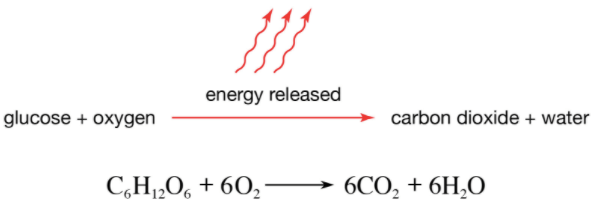
The illustration shows cell respiration. Is the overall reaction of cell respiration an Endothermic or an Exothermic reaction?
endothermic
exothermic
18
Multiple Choice
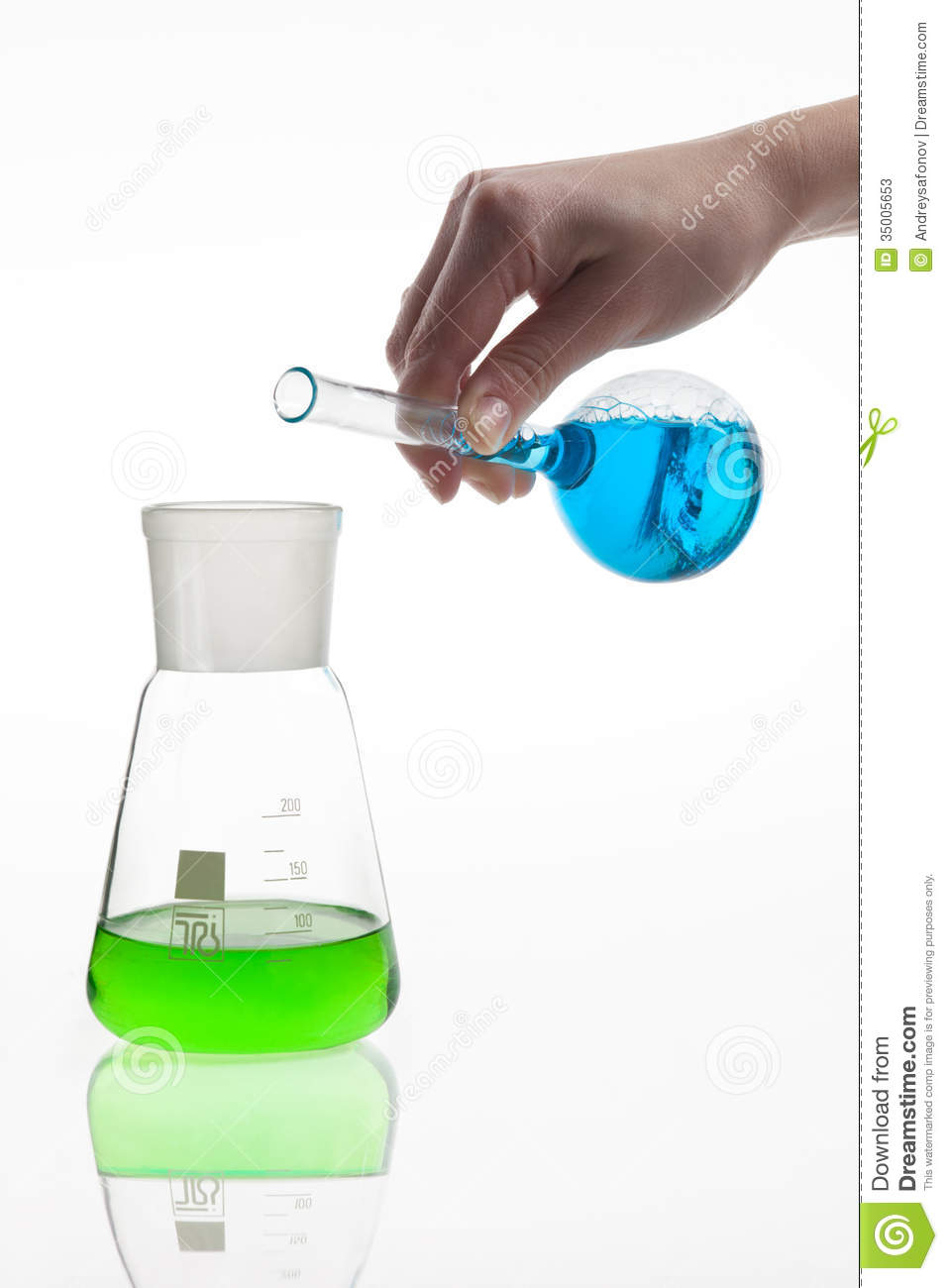
A student mixed two chemicals to allow them to react. The temperature before the reaction was 25 ° C. The temperature after the reaction was 18° C. Which of the following is true?
The temperature did not change.
It is an endothermic reaction
It is an exothermic reaction
Energy is released from the reaction into the surrounding.
19
Multiple Choice
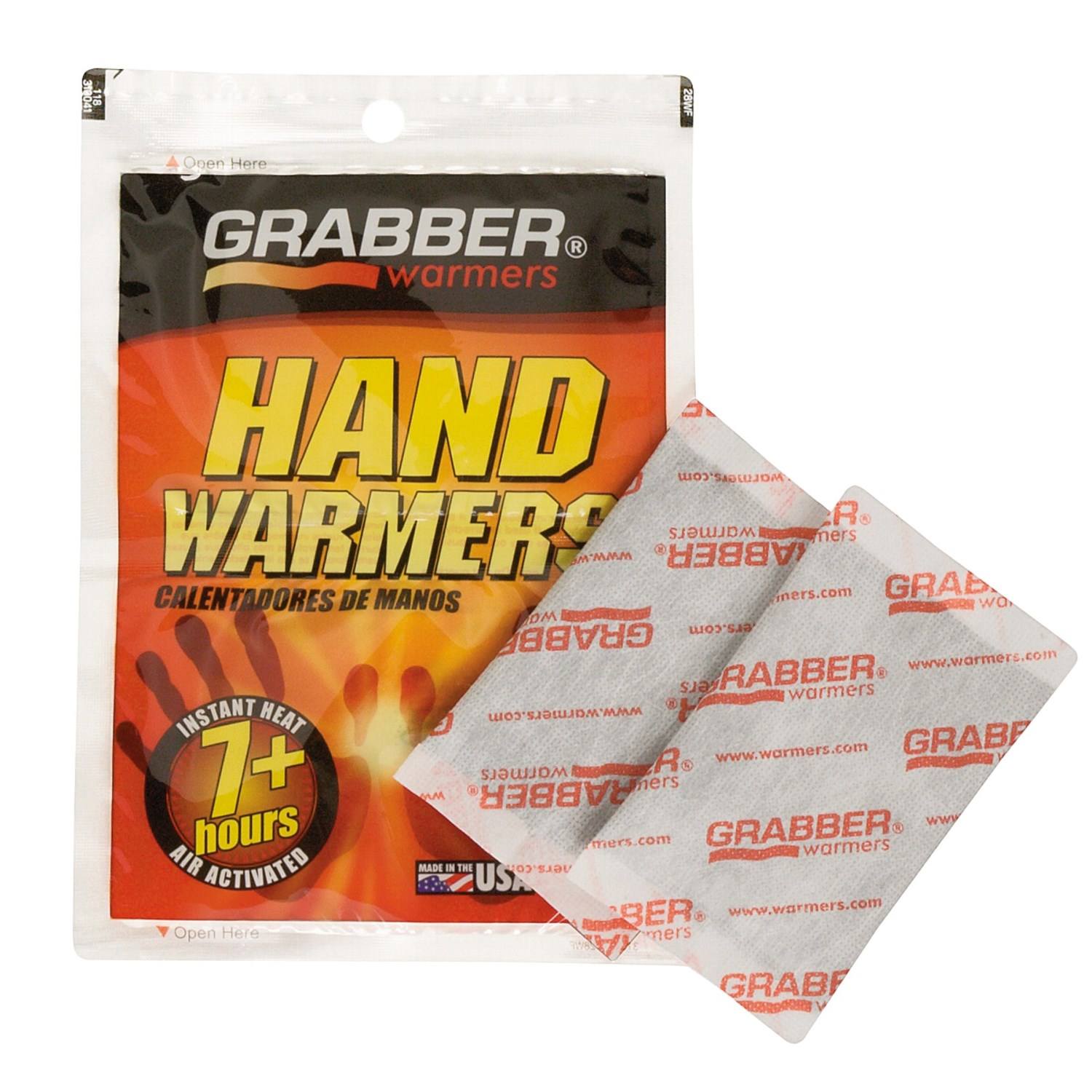
What type of reaction occurs in a hand warmer?
exothermic
endothermic
20
Multiple Choice

What instrument would you use to detect an endothermic or exothermic reaction?
triple beam balance
ruler
thermometer
21
Glue your notes in your notebook, please.

Content Objective: PS.3b
Learning Target: use evidence and scientific reasoning to differentiate (tell the difference) between a chemical reaction that requires an input of energy (endothermic) and one that releases energy (exothermic)
Language Objective: I can define and identify the endothermic and exothermic reactions.
Show answer
Auto Play
Slide 1 / 21
SLIDE
Similar Resources on Wayground

18 questions
Newton's Third Law
Presentation
•
8th Grade
14 questions
Density
Presentation
•
8th Grade
18 questions
Minerals
Presentation
•
8th Grade
19 questions
Types of energy
Presentation
•
8th Grade
16 questions
Law of inertia
Presentation
•
8th Grade
16 questions
Balancing Chemical Equations
Presentation
•
8th Grade
16 questions
Day and Night 8.7 (A)
Presentation
•
8th Grade
17 questions
Lesson 17: Energy Transformations
Presentation
•
8th Grade
Popular Resources on Wayground
10 questions
HCS SCI 03 Summer School Assessment 1

Quiz
•
3rd Grade
15 questions
HCS SCI 05 Summer School Assessment 1 Review
Quiz
•
5th Grade
22 questions
Day 9 Equations and Inequalities Review
Quiz
•
9th Grade
10 questions
Writing and Identifying Ratios Practice
Quiz
•
5th - 6th Grade
7 questions
PYRAMID PERSPECTIVES part 1
Presentation
•
9th - 12th Grade
12 questions
Understanding the Fourth of July
Quiz
•
9th Grade
15 questions
Soccer World Cup Quiz Questions
Quiz
•
7th Grade