Earth Science
Presentation
•
Science
•
6th - 8th Grade
•
Hard

Joseph Anderson
FREE Resource
26 Slides • 131 Questions
1
The slides below reviews all the standards of Earth-Space Science from 6th -8th grade. Videos are included to help you review each concept.
SSA Earth Science Review
2
SC.8.E.5.3: Students will distinguish the hierarchical relationships between planets and other astronomical bodies relative to solar system, galaxy, and universe, including distance, size, and composition.
Hierarchical Relationships in Space
3
Reorder
Reorder the following to form the hierarchy of the universe from biggest to smallest.
universe
galaxy
solar system
planet
4
SC.8.E.5.1: Students will recognize that there are enormous distances between objects in space and apply our knowledge of light and space travel to understand this distance.
Distances in Space
5
Multiple Choice
What is an astronomical unit (A.U.)?
the time it takes light to travel one year
the distance between the Earth and the Moon
the distance between the Earth and the Sun
the distance between the Earth and the Neptune
6
Multiple Choice
What is the name given to the distance that light can travel in one year that is used to measure distances in the universe?
Revolutions
Mile- year
Light-year
Miles
7
Multiple Choice
Which of the following scenarios would be appropriate to use light years?
From the sun to Earth
from Earth to Neptune
from the Milky Way to its closest galaxy
Asteroid Belt to the Kuiper Belt
8
Multiple Choice
9
SC.8.E.5.5 : Students will describe and classify physical properties of stars: apparent magnitude, temperature (color), size, and absolute brightness
Characteristics of Stars
10
Multiple Choice
In comparison to other stars in the sky, the Sun appears brighter because it is–
Bigger
Smaller
Nearer
Further
11
Multiple Choice
12
Multiple Choice
13
Multiple Choice
14
Multiple Choice
The luminosity of a star describes its ______________.
brightness
temperature
age
color
15
Multiple Choice
The chart below displays the names of different stars and their colors. Which of the groups below best orders the stars from hottest to coolest?
A. Antares, Spica, Sun, Aldebaran
B. Sun, Spica, Antares, Aldebaran
C. Spica, Sun, Aldebaran, Antares
D. Antares, Aldebaran, Sun, Spica
16
Multiple Choice
Stars that are very bright, large & burn at the highest temperature
Blue Giant stars
Red Giant
White dwarves
Proton stars
17
Multiple Choice
Which star is the coldest?
Yellow Star
Red Star
Orange Star
Blue Star
18
Multiple Choice
19
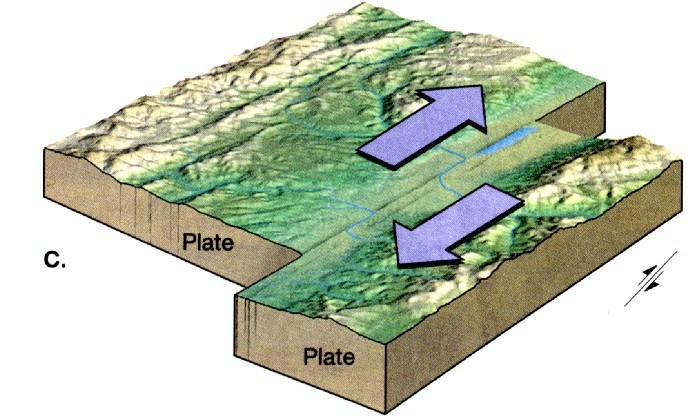
SC.8.E.5.7 : Students will compare and contrast the characteristics of objects in the Solar System
Characteristics of objects in the solar system
20
Multiple Choice
Planet P is also known as the greenhouse planet. It rotates from east to west. Which of the following is Planet P?
Mercury
Venus
Saturn
Mars
21
Multiple Choice
____________ does not have atmosphere.
Mercury
Saturn
Jupiter
Mars
22
Multiple Choice
Which planet is the hottest in the Solar System?
Mercury
Venus
Mars
Neptune
23
Multiple Choice
Which planet is the coldest?
Mercury
Earth
Jupiter
Neptune
24
Multiple Choice
Which planet has the strongest gravitational force?
Mercury
Mars
Saturn
Jupiter
25
Multiple Choice
26
Multiple Choice
Fastest orbiting planet, it does not have an atmosphere.
Mercury
Venus
Earth
Mars
27
SC.8.E.5.4: Students will identify and explain the role that gravity plays in the formation and motion of planets, stars, and solar systems.
Gravity and the Solar System
28
Multiple Choice
The closer two objects are, the less gravitational pull they will have toward each other.
True
False
29
Multiple Choice
The gravitational force between 2 objects increases when their distances do what?
Increase
(get farther apart)
Decrease
(get closer together)
Distance has no impact on gravity
30
Multiple Choice
Gravitational attraction between objects is greatest when their masses are....
Large
Small
Mass has no impact on gravity
31
Multiple Choice
Gravitational attraction between objects is greatest when their distances are....
Close
Far
Distance has no impact on Gravity
32
SC.8.E.5.8: Students will compare and contrast various historical models of the Solar System.
Geocentric vs Heliocentric Models of the Solar system
33
Multiple Choice
34
Multiple Choice
35
Multiple Choice
What is at the middle of a Heliocentric system?
Mars
Moon
Sun
Earth
36
Multiple Choice
What is at the middle of a Geocentric system?
Sun
Neptune
Earth
The Universe
37
Multiple Choice
What does the Geocentric system look like?
38
Multiple Choice
What does the Heliocentric system look like?
39
SC.8.E.5.9 : Students will explain the impact of objects in space on each other, including: 1. the Sun on the Earth, including seasons and gravitational attraction; 2. the Moon on the Earth, including phases, tides, and eclipses, and the relative position on each body.
Revolution vs Rotation
40
SC.8.E.5.9 : Students will explain the impact of objects in space on each other, including: 1. the Sun on the Earth, including seasons and gravitational attraction; 2. the Moon on the Earth, including phases, tides, and eclipses, and the relative position on each body.
Seasons
41
Multiple Choice
42
Multiple Choice
In what position will it be winter in the southern hemisphere
1
2
3
4
43
Multiple Choice
At what position will it be summer in the Southern hemisphere.
1
2
3
4
44
Multiple Choice
At what position will it be spring in the southern hemisphere
1
2
3
4
45
Multiple Choice
At what position will it be fall in the souther hemisphere
1
2
3
4
46
SC.8.E.5.9 : Students will explain the impact of objects in space on each other, including: 1. the Sun on the Earth, including seasons and gravitational attraction; 2. the Moon on the Earth, including phases, tides, and eclipses, and the relative position on each body.
Eclipses
47
Multiple Choice
48
Multiple Choice
49
Multiple Choice
50
Multiple Choice
51
Multiple Choice
52
Multiple Choice
53
SC.8.E.5.9 : Students will explain the impact of objects in space on each other, including: 1. the Sun on the Earth, including seasons and gravitational attraction; 2. the Moon on the Earth, including phases, tides, and eclipses, and the relative position on each body.
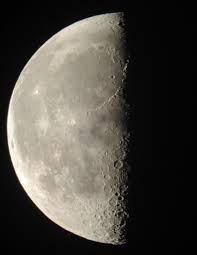
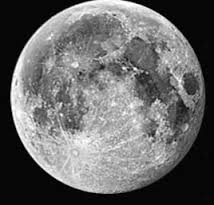
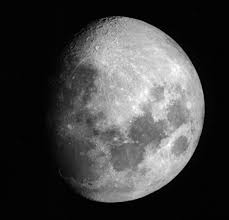
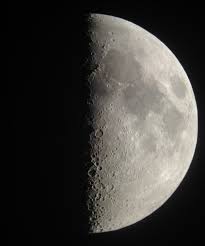
Moon Phases
54
Multiple Choice
55
Multiple Choice
56
Multiple Choice
57
Multiple Choice
58
Multiple Choice
59
Multiple Choice
60
Multiple Choice
61
Multiple Choice
62
Multiple Choice
63
Multiple Choice
64
SC.8.E.5.9 : Students will explain the impact of objects in space on each other, including: 1. the Sun on the Earth, including seasons and gravitational attraction; 2. the Moon on the Earth, including phases, tides, and eclipses, and the relative position on each body.
Tides
65
Multiple Choice
What is a high tide?
Sea pulled TOWARD the moon where Earth is CLOSEST to the moon
Sea pulled AWAY from the moon where Earth is FARTHEST to the moon
Sea pulled AWAY from the moon where Earth is CLOSEST to the moon
66
Multiple Choice
67
Multiple Choice
Wha type of tide would this arrangement of earth-moon-sun create?
full moon tide
new moon tide
neap tide
spring tide
68
Multiple Choice
69
Multiple Choice
70
Multiple Choice
71
Multiple Choice
72
Multiple Choice
73
SC.6.E.6.1: Students will describe and explain how Earth’s surface is built up and torn down through the processes of physical and chemical weathering, erosion, and deposition.
Weathering and Erosion
74
SC.6.E.6.2: Students will identify different types of landforms commonly found on Earth. Students will describe similarities and differences among landforms found in Florida and those found outside of Florida.
Landforms/Florida Landforms
75
SC.7.E.6.2: Students will identify and describe steps of the rock cycle and relate them to surface and sub-surface events.
Rock Cycle
76
Multiple Choice
Weathering is
the movement of rocks
the breaking down of rocks
the falling of rocks
77
Multiple Choice
Erosion is
the falling of mud
the breaking down of rocks
the movement of rocks and soil
78
Multiple Choice
79
Multiple Choice
How does land use cause a reduction in biodiversity?
80
Multiple Choice
81
Multiple Choice
82
Multiple Choice
83
Multiple Choice
84
Multiple Choice
85
Multiple Choice
86
Multiple Choice
87
Multiple Choice
Which rock is formed form the cooling of volcanic ash on Earth's surface?
intrusive igneous
foliated metamorphic
extrusive igneous
organic sedimentary
88
Multiple Choice
According to the diagram, what process is shown by letter A?
extrusion
erosion
crystallization
intrusion
89
Multiple Choice
According to the diagram, what process is shown by letter B?
compaction & cementation
weather & erosion
heat & pressure
melting
90
Multiple Choice
LABEL THE TYPE OF ROCK MARKED BY THE RED X IN THE DIAGRAM
sedimentary
igneous intrusive
metamorphic
igneous extrusive
91
Multiple Choice
LABEL THE TYPE OF ROCK MARKED BY THE RED X IN THE DIAGRAM
sedimentary
igneous intrusive
metamorphic
igneous extrusive
92
Multiple Choice
LABEL THE TYPE OF ROCK MARKED BY THE RED X IN THE DIAGRAM
sedimentary
igneous intrusive
metamorphic
igneous extrusive
93
Multiple Choice
LABEL THE TYPE OF ROCK MARKED BY THE RED X IN THE DIAGRAM
sedimentary
igneous intrusive
metamorphic
igneous extrusive
94
SC.7.E.6.1: Students will identify and/or describe the layers of Earth
Layers of the Earth
95
SC.7.E.6.5 : Students will describe the scientific theory of plate tectonics and how the movement of Earth’s crustal plates and the flow of heat and material cause various geologic events to occur.
Plate Tectomics
96
Multiple Choice
97
Multiple Choice
Convergent
Divergent
Transform
98
Multiple Choice
Convergent
Divergent
Transform
99
Multiple Choice
Convergent
Divergent
Transform
100
Match
Match the plate boundary to its definition.
Plates spread apart
Plates come together
Plates rub against each other
Divergent
Convergent
Transform
Divergent
Convergent
Transform
101
Multiple Choice
102
Multiple Choice
103
Multiple Choice
104
Multiple Choice
105
Multiple Choice
106
Multiple Choice
107
Multiple Choice
___________, meaning "all land," is the name of the great landmass that existed millions of years ago.
lithosphere
Pangaea
subduction zone
tectonic
Wegener
108
Multiple Choice
What occurs between two oceanic plates at a divergent boundary?
rift valley
sea floor spreading
volcanic mountain range
109
SC.7.E.6.4: Students will explain and give examples of how physical evidence supports scientific theories that Earth has evolved over geologic time due to natural processes.
Relative vs Absolute Dating
110
SC.7.E.6.4: Students will explain and give examples of how physical evidence supports scientific theories that Earth has evolved over geologic time due to natural processes.
Relative vs Absolute Dating
111
SC.7.E.6.3: Students will identify current methods for measuring the age of Earth and its parts, including the law of superposition and radioactive dating.
Law of Superposition
112
Multiple Choice
Which of the following orders the rock layers accurately from oldest to youngest?
1, 2, 3, 4, 5
5, 4, 3, 2, 1
2, 3, 4, 5, 1
1, 2, 3, 5, 4
113
Multiple Choice
114
Multiple Choice
115
Multiple Choice
116
Multiple Choice
Which of the following offers a possible list of the layers in order from oldest to youngest?
A, B, C, D, E
E, C, B, D, A
E, D, C, B, A
C, B, A, D, E
117
Multiple Choice
118
Multiple Choice
119
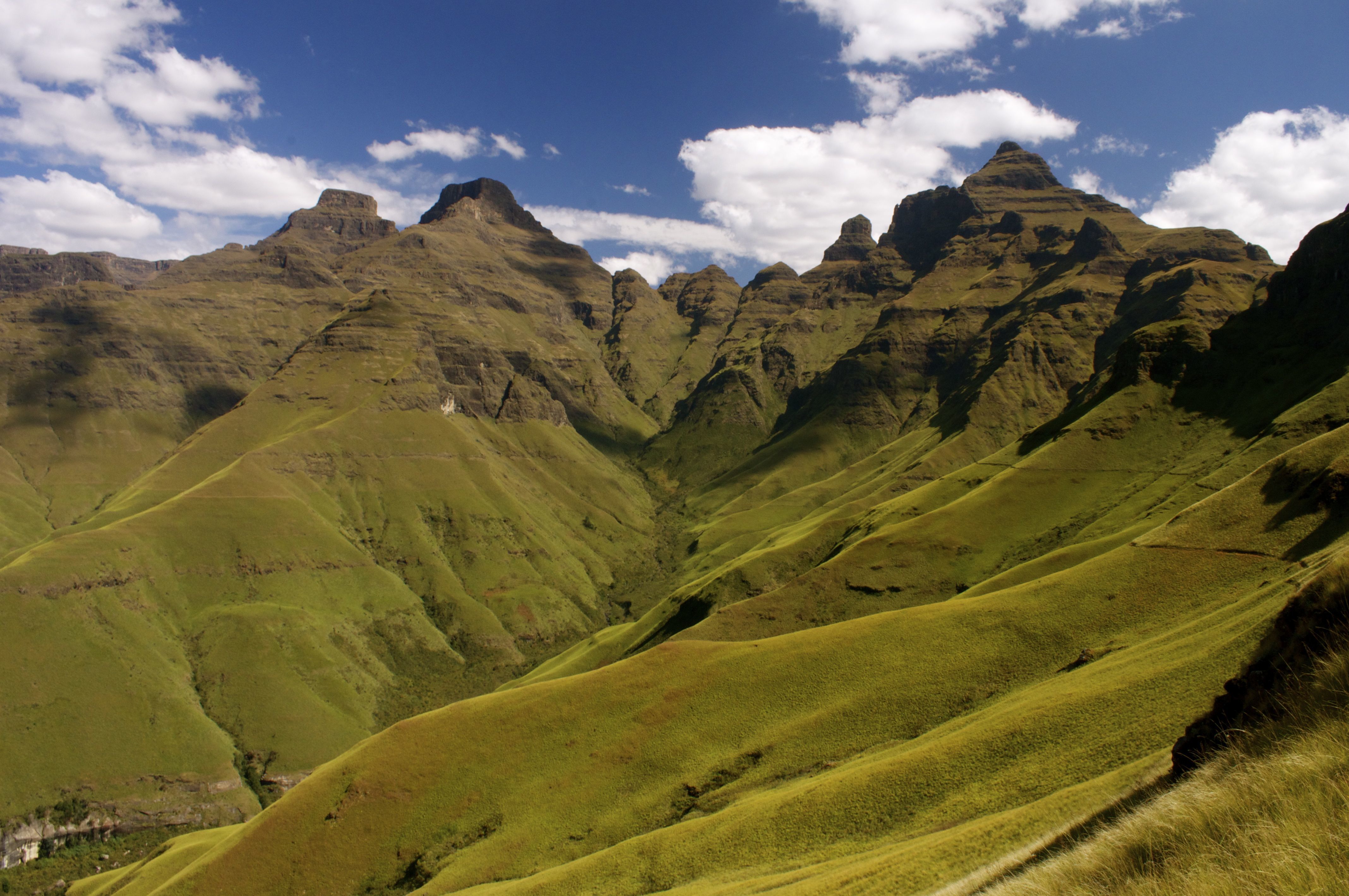
SC.6.E.7.4: Students will differentiate and explain interactions among the geosphere, hydrosphere, cryosphere, atmosphere, and biosphere.
Earth Spheres
120
Multiple Choice
121
Multiple Choice
122
Multiple Choice
123
Multiple Choice
124
Multiple Choice

125
Multiple Choice
Air temperature impacts the evaporation of lakes and streams are interactions between the...
Atmosphere and hydrosphere
Hydrosphere and biosphere
Biosphere and atmosphere
Cryosphere and geosphere
126
Multiple Choice
When plants and animals decompose they release nitrogen, the nitrogen then returns to the soil and helps future plants grow. This interaction between the decomposing plants/animals and the soil is between which of Earth spheres?
Geosphere and biosphere
Biosphere and hydrosphere
Amosphere and geosphere
Hydrosphere and biosphere
127
Multiple Choice
Flooding moves soil and rock to new places are interactions between the
Biosphere and geosphere
Hydrosphere and biosphere
Geosphere and hydrosphere
Hydrosphere and atmosphere
128
SC.6.E.7.6: Students will differentiate between weather and climate.
Weather vs Climate
129
Multiple Choice
Concord, North Carolina has very warm summers.
Weather
Climate
130
Multiple Choice
We got 3 inches of rain yesterday.
Weather
Climate
131
Multiple Choice
Today is much colder than yesterday!
Weather
Climate
132
Multiple Choice
Which of the following best describes weather?
day to day conditions of the atmosphere at a place in regards to heat, dryness, sunshine, wind, rain, etc.
long-term conditions (months/years) of the atmosphere at a place in regards to heat, dryness, sunshine, wind, rain, etc.
133
Multiple Choice
Which of the following best describes climate?
day to day conditions of the atmosphere at a place in regards to heat, dryness, sunshine, wind, rain, etc.
long-term conditions (months/years) of the atmosphere at a place in regards to heat, dryness, sunshine, wind, rain, etc.
134
SC.6.E.7.9: Students will describe the composition and structure of the atmosphere and how the atmosphere protects life and insulates the planet.
The Atmosphere
135
SC.6.E.7.2 : Students will describe and explain how the cycling of water and global patterns influence local weather and climate.
SC.6.E.7.3: Describe how global patterns such as the jet stream and ocean currents influence local weather in measurable terms such as temperature, air pressure, wind direction and speed, and humidity and precipitation.
Global Weather Patterns
136
SC.6.E.7.1: Students will differentiate among radiation, conduction, and convection in Earth’s systems.
Coduction, Convection, & Radiation
137
Multiple Choice
138
Multiple Choice
139
Multiple Choice
140
Multiple Choice
141
Multiple Choice
142
Multiple Choice
Warm water rising in the ocean, then being replaced by cold water from below it is an example of
conduction
convection
radiation
thermification
143
Multiple Choice
How does conduction occur at the earth's surface?
Radiation reaches the earth from the sun.
The ground warms up and transfers heat to the air it is in direct contact with.
Warm air rises, then cool air replaces it, and the cycle occurs over and over.
144
Multiple Choice
How do convection currents form in the atmosphere?
Radiation reaches the earth from the sun.
The ground warms up and transfers heat to the air it is in direct contact with.
Warm air rises, then cool air replaces it, and the cycle occurs over and over.
145
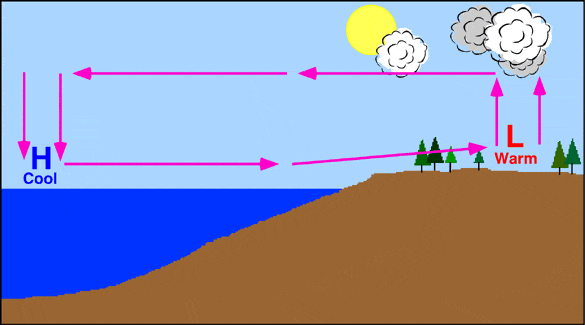
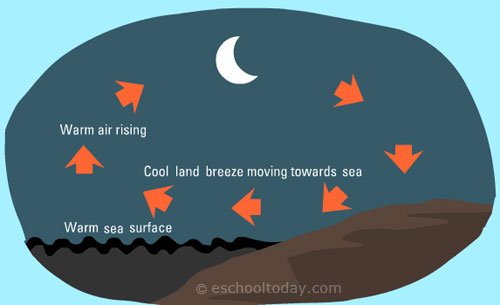
SC.6.E.7.5: Students will explain how energy provided by the Sun influences global patterns of atmospheric movement and the temperature differences among air, water, and land.
Land Breezes vs Sea Breezes
146
Multiple Choice
147
Multiple Choice
148
Multiple Choice
149
Multiple Choice
150
Multiple Choice
151
Multiple Choice
152
Multiple Choice
153
Multiple Choice
154
Multiple Choice
155
Multiple Choice
156
Multiple Choice
157
Multiple Choice
The slides below reviews all the standards of Earth-Space Science from 6th -8th grade. Videos are included to help you review each concept.
SSA Earth Science Review
Show answer
Auto Play
Slide 1 / 157
SLIDE

Similar Resources on Wayground
147 questions
2021 Grade 8 SSA Review
Presentation
•
6th - 8th Grade
159 questions
Middle School Life Science | MS-LS1-1,2,3,7, and 8
Presentation
•
6th - 8th Grade
147 questions
Honors Life Science SSA Review
Presentation
•
8th Grade
153 questions
G11 Networks
Presentation
•
7th Grade
147 questions
Periodic Table Lesson
Presentation
•
8th Grade
154 questions
Untitled Lesson
Presentation
•
6th Grade
153 questions
xITF+ U61 Bootcamp M1
Presentation
•
8th - 9th Grade
142 questions
U3 Catch up plan
Presentation
•
8th Grade
Popular Resources on Wayground
21 questions
Continents and Oceans
Quiz
•
6th Grade
20 questions
Parts of Speech
Quiz
•
5th Grade
16 questions
Subject & Predicate
Quiz
•
5th Grade
25 questions
Multiplication Facts
Quiz
•
5th Grade
12 questions
Map Skills
Quiz
•
3rd Grade
22 questions
Continents and Oceans
Quiz
•
5th Grade
15 questions
Rounding Decimals
Quiz
•
5th Grade
20 questions
Brand Labels
Quiz
•
5th - 12th Grade
Discover more resources for Science
20 questions
Newton's Laws of Motion
Quiz
•
8th Grade
20 questions
Elements, compounds, and mixtures
Quiz
•
6th Grade
17 questions
7.6D Aqueous Solutions
Quiz
•
7th Grade
20 questions
Scientific Method and Variables
Quiz
•
8th Grade
20 questions
Scientific method and variables
Quiz
•
8th Grade
10 questions
6.6D - Relative Density Review
Quiz
•
6th Grade
20 questions
Claim, Evidence and Reasoning (CER)
Quiz
•
6th - 8th Grade
21 questions
Newton's Laws of Motion
Quiz
•
8th Grade