

Ch. 10: Career Skills in Diagnostic Services (Slides 14-26)

Presentation
•
Other
•
10th Grade
•
Easy

Reagan Johnson
Used 9+ times
FREE Resource
16 Slides • 4 Questions
1
1. Technical Skills
- Vital signs
- Height & weight
- Positioning
- Vision/Hearing
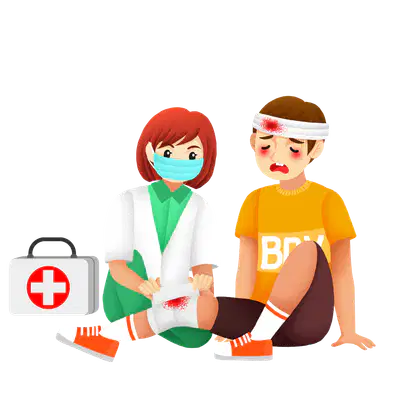
- First Aid
2. Employability Skills
2
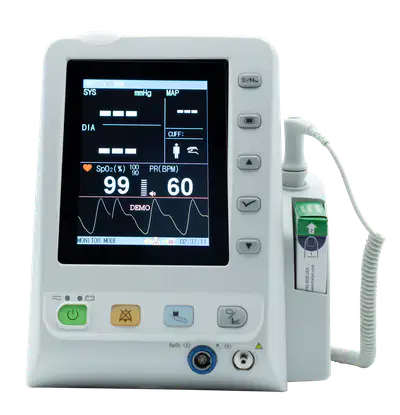
Vital Signs are the key measurements that provide information about a person's health.
The term "vital" means "needed for life"
Healthcare workers must know the normal ranges for each vital sign as well as the techniques for accurately measuring them.
3
Signs
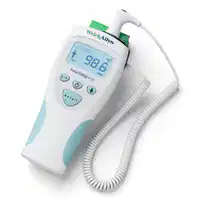
Temperature
Different thermometers and methods
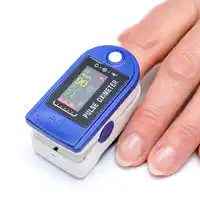
Pulse
Count the number of beats in one minute
Respiration
Count a patient’s breaths in one minute
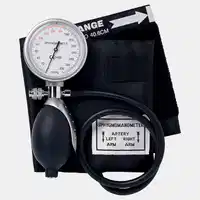
Blood pressure
Sphygmomanometer


4
Measuring Height and Weight
Not considered vital signs, but measured periodically to provide information about overall health
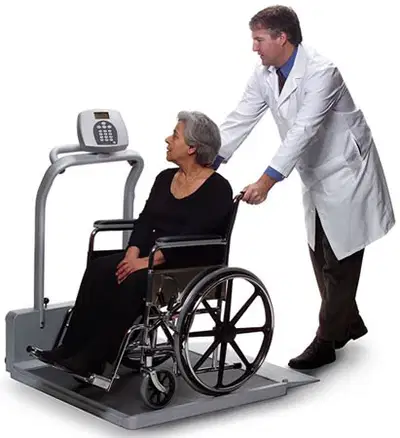
Different types of scales for weight (digital or mechanical weighing scale)
Follow specific steps to measure height and weight, depending on the scale you’re using
Some patients (those in a wheelchair or confined to bed) are special cases
5
Critical Thinking...
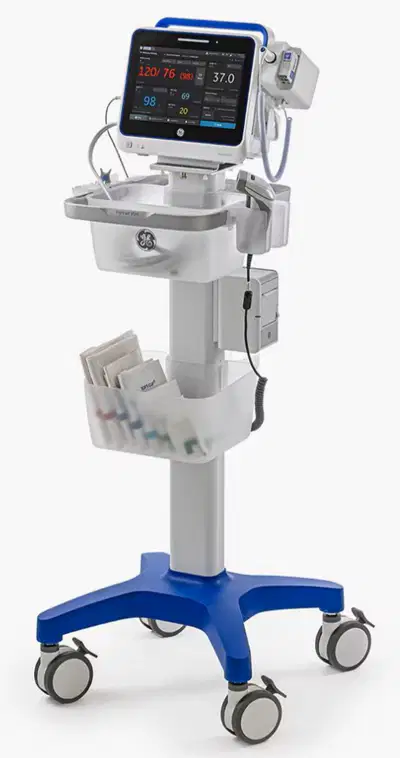
What tools do you need when measuring vital signs?
Thermometer
oral (mouth)
rectal (rectum)
axillary (armpit)
tympanic (ear)
temporal (temple)
Stethoscope
used to measure apical pulse; bottom of the heart, left side of chest
Watch
used to manually measure pulse and count respirations
Sphygmomanometer
mercury, aneroid, digital
6
Critical Thinking...
Height and weight are not vital signs. Why is getting this information so important to patient health?
Increased weight can indicate retention of fluid, which is common in heart and kidney disease.
Unexplained weight loss can signal disease.
Changes in weight may require a change in medication dosage.

7
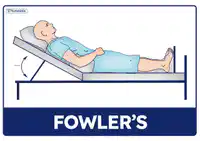
Positioning a Patient
Specific body positions required for imaging
Supine/dorsal recumbent position
Fowler’s position
Prone position
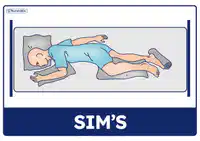
Sim’s position
Lateral/lateral recumbent position
Body alignment
Ensure Pt's spine is not twisted or crooked
Use pillows to provide comfort and maintain alignment (what can this prevent?)



8
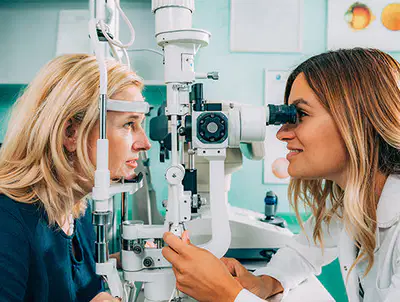
Screening Vision and Hearing
Children in schools are frequently screened for
Visual acuity
Nearsightedness (myopia)
Farsightedness (hyperopia)
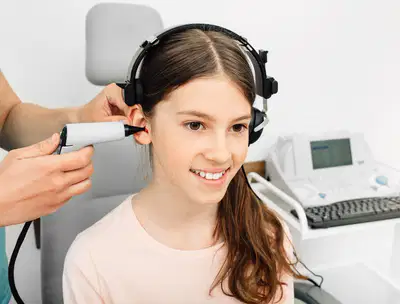
Hearing loss
Uses an audiometer
Tests are performed twice with a week between them
Temporary hearing loss may be due to a cold or other infection
Refer child to a medical professional to determine cause of hearing loss
9
All healthcare workers can and should seek first aid training
Cardiopulmonary resuscitation (CPR)
Using an automated external defibrillator (AED)
Treating a choking victim
Checking an injured or ill adult
Understand your scope of practice in emergencies

10
Emergency First Aid Procedures
Cardiopulmonary resuscitation (CPR)
supplies oxygen to brain and organs until medical help arrives
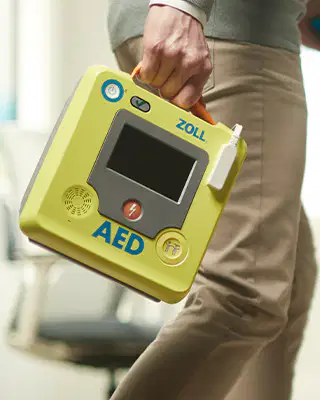
Automated external defibrillator (AED)
delivers an electric shock to the heart to restore normal rhythm
Clearing airway obstructions
5 back blows followed by 5 abdominal thrusts


11
Do not Resuscitate (DNR)
Is an order that states a patient does not wish to be saved in the event of a life threatening emergency.
Cardiac Arrest
When a person's heart stops beating or does not beat well enough to circulate blood to the brain and other vital organs
Stroke
Occurs when blood flow to part of the brain is cut off
12
List situations that might require emergency first aid.
Examples:
Cardiac emergencies
Breathing emergencies
Sudden illness
Environmental emergencies
Soft tissue injuries
Muscle, bone, and joint injuries

13
Perform ABC check
Airway is clear
Breathing is ok
Circulation (look for severe bleeding)
Call 911 immediately if you see these problems
Unconsciousness
Trouble breathing
No breathing or movement
Severe bleeding
14
Succeeding on the job...
Be on time
Dress appropriately
Learn names
Listen closely
Follow instructions
Work hard and be productive

15
Following Professional Standards
Work within your scope of practice
Use correct, approved methods for all procedures
Seek proper authorization for all procedures
Address patients by name
Obtain patient consent
Maintain confidentiality
Provide high-quality care at all times to everyone
Report errors to your supervisor immediately
Stay calm
Act with integrity
16
Depending on your work place you can get paid each week, every other week, twice each month, or once each moth.
Gross pay
The total amount of money earned in a pay period
Net pay
Amount of money received in a pay period after all deductions have been taken out; also known as take home pay
17
Match
Match the vital signs:
counts/measures the number of heartbeats
counts/measures a patients breaths
measures body temp
measures the force of blood pushing against the inside of the blood vessel walls
pulse
respirations
temperature
blood pressure
pulse
respirations
temperature
blood pressure
18
Multiple Choice
What first aid measure keeps the brain and other vital organs supplied with oxygen until advanced medical care arrives?
cardiopulmonary resuscitation (CPR)
Automated external defibrillator (AED)
Heimlich Maneuver
applying a tourniquet
19
Multiple Select
Which emergency situation would require emergency first aid (select 2)
cardiac arrest
breathing difficulties
scraped knee
superficial cut
20
Multiple Choice
Being successful on the job does not require you to work hard and follow instructions
true
false
1. Technical Skills
- Vital signs
- Height & weight
- Positioning
- Vision/Hearing
- First Aid
2. Employability Skills
Show answer
Auto Play
Slide 1 / 20
SLIDE
Similar Resources on Wayground

13 questions
Gene regulation and mutation
Presentation
•
9th Grade
11 questions
Introduction to Data Collection (1)
Presentation
•
10th Grade
16 questions
ADULT/CHILD Obstructed Airway Skill
Presentation
•
10th Grade
13 questions
2do Bachillerato
Presentation
•
10th Grade
14 questions
Time Management Part 1
Presentation
•
9th Grade
17 questions
Unit 2 Review: KMT & Gas Laws (C21)
Presentation
•
10th Grade
16 questions
Counterargument Practice
Presentation
•
11th Grade
15 questions
Balancing Equations
Presentation
•
10th Grade
Popular Resources on Wayground
10 questions
How much do you know about our Portrait of an Eagle?

Quiz
•
10th Grade
10 questions
Fast Food Slogans
Quiz
•
6th - 8th Grade
21 questions
Continents and Oceans
Quiz
•
6th Grade
20 questions
Parts of Speech
Quiz
•
5th Grade
16 questions
Subject & Predicate
Quiz
•
5th Grade
25 questions
Multiplication Facts
Quiz
•
5th Grade
12 questions
Map Skills
Quiz
•
3rd Grade
22 questions
Continents and Oceans
Quiz
•
5th Grade
Discover more resources for Other
10 questions
How much do you know about our Portrait of an Eagle?
Quiz
•
10th Grade
20 questions
Brand Labels
Quiz
•
5th - 12th Grade
20 questions
Characteristics of Life
Quiz
•
9th - 10th Grade
10 questions
Exploring the 4 Major Macromolecules and Their Functions

Interactive video
•
9th - 12th Grade
20 questions
Cell organelles and functions
Quiz
•
10th Grade
10 questions
Exploring Chemical and Physical Changes
Interactive video
•
6th - 10th Grade
20 questions
Cell Transport
Quiz
•
9th - 12th Grade
20 questions
Budgeting
Quiz
•
9th - 12th Grade