

F.A.S.T Study Guide 4th grade

Presentation
•
English
•
4th Grade
•
Hard
+17
Standards-aligned

Mauricio Alberto Armas Orozco
FREE Resource
45 Slides • 50 Questions
1

2

3

4

5

6

7

8

9

10

11

12

13

14

15

16
Multiple Choice
What are 'Events' in a story?
The main character's thoughts
The important actions that move the plot forward
The setting of the story
The title of the story
17
'Events' in a story refer to the important actions that move the plot forward. They are crucial for developing the narrative and engaging the reader, unlike the main character's thoughts, setting, or title.
18
Multiple Choice
What is 'Conflict' in a story?
The happy ending
The big problem or struggle the characters face
The setting of the story
The main character's name
19
In a story, 'Conflict' refers to the big problem or struggle the characters face. It drives the plot and creates tension, making it essential for character development and resolution.
20
Multiple Choice
What does 'Character Development' mean?
How a character grows or changes through the story
The setting of the story
The title of the story
The main character's favorite color
21
'Character Development' refers to how a character grows or changes throughout the story, highlighting their journey and transformation, which is essential for engaging storytelling.
22
Multiple Choice
How does the setting contribute to the plot?
It creates challenges
It changes the title
It makes the story longer
It adds more characters
23
The setting creates challenges for the characters, influencing their decisions and actions, which drives the plot forward. Without these challenges, the story would lack conflict and tension.
24
Multiple Choice
What do events do in a story?
Build excitement
Change the title
Add more characters
Make the story shorter
25
Events in a story build excitement by creating tension and conflict, driving the plot forward, and engaging the reader's emotions. This makes 'Build excitement' the correct choice, as the other options do not accurately describe the role of events.
26
Multiple Choice
How do character changes help in a story?
They help solve the conflict
They change the title
They make the story longer
They add more characters
27
Character changes often lead to personal growth or new perspectives, which can help resolve the central conflict in a story. This transformation is crucial for character development and advancing the plot.
28
Multiple Choice
What does the narrator's point of view determine in a story?
Who is telling the story
The setting of the story
The length of the story
The genre of the story
29
The narrator's point of view determines who is telling the story, influencing how events and characters are presented. It shapes the reader's understanding and connection to the narrative.
30
Multiple Choice
What is a key feature of a character perspective?
It is based on their own experiences
It is always in first person
It is always in third person
It never includes emotions
31
A key feature of a character perspective is that it is based on their own experiences. This allows readers to understand the character's thoughts and feelings, making the narrative more relatable and immersive.
32
Multiple Choice
What is rhyme in poetry?
Words that sound alike, often at the end of lines
The way a poem is organized
A type of poem
A poem's theme
33
Rhyme in poetry refers to words that sound alike, particularly at the end of lines. This creates a musical quality and enhances the poem's rhythm, making the correct choice 'Words that sound alike, often at the end of lines'.
34
Multiple Choice
What does the structure of a poem show?
How ideas connect and flow
The poem's title
The poem's length
The poem's theme
35
The structure of a poem reveals how ideas connect and flow, guiding the reader through the poem's emotional and thematic journey. It does not directly indicate the title, length, or theme.
36
Multiple Choice
What is the theme in a literary text?
The main character
The deeper message or lesson in a story
The setting of the story
The plot of the story
37
The theme in a literary text refers to the deeper message or lesson conveyed by the story. It goes beyond the characters, setting, and plot, focusing on the underlying ideas and insights that the author wishes to communicate.
38
Multiple Choice
What is a stated theme?
A theme that is hidden in the actions
A theme clearly told by the narrator or a character
A theme that is not present in the story
A theme that is only in the title
39
A stated theme is one that is explicitly expressed by the narrator or a character, making it clear to the reader. This distinguishes it from hidden themes, which are implied through actions or context.
40
Multiple Choice
What is an implied theme?
A theme that is clearly stated
A theme hidden in the characters’ actions and the events
A theme that is not important
A theme that is only in the introduction
41
An implied theme is not directly stated but is revealed through characters' actions and events in the story. This contrasts with a clearly stated theme, making the correct choice the one that highlights the subtlety of implied themes.
42
Multiple Choice
How can you find the theme of a story?
By looking at the cover of the book
By looking at how the character changes
By counting the number of pages
By reading the last sentence
43
The theme of a story often emerges from character development. By observing how a character changes throughout the narrative, you can gain insights into the underlying messages and themes the author conveys.
44
Multiple Choice
In "The Ugly Duckling," what is the theme about?
Finding a treasure
Finding your true beauty and value
Finding a lost pet
Finding a new home
45
The theme of 'The Ugly Duckling' centers on finding your true beauty and value. The story illustrates how the protagonist, initially judged for being different, ultimately discovers their worth and transforms into a beautiful swan.
46
Multiple Choice
What is the author's main opinion or belief called?
Reason
Evidence
Claim
Example
47
The author's main opinion or belief is referred to as a 'Claim.' This term encapsulates the central assertion the author is making, distinguishing it from supporting elements like reasons or evidence.
48
Multiple Choice
What are facts, examples, and data that prove the claim called?
Reasons
Evidence
Opinions
Stories
49
The correct answer is 'Evidence' because it refers to facts, examples, and data that support a claim, distinguishing it from reasons, opinions, and stories, which do not serve the same purpose.
50
Multiple Choice
What should you find first to explain the author's point?
The evidence
The reason
The claim
The conclusion
51
To explain the author's point, you should first identify the claim, as it represents the main argument or assertion being made. The evidence and reasons support the claim, while the conclusion summarizes the argument.
52
Multiple Choice
What should you look for to support the claim?
Opinions
Facts or examples
Questions
Stories
53
To support a claim, you should look for facts or examples, as they provide concrete evidence that can validate the assertion. Opinions, questions, and stories may not offer the same level of support.
54
Multiple Choice
Which of the following is a signal word mentioned in the text?
Therefore
For example
Nevertheless
Furthermore
55
The correct choice is 'For example' as it is a signal word used to introduce examples. The other options, while also signal words, do not fit the context of providing examples as clearly as 'For example' does.
56
Multiple Choice
What are relevant details?
Unrelated facts
Important facts supporting the central idea
The title of the text
The author's name
57
Relevant details are important facts that support the central idea of a text. They help clarify and strengthen the main argument, unlike unrelated facts, titles, or the author's name, which do not provide direct support.
58
Multiple Choice
How can you find relevant details?
Ignore repeated ideas
Pay attention to repeated ideas
Look for the author's name
Focus on the title
59
Paying attention to repeated ideas helps identify key themes and important details in the text, as they often highlight the main points the author wants to convey.
60
Multiple Choice
What should you watch for right after main ideas?
Examples
Titles
Author's name
Unrelated facts
61
After identifying main ideas, it's important to look for examples that illustrate and support those ideas. Examples provide clarity and context, making the main ideas more understandable.
62
Multiple Choice
If the central idea is "recycling helps the planet," what could be a relevant detail?
Facts about saving trees and animals
The author's favorite color
The title of the book
The number of pages in the book
63
The detail about saving trees and animals directly supports the central idea of recycling helping the planet, as recycling reduces waste and conserves natural resources, benefiting wildlife and forests.
64
Multiple Choice
How can you find the author's perspective?
By looking at the author's picture.
By looking at word choice and what the author emphasizes most.
By counting the number of pages.
By checking the publication date.
65
The author's perspective is revealed through their word choice and emphasis, which reflect their attitudes and beliefs. Analyzing these elements helps understand the author's viewpoint more clearly.
66
Multiple Choice
What type of words usually show the author's true feelings?
Long, complicated words.
Strong, emotional words.
Short, simple words.
Funny, humorous words.
67
Strong, emotional words convey the author's feelings more effectively than other types of words. They evoke emotions and connect with readers, revealing the author's true sentiments.
68
Multiple Choice
Which of the following is NOT a way to find the author's perspective?
Look at word choice.
Think about what the author emphasizes most.
Check the author's biography.
Analyze the emotional tone.
69
Checking the author's biography does not directly reveal their perspective on a specific text. In contrast, analyzing word choice, emphasis, and emotional tone are effective methods to understand the author's viewpoint.
70
Multiple Choice
What should you always look at to understand what an illustration shows?
The colors used
The size of the illustration
The illustrations and captions
The page number
71
To fully understand an illustration, it's essential to consider both the illustrations and their captions. Captions provide context and details that clarify the visual content, making them crucial for interpretation.
72
Multiple Choice
What does a Problem/Solution text structure do?
Lists events in order
Tells a problem and how it’s fixed
Describes a place
Compares two things
73
A Problem/Solution text structure specifically identifies a problem and explains how it is resolved. This makes the correct choice "Tells a problem and how it’s fixed" as it directly describes the purpose of this text structure.
74
Multiple Choice
What is a secondary source?
Written by someone who was there
Written by someone who was not there
A type of diary
A personal interview
75
A secondary source is created by someone who was not present at the event or did not experience it firsthand. This distinguishes it from primary sources, which are direct accounts from those who were there.
76
Multiple Choice

77
Multiple Choice

78
Multiple Choice
things that happen in a story
theme
setting
events
plot
79
Multiple Choice
Something that happens in a story is called a(n) _____________.
event
solution
setting
character
80
Multiple Choice

81
Multiple Choice
82
Multiple Choice
Graphical
Unusual
Common
Cool
83
Multiple Choice
What structure is poetry written in?
sentences and paragraphs
lines and paragraphs
sentences and stanzas
lines and stanzas
84
Multiple Select
A narrative poem usually has which of the following:
plot
setting
dialogue
14 lines
85
Multiple Choice

The _______ is the time and place that the story takes place.
setting
character
plot
solution
86
Multiple Choice
87
Multiple Choice
a person or animal in a story is called a
Character
setting
88
Multiple Choice

If a text's main character has an argument with his/her best friend, which type of conflict occurs?
person vs. self
person vs. person
person vs. nature
person vs. society
89
Multiple Choice

If a character in a text is beating himself/herself up about losing the big race at Field Day, which type of conflict has occurred?
person vs. nature
person vs. person
person vs. society
person vs. self
90
Multiple Choice

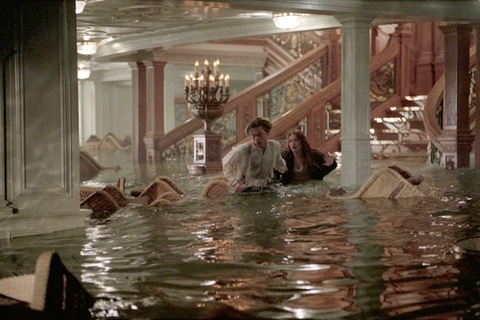
What type of conflict is the picture?
man vs man
man vs Nature
man vs Self
man vs Society
91
Multiple Choice

92
Multiple Choice
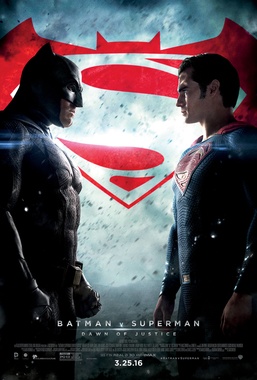
What type of conflict is the picture?
man vs man
man vs Nature
man vs Self
man vs Society
93
Multiple Choice
94
Multiple Choice

A conflict a character has with another character or thing.
internal conflict
external conflict
95
Multiple Choice

Character vs Character
Character vs Nature
Character vs Society
Character vs Self
Character vs Character
Character vs Nature
Character vs Society
Character vs Self
Show answer
Auto Play
Slide 1 / 95
SLIDE
Similar Resources on Wayground

87 questions
Any and Some
Presentation
•
3rd Grade
93 questions
Extended Friday- 01.10.2025_4.5A&4.4H_Williams_Math
Presentation
•
4th Grade
83 questions
Sign of the Beaver Discussion and Vocab
Presentation
•
3rd Grade
96 questions
Fall Benchmark Review
Presentation
•
5th Grade
88 questions
2 English Periodical Test (Sept 12)
Presentation
•
2nd Grade
95 questions
6th Geography Lessons
Presentation
•
6th Grade
90 questions
G..5..NERVOUS.SYSTEM.(2021)
Presentation
•
5th Grade
92 questions
Flyers part 3
Presentation
•
5th Grade
Popular Resources on Wayground
10 questions
Safety Day 2026 – Student Review

Quiz
•
9th Grade
21 questions
Continents and Oceans
Quiz
•
6th Grade
20 questions
Parts of Speech
Quiz
•
5th Grade
16 questions
Subject & Predicate
Quiz
•
5th Grade
25 questions
Multiplication Facts
Quiz
•
5th Grade
12 questions
Map Skills
Quiz
•
3rd Grade
22 questions
Continents and Oceans
Quiz
•
5th Grade
15 questions
Rounding Decimals
Quiz
•
5th Grade
Discover more resources for English
20 questions
Inferences
Quiz
•
4th Grade
15 questions
Subject/Verb agreement
Quiz
•
4th Grade
8 questions
Context Clues Practice
Quiz
•
4th Grade
15 questions
Singular and Plural Nouns
Quiz
•
4th Grade
12 questions
Figurative Language
Quiz
•
4th Grade
20 questions
4 Types of Sentences
Quiz
•
4th - 5th Grade
11 questions
Theme
Quiz
•
4th Grade
15 questions
Character Traits
Quiz
•
4th Grade