Search Header Logo
  1. Resource Library
  2. Science
  3. Earth & Space Science
  4. Earth Science
  5. Earth Science Water Resources
Earth Science - Water Resources

Earth Science - Water Resources

Assessment

Presentation

Science

9th - 12th Grade

Medium

NGSS
MS-ESS2-4, MS-ESS3-4, MS-ESS3-1

+4

Standards-aligned

Created by

Kimette Witt

Used 1+ times

FREE Resource

24 Slides • 23 Questions

1

media

2

Multiple Choice

Natural resources that cannot be reused or replaced in a person's lifetime are resources.

1

Renewable

2

Nonrenewable

3

Inexhaustible

4

Unnatural

3

Multiple Choice

What term refers to a natural resource that is continually renewed?

1

Hydrosphere

2

Natural resources

3

Renewable resource

4

Pollution

4

Multiple Choice

What term refers to any natural material or energy source that is used by humans?

1

Hydrosphere

2

Natural resources

3

Renewable resource

4

Pollution

5

Multiple Choice

What term refers to the oceans and all the other water on the planet, including in the atmosphere?

1

Hydrosphere

2

Natural resources

3

Renewable resource

4

Pollution

6

media

7

Multiple Choice

What is an aquifer?

1

The water that is beneath Earth's surface

2

All the bodies of freshwater, salt water, ice, and snow that are found above the ground

3

The area of land that is drained by a river system

4

A body of rock or sediment that stores groundwater and allows the flow of groundwater

8

media

9

media

Freshwater—the stuff we drink, bathe in, irrigate our farm fields with—is incredibly rare. Only 3% of the world’s water is fresh water, and two-thirds of that is tucked away in frozen glaciers or otherwise unavailable for our use.

10

Multiple Choice

What % of freshwater is on Earth?

1

97%

2

71%

3

3 % 

4

1 %

11

Multiple Choice

2/3 of freshwater on Earth is "locked away" in what water source location?

1

atmosphere

2

rivers and lakes

3

underground

4

ice and glaciers

12

media

13

media

14

media

15

Multiple Choice

Question image
What two elements make up water?
1
Helium and oxygen
2
Hydrogen and oxygen
3
helium and carbon
4
oxygen and carbon

16

Multiple Choice

Question image
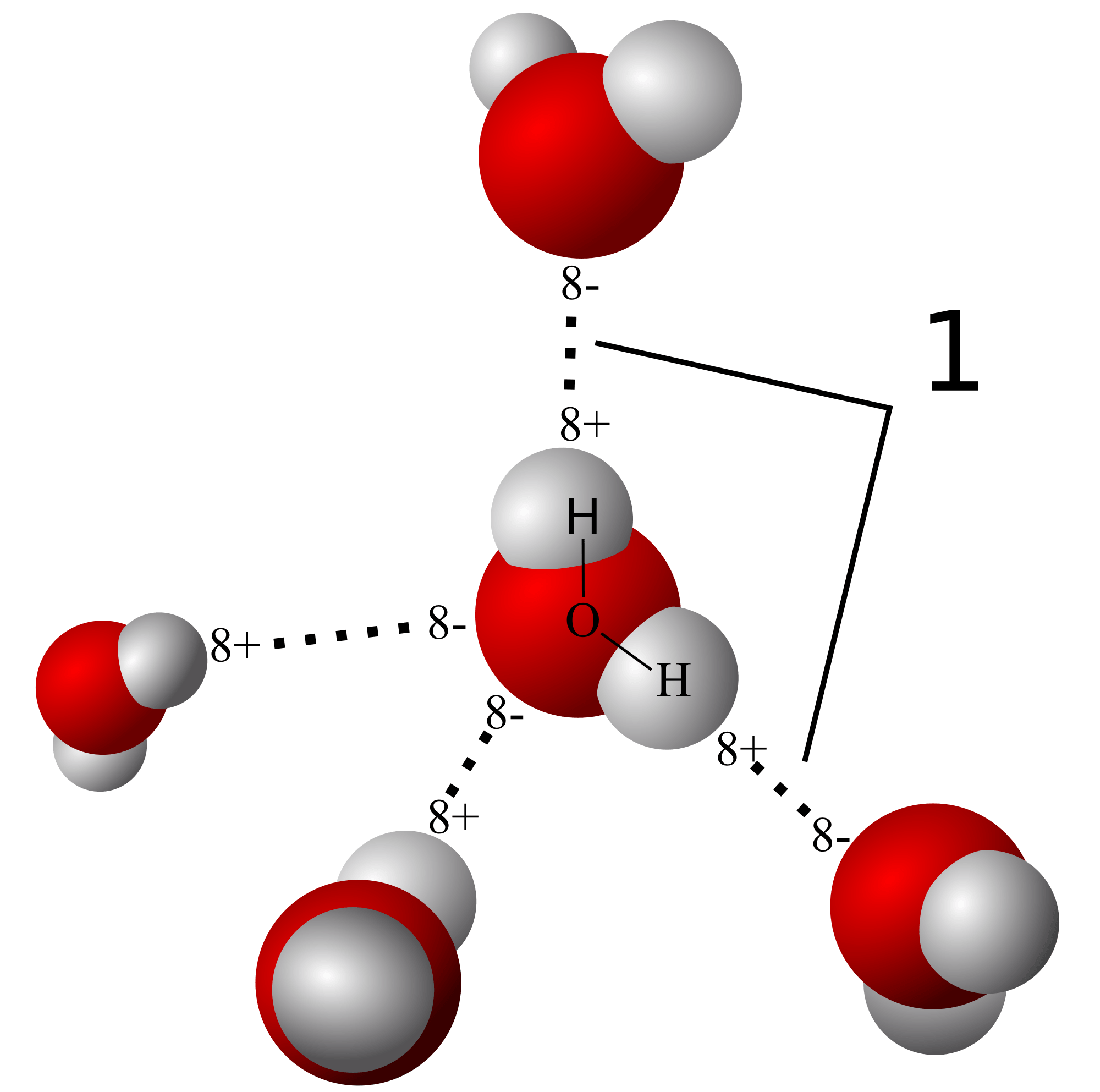
Attractions between water molecules are called
1
Covalent bonds
2
Ionic bonds
3
Polar bonds
4
Hydrogen bonds

17

Multiple Choice

Question image
Why does water move from the roots to the leaves of plants?
1
Water is pushed by solutes
2

Hydrogen bonds pull the water molecules like a chain

3
Water is pulled by gravity
4
Water’s cohesion causes it to “pull” towards the leaves

18

media

19

media

20

Multiple Choice

Large bodies of water can

1

keep the temperatureof nearby lands from extremes

2

improve the value of nearby lands

3

release large amounts of heat energy

4

cause temperature extremes in nearby lands

21

Multiple Choice

The continental effect is

1

when there are no large bodies of water near to help regulate the temperature

2

when there are large bodies of water near to help regulate the temperature

3

When different continents have different climates

4

When different continents have similiar climates

22

media

23

media

24

Multiple Choice

Evaporative cooling in people is a fancy way of saying that we

1

sweat.

2

exercise.

3

use energy.

4

use air conditioners.

25

media

26

Multiple Choice

Why does ice float?
1
As water freezes, it expands and its density decreases.
2
As water freezes, it takes up more hydrogen from the atmosphere, causing it to have a greater buoyancy.
3
As water freezes, the surface tension of water becomes stronger, allowing it to float.
4
As water freezes, it takes up more oxygen from the atmosphere, causing it to have a greater buoyancy.

27

Multiple Choice

How does freezing water cause the weathering of rocks?  The freezing water—
1

keeps the rocks in place

2

makes the rocks last longer

3

expands, cracks, and breaks rocks

4

causes rocks to fall in landslides

28

media

29

media

30

media

31

media

32

media

33

media

34

media

35

Multiple Choice

A city installs water-saving toilets in public buildings. What long-term environmental impact does this decision support?

1

Increases fossil fuel demand

2

Helps keep freshwater sources renewable

3

Reduces the need for clean water

4

Uses more energy for water filtration

36

Multiple Choice

In general, water use worldwide is dominated by

1

Agricultural use

2

Domestic needs

3

Industrial activities

4

All of these are sectors that use water about equally

37

Multiple Choice

What percent of water is used for industrial use?

1

5%

2

23%

3

40%

4

70%

38

Multiple Choice

What percent of water is used for Agricultural use?

1

5%

2

23%

3

40%

4

70%

39

media

40

media

41

media

42

Multiple Choice

Question image

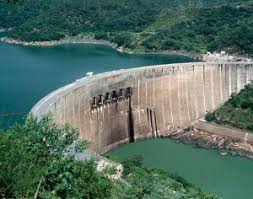
The image here is how humans control rivers for the last few hundred years. This is

1

diverting water thru canels

2

create an aquaduct

3

damming a river

4

desalination plant

43

Multiple Choice

Which of the following is a disadvantage of dams and reservoirs?

1

man made lakes used for drinking water, recreation and industry

2

hydroelectric power

3

existing ecosystems changed, displacing species and humans

4

flood control

44

media

45

media

46

Multiple Choice

The term for the removal of salts and other minerals from a water source is known as

1

virtual water

2

gray water

3

eutrophication

4

desalination

47

Multiple Choice

Which of the following is a way to conserve water?

1

Turning off the faucet when doing the dishes

2

Taking shorter showers

3

Low flush toilets

4

All of the answers

media

Show answer

Auto Play

Slide 1 / 47

SLIDE