

Module 3

Presentation
•
Professional Development
•
University
•
Practice Problem
•
Easy

Michael Okyere
Used 1+ times
FREE Resource
31 Slides • 25 Questions
1

2
Multiple Choice
Why is it important for clinicians to distinguish between purulent and non-purulent skin and soft tissue infections (SSTIs) when managing patients?
Because it determines the likely cause and appropriate therapy
Because it affects the duration of antibiotic therapy
Because it changes the need for hospitalization
Because it affects the risk of recurrence
3

4
Open Ended
What are some challenges clinicians might face in the management of acute bacterial skin and skin structure infections (SSTIs) in outpatient settings?
5

6

7
Multiple Choice
Which of the following is a common reason for prescribing second or third line antibiotics in patients?
Antibiotic allergies
Cost of antibiotics
Patient preference
Availability of generics
8

9
Open Ended
Describe the key elements that should be elicited when evaluating a patient's history of antibiotic allergy.
10

11
Multiple Select
Which of the following are important considerations when deciding whether to use alternative antibiotics in patients with a history of antibiotic allergy?
Efficacy of alternatives
Potential for drug resistance
Cost of antibiotics
Patient's age
12

13
Fill in the Blanks
Penicillin skin testing is done with Pre-PEN and penicillin
Type answer...
14

15
Multiple Choice
What is the most common cause of Red Man syndrome when administering vancomycin?
Nonspecific muscle activation with histamine release
IgE mediated hypersensitivity
Delayed maculopapular rash
Drug-drug interaction
16
17
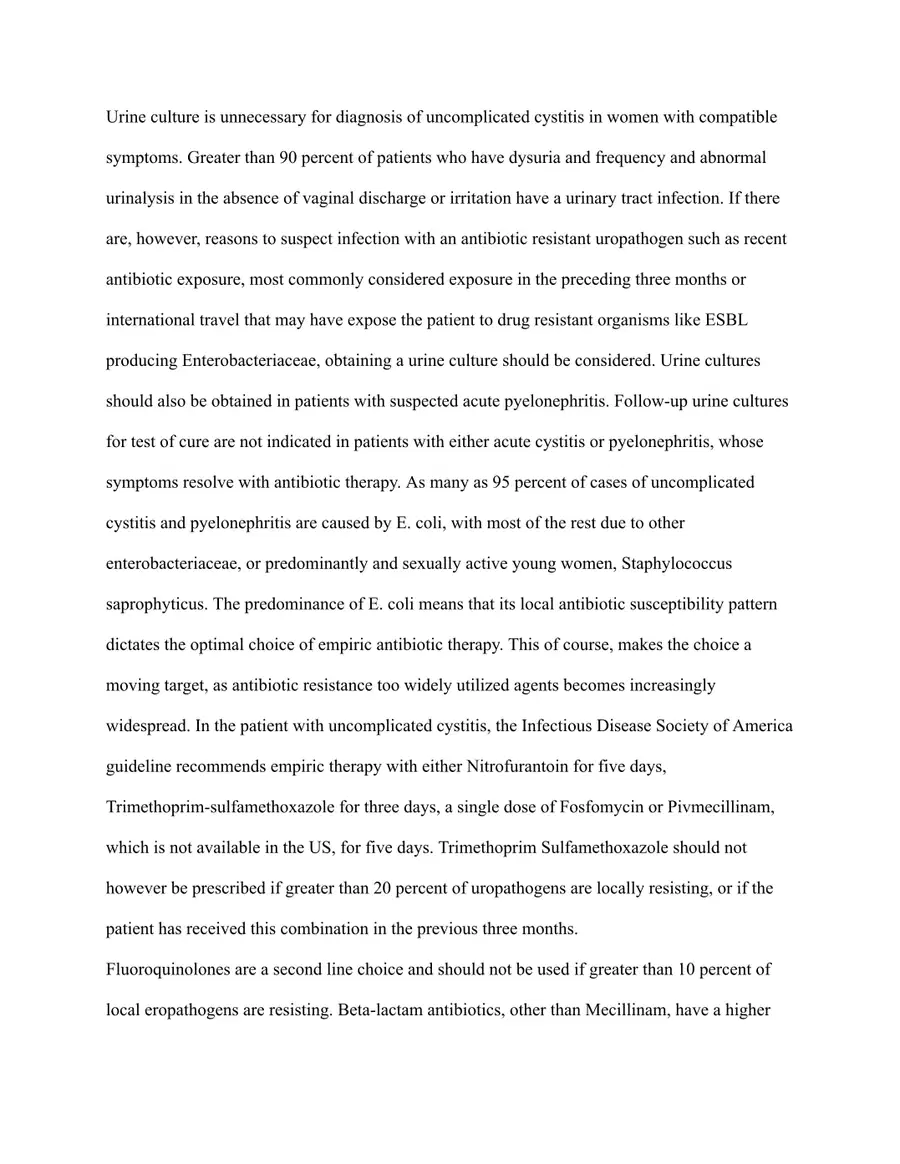
Multiple Choice
Which of the following patients should have a urine culture obtained when presenting with symptoms of urinary tract infection?
A woman with uncomplicated cystitis and no recent antibiotic exposure
A woman with dysuria and frequency but no abnormal urinalysis
A patient with suspected acute pyelonephritis
A patient with symptoms that resolve after empiric antibiotic therapy
18
19
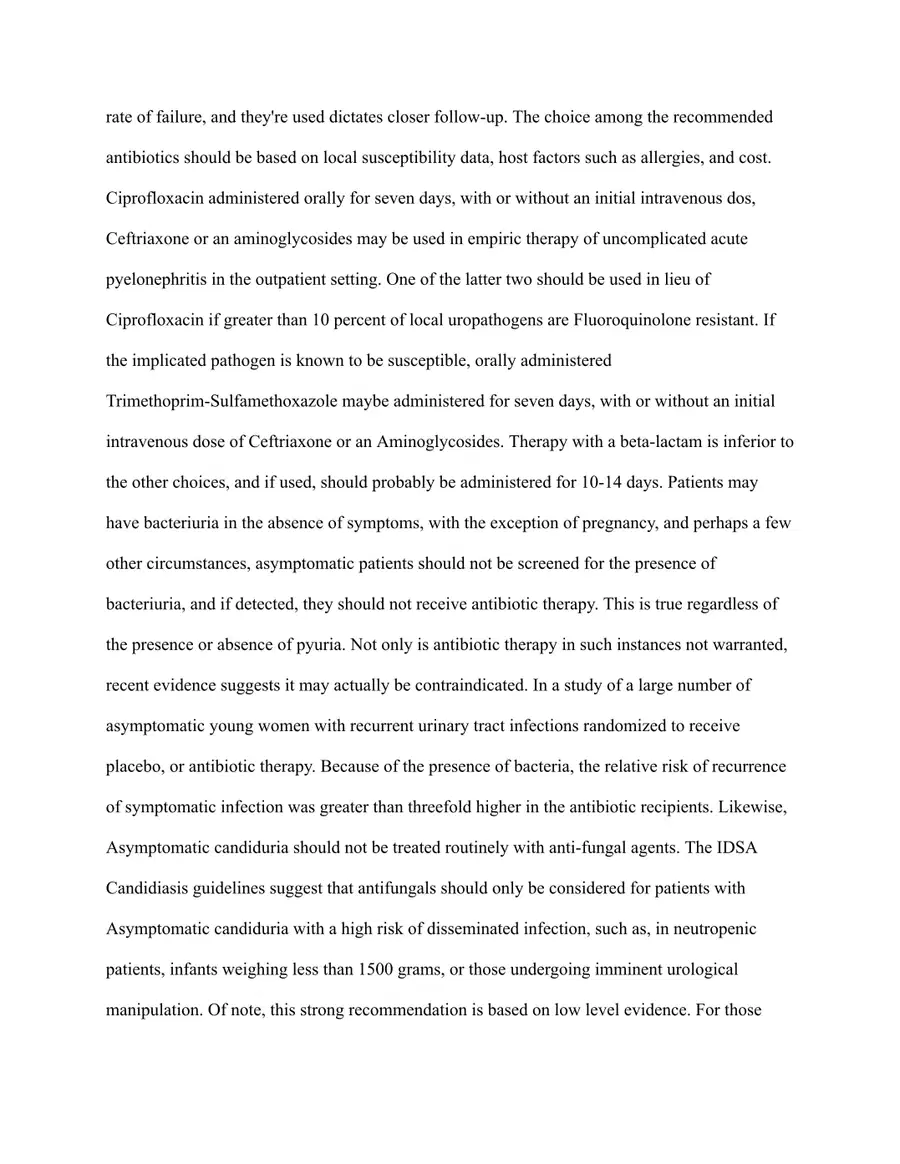
Multiple Select
What are the recommended empiric antibiotic therapies for uncomplicated cystitis according to the Infectious Disease Society of America guidelines?
Nitrofurantoin for five days
Trimethoprim-sulfamethoxazole for three days
Fosfomycin single dose
Ciprofloxacin for seven days
20
21
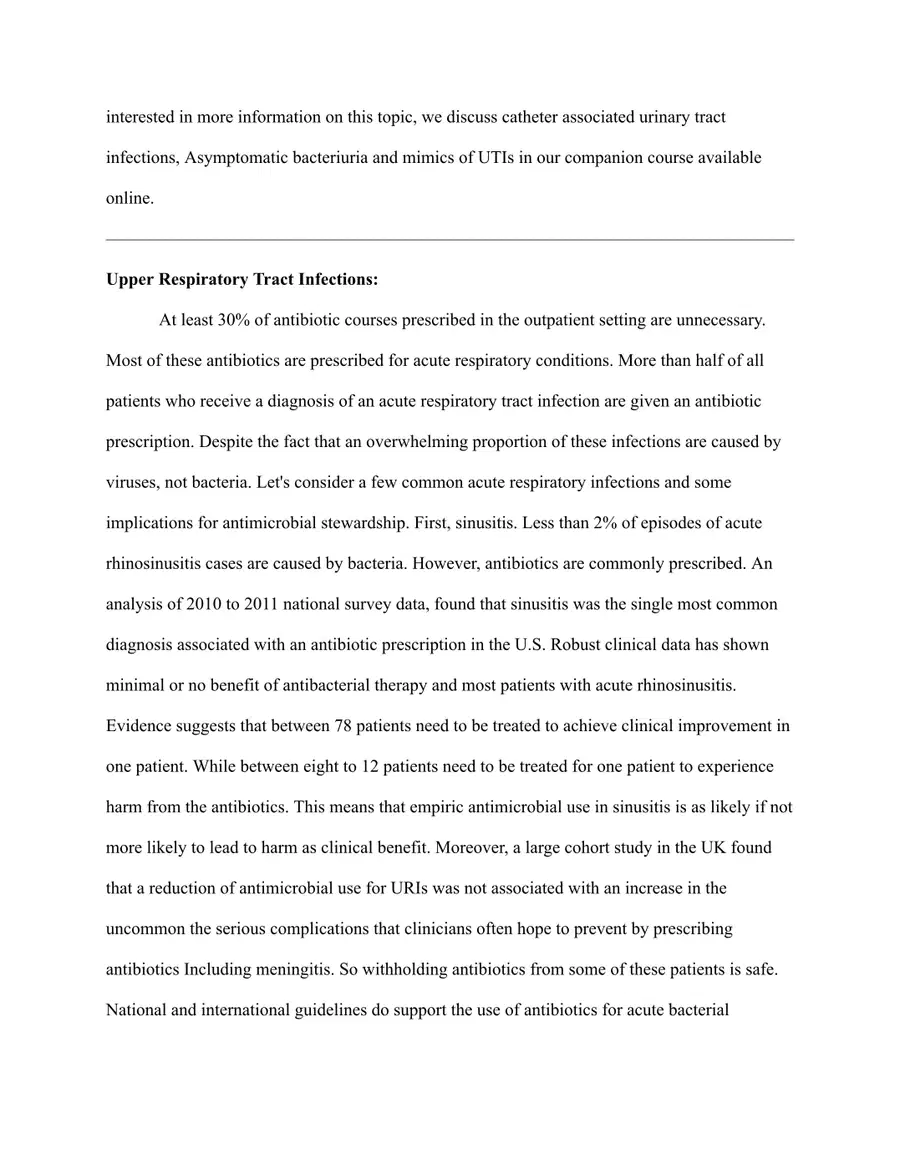
Fill in the Blanks
At least
Type answer...
22

23
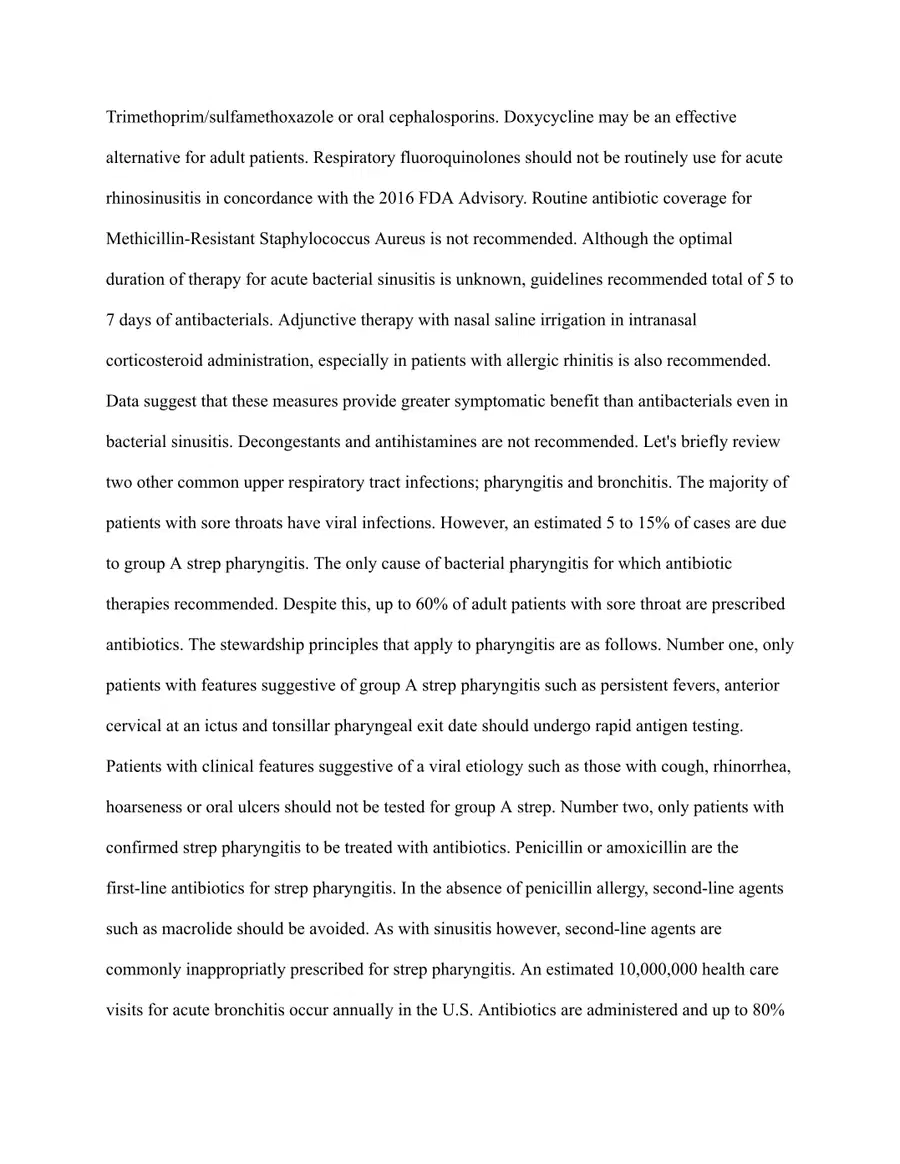
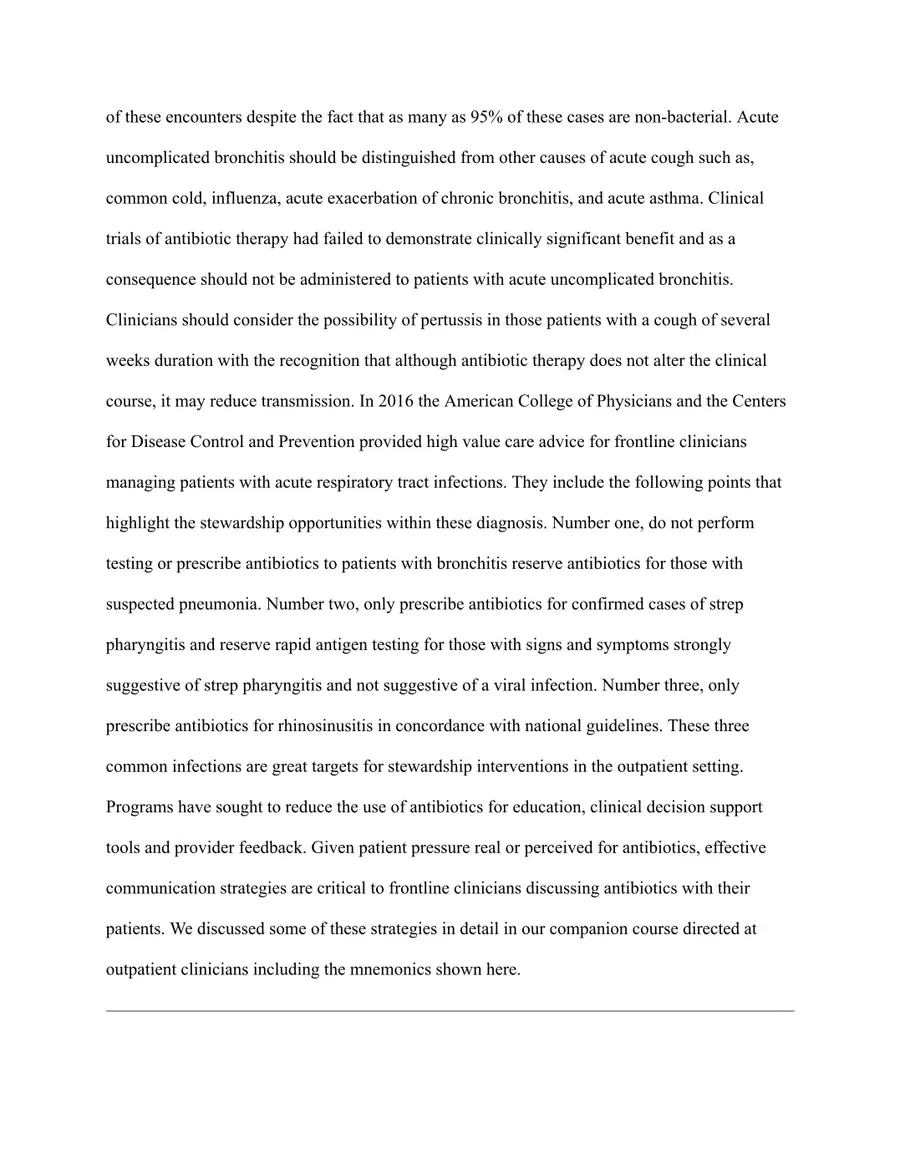
Multiple Select
Which of the following are criteria for empiric use of antibacterials in acute rhinosinusitis, according to the Infectious Diseases Society of America guidelines?
Persistent symptoms for ≥10 days without improvement
Onset of severe symptoms such as high fever and purulent nasal discharge
Double-sickening: worsening symptoms after initial improvement
Presence of maxillary sinus abnormalities on CT
24
25
26

27
Multiple Choice
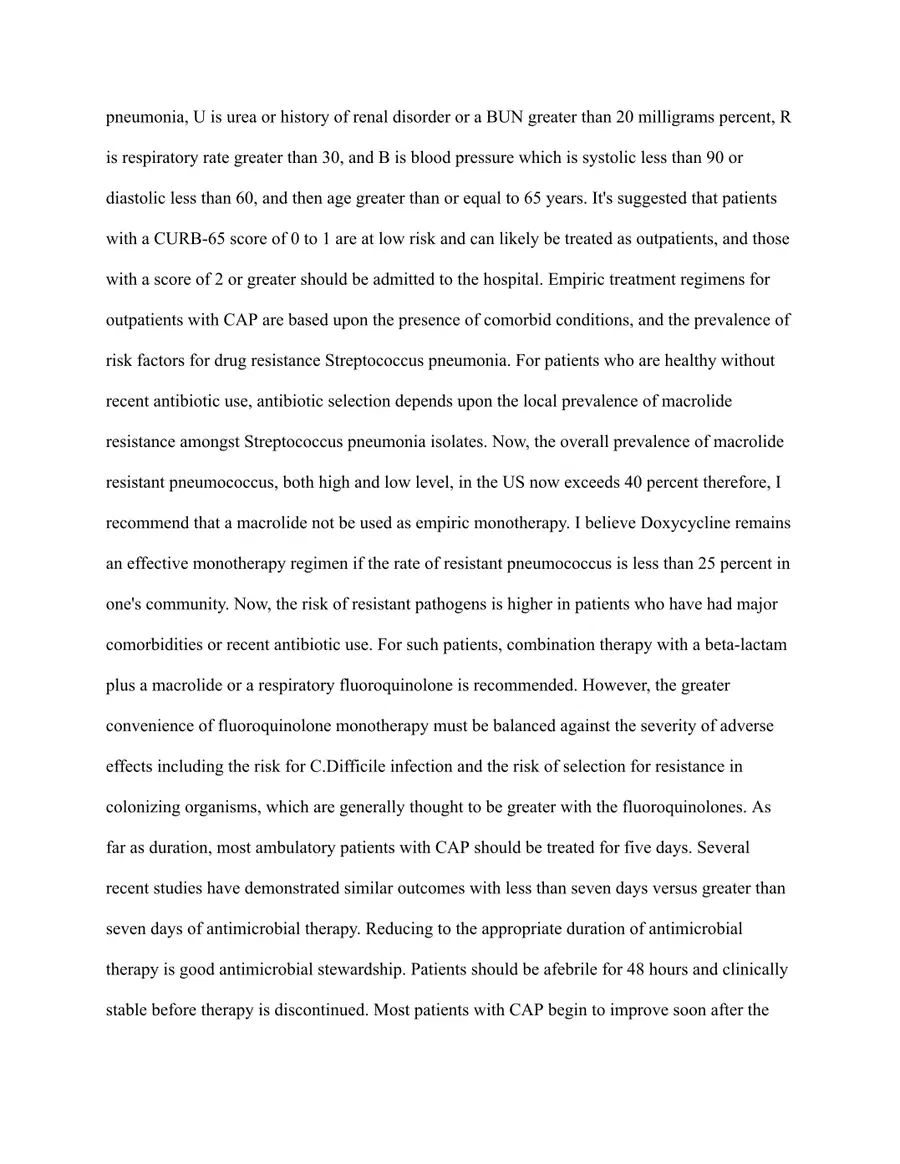
Which of the following is considered the gold standard for diagnosing community acquired pneumonia (CAP) in adults?
Sputum culture
Chest X-ray
Blood culture
Physical examination
28
29
Fill in the Blanks
Patients with CAP should be afebrile for
Type answer...
30
Multiple Select
Which of the following statements about empiric treatment regimens for outpatients with community acquired pneumonia (CAP) is/are correct?
A macrolide should always be used as empiric monotherapy.
Doxycycline is an effective monotherapy if macrolide resistance is low.
Combination therapy is recommended for patients with recent antibiotic use or comorbidities.
Fluoroquinolone monotherapy is always preferred regardless of adverse effects.
31
Open Ended
What are the five variables included in the CURB-65 score for assessing the severity of community acquired pneumonia?
32

33
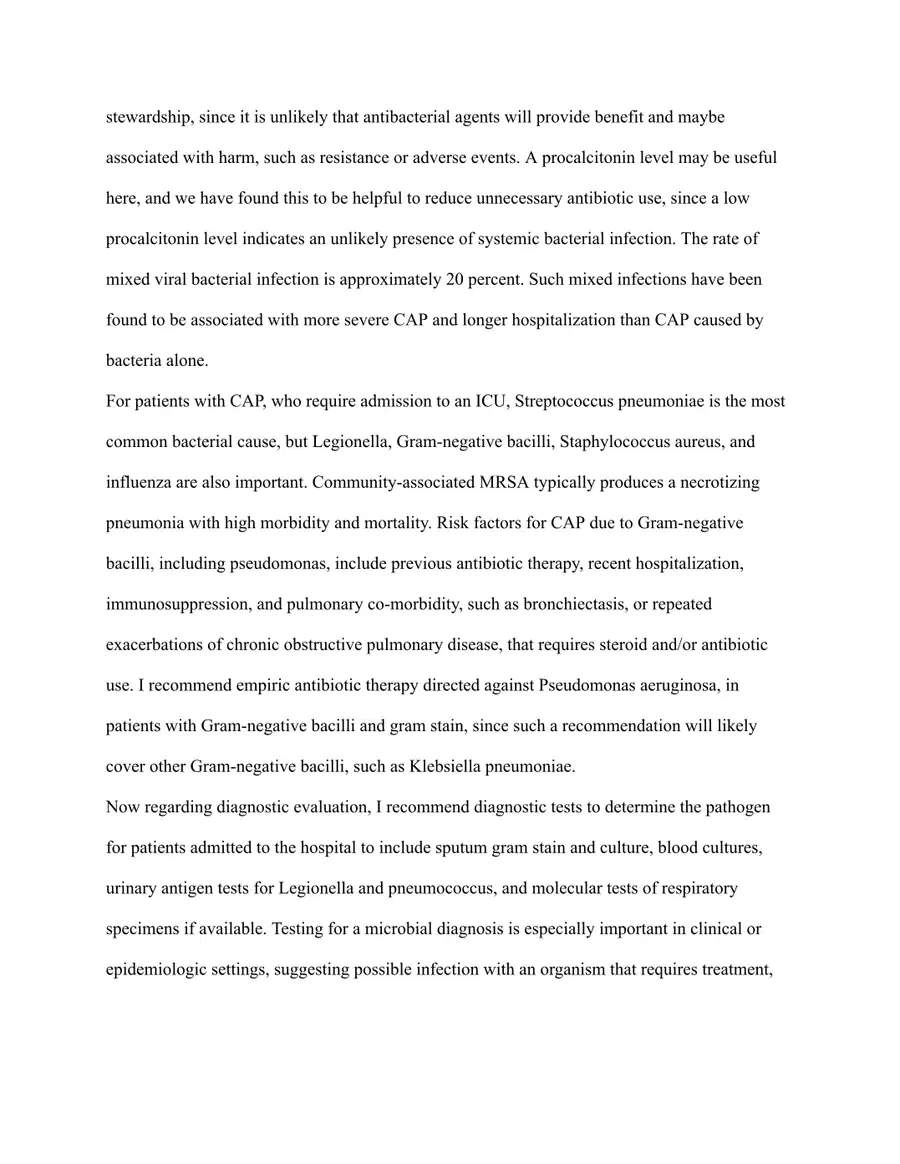
Multiple Choice
What are the most frequent pathogens causing community acquired pneumonia in patients admitted to the hospital ward?
Streptococcus pneumoniae, Mycoplasma pneumoniae, Haemophilus influenzae, Chlamydophila pneumoniae, Legionella and respiratory viruses
Staphylococcus aureus, Escherichia coli, Klebsiella pneumoniae, Pseudomonas aeruginosa
Influenza virus, Parainfluenza virus, Rhinovirus, Adenovirus
Candida albicans, Aspergillus fumigatus, Cryptococcus neoformans
34
35

36

37
Open Ended
Explain the difference between uncomplicated and complicated intra-abdominal infections and their implications for antimicrobial therapy.
38

39
Multiple Choice
According to the 2010 SIS-IDSA guidelines, what is the recommended duration of antimicrobial therapy for complicated intra-abdominal infections when adequate source control is not possible?
4-7 days
2-3 days
10-14 days
More than 14 days
40
41
Multiple Select
Which of the following are potential complications of prolonged antimicrobial therapy for intra-abdominal infections?
Delayed recognition of relapse
Increased length of hospital stay
Repeat antibiotic exposure
All of the above
42
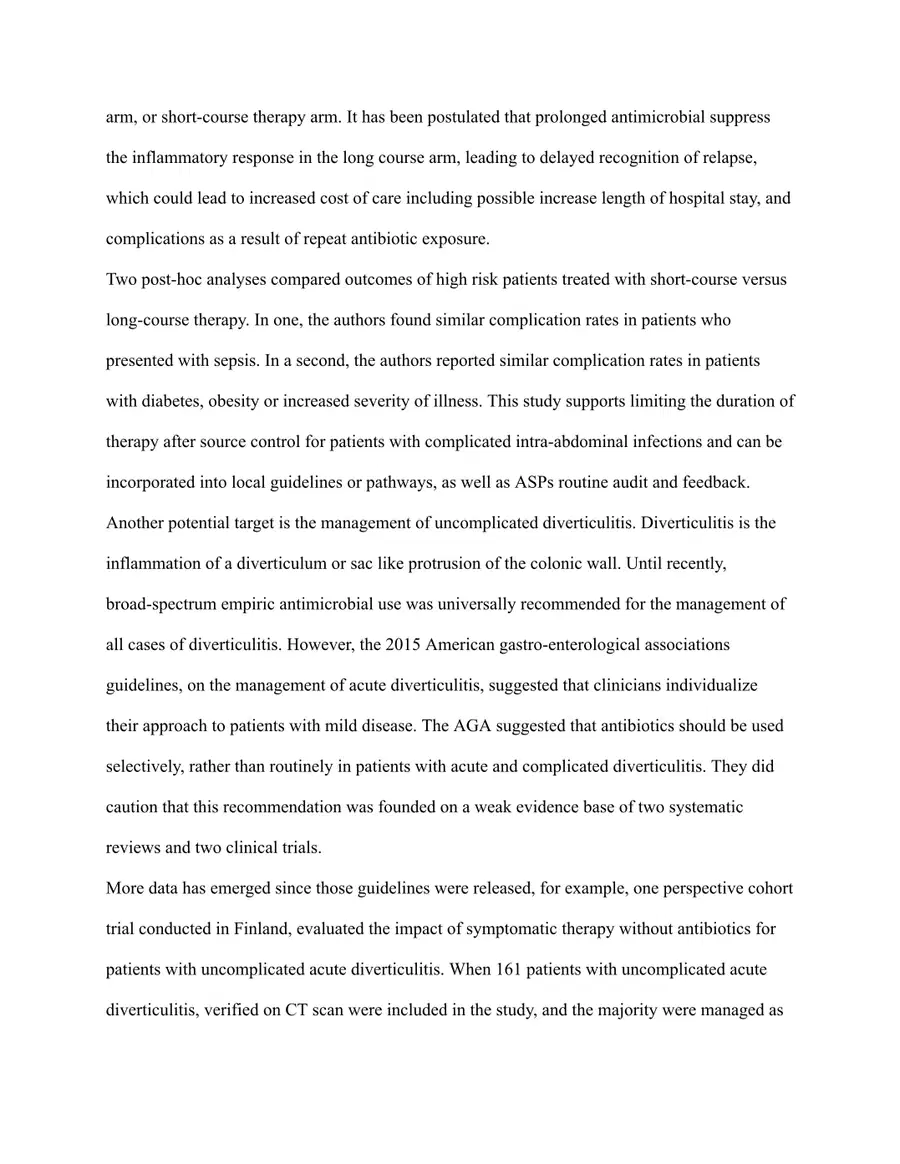
Open Ended
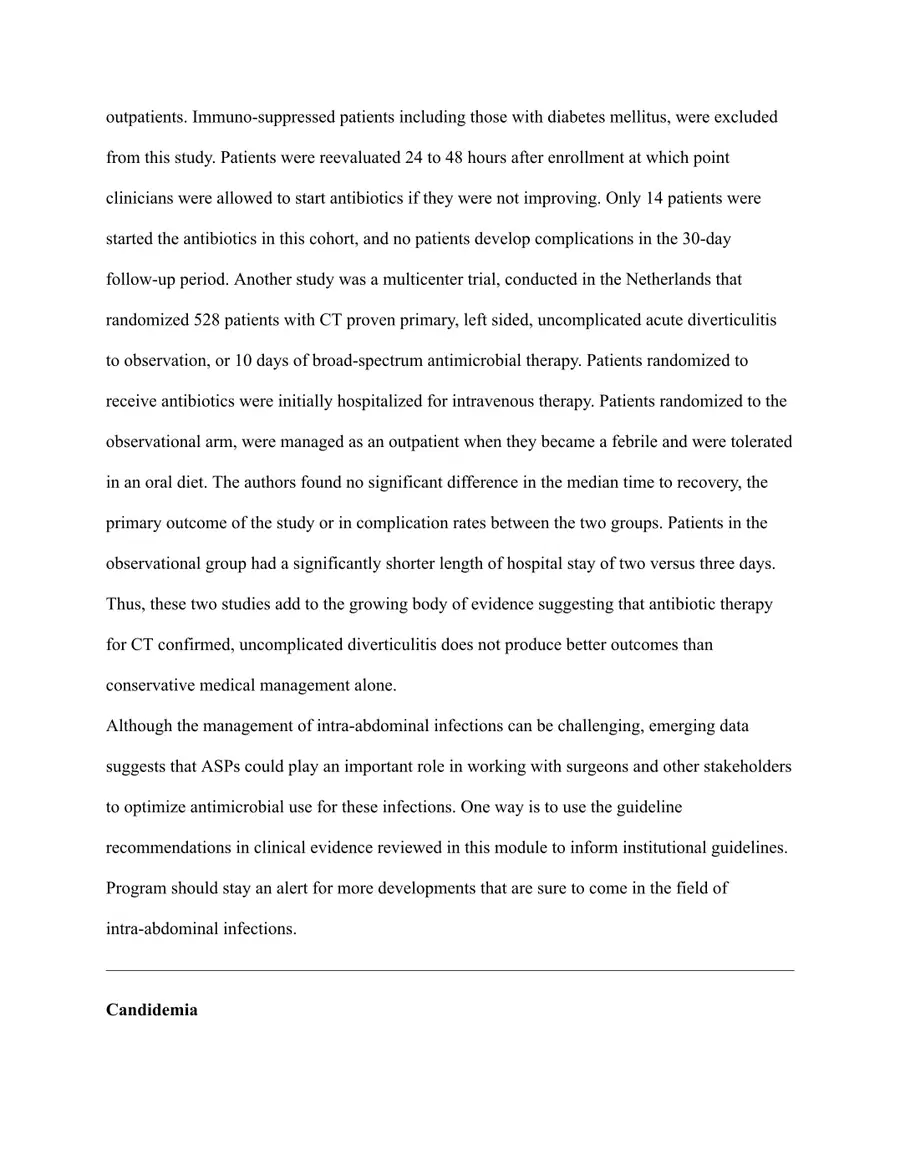
What were the main findings of the STOP-IT trial regarding the duration of antibiotic therapy for intra-abdominal infections?
43
44
Fill in the Blanks
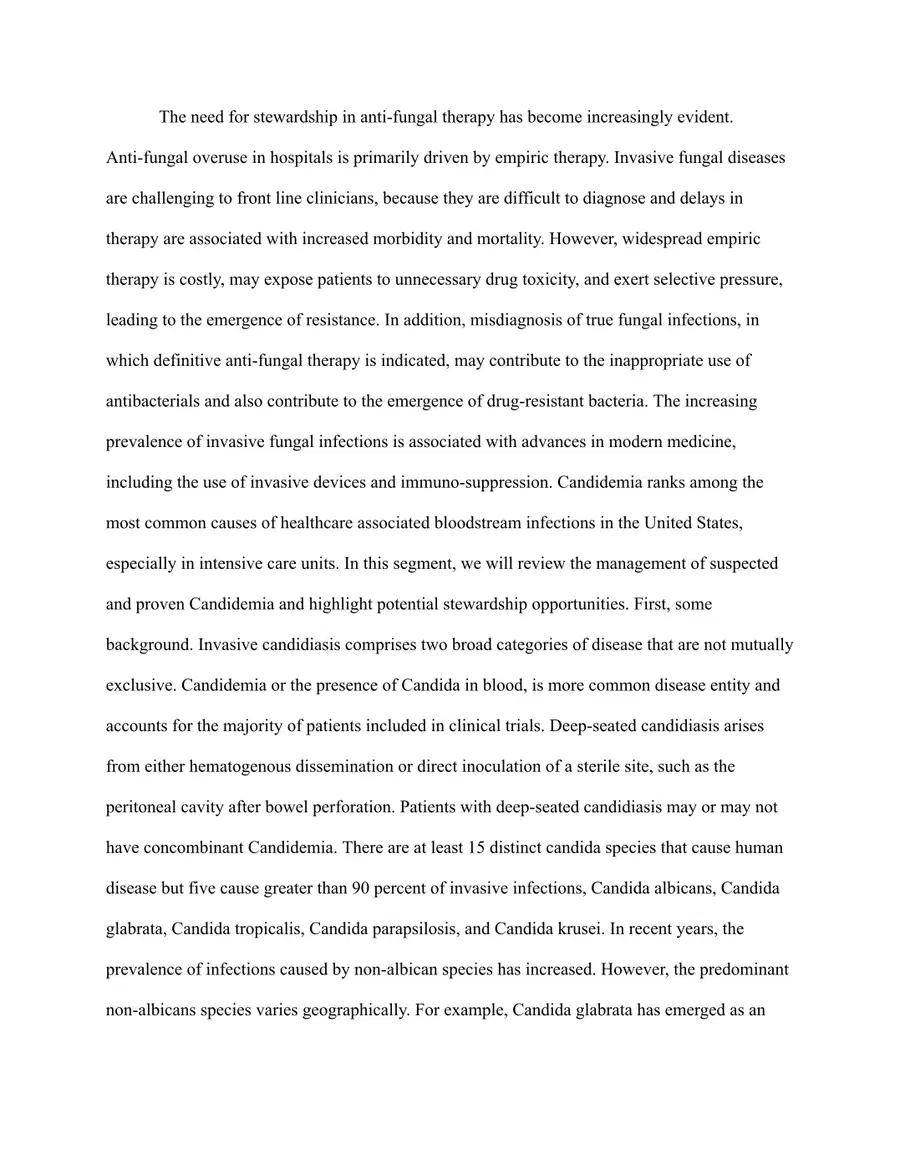
Fill in the blank: The 2015 American gastro-enterological association guidelines suggested that antibiotics should be used
Type answer...
45
46

47
Multiple Choice
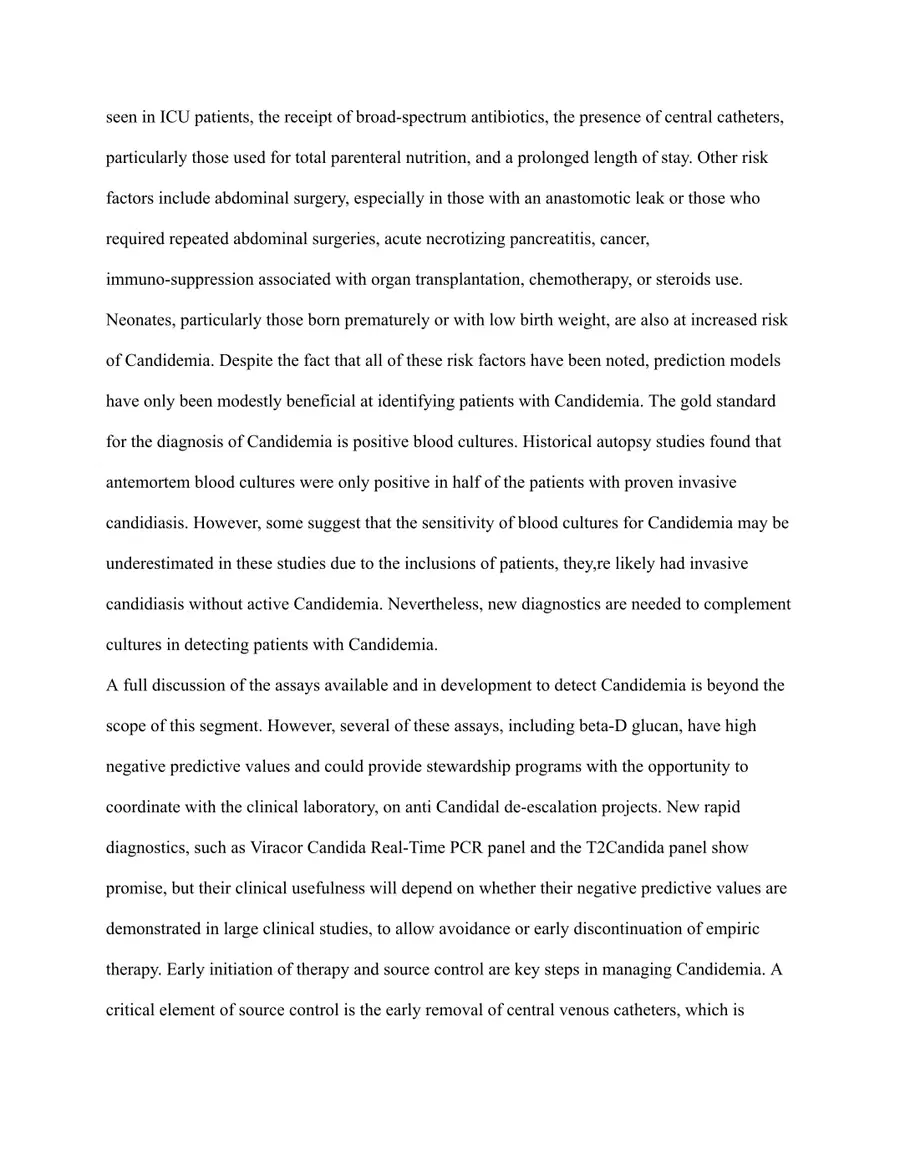
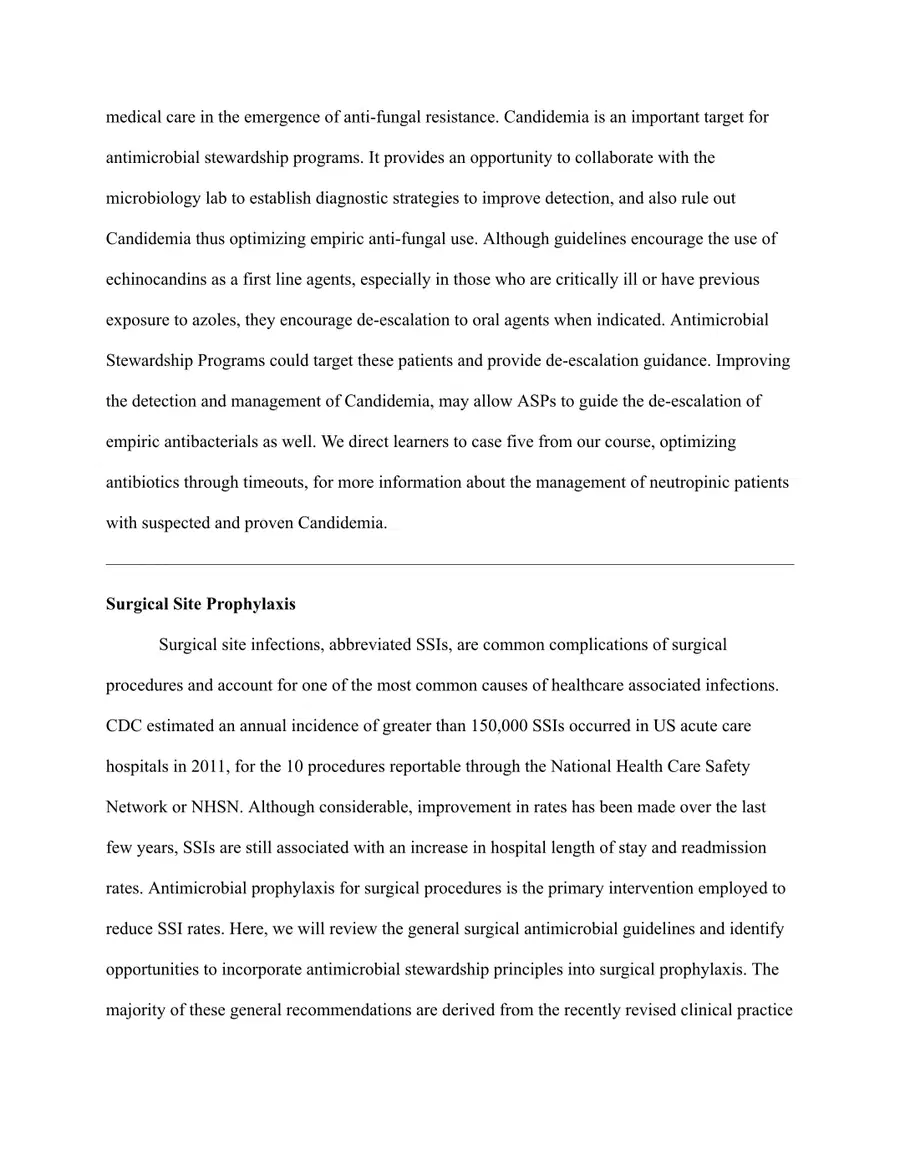
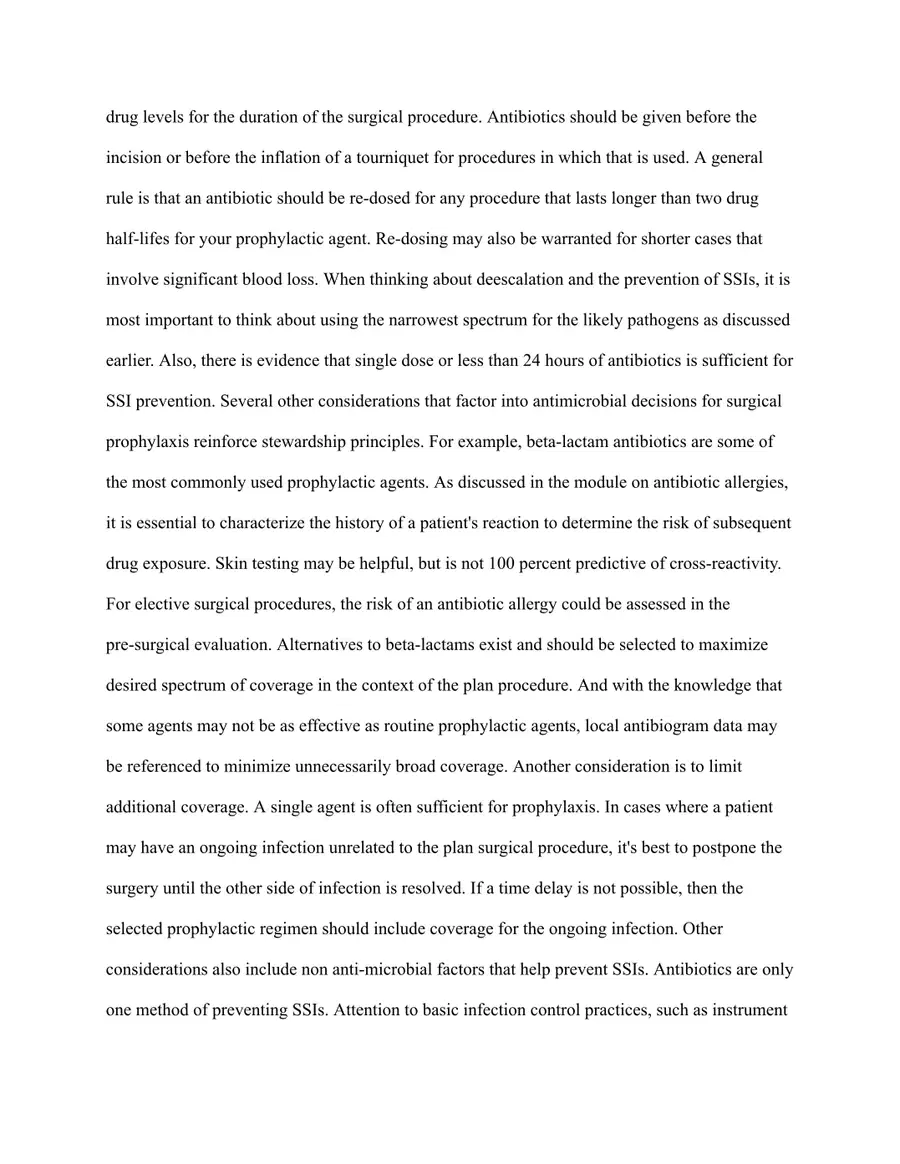
Which Candida species are responsible for more than 90 percent of invasive infections?
Candida albicans, Candida glabrata, Candida tropicalis, Candida parapsilosis, Candida krusei
Candida auris, Candida lusitaniae, Candida kefyr, Candida dubliniensis, Candida guilliermondii
Candida albicans, Candida auris, Candida glabrata, Candida kefyr, Candida lusitaniae
Candida parapsilosis, Candida dubliniensis, Candida krusei, Candida guilliermondii, Candida lusitaniae
48
49
Open Ended
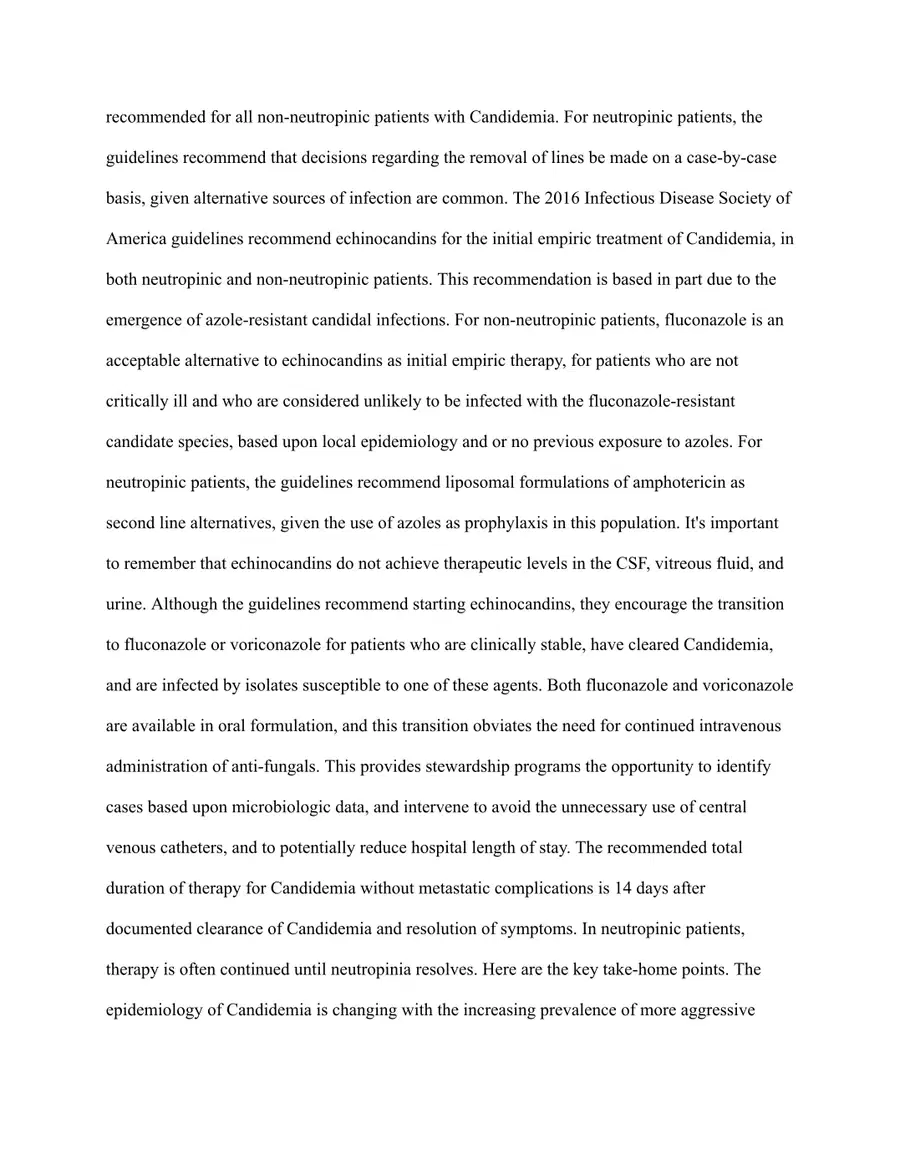
List three risk factors that increase a patient's risk of developing Candidemia.
50
51
52

53
54

55
Multiple Choice
Which of the following is NOT recommended for the treatment of mild non-purulent SSTIs?
Oral penicillin
Oral cephalosporin
Clindamycin (if penicillin allergic)
Rifampin
56
Open Ended
Summarize the key differences in management between non-purulent and purulent acute bacterial skin and skin structure infections (SSTIs).
Show answer
Auto Play
Slide 1 / 56
SLIDE
Similar Resources on Wayground

49 questions
T3.C1.6 | Academic Text Structure | Introduction
Presentation
•
12th Grade
48 questions
natural hazards and predictions
Presentation
•
KG - University
51 questions
7A La Ropa Vocabulario
Presentation
•
KG
50 questions
Level Up Your Classroom
Presentation
•
Professional Development
50 questions
Materi Merdeka Belajar Quizizz
Presentation
•
Professional Development
50 questions
Unit 1 level 333
Presentation
•
University
48 questions
US 30532
Presentation
•
Professional Development
Popular Resources on Wayground
10 questions
Safety Day 2026 – Student Review

Quiz
•
9th Grade
21 questions
Continents and Oceans
Quiz
•
6th Grade
20 questions
Parts of Speech
Quiz
•
5th Grade
16 questions
Subject & Predicate
Quiz
•
5th Grade
25 questions
Multiplication Facts
Quiz
•
5th Grade
12 questions
Map Skills
Quiz
•
3rd Grade
22 questions
Continents and Oceans
Quiz
•
5th Grade
15 questions
Rounding Decimals
Quiz
•
5th Grade
Discover more resources for Professional Development
20 questions
Disney Trivia
Quiz
•
University
10 questions
Spanish Greetings and Goodbyes!
Presentation
•
6th Grade - University
20 questions
Physical or Chemical Change/Phases
Quiz
•
8th Grade - University
39 questions
Unit 7 Key Terms
Quiz
•
11th Grade - University
25 questions
SER and Subject Pronouns
Quiz
•
8th Grade - University
38 questions
Unit 6 Key Terms
Quiz
•
11th Grade - University
19 questions
Key Concepts in Buddhism
Quiz
•
University
0 questions
Cell Domain Basic Review (Biology)
Quiz
•
University