AP Bio CH 3 and 4
Presentation
•
Biology
•
11th Grade
•
Practice Problem
•
Hard
Standards-aligned
Caitlin Riding
FREE Resource
62 Slides • 20 Questions
1
Open Ended
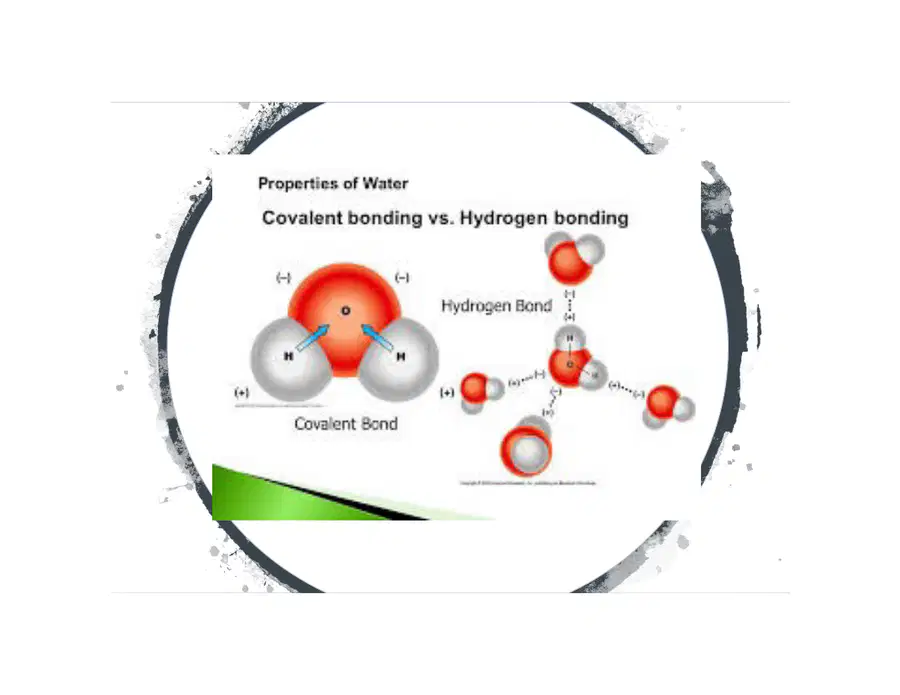
What is the difference between a covalent bond and a hydrogen bond?
2
Open Ended
This graph shows 2 cities that are both about the same latitude. How would you explain their seasonal differences?
3
How would you explain the differences in temperature from the previous slide?
Bozeman montana (surrounded by mountains) and Seattle, WA coastal – High specific heat of water surrounding seattle resists changes in temperature; harder to pull the molecules of water apart due to its polar nature
4
5
6
7
Fill in the Blanks
8
Multiple Choice
9
Multiple Choice
10
11
Multiple Choice
Which of the following best describes the difference between covalent bonding and hydrogen bonding in water molecules?
Covalent bonds occur between atoms within a water molecule, while hydrogen bonds occur between different water molecules.
Covalent bonds are weaker than hydrogen bonds.
Hydrogen bonds occur within a water molecule, while covalent bonds occur between water molecules.
Both covalent and hydrogen bonds occur only between water molecules.
12
13
14
Multiple Choice
15
Fill in the Blanks
16
Open Ended
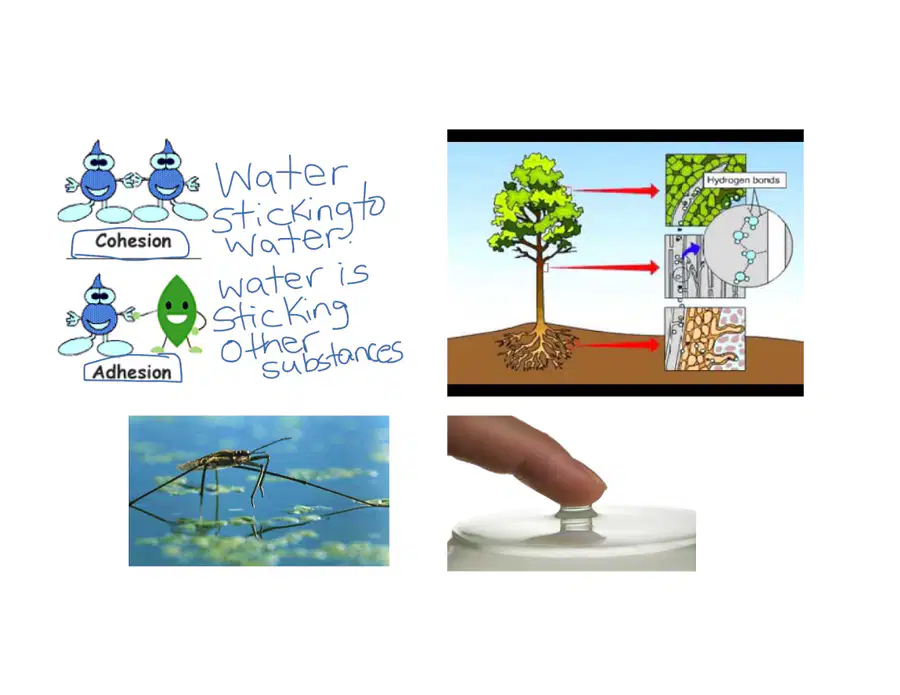
Describe how cohesion and adhesion contribute to the transport of water in plants.
17
18
Multiple Choice
Which of the following best describes the difference between temperature and heat as explained in the slides?
Temperature is the amount of heat in a substance, while heat is the average kinetic energy of molecules.
Temperature is a measure of average kinetic energy of molecules, while heat is thermal energy in transfer from one body to another.
Temperature is the same as heat, both measure energy in a substance.
Temperature is measured in calories, while heat is measured in degrees Celsius.
19
20
Multiple Select
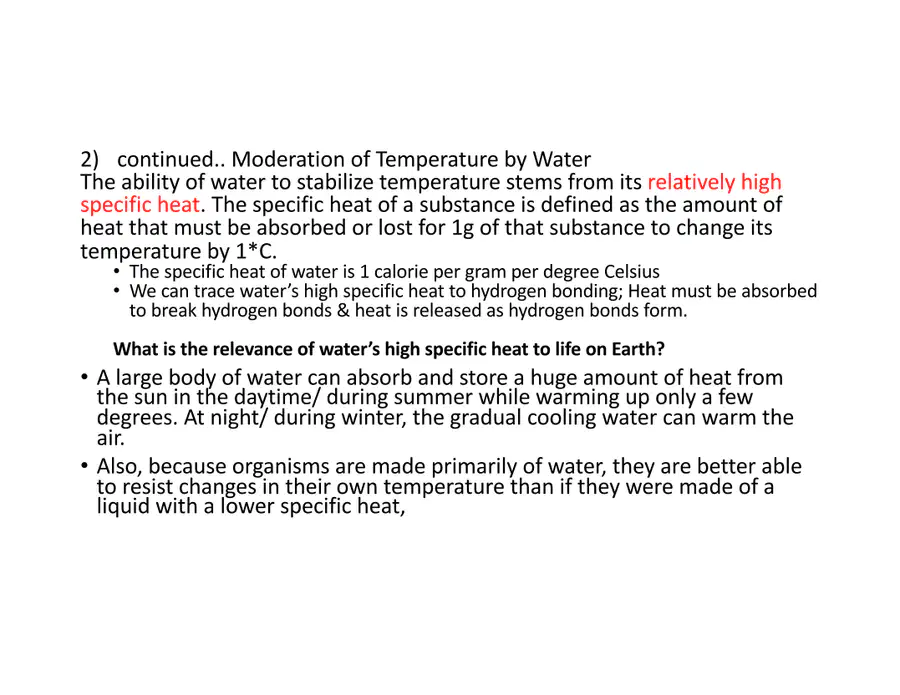
Which of the following statements about water's high specific heat are correct?
It allows large bodies of water to store heat and moderate climate.
It means water heats up and cools down very quickly.
It helps organisms resist rapid temperature changes.
It is unrelated to hydrogen bonding.
21
22
23
24
25
Multiple Choice
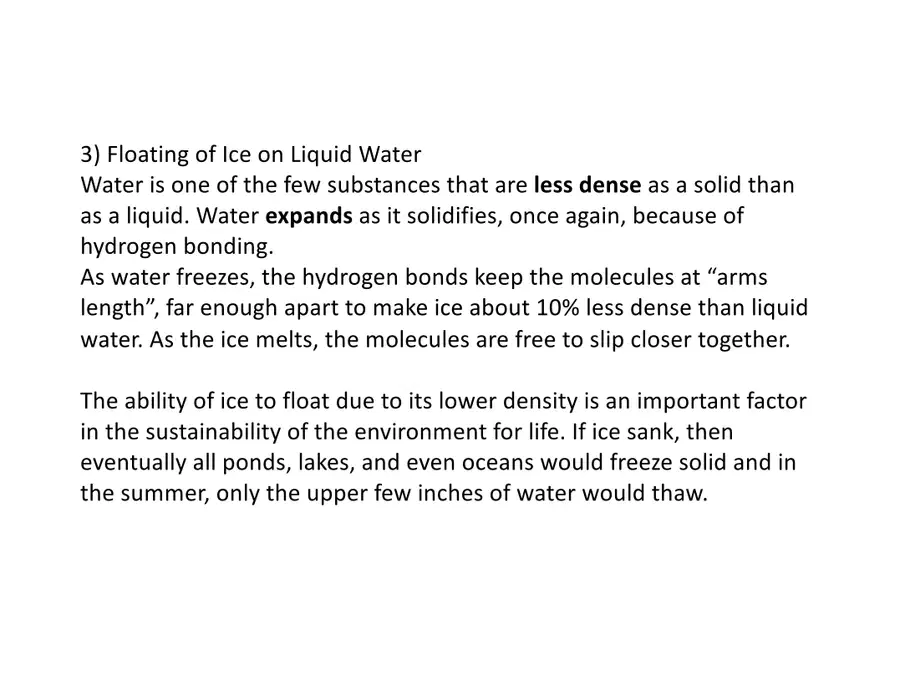
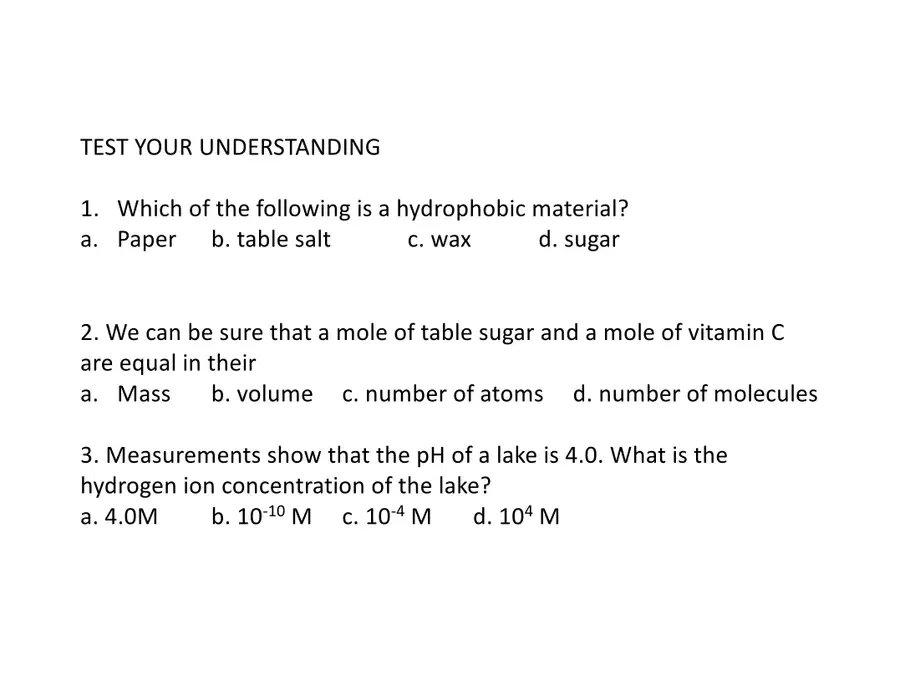
Why does ice float on liquid water?
Because ice is denser than liquid water.
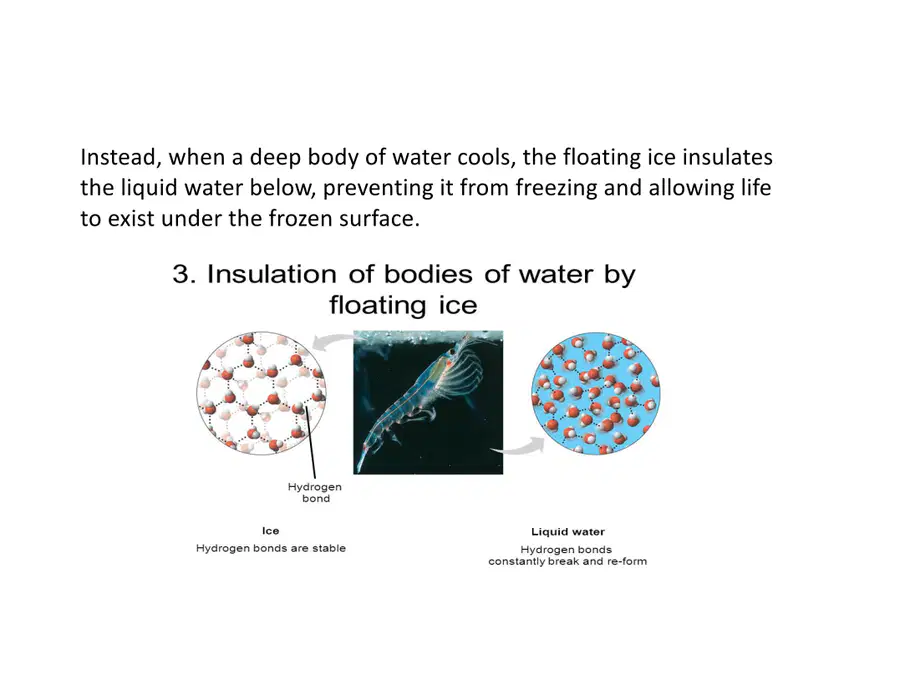
Because hydrogen bonds in ice keep molecules farther apart, making ice less dense than liquid water.
Because ice contains more air bubbles. The air bubbles move the molecules of water further apart and therefore cause the ice to float.
Because water molecules in ice are closer together than in liquid water.
26
27
28
Open Ended
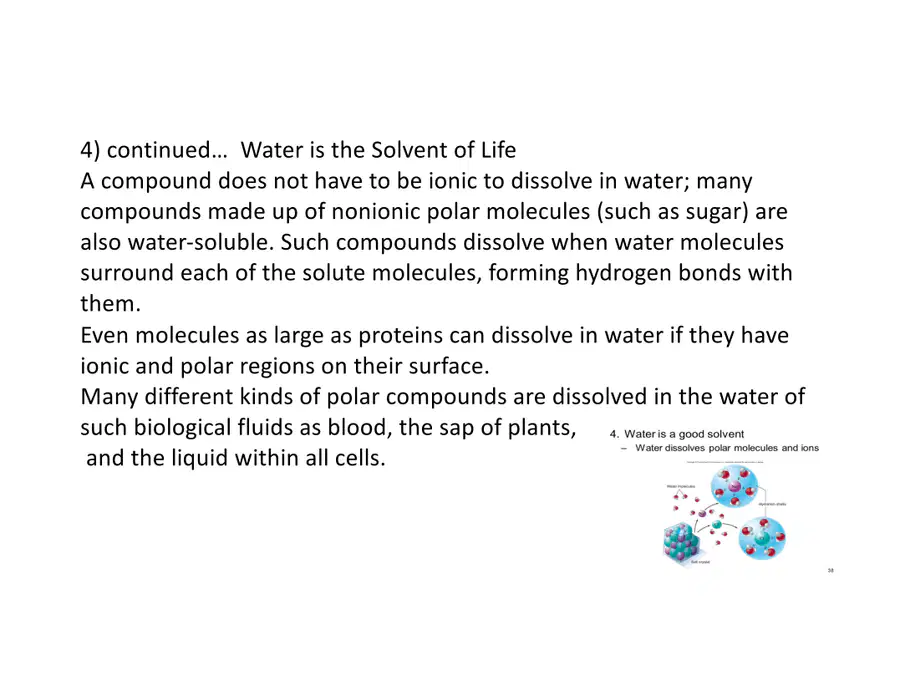
Explain how the polarity of water molecules contributes to their ability to dissolve different types of solutes.
29
Multiple Choice
Which of the following best describes the role of water as a solvent in biological systems?
Water dissolves only ionic compounds like salt.
Water dissolves both ionic and polar compounds due to its polarity.
Water dissolves only nonpolar molecules like oil.
Water cannot dissolve large molecules like proteins.
30
31
32
Multiple Select
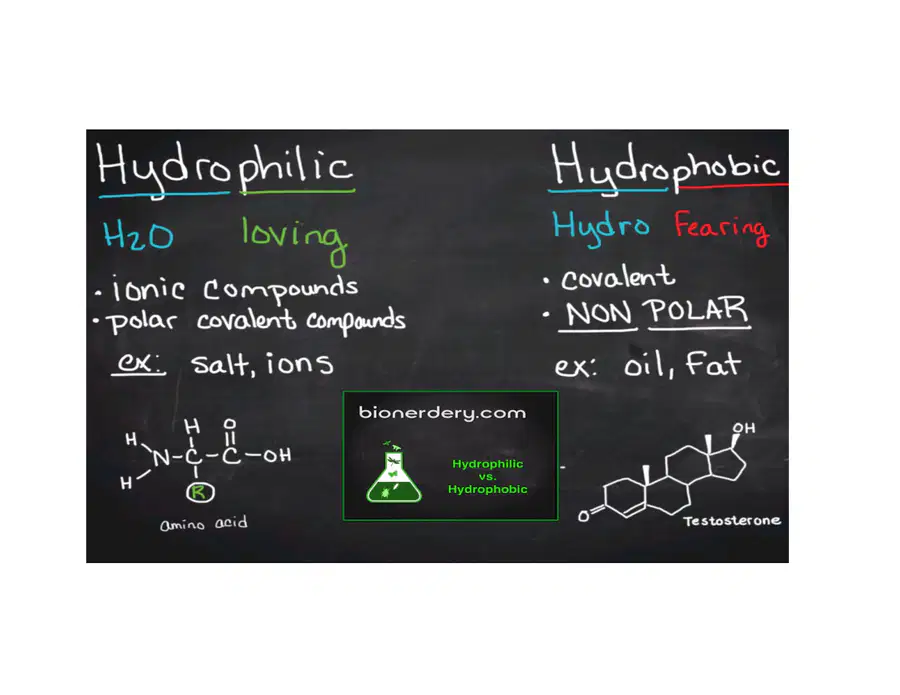
Which of the following are characteristics of hydrophobic substances?
They are nonpolar.
They form hydrogen bonds with water.
They dissolve easily in water.
They tend to repel water.
33
34
Multiple Choice
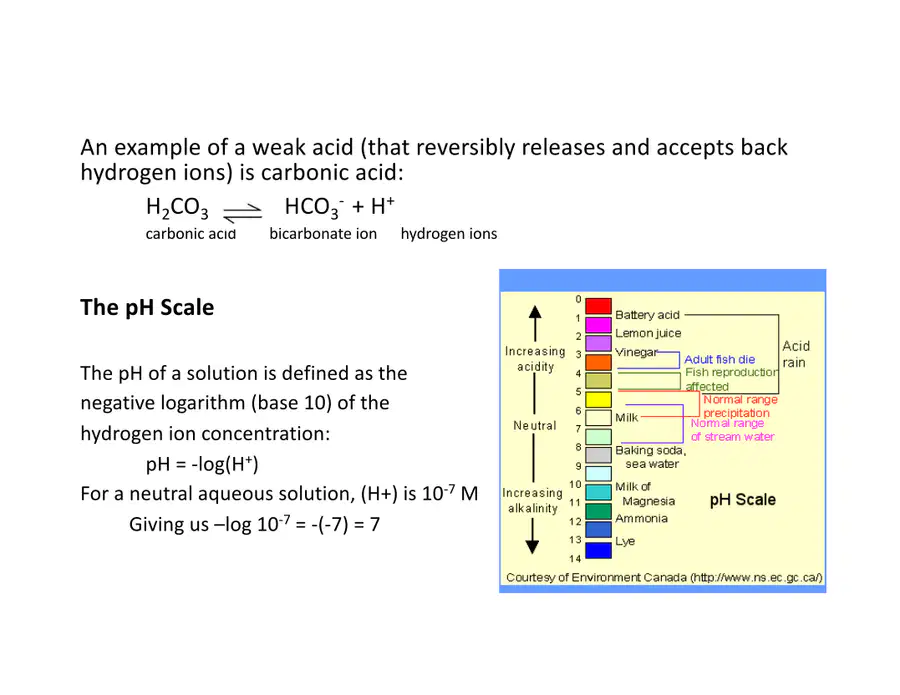
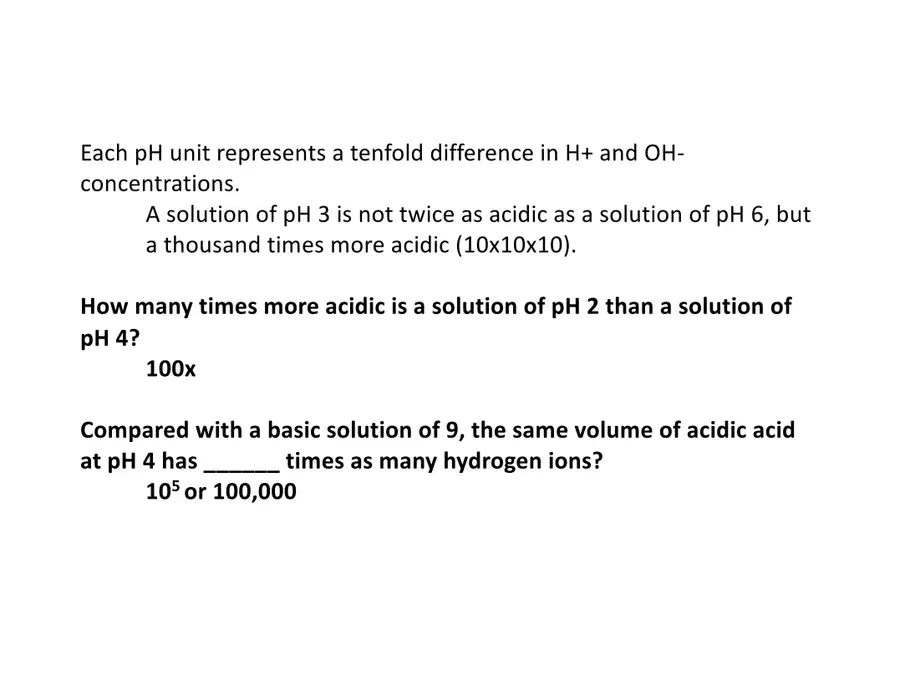
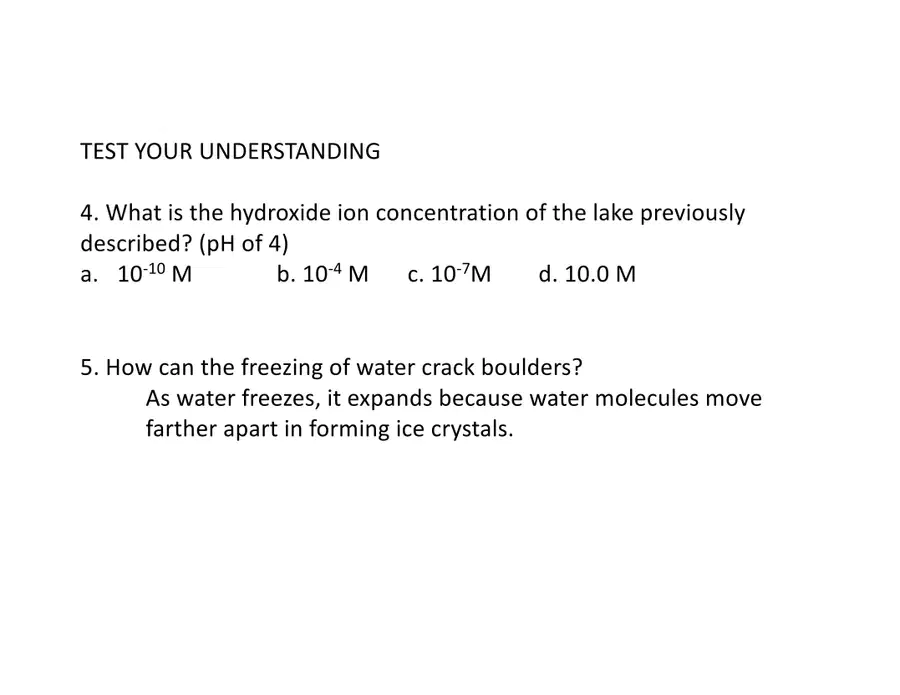
Which of the following best describes the difference between an acid and a base according to the information provided?
Acids increase the hydrogen ion concentration, while bases decrease it.
Acids decrease the hydrogen ion concentration, while bases increase it.
Both acids and bases increase the hydrogen ion concentration.
Acids and bases have no effect on hydrogen ion concentration.
35
36
37
Fill in the Blanks
38
39
Multiple Choice
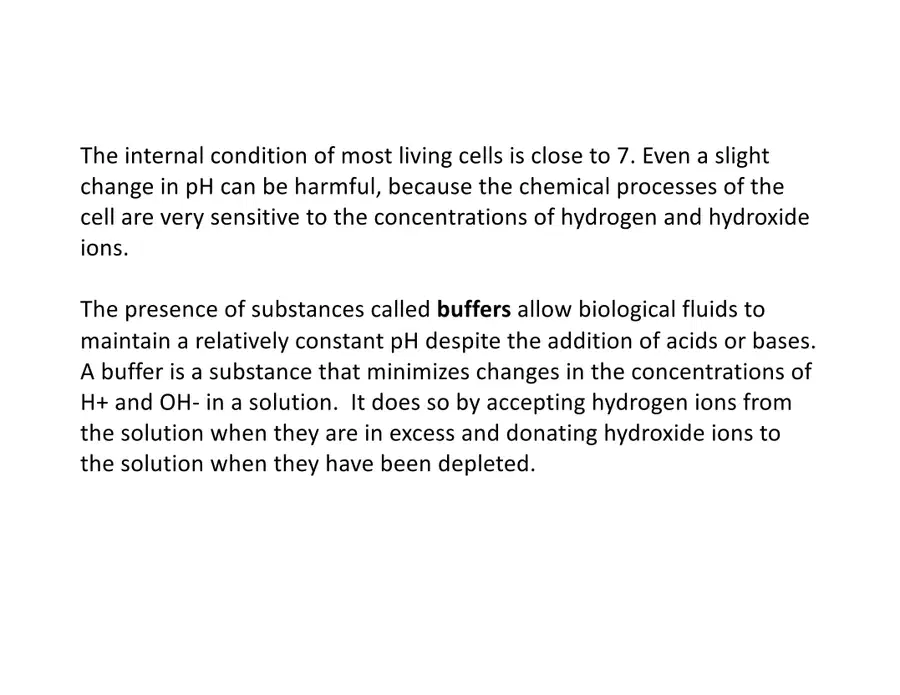
Which of the following statements about buffers is correct?
Buffers minimize changes in pH by accepting or donating hydrogen ions.
Buffers only work in acidic solutions.
Buffers work by consistently increasing the concentration of hydrogen ions in a solution.
Buffers are only found in laboratory settings.
40
41
42
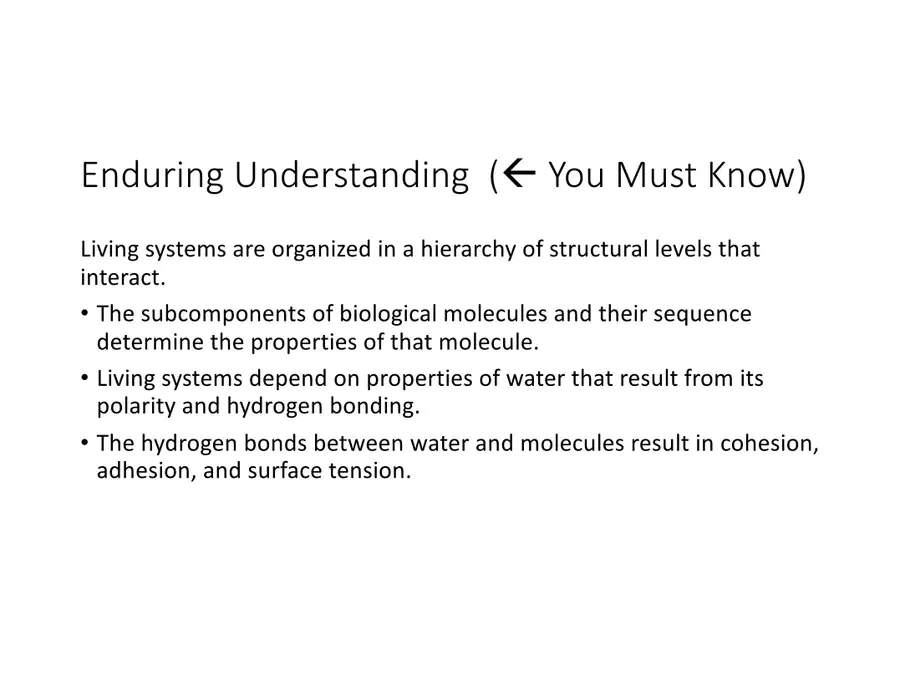
Multiple Choice
What property of water is most important for the cohesion and adhesion described in living systems?
Hydrogen bonding
Ionic bonding
Covalent bonding
Van der Waals forces
43
44
45
46
47
48
49
50
51
52
53
54
55
56
57
58
59
60
61
62
63
64
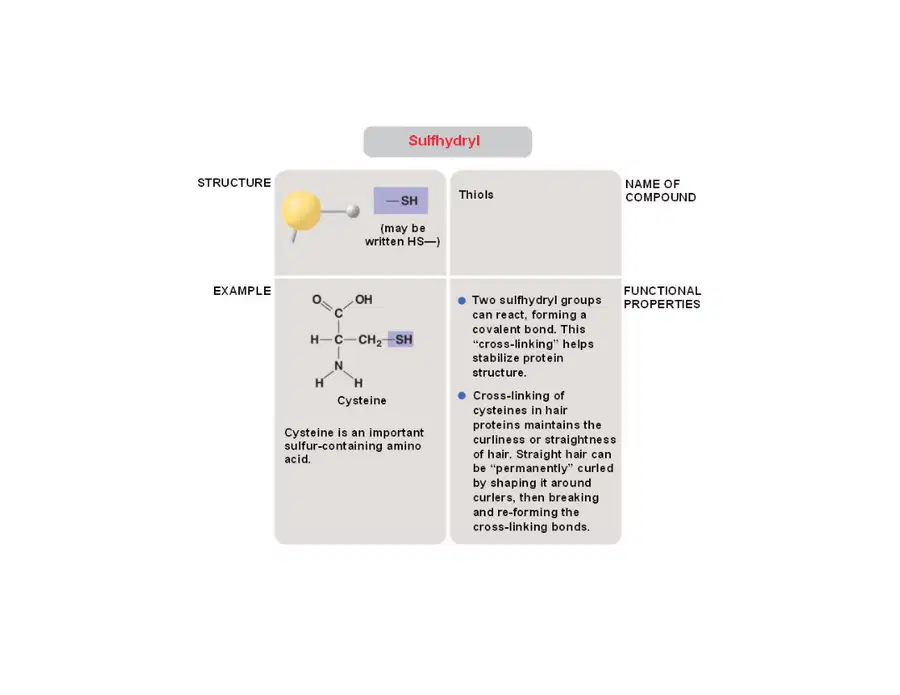
65
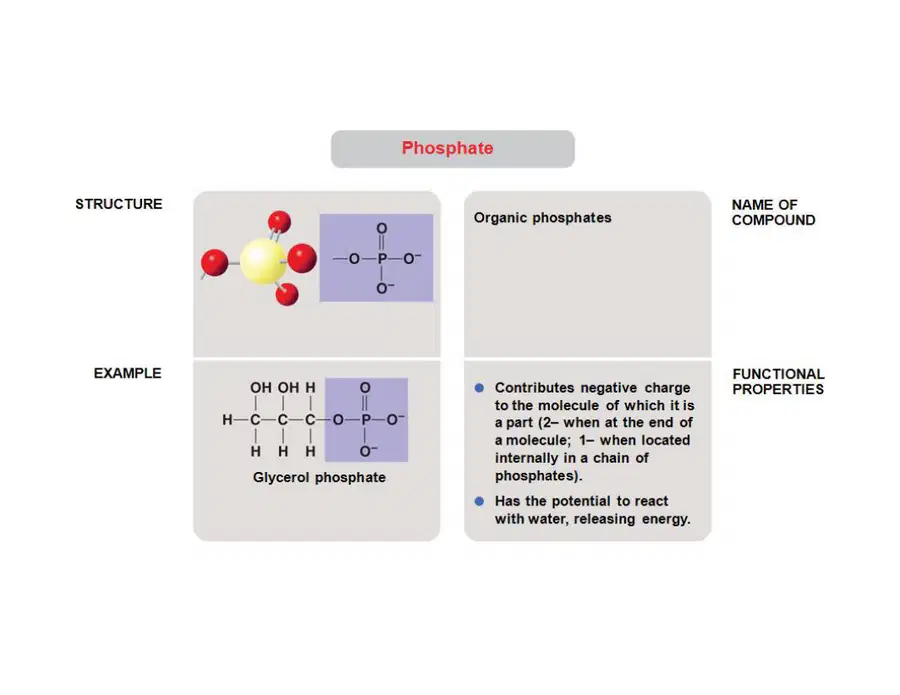
66
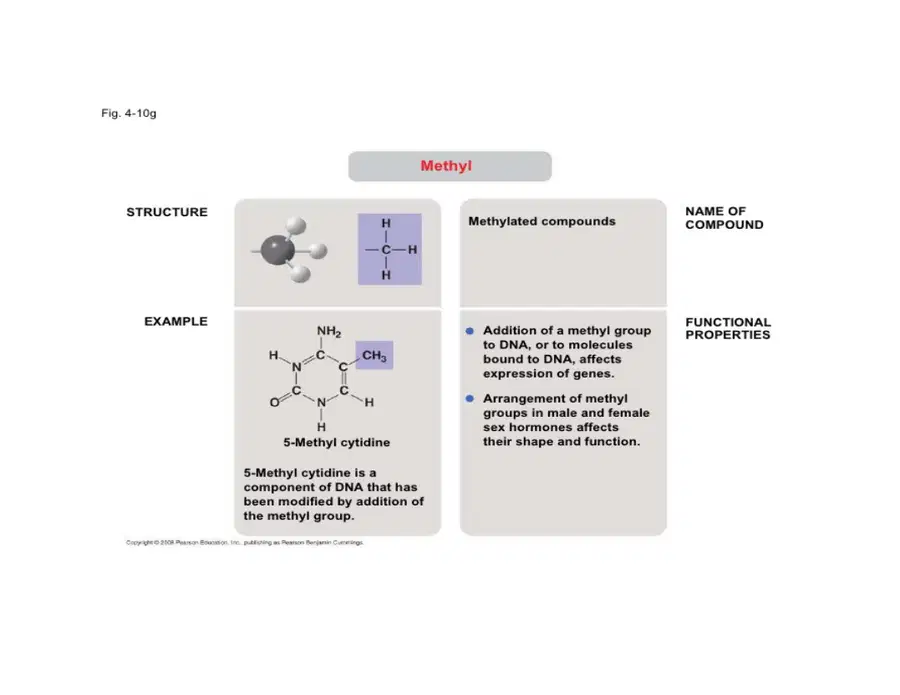
67
68
69
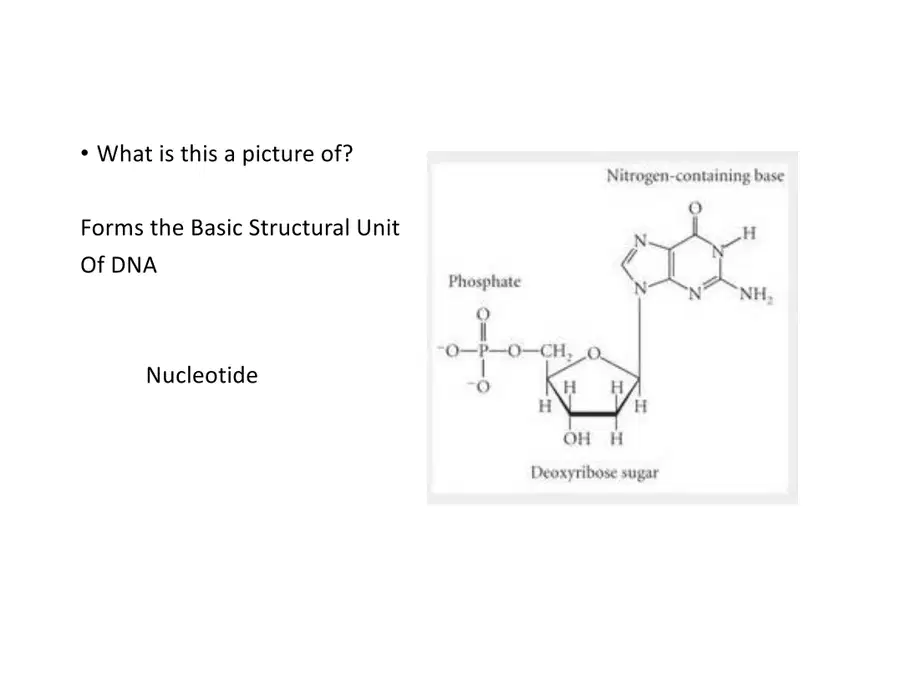
70
71
72
73
74
75
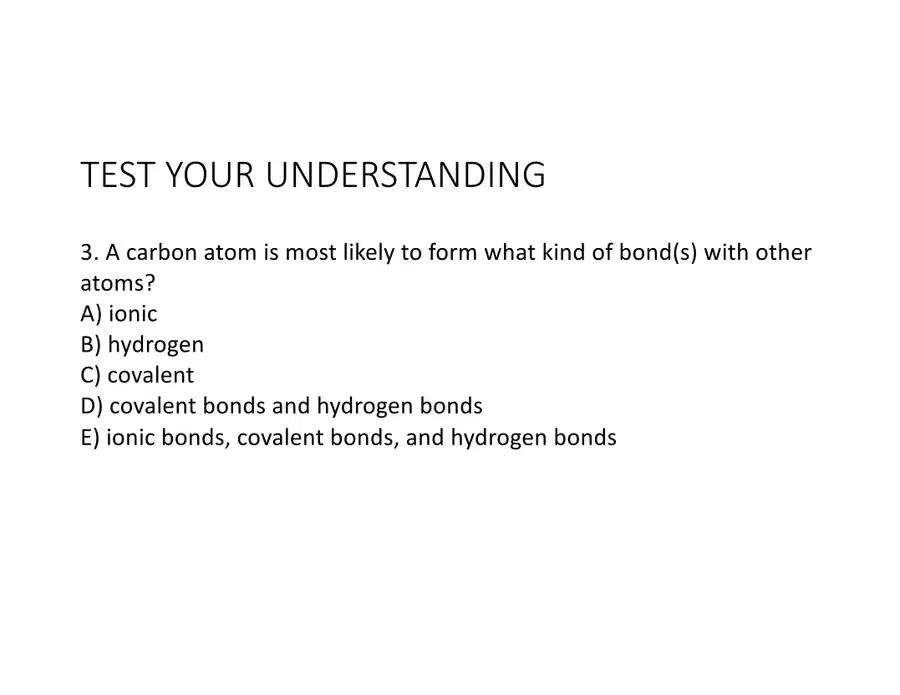
76
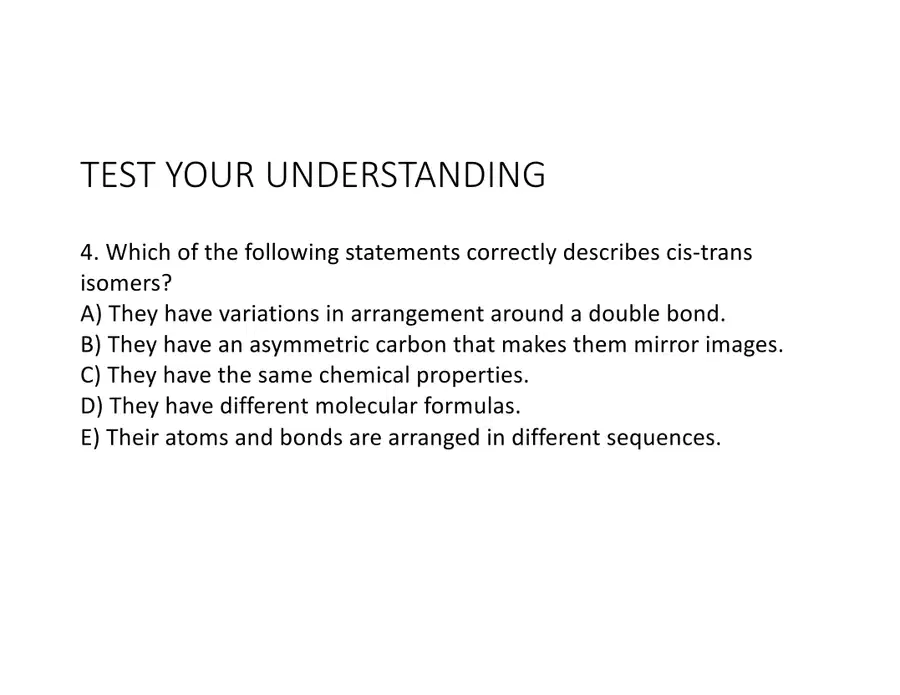
77
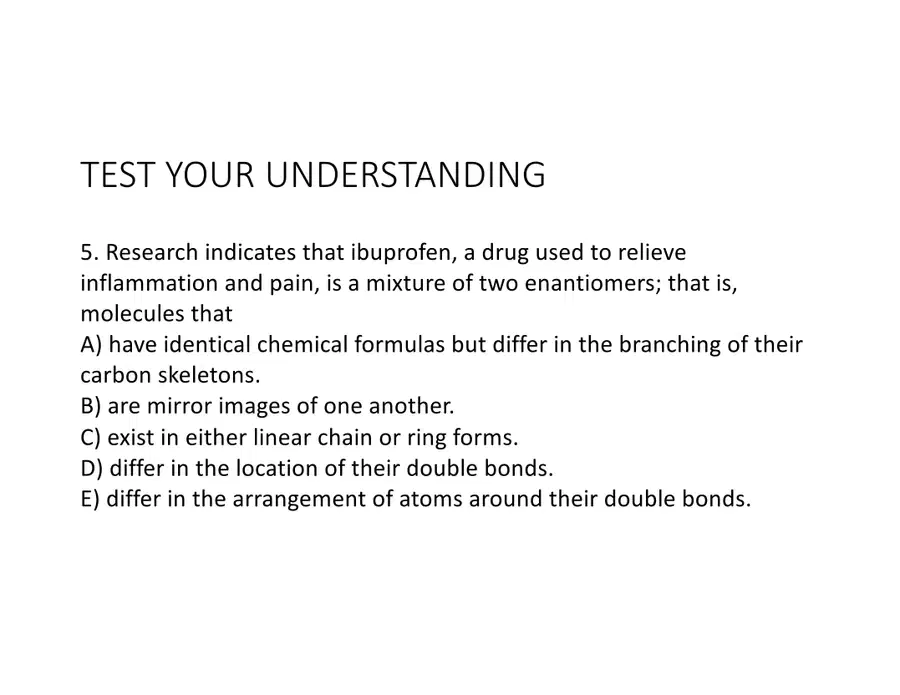
78
79
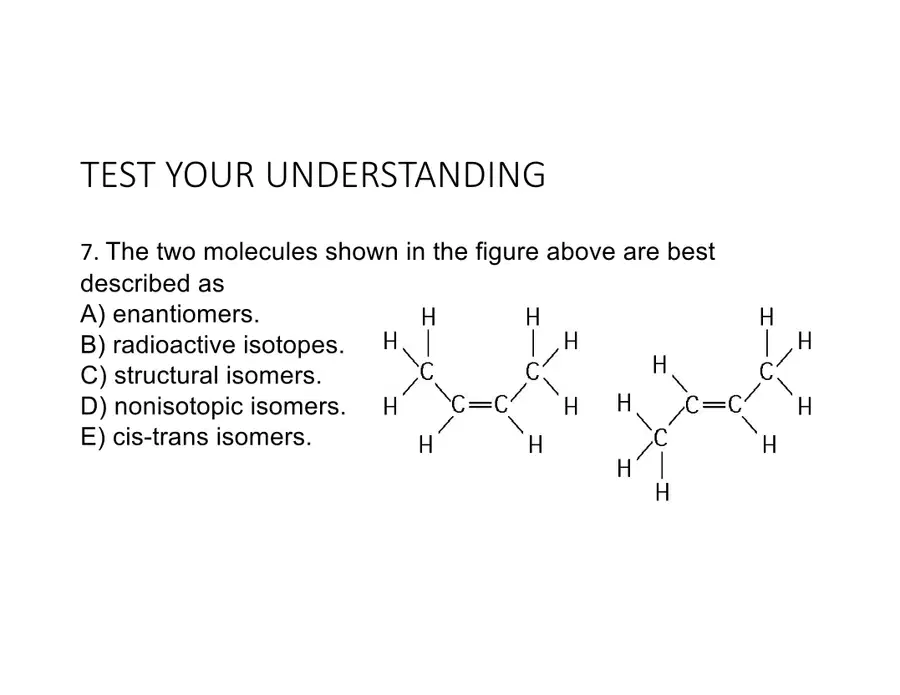
80
81
82
Open Ended
Reflecting on today's lesson, what is one question you still have about how latitude affects seasonal temperature differences?
What is the difference between a covalent bond and a hydrogen bond?
Show answer
Auto Play
Slide 1 / 82
OPEN ENDED

Similar Resources on Wayground
75 questions
Unit 4: Intro to Cold War - #3 At Home
Presentation
•
11th Grade
78 questions
Letter Drills
Presentation
•
KG
80 questions
Normal Distribution Math Lesson
Presentation
•
11th Grade
74 questions
KIMIA UNSUR 2
Presentation
•
12th Grade
79 questions
Order Lagomorpha
Presentation
•
11th - 12th Grade
75 questions
AP 1 Dynamics
Presentation
•
11th Grade
79 questions
2.5 Particle Movement in and out of Cells
Presentation
•
10th - 12th Grade
78 questions
"One-Up" Method
Presentation
•
KG
Popular Resources on Wayground
20 questions
Math Review
Quiz
•
3rd Grade
15 questions
Fast food
Quiz
•
7th Grade
20 questions
Context Clues
Quiz
•
6th Grade
20 questions
Inferences
Quiz
•
4th Grade
19 questions
Classifying Quadrilaterals
Quiz
•
3rd Grade
20 questions
Figurative Language Review
Quiz
•
6th Grade
20 questions
Equivalent Fractions
Quiz
•
3rd Grade
10 questions
Identify Fractions, Mixed Numbers & Improper Fractions
Quiz
•
3rd - 4th Grade
Discover more resources for Biology
50 questions
NC EOC Biology Review part 1
Quiz
•
9th - 12th Grade
40 questions
Biology EOC Review
Quiz
•
11th Grade
17 questions
Communicable and Chronic Diseases Slidedeck
Presentation
•
9th - 12th Grade
140 questions
Biology Final Quizizz
Quiz
•
10th - 11th Grade
20 questions
NC EOC Biology Review part 1
Quiz
•
9th - 12th Grade
64 questions
Disease Unit- 2026
Quiz
•
9th - 12th Grade
22 questions
Photosynthesis and Cellular Respiration Review
Quiz
•
9th - 11th Grade
55 questions
Mock EOC/ Interim 3 Review
Quiz
•
KG - University