Search Header Logo
Placenta

Placenta

Assessment

Presentation

•

Health Sciences

•

University

•

Practice Problem

•

Medium

Created by

Megan Mullins

Used 3+ times

FREE Resource

65 Slides • 34 Questions

1

media

2

media

3

media

4

media

5

media

6

Multiple Choice

What is the decidua basalis

1

a type of fetal tissue.

2

the outer layer of the amniotic sac.

3

the maternal portion of the placenta

4

the fetal portion of the placenta

7

Multiple Choice

What is the chorion frondosum?

1

the fetal part of the placenta

2

the maternal part of the placenta

3

a type of fetal tissue unrelated to the placenta

4

The outer layer of the amniotic sac

8

Multiple Choice

Which structure forms the fetal part of the placenta and contains villi?

1

Chorion frondosum

2

Chorion laeve

3

Decidua basalis

4

Amniotic sac

9

Multiple Choice

Which of the following is an endometrial reaction that happens opposite the side of implantation?

1

Chorionic reaction

2

Decidua Vera

3

Decidua basalis

4

Decidua capsularis

10

media

11

media

12

media

13

Fill in the Blank

The major functioning unit of the placenta is the ___ villus.

14

Multiple Choice

Which of the following materials can be stored in the placenta?

1

Carbohydrates

2

Proteins

3

Calcium

4

All of the above

15

Multiple Select

Which of the following are functions of the placenta?

1

Respiration

2

Nutrition

3

Excretion

4

Absorption

16

media

17

media

18

media

19

media

20

media

21

Fill in the Blank

The normal umbilical cord inserts _____________ into the placenta

22

Multiple Select

Which of the following are considered abnormal cordal attachments?

1

Battledore

2

Velamentous

3

Central

4

Marginal

23

Multiple Choice

What part of the placenta produces estrogen and progesterone?

1
The umbilical cord
2

Synctiotrophoblast

3

Cytotrophoblast

4
The decidua

24

media

25

media

26

media

27

media

28

media

29

media

30

Multiple Choice

At what earliest gestational age can the placenta be identified using sonography?

1

8 weeks

2

12 weeks

3

20 weeks

4

4 weeks

31

Fill in the Blank

The maximum diameter of the placenta after 23 weeks is usually ___ cm.

32

Multiple Choice

Which conditions can lead to an increase in placental size (placentomegaly) as seen on sonographic analysis?

1

Rh sensitization, diabetes, congenital anomalies

2

Hypertension, preeclampsia, infection

3

Preterm labor, oligohydramnios, polyhydramnios

4

Fetal growth restriction, maternal age, smoking

33

Multiple Select

Which of the following are correct regarding placental location and migration as determined by sonographic analysis?

1

Placental migration is a true movement of the placenta.

2

Succenturiate placenta involves additional lobes attached by blood vessels.

3

Placental migration is actually caused by growth of the uterus.

4

Placental location can be anterior, posterior, fundal, or previa.

34

media

35

media

36

media

37

media

38

media

39

media

40

media

41

Multiple Select

Calcifications are accelerated with what?

1

hypertension

2

IUGR

3

maternal diabetes

4

Rh sensitization

5

smoking

42

Multiple Select

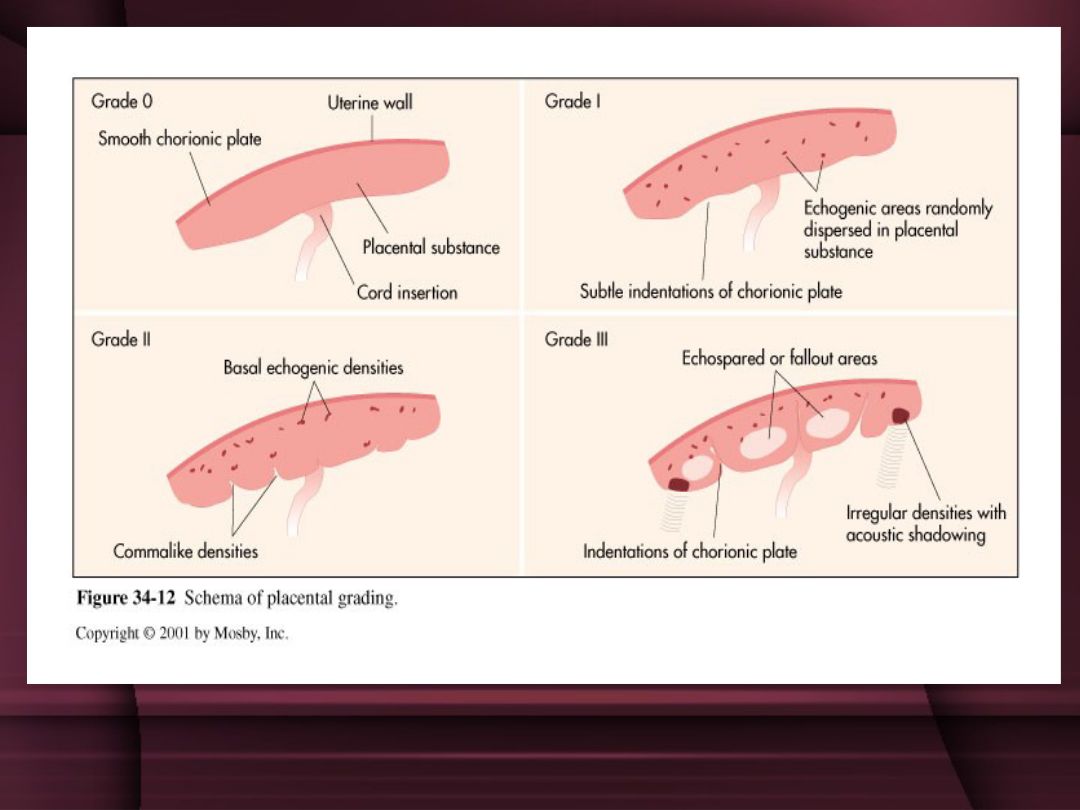
Which of the following are characteristics of Grade 0 placental grading?

1

Smooth, well-defined borders

2

Homogenous echotexture

3

Irregular basal plate

4

No echogenicities

43

Multiple Choice

Which of the following features is characteristic of Grade 1 placental grading?

1

Indentation of the fetal surface

2

Comma-like indentations of the fetal surface

3

Complete circles of calcifications

4

Highly echogenic basal echoes with shadowing

44

Fill in the Blank

Fill in the blank: In Grade II placental grading, there are ___ echogenic densities and commalike densities.

45

Multiple Choice

Which placental grade is described by the presence of echogenic areas randomly dispersed in the placental substance and subtle indentations of the chorionic plate?

1

Grade 0

2

Grade I

3

Grade II

4

Grade III

46

Multiple Choice

Which of the following features can be observed in a Grade 3 placenta on ultrasound imaging?

1

Smooth chorionic plate

2

Echogenic areas randomly dispersed

3

Ringlike calcifications

4

No calcifications

47

Multiple Choice

Approximately what percent of placentas will reach a grade 3 placenta grading by 40 weeks gestation?

1

5-10%

2

15-20%

3

25-30%

4

30-35%

48

media

49

media

50

media

51

media

52

media

53

media

54

media

55

media

56

media

57

media

58

Multiple Choice

What type of placenta previa is classified as the placenta touch the internal os, but not crossing it?

1

complete previa

2

marginal

3

low-lying

4

normal placenta

59

media

60

media

61

media

62

media

63

Multiple Choice

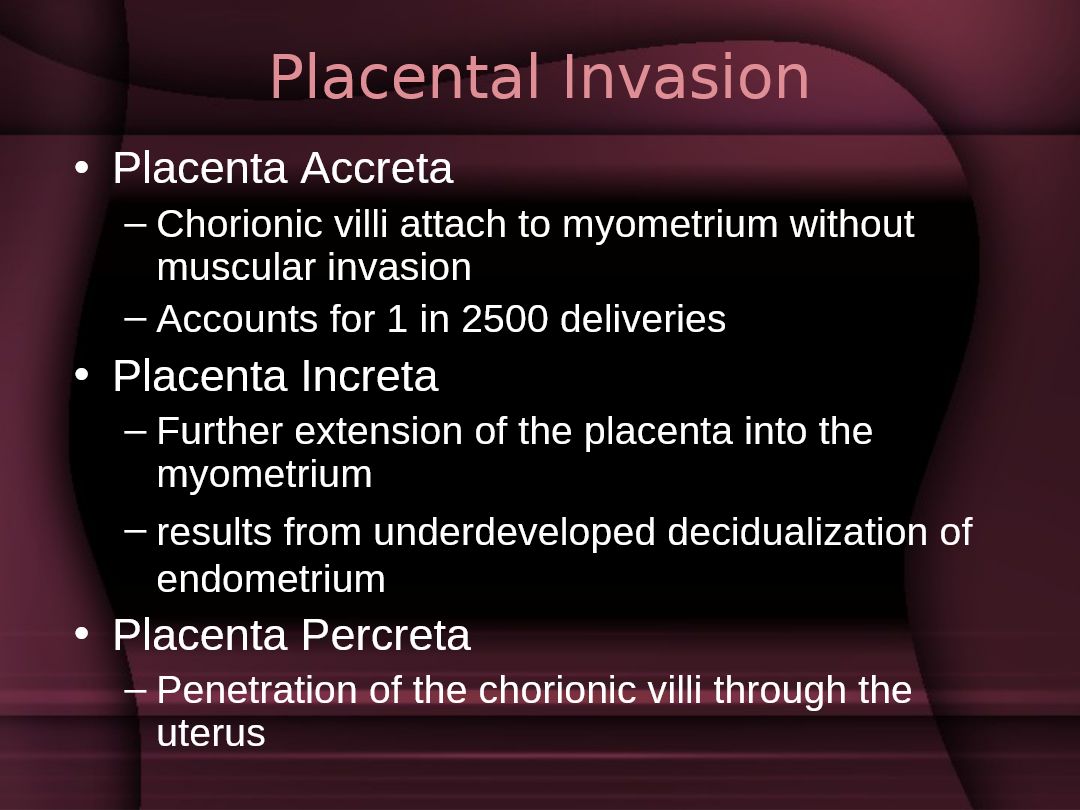
What term describes the chorionic villi being attached to the myometrium without muscular invasion; mildest form, most common?

1

placenta accreta

2

placenta increta

3

placenta percreta

64

Multiple Choice

What term describes the penetration of the chorionic villi through the uterus; rarest form, most severe form?

1

placenta accreta

2

placenta increta

3

placenta percreta

65

media

66

media

67

media

68

media

69

media

70

media

71

media

72

media

73

Multiple Choice

What term describes a placenta that extends beyond the chorionic plate or the attachment of the placental membranes to the fetal surface of the placenta rather than to the underlying villous placental margin?

1

circumvallate placenta

2

annular placenta

3

placenta previa

4

placenta membrancea

74

Fill in the Blank

___________ lobe describes one or more small lobes in addition to the main placenta.

75

media

76

media

77

media

78

media

79

media

80

media

81

media

82

media

83

media

84

media

85

Multiple Choice

Which bleeds are more likely to resolve?

1

1st trimester

2

2nd trimester

3

3rd trimester

4

post-delivery

86

Fill in the Blank

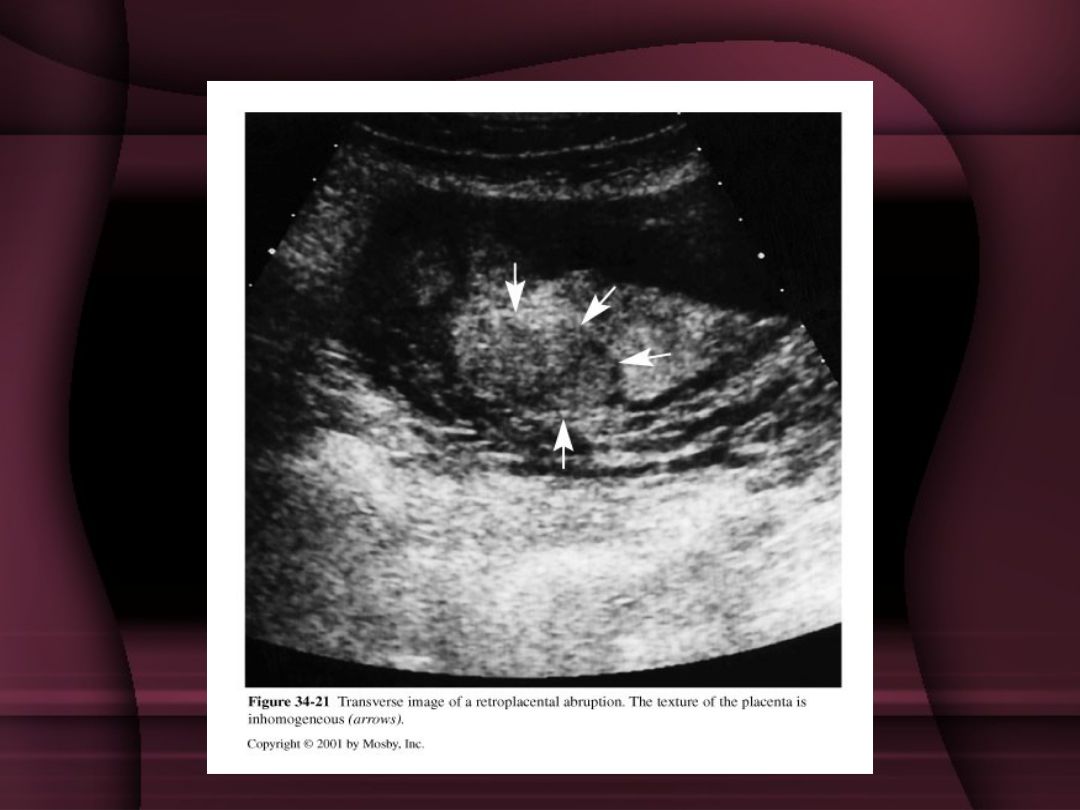
Placental ____________ describes when the premature placental detachment of a normally implanted placenta before delivery

87

media

88

media

89

media

90

media

91

media

92

media

93

media

94

Open Ended

How do the different types of decidua contribute to the process of implantation and early pregnancy?

95

Multiple Choice

What are the main types of decidual changes during embryogenesis?

1

Decidua basalis, Decidua capsularis, Decidua vera (parietalis)

2

Decidua basalis, Decidua compacta, Decidua spongiosa

3

Decidua capsularis, Decidua compacta, Decidua spongiosa

4

Decidua vera, Decidua compacta, Decidua basalis

96

Multiple Choice

Question image

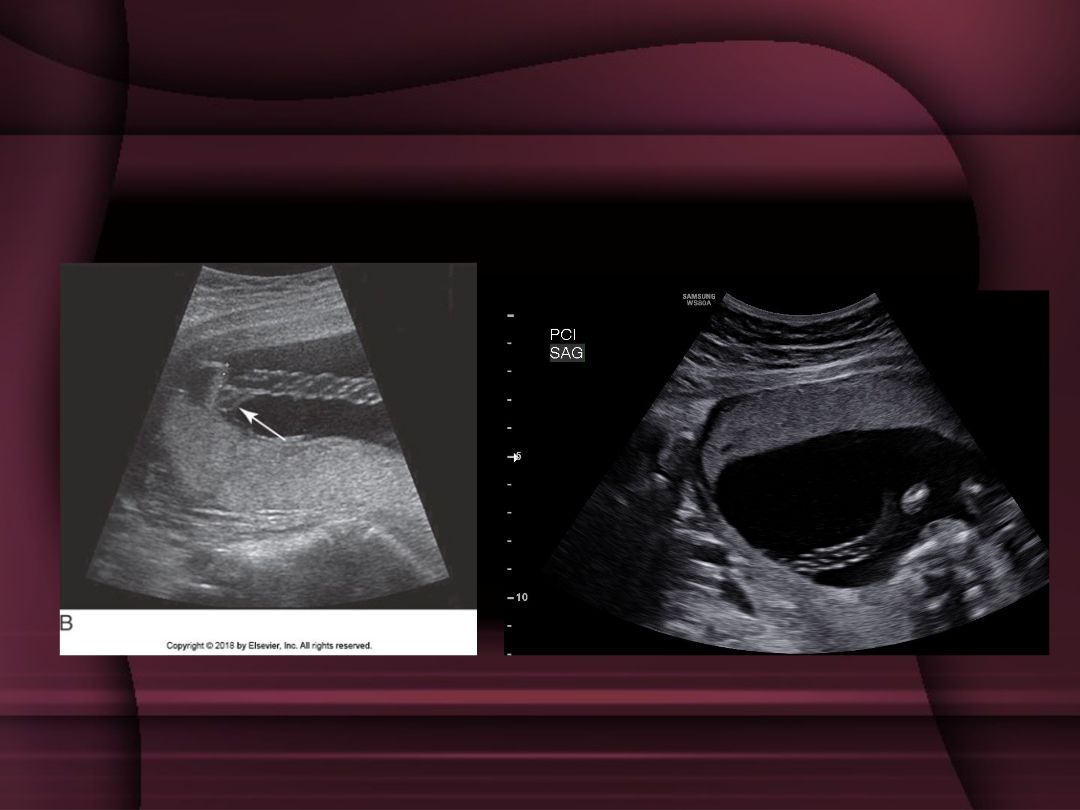
6-8. A 28-year-old G4P2 at 20 weeks' gestation presents for her fetal anatomical survey. There have been no pregnancy complications to date. The placenta is imaged with the findings shown below. What do you document on the ultrasound report?

1

Posterior placenta

2

Posterior placenta with chorioangioma

3

Posterior placenta with succenturiate lobe

4

Posterior placenta with remote subchorionic hematoma

97

Fill in the Blank

What is the major functional unit of the placenta?

98

Multiple Choice

Deoxygenated blood returns to the placenta via what?

1

umbilical vein

2

umbilical artery

3

portal vein

4

hepatic vein

5

hepatic artery

99

Multiple Choice

Oxygenated blood enters the fetus via what?

1

umbilical vein

2

umbilical artery

3

portal vein

4

placental vein

5

hepatic artery

media

Show answer

Auto Play

Slide 1 / 99

SLIDE