

MSU 405 whole

Presentation
•
Other
•
University
•
Practice Problem
•
Medium

Sauder Sauder
Used 8+ times
FREE Resource
86 Slides • 33 Questions
1
2
3
Open Ended
Pregnancies can start off low risk and develop into high-risk situations, or they may start off as high-risk pregnancies to begin with.
What are some pre-existing conditions that would mean the pregnant person has a high-risk pregnancy?
4
How do you think the couple may react on learning this information?

Consider the following scenario: A couple has finally become pregnant after numerous attempts over the last 4 years. The woman is now 37 years old, and her partner is 40. The couple is informed that the pregnancy, for various reasons, is considered high risk.
5
Cervical Insufficiency
Bleeding during pregnancy
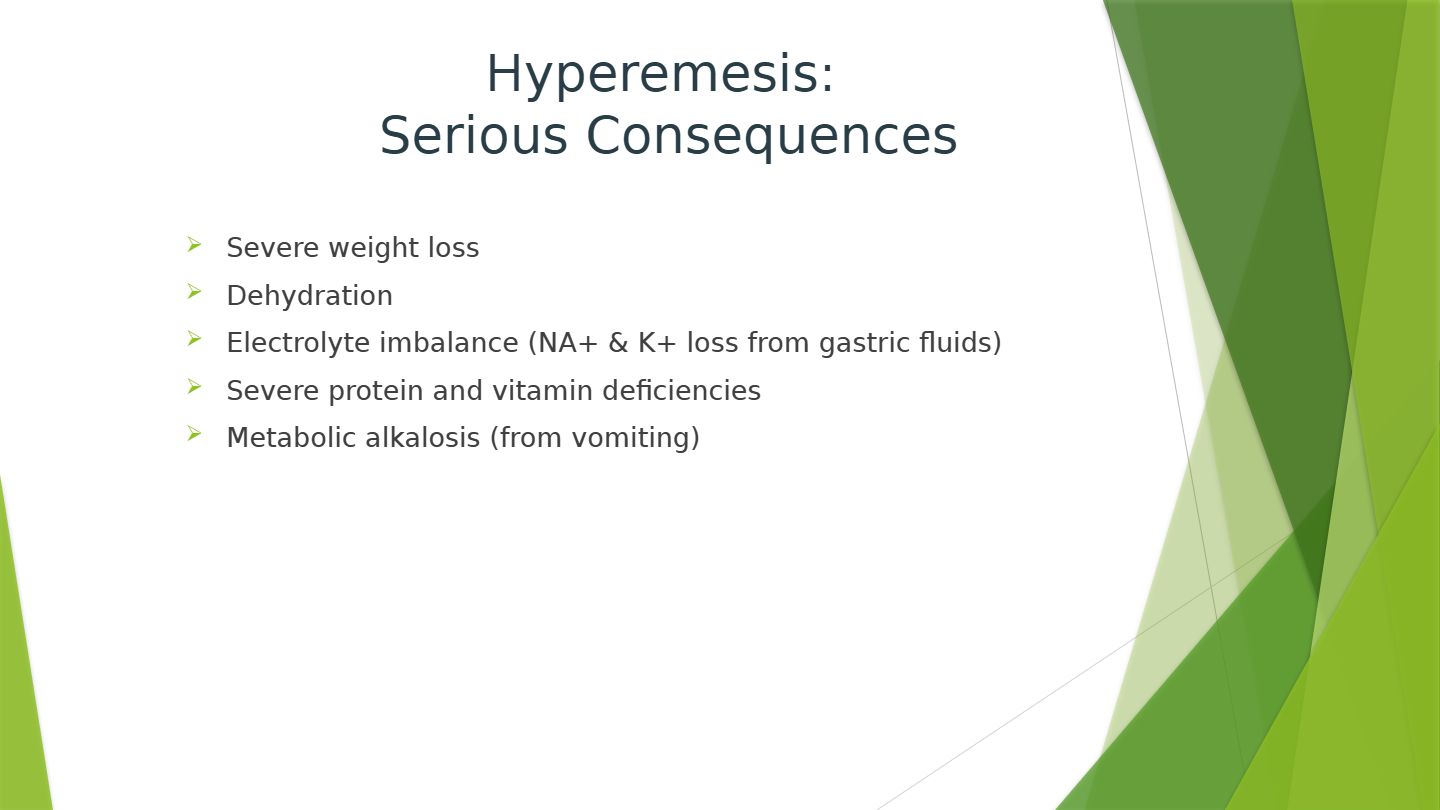
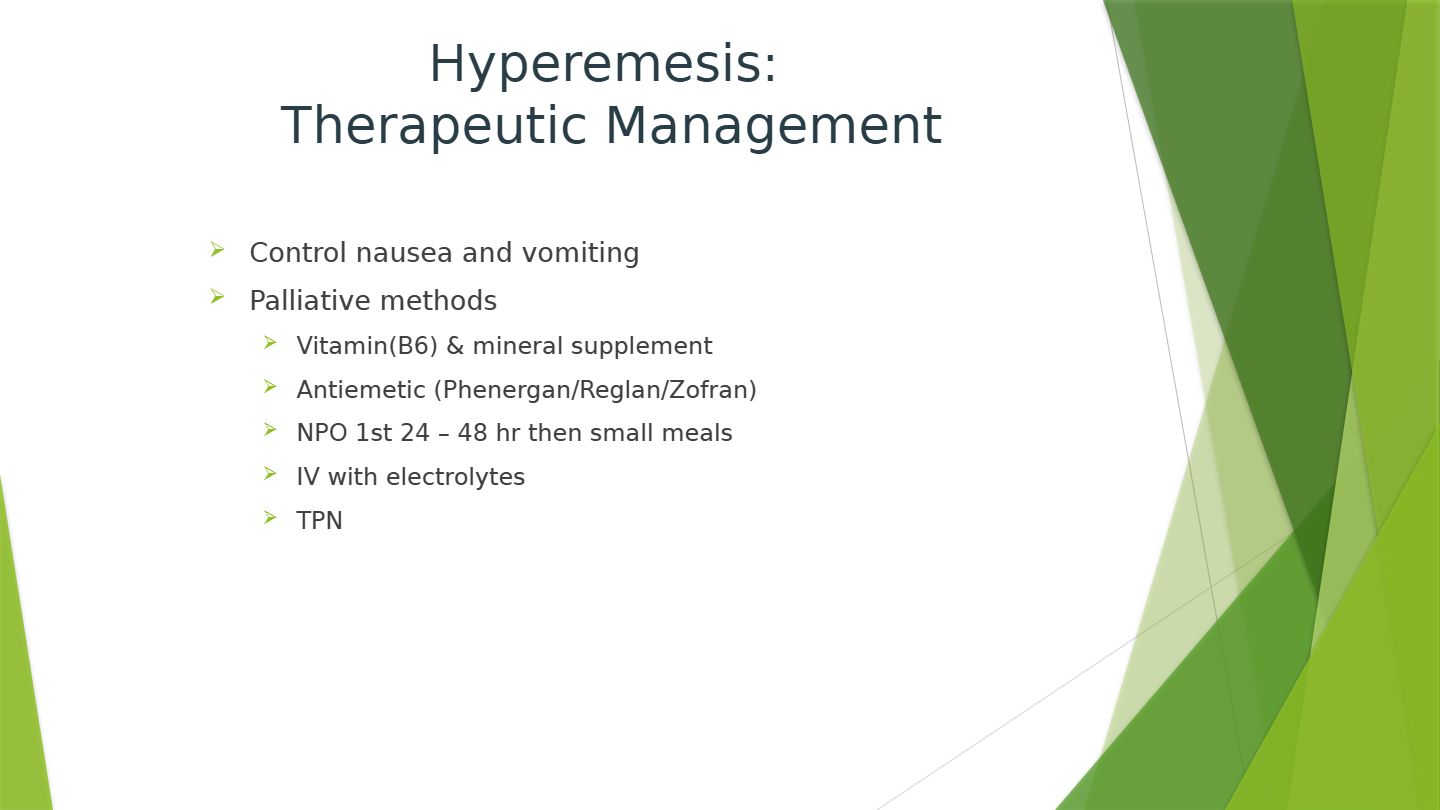
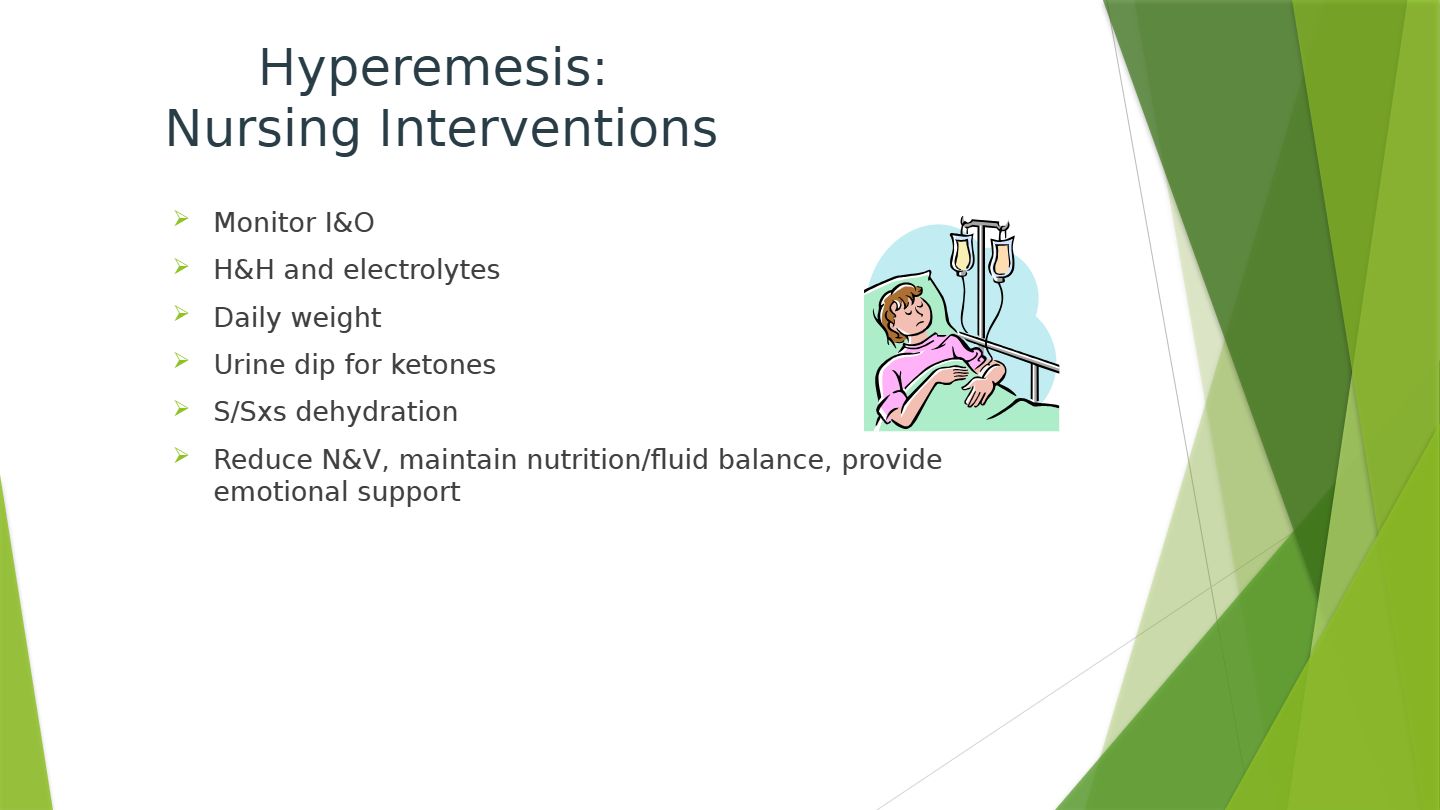
Hyperemesis gravidarum
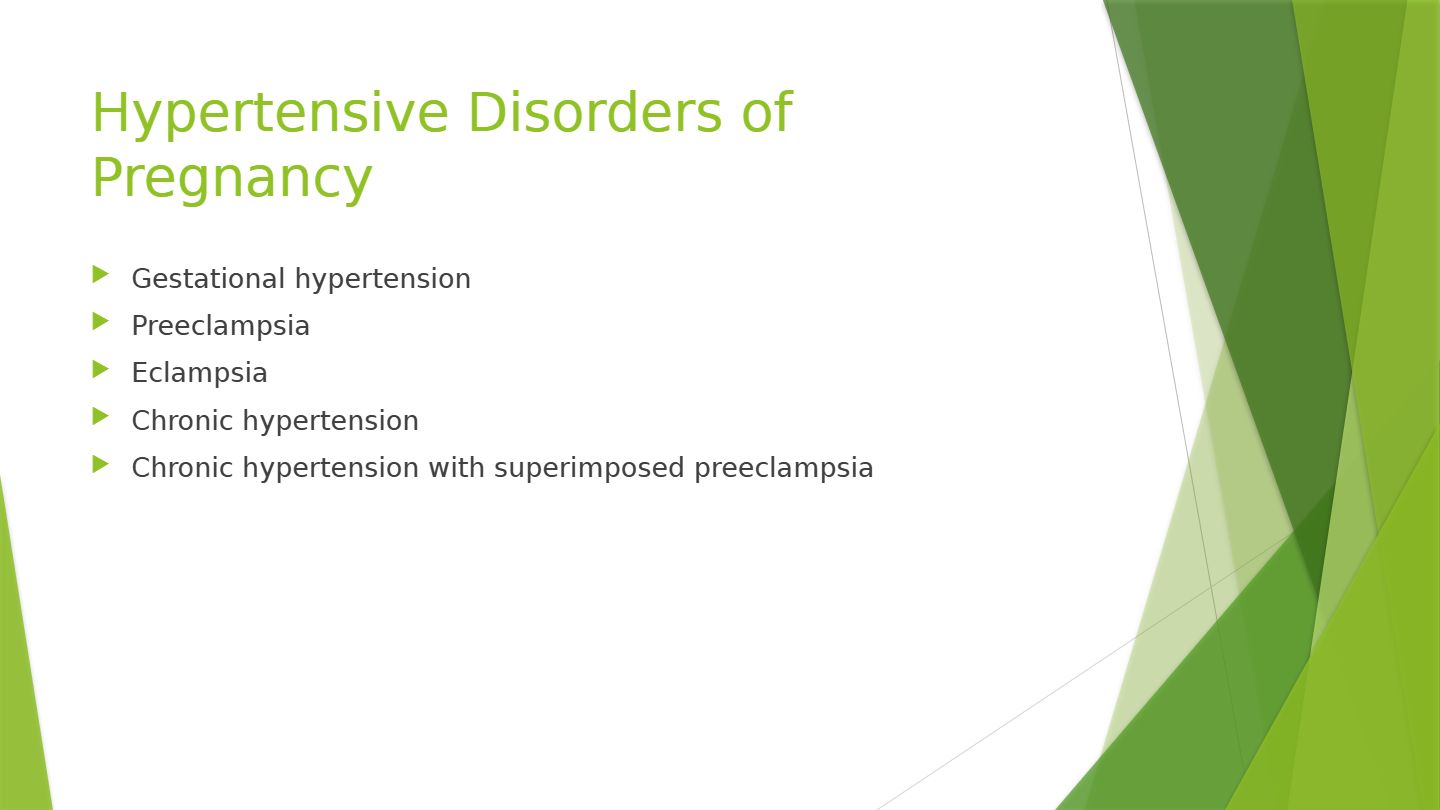
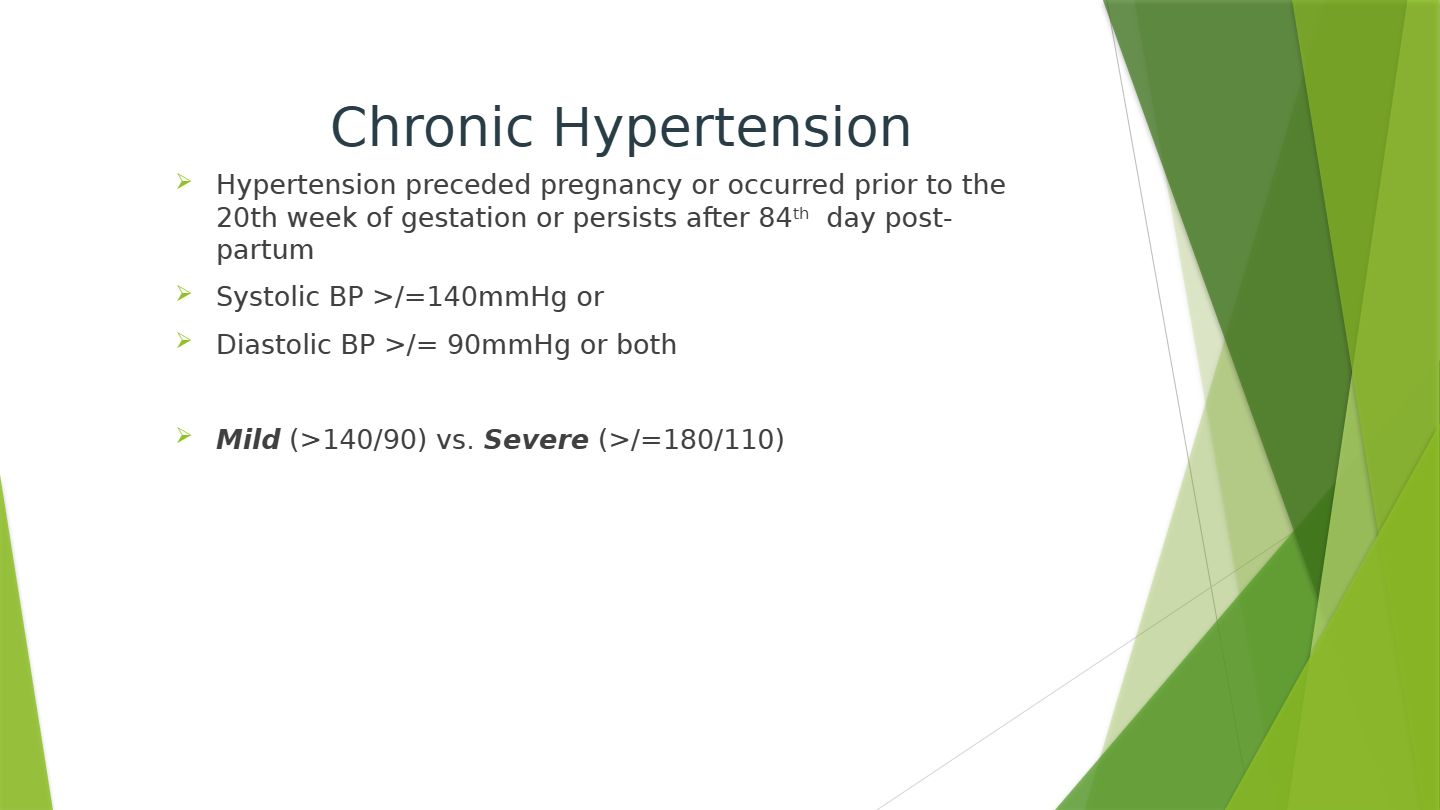
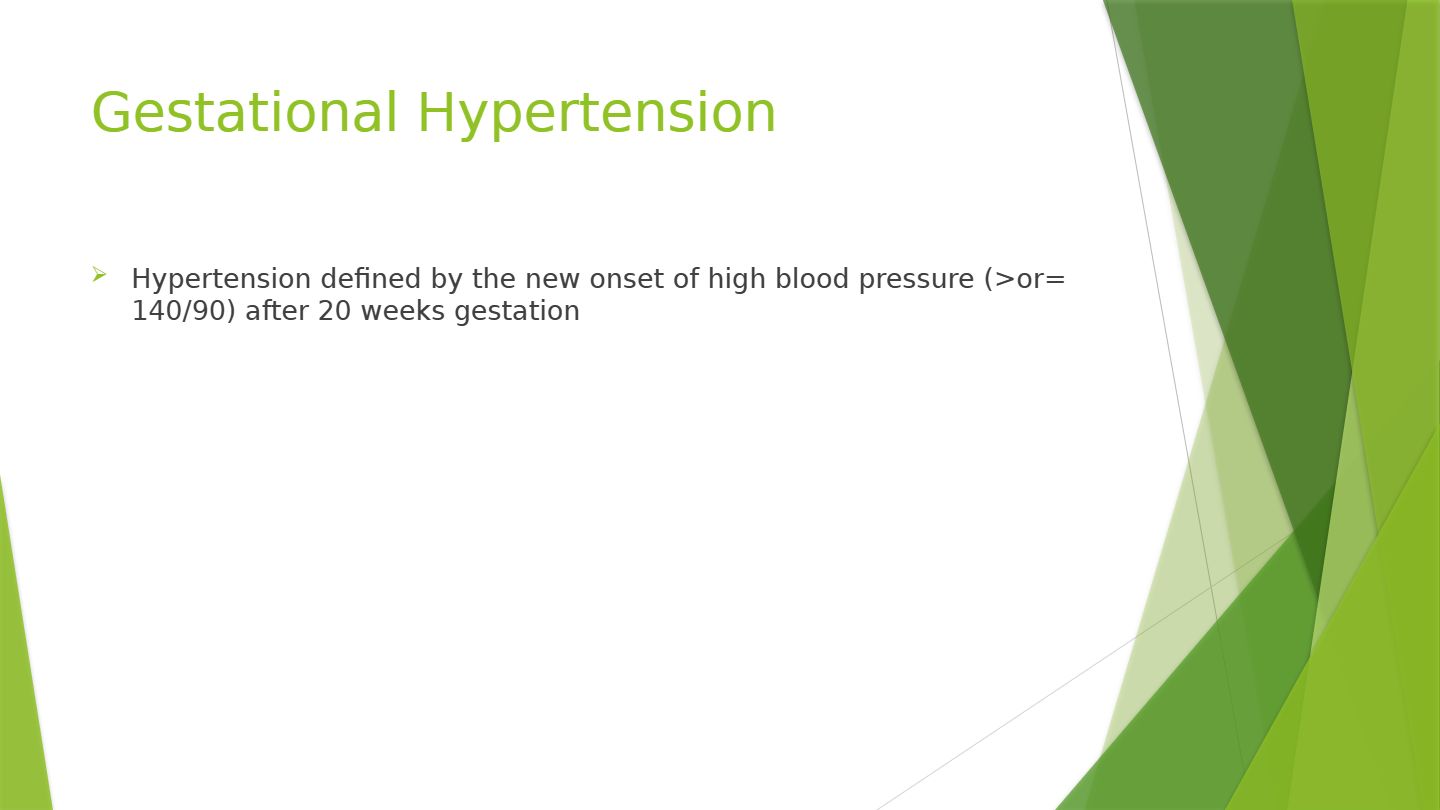
Gestational hypertension
HELLP syndrome
Gestational diabetes
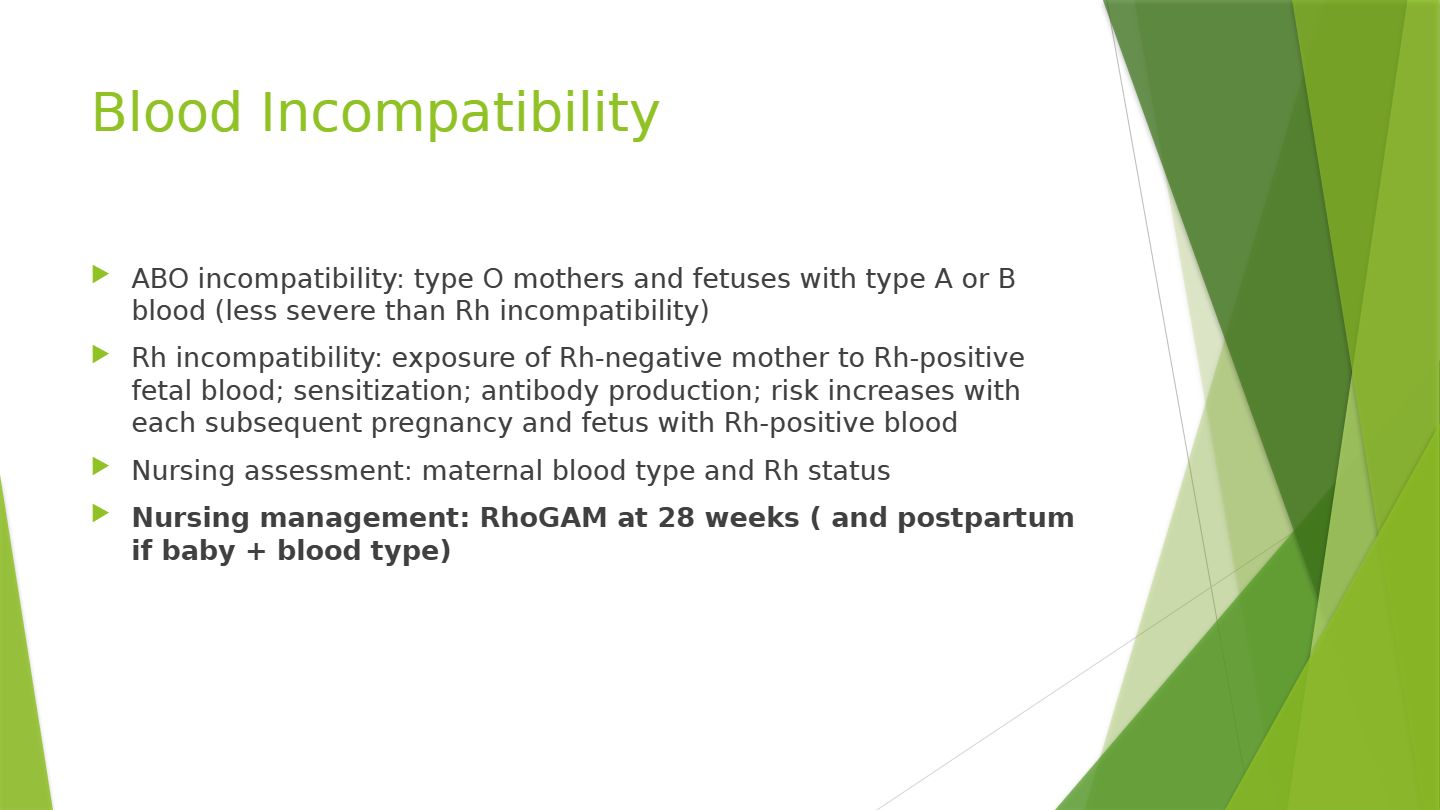
Blood incompatibility
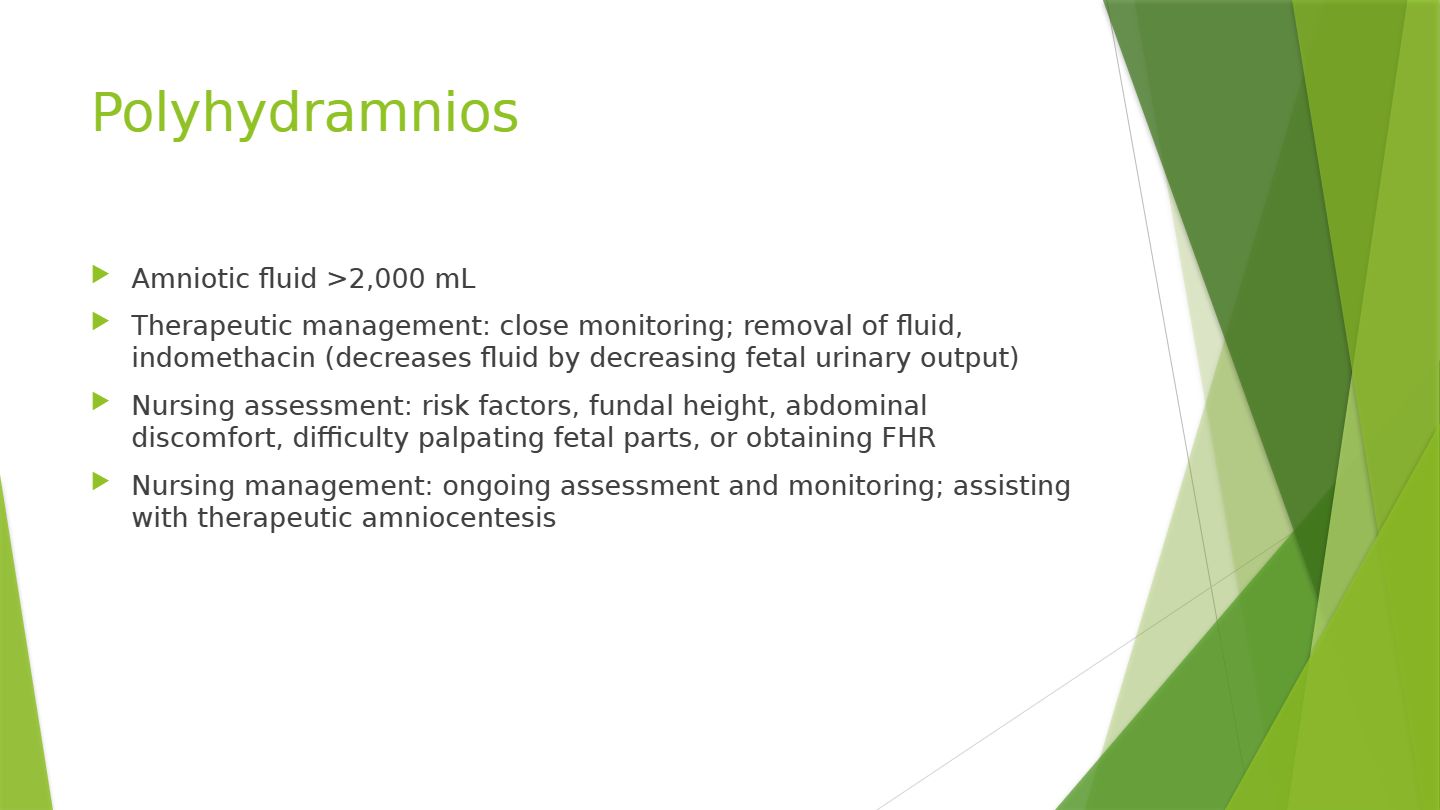
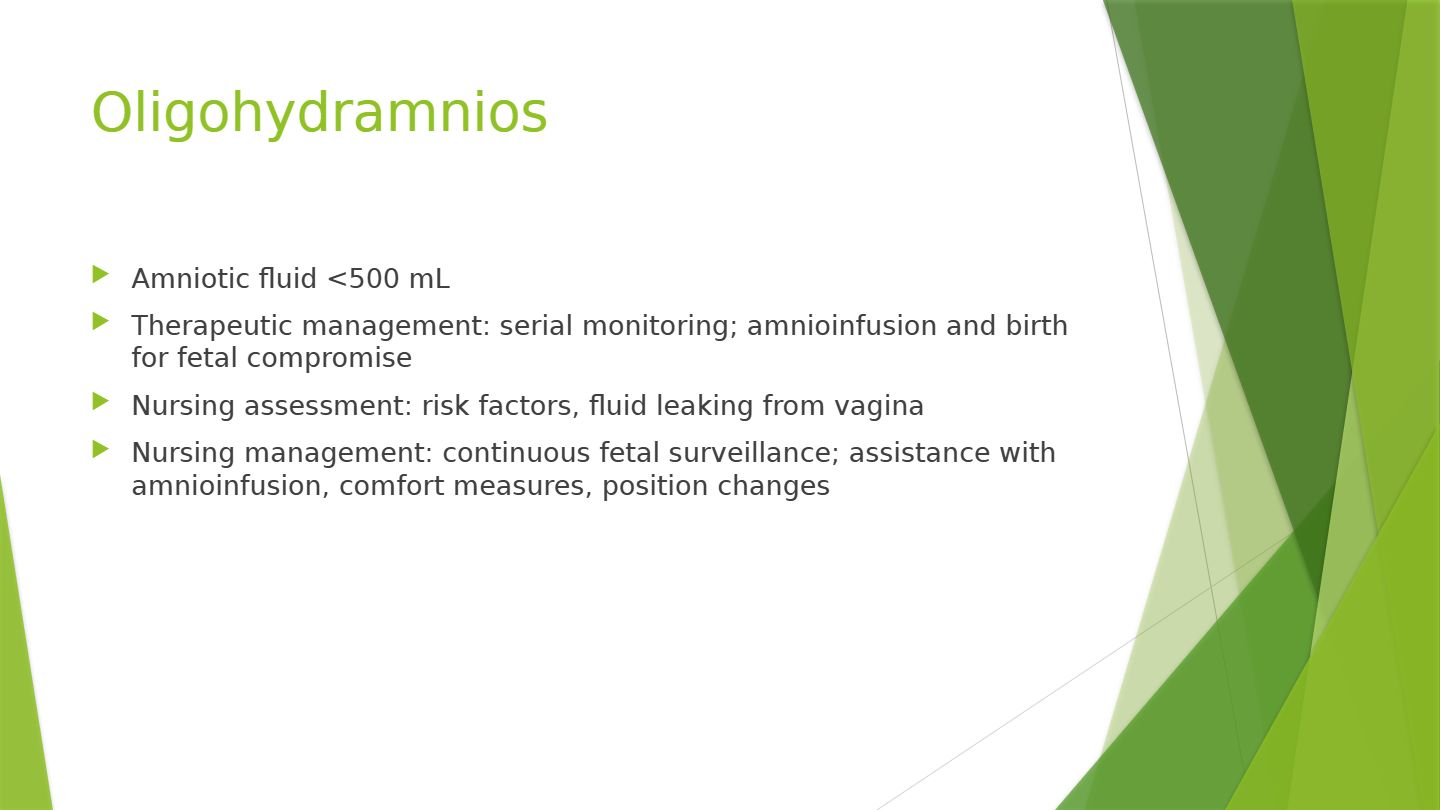
Amniotic fluid imbalances
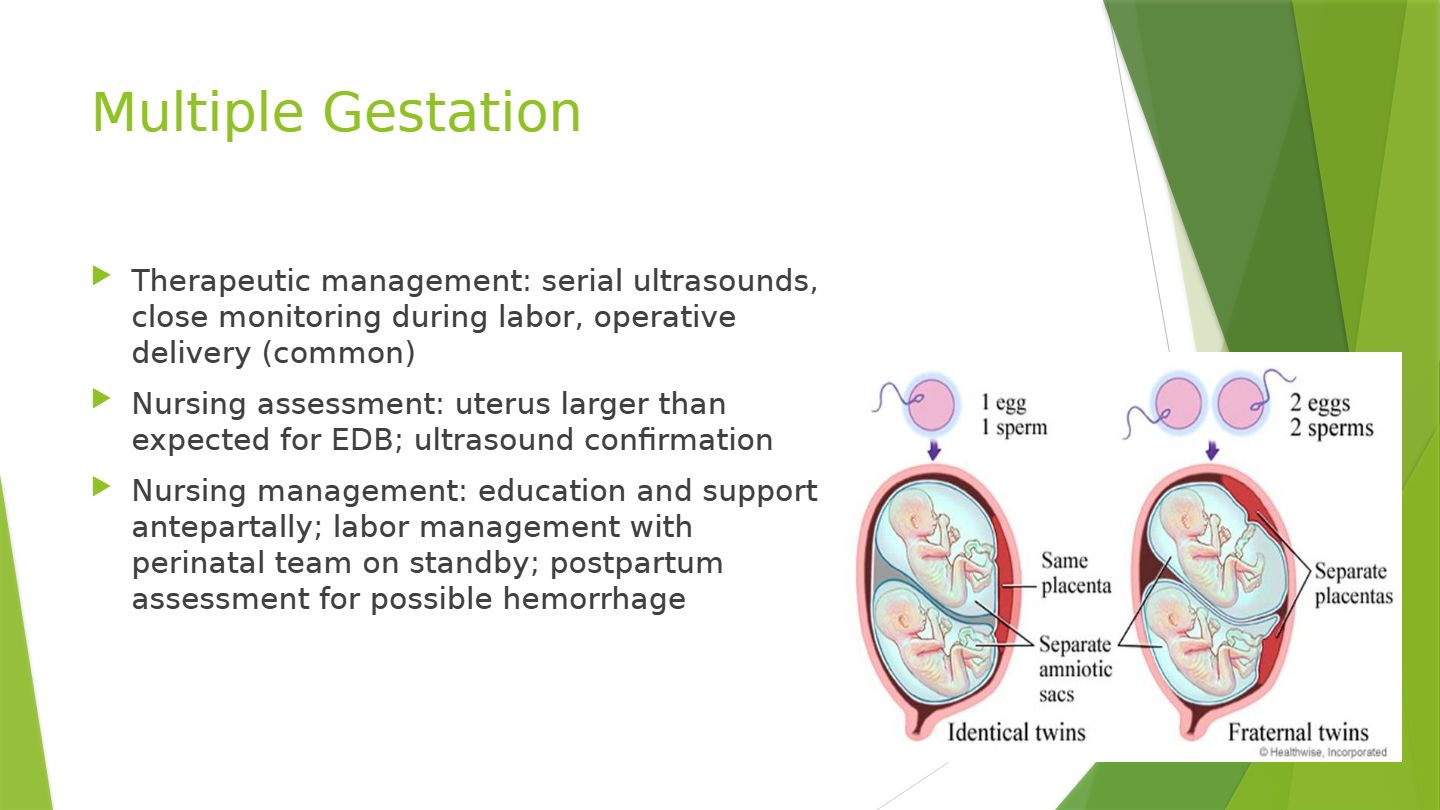
Multiple gestation
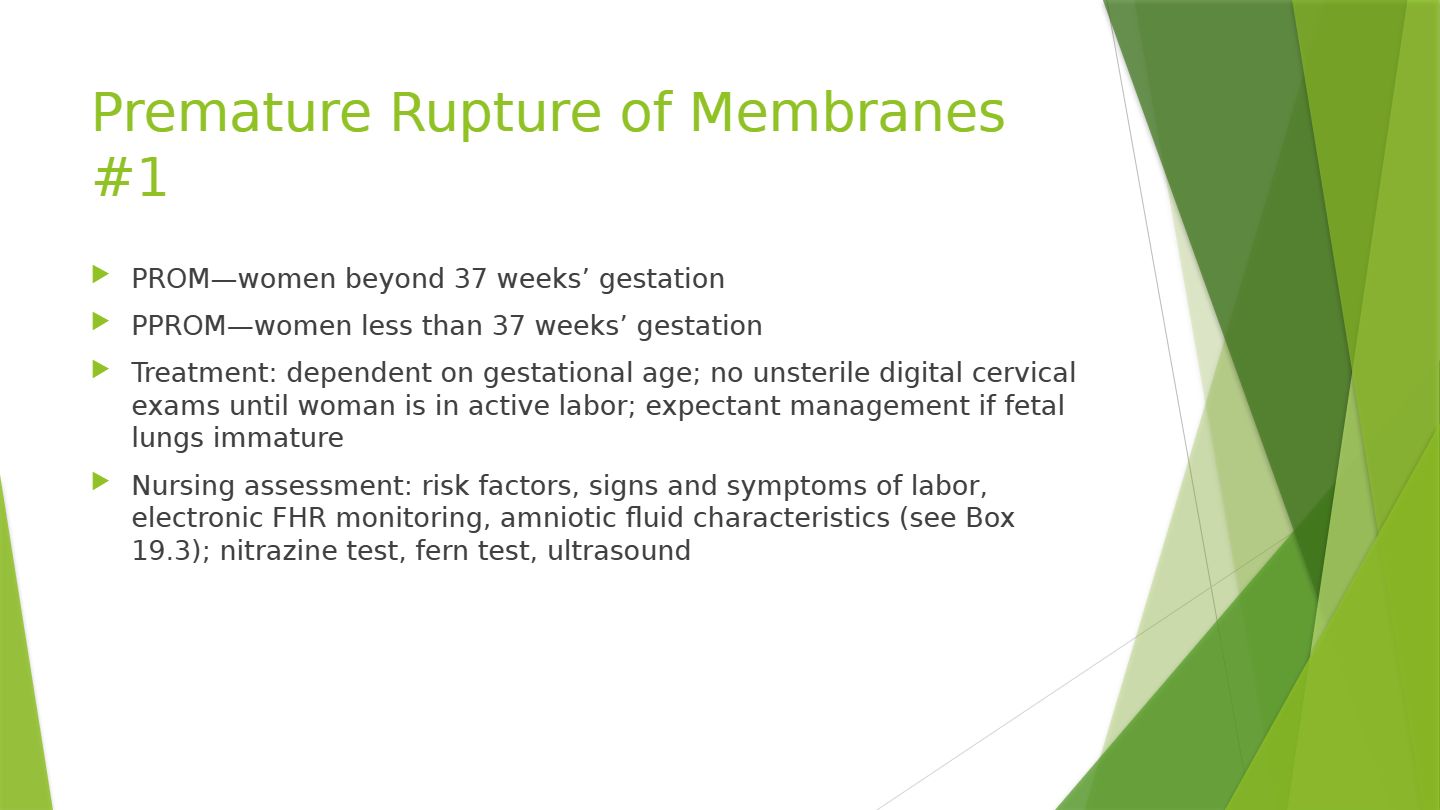
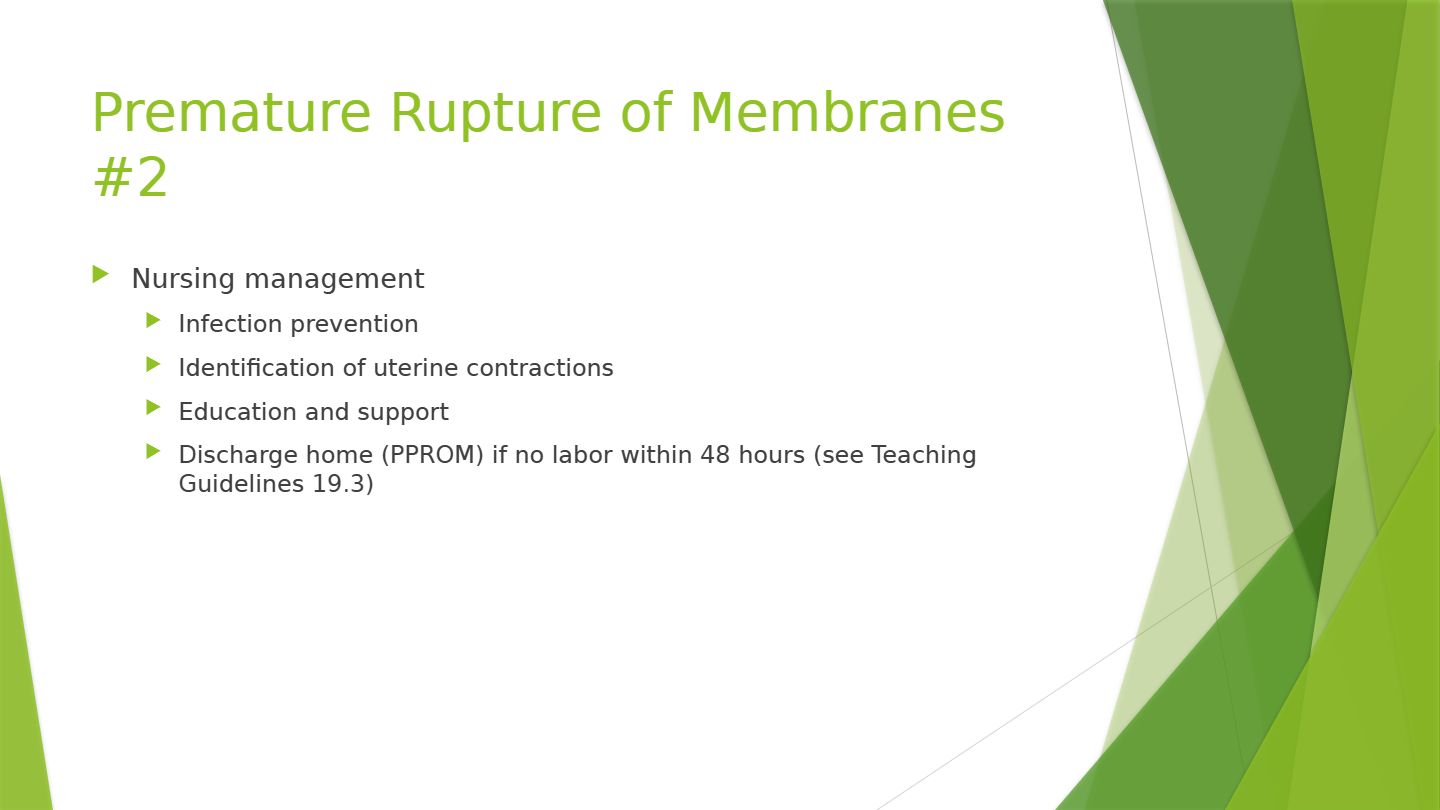
Premature rupture of membranes
(Spontaneous abortion, Ectopic pregnancy, and Gestational trophoblastic disease were covered in Previous Class)
6
Multiple Choice
A nurse in the emergency department is caring for a client who reports abrupt, sharp, right-sided lower quadrant abdominal pain and bright red vaginal bleeding. The client states, "I missed one menstrual cycle and cannot be pregnant because I have an intrauterine device." The nurse should suspect which of the following?
Missed abortion
Ectopic pregnancy
Severe pre-eclampsia
Hydatidiform mole
7
Premature dilatation of cervix
Cause unknown; possibly due to cervical damage
Therapeutic management:
Bed rest, pelvic rest, avoidance of heavy lifting
Cervical cerclage


8
Nursing assessment
Risk factors
Pink-tinged vaginal discharge or pelvic pressure
Cervical shortening via transvaginal ultrasound
Nursing management
Continuing surveillance; close monitoring for preterm labor
Emotional support
Education

9
OB Emergency
-> Leading cause of maternal death
-> Can occur during pregnancy, during labor, and/or after delivery antepartum, intrapartum, postpartum
10


11
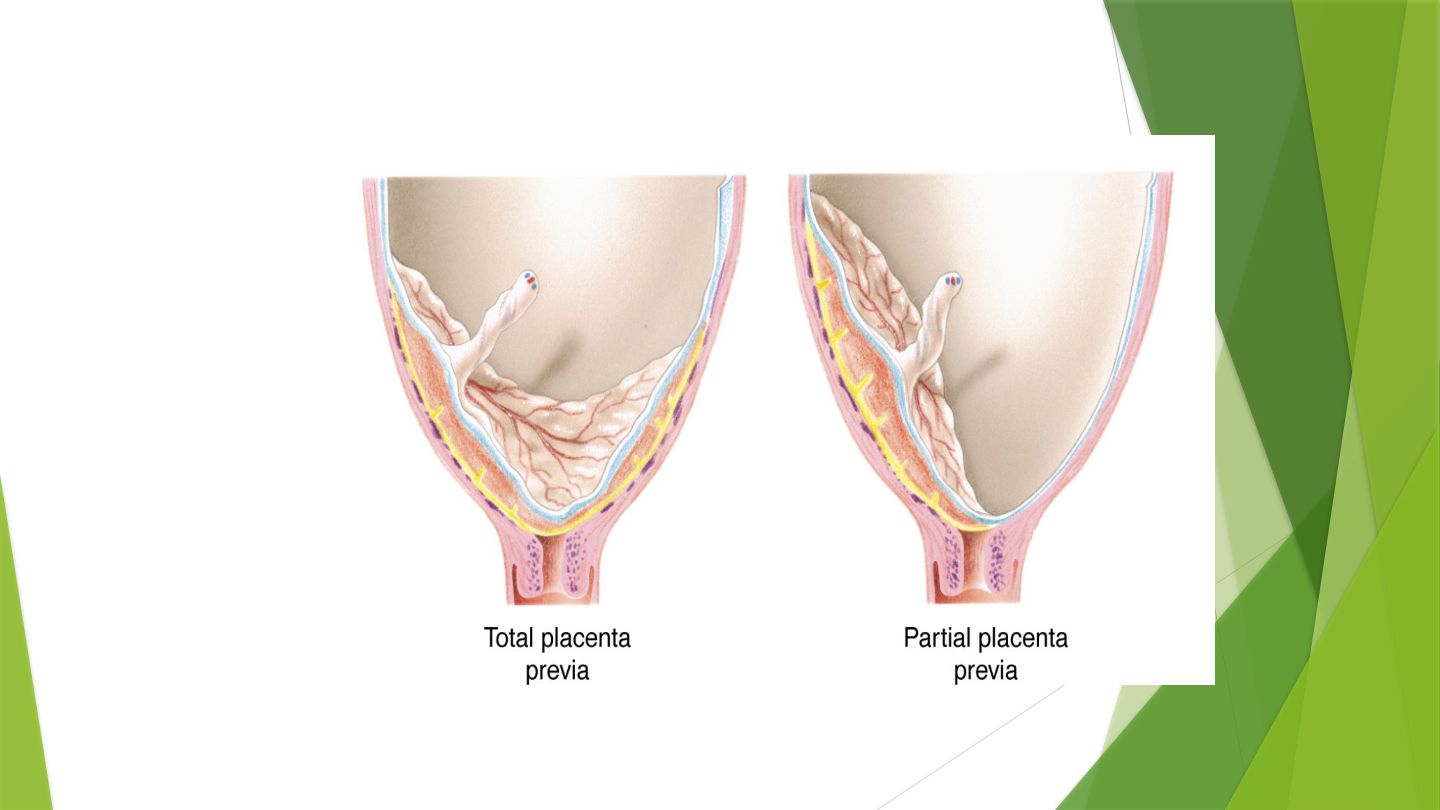
Placenta Previa
when the placenta is inserted wholly or partly into the lower uterine segment of the uterus, partially or completely covering the internal cervical opening
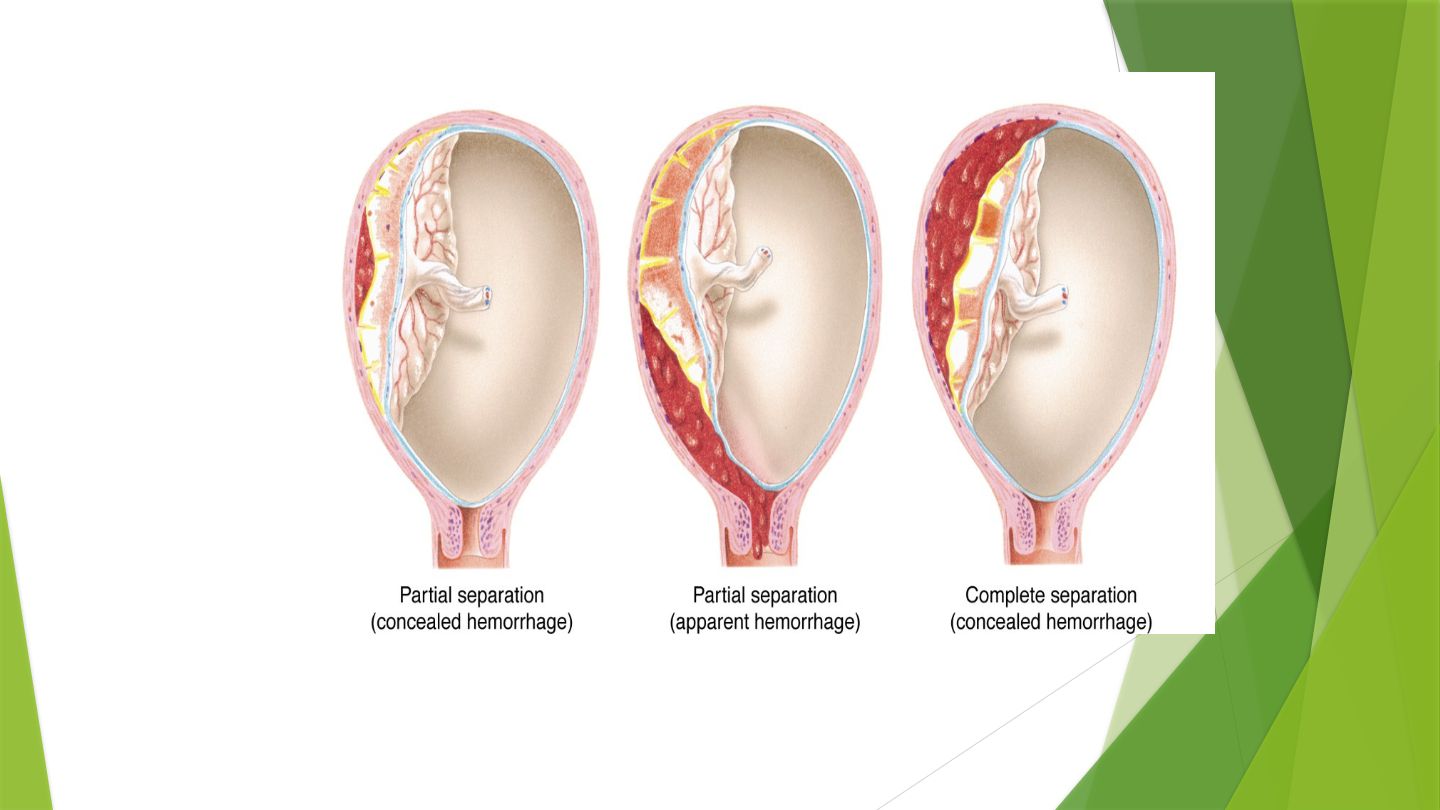
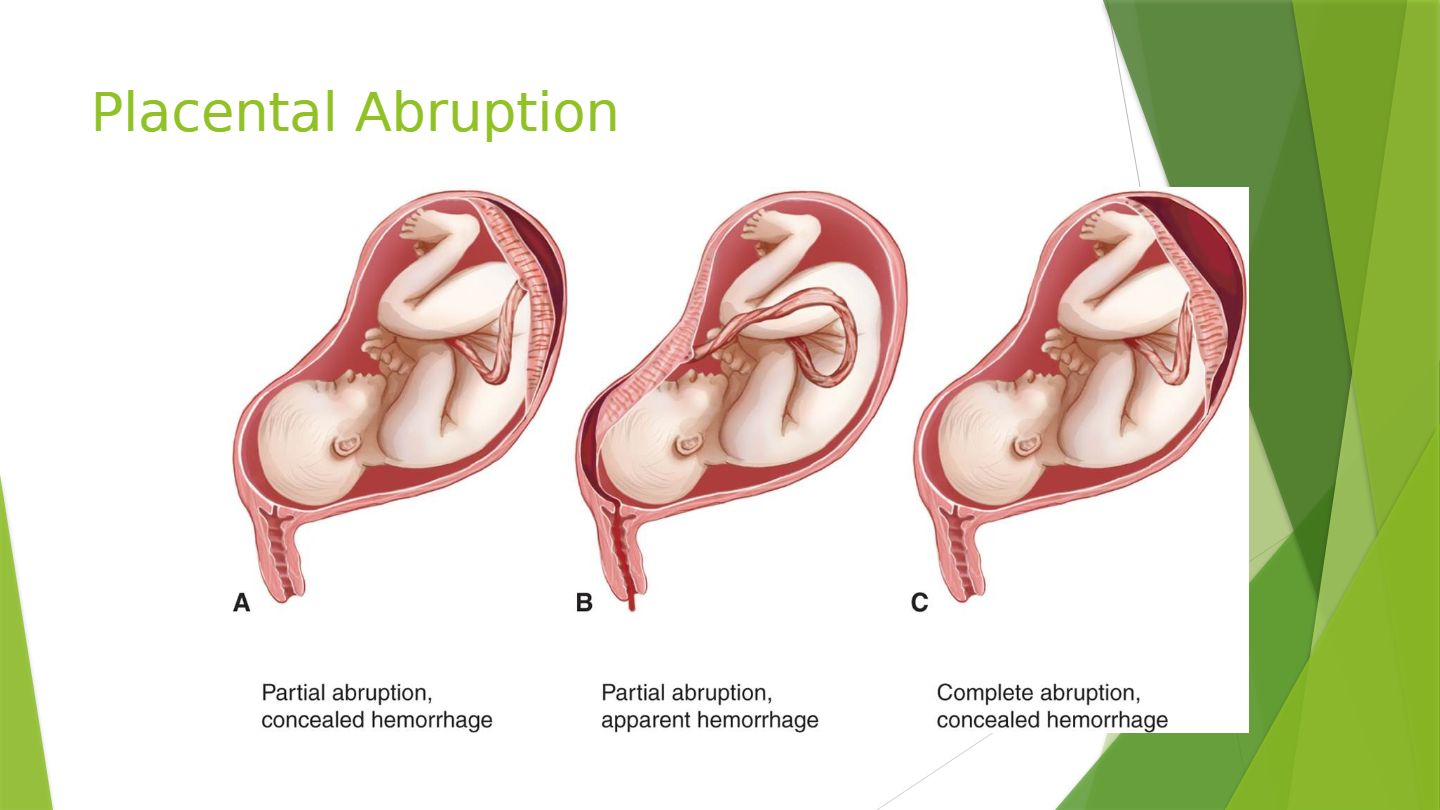
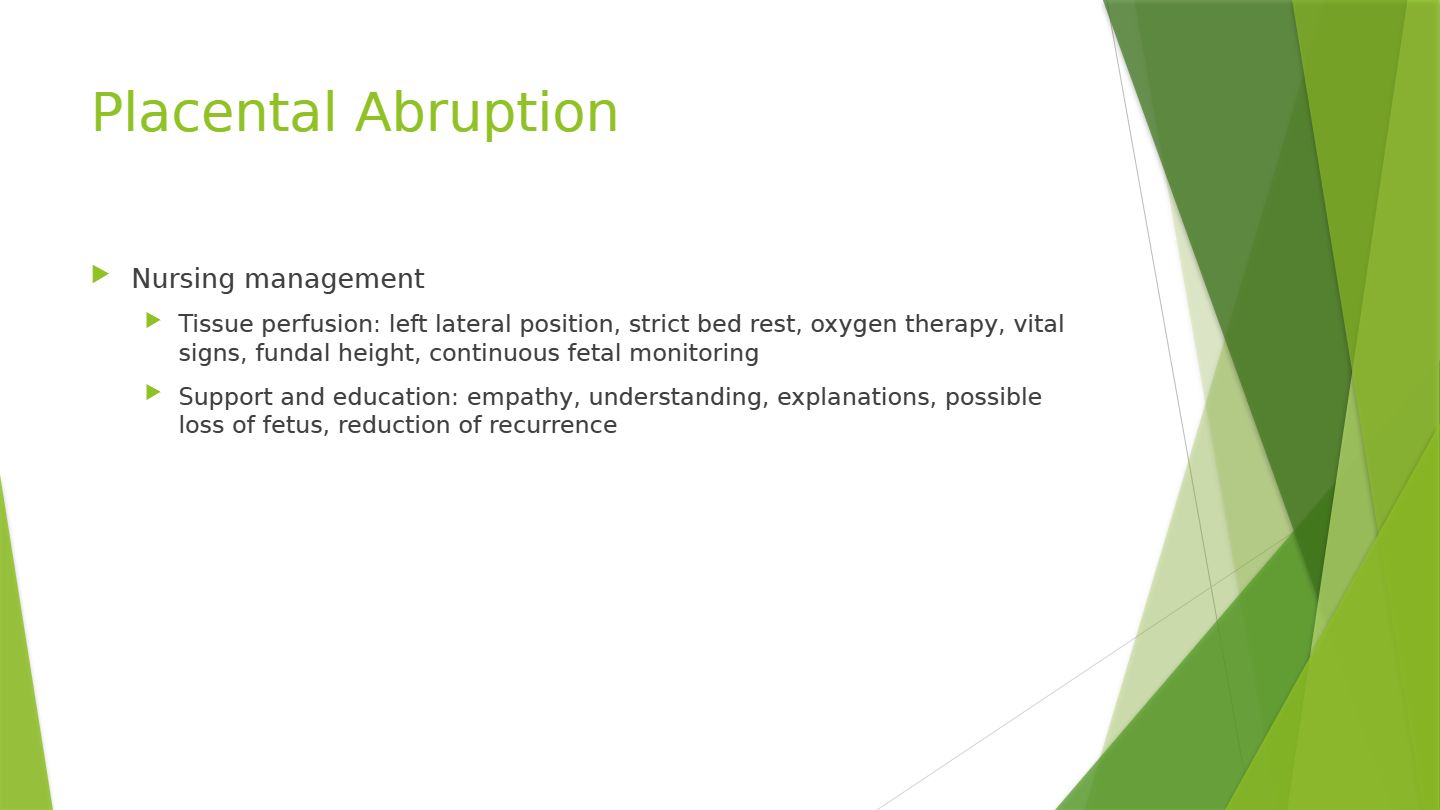
Placental Abruption
the early separation of a normally implanted placenta after the 20th week of gestation, prior to birth
Placenta Accreta, Increta, and Percreta
placenta abnormally adherent to the myometrium; penetration of the myometrium; invasion of the myometrium to the peritoneal covering
12

13
Multiple Choice
A nurse is caring for a client who is at 32 weeks of gestation and has a placenta previa. The nurse notes that the client is actively bleeding. Which of the following medications should the nurse expect the provider will prescribe?
Betamethasone (Celestone)
Indomethacin (Indocin)
Nifedipine (Procardia)
Methylergonovine (Methergine)
14
Therapeutic management: dependent on bleeding, amount of placenta over os, fetal development and position, maternal parity, labor signs and symptoms
Preparation for possible cesarean birth
Placenta Previa

15
What is the nurse's role?
Placenta Previa
16
What is the nurse's role?
Placenta Previa
Monitoring maternal-fetal status
vaginal bleeding / pad count
AVOID vaginal exams!
EFM
Support and educate
Prepare for C/S prn
17
18
Multiple Choice
A client with placenta previa is being treated with expectant management.
The client and fetus are stable. The nurse is assessing the client for possible
discharge home. Which statement by the client suggests to the nurse that home
care might not be appropriate?
"My parent lives next door and can drive me here if necessary"
"I have a toddler and preschool-age child at home who need my attention."
"I know to call my health care provider right away if I start to bleed again."
"I realize the importance of following the instructions for my care."
19
Multiple Select
A nurse is providing care for a client who has a marginal abruptio placentae. Which of the following findings are risk factors for developing the condition? Select all that apply.
Fetal Position
Blunt abdominal trauma
Cocaine use
Maternal age
Cigarette smoking
20
21
22
23
Multiple Choice
A client with hyperemesis gravidarum asks the nurse about suggestions to
minimize nausea and vomiting. Which suggestion will the nurse provide?
"Make sure that anything around your waist is quite snug."
"Try to eat three large meals a day with less snacking."
"Drink fluids in between meals rather than with meals."
"Lie down for about an hour after you eat."
24
25
26
27
Multiple Choice
A client with hyperemesis gravidarum is admitted to the facility after being
cared for at home without success. Which order does the nurse expect to find in
the chart?
nothing by mouth
clear liquid diet
total parenteral nutrition
regular diet
28
29
30
31
Multiple Choice
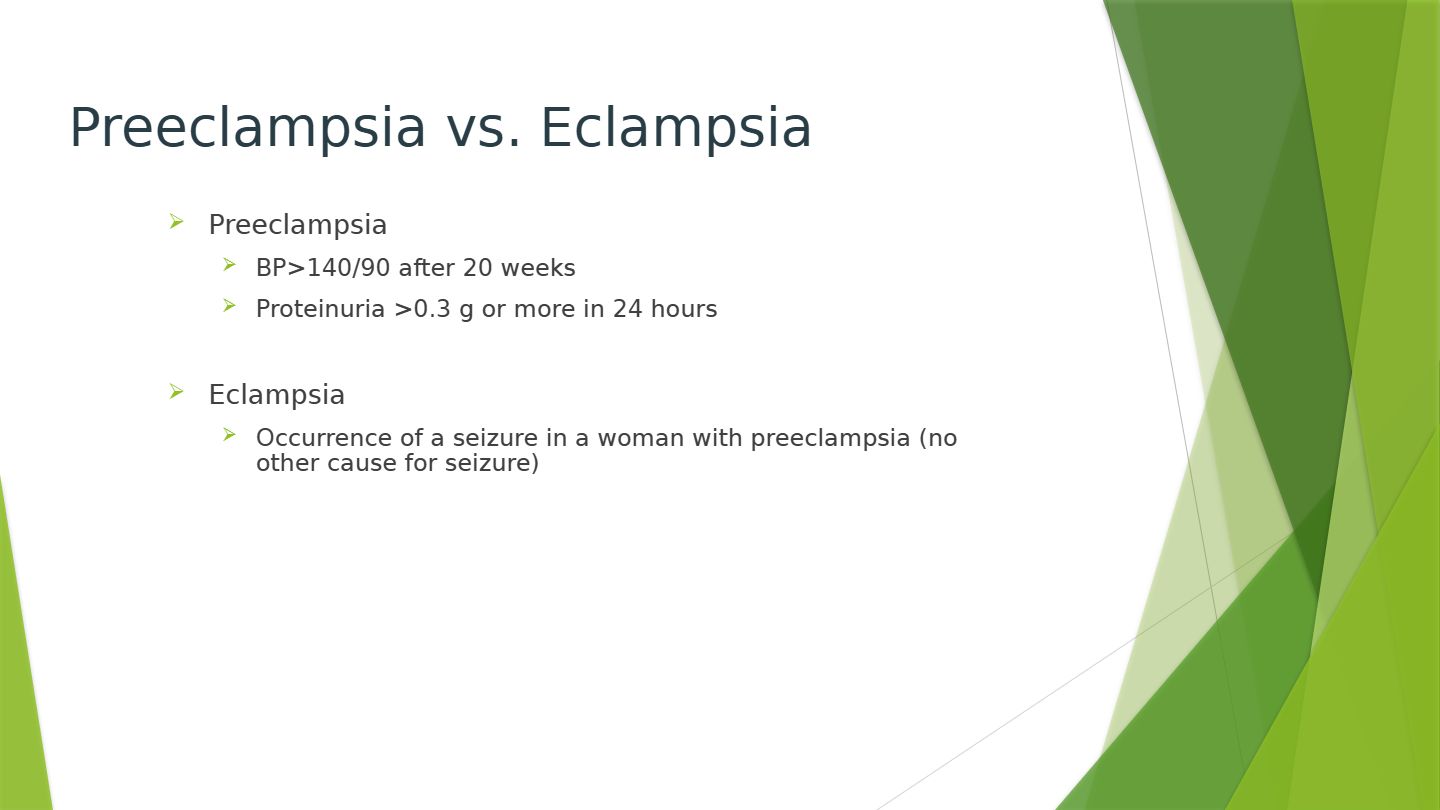
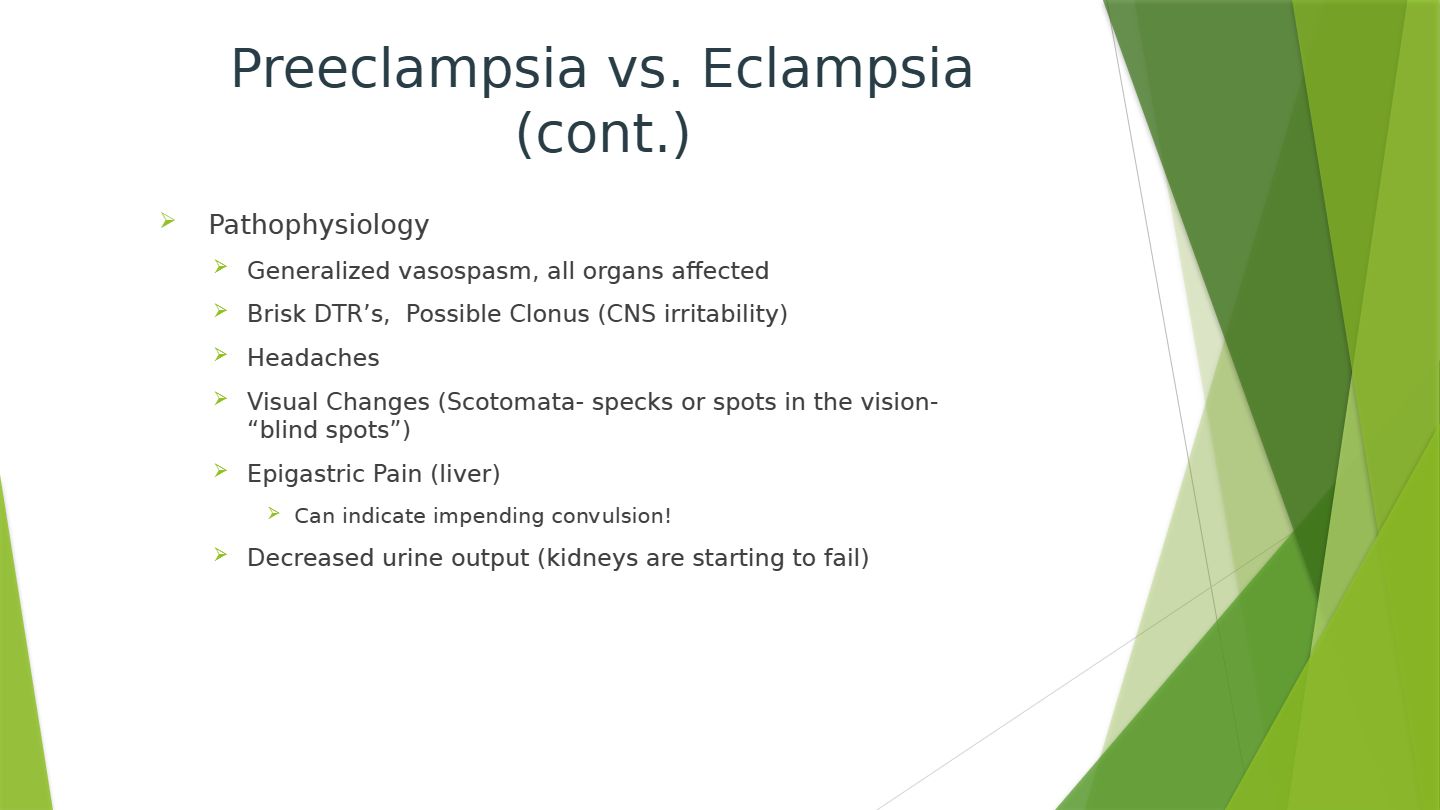
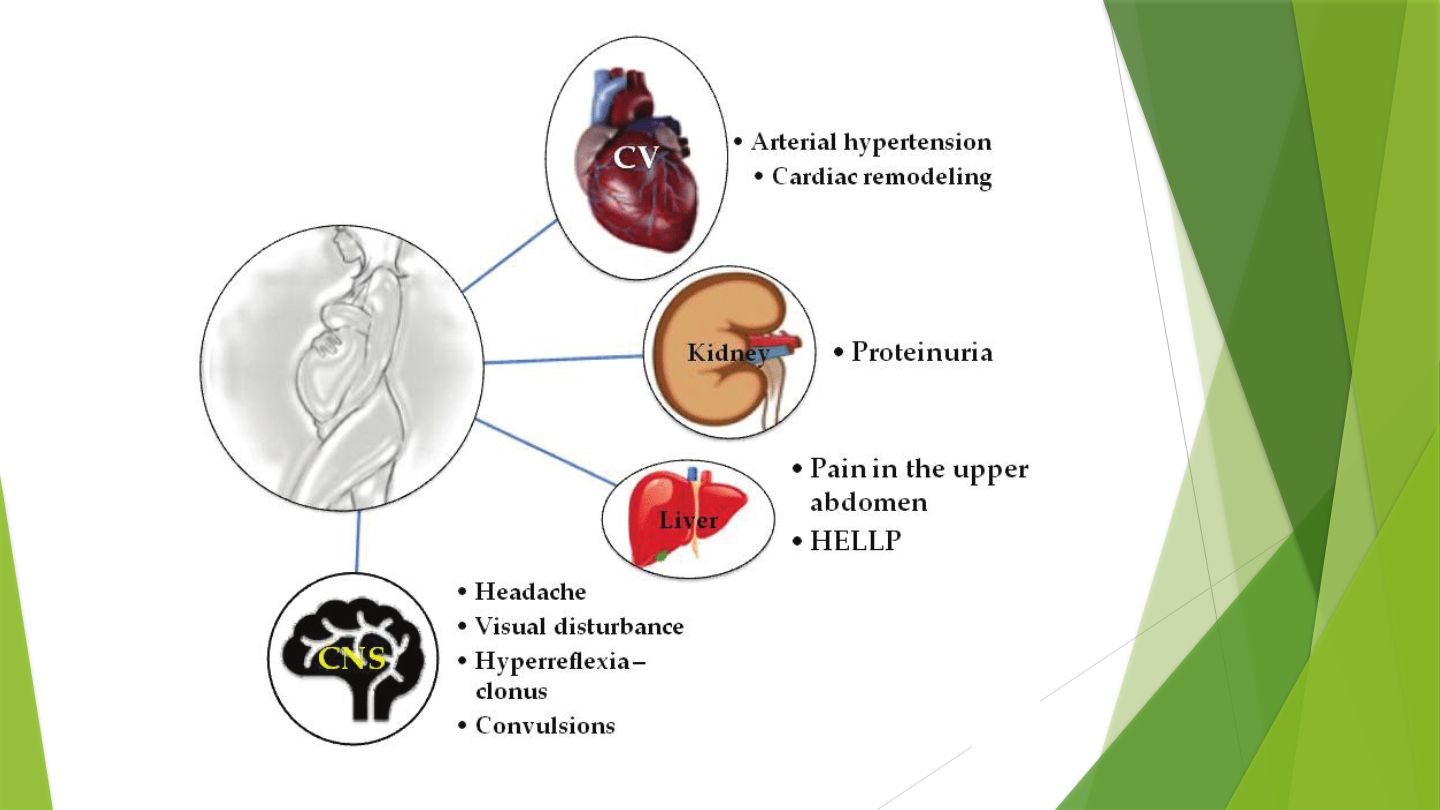
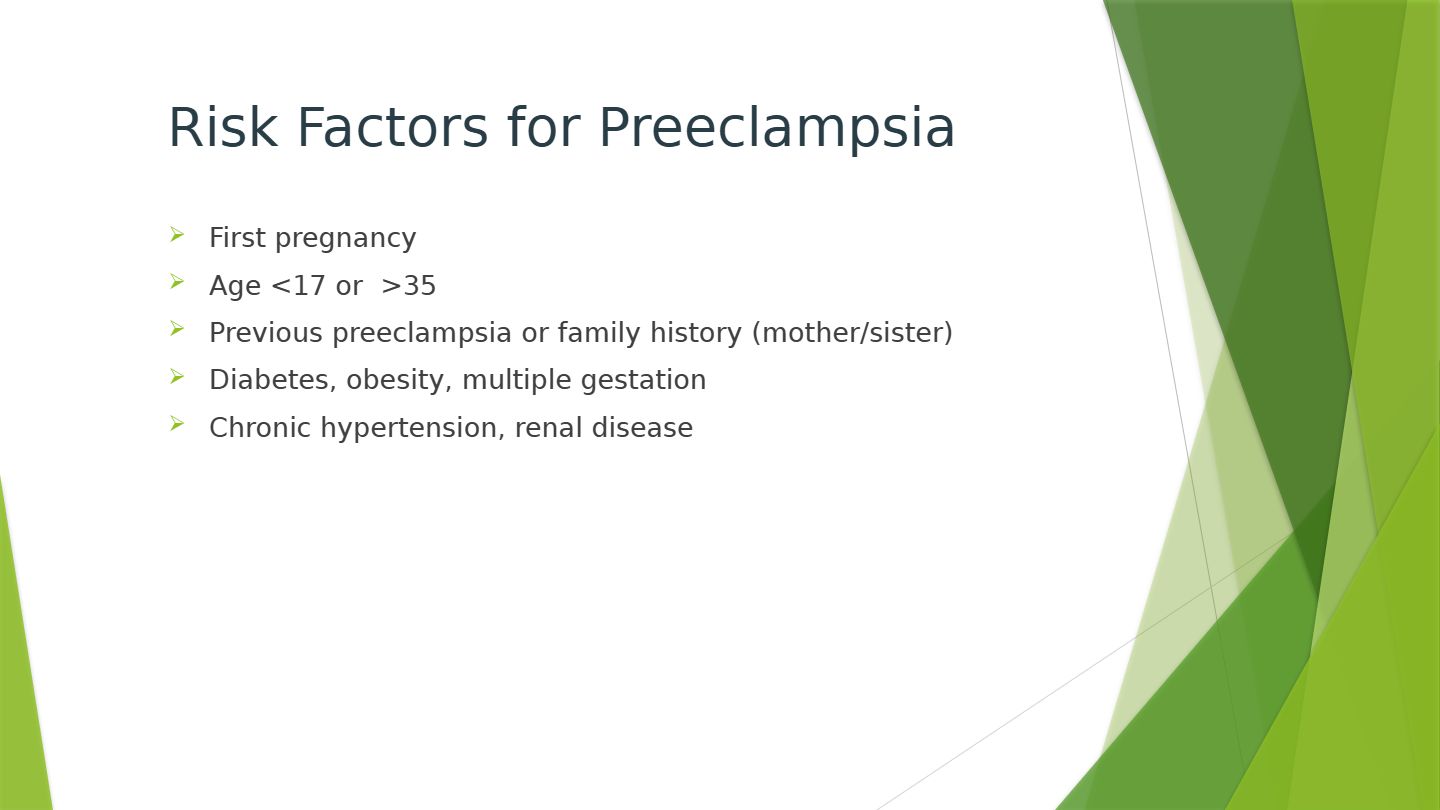
A nurse is assessing a pregnant client with gestational hypertension. Which
finding leads the nurse to suspect that the client has developed preeclampsia
with severe features?
urine protein 300 mg/24 hours
blood pressure 150/96 mm Hg
mild facial edema
4+ deep tendon reflexes
32
33
34
35
36
37
38
39
Multiple Choice
A client with gestational hypertension develops eclampsia and experiences a
seizure. Which intervention is the priority?
fluid replacement
oxygenation
control of hypertension
birth of the fetus
40
41
42
43
Multiple Choice
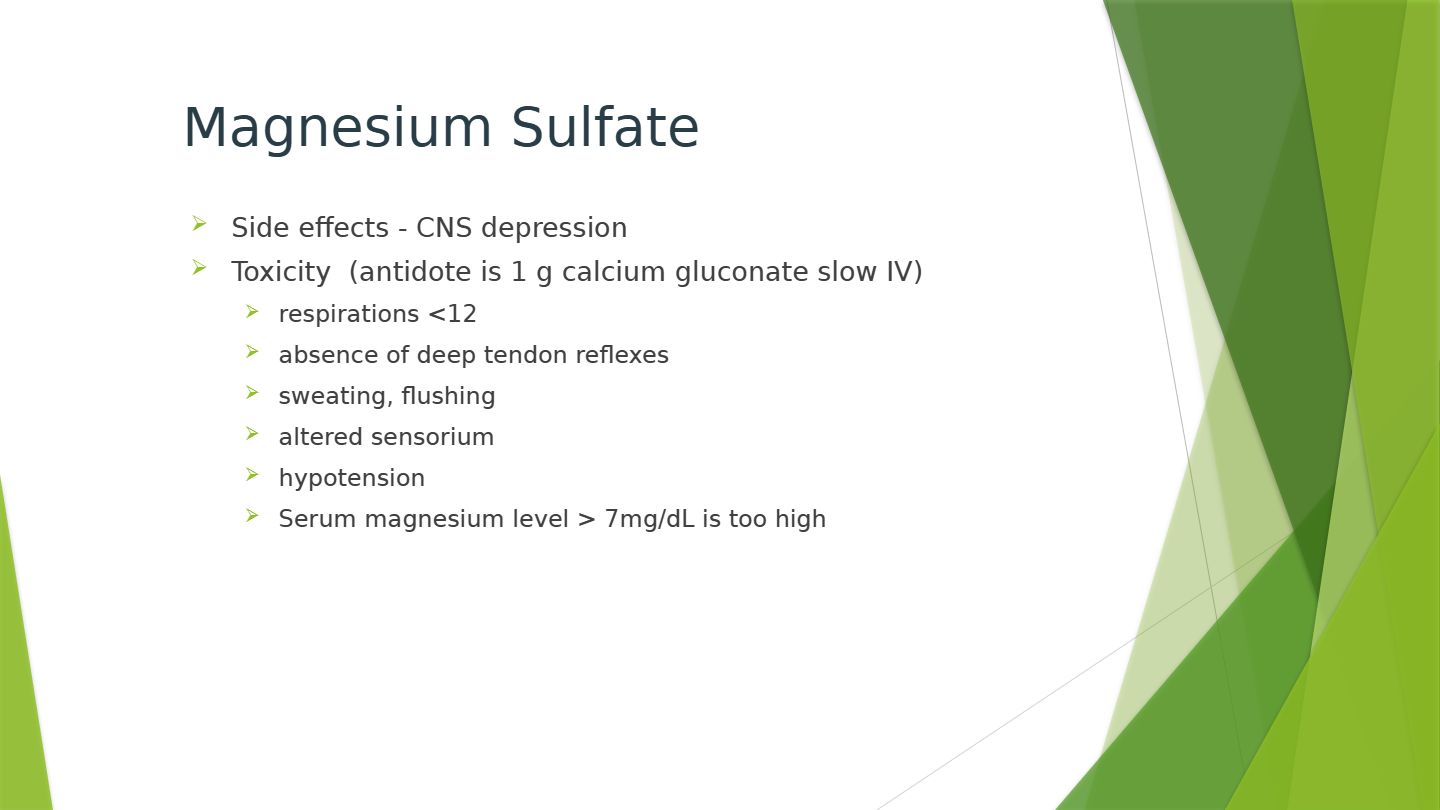
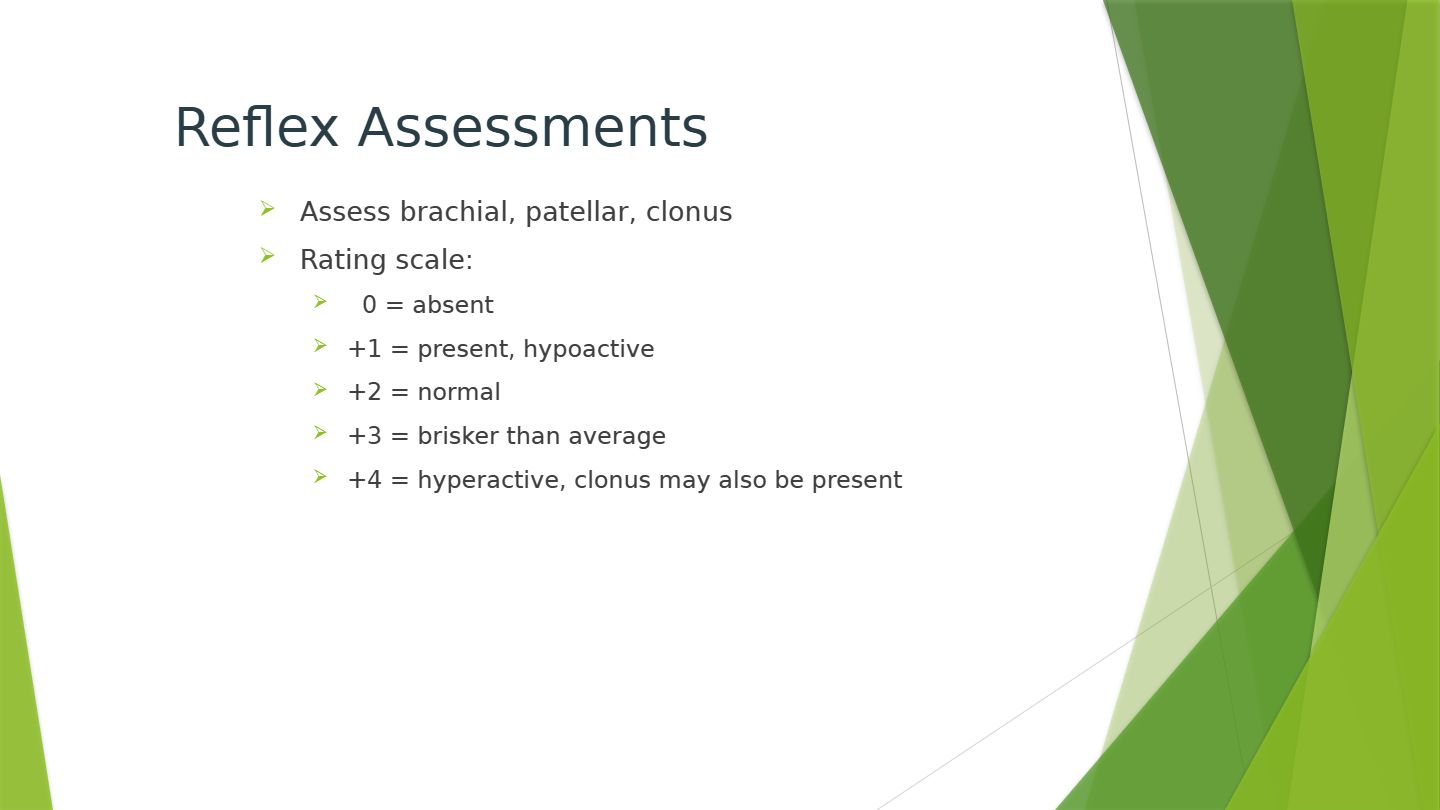
A client is diagnosed with gestational hypertension and is receiving
magnesium sulfate. The nurse determines that the medication is at a therapeutic
level based on which finding?
urinary output of 20 ml per hour
respiratory rate of 10 breaths/min
deep tendons reflexes 2+
difficulty in arousing
44
45
46
Multiple Choice
A client with preeclampsia with severe features is receiving magnesium
sulfate as part of the treatment plan. To ensure the client's safety, which
compound does the nurse ensure is readily available?
calcium gluconate
potassium chloride
ferrous sulfate
calcium carbonate
47
Multiple Choice
It is determined that a client's blood Rh is negative and their partner's is Rh
positive. To help prevent Rh isoimmunization, the nurse expects to administer
Rho(D) immune globulin at which time?
at 32 week's gestation and immediately before discharge after birth
24 hours before birth and 24 hours after birth
in the first trimester and within 2 hours of birth
at 28 week's gestation and again within 72 hours after birth
48
49
50
51
Multiple Choice

The nurse triages a patient with a high-risk pregnancy and notes this on the monitor. Which complication would the nurse suspect?
Placenta previa
Gestational hypertension
Oligohydramnios
Normal labor
52

53


Twins may have separate or share a placenta
Twins may have separate sacs or share one.
dichorionic
54

It's important to know what type of twin pregnancy it is to best assess its risks.
55
Multiple Choice
A client is 32 week's pregnant with twins and comes to the clinic for an
evaluation. Which assessment finding requires immediate follow-up?
reports of intermittent blurry vision
reports of urinary frequency
+2 edema in bilateral lower extremities
Leopold maneuvers shows breech presentation
56
Multiple Choice
A nurse is teaching a pregnant client with preterm premature rupture of
membranes (PPROM) about caring for themself after discharge to home (which is
to occur later this day). Which statement by the client indicates an
understanding of the teaching?
"I can shower, but I should not take a tub bath."
"I can resume my normal activities once I get home."
"A greenish, yellow tint to my leaking fluid is normal."
"It is okay for my spouse and I to have sexual intercourse."
57
58
59
Multiple Select
A pregnant client is admitted with premature rupture of the membranes. The
nurse is assessing the client closely for possible infection. Which finding(s) leads
the nurse to suspect that the client is developing an infection? Select all that
apply.
fetal bradycardia
abdominal tenderness
elevated pulse rate of pregnant client
decreased C-reactive protein levels
cloudy, malodorous fluid
60
61
62
Multiple Choice
A pregnant client with iron-deficiency anemia is prescribed an iron
supplement. After teaching the client about using the supplement, the nurse determines that more teaching is needed based on which client statement?
"I will take the iron with milk instead of orange juice or grapefruit juice."
"Taking the iron supplement with food will help with the side effects."
"I will need to avoid coffee and tea when I take this supplement."
"If I happen to miss a dose, I will take it as soon as I remember."
63
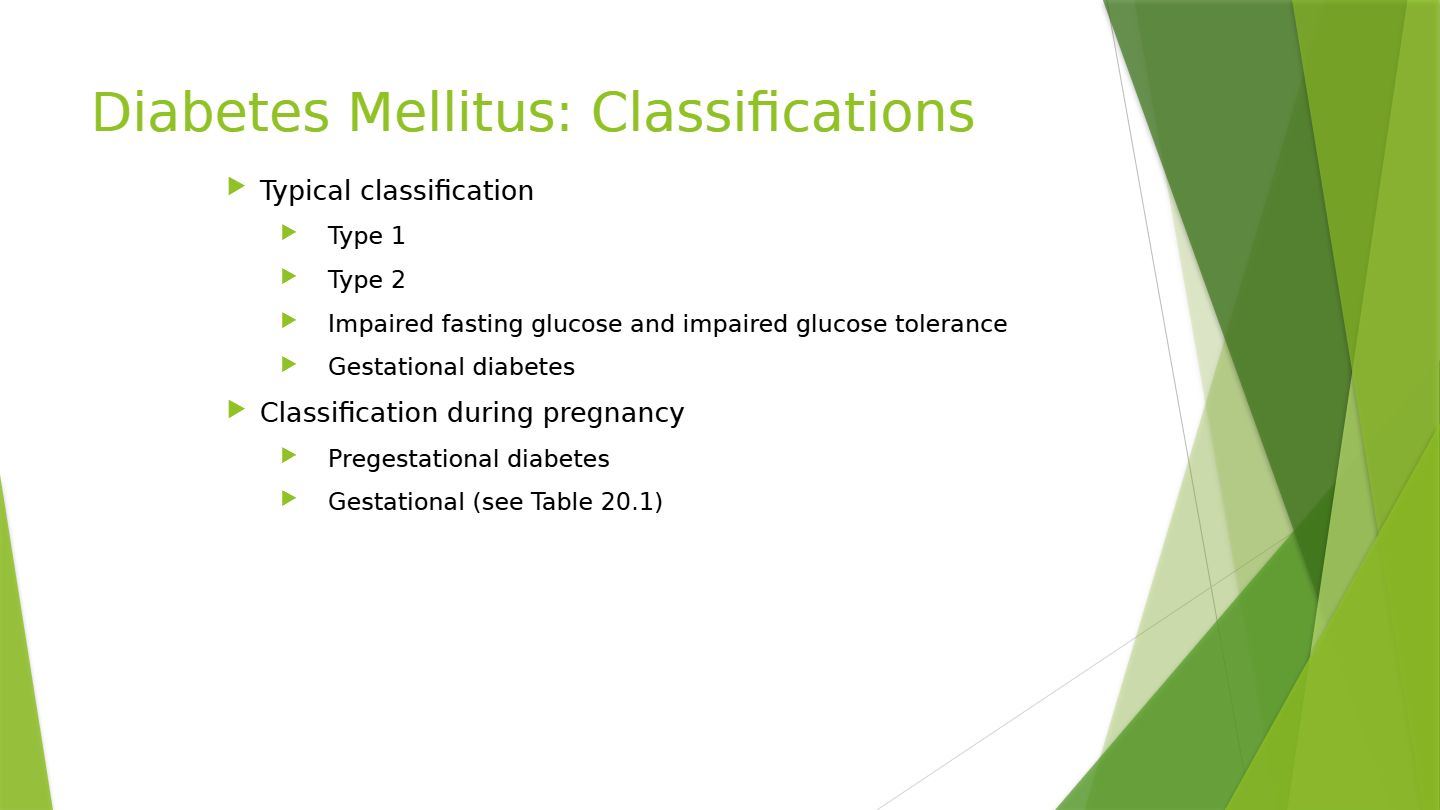
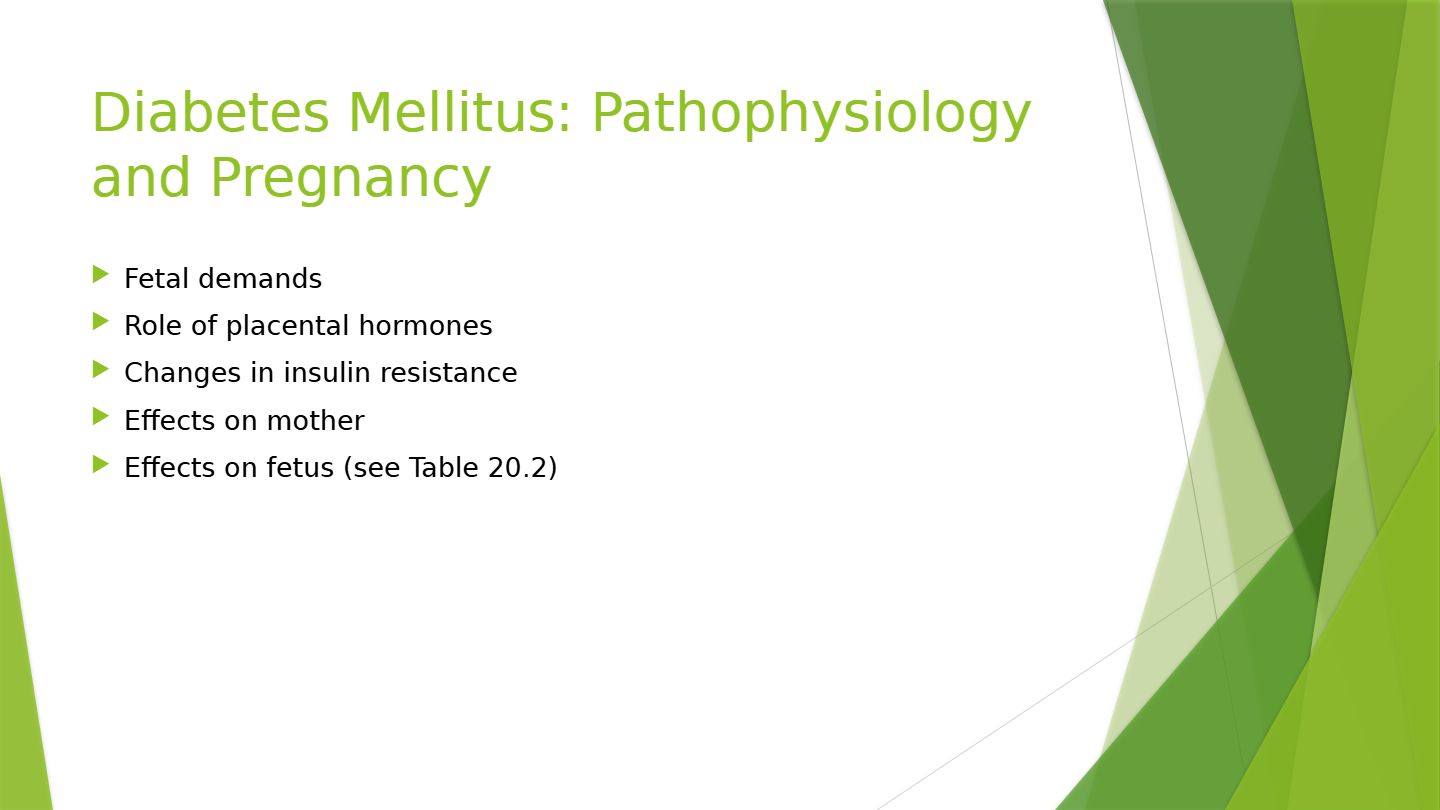
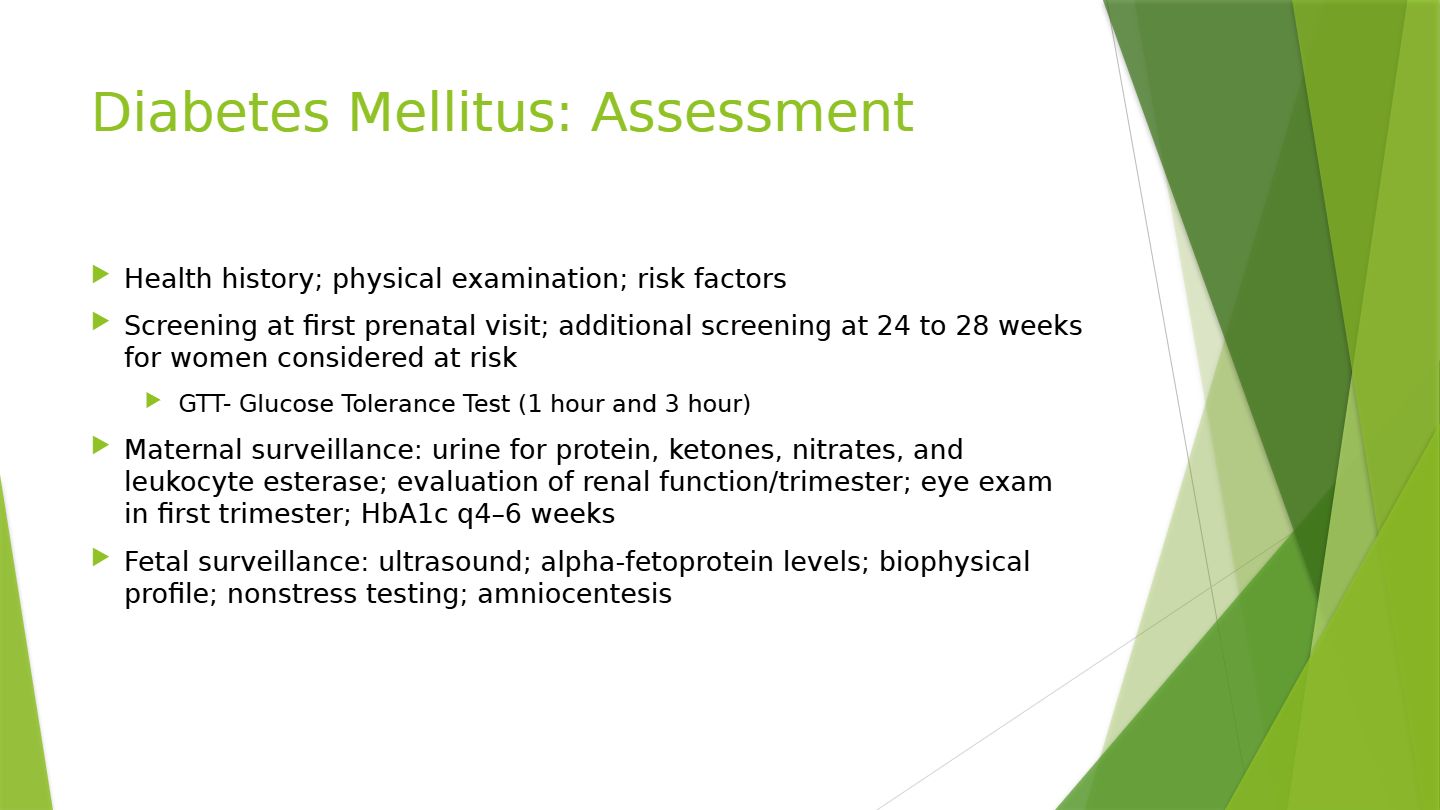
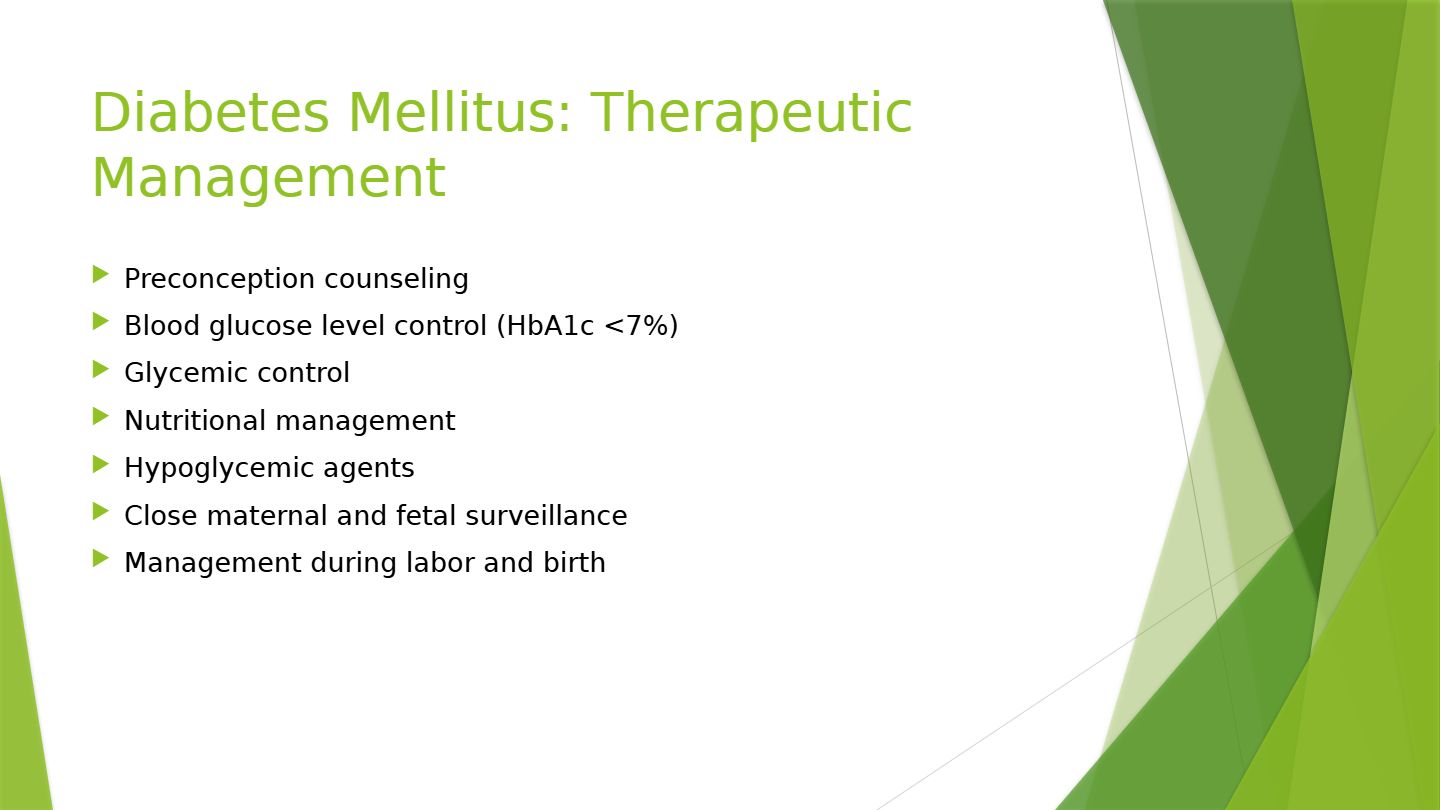
Multiple Choice
The nurse is teaching a pregnant client with type 2 diabetes about diet during pregnancy. Which client statement indicates that the nurse's teaching was
successful?
"Pregnancy affects insulin production, so I will need to make adjustments in
my diet."
"I will basically follow the same diet that I was following before I became
pregnant."
"I will basically follow the same diet that I was following before I became
pregnant."
"I will adjust my diet and insulin based on the results of my urine tests for
glucose."
64
65
66

67
68
69
Multiple Choice
A pregnant client, G2P1, at 10 weeks gestation says to the nurse, "I have never urinated as often as I have for the past 3 weeks." How should the nurse respond?
"Having to urinate so often is annoying. I suggest that you watch how much
fluid you are drinking and limit it."
"You should not be urinating this frequently now; it usually stops by the time you are 8 weeks pregnant. I bet you have diabetes."
By the time you are 12 weeks pregnant, this frequent urination should really
decrease, but it is likely to return toward the end of your pregnancy."
"Clients having their second child generally do not have frequent urination. Are you experiencing any burning sensations?"
70
71
Multiple Choice
The nurse is discussing the insulin needs of a primiparous client with diabetes
who has been using insulin for the past few years. The nurse informs the client
that their insulin needs will increase during pregnancy based on the nurses
understanding that the placenta produces:
human chorionic gonadotropin (hCG), which increases glucose levels
human placental lactogen (hPL), which decreases the effectiveness of insulin
estriol, which interferes with insulin crossing the placenta
relaxin, which decreases the amount of insulin produced
72


73


74
75
76
77
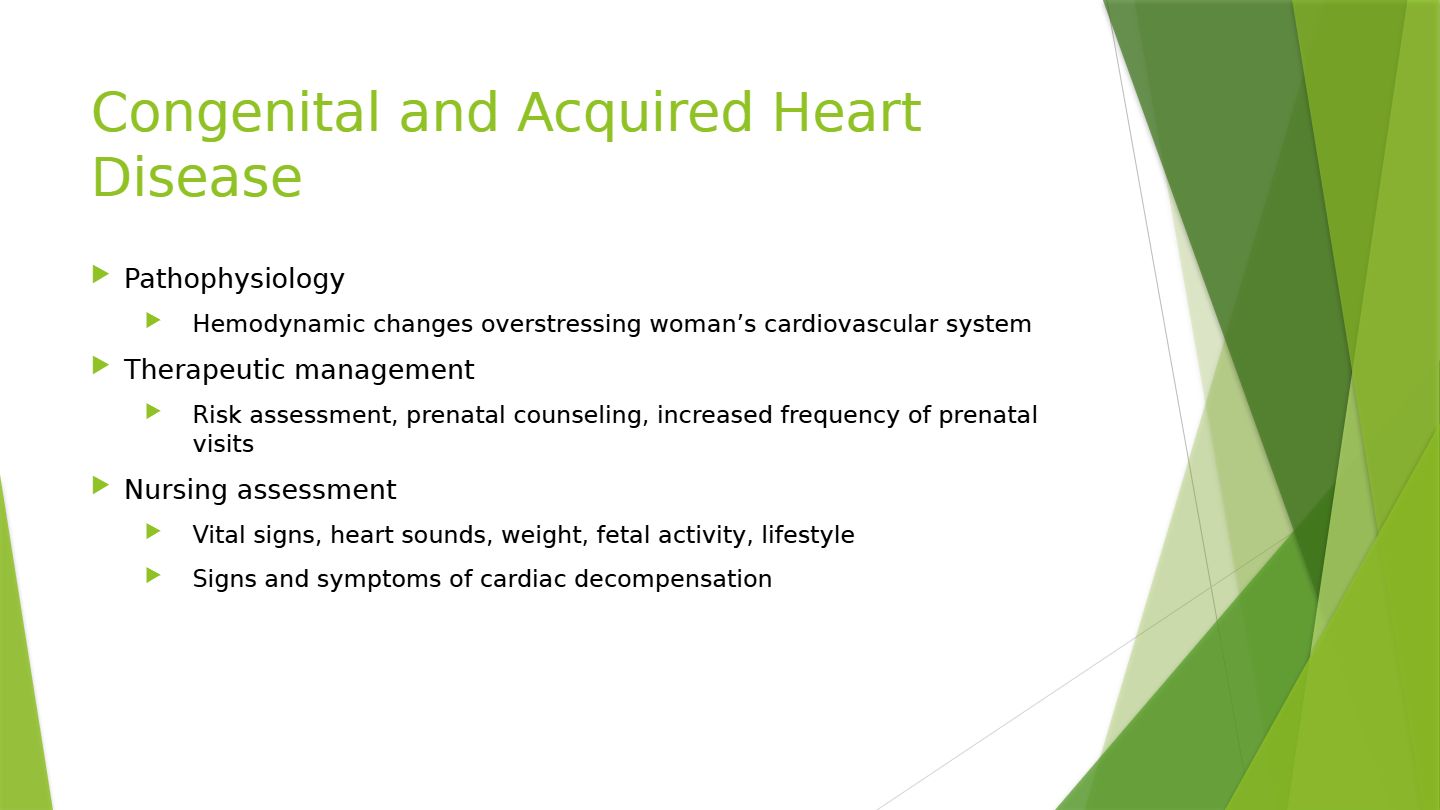
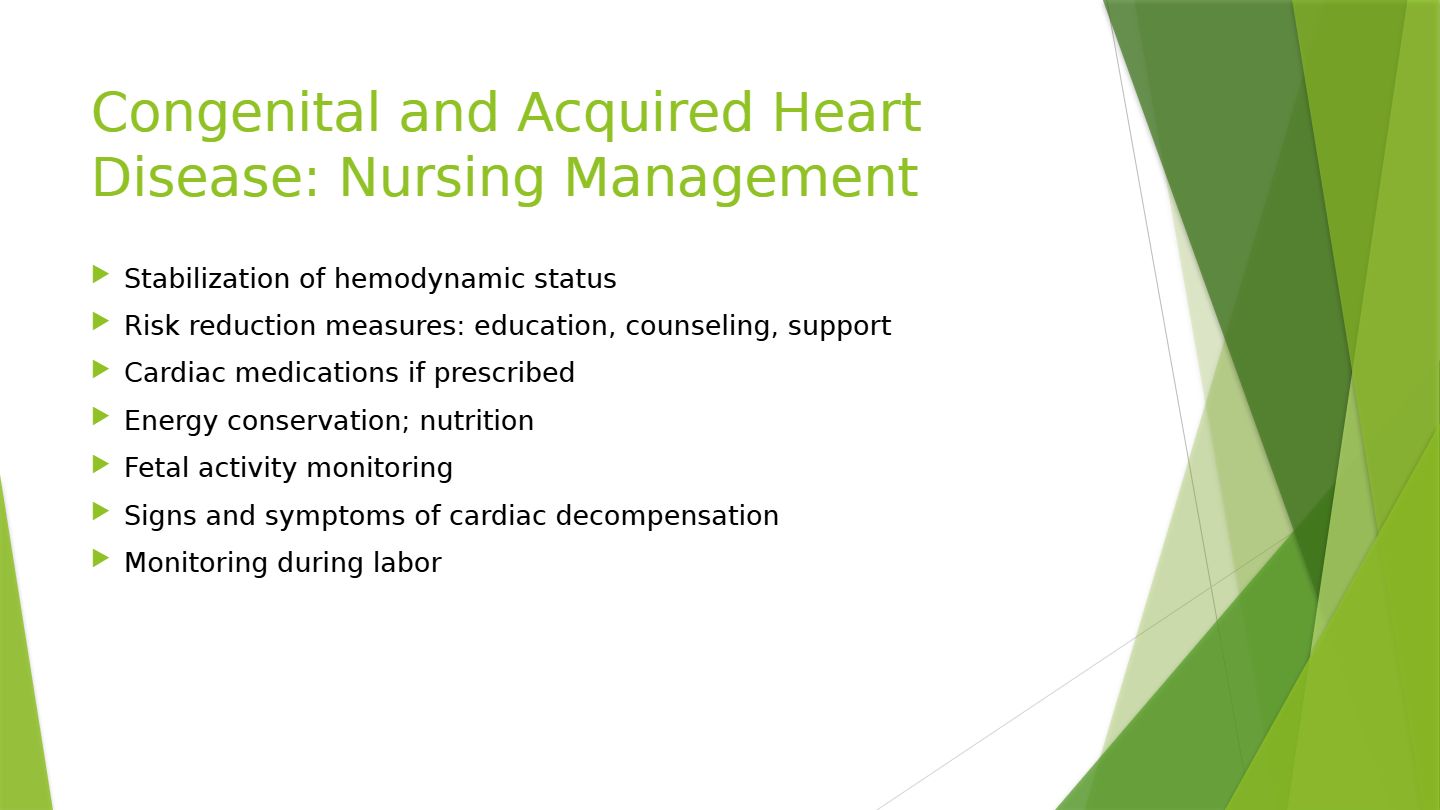
Multiple Choice
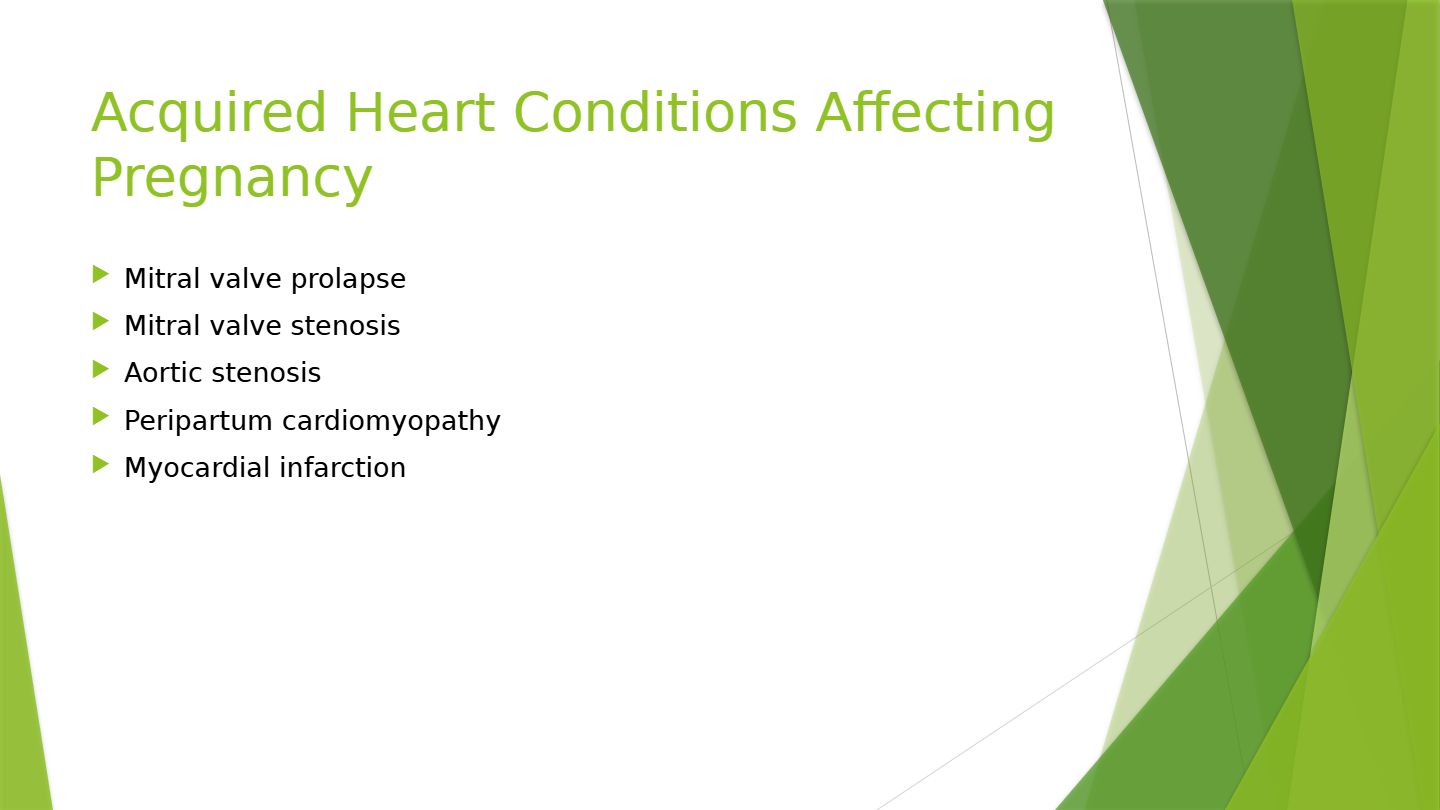
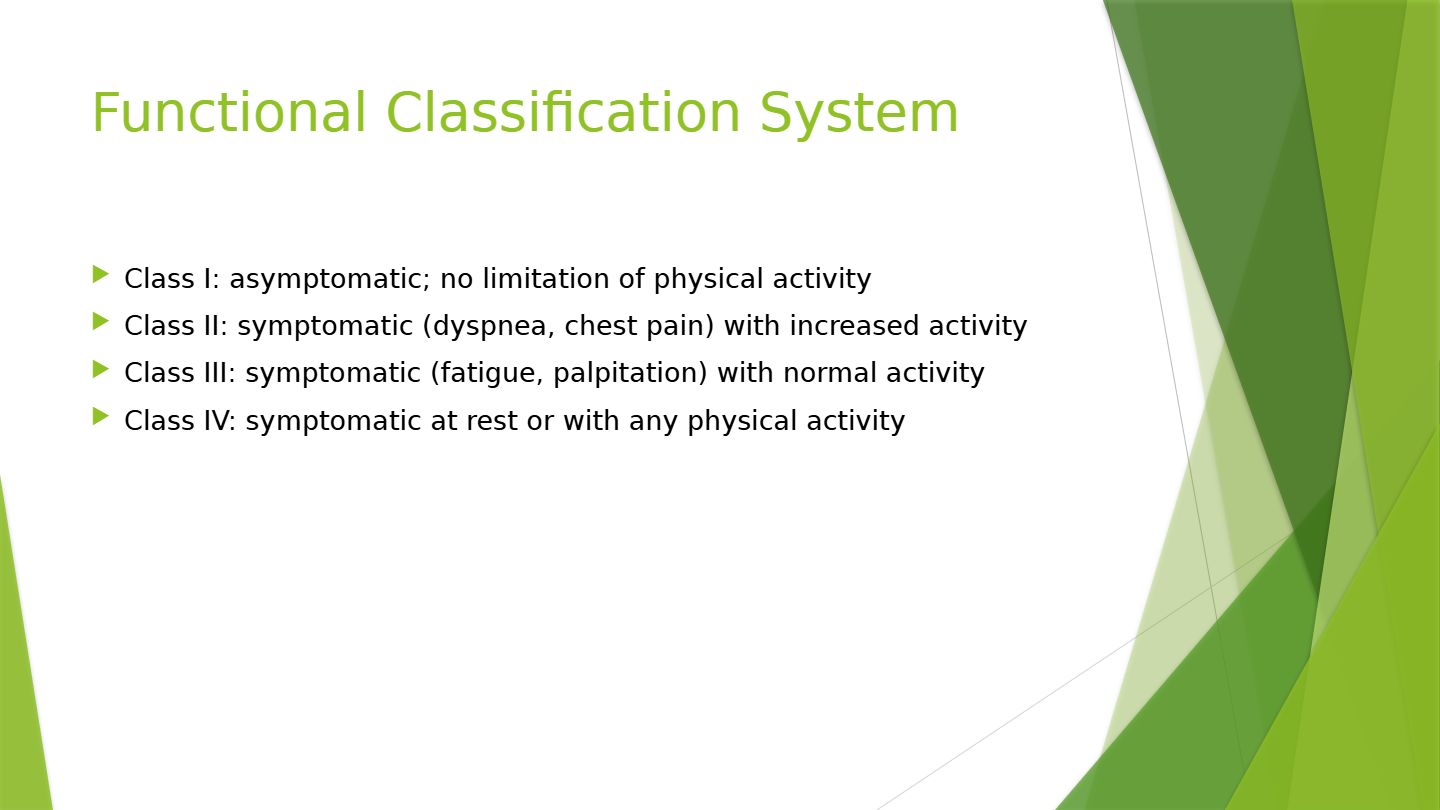
The nurse reviews the medical record of a client who has come to the clinic
for an evaluation. The client has a history of mitral valve prolapse and is listed as
risk class II. During the visit, the client states, "We want to have a baby, but I
know I am at higher risk. But what is my risk, really?" Which response by the
nurse is appropriate?
"If you get pregnant, you will need to be seen by a cardiologist every other
month for monitoring."
"Your risk during pregnancy is small, but you should see your cardiologist
before getting pregnant."
"Your heart disease would put too much strain on your heart if you were to
get pregnant."
"Your pregnancy would be uneventful, but you would need specialized care for
labor and birth."
78
79
80
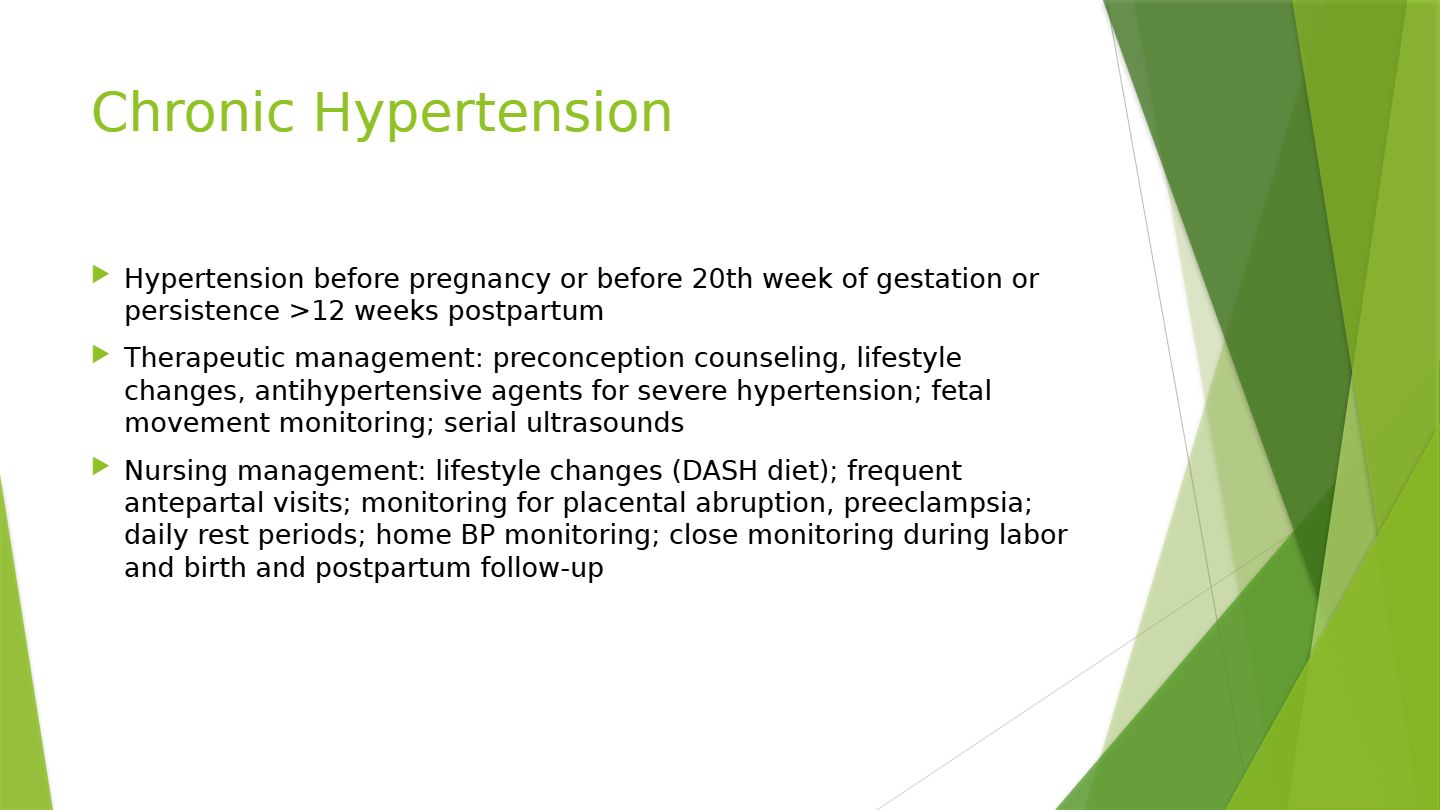
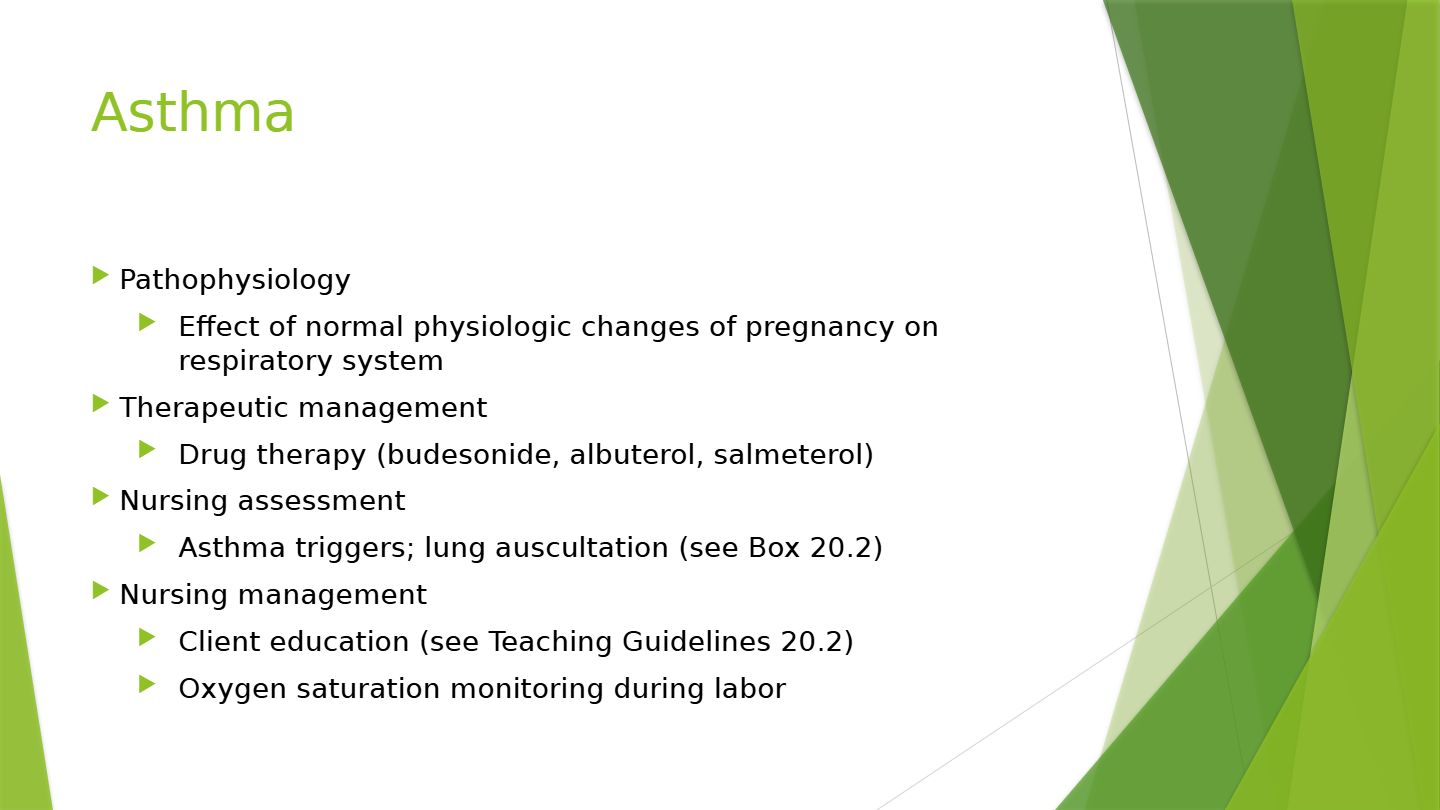
Multiple Choice
A client with a history of asthma comes to the clinic for evaluation for
pregnancy. The client's pregnancy test is positive. When reviewing the client's
chart, which order requires follow-up?
prednisone 40 mg daily
ipratropium 1 puff every 6 hours as needed
albuterol 2 puffs every 4 hours as needed
salmeterol 1 puff every 12 hours as needed
81
82
83
84
Multiple Choice
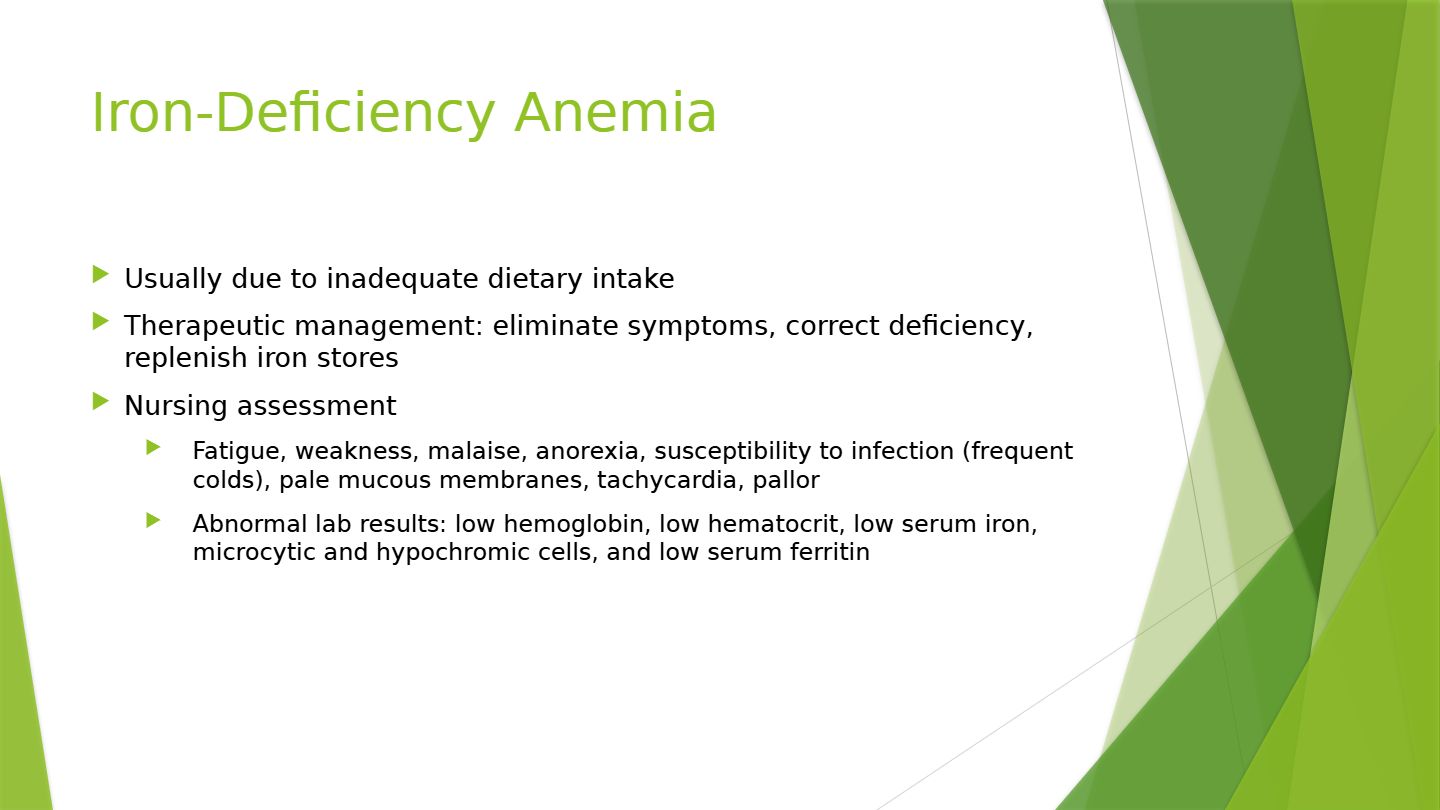
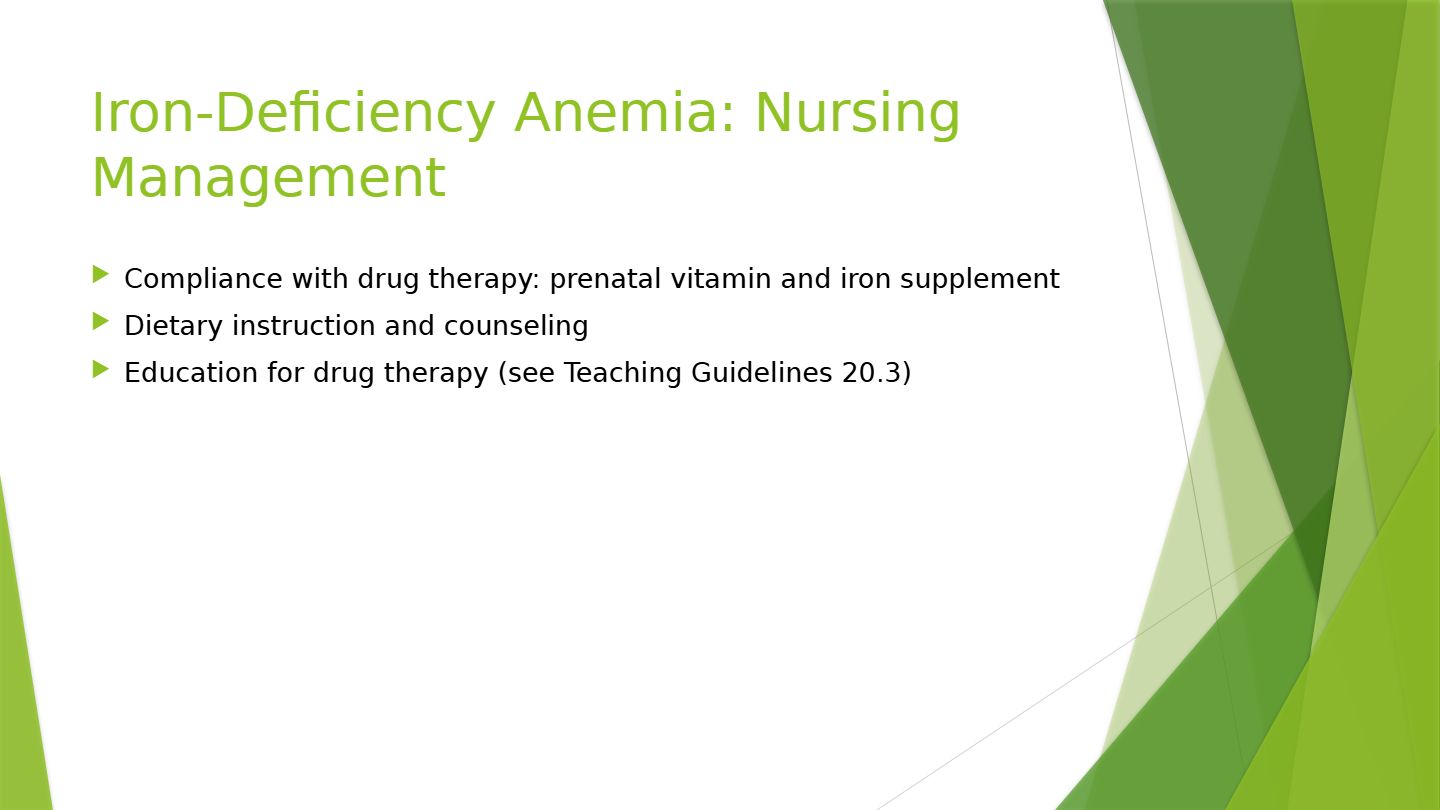
A pregnant woman is diagnosed with iron-deficiency anemia and is prescribed an iron supplement. After teaching the client about the prescribed iron supplement, which statement indicates successful teaching?
"I should take my iron with milk."
"I should avoid drinking orange juice."
"I need to drink plenty of fluids to prevent constipation"
"I will call the health care provider if my stool is black and tarry."
85
86
87
88
Multiple Choice
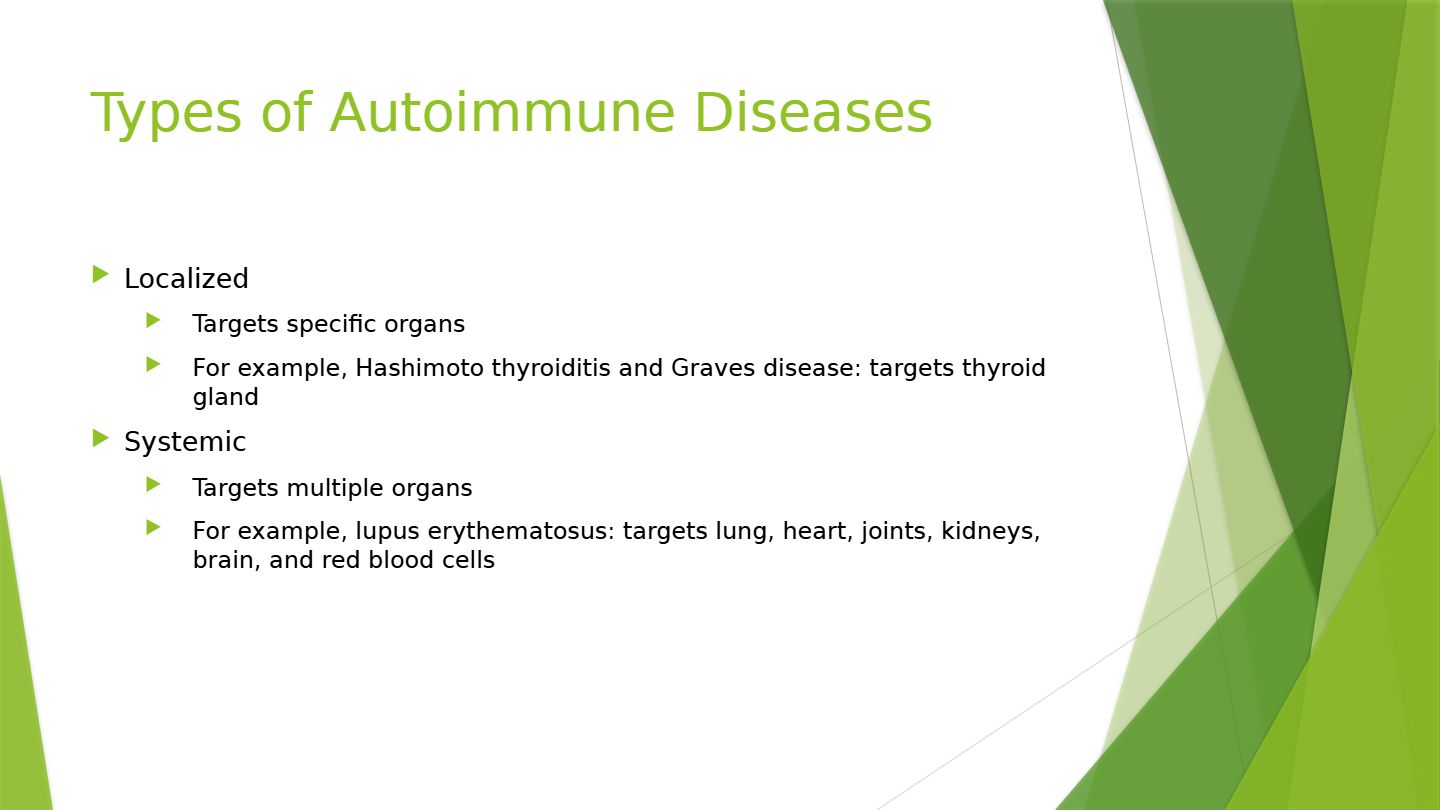
A client with a history of systemic lupus erythematosus comes to the clinic for
evaluation. The client tells the nurse that they and their partner would like to
have a baby but are afraid the client's lupus will be a problem. How will the
nurse respond?
"It is probably not a good idea for you to get pregnant, because you have
lupus."
"Be sure that your lupus is stable or in remission for 6 months before getting
pregnant."
"Your lupus will not have any effect on your pregnancy."
"If you get pregnant, we will have to add medications to your normal
treatment plan"
89
90
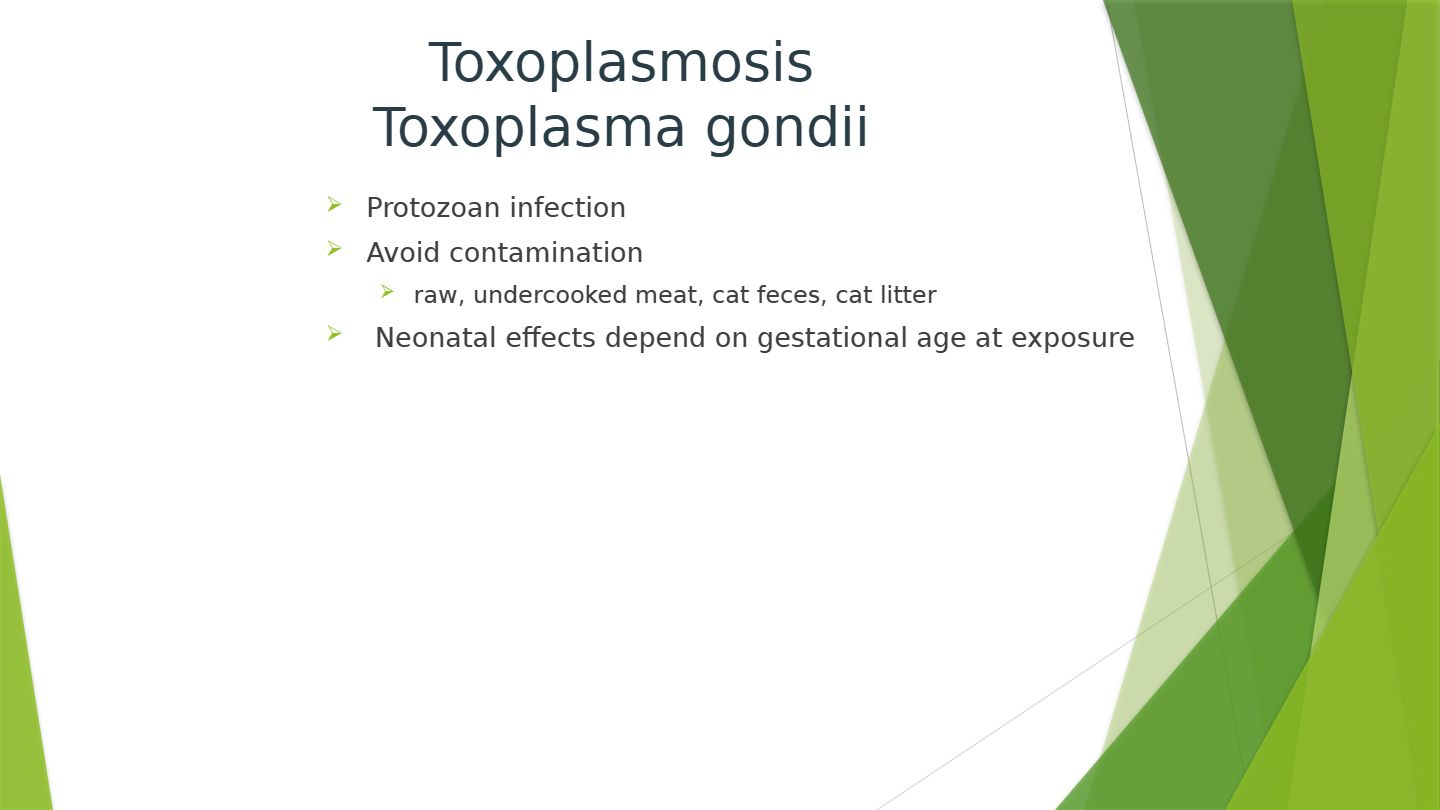
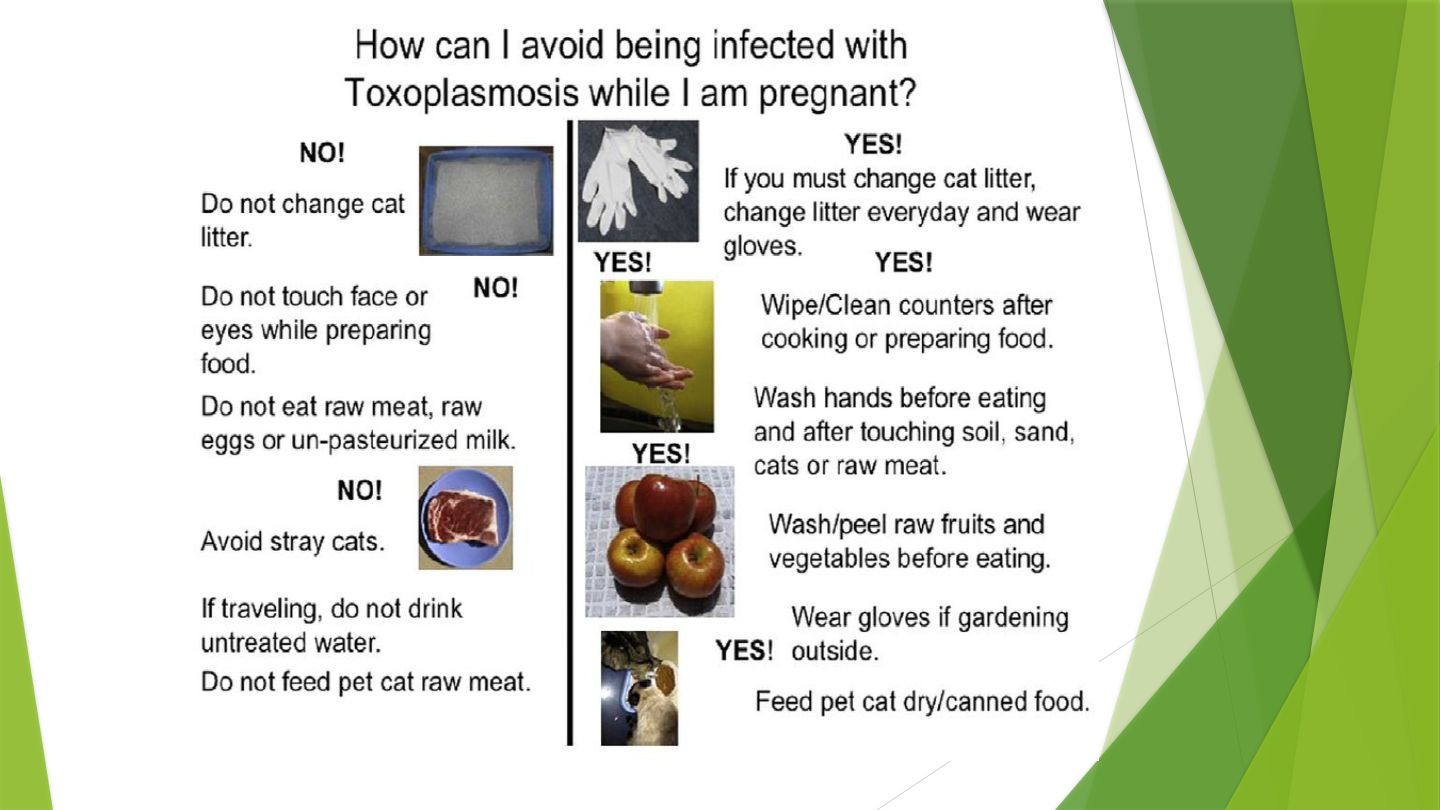
Multiple Choice
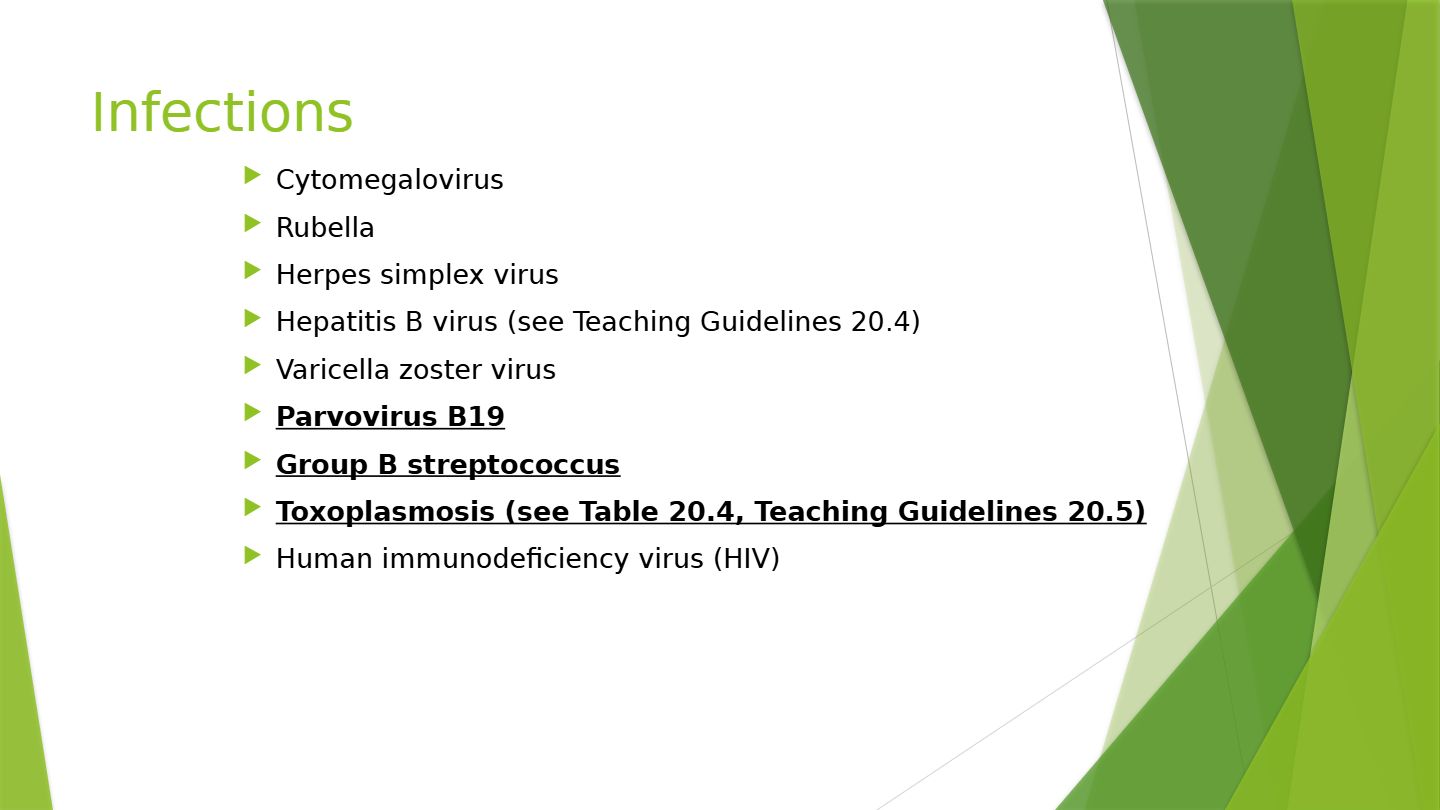
A nurse is conducting a presentation for a group of pregnant clients about measures to prevent toxoplasmosis. Which statement should the nurse include in
the teaching?
Drink bottled water if you travel to another country.
Avoid eating raw fruits and vegetables.
Cook all meat to an internal temperature of 140°F (60°C).
Always wear gloves while changing a cat's litter box.
91
92
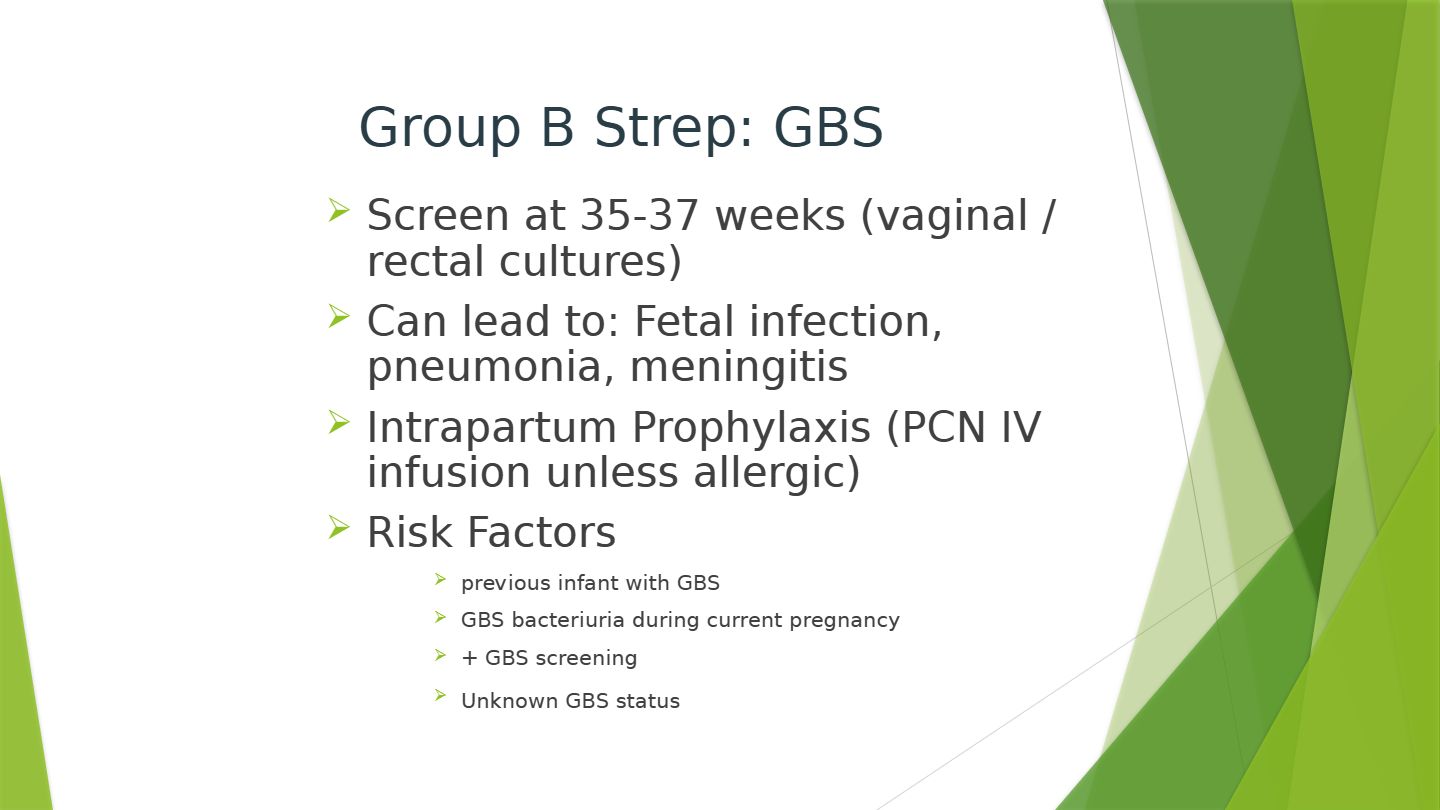
Multiple Choice
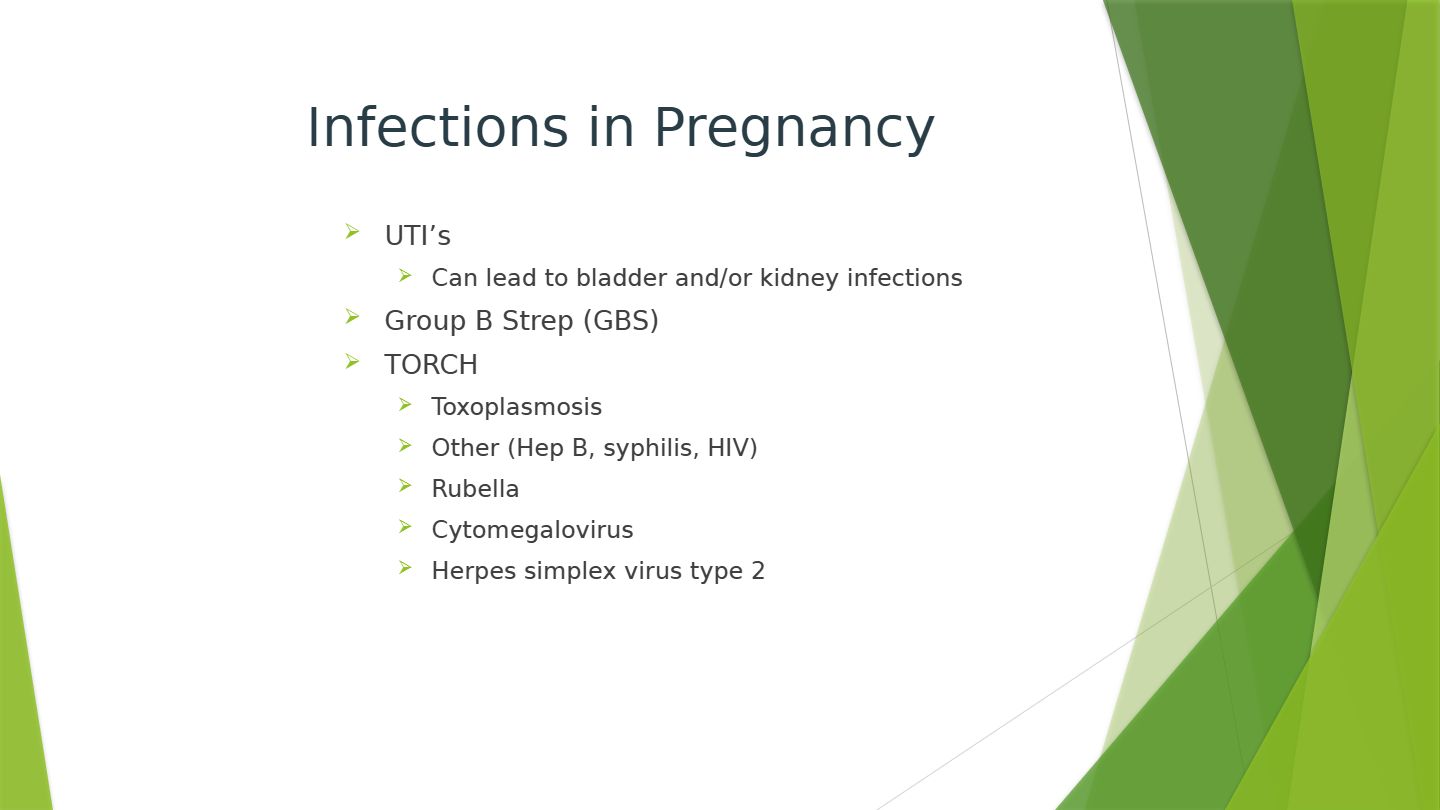
The nurse is caring for an infant born to a birth parent with group B
streptococcus who was not treated during labor. Which finding indicates the infant is developing a complication from the birth parent's infection?
temperature: 102.1°F (38.9°C)
blood glucose level: 160 mg/dl (8.88 mmol/l) (normal: 60 to 110 mg/dl; 3.33
to 6.11 mmol/l)
sunken fontanels (fontanelles)
hyperactive moro reflex
93
94
95
96
97
Multiple Choice
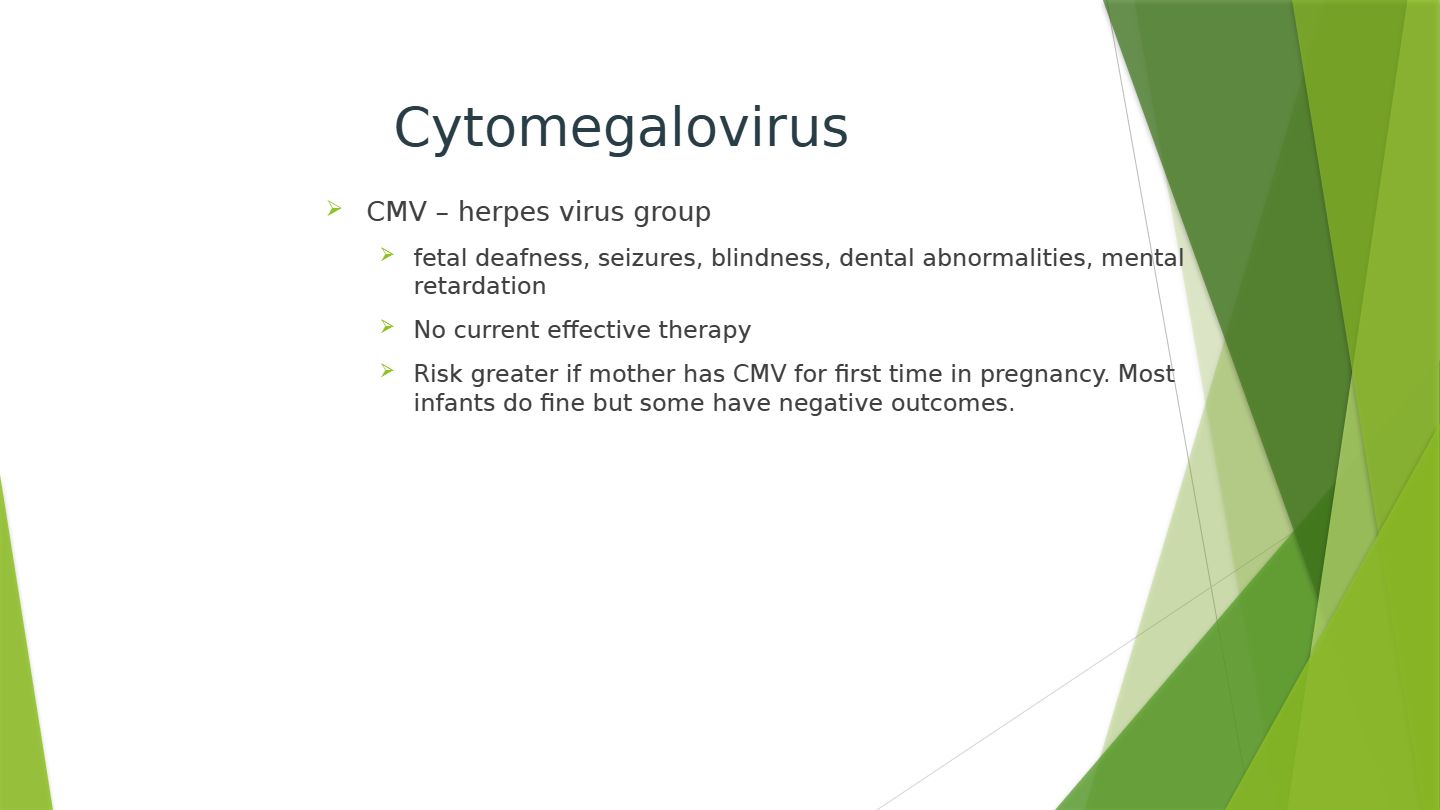
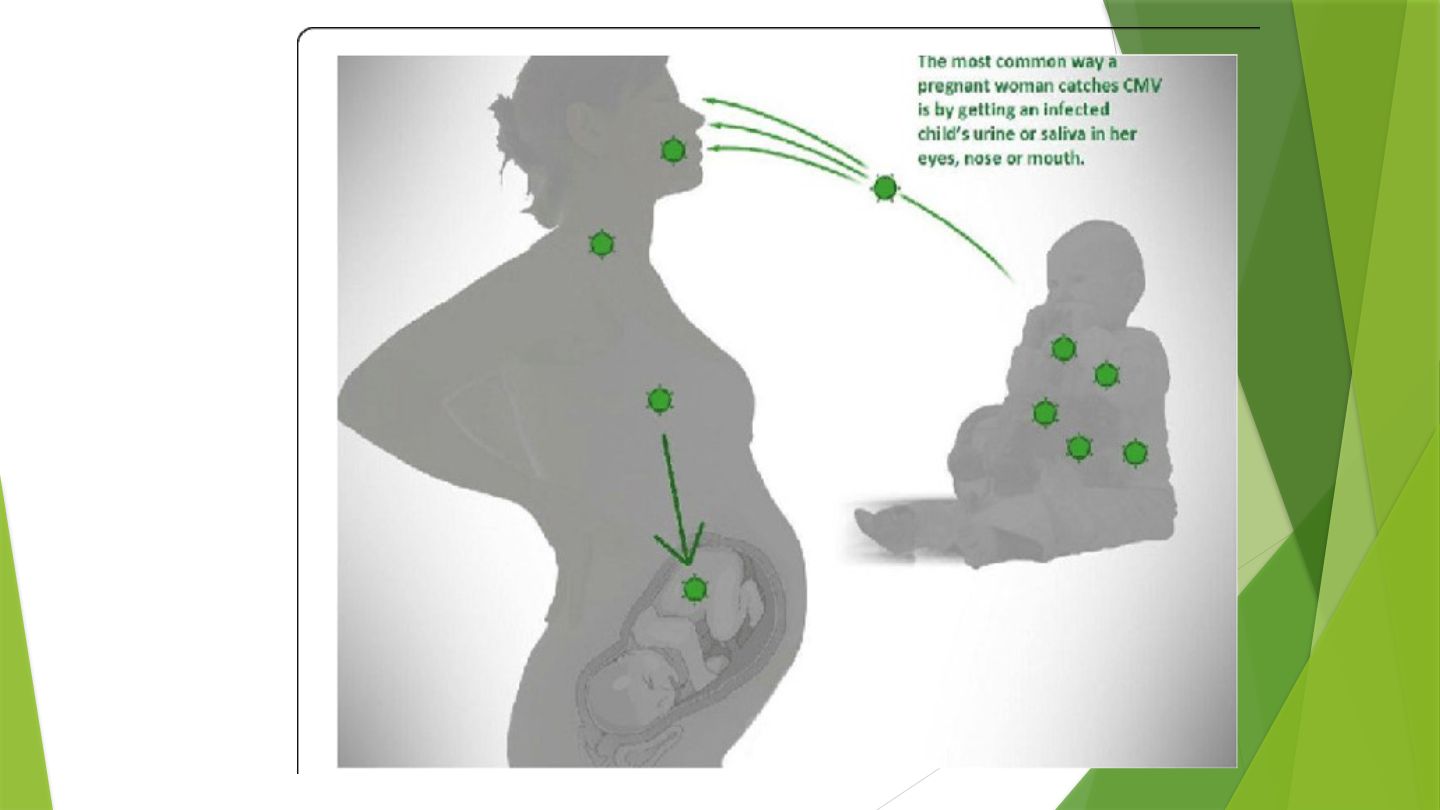
A nurse is preparing a teaching program for a group of clients of child-
bearing age about preventing infections during pregnancy. When describing
measures for preventing cytomegalovirus infection, which measure will the nurse
stress?
antibody titer screening
prenatal screening
immunization
frequent handwashing
98
99
100
Multiple Select
A nurse is teaching a pregnant client about ways to prevent the development
of the foodborne illness listeriosis. The nurse determines that the teaching was
successful when the client identifies the need to avoid which food(s)? Select all
that apply.
soft cheeses
refrigerated meat spreads
canned tuna fish
store-made chicken salad
pasteurized milk
101
Multiple Choice
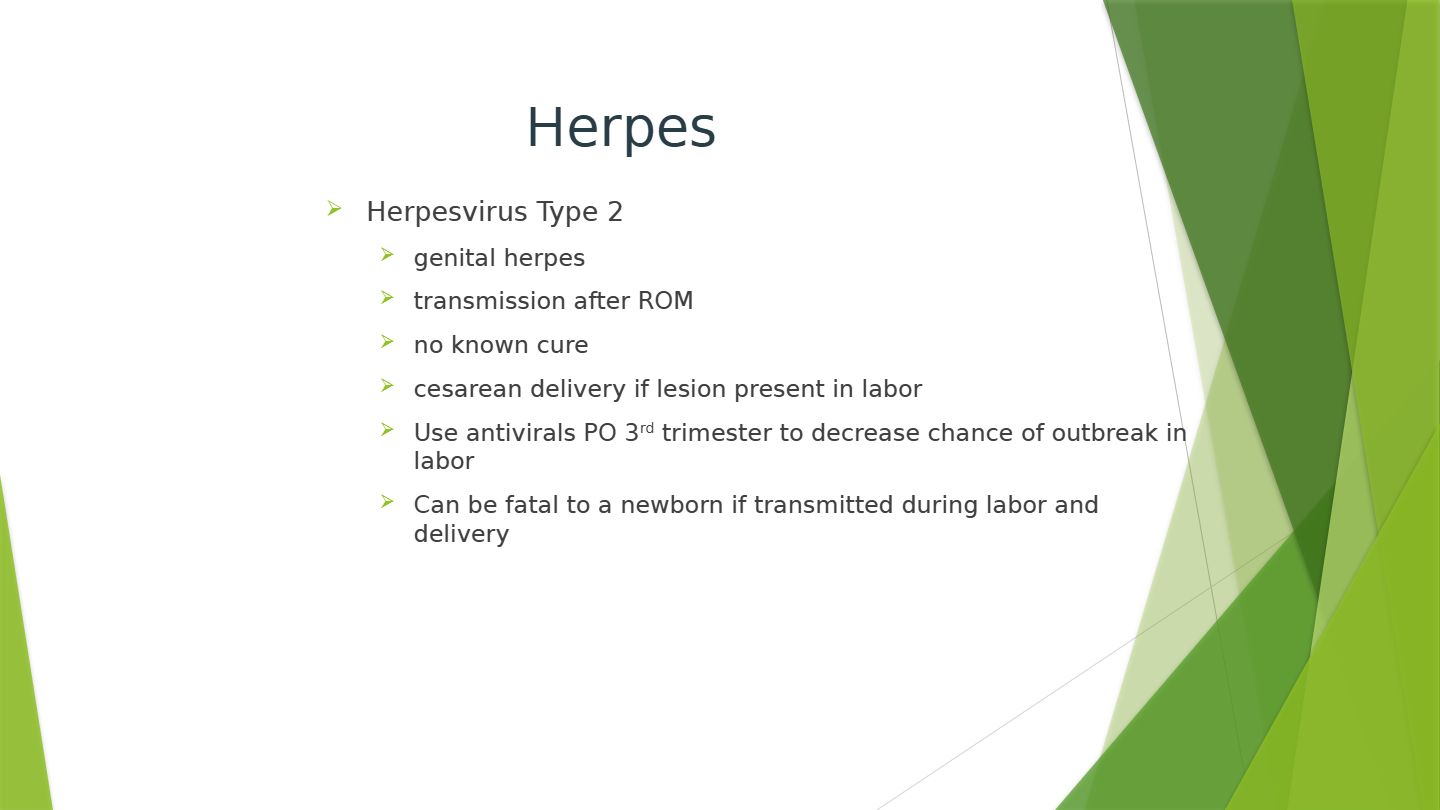
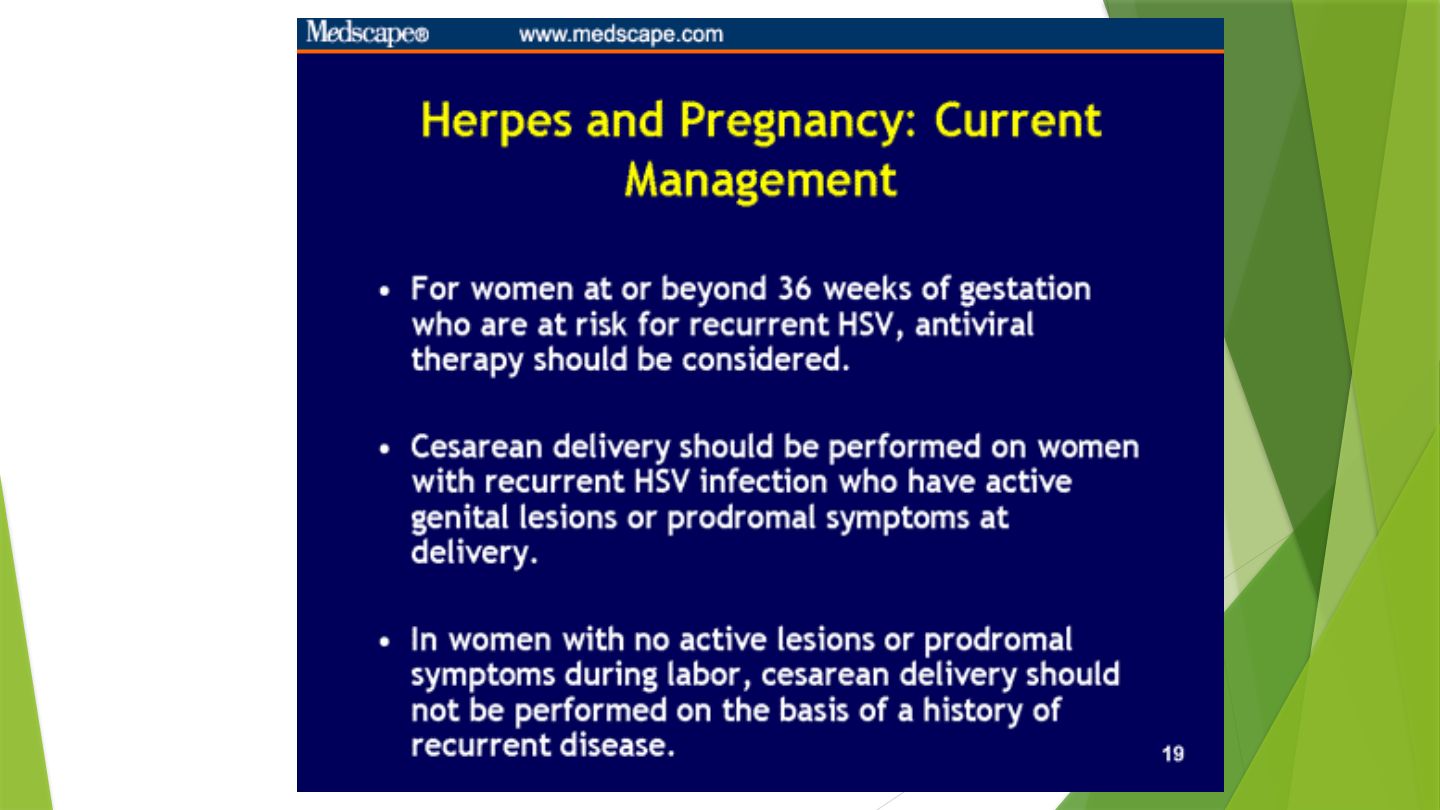
A client with genital herpes simplex infection asks the nurse, "Will I ever be cured of this infection?" Which response by the nurse is appropriate?
"There is a new vaccine available that prevents the infection from returning."
"All you need is a dose of penicillin and the infection will be gone."
"There is no cure, but drug therapy helps to reduce symptoms and
recurrences."
"Once you have the infection, you develop an immunity to it."
102
103
104
105
106
107
108
Multiple Choice
A client who is HIV-positive is in their second trimester and remains
asymptomatic. The client voices concern about the newborn's risk for the infection. Which statement by the nurse is appropriate at this time?
"You will probably have a cesarean birth to prevent exposing your newborn."
"Antibodies cross the placenta and provide immunity to the newborn."
"Wait until after the birth, and then something can be done."
"Antiretroviral medications are available to help reduce the risk for
transmission."
109
110
111
Multiple Choice
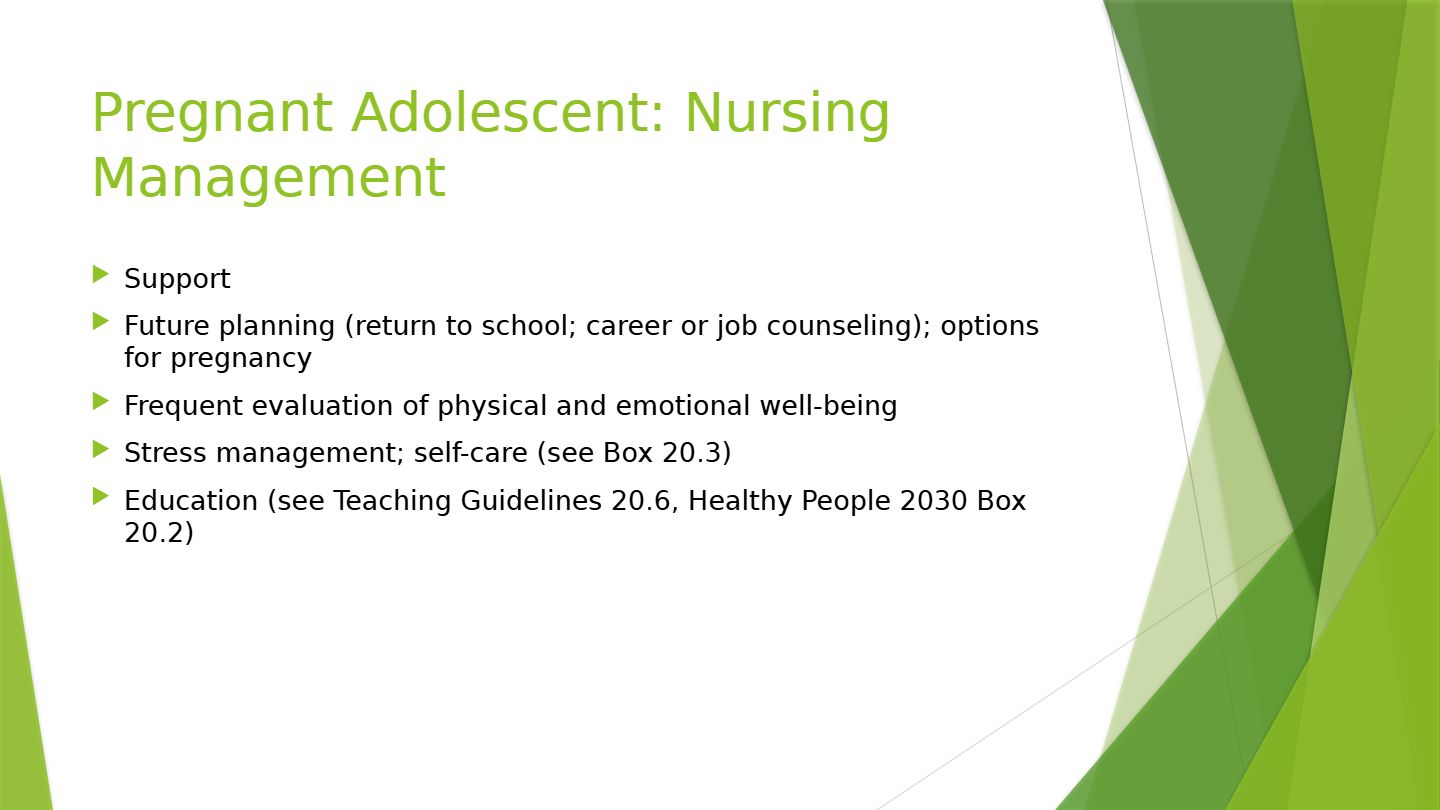
After teaching a group of nurses working at the women's health clinic about the impact of pregnancy on a client of advanced age for pregnancy, which statement by the group indicates the teaching was successful?
"Clients aged 35 or older who become pregnant have an increased risk for
postpartum hemorrhage."
"The majority of clients who become pregnant at age 35 or older experience
complications."
"Clients aged 35 or older who become pregnant require a specialized type of
assessment."
"Clients aged 35 or older are more likely to have a substance use disorder."
112
113
114
115
Multiple Choice
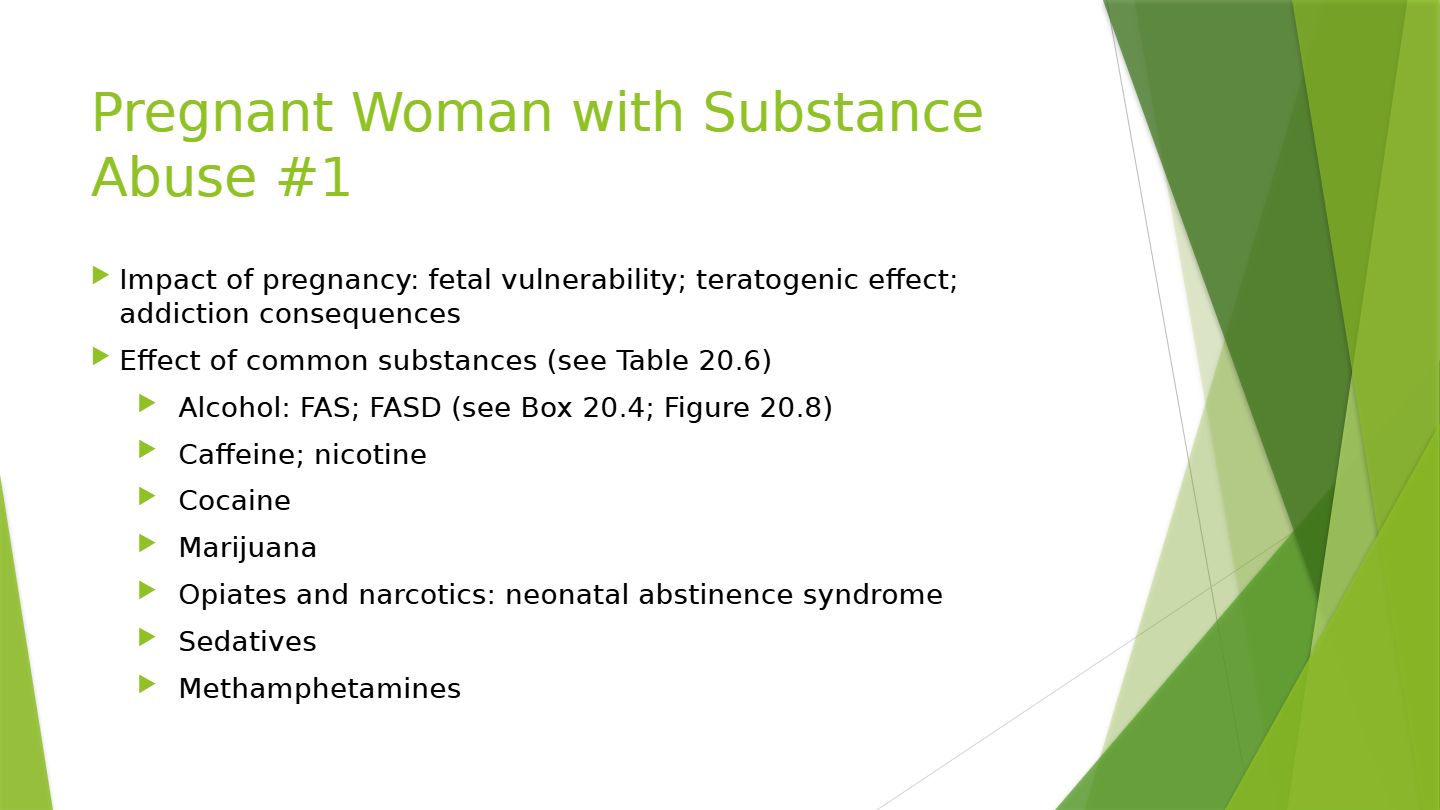
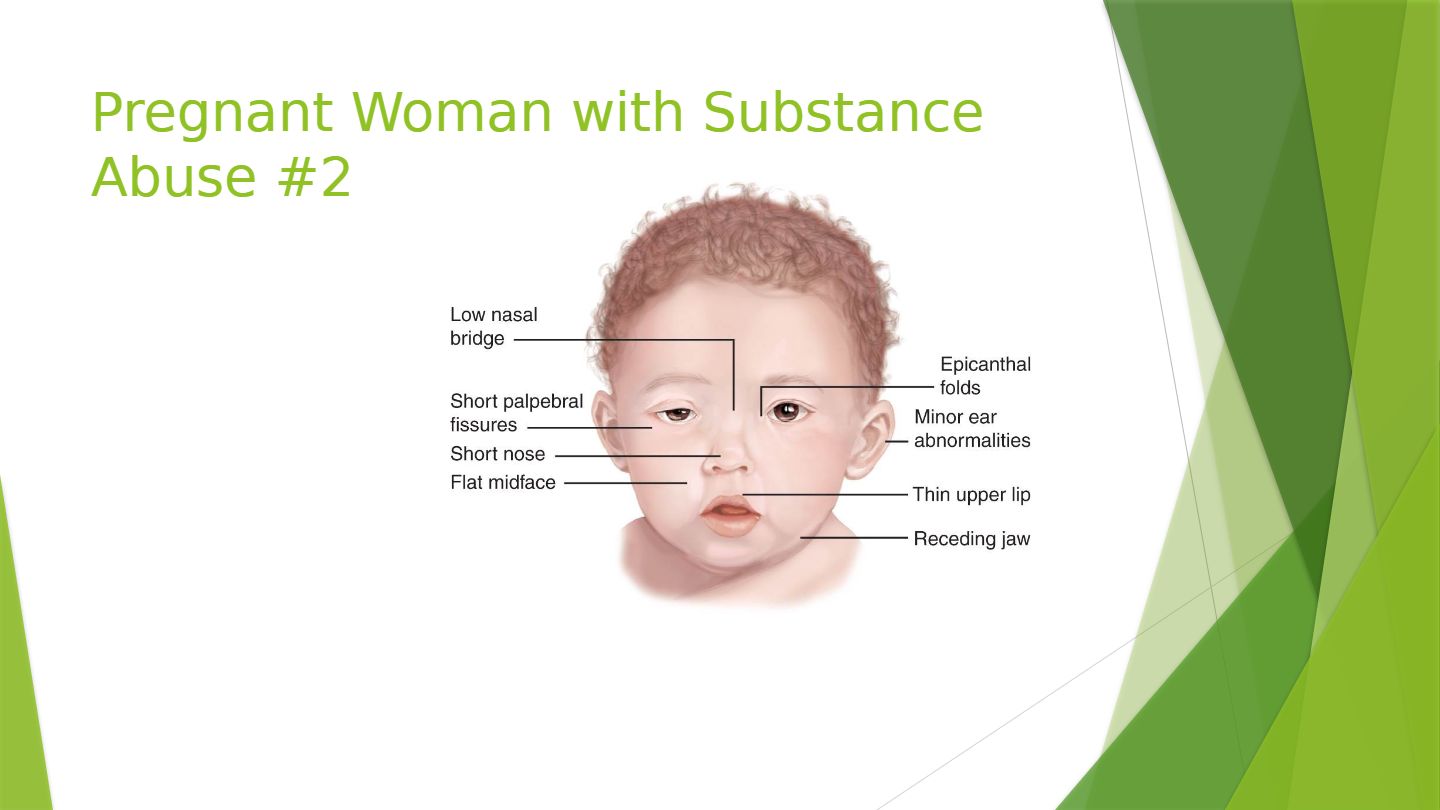
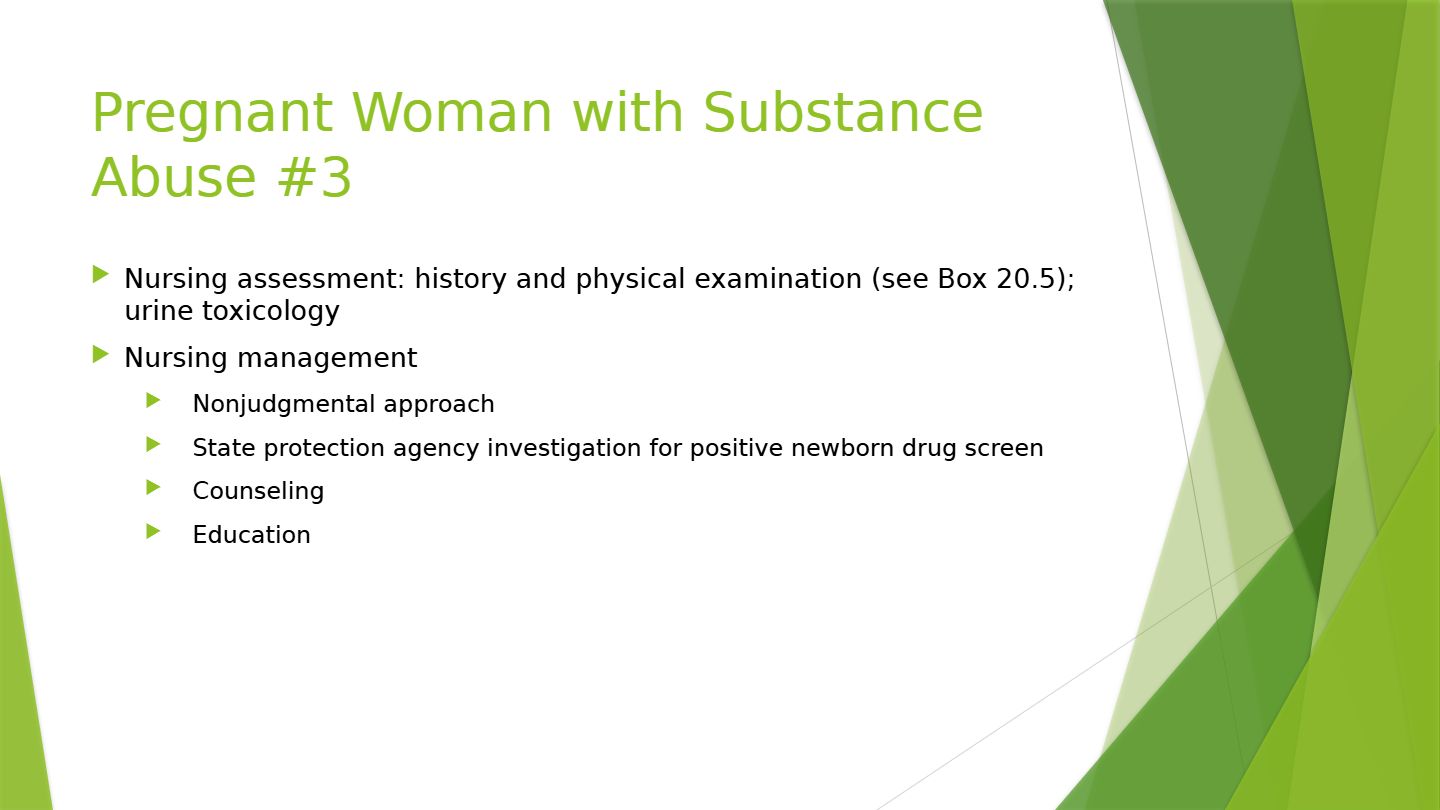
When teaching a class for pregnant clients about the effects of substance use during pregnancy, the nurse will include which effect?
low-birth-weight infants
excessive weight gain
higher pain tolerance
longer gestational periods
116

117
118
119
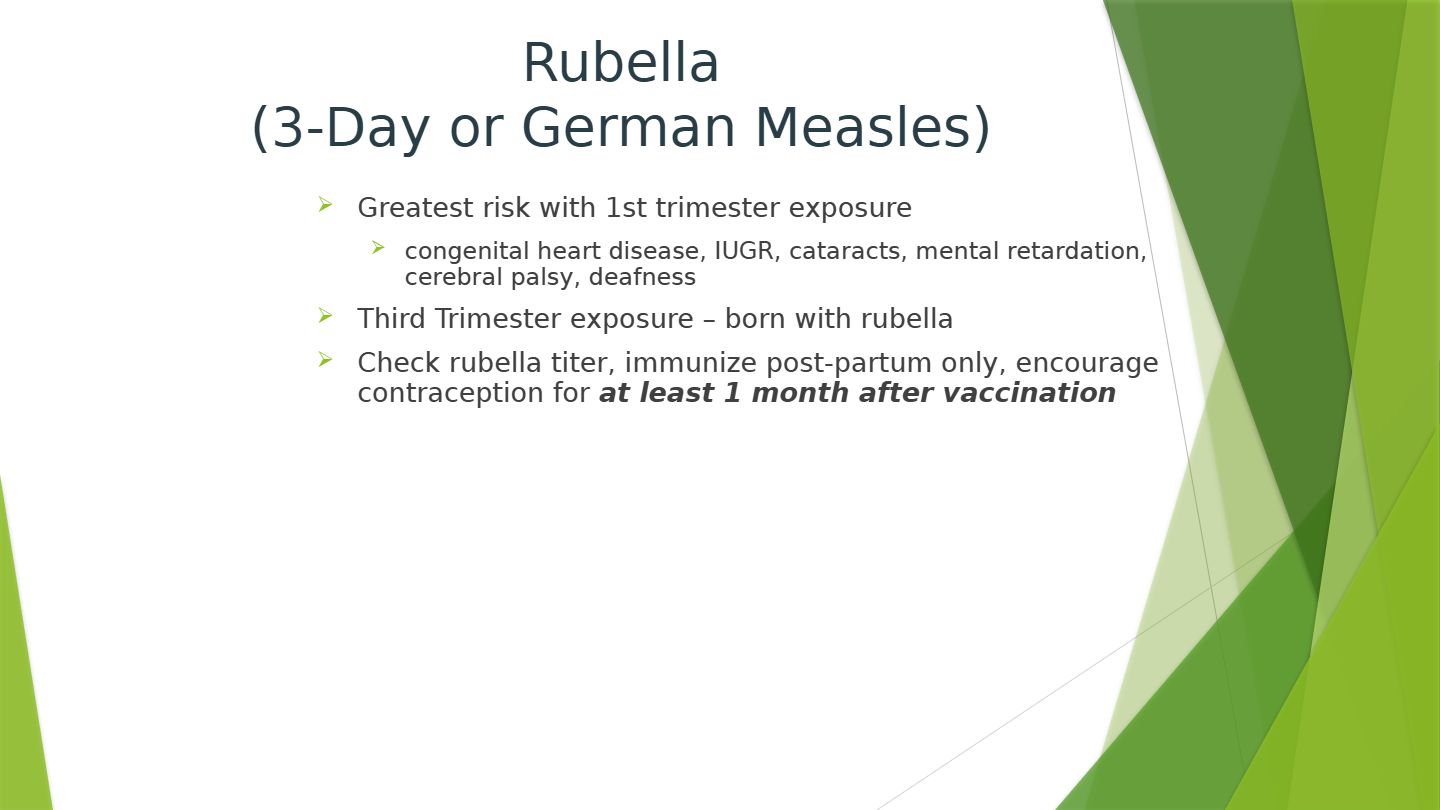
Multiple Choice
The nurse manager is precepting a new nurse in an obstetrics office. Which action by the new nurse would cause the nurse manager to intervene?
performing Leopold maneuvers on a client at 38 weeks gestation
preparing to administer an injection of rho(D) immune globulin to a client who
is Rh-negative
preparing to administer a measles, mumps, rubella vaccination to a client not
immune to measles
obtaining a blood draw for rapid plasma reagin (RPR) testing during a client's
first prenatal appointment
Show answer
Auto Play
Slide 1 / 119
SLIDE
Similar Resources on Wayground

113 questions
DC Government
Presentation
•
12th Grade
119 questions
Settlements
Presentation
•
12th Grade - University
110 questions
Cisco CyberOps Review 2
Presentation
•
Professional Development
113 questions
JPU Carnival 2023 "Jom Berkuiz Bahasa (Let's have fun )"
Presentation
•
KG
112 questions
AMBLYOPIA
Presentation
•
University
114 questions
Stranger things project
Presentation
•
University
116 questions
HMKIT Module 4 and 5
Presentation
•
University
Popular Resources on Wayground
10 questions
Safety Day 2026 – Student Review

Quiz
•
9th Grade
21 questions
Continents and Oceans
Quiz
•
6th Grade
20 questions
Parts of Speech
Quiz
•
5th Grade
16 questions
Subject & Predicate
Quiz
•
5th Grade
25 questions
Multiplication Facts
Quiz
•
5th Grade
12 questions
Map Skills
Quiz
•
3rd Grade
22 questions
Continents and Oceans
Quiz
•
5th Grade
15 questions
Rounding Decimals
Quiz
•
5th Grade
Discover more resources for Other
20 questions
Disney Trivia
Quiz
•
University
10 questions
Spanish Greetings and Goodbyes!
Presentation
•
6th Grade - University
20 questions
Physical or Chemical Change/Phases
Quiz
•
8th Grade - University
39 questions
Unit 7 Key Terms
Quiz
•
11th Grade - University
25 questions
SER and Subject Pronouns
Quiz
•
8th Grade - University
38 questions
Unit 6 Key Terms
Quiz
•
11th Grade - University
19 questions
Key Concepts in Buddhism
Quiz
•
University
0 questions
Cell Domain Basic Review (Biology)
Quiz
•
University