Thermal Energy Lesson
Presentation
•
Science
•
7th Grade
•
Hard
+7
Standards-aligned
Dana Rotzien
Used 6+ times
FREE Resource
49 Slides • 34 Questions
1
2
Multiple Choice
What is thermal energy and how is it related to temperature?
The internal energy of a system, object, or substance
The energy associated with chemical reactions
The energy produced by electrical currents
The energy stored in food
3
Multiple Choice
An ice cube melts on a hot summer day because the energy of the particles
decreases over a period of time and is lost.
increases and the particles move apart.
causes them to lock together.
is converted into potential energy.
4
5
Multiple Choice
What are the three factors that determine the thermal energy of a substance?
Temperature of the substance
Amount of matter in the substance
State of the substance
Color of the substance
6
7
Open Ended
What is the difference between heat and thermal energy?
8
9
Multiple Choice
What are the three important processes that generate heat?
Friction (Rubbing)
Chemical Reactions
Sunlight (Radiation heating)
Electricity
10
11
Multiple Choice
What is the relationship between mechanical energy and thermal energy as described in the image?
Mechanical energy is converted to kinetic energy
Mechanical energy is converted to thermal energy
Mechanical energy is lost during friction
Mechanical energy has no effect on thermal energy
12
13
Multiple Choice
What happens to chemical energy when bonds break during a chemical reaction?
It is lost as heat
It is transformed into thermal energy
It remains unchanged
It is converted into light energy
14
15
Multiple Choice
What process causes Earth and objects on Earth to get warmer when radiant energy is absorbed?
Conduction
Convection
Radiation
Insulation
16
17
Open Ended
Observe the image below and answer the question.
If two objects have different temperatures, which direction will heat move? When will the movement stop?
18
19
20
Multiple Choice
Stir frying vegetables is an example of
Convection
Conduction
Radiation
21
22
Match
Match the following scenarios with the correct method of heat transfer.
Convection
Conduction
Radiation
Warm air rising from a heater and circulating in a room
Heat traveling through a metal rod when one end is heated
Heat from the sun warming your face
Warm air rising from a heater and circulating in a room
Heat traveling through a metal rod when one end is heated
Heat from the sun warming your face
23
Drag and Drop
low to high
high to high
24
25
Open Ended
A metal rod is heated.
Using this gif, explain how thermal is transferred from the flame to the far end of the rod.
26
Hotspot
Click on the example of CONDUCTION in the picture!
27
Dropdown
28
Drag and Drop
29
Match
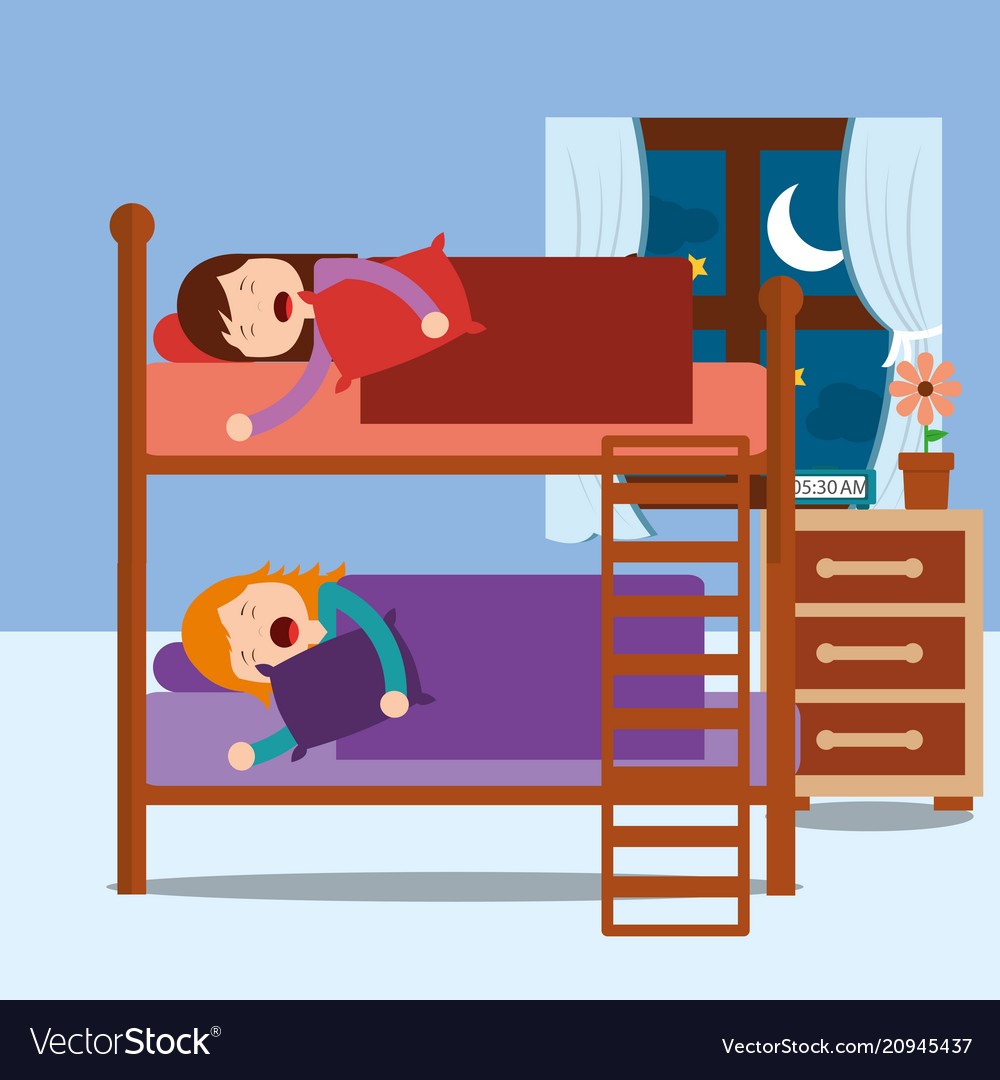
Match the following scenarios with the type of heat transfer they represent.
Convection
Conduction
Radiation
Warm air rising to the top bunk
Heat transfer through a metal rod
Sunlight warming your skin
Warm air rising to the top bunk
Heat transfer through a metal rod
Sunlight warming your skin
30
31
Hotspot
Which spot identifies the "conductor" in this image?
32
33
Drag and Drop
34
Multiple Choice
5 Jars with 92* C water are set up with thermometers. 4 jars are wrapped equally with different material. One jar is kept unwrapped as a control. After 10 minutes the temperature is checked and noted in the above chart. Which property of the material is most likely being tested?
state of matter
Thermal energy insulation
Thermal energy production
ability to conduct electricity
35
Dropdown
36
37
Multiple Choice
What material is typically used for the handle of a pot, and why is it important?
Metal
Plastic
Wood
Glass
38
39
Multiple Choice
The diagram shows a complete circuit but the bulb did not light up. Why?
The plastic spoon is an insulator of electricity and prevented electric current from flowing through the circuit.
The plastic spoon is not connected properly and prevented electric current from flowing through the circuit.
The plastic spoon is a conductor of electricity and prevented electric current from flowing through the circuit.
40
41
Fill in the Blank
42
43
44
Multiple Choice
45
46
Multiple Choice
A sea breeze blows from the ocean toward the shore. Why does this occur?
Air over land heats faster than air over water, which cause convection.
Conduction of heat from the warm water produces wind from the ocean.
The tide carries the wind to the shore as it moves back and forth.
High pressure over the land causes a downdraft to occur.
47
48
Multiple Choice
What is the process called that transfers heat by electromagnetic waves through a vacuum?
Conduction
Convection
Radiation heating
Thermal conduction
49
50
Reorder
Reorder the types of electromagnetic radiation from highest energy to lowest energy.
Radio WAves
Infrared
Visisble
Ultraviolet
Gamma
51
52
Multiple Choice
What are the two forms of electromagnetic radiation that carry radiant energy important to radiation heating?
Infrared and Ultraviolet Light
Infrared and Visible Light
Visible Light and X-Rays
Microwaves and Radio Waves
53
54
Multiple Choice
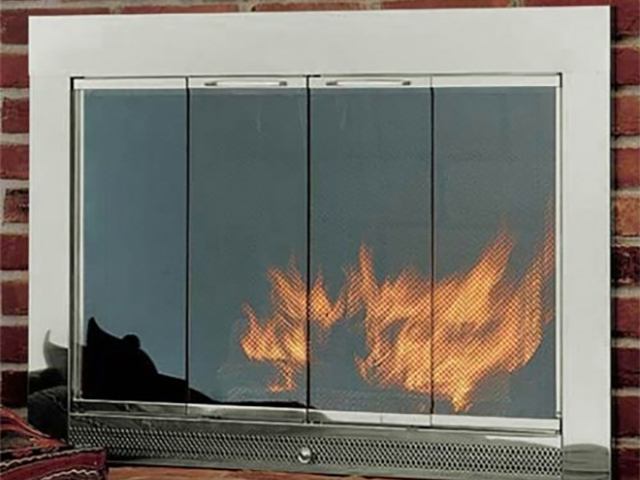
What is the process by which thermal energy radiates from a fire to your body?
Conduction
Convection
Radiation
Insulation
55
56
57
Multiple Choice
A vacuum flask prevents heat transfer by conduction, convection, and radiation.
True
False
58
59
Multiple Choice
60
61
62
63
64
Dropdown
65
66
67
68
69
70
71
72
73
74
75
76
77
78
79
80
81
82
83
Poll
How confident do you feel about this topic now?
Show answer
Auto Play
Slide 1 / 83
SLIDE

Similar Resources on Wayground
76 questions
7.5.1-Cells and Life
Presentation
•
8th Grade
77 questions
Chemistry
Presentation
•
8th Grade
83 questions
Students' Water & Human Activity Lesson
Presentation
•
7th Grade
78 questions
Gravity and Ocean Tides
Presentation
•
8th Grade
77 questions
RPJH 26-26 8.10AB Weather
Presentation
•
8th Grade
80 questions
Forms of Energy and energy transformations lesson Monday 11/3
Presentation
•
8th Grade
80 questions
1.1 States and Purity of Matter
Presentation
•
6th - 8th Grade
81 questions
Meteorology 4d
Presentation
•
6th Grade
Popular Resources on Wayground
10 questions
5.P.1.3 Distance/Time Graphs
Quiz
•
5th Grade
10 questions
Fire Drill
Quiz
•
2nd - 5th Grade
20 questions
Equivalent Fractions
Quiz
•
3rd Grade
22 questions
School Wide Vocab Group 1 Master
Quiz
•
6th - 8th Grade
20 questions
Main Idea and Details
Quiz
•
5th Grade
20 questions
Context Clues
Quiz
•
6th Grade
20 questions
Inferences
Quiz
•
4th Grade
12 questions
What makes Nebraska's government unique?
Quiz
•
4th - 5th Grade
Discover more resources for Science
19 questions
Introduction to Properties of Waves
Presentation
•
6th - 8th Grade
16 questions
Interactions within Ecosystems
Presentation
•
6th - 8th Grade
10 questions
Exploring the Layers of the Earth
Interactive video
•
6th - 10th Grade
16 questions
Photosynthesis and Cellular Respiration Review
Quiz
•
7th Grade
20 questions
Abiotic & Biotic Factors
Quiz
•
7th Grade
10 questions
Exploring the Evolution of Cell Theory
Interactive video
•
7th Grade
17 questions
Human body systems
Quiz
•
7th Grade
20 questions
Energy Transformations
Quiz
•
6th - 8th Grade