

Anatomy/Physiology Lesson

Presentation
•
Other
•
9th - 12th Grade
•
Practice Problem
•
Easy

Lindsay Davis
Used 1+ times
FREE Resource
30 Slides • 28 Questions
1

2
Multiple Choice
Why is the muscular system important for animals and humans?
It helps in digestion only
It provides movement, form, generates heat, and supports life through various systems
It only helps in breathing
It is only important for food production
3
4
Open Ended
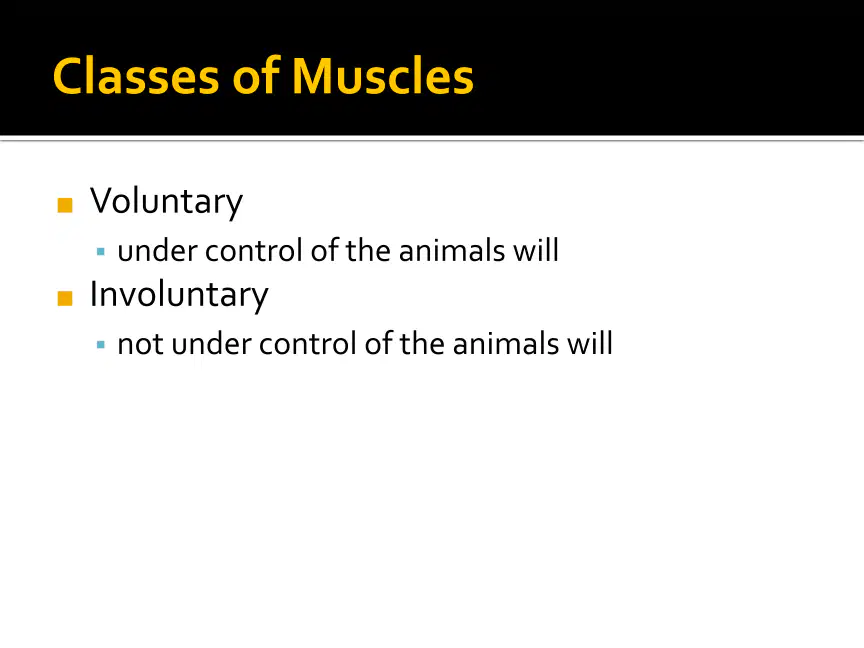
How do voluntary and involuntary muscles differ in their control within animals?
5
6
Multiple Select
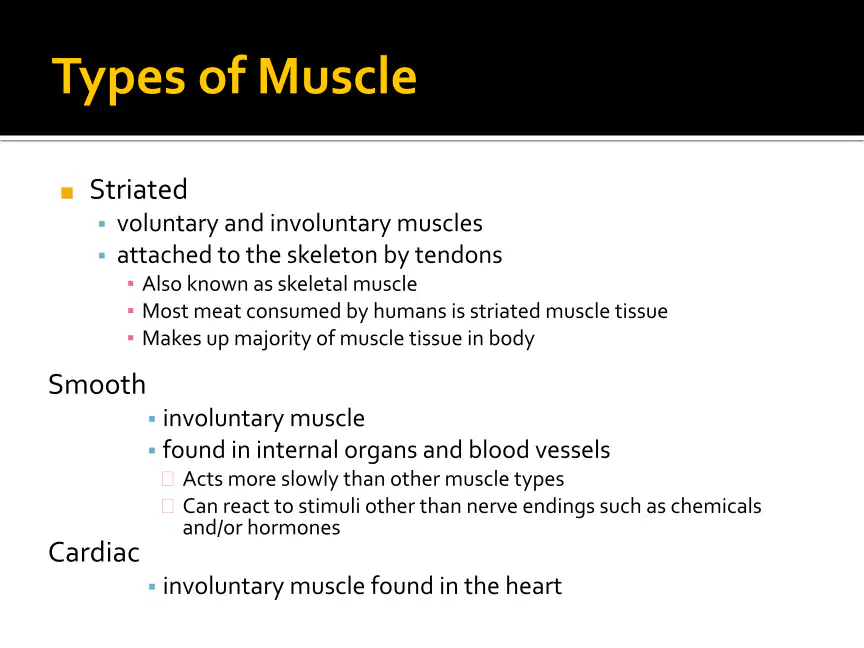
Which of the following are characteristics of smooth muscle?
Found in internal organs and blood vessels
Acts more slowly than other muscle types
Attached to the skeleton by tendons
Can react to stimuli other than nerve endings
7
Multiple Choice
Which type of muscle is attached to the skeleton by tendons and is also known as skeletal muscle?
Striated muscle
Smooth muscle
Cardiac muscle
Involuntary muscle
8
9
Open Ended
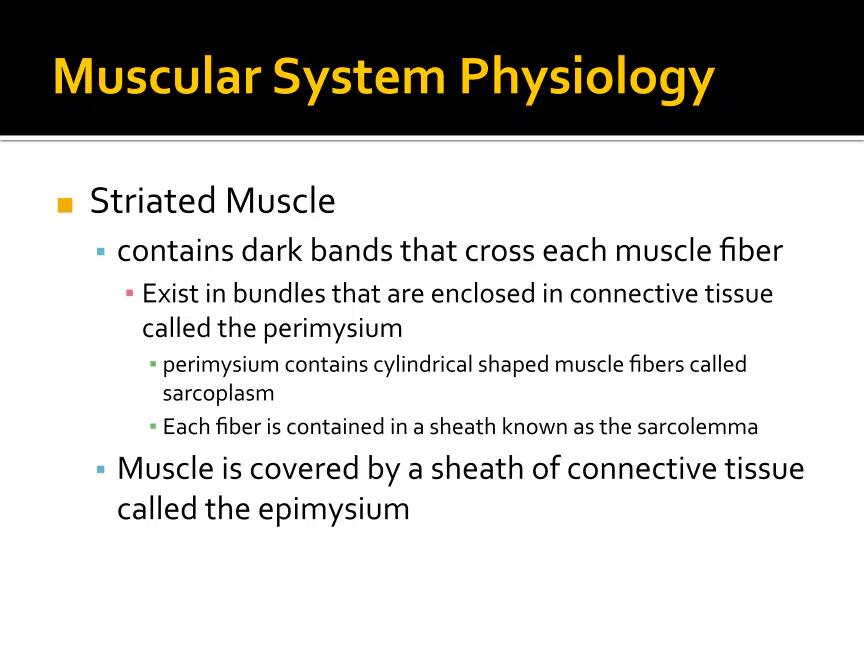
Explain the role of the perimysium and sarcolemma in the structure of striated muscle.
10
11
Fill in the Blanks
Type answer...
12
13
Multiple Choice
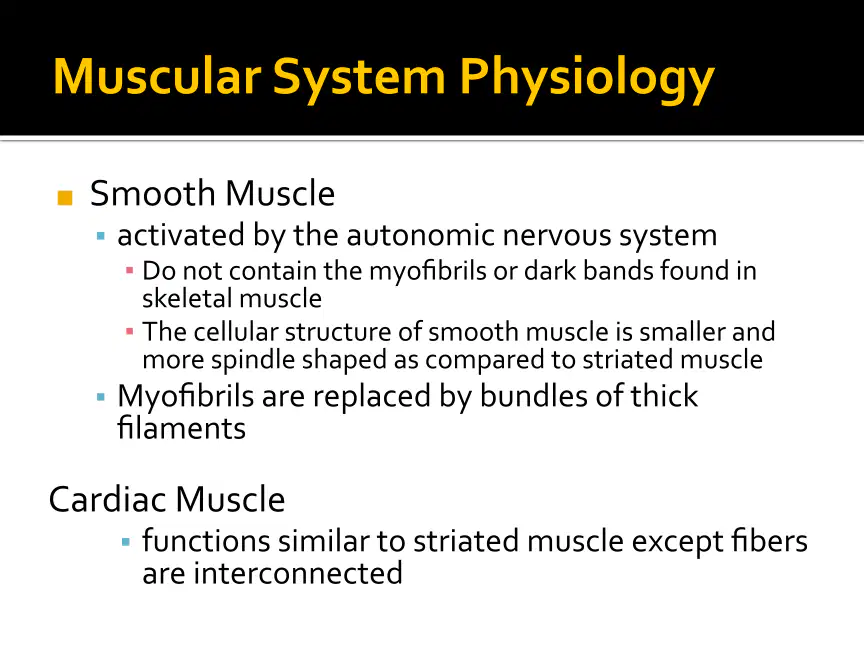
What is a major difference between smooth muscle and striated muscle based on their cellular structure?
Smooth muscle is more spindle shaped and smaller
Striated muscle is found in internal organs
Smooth muscle contains dark bands
Striated muscle is activated by the autonomic nervous system
14
15
Multiple Select
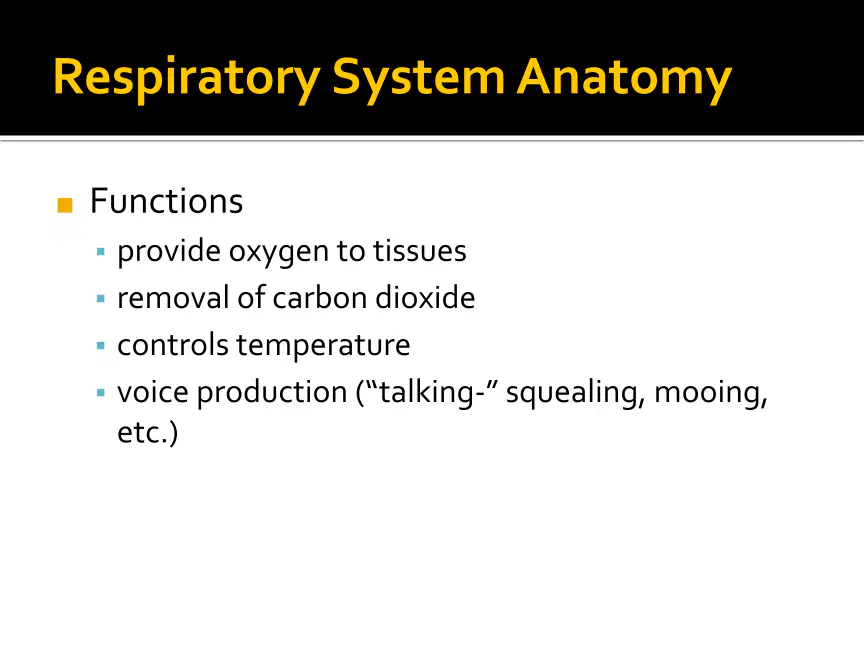
Which of the following are functions of the respiratory system?
Provide oxygen to tissues
Removal of carbon dioxide
Voice production
Production of insulin
16
17
18
Fill in the Blanks
Type answer...
19
Multiple Choice
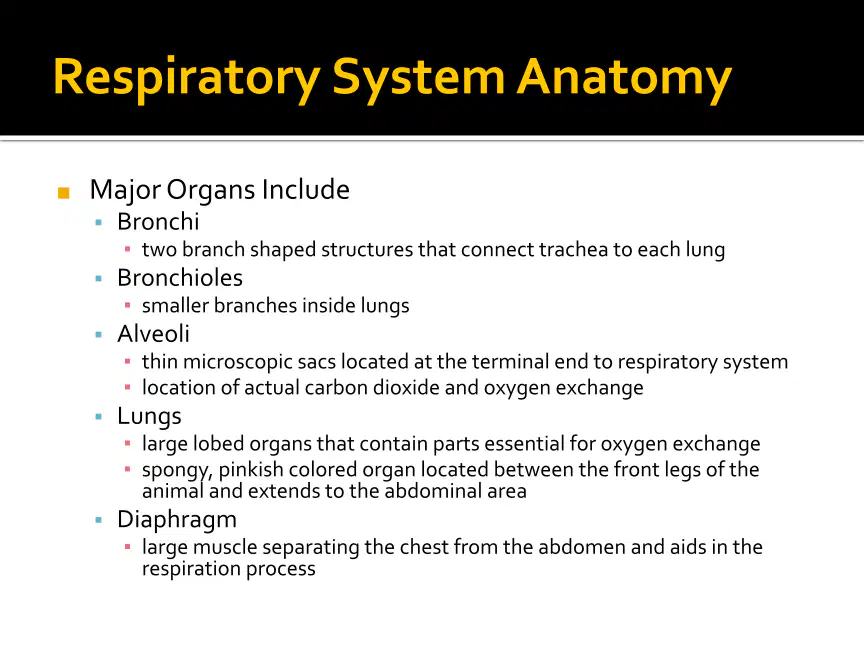
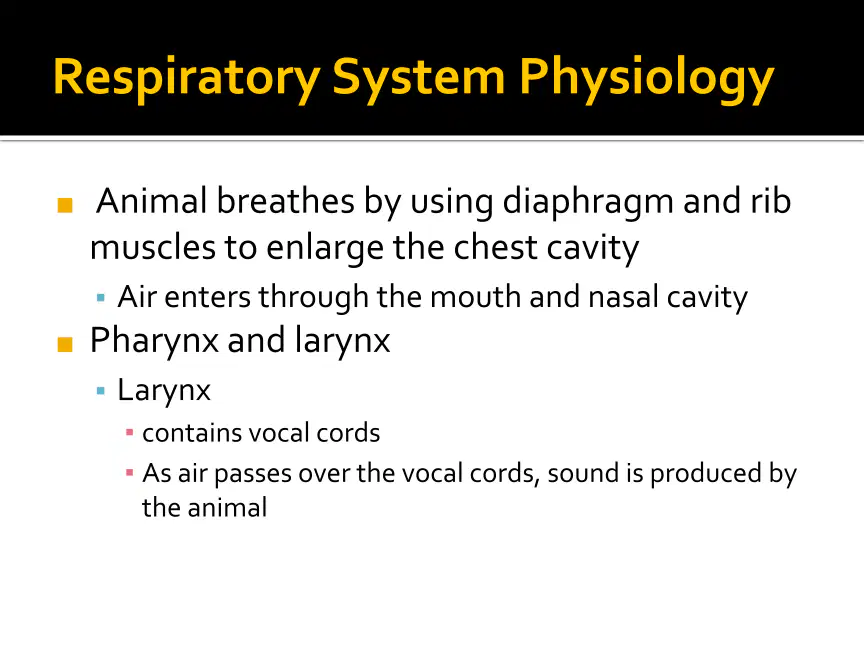
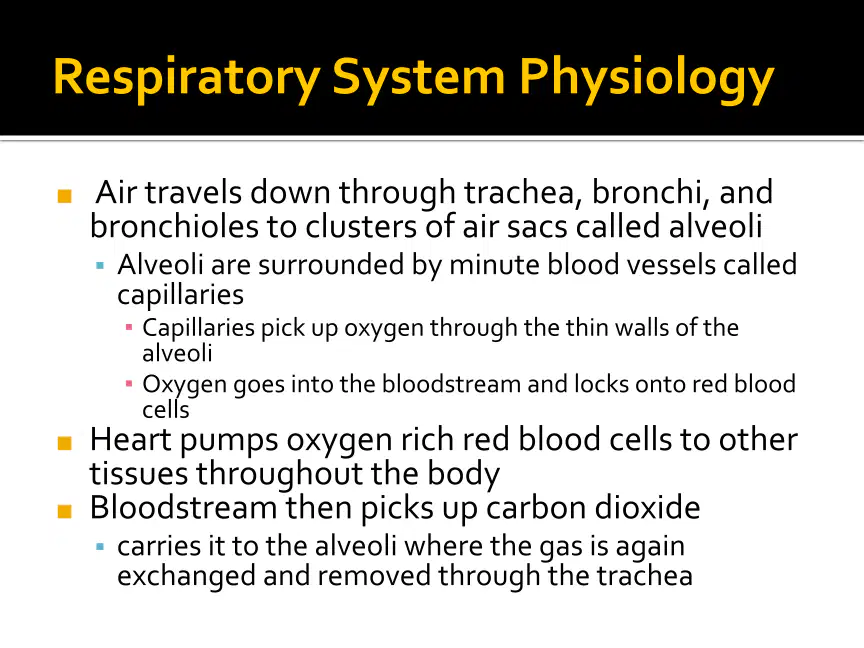
Which of the following is the location where actual carbon dioxide and oxygen exchange occurs in the respiratory system?
Alveoli
Bronchi
Bronchioles
Larynx
20
21
Multiple Choice
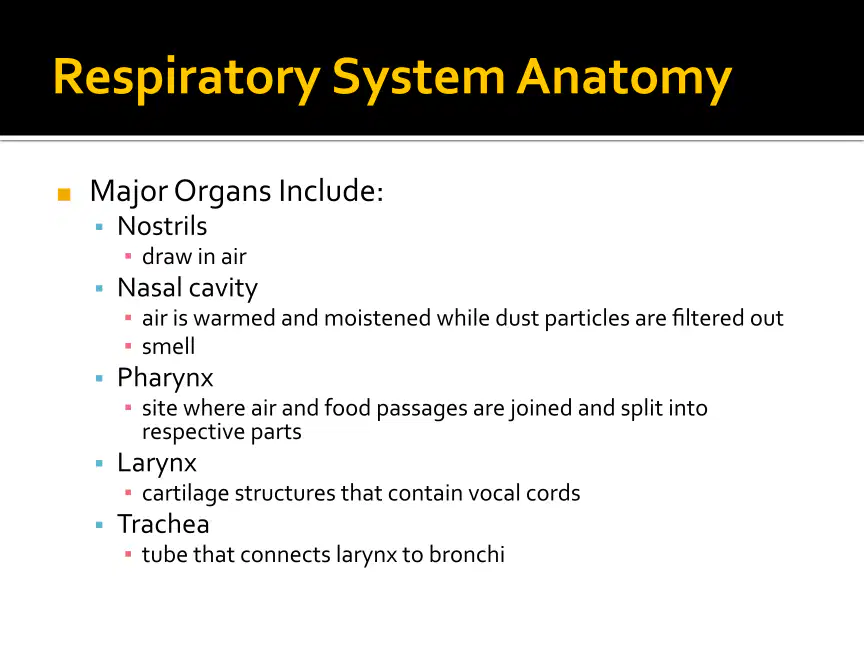
Which organ is responsible for producing sound as air passes over it in animals?
Larynx
Bronchi
Diaphragm
Alveoli
22
23
24
Multiple Select
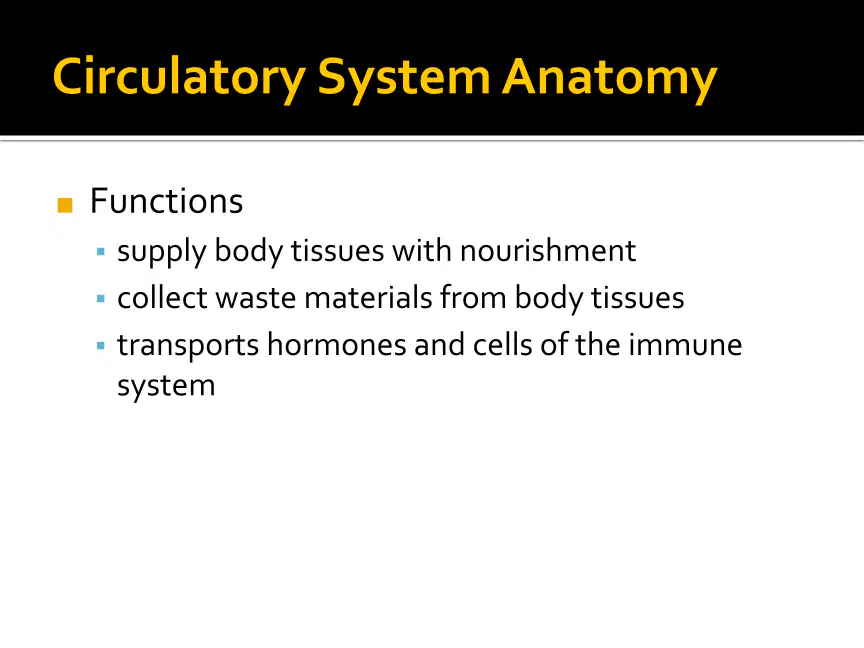
Which of the following are functions of the circulatory system?
Supply body tissues with nourishment
Collect waste materials from body tissues
Transport hormones and cells of the immune system
Produce sound for communication
25
26
Open Ended
Explain how oxygen is transported from the lungs to the tissues throughout the body, based on the information from the respiratory and circulatory system slides.
27
28
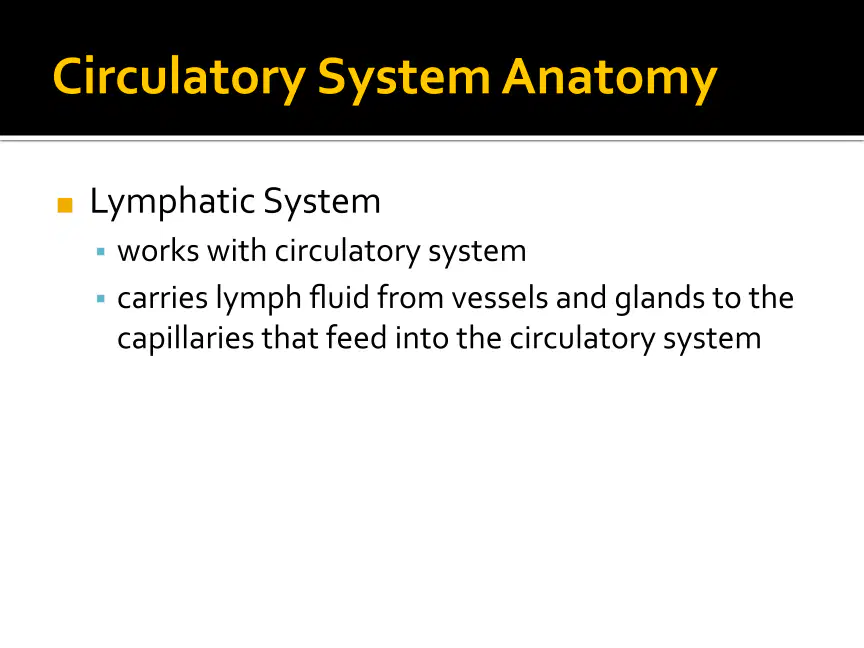
Multiple Choice
What is the primary function of the lymphatic system as described in the slides?
Carries lymph fluid to capillaries that feed into the circulatory system
Pumps blood throughout the body
Exchanges oxygen and carbon dioxide
Produces hormones
29
30
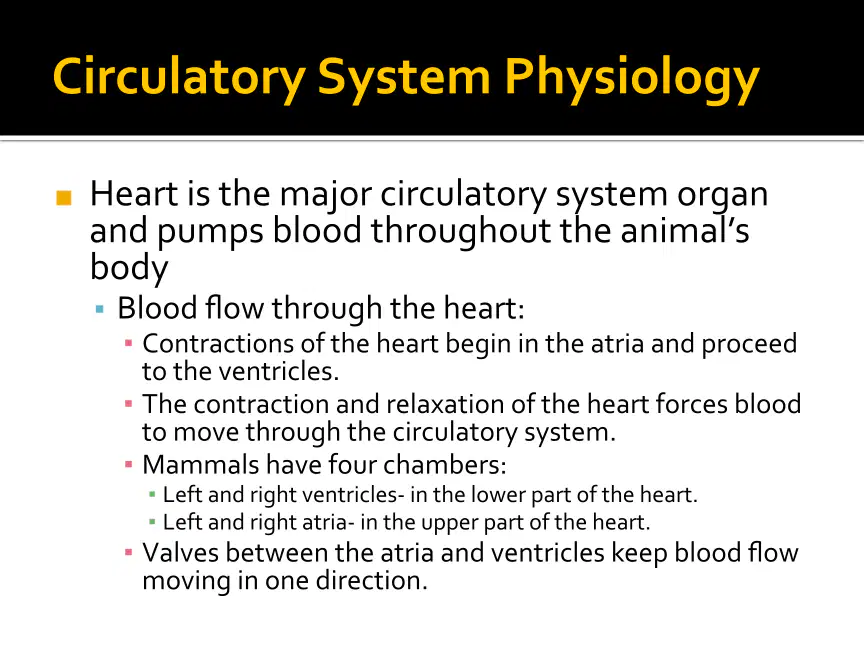
Multiple Choice
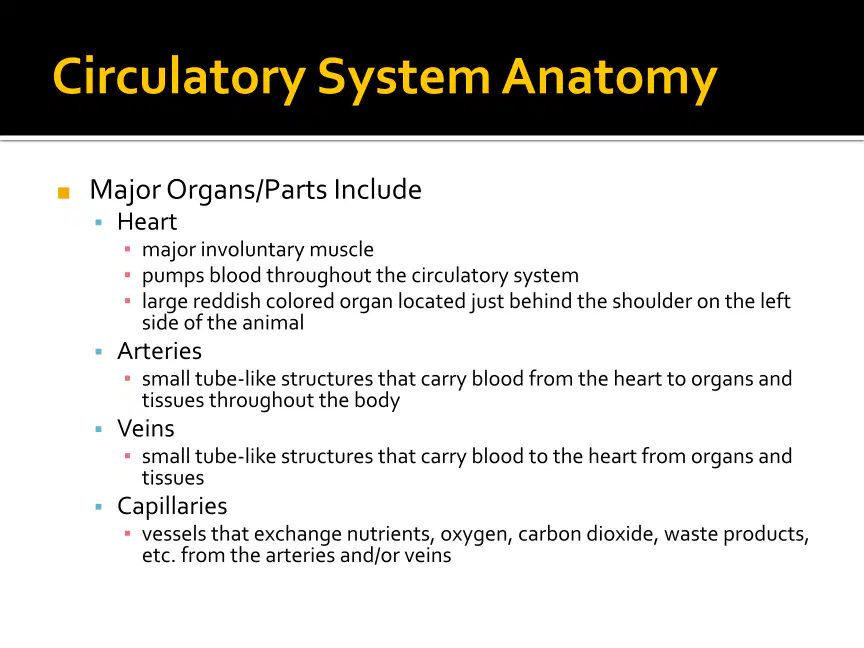
Which of the following statements about the heart is correct?
The heart pumps blood throughout the animal's body.
The heart is responsible for gas exchange in the lungs.
The heart stores nutrients for the body.
The heart produces hormones for the body.
31
32
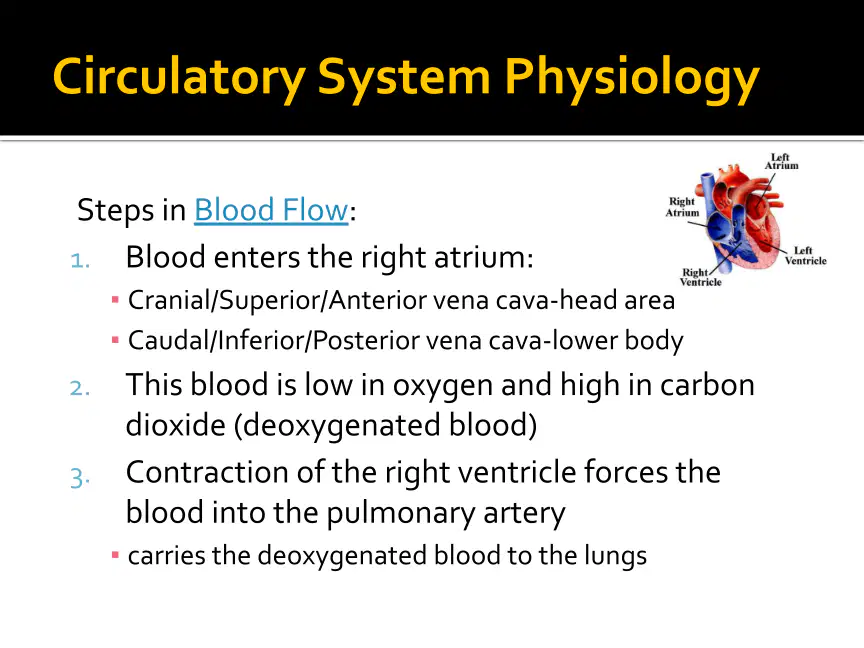
Fill in the Blanks
Type answer...
33
34
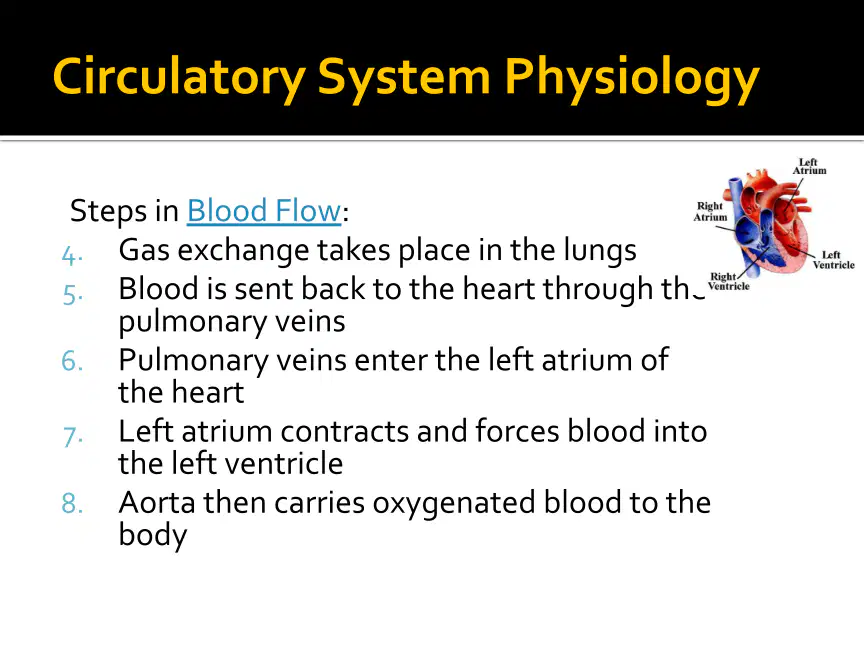
Multiple Choice
Which chamber of the heart receives blood returning from the lungs?
Left atrium
Right atrium
Left ventricle
Right ventricle
35
Open Ended
Explain the process of gas exchange that takes place in the lungs as part of blood flow through the circulatory system.
36
37
Multiple Select
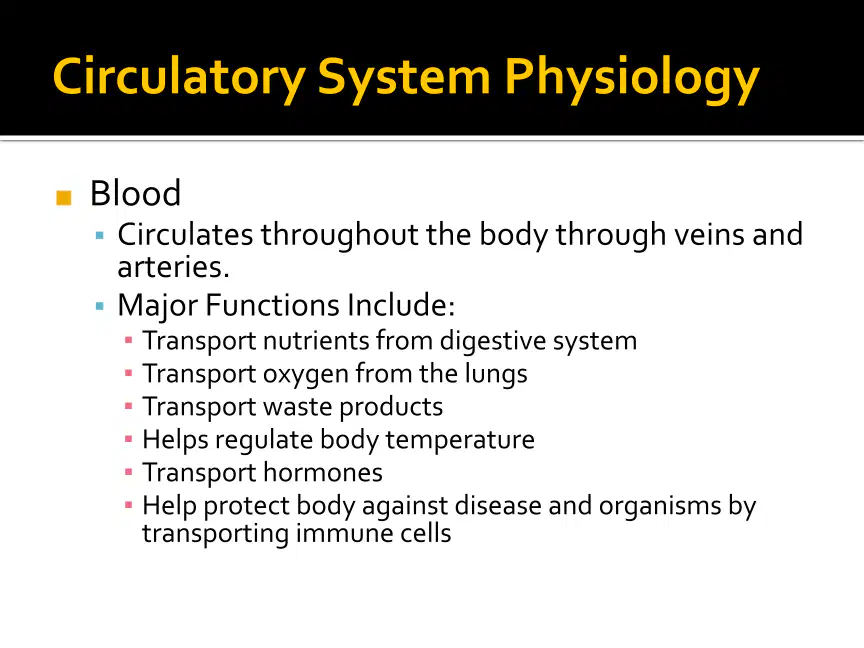
Which of the following are functions of blood in the circulatory system?
Transport nutrients from the digestive system
Transport oxygen from the lungs
Produce hormones
Help protect the body against disease by transporting immune cells
38
39
40
Multiple Choice
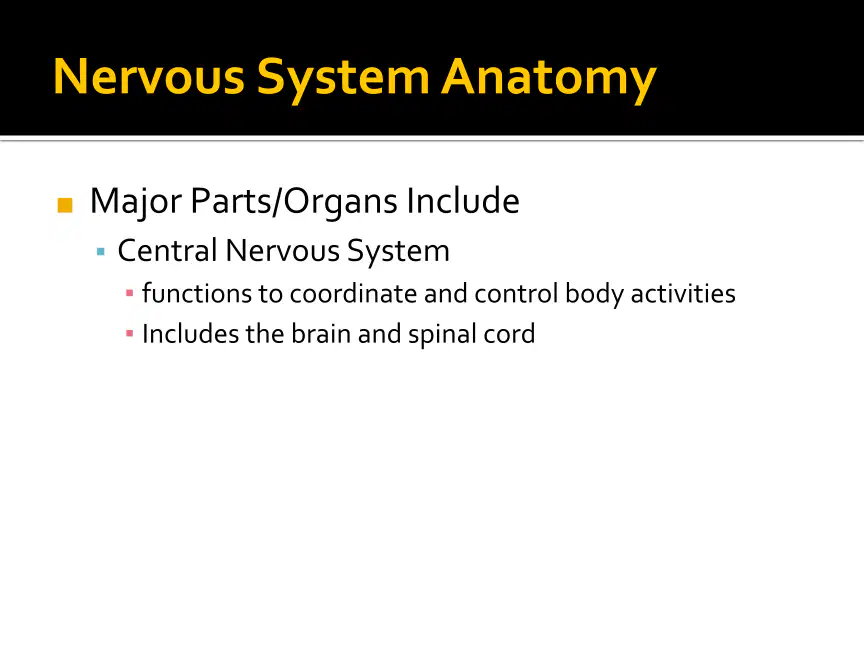
Which organs are included in the central nervous system?
Brain and spinal cord
Heart and lungs
Kidneys and liver
Stomach and intestines
41
42
Multiple Choice
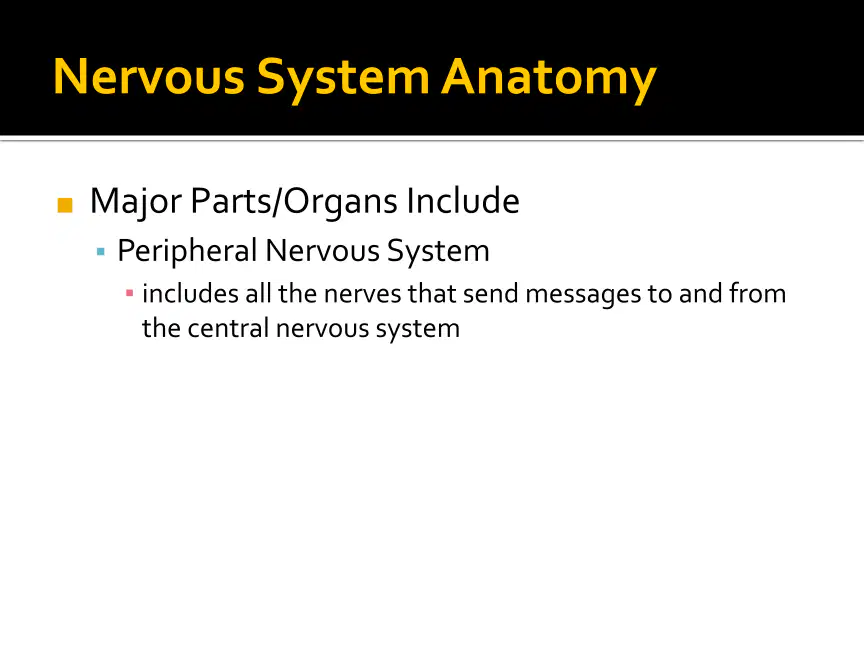
Which of the following is a function of the peripheral nervous system?
It includes all the nerves that send messages to and from the central nervous system.
It processes information in the brain and spinal cord.
It secretes hormones such as estrogen and progesterone.
It regulates the other hormones involved in the endocrine system.
43
44
Multiple Select
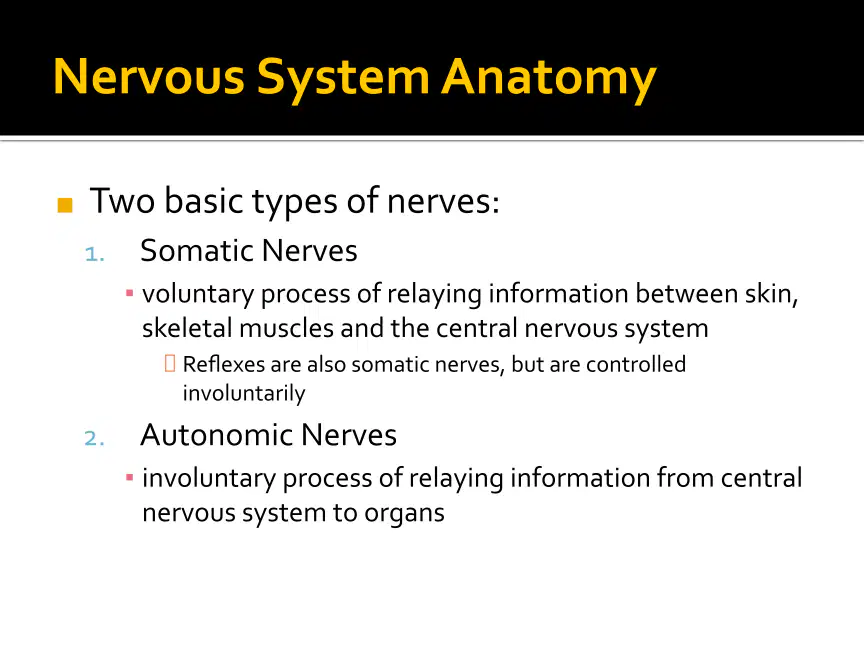
Which of the following statements correctly describe somatic and autonomic nerves?
Somatic nerves relay information voluntarily between skin, skeletal muscles, and the central nervous system.
Autonomic nerves relay information involuntarily from the central nervous system to organs.
Somatic nerves are only involved in involuntary processes.
Autonomic nerves are responsible for voluntary muscle movement.
45
46
Fill in the Blanks
Type answer...
47
48
Open Ended
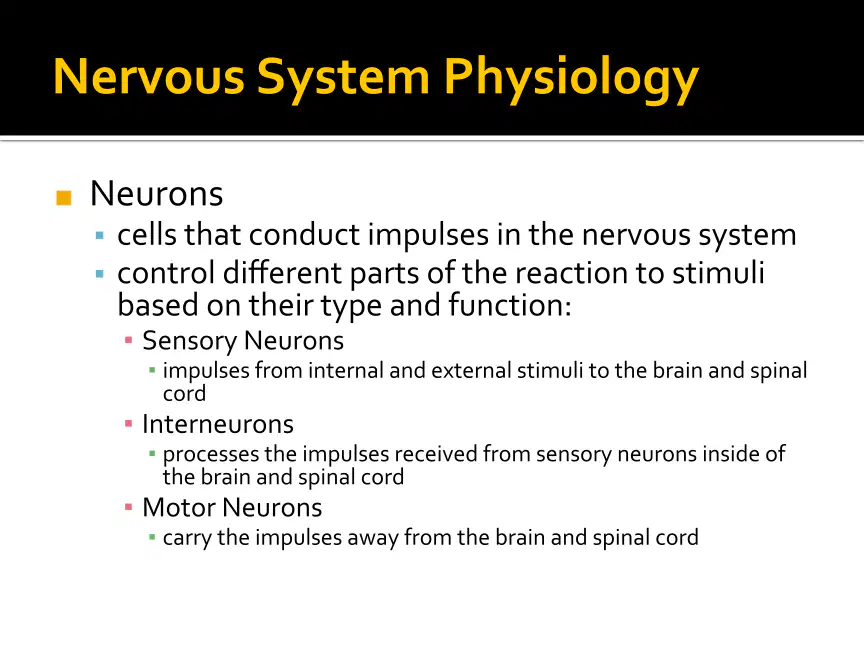
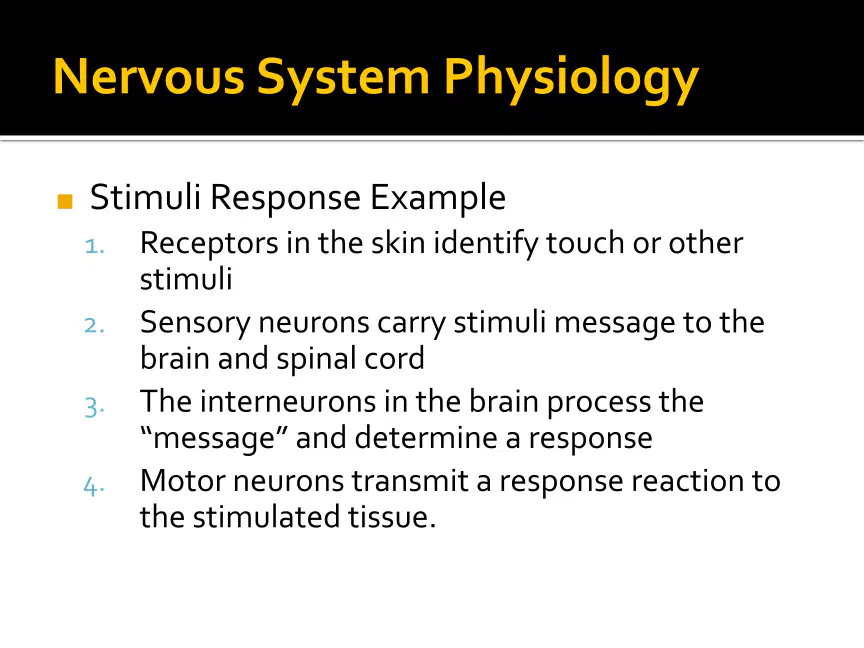
Explain how the three types of neurons (sensory neurons, interneurons, and motor neurons) work together to respond to a stimulus.
49
50
Multiple Choice
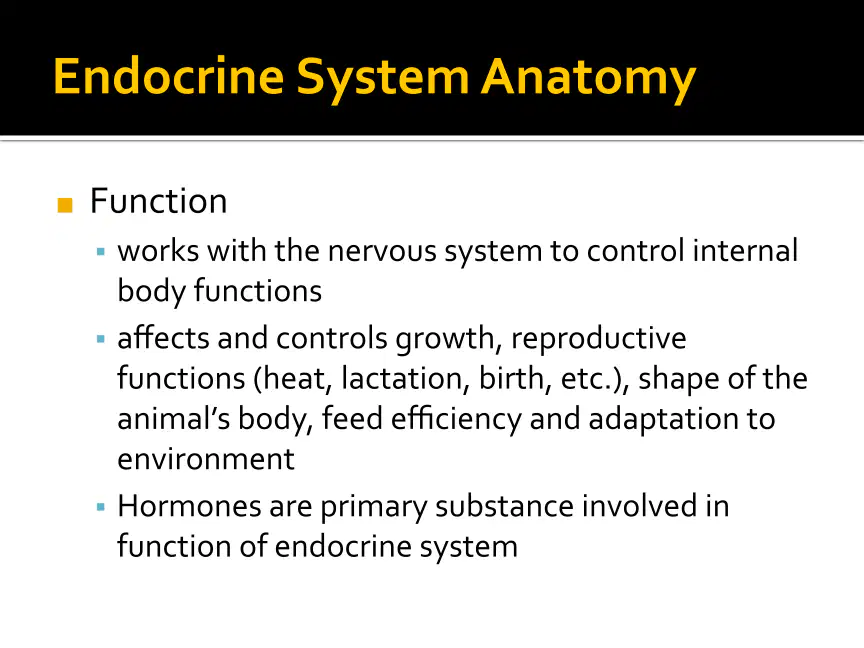
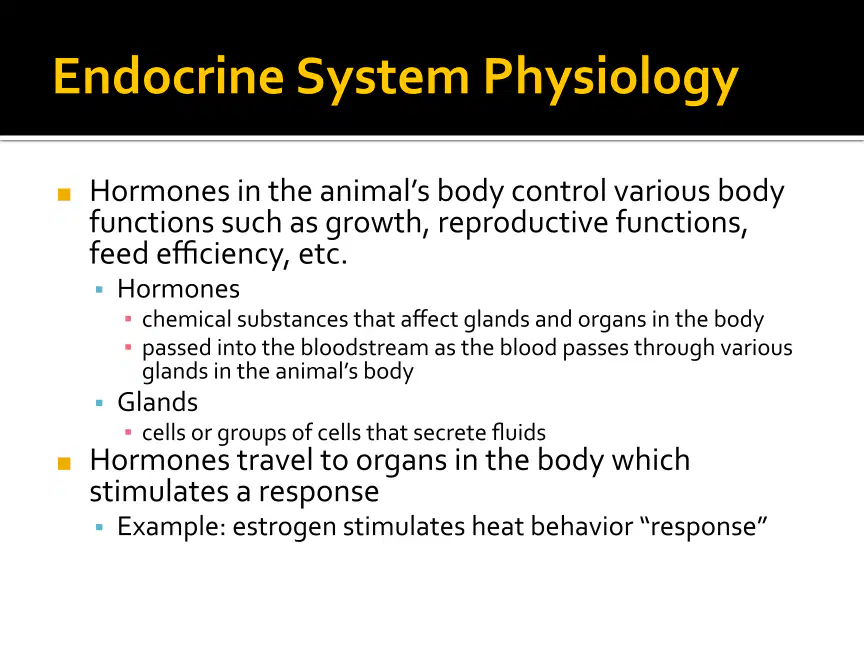
Which of the following is NOT a function of the endocrine system?
Regulating hormones involved in the endocrine system
Controlling internal body functions with the nervous system
Carrying impulses away from the brain and spinal cord
Affecting growth and reproductive functions
51
52
Multiple Select
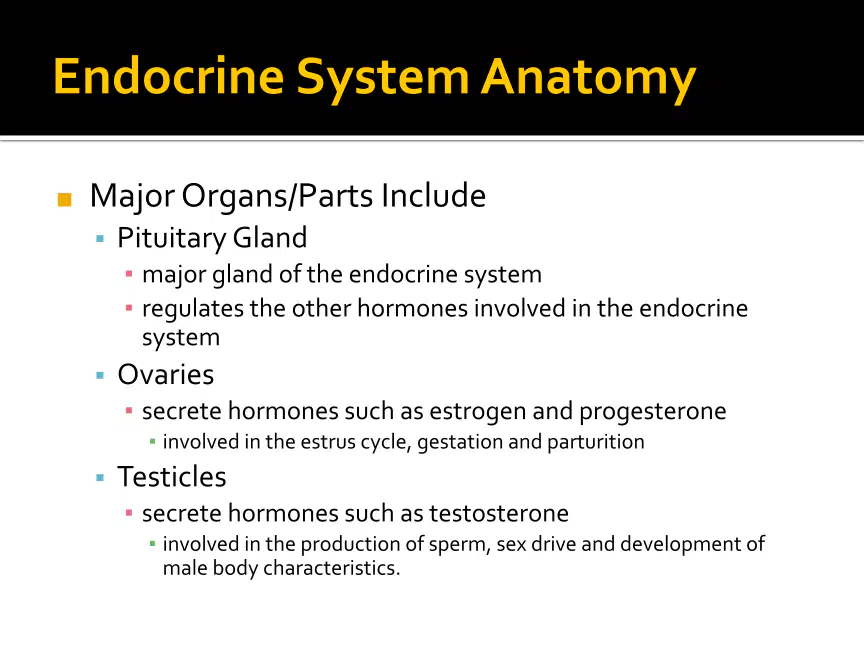
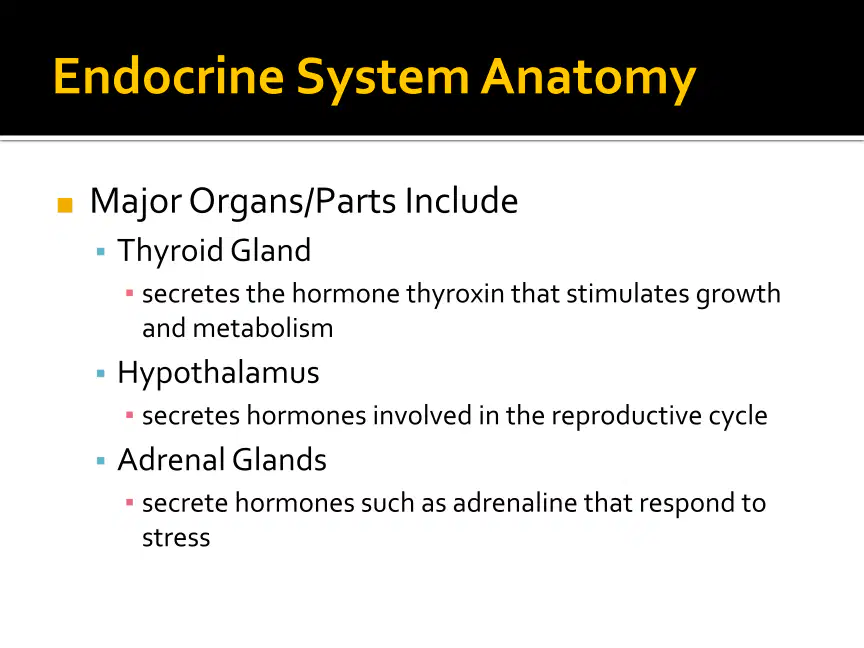
Which of the following organs are part of the endocrine system and what hormones do they secrete?
Pituitary gland - regulates other hormones
Ovaries - secrete estrogen and progesterone
Testicles - secrete testosterone
Interneurons - process impulses from sensory neurons
53
54
55
56
57
Open Ended
How would you explain the difference between voluntary and involuntary muscles to someone unfamiliar with these terms?
58
Multiple Choice
Which of the following is NOT a function of the muscular system in animals?
Providing movement
Generating heat
Producing hormones
Supporting life through digestive and respiratory systems
Show answer
Auto Play
Slide 1 / 58
SLIDE
Similar Resources on Wayground

51 questions
Caperucita Roja
Presentation
•
8th - 12th Grade
54 questions
Special Right Triangles
Presentation
•
9th - 12th Grade
57 questions
Les Adjectifs Possessifs
Presentation
•
9th - 12th Grade
52 questions
Ancient China
Presentation
•
9th - 12th Grade
49 questions
Spring Final Review 2023_Culinary Arts ONE. (INTRODUCTION)
Presentation
•
9th - 12th Grade
53 questions
Minerals
Presentation
•
9th - 12th Grade
55 questions
Would you rather...
Presentation
•
9th - 12th Grade
52 questions
Ambiguity, Paradox, Understatement, Overstatement
Presentation
•
9th - 12th Grade
Popular Resources on Wayground
20 questions
Math Review

Quiz
•
3rd Grade
15 questions
Fast food
Quiz
•
7th Grade
20 questions
Context Clues
Quiz
•
6th Grade
20 questions
Inferences
Quiz
•
4th Grade
19 questions
Classifying Quadrilaterals
Quiz
•
3rd Grade
20 questions
Figurative Language Review
Quiz
•
6th Grade
20 questions
Equivalent Fractions
Quiz
•
3rd Grade
10 questions
Identify Fractions, Mixed Numbers & Improper Fractions
Quiz
•
3rd - 4th Grade
Discover more resources for Other
10 questions
Fact Check Ice Breaker: Two truths and a lie
Quiz
•
5th - 12th Grade
10 questions
Video Games
Quiz
•
6th - 12th Grade
10 questions
Logos
Quiz
•
6th - 9th Grade
10 questions
Test Your Knowledge with 15 Fun Trivia Questions

Interactive video
•
6th - 10th Grade
15 questions
Memorial Day Trivia
Quiz
•
KG - 12th Grade
21 questions
Factoring Trinomials (a=1)
Quiz
•
9th Grade
12 questions
Name that Candy
Quiz
•
KG - 12th Grade
22 questions
Regular Preterite -AR-ER-IR-
Quiz
•
12th Grade