Cell Membrane & Transport
Presentation
•
Science
•
9th - 12th Grade
•
Practice Problem
•
Medium
+3
Standards-aligned
Aleena Alcee
Used 8+ times
FREE Resource
19 Slides • 22 Questions
1
2
3
Open Ended
What does the cell membrane do?
4
Multiple Choice
Why is the cell membrane called semi-permeable?
Because it selectively allows some substances to pass while blocking others.
5
6
Multiple Choice
What is the main function of phospholipids in the cell membrane?
To form a barrier that separates the inside and outside of the cell
7
Multiple Choice
What part of a phospholipid is attracted to water?
Hydrophobic tails
Hydrophilic head
Phosphate group
Fatty acid chain
8
9
Multiple Choice
Why is the cell membrane described as a phospholipid bilayer?
It is made of one layer of phospholipids
It is made of two layers of phospholipids
It is made of protein only
It is made of carbohydrates
10
11
12
Drag and Drop
13
Drag and Drop
14
15
16
Multiple Choice
Which of the following statements about passive transport is correct?
Molecules move from low to high concentration
Energy is required for molecules to move
Molecules move from high to low concentration
Molecules only move through the cell membrane, not protein channels
17
18
Fill in the Blank
19
Multiple Choice
Which of the following best describes the main function of ATP in the cell?
It acts as a battery, storing and releasing energy for cellular processes.
It provides structural support to the cell membrane.
It transports oxygen throughout the cell.
It synthesizes proteins in the ribosome.
20
21
Multiple Choice
How does the example of water flowing into and out of houses during a hurricane help explain passive transport in cells?
Water flow is controlled by active transport mechanisms in cells.
Water movement during a hurricane is unrelated to cellular processes.
The hurricane example shows how cells can store excess water.
It shows how substances move passively through concentration gradients, like water flow during a hurricane.
22
Fill in the Blank
23
Multiple Choice
Which of the following statements about active transport is correct?
It moves molecules from low to high concentration and requires energy.
It moves molecules from high to low concentration and does not require energy.
It does not involve proteins in the membrane.
It is the same as passive transport.
24
25
26
27
Open Ended
Why might neural cells, root cells, and bone cells need to take certain things in or out of the cell?
28
29
Multiple Choice
Diffusion is the movement of molecules from an area of _____ concentration to an ______ concentration
High, low
Low, high
Low, low
High, high
30
31
Multiple Choice
32
Multiple Choice
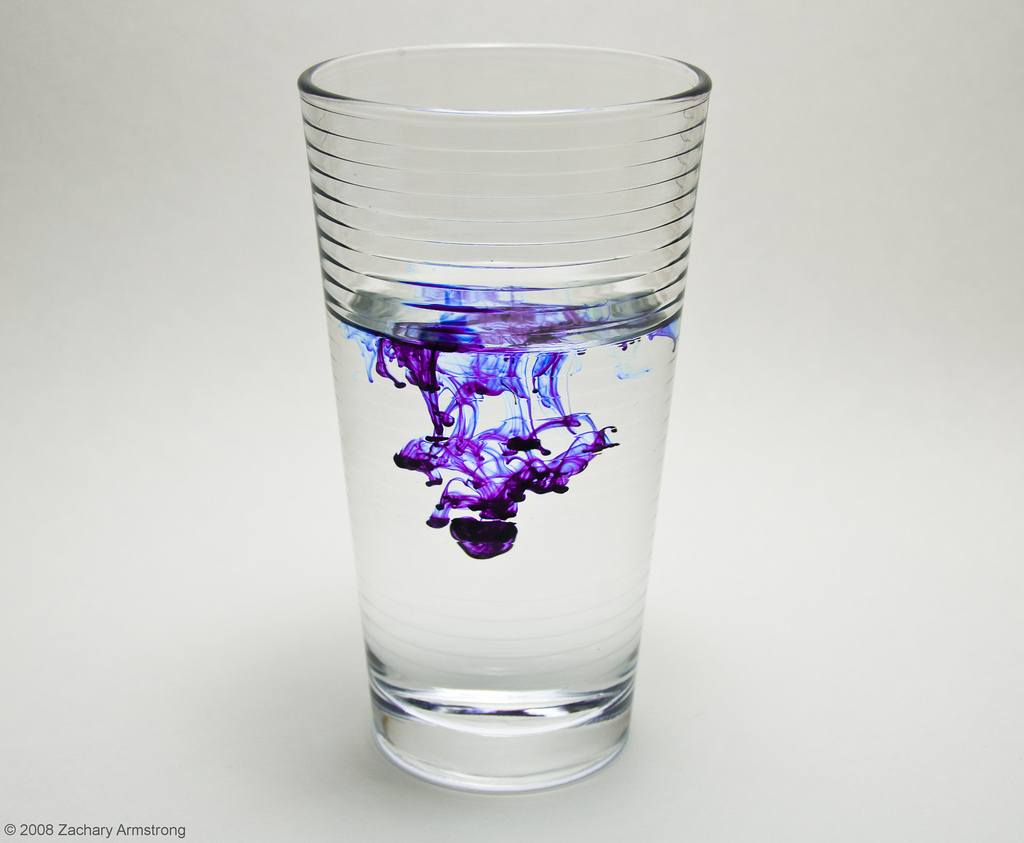
Where is there a low concentration of dye?
at the bottom of cup
in the color
at the top of cup
no concenteraion gradient
33
34
35
36
Multiple Choice
37
38
Multiple Choice
Which red blood cell is normal?
A
B
C
39
Multiple Choice
40
Multiple Choice
What happened to the CELL WALL and the CELL MEMBRANE in these plant cells?
Both the CELL WALL and CELL MEMBRANE shrunk
Only the CELL WALL shrunk, the CELL MEMBRANE stayed the same
The CELL WALL stayed the same, only the CELL MEMBRANE shrunk
Both the CELL WALL and CELL MEMBRANE stayed the same
41
Multiple Choice
A cell has 80% water 20% solute, the surrounding solution has 60% water and 40% solute. What type of solution is this?
Hypertonic
Isotonic
Hypotonic
Equilibrium
Show answer
Auto Play
Slide 1 / 41
SLIDE

Similar Resources on Wayground
35 questions
Nuclear fission vs fusion
Presentation
•
9th - 12th Grade
38 questions
Chemical Reactions - Types of Reactions
Presentation
•
9th - 12th Grade
35 questions
Seismic Waves
Presentation
•
9th - 12th Grade
30 questions
Unit 2.6: Fossil Fuels
Presentation
•
9th - 12th Grade
34 questions
Unit 2- Rocks and Minerals
Presentation
•
9th - 12th Grade
35 questions
Spanish Subject Pronouns and Estar
Presentation
•
9th - 12th Grade
35 questions
Regulating the Cell Cycle + Cancer (part 3)
Presentation
•
9th - 12th Grade
Popular Resources on Wayground
10 questions
5.P.1.3 Distance/Time Graphs
Quiz
•
5th Grade
10 questions
Fire Drill
Quiz
•
2nd - 5th Grade
20 questions
Equivalent Fractions
Quiz
•
3rd Grade
22 questions
School Wide Vocab Group 1 Master
Quiz
•
6th - 8th Grade
20 questions
Main Idea and Details
Quiz
•
5th Grade
20 questions
Context Clues
Quiz
•
6th Grade
20 questions
Inferences
Quiz
•
4th Grade
12 questions
What makes Nebraska's government unique?
Quiz
•
4th - 5th Grade
Discover more resources for Science
10 questions
Exploring the Layers of the Earth
Interactive video
•
6th - 10th Grade
25 questions
Naming Ionic and Covalent Compounds
Quiz
•
9th Grade
20 questions
Balancing Chemical Equations
Quiz
•
9th Grade
15 questions
Protein synthesis
Quiz
•
9th Grade
20 questions
Human Impact on the Environment Review #2
Quiz
•
9th Grade
20 questions
Newton's Laws of Motion
Quiz
•
9th Grade
20 questions
Mendelian Genetics Review
Quiz
•
9th Grade
16 questions
Balancing Chemical Equations and Types of Reactions
Quiz
•
9th - 10th Grade