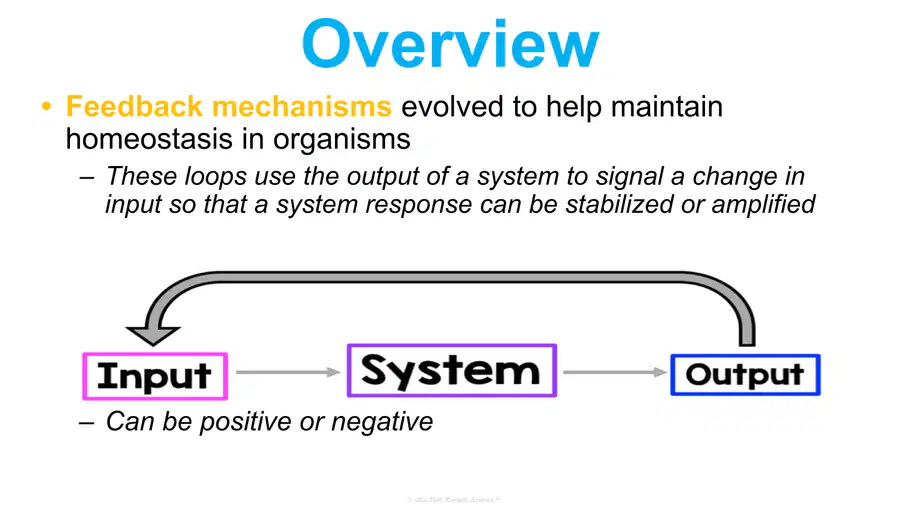
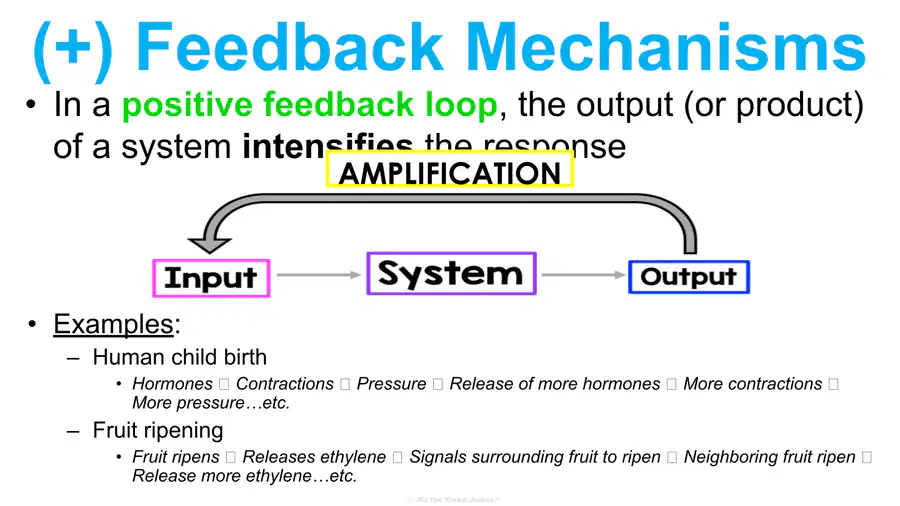
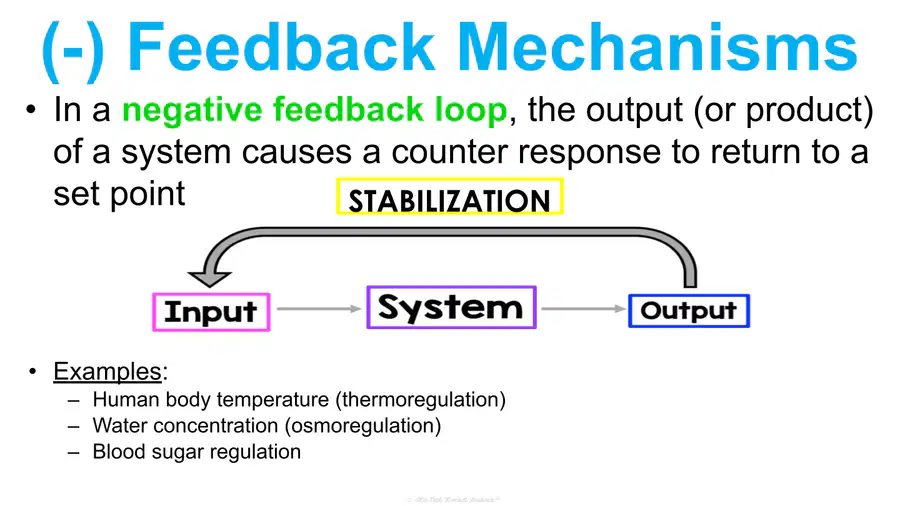
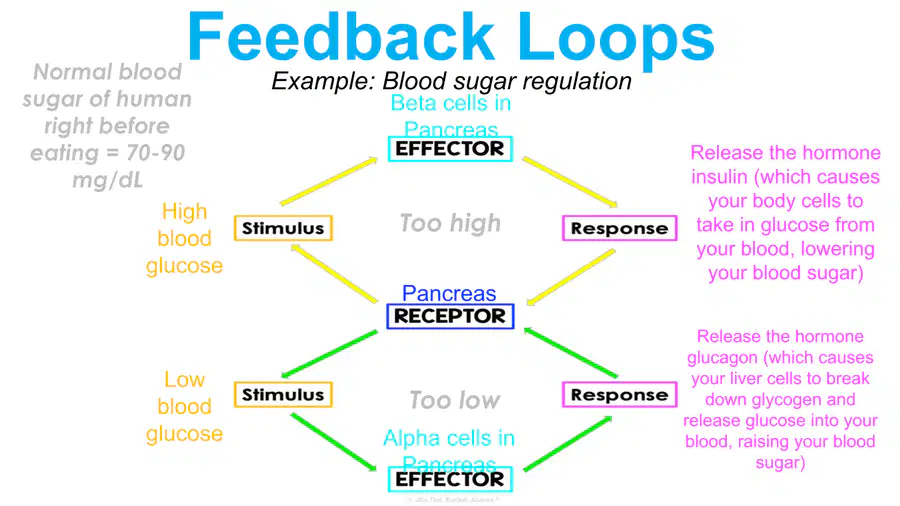
homeostasis and regulation
Presentation
•
Fun
•
8th Grade
•
Practice Problem
•
Medium
Suzanne Atiya
Used 1+ times
FREE Resource
42 Slides • 28 Questions
1
2
Multiple Choice
What type of feedback is shown in the blood clotting model?
Positive
Negative
3
Open Ended
Explain how the changes in Fig. 5.1(b) affect the body temperature. [3]
4
5
Multiple Choice
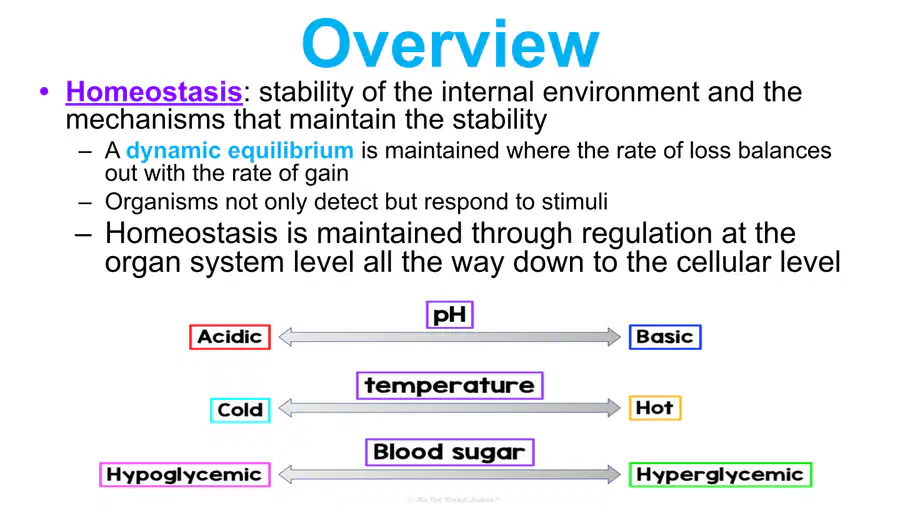
The diagram represents changes that take place within the human body.
The diagram represents
cellular differentiation
dynamic equilibrium
gene interaction
biological evolution
6
7
Multiple Choice
An example of a negative feedback loop is ...
Blood glucose regulation
Temperature regulation
Heart rate regulation
All of the above
8
9
10
Fill in the Blanks
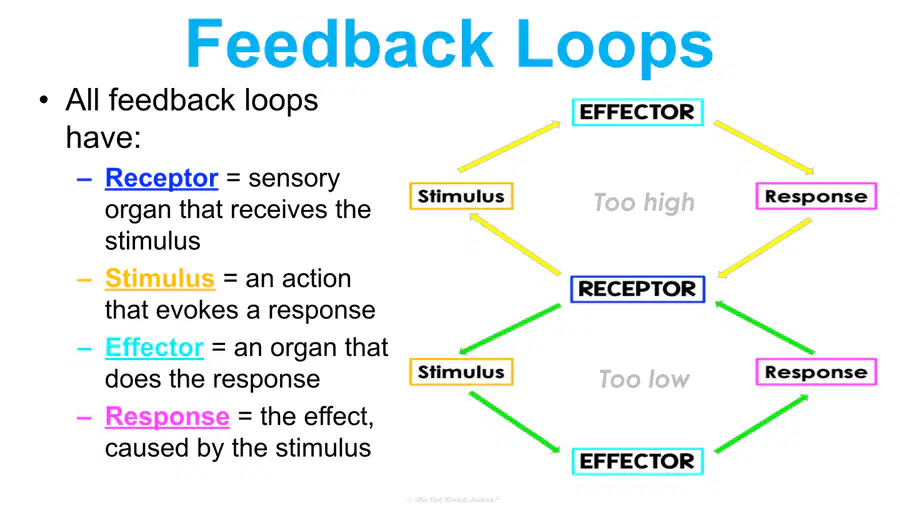
Examine the different events in the image. What type of feedback mechanism seems to be occurring?
11
12
13
Open Ended
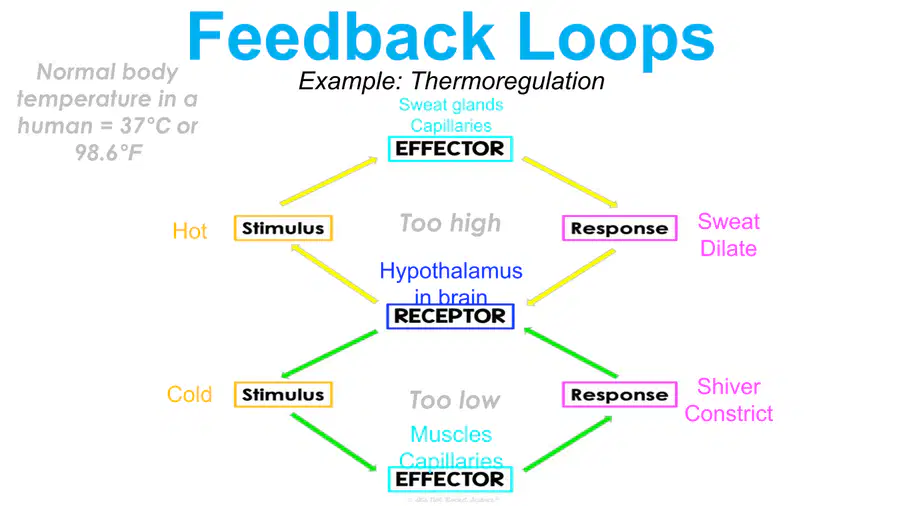
Using the image (upper loop-temperature drops), identify the stimulus, sensor, effector and response.
14
15
Multiple Choice
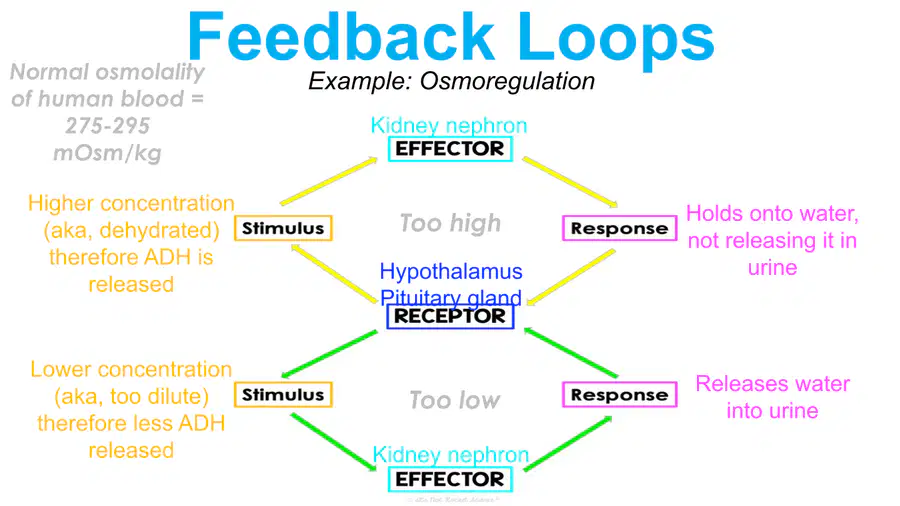
What is the role of the hypothalamus and pituitary gland in osmoregulation when the blood concentration is too high?
They release more ADH
They release less ADH
They hold onto water
They release water into urine
16
17
18
19
Multiple Choice
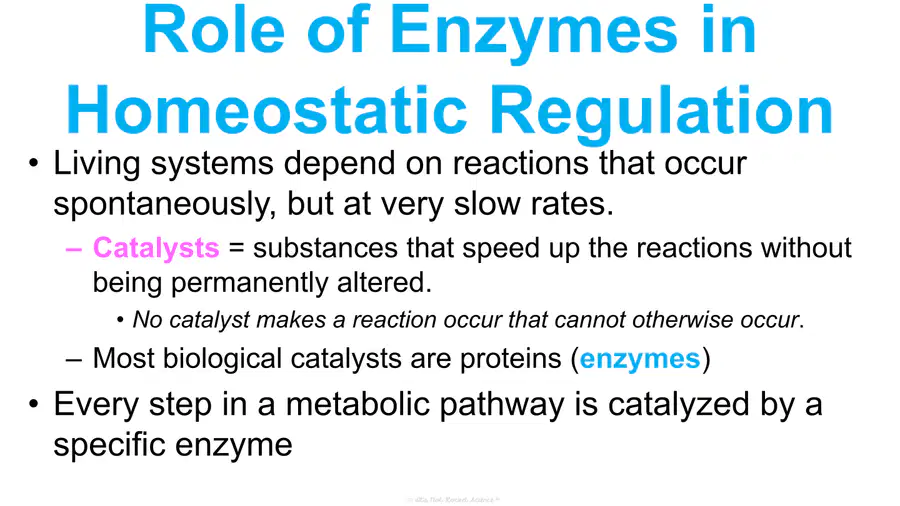
What are catalysts and what role do they play in biological reactions?
Substances that slow down reactions
Substances that speed up reactions without being altered
Substances that are permanently altered
Substances that make reactions occur that cannot otherwise occur
20
21
Multiple Choice
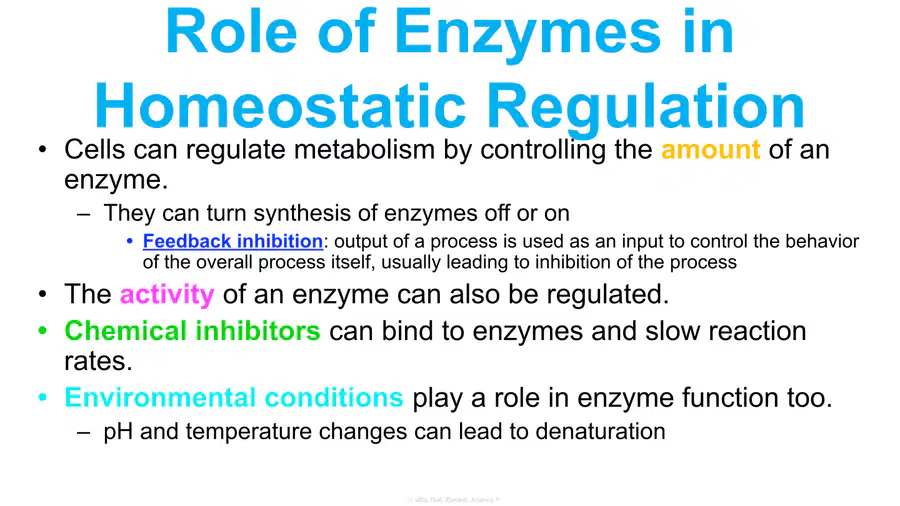
What is the role of feedback inhibition in enzyme regulation?
It enhances enzyme activity
It inhibits enzyme synthesis
It controls the amount of enzyme
It has no effect on enzymes
22
23
24
Multiple Choice
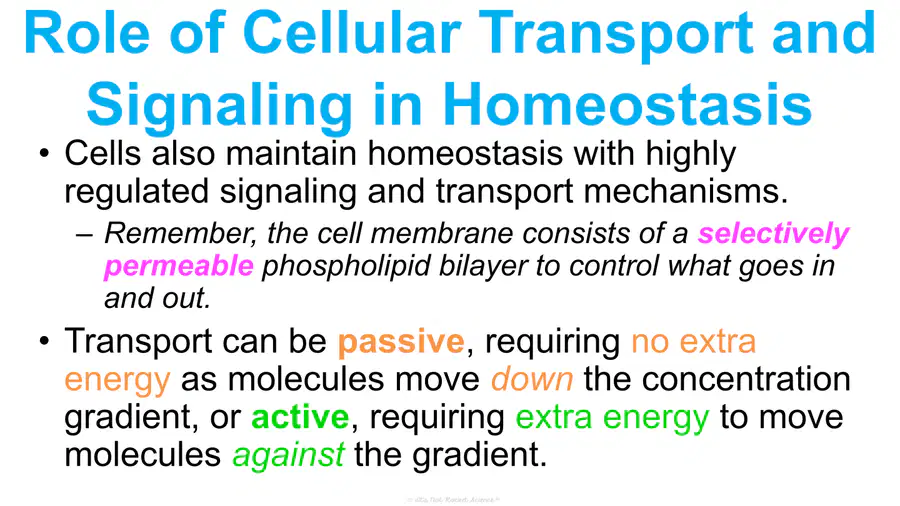
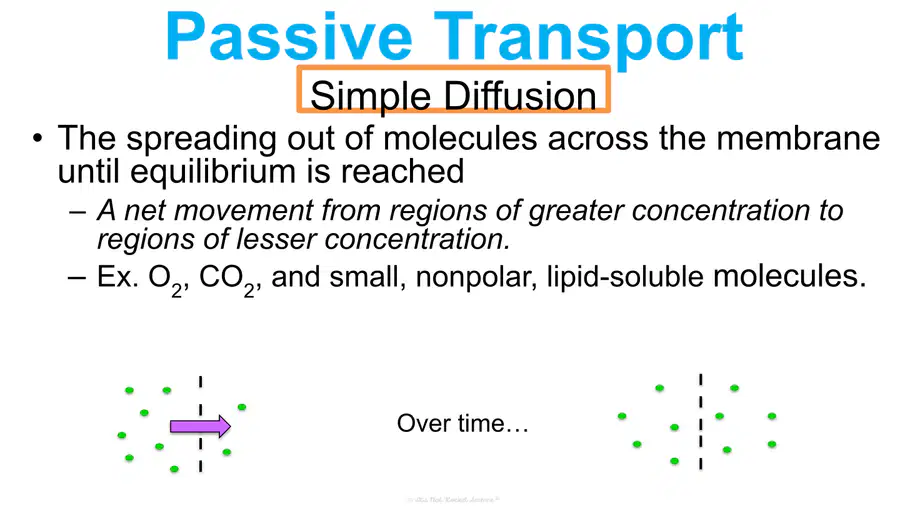
In passive transport, substances move across the cell membrane ________ the concentration gradient
AGAINST
ALONG
WITH
BETWEEN
25
26
Multiple Choice
27
28
Multiple Choice
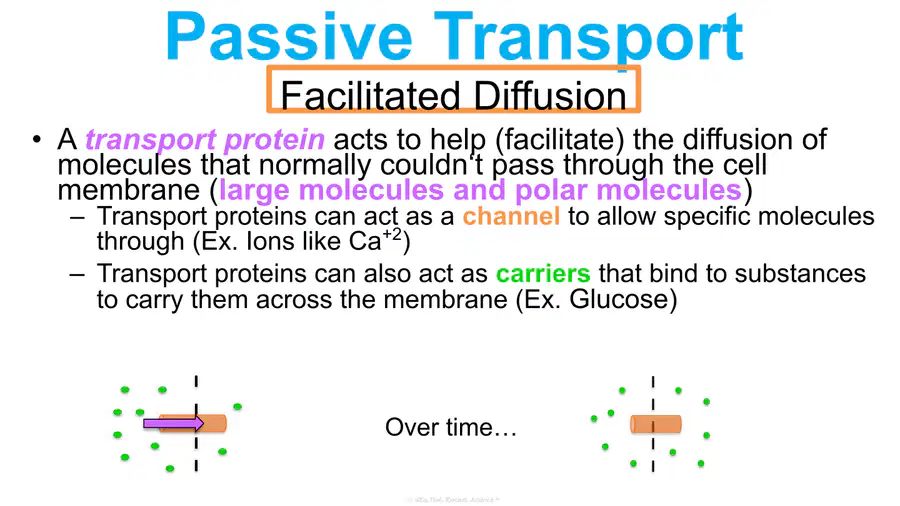
What role do transport proteins play in facilitated diffusion?
They act as barriers to molecules
They help in the diffusion of molecules
They prevent molecules from passing through
They only transport small molecules
29
30
Open Ended
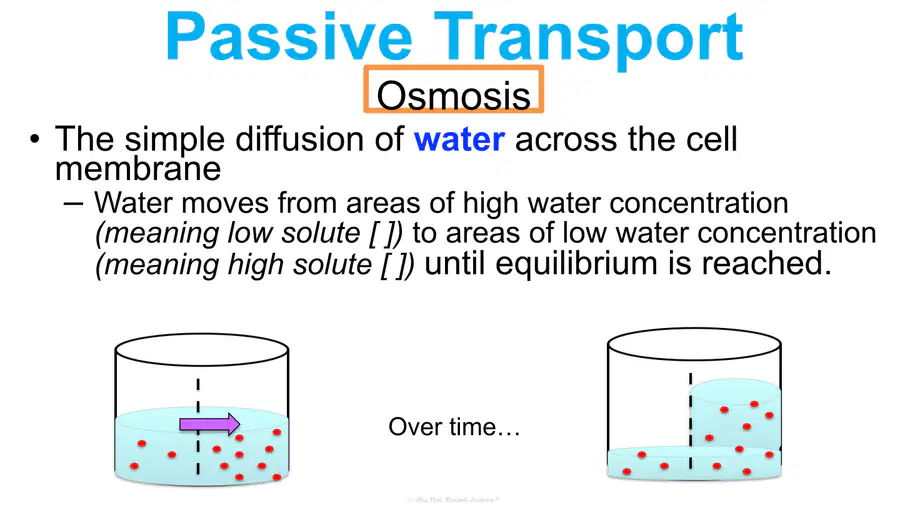
Is the image below illustrating the diffusion of solute or the osmosis of water? Why?
31
32
Fill in the Blanks
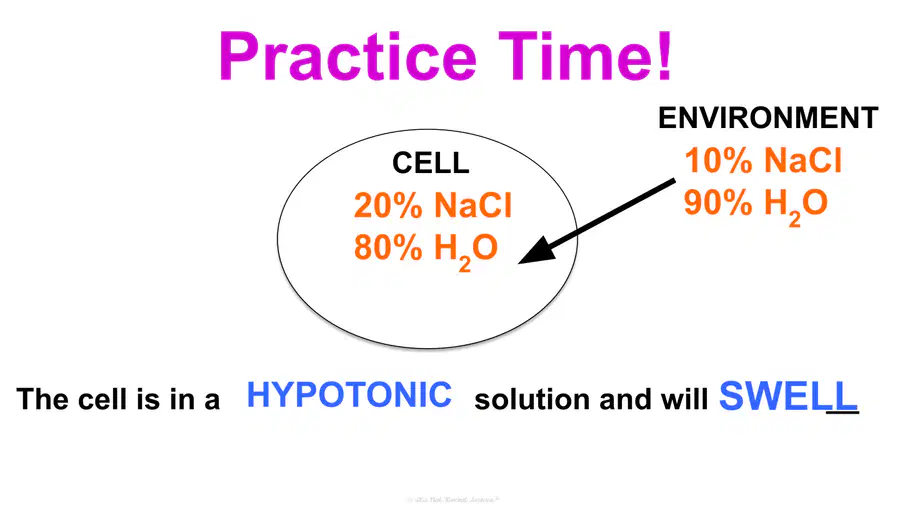
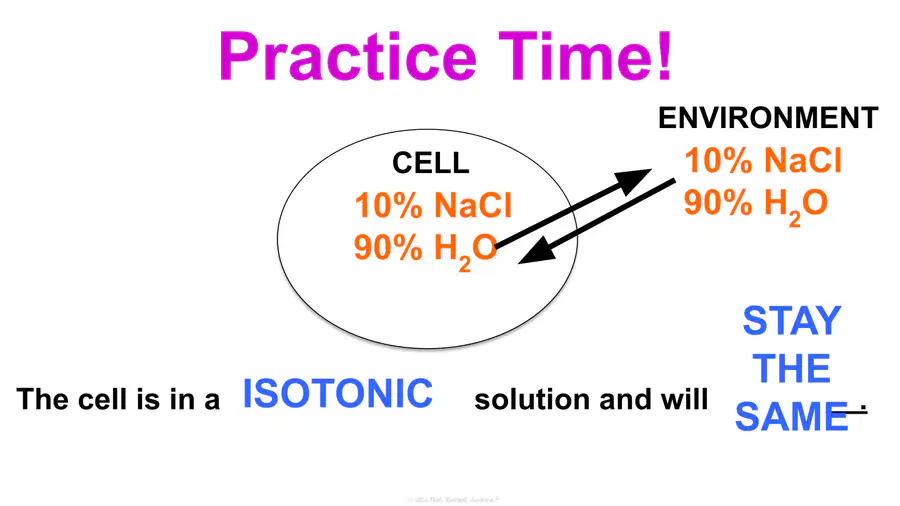
Is the image of a plant cell representing a hypertonic, hypotonic, or isotonic solution?
Type answer...
33
34
Multiple Choice
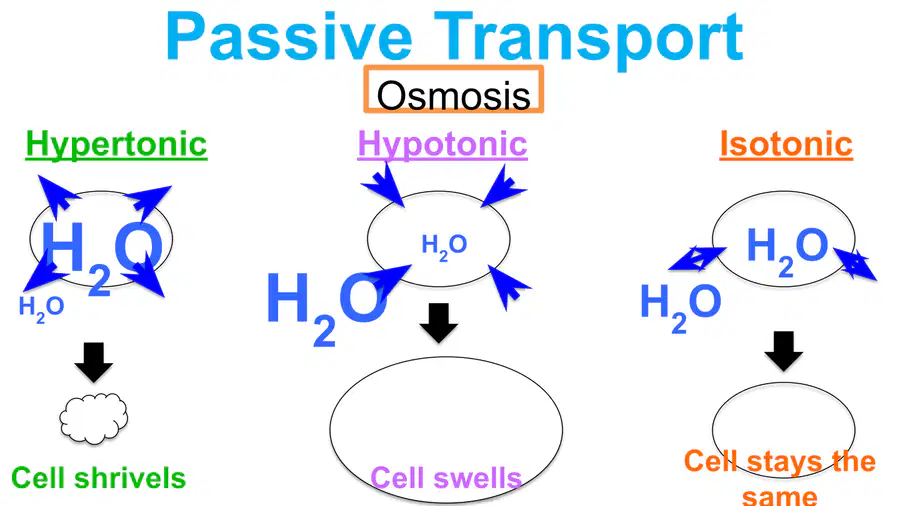
This a picture of an animal and plant cell placed in a solution. Describe the solution?
Isotonic
Hypotonic
Hypertonic
35
36
37
Multiple Choice
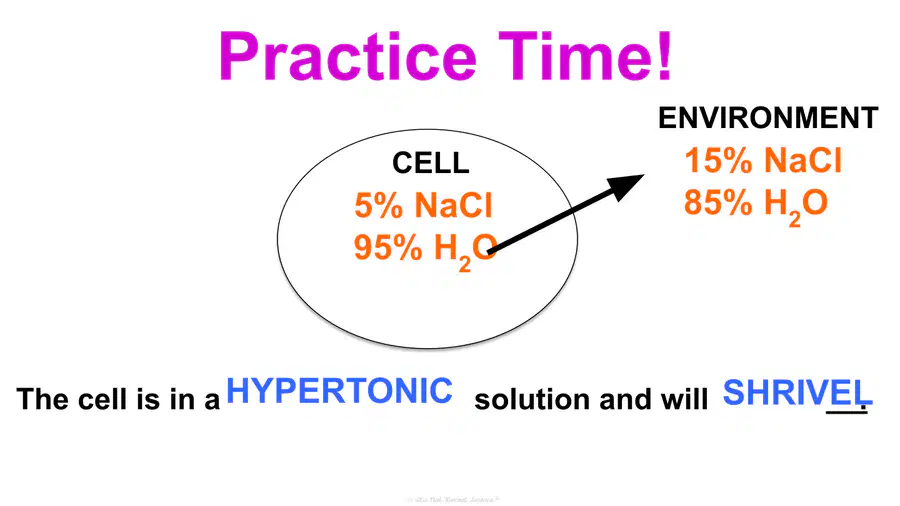
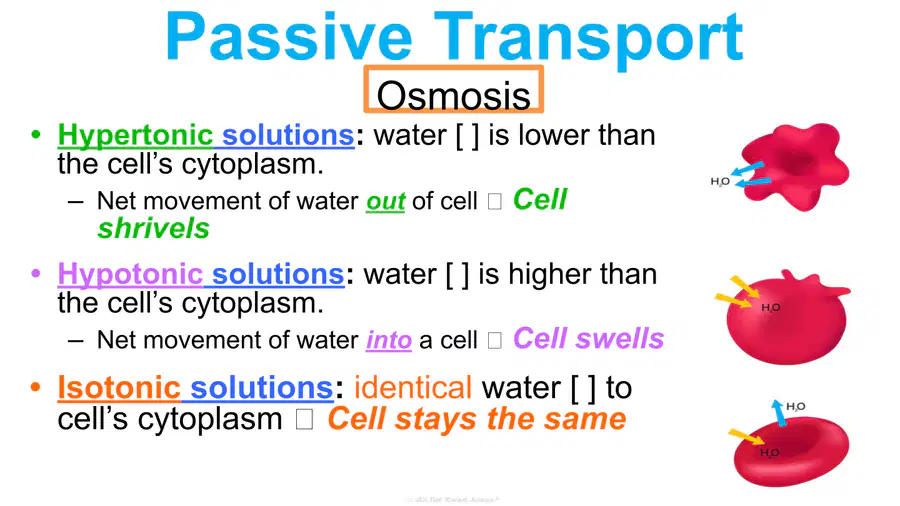
What will happen to the cell in a hypertonic solution?
It will swell
It will remain the same
It will shrivel
It will burst
38
39
Multiple Choice
What happens to a cell placed in a hypertonic solution?
The cell swells because water moves into the cell.
The cell shrinks because water moves out of the cell.
The cell remains the same size because the water movement is balanced.
The cell divides due to the external pressure.
40
41
Multiple Choice
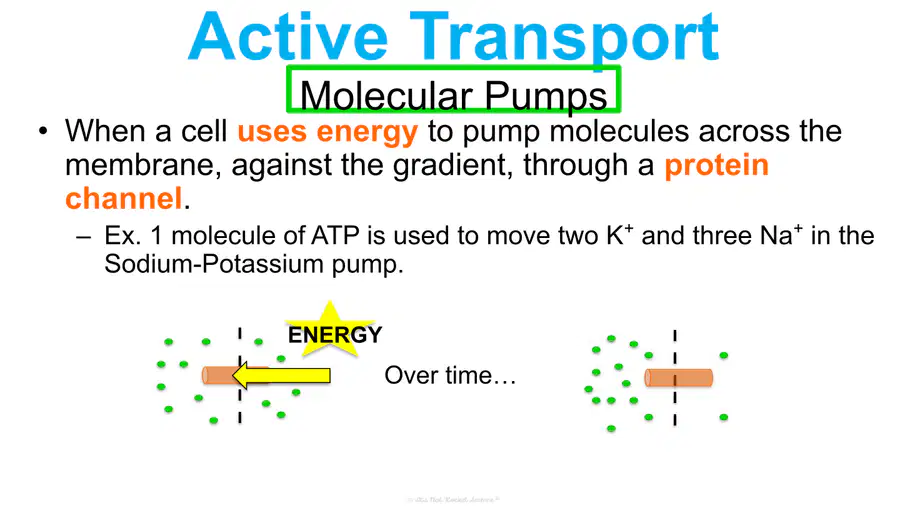
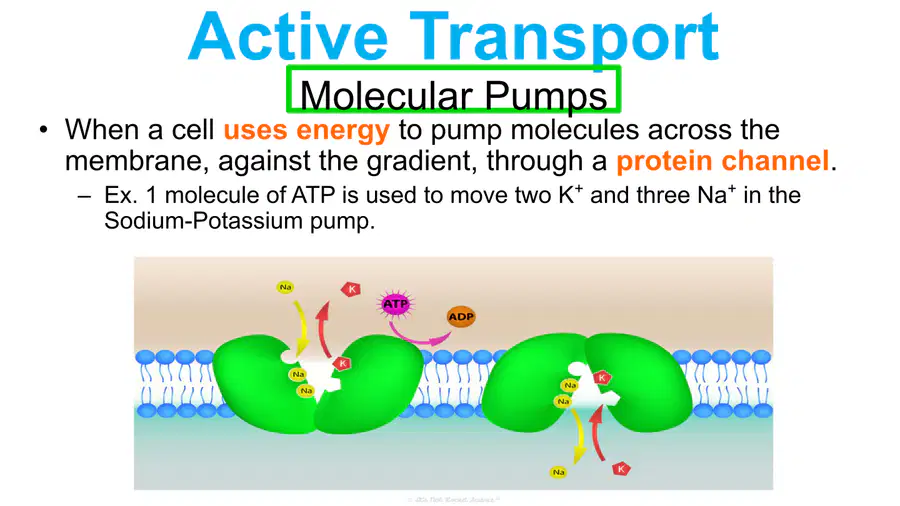
The movement of materials from an area of low concentration to an area of high concentration would require...
glucose
energy (ATP)
fish
chips
42
43
44
Fill in the Blanks
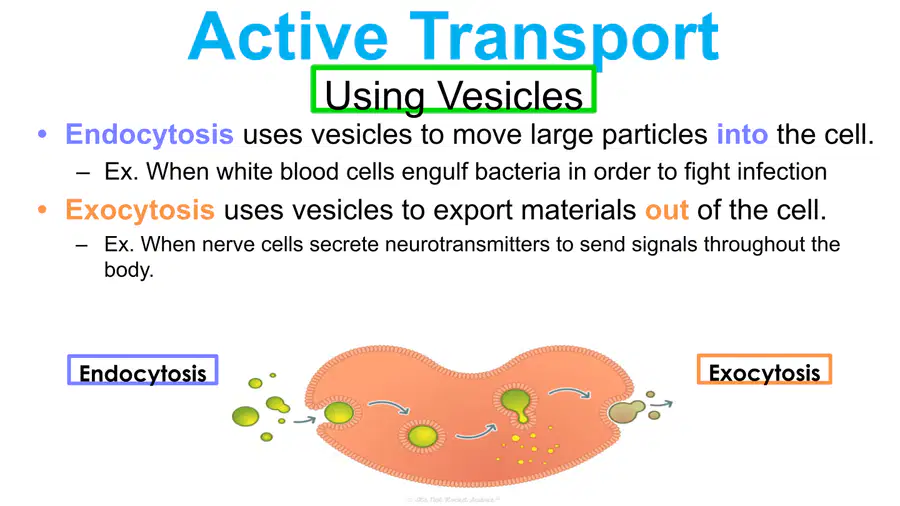
This process occurs when large molecules move into the cell. An immune cell eating a bacterium is an example.
45
46
Multiple Choice
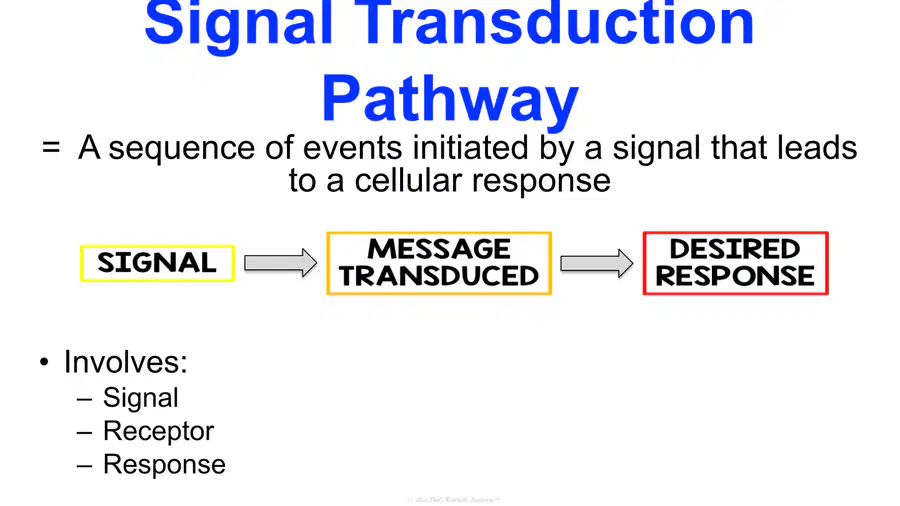
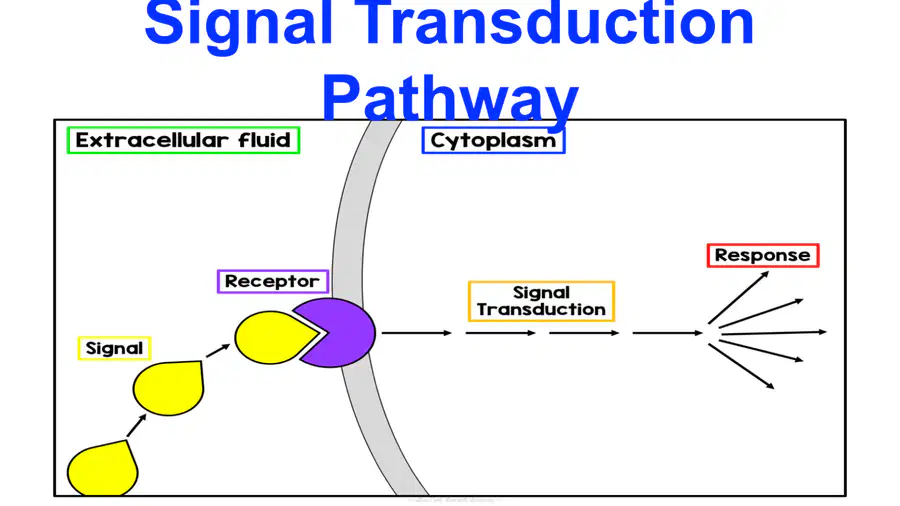
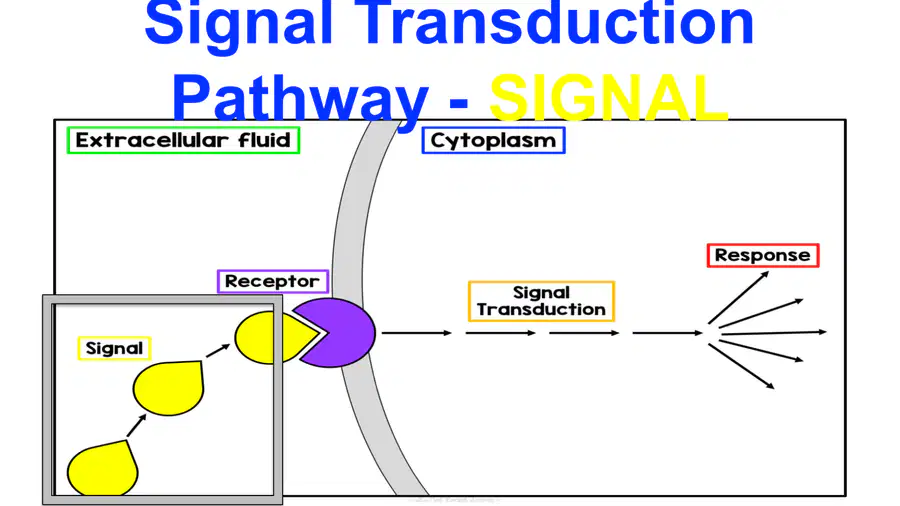
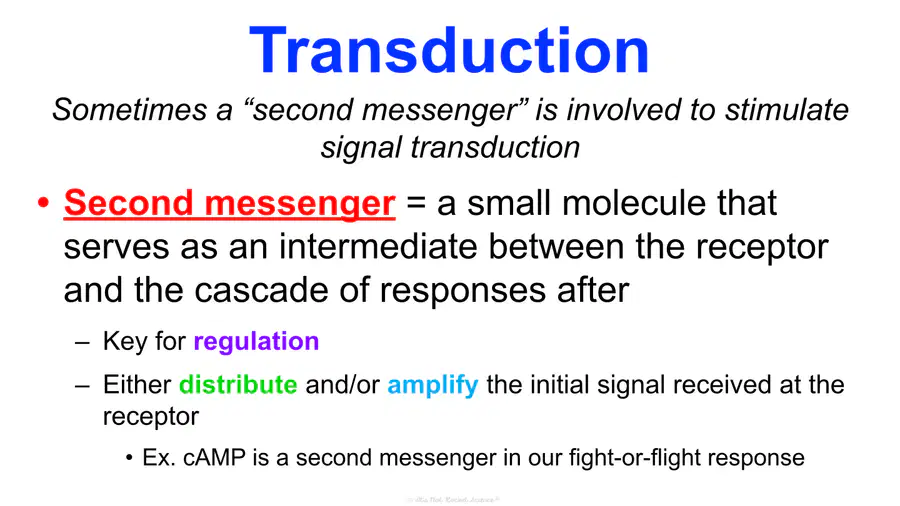
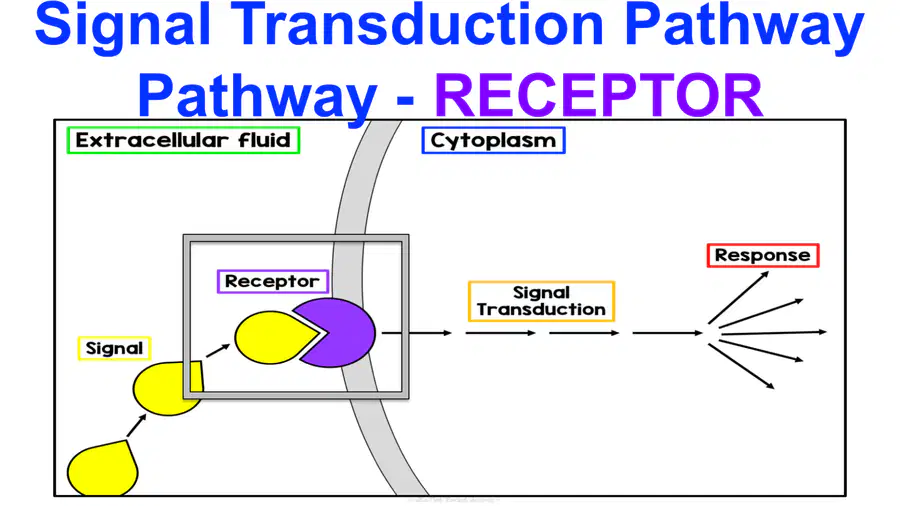
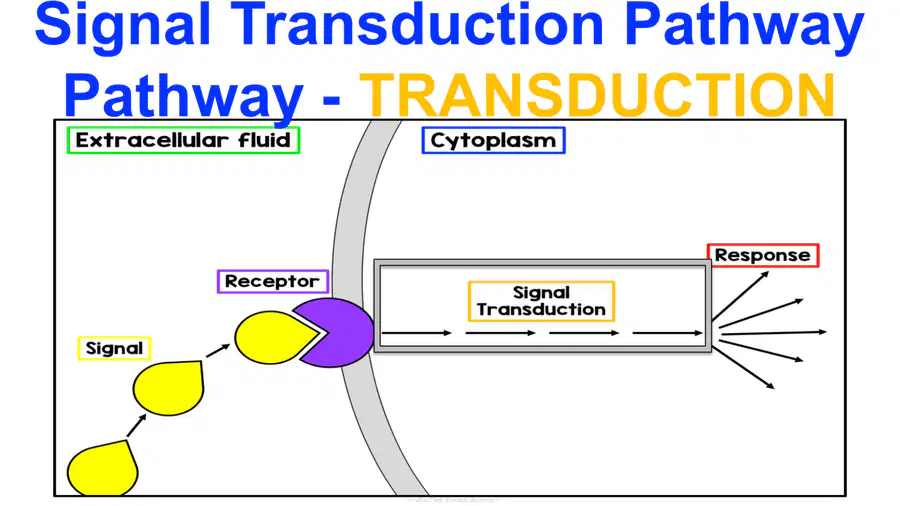
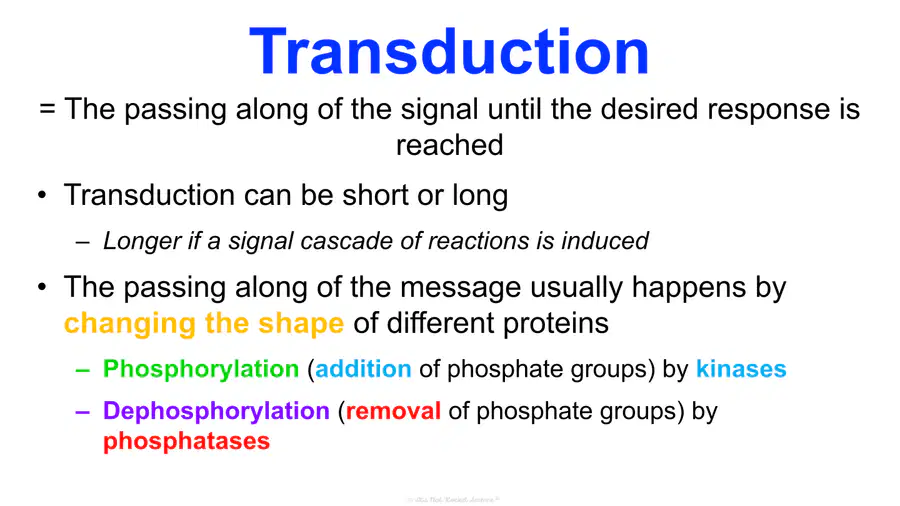
Which part of the signaling pathway could consist of protein modification, second messenger production, amplification or a phosphorylation cascade?
Reception
Transduction
Response
All of these
47
48
Multiple Choice
what type of feedback does the graph represent
positive
negative
both
neither
49
50
Multiple Choice
The diagram represents changes that take place within the human body.
The diagram represents
cellular differentiation
dynamic equilibrium
gene interaction
biological evolution
51
52
53
Multiple Choice
This is an example of __________.
Homeostasis
Negative Feedback Loop
Positive Feedback Loop
Feedback Loop
54
55
56
Multiple Choice
57
58
59
60
Multiple Choice
61
62
63
64
65
Multiple Choice
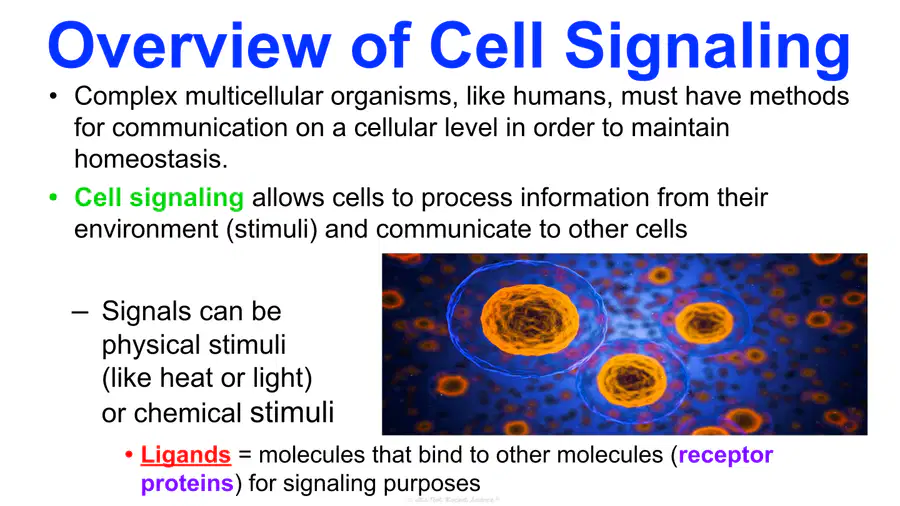
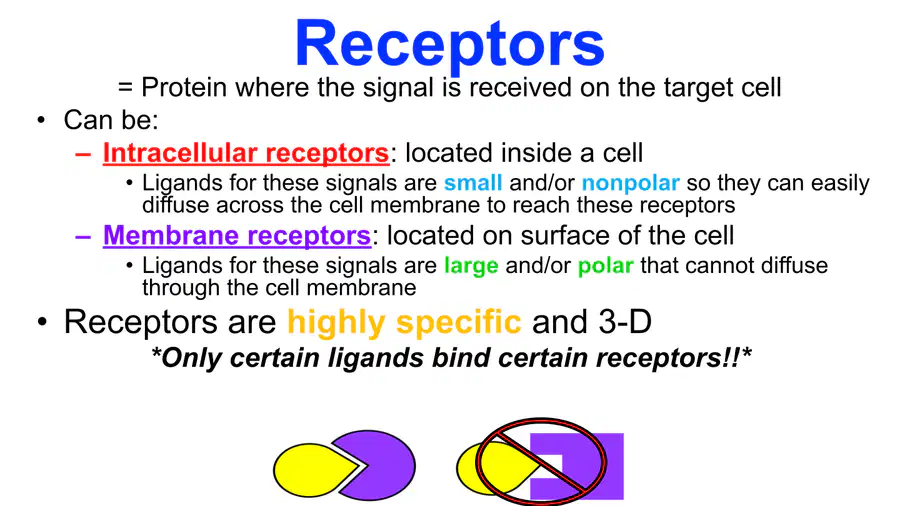
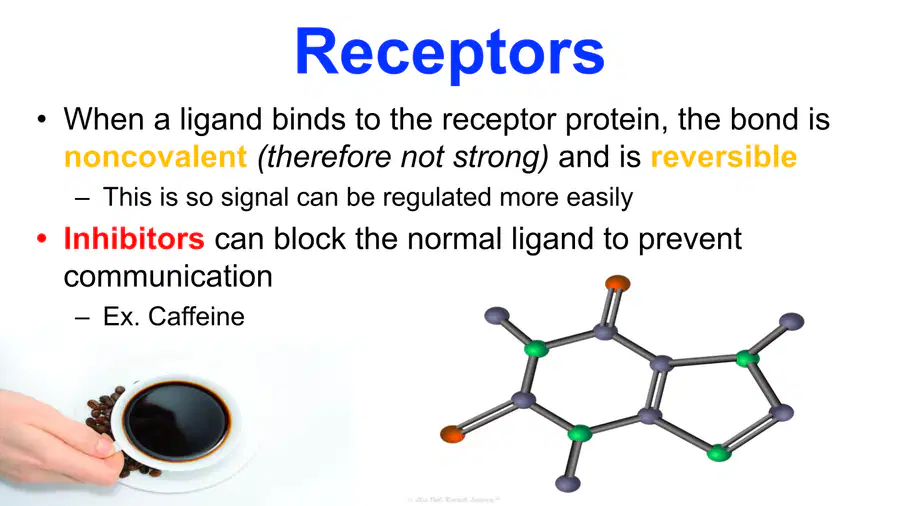
What is the primary role of receptor proteins in cell signaling?
To synthesize signal molecules
To receive and respond to chemical signals
To produce cellular energy
To replicate DNA
66
67
Multiple Choice
68
69
Multiple Choice
70
Show answer
Auto Play
Slide 1 / 70
SLIDE

Similar Resources on Wayground
61 questions
Adams & Jefferson Presidential Administrations
Presentation
•
8th Grade
65 questions
Lesson 1: Physical Fitness Components
Presentation
•
8th Grade
60 questions
Ecosystems & Cycles
Presentation
•
8th Grade
68 questions
Unit 7- Earth's Atmosphere & Oceans
Presentation
•
8th Grade
62 questions
GEOGRAPHY OF RUSSIA 1 PHYSICAL
Presentation
•
9th Grade
66 questions
Continental Drift
Presentation
•
8th Grade
65 questions
English PT-1 Revision
Presentation
•
8th Grade
63 questions
Newton's 2nd Law of Motion
Presentation
•
8th Grade
Popular Resources on Wayground
10 questions
Safety Day 2026 – Student Review
Quiz
•
9th Grade
21 questions
Continents and Oceans
Quiz
•
6th Grade
20 questions
Parts of Speech
Quiz
•
5th Grade
16 questions
Subject & Predicate
Quiz
•
5th Grade
25 questions
Multiplication Facts
Quiz
•
5th Grade
12 questions
Map Skills
Quiz
•
3rd Grade
22 questions
Continents and Oceans
Quiz
•
5th Grade
15 questions
Rounding Decimals
Quiz
•
5th Grade
Discover more resources for Fun
28 questions
SMS Staff by the Numbers
Quiz
•
6th - 8th Grade
26 questions
SLIME!!!!!
Quiz
•
KG - 12th Grade
20 questions
FAST FOOD Fun!!!
Quiz
•
6th - 8th Grade
18 questions
candy
Quiz
•
8th Grade
25 questions
Halloween trivia
Quiz
•
4th - 8th Grade
15 questions
Middle School Fun Trivia Questions
Quiz
•
7th - 8th Grade
15 questions
Fall Fun!
Quiz
•
6th - 8th Grade
20 questions
Fall Trivia
Quiz
•
5th - 8th Grade