Search Header Logo
Ecosystems & Cycles

Ecosystems & Cycles

Assessment

Presentation

•

Science

•

8th Grade

•

Medium

•
NGSS
MS-LS2-3, MS-LS2-4, MS-LS2-1

+11

Standards-aligned

Created by

Megan Julian

Used 104+ times

FREE Resource

19 Slides • 41 Questions

1

Ecosystems & Cycles

EOG Review

Slide image

2

Slide image

3

Multiple Choice

Question image

a leaf

1

biotic

2

abiotic

4

Multiple Choice

Question image

temperature

1

biotic

2

abiotic

5

Multiple Choice

a dead animal
1
biotic
2
abiotic

6

Multiple Choice

Question image

trees

1

biotic

2

abiotic

7

Multiple Choice

Question image

a rock

1

biotic

2

abiotic

8

Multiple Choice

air
1
biotic
2
abiotic

9

Multiple Choice

Question image

a fish

1

bitoic

2

abiotic

10

Slide image

11

Multiple Choice

Ecosystems are made up of only the living things in a habitat.

1

True

2

False

12

Multiple Choice

Question image

The total sum of all the populations of living things within an area that interact with one another is called_________. Zebra, elephants, and giraffes would be an example

1

Biosphere

2

Population

3

Community

4

Organism

13

Multiple Choice

Question image

All the individuals of one species in a given area is called a ______________. A herd of zebras would be an example.

1

Population

2

Community

3

Non-living

4

Organism

14

Multiple Choice

Question image

An individual is a single _______________ of a particular species. One single zebra is an example.

1

Population

2

Organism

3

Ecosystem

15

Slide image

16

Multiple Choice

Question image

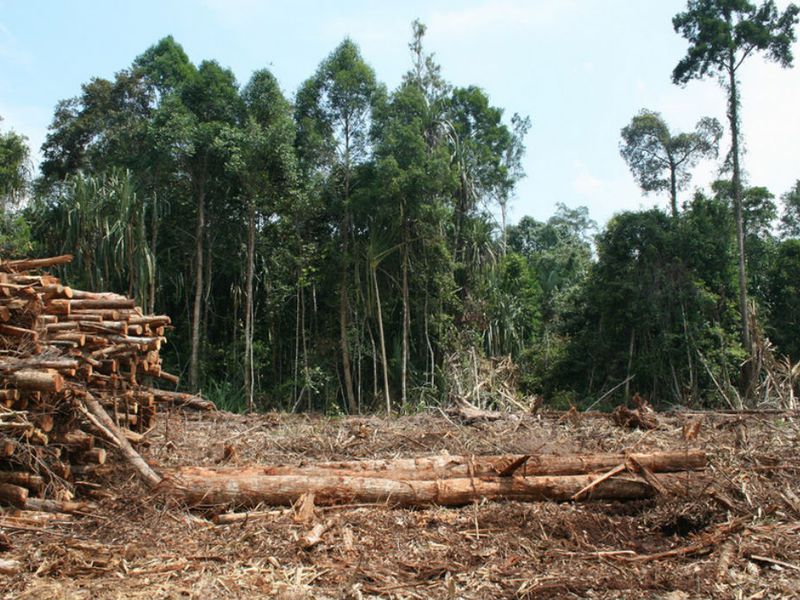
What would human alterations of the environment be considered? Ex. Cutting down the rain forests

1

Density-independent

2

Density-dependent

17

Multiple Choice

An extensive drought in the plains threatens wildebeest, giraffe, zebra, and springbok populations.

1

Density-Dependent

2

Density-Independent

18

Multiple Choice

Many fish die due to a drastic change in water temperature.

1

Density-Dependent

2

Density-Independent

19

Slide image

20

Multiple Choice

Question image
Which of the following would INCREASE the carrying capacity of an ecosystem?
1
increase in predators
2
disease
3
increase in available food
4
drought

21

Multiple Choice

Question image

Something that regulates the size of a population is called...

1

a limiting measure

2

a limiting factor

3

carrying capacity

4

biodiversity

22

Multiple Choice

Question image

The largest number of individuals that an environment can support long term is...

1

carrying capacity

2

emigration

3

immigration

4

population density

23

Multiple Choice

This may cause a population to increase

1

increase of food supply

2

removal of predators

3

removal of disease

4

all of these

24

Slide image

25

Slide image

26

Multiple Choice

A connection of food chains with many food energy paths in an ecosystem is a ____________
1
ecosystem
2
food web
3
environment

27

Multiple Choice

The direction of the flow of energy in a food web is represented by ___.
1
Light bulbs
2
Dotted Lines
3
Arrows
4
Bubbles

28

Slide image

29

Multiple Choice

Question image
What is the role of decomposers in a food chain?
1
Use sunlight to make food
2
Eat other organisms to gain energy
3
Make the food for the whole food chain
4
Break down dead organisms and add nutrients to the soil

30

Multiple Choice

Question image
What's the role of consumers in a food chain?
1
Use sunlight to make food 
2
Eat other species and keep them from overpopulating
3
Break down dead stuff
4
Add nutrients to the soil

31

Multiple Choice

Question image
What is the role of a producer?
1
Use sunlight to make food
2
Gain energy from eating other organisms
3
Keep other species from overpopulating
4
Breaking down dead stuff 

32

Multiple Choice

Question image
What are the organisms that break down dead stuff?
1
Producers
2
Consumers
3
Decomposers
4
Organisms

33

Slide image

34

Slide image

35

Slide image

36

Slide image

37

Multiple Choice

Question image
Which organism recieves the least amount of energy from the producer?
1
Owl
2
Grasshopper
3
Lilypad
4
Mouse

38

Multiple Choice

The number of organisms _________ with each successive (higher) trophic level. 
1
increases
2
decreases

39

Slide image

40

Slide image

41

Multiple Choice

Hookworms enter the human body by burrowing into the skin of the feet. Once in the skin they enter the bloodstream and travel to the small intestine where they attach to the walls and begin to drink the person's blood and weaken the victim.

1

parasitism

2

mutualism

3

commensalism

42

Multiple Choice

Honey guide birds alerts and directs badgers to bee hives. The badgers then expose the hives and feed on the honey first. Then the honey guide bird eats.

1

mutualism

2

commensalism

3

parasitism

43

Multiple Choice

Wrasse fish feed on the parasites found on the black sea bass's body.

1

commensalism

2

parasitism

3

mutualism

44

Multiple Choice

Oxpeckers feed on the ticks found on rhinoceros. Oxpeckers get food and the rhinoceros gets pest control.

1

commensalism

2

parasitism

3

mutualism

45

Multiple Choice

Hermit crabs live in shells made and then abandoned by snails.

1

commensalism

2

parasitism

3

mutualism

46

Multiple Choice

Mistletoe extracts water and nutrients from the spruce tree.

1

commensalism

2

parasitisim

3

mutualism

47

Multiple Choice

Barnacles create home sites by attaching themselves to whales. This doesn't affect the whales.

1

commensalism

2

parasitism

3

mutualism

48

Slide image

49

Multiple Choice

An organism that is killed and eaten by another organism
1
Predator
2
Prey
3
Competition
4
Adaptation

50

Multiple Choice

Question image

When two or more individuals or populations attempt to obtain a single resource.

1

Competitive interaction

2

Mutually beneficial interaction

3

Dependent interaction

4

Predatory interaction

51

Slide image

52

Slide image

53

Slide image

54

Slide image

55

Multiple Choice

Snow, sleet, hail, and rain are all examples of ________________.

1

evaporation

2

condensation

3

accumulation

4

precipitation

56

Multiple Choice

Which best explains why runoff is important?
1
It returns water to other locations on Earth
2
It increases the chance of flooding
3
It makes evaporation occur faster
4
It increases condensation

57

Multiple Choice

When water is heated in the ocean by the sun and turns into water vapor
1
condensation
2
evaporation
3
transpiration
4
runoff

58

Multiple Choice

What converts nitrogen into a useable form for plants and animals?

1

bacteria

2

fungi

3

rain

59

Multiple Choice

removing large numbers of trees result in _
1
a decrease in oxygen production
2
an increase in oxygen production
3
oxygen and carbon 
4
carbon and oxygen 

60

Multiple Choice

Question image
Define the process shown here:
1
Carbon Cycle
2
Respiration
3
Photosynthesis
4
Magic

Ecosystems & Cycles

EOG Review

Slide image

Show answer

Auto Play

Slide 1 / 60

SLIDE