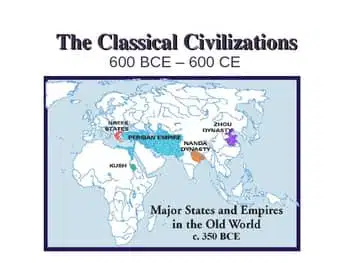
Ch 7- World History
Presentation
•
Life Skills
•
9th - 12th Grade
•
Practice Problem
•
Medium
Feri Vahabi
Used 4+ times
FREE Resource
18 Slides • 102 Questions
1
2
3
Multiple Choice
When was the Persian Empire at its peak?
323 BCE
480 BCE
27 BCE
220 CE
4
Multiple Choice
Which event happened in 207 BCE?
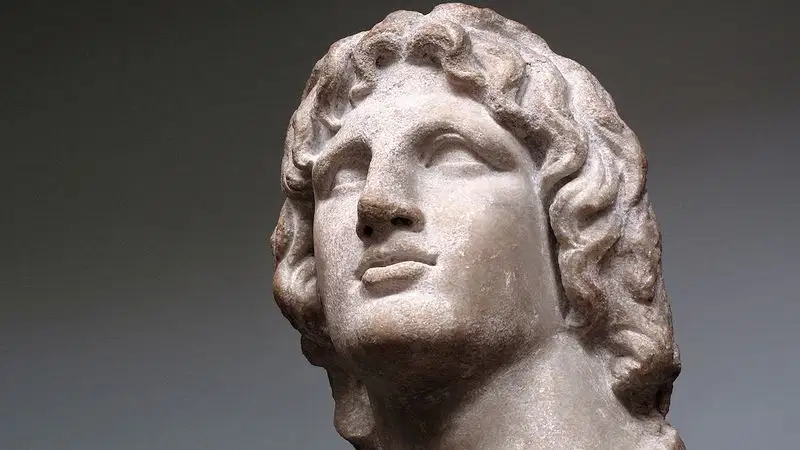
Alexander the Great dies
Gupta Empire at its peak
Qin Dynasty falls
Han Dynasty ends
5
Multiple Choice
Who died in 323 BCE?
First Roman emperor
Alexander the Great
Qin Shi Huang
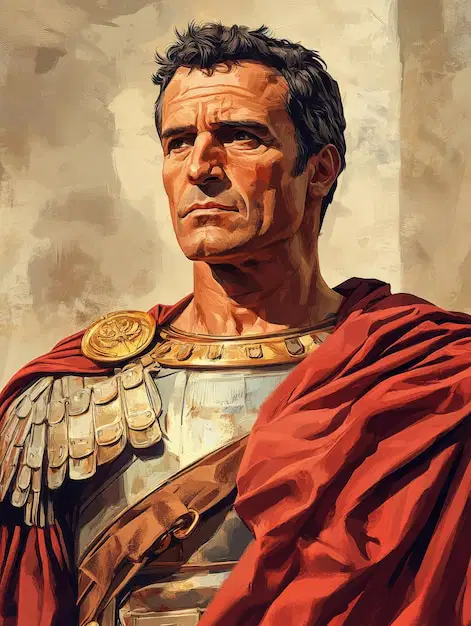
Julius Caesar
6
Multiple Choice
What major event happened in 27 BCE?
Maya Empire begins
Persian Empire reaches its peak
First Roman emperor comes to power
Gupta Empire reaches its peak
7
Multiple Choice
When did the Han Dynasty end?
220 CE
27 BCE
207 BCE
323 BCE
8
Multiple Choice
What happened in 300 CE according to the timeline?
Maya empire begins
Alexander the Great dies
Han Dynasty ends
First Roman emperor crowned
9
10
Multiple Choice
What is the definition of an "empire"?
A person who rules a kingdom
An army of trained soldiers
A group of states or nations ruled by one powerful government
A building used for worship
11
Multiple Choice
Who is considered a "subject"?
A person controlled by an emperor or king
A ruler of an empire
A soldier in the army
A builder of temples
12
Multiple Choice
What does the word "military" mean?
A person who builds monuments
An army of trained soldiers
A large building in the empire
A group of peaceful farmers
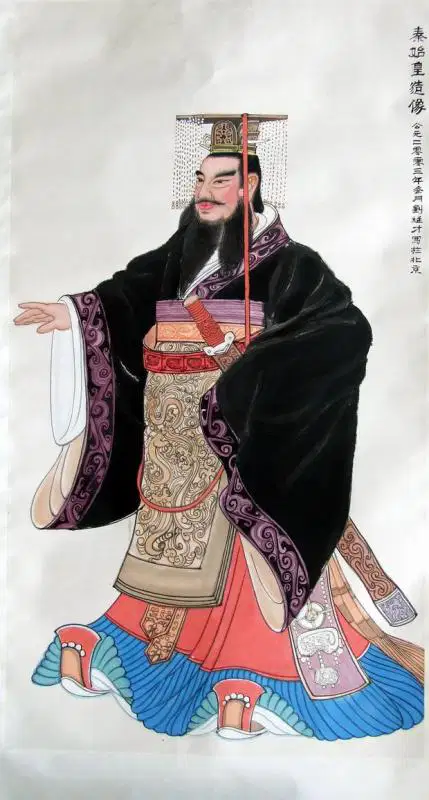
13
Multiple Choice
Which word means “judged over time to be important and high quality”?
Military
Empire
Subject
Classical
14
15
Multiple Choice
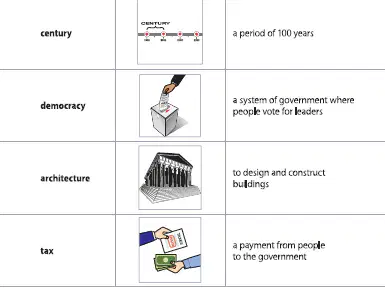
What is a "century"?
A payment made to the government
A system of government with a king
A period of 100 years
A type of building design
16
Multiple Choice
Which word means “a system of government where people vote for leaders”?
Architecture
Democracy
Tax
Century
17
Multiple Choice
Which word best matches the definition: "to design and construct buildings"?
Architecture
Democracy
Tax
Century
18
Multiple Choice
What is a "tax"?
A 100-year period
A vote for leaders
A payment from people to the government
A new law
19
20
Multiple Choice
What did empires in this era have in common?
They only ruled small villages
They ruled large areas of land
They had no cities
They avoided farming
21
Multiple Choice
Classical empires had:
Big cities and large farming areas
Only forests
Only deserts
Only small towns
22
Multiple Choice
The populations in these empires were:
Hundreds of people
Thousands of people
Millions of people
Less than a thousand
23
Multiple Choice
Subjects in the empires often:
Spoke the same language
Came from different cultures
Lived only on farms
Refused to participate in government
24
Multiple Choice
Why were empires difficult to manage?
They were very small
They had no government
They needed complex governments
Everyone agreed on everything
25
26
Multiple Choice
How did empires use their militaries?
To help farmers grow crops
To trade with other nations
To entertain the public
To conquer weaker nations and defend borders
27
Multiple Choice
What could happen to the people conquered by empires?
They became emperors
They were treated fairly and equally
They were often killed or became slaves
They were given land and power
28
Multiple Choice
What was a positive outcome of empire rule for conquered lands?
The people were left alone
They received wealth and new ideas
The empires helped them form their own governments
They became independent immediately
29
Multiple Choice
According to the caption, how were empires often ruled?
By a group of farmers
By a single emperor
By the military
By local village leaders
30
Multiple Choice
What does the word militaries most likely mean in this context?
Armed forces trained for war
Teams of builders
Groups of merchants
Explorers and scientists
31
32
Multiple Choice
What is trade?
A way to grow food
A type of government
An exchange of goods
A kind of war strategy
33
Multiple Choice
What did classical empires do to trade?
Only traded locally
Traveled long distances to trade
Avoided trade with other cultures
Used only sea routes for trading
34
Multiple Choice
What did Rome trade for spice and silk?
35
Multiple Choice
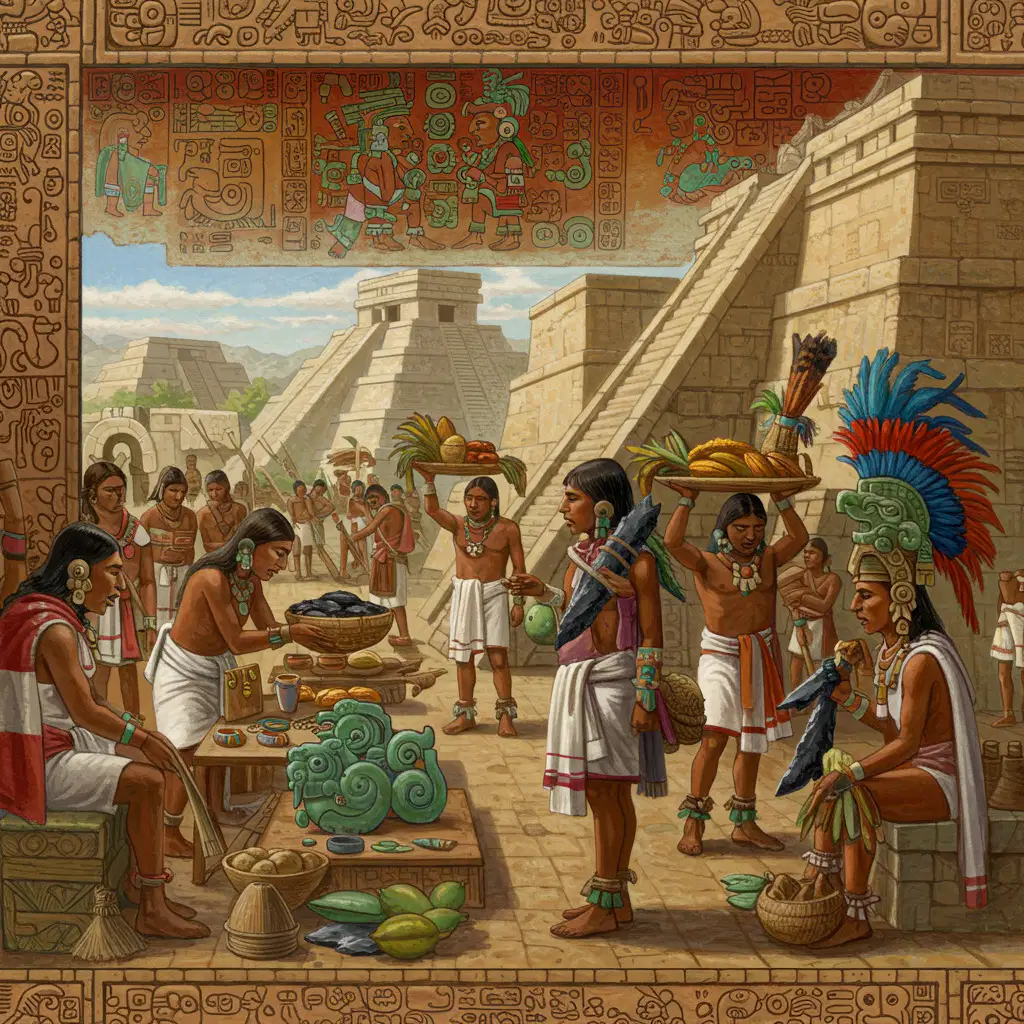
What goods did the Mayan city-states trade?
Gold, wine, and pottery
Salt, jade, and cotton
Spices and silk
Tin and grain
36
Multiple Choice
Besides goods, what else was spread through trade?
Diseases and animals
Currency and money systems
Religion, technology, and language
Laws and armies
37
Multiple Choice
What do the red and blue lines on the map represent?
City walls and battle routes
Land and water trade routes
Migration and farming paths
Rivers and roads
38
39
40
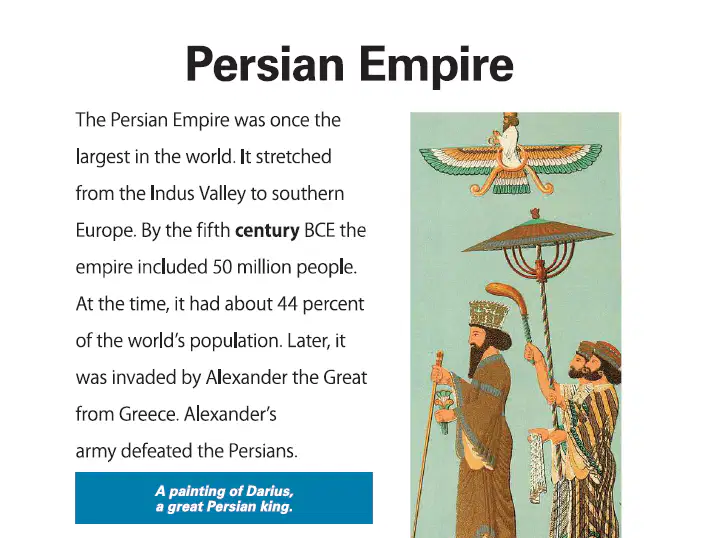
Multiple Choice
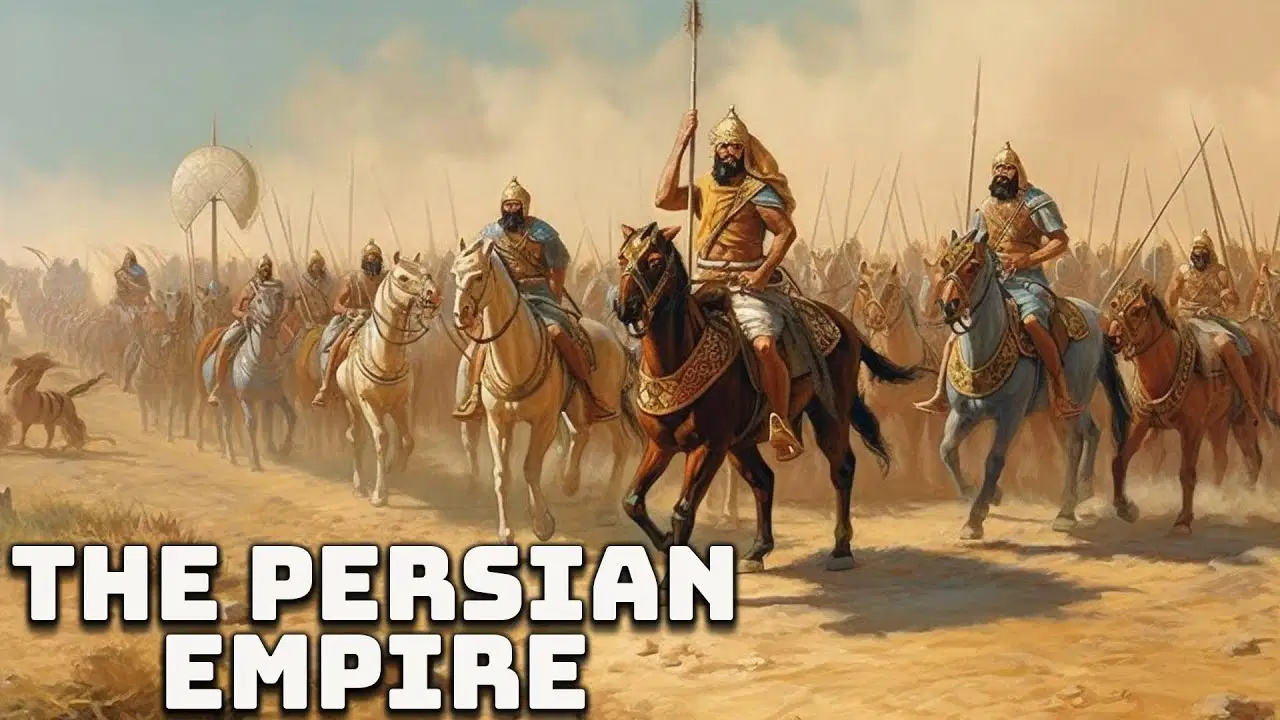
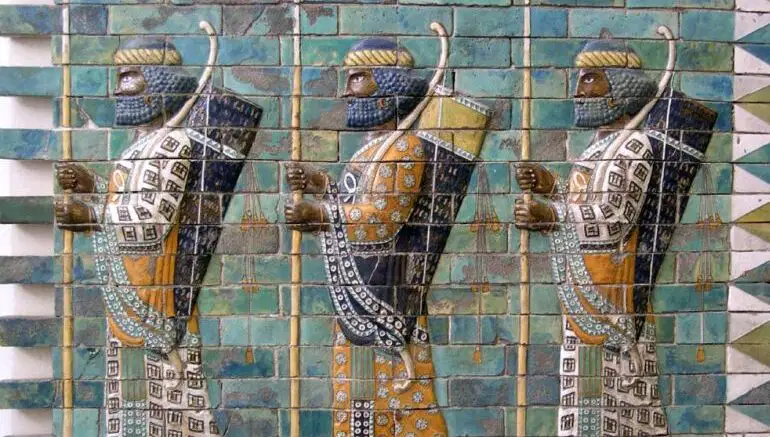
What was the Persian Empire known for?
Being the smallest empire in history
Being the largest empire in the world
Being the first empire in Asia
Being ruled by Alexander the Great
41
Multiple Choice
How far did the Persian Empire stretch?
From the Indus Valley to southern Europe
From China to Africa
From Egypt to India
From Rome to Mesopotamia
42
Multiple Choice
Who invaded the Persian Empire and defeated it?
Julius Caesar
Alexander the Great
Darius the Great
Cyrus the Great
43
Multiple Choice
By the fifth century BCE, how many people lived in the Persian Empire?
10 Million
25 Million
50 Million
100 Million
44
Multiple Choice
What percentage of the world’s population lived in the Persian Empire at its height?
10%
25%
60%
44%
45
46
Multiple Choice
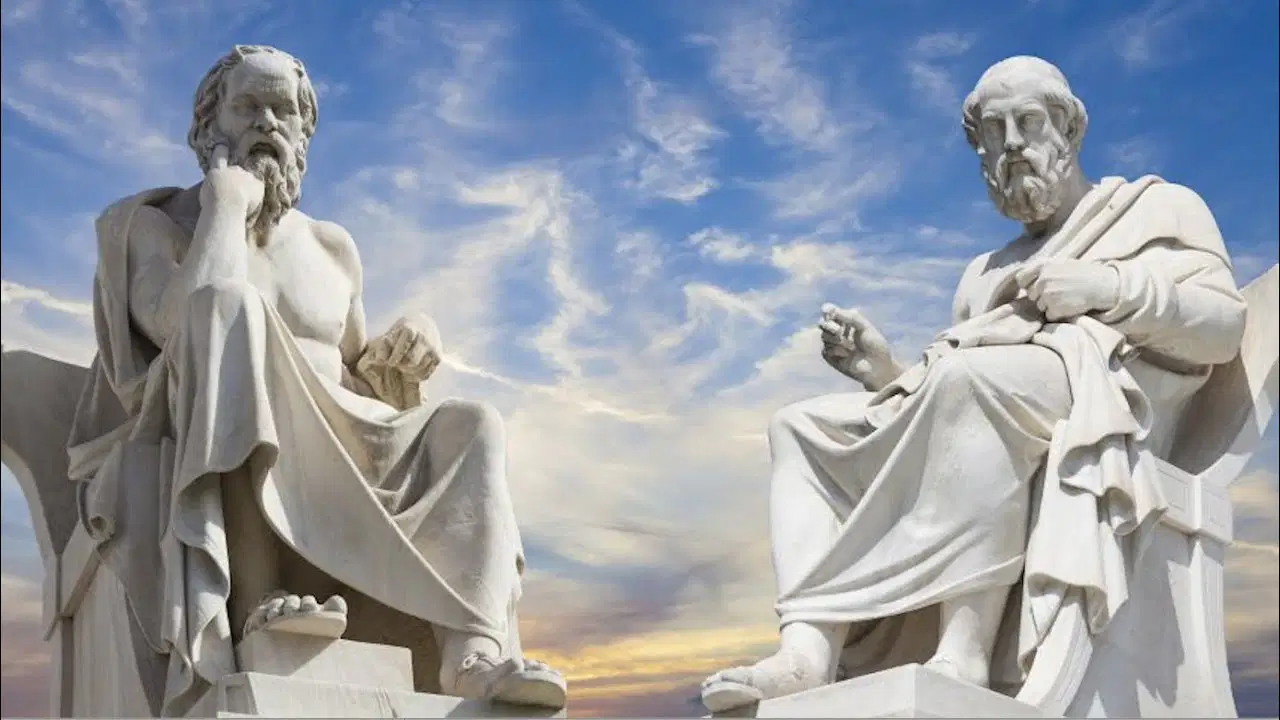
Who was one of the first philosophers from Classical Greece?
Socrates
Plato
Aristotle
Alexander the Great
47
Multiple Choice
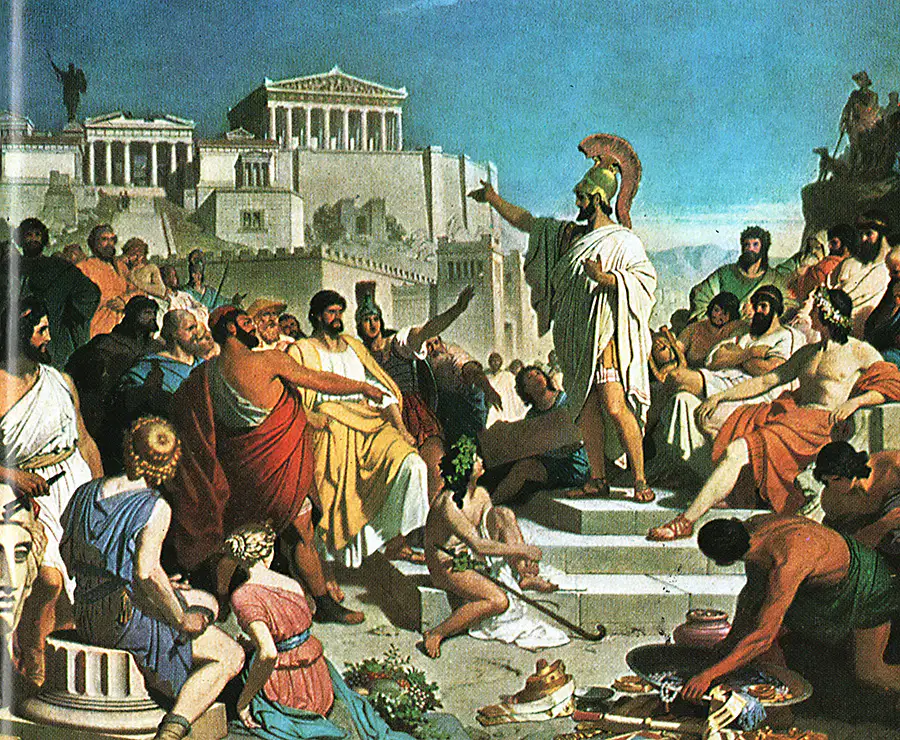
What form of government did Greece try first?
Monarchy
Oligarchy
Democracy
Dictatorship
48
Multiple Choice
What was Greece famous for?
Its castles and kings
Its writers, scientists, and artists
Its deserts and pyramids
Its ships and explorers
49
Multiple Choice
What major event started in Greece?
The Olympics
The World Cup
The Crusades
The Silk Road
50
Multiple Choice
Which two Greek city-states were powerful?
Athens and Sparta
Sparta and Troy
Athens and Rome
Corinth and Macedonia
51
Multiple Choice
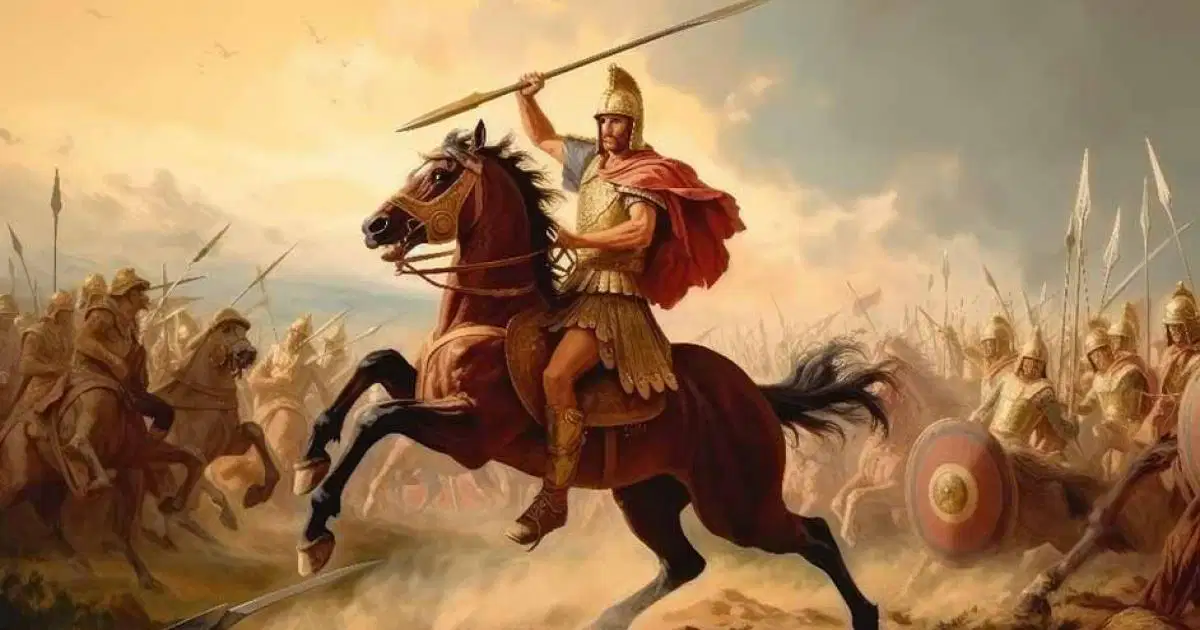
Where did Alexander the Great come from?
Southern Greece
Sparta
Athens
The northern part of Greece
52
Multiple Choice
What did Alexander the Great do to the Classical Greek Empire?
Built it
Divided it
Destroyed it
Conquered it
53
54
Multiple Choice
How far did Alexander and his army conquer?
From Greece to China
From Egypt to Rome
All the way to India
Only throughout Greece
55
Multiple Choice
What was true about Alexander’s empire at the time?
It was the smallest in the world
It was the largest empire in the world
It was divided into small city-states
It only covered Europe
56
Multiple Choice
What happened to Alexander after his conquests?
He returned home to Greece
He continued ruling until old age
He was captured in battle
He never returned home and died at age 32
57
Multiple Choice
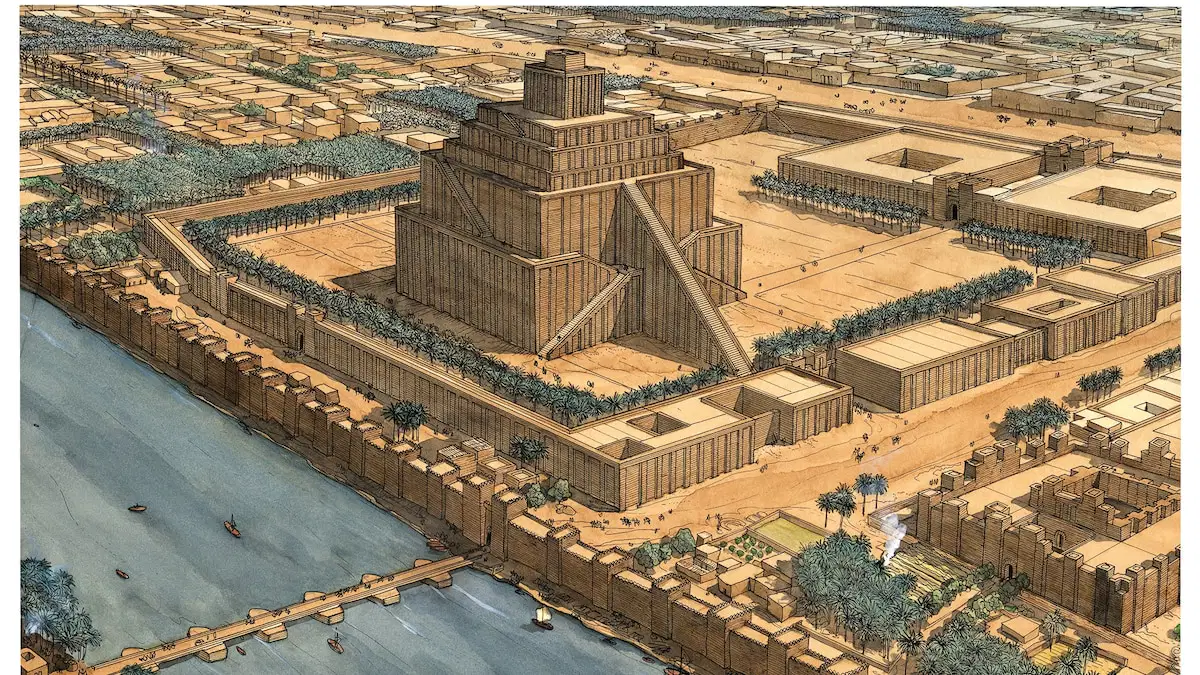
Where did Alexander die?
Babylon, in Mesopotamia
Sparta
Athens
Alexandria, in Egypt
58
Multiple Choice
When did Alexander die?
400 BCE
323 BCE
250 BCE
500 BCE
59
Multiple Choice
What happened to Alexander’s empire after his death?
His generals divided it and ruled for many years
It was destroyed by Persia
It stayed united under one ruler
It became part of the Egyptian Empire
60
Multiple Choice
Who later conquered the Greek Empire?
The Egyptians
The Persians
The Indians
The Romans
61
62
Multiple Choice
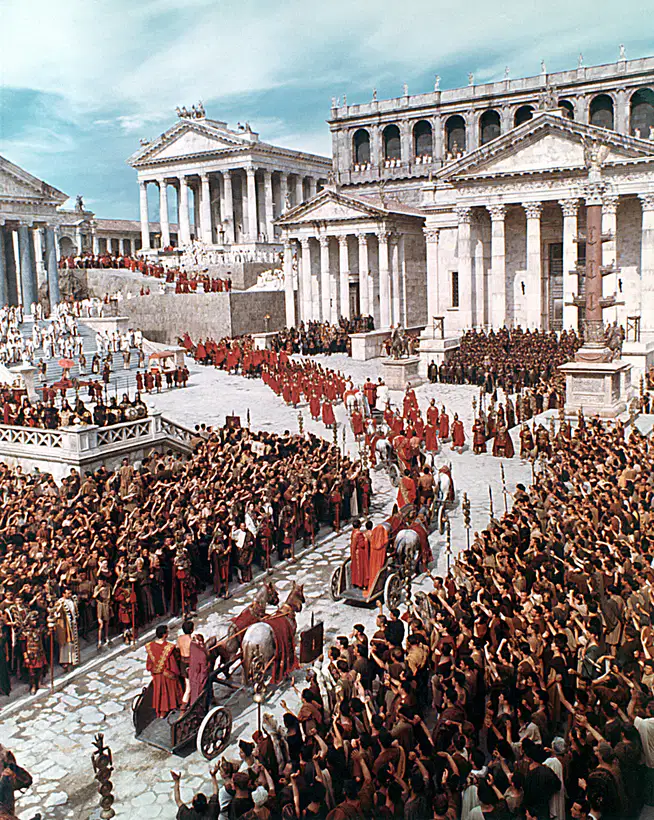
When did Rome grow in power?
When Greece was gaining influence
When Greece was losing its influence
After the fall of the Persian Empire
Before Alexander the Great was born
63
Multiple Choice
Compared to Greece, what kind of empire did Rome become?
More powerful
Less organized
Smaller and weaker
Less advanced
64
Multiple Choice
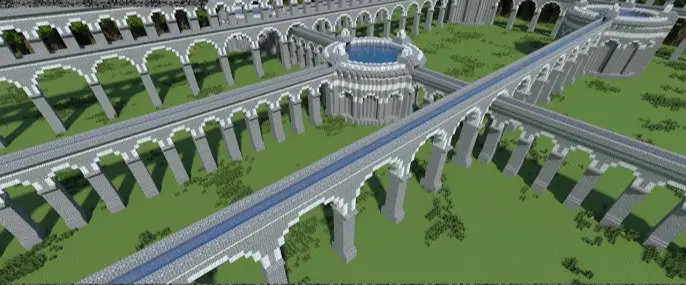
What were the Romans known for inventing to bring fresh water into Rome?
Aqueducts
Canals
Bridges
Wells
65
Multiple Choice
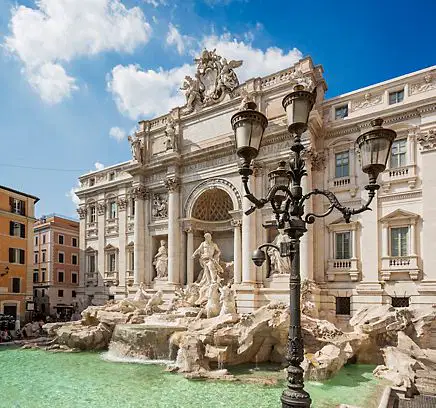
What was Rome famous for besides its engineering?
Its food and music
Its art and sculptures
Its military uniforms
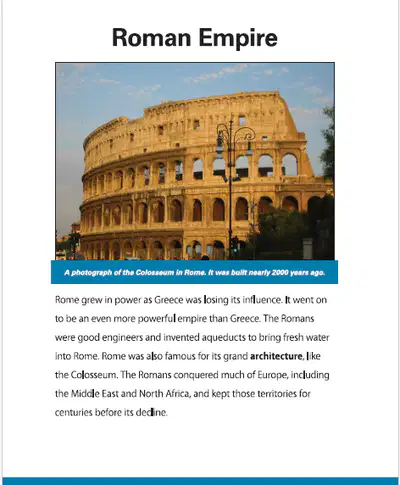
Its grand architecture
66
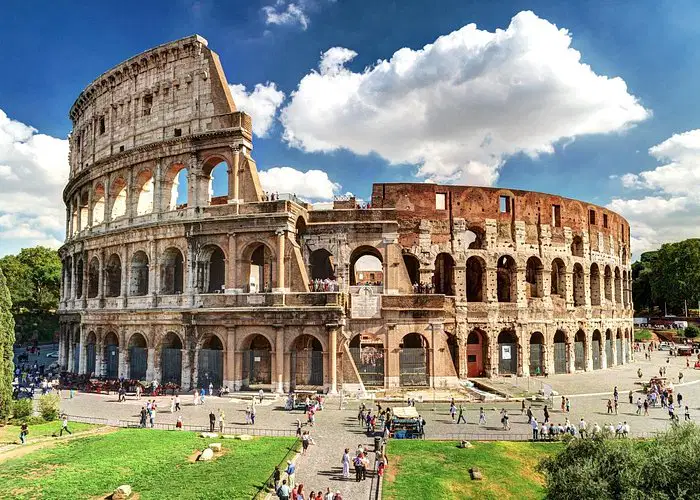
Multiple Choice
What is one example of Roman architecture mentioned in the text?
The Parthenon
The Colosseum
The Great Pyramid
The Acropolis
67
Multiple Choice
Which areas did the Romans conquer?
Only Italy and Greece
Much of Europe, the Middle East, and North Africa
Only Western Europe
China and India
68
Multiple Choice
How long did the Romans keep their conquered territories?
Only a few years
For one decade
For centuries
Until Alexander’s return
69
70
Multiple Choice
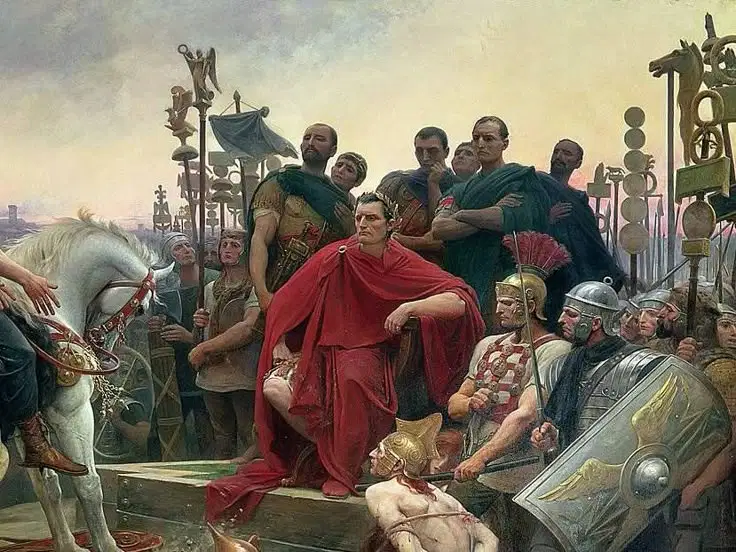
How did Rome grow its empire?
Through trade and peace treaties
By conquest and fighting many wars
By exploring new lands
Through alliances with Greece
71
Multiple Choice
Who did Rome fight three wars against?
Greece
Persia
Carthage of northern Africa
Egypt
72
Multiple Choice
What type of government did Rome have before emperors took power?
Republic
Democracy
Monarchy
Dictatorship
73
Multiple Choice
Who was powerful in the Roman government during the republic?
The emperor
The military
The senate
The citizens
74
Multiple Choice
What caused Rome to be taken over by emperors?
Civil wars
Foreign invasions
Lack of trade
Famine
75
Multiple Choice
Into what two parts was the Roman Empire divided?
Northern and Southern Empires
Western and Eastern Empires
European and African Empires
Old and New Empires
76
Multiple Choice
When did the Western Roman Empire fall to invaders?
323 BCE
100 CE
476 CE
800 CE
77
Multiple Choice
What did the Eastern Roman Empire later become known as?
The Ottoman Empir
The Macedonian Empire
The Holy Roman Empire
The Byzantine Empire
78
Multiple Choice
How long did the Eastern Roman Empire continue after the fall of the West?
Almost another thousand years
About 500 years
Only 100 years
Until the fall of Carthage
79
80
Multiple Choice
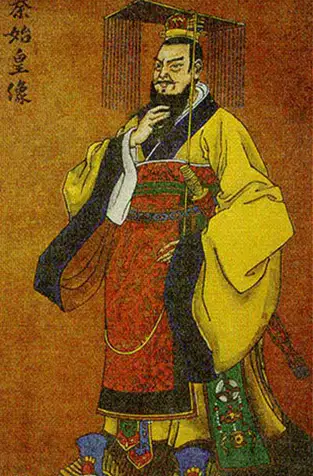
When did the Qin Dynasty unite China?
476 BCE
323 BCE
221 BCE
100 CE
81
Multiple Choice
What was significant about the Qin Dynasty uniting China?
It was the first time China became one nation
It divided China into several parts
It ended Chinese civilization
It started a war with Japan
82
Multiple Choice
How was the emperor described in the text?
Kind and peaceful
Harsh and strict
Weak and lazy
Generous and fair
83
Multiple Choice
What did the emperor do to those who disagreed with his rules?
Rewarded them
Ignored them
Punished or killed them
Sent them away
84
Multiple Choice
What did people have during the Qin Dynasty?
Few freedoms and a lot of taxes
Many freedoms and low taxes
No leaders or laws
Peaceful times and no wars
85
Multiple Choice
What happened after the emperor died?
His dynasty was overthrown
His dynasty became stronger
His son ruled for 50 years
The empire expanded to India
86
Multiple Choice
What was found in the emperor’s tomb?
Books and scrolls
Gold and jewels
Life-sized clay statues of soldiers and horses
Weapons and armor only
87
Multiple Choice
What were the clay soldiers supposed to do?
Guard the emperor’s palace
Serve the next ruler
Represent his enemies
Protect him in the afterlife
88
89
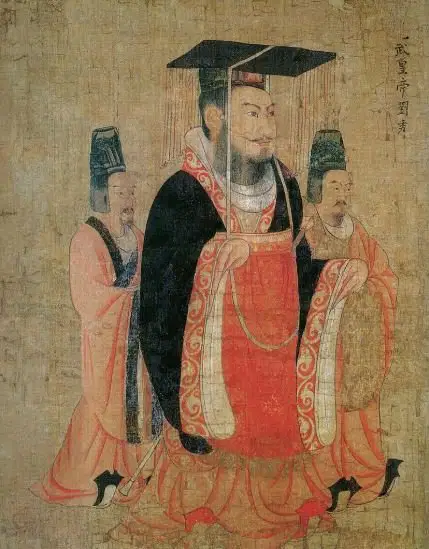
Multiple Choice
Which dynasty followed the Qin Dynasty?
Tang Dynasty
Han Dynasty
C. Ming Dynasty
D. Zhou Dynasty
90
Multiple Choice
How long did the Han Dynasty last?
100 years
200 years
over 300 years
500 years
91
Multiple Choice
How was the Han government different from the Qin government?
It was harsher
It had no government at all
It was not as harsh
It was ruled by invader
92
Multiple Choice
What were some important inventions during the Han Dynasty?
Gunpowder and the whe
Paper, the compass, and better sailing ships
Iron tools and clocks
Printing and silk weaving
93
Multiple Choice
What did the Han people trade with other empires?
Spices
Gold
Weapons
Silk goods
94
Multiple Choice
What caused the decline of the Han Empire?
Overpopulation and poverty
Lack of trade
Earthquakes
New rulers from the south
95
Multiple Choice
When did the Han Dynasty end?
100 CE
220 CE
500 CE
600 CE
96
Multiple Choice
Who invaded and ended the Han Dynasty?
Invaders from the north
Invaders from the south
D. The Qin Dynast
97
98
Multiple Choice
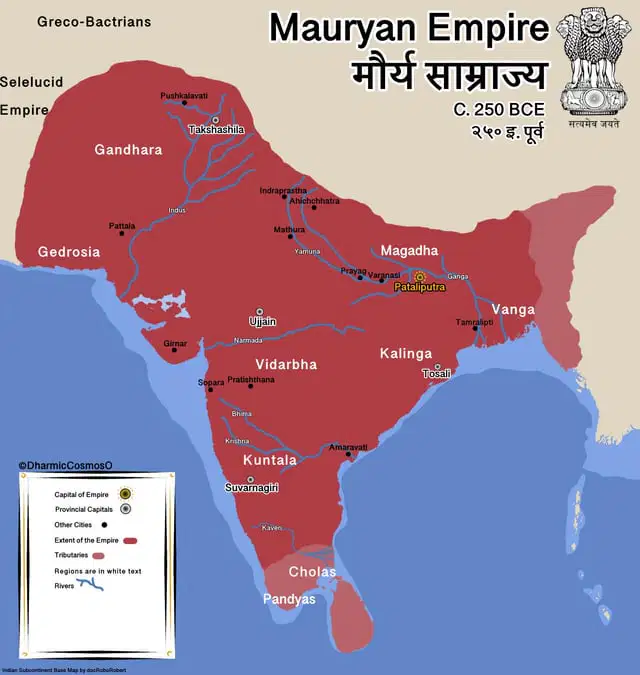
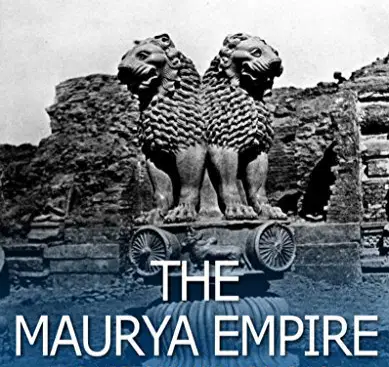
Where was the Mauryan Empire located?
Southern India
Western India
Northern India
Eastern India
99
Multiple Choice
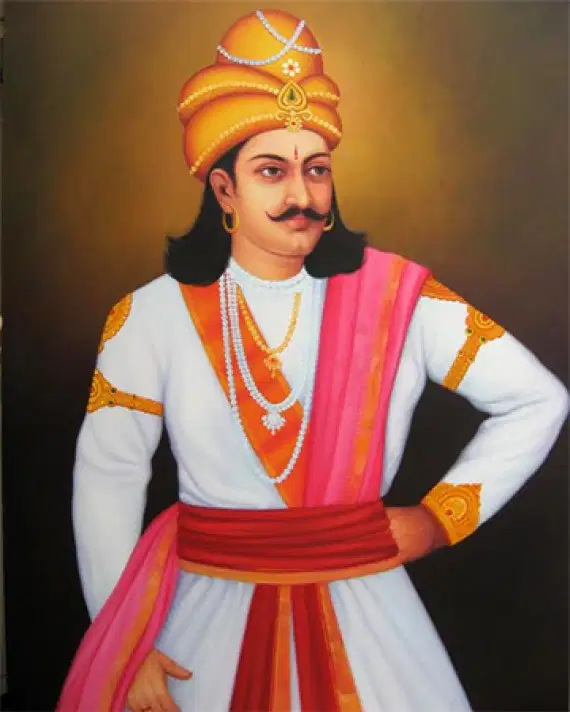
Who was the greatest leader of the Mauryan Empire?
Chandragupta
Ashoka
Gupta
Akbar
100
Multiple Choice
What did Ashoka do after a battle that killed many people?
Became a Buddhist and gave up military conquest
Continued to conquer more land
Built more armies
Left India
101
Multiple Choice
What religion did Ashoka adopt after giving up war?
Hinduism
Jainism
Islam
Buddhism
102
Multiple Choice
What happened to the Mauryan Empire after Ashoka’s death in 232 BCE?
It became stronger
It began to decline
It expanded to China
It was ruled by Rome
103
Multiple Choice
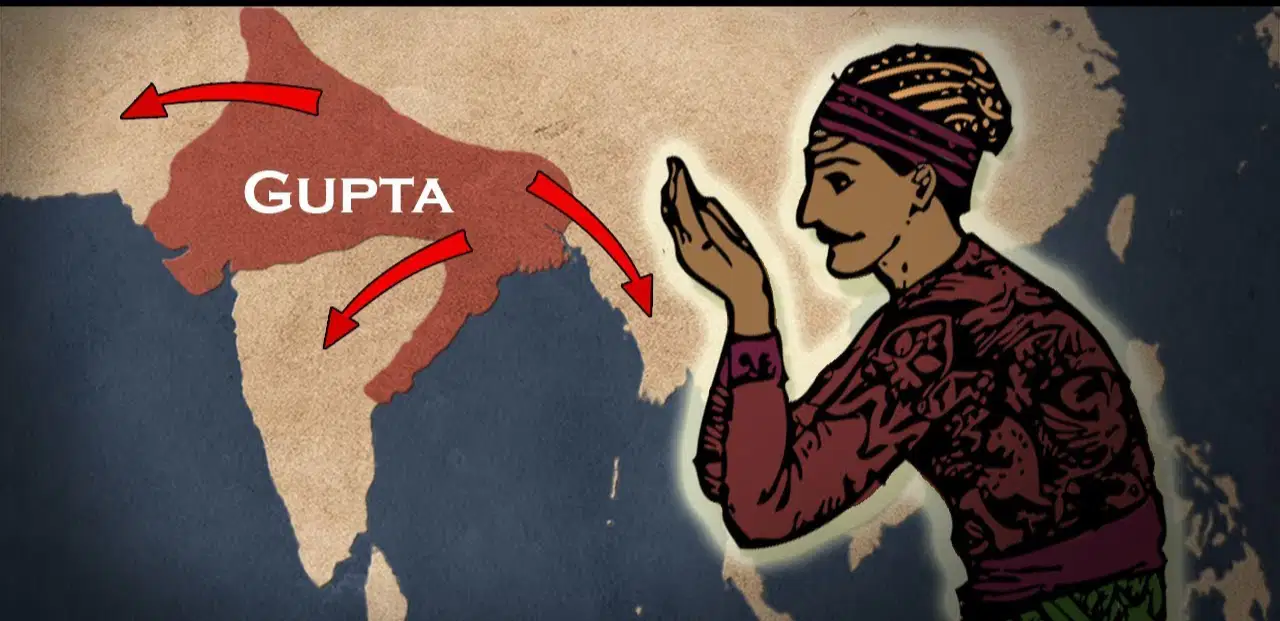
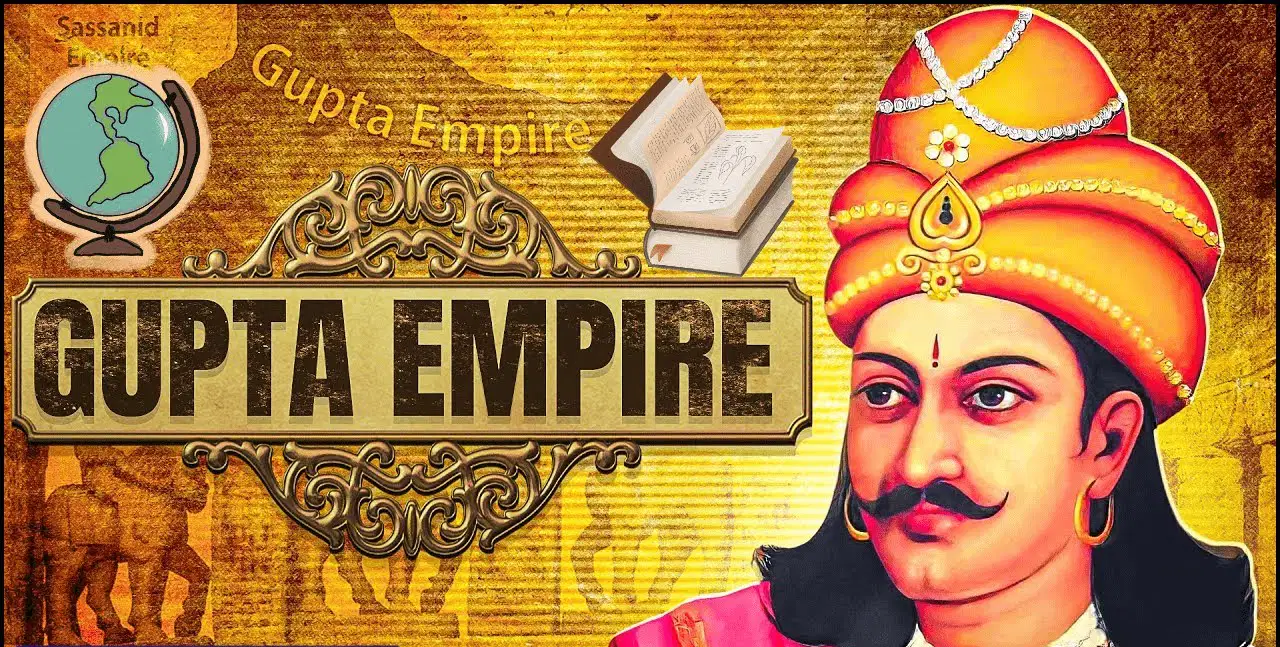
How long after the fall of the Mauryan Empire did the Gupta Empire unite India again?
100 years later
200 years later
500 years later
1000 years later
104
Multiple Choice
What flourished under Gupta rule?
Learning, art, and religious expression
Farming and trade
War and conquest
Industry and mining
105
106
Multiple Choice
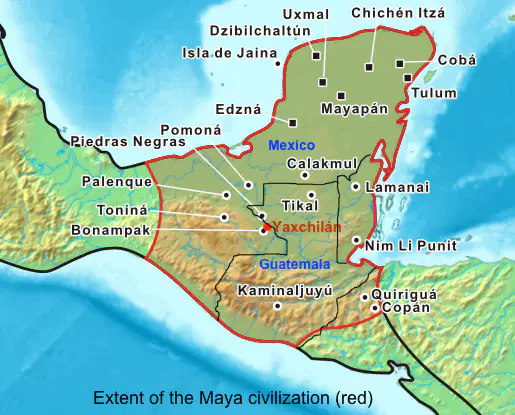
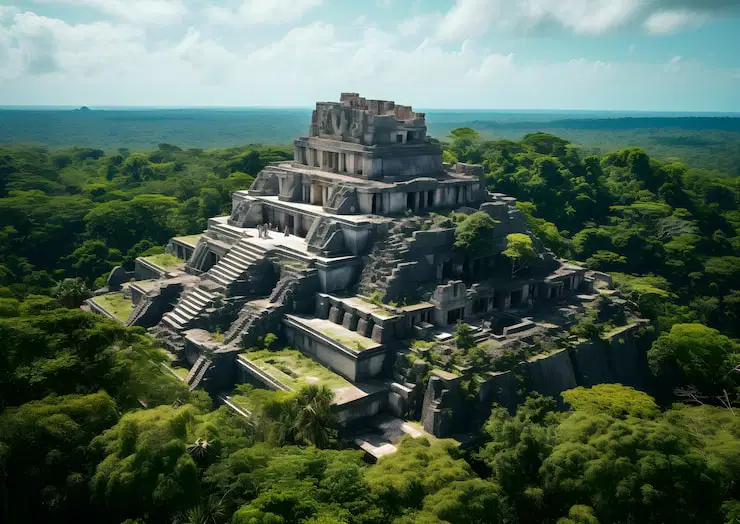
Where was the Maya Empire located?
South America
North America
Central America
Africa
107
Multiple Choice
What was the climate of the Maya Empire like?
Warm and tropical
Cold and dry
Cool and rainy
Hot and desert-like
108
Multiple Choice
What did the Maya invent?
The wheel and the compass
Iron tools and weapons
Paper and silk
A writing system and a calendar using hieroglyphs
109
Multiple Choice
What did the Maya build?
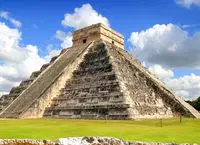
Grand buildings that still stand today
Small wooden houses
Underground tunnels
Floating cities
110
Multiple Choice
When did the Classical Maya Empire flourish?
100 BCE to 200 CE
300 CE to 800 CE
800 CE to 1200 CE
1000 CE to 1500 CE
111
Multiple Choice
When did the Maya Empire completely collapse?
800 CE
1000 CE
1500 CE
1600 CE
112
Multiple Choice
What caused the complete collapse of the Maya Empire?
Drought and famine
Civil war
Earthquakes
Spanish invaders
113
114
Multiple Choice
What did all classical empires have in common?
They all lasted forever
They all collapsed
They never expanded
They avoided warfare
115
Multiple Choice
What did classical empires rule over?
Small villages
Islands and coastline
Only their capitals
Large areas and populations
116
Multiple Choice
What kind of systems did classical empires have?
Simple systems
Writing systems and complex governments
Only trade systems
Religious systems only
117
Multiple Choice
How did classical empires expand their territories?
Through trade alone
By using art and culture
Through warfare and military conquest
By peaceful negotiations only
118
Multiple Choice
hat did classical empires use to connect and maintain relationships?
Trade networks
Religious missions
Postal systems
Farming communities
119
Multiple Choice
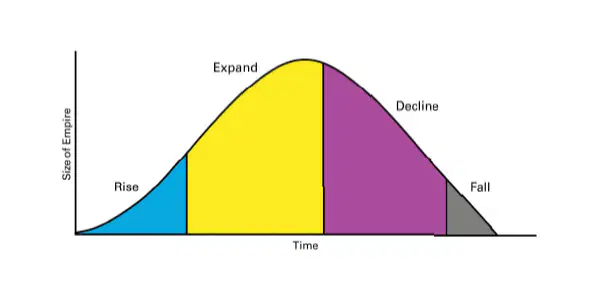
What are the four stages that all classical empires went through?
Begin, grow, fight, and fall
Rise, expand, decline, and fall
Rise, rule, prosper, and last
Build, fight, win, and lose
120
Multiple Choice
According to the chart, what happens after an empire expands?
It rises again
It stays the same size
It collapses immediately
It declines
Show answer
Auto Play
Slide 1 / 120
SLIDE

Similar Resources on Wayground
114 questions
Biotechnology Revision
Presentation
•
10th Grade - University
114 questions
Biotechnology Review EOC
Presentation
•
10th Grade - University
120 questions
Ecology Community interactions and Ecology review questions
Presentation
•
8th - 12th Grade
116 questions
Chapter 2 Market Research
Presentation
•
9th - 12th Grade
115 questions
AKS 7 Review (7A-7E)
Presentation
•
8th - 12th Grade
112 questions
English Grammar (Tense)
Presentation
•
10th - 12th Grade
118 questions
CONSTRUCTIVE RESPONSE 8 PERIOD untitled
Presentation
•
KG - University
112 questions
PRL FONTANERÍA
Presentation
•
KG - University
Popular Resources on Wayground
24 questions
PBIS-HGMS Day 10
Quiz
•
6th - 8th Grade
10 questions
HCS SCI 03 Summer School Review 3
Quiz
•
3rd Grade
11 questions
Home Scope
Quiz
•
7th - 8th Grade
15 questions
HCS SCI 05 Summer School Assessment 3 Review
Quiz
•
5th Grade
35 questions
Lufkin Road Middle School Student Handbook & Policies Assessment
Quiz
•
7th Grade
18 questions
Geo 11.3 Area of Circles and Sectors
Quiz
•
9th - 11th Grade