Search Header Logo
  1. Resource Library
  2. Science
  3. Chemistry
  4. Physical And Chemical Changes
  5. Physical & Chemical Changes & Mixtures
Physical & Chemical Changes & Mixtures

Physical & Chemical Changes & Mixtures

Assessment

Presentation

Science

3rd Grade

Practice Problem

Hard

NGSS
MS-PS1-4, MS-PS1-2

Standards-aligned

Created by

Heidi Hollmann

FREE Resource

8 Slides • 9 Questions

1

media

2

media

3

Multiple Choice

Which of the following is an example of a physical change?

1

Crushing a can

2

Burning wood

3

Rusting iron

4

Baking a cake

4

media

5

Multiple Choice

Question image
melting ice cream
1
physical change
2
chemical change

6

Multiple Choice

Question image

Observe the picture and choose the correct option.

1

Irreversible physical change

2

Reversible physical change

7

media

8

media

9

Multiple Choice

Question image
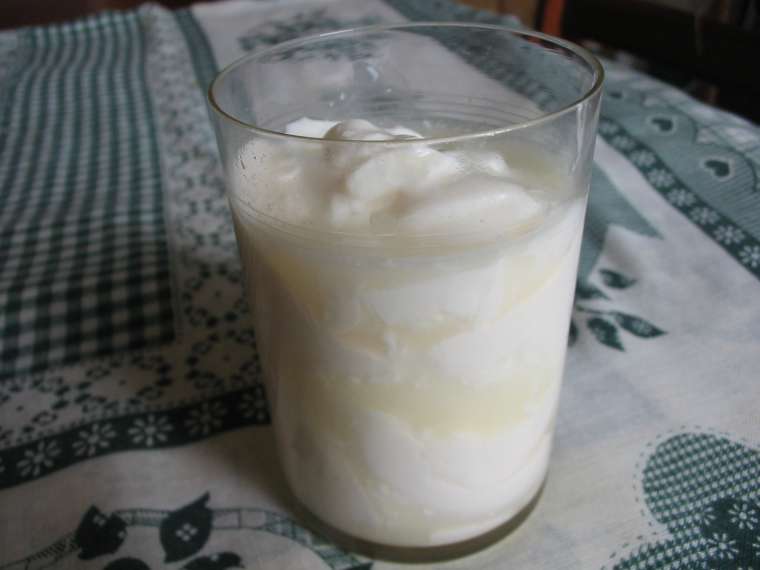
Is milk going sour a physical or chemical change?
1
Physical 
2
Chemical

10

Multiple Choice

What are the main differences between physical and chemical changes?

1

Physical changes involve changes in state, while chemical changes involve changes in composition.

2

Chemical changes can be reversed, while physical changes cannot.

3

Both types of changes result in new substances being formed.

4

Physical changes do not involve energy changes, while chemical changes do.

11

Open Ended

When baking soda is added to vinegar, it "disappears" and causes vigorous fizzing and gas evolution. If a match is brought near the reaction flask, it is extinguished. List 2 key pieces of information that help you identify this as a chemical change.

12

media

13

Multiple Choice

Question image

What type of mixture is this?

1

heterogeneous mixture

2

homogeneous mixture

3

solution

4

colloid

14

media

15

media

16

Multiple Choice

What is the difference between heterogeneous and homogenous mixtures?

1

Heterogeneous mixtures have visible parts, while homogenous mixtures do not.

2

Heterogeneous mixtures are always liquids, while homogenous mixtures are solids.

3

Heterogeneous mixtures are more common than homogenous mixtures.

4

Heterogeneous mixtures are always colored, while homogenous mixtures are clear.

17

Poll

How confident do you feel about this topic now?

Very confident
Somewhat confident
Not confident
media

Show answer

Auto Play

Slide 1 / 17

SLIDE