Search Header Logo
Unit 3 Quiz Review

Unit 3 Quiz Review

Assessment

Presentation

Science

9th - 12th Grade

Hard

NGSS
MS-LS4-1, MS-ESS1-4, HS-PS1-8

+6

Standards-aligned

Created by

Aubree Niemiec

Used 1+ times

FREE Resource

9 Slides • 17 Questions

1

media

2

media

3

media

4

Multiple Choice

Question image

During the formation of Earth, small space rocks are attracted to each other by

1

gravitational forces

2

solar eclipses

3

white dwarfs

5

Multiple Select

Question image

What was Earth like in the beginning? (select 2 answers)

1

Hot; full of magma

2

Full of life

3

No atmosphere and no life

6

Multiple Choice

Question image

This chronological time chart is broken into different time chunks, the largest being the Eon, then Era, Period, and Epoch.

1

Timeline

2

Geological time scale

3

Time chart

7

media

8

Multiple Choice

Question image
What is a mass extinction?
1
When all the species in a particular area on earth suddenly go extinct
2
When multiple species from all over the earth suddenly go extinct 
3
When one species goes extinct due to habitat changes

9

Multiple Choice

Question image
There have been _____ mass extinction events in Earth's history.
1
3
2
4
3
5

10

Multiple Choice

Question image

There have been 5 mass extinctions in Earth's history. Which of the following answer choices was a cause of these extinctions?

1

increased carbon dioxide (CO2) levels in the atmosphere

2

an asteroid impact

3

melting of glaciers and rising sea levels

4

widespread volcanic activity

5

All of them

11

Multiple Choice

Question image

Which extinction is considered the largest mass extinction in Earth's history? Basically 96% of all species on Earth disappeared.

1

Ordovician Extinction

2

Devonian Extinction

3

Permian Extinction

12

Multiple Choice

Question image
What is represented by the picture? 
1
Sea-floor spreading
2
Pangea
3
How the continents are arranged today

13

media

14

Multiple Choice

Question image
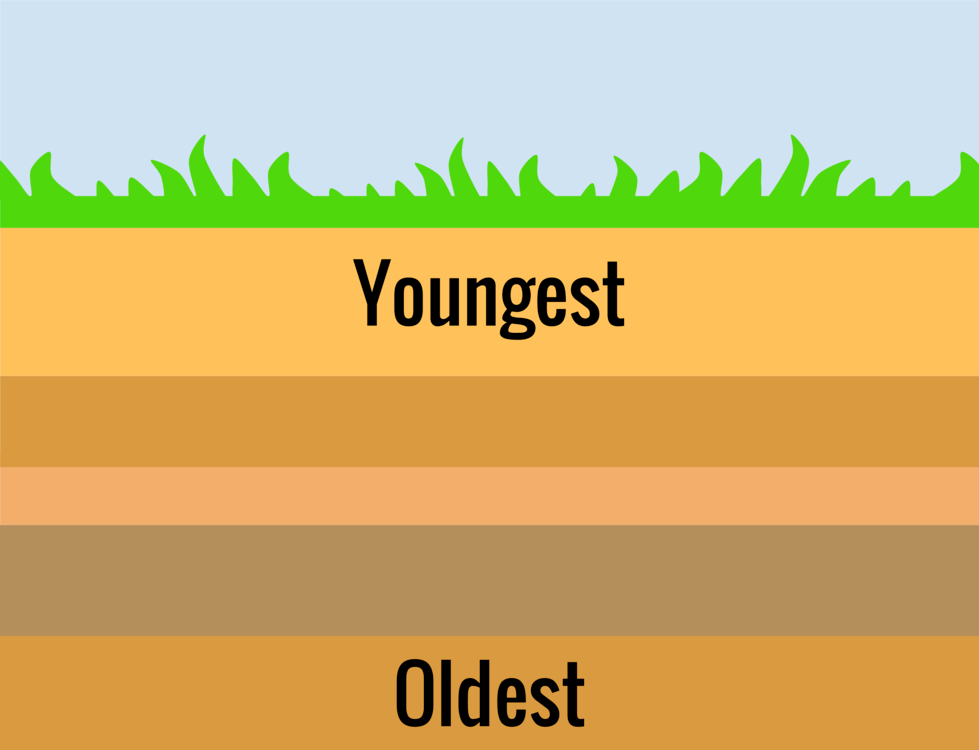
States that younger rocks lie above older rocks if the layers have not been disturbed
1
Law of crosscutting
2
Law of superposition
3
Relative Dating

15

Multiple Choice

Question image
How does the law of crosscutting explain the age of a fault?
1
The fault is younger than the rocks above it.
2
The fault is younger than the rocks it cuts through.
3
The fault is older than the rocks it cuts through.

16

Multiple Select

Question image

What geologic principles (or laws) are best displayed here? PICK 2

1

Superposition

2

Original horizontality

3

Cross-cutting relationships

4

Inclusions

17

media

18

Multiple Choice

Question image

Scientists use radiometric dating (radioactive decay) to measure...

1

relative time (dating)

2

absolute time (dating)

3

time of day

19

Multiple Choice

Question image
The length of time required for half of the radioactive atoms in a sample to decay is its...
1
age
2
half-life
3
eon

20

Multiple Choice

Question image

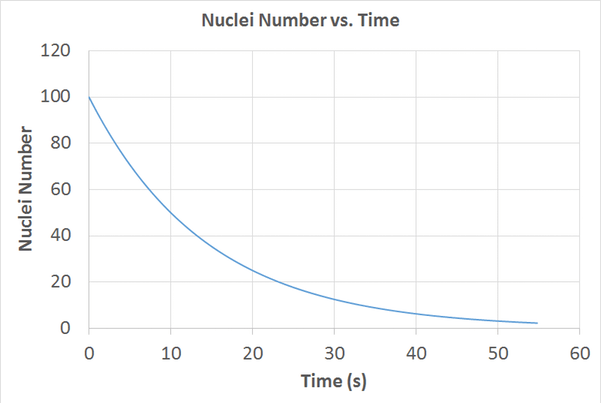
What is the Half life of this isotope?

1

5 seconds

2

10 seconds

3

15 seconds

21

media

22

media

23

Multiple Choice

Question image

All information that scientists have gathered from fossils over time is known as...

1

The Fossil Record

2

The Fossil Report

3

The Fossil Findings

24

Labelling

Which choice BEST describes the fossil shown?

Drag labels to their correct position on the image

Preserved Remains

Carbon Film

Trace Fossil

Mold

Cast

Petrified Fossil

25

Multiple Select

Question image

A dinosaur footprint is a type of trace fossil.

Which questions below could be solved by analyzing this type of trace fossil? PICK 3

1

Did the dinosaur walk alone or in a herd?

2

How heavy was the dinosaur?

3

Did the dinosaur walk on 2 legs or 4 legs?

4

What did the dinosaur eat before it died?

26

media
media

Show answer

Auto Play

Slide 1 / 26

SLIDE