Search Header Logo
Cells and Organelles Notes

Cells and Organelles Notes

Assessment

Presentation

•

Science

•

10th Grade

•

Hard

•
NGSS
MS-LS1-2, MS-LS1-1, MS-LS1-6

+4

Standards-aligned

Created by

Jennings Jennifer

FREE Resource

70 Slides • 105 Questions

1

media

2

media

3

Multiple Choice

what is the smallest unit of an organism that is classified as living?

1

an atom

2

a molecule

3

an organ

4

a cell

4

media

5

Multiple Choice

Robert Hooke did what?

1

He found bacteria on door handles

2

He saw bacteria using an early compound microscope

3

He saw chambers which he called cells

4

He did not use an compound microscope

6

media

7

Multiple Choice

Who discovered and named cells while looking at cork?

1

Captain Hook

2

Robert Hooke

3

Matthais Schleiden

4

Rudolf Virchow

8

media

9

media

10

Multiple Choice

What did Anton van Leeuwenhoek observe with his microscope?

1

Stars

2

Pond water

3

Rocks

4

Plants

11

Multiple Choice

This early cell theory scientist looked in a microscope and discovered "animalcules" in the gunk from his teeth and pond water.

1

Schleiden

2

Leeowenhoek

3

Hooke

4

Virchow

5

Schwann

12

Multiple Choice

What tool do you use to view the cells?
1
metric ruler
2
centrifuge
3
microscope
4
pipette

13

media

14

Multiple Choice

Who noted that all animals are made of cells and helped write the first two parts of cell theory?

1

Rudolf Virchow

2

Anton van Leeuwenhoek

3

Theodor Schwann

4

Robert Hooke

15

Multiple Choice

All plants are made of cells.  This was discovered by....
1
Matthias Schleiden
2
Rudolf Virchow
3
Robert Hooke
4
Aristotle

16

media

17

Multiple Choice

Who discovered that all cells come from other living cells and had research that lead to the last major principle of cell theory?

1

Matthias Schleiden

2

Theodore Schwann

3

Robert Hooke

4

Rudolf Virchow

18

media

19

Multiple Choice

According to the cell theory, where do new cells come from?

1

Non-living matter

2

Other cells

3

Chemical reactions

4

Spontaneous generation

20

Multiple Choice

Which statement was NOT included in cell theory?

1

All living things are composed of cells.

2

Living cells come only from other living cells.

3

Each cell contains a cell membrane, cytoplasm, nucleus, mitochondria, and endoplasmic reticulum.

4

Cells are the smallest structure of living things that can perform the functions necessary for life.

21

Multiple Select

These three scientists together helped come up with the second part of the cell theory (all living things are made of one or more cells). CHOOSE 3 ANSWERS

1

Schleiden

2

Leeowenhoek

3

Hooke

4

Virchow

5

Schwann

22

Multiple Choice

The Cell Theory states...
1
atoms create all matter
2
living things evolve
3
the cell is the backbone of all matter
4
cells are the basic unit of structure and organization of organisms

23

media

24

media

25

media

26

media

27

media

28

media

29

Multiple Choice

Cells all have the same shape

1

True

2

False

30

Multiple Choice

All cells are the same size

1

True

2

False

31

Multiple Choice

All cells have the same function

1

True

2

False

32

Multiple Choice

Question image

Red blood cells are small so that they can...

1

Vessels that these cells travel in are very small. These cells must be small to fit into these small spots.

2

Vessels that these cells travel in move very fast so they need to be this size to protect themselves from the speed of the flow

3

These must be short (small) so that they can work together with other cells to move items

4

These must be short (small) so that they can work together with other cells to move items

33

Multiple Select

Cells perform different functions. These 2 items help them to do that

1

Cell Shape

2

Cell Size

3

Cell chemical composition

4

Cell make up

5

Cell organelles

34

media

35

media

36

Multiple Choice

Which of the following is TRUE about cell structure and function.

1

All cells have the same structure and function

2

All cells have the same structure. Their function is determined by their structure.

3

Cells can have many different structures. Their function is determined by their structure.

4

Cells can have many different structures. Their function is determined by the mitochondria.

37

Multiple Select

One way to increase surface area in parts with larger volume is to....

1

fold

2

stack

3

elongate/stretch

38

Multiple Choice

The structure of a cell helps with its

1

function

2

wants

3

speed

4

shape

39

Multiple Choice

Question image

CLICK ON IMAGE: Which cell would have the smallest surface area and largest volume?

1

1um cube (smallest)

2

2um cube (middle)

3

4um cube (largest)

40

Multiple Choice

Question image

CLICK ON IMAGE: Which cell would have the greatest surface area and smallest volume?

1

1um cube (smallest)

2

2um cube (middle)

3

4um cube (largest)

41

Multiple Choice

Cells that are ____ have a greater surface area compared to volume (SA:V ratio).

1

Small

2

Large

42

Multiple Select

Question image

Select all that apply: Why is a large SA:V better?

1

More area to let in nutrients and release waste

2

Processes occur more quickly

3

Cell is more efficient

4

Larger space for more storage of nutrients

43

Multiple Choice

Volume refers to

1

the area exposed to the external environment.

2

the amount of space inside of the cell.

44

Multiple Choice

Cells are most efficient when they are _____.

1

Small

2

Large

3

Fat

4

Skinny

45

Multiple Choice

The larger the cell, the _______ it will take to transport materials, process nutrients, or release wastes.

1

Longer

2

Faster

46

media

47

media

48

media

49

media

50

media

51

media

52

media

53

Multiple Choice

Which of the following is a characteristic of both Eukaryotic and Prokaryotic cells?
1
ribosomes
2
nucleus
3
membrane bound organelles
4
simple

54

Multiple Choice

Both prokaryotes and eukaryotes have a nucleus.
1
True
2
False

55

Multiple Choice

Plants and animal cells are examples of ___ cells 
1
prokaryotic cells 
2
eukaryotic cells 

56

Multiple Choice

In a eukaryotic cell, where is the DNA located?

1

In the cell membrane

2

There is no DNA

3

In the nucleus

4

In the cell wall

57

Multiple Choice

Question image

What does the purple stuff in the image represent?

1

Flagella

2

DNA

3

Eukaryotic cell

4

Chloroplast

58

Multiple Choice

Question image

What are the whip like structures on this cell called?

1

DNA

2

ribosomes

3

choloplast

4

Flagella

59

Multiple Choice

Question image

This is an image of a ___________ cell.

1

Eukaryotic

2

Prokaryotic

3

Small and simple

4

Free DNA

60

Multiple Choice

Question image

What type of cell is shown in the image?

1

Eukaryotic

2

Plant

3

Prokaryotic

4

Splinter

61

Multiple Choice

Question image

What does the pink circle in the middle of the cell represent?

1

RNA

2

Nucleus

3

Ribosomes

4

Heart

62

Multiple Choice

Question image

Which characteristic of a cell matches this image

1

Small and Simple

2

Free roaming DNA

3

Large and Complex

4

Does not contain a Nucleus

63

Multiple Choice

Question image

This cells DNA is in the

1

Outer Shell

2

Nucleus

3

Free roaming

4

Ribosomes

64

Hotspot

Identify the organelles and structures present in ALL CELLS (plant, animal and bacteria)

Hint: ask yourself if each cell (plant, animal and bacteria) has the structures identified in the image

65

Multiple Choice

Ribosomes, Cell membrane, and Cell Wall are organelles found in which cell type?

1

Eukaryotic

2

Prokaryotic

3

Both

66

Hotspot

A table comparing the characteristics of four samples is shown. Click on the sample name that is most likely a prokaryote.

67

media

68

media

69

media

70

Multiple Choice

Question image

Define cell (plasma) membrane

1

lipid that helps minimize effects of temperature

2

only on the outer surface of the plasma membrane and are attached to proteins or lipids; form distinctive cellular markers

3

flexible boundary of a cell that separates a cell from its surroundings

4

may extend partway into the plasma membrane, cross the membrane entirely, or be loosely attached to its inside or outside face

71

Multiple Choice

Which type of biological macromolecule is the main component of the plasma membrane?

1

carbohydrate

2

lipid

3

protein

4

nucleic acid

72

Multiple Choice

Question image

This image is an example of a phospholipid. Which part of a phospholipid is HYDROPHOBIC?

1

the phosphate "head"

2

the lipid "tails"

73

Multiple Choice

What does "semi-permeable" mean?

1

allows nothing through

2

does not block things out

3

allows only some things in

4

cannot be passed through

74

Multiple Choice

Question image

This image is an example of a phospholipid. Which part of a phospholipid is HYDROPHILIC?

1

the phosphate "head"

2

the lipid "tails"

75

Multiple Choice

Question image

Where can carbohydrates be found when part of a plasma membrane?

1

On the outside of the membrane

2

On the inside of the membrane

3

Embedded part of the way into the membrane

4

Embedded the whole way through the membrane

5

All of the above

76

Multiple Choice

Question image

Where can PROTEINS be found when part of a plasma membrane?

1

On the outside of the membrane

2

On the inside of the membrane

3

Embedded the whole way through the membrane

4

All of the above

77

Multiple Choice

What is the function of cholesterol in a plasma membrane?

1

To make the membrane flexible

2

To control the effect of temperature changes

3

To attract water molecules

4

To allow nutrients and other essential molecules into the cell

78

Multiple Choice

What is the "big idea" of the fluid mosaic model of plasma membranes?

1

the plasma membrane creates a specialized FLUID that looks like a MOSAIC.

2

the plasma membrane is a MOSAIC.

3

the fluid mosaic model is NOT related to the plasma membrane.

4

a plasma membrane is a MOSAIC of components that move FREELY and FLUIDLY.

79

Multiple Choice

Which are example is hydrophobic in nature.

1

Oil

2

Sugar

3

Salt

4

Water

80

Multiple Choice

The function of the plasma membrane is....
1
to regulate what enters and leaves the cell.
2
fight bacteria and viruses that enter the cell.
3
provide rigid support and protection to the cell.
4
make sure each cell can move

81

Drag and Drop

Question image
The cell membrane, also known as the ​
membrane, is found in ​
types of cells. It controls and ​
what is allowed in and out of the cell to help maintain ​
or a balanced environment. It also is known as the ​
because the different parts of the cell membrane can move around and are not fixed in one location.
Drag these tiles and drop them in the correct blank above
plasma
all
regulates
homeostasis
fluid mosaic model
some

82

media

83

media

84

media

85

Multiple Choice

What type of cell has a nucleus? 
1
eukaryotic
2
prokaryotic 

86

Multiple Choice

Question image

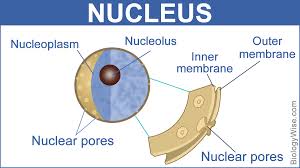
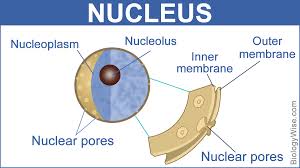
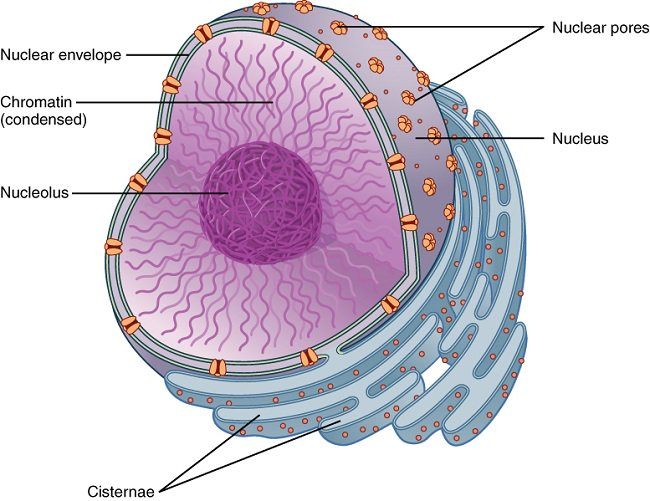
Directs all cell activities through the DNA located there.

1

Endomembrane System

2

Nucleus

3

Ribosomes

4

Mitochondria

87

Multiple Choice

Question image

Made up of two layers (an inner and an outer), this acts like a cushiony outer shell of protection.

1

nucleoplasm

2

nuclear pores

3

nuclear membrane

4

nucleolus

88

Multiple Choice

Question image

Tiny holes in the nuclear membrane that allow different cellular materials to come in and go out of the cell.

1

nucleus

2

nucleoplasm

3

nucleolus

4

nuclear pores

89

Multiple Choice

Question image

Helps assemble ribosomes, which are combinations made of protein and RNA (ribonucleic acid ).

1

nuclear membrane

2

nuclear pores

3

nucleoplasm

4

nucleolus

90

media

91

Multiple Choice

Define Chromatin

1

substance found in eukaryotic chromosomes that consists of DNA tightly coiled around histones

2

Region of a chromosome where the wto sister chromatids attach

3

Division of the cytoplasm to form two separate daughter cells

4

Provides sensation to the back of your arm into your middle finger

92

Multiple Choice

Loosely packed DNA

1

Chromatid

2

Adrenchrome

3

Chromosome

4

Chromatin

93

Multiple Choice

Before cells divide. DNA will be in the form of what?

1

Chromatin

2

Chromosomes

94

Multiple Choice

Question image

Tightly packed DNA.

1

Chromatin

2

Gene

3

Chromosome

4

Sister Chromatids

95

media

96

Multiple Choice

Organelles inside nucleus function is to make ribosomes
1
Golgi Body
2
Lysosome
3
Rough E.R.
4
Nucleolus

97

media

98

media

99

media

100

Multiple Choice

Ribosomes are small cellular structures that are the sites of ________________.

1

protein synthesis

2

DNA decoding

3

cellular respiration

4

photosynthesis

101

Multiple Select

Which of these are true of ribosomes? (check all that apply)

1

Each ribosome has three parts, two large subunits and a small subunit.

2

Ribosomes can be found alone or in groups within the cytoplasm

3

Ribosomes can be found on the rough endoplasmic reticulum.

4

Ribosomes can be found on the nuclear envelope

5

Ribsomes play an important role in cellular respiration.

102

Multiple Choice

Ribosomes are found in both eukaryotic and prokaryotic cells and are not surrounded by a membrane.

1

true

2

false

103

Multiple Choice

Question image

Which letter is a picture of a ribosome?

1

E

2

F

3

G

4

H

104

media

105

media

106

media

107

Multiple Choice

Synthesizes lipids, stores calcium, detoxifies drugs and poisons
1
Rough ER
2
Smooth ER
3
Golgi Apparatus
4
Peroxisomes

108

Multiple Choice

Which kind of endoplasmic reticulum has ribosomes attached to it?

1

rough ER

2

smooth ER

109

Multiple Choice

Question image

Which organelle is this?

1

Golgi Apparatus

2

Smooth ER

3

Rough ER

4

Lysosome

110

Multiple Choice

Question image

Which of the following molecules are not synthesized by the ER

1

Proteins

2

Lipids

3

Acids

4

Cholesterol

111

Multiple Choice

Question image

This form is responsible for detoxification

1

Smooth Er

2

Rough Er

112

Multiple Choice

Makes and modifies proteins

1

Smooth Endoplasmic Reticulum

2

Vesicles

3

Mitochondria

4

Rough Endoplasmic Reticulum

113

media

114

media

115

Multiple Choice

Transports proteins/phospholipids to cell membrane

1

Rough ER

2

Smooth ER

3

Golgi Apparatus

4

Cytoplasm

5

Plasma Membrane

116

Multiple Choice

Transports molecules throughout the cell like a post office
1
Golgi apparatus
2
Endoplasmic reticulum
3
Lysosome
4
Cytoskeleton

117

Multiple Choice

Question image

The structure picture above is often found near the edges of cells, since it is where things are packaged up to be sent out.

1

rough endoplasmic reticulum

2

smooth sndoplasmic reticulum

3

Golgi apparatus

4

nucleus

118

media

119

media

120

media

121

Multiple Choice

Question image

These carry materials from one location in the cell to another location, or to the cell membrane. (Mailmen)

1

Golgi apparatus

2

Ribosomes

3

Vesicles

4

Lysosomes

122

media

123

media

124

Multiple Choice

Question image

Which organelle is the trash collector, but also recycles parts of the cell?

1

mitochondria

2

lysosome

3

vacuole

4

ribosome

125

media

126

Drag and Drop

Several organelles help remove toxins and clean the cell in different ways. ​
are full of enzymes that they use to clean the cell. ​
break down hydrogen peroxide and fatty acids. ​
is also responsible for detoxification.
Drag these tiles and drop them in the correct blank above
Lysosomes
Peroxisomes
The Smooth ER
The Golgi apparatus

127

media

128

media

129

media

130

media

131

Multiple Choice

Which of the following is part of the mitochondria

1

outer membrane

2

DNA

3

matrix

4

all of the above

132

Multiple Choice

Mitochondria have their own ____ and DNA floating in the matrix

1

ions

2

ATP

3

water

4

ribosomes

133

Multiple Choice

Increase the surface area available for ATP synthesis

1

cristae

2

matrix

3

inner membrane

4

outer membrane

134

Multiple Choice

Question image

Letter F is which structure of the mitochondria?

1

inner membrane

2

outer membrane

3

cristae

4

matrix

135

Multiple Choice

Question image

Letter E is which structure of the mitochondria?

1

inner membrane

2

outer membrane

3

cristae

4

matrix

136

Multiple Choice

Mitochondrial DNA is inherited from whom?

1

Dad

2

Mom

137

Multiple Choice

Question image

What do Mitochondria do?

1

They produce energy for the cell by making ATP

2
They are responsible for cell division
3
They are the brain of the cell
4
They store genetic information

138

media

139

media

140

media

141

media

142

Multiple Choice

These form the basis of the "skeleton" inside the cell.

1

Cillia

2

Cytosol

3

Cytoplasm

4

Microtubles

143

Multiple Choice

The eukaryotic cytoskeleton is made up of a network of long, thin lipid fibers and has many functions.

1

true

2

false

144

Multiple Select

Which of these are functions of the cytoskeleton?

1

It helps to maintain cell shape.

2

It provides a place for chemical reactions to occur.

3

It plays important roles in both the intracellular movement of substances and in cell division.

4

It holds organelles in place, and for some cells, it enables cell movement.

5

It creates new proteins, lipids, and other organic molecules

145

Multiple Select

Which of these are cytoskeleton fibers?

1

microtubules

2

intermediate filaments

3

microfilaments

4

cytoplasm

5

microflagella

146

Multiple Choice

These are hollow cylinders and are the thickest of the cytoskeleton structures and most commonly made of filaments which are polymers of tubulin.

1

microtubles

2

intermeadiate filaments

3

microfilaments

4

cytoplasm

147

Multiple Choice

Which part of the cytoskeleton are thin threads of protein (actin) that contribute to cell shape, cell movement, and cell growth?

1

Intermediate filament

2

Microtubules

3

Microfilaments

4

Cytokinesis

148

media

149

Multiple Choice

What is a role of centrioles?

1

Creates spindle fibers

2

holds sister chromatids together

3

Cell growth

4

copying chromosomes

150

media

151

media

152

media

153

Multiple Choice

Cell walls are _______, while cell membranes are _______.

1

rigid, flexible

2

flexible, rigid

3

semi-permeable, solid

4

rigid, rigid

154

Multiple Choice

Which cells do not have cell walls?

1

plants

2

fungi

3

animals

4

bacteria

155

Multiple Choice

Which organelle is made of starch and cellulose?

1

cell wall

2

chloroplast

3

cell membrane

4

mitochondria

156

media

157

Multiple Choice

Provide storage for the cell. (Mostly water, glucose, pigments and waste.

1

Nucleus

2

Cell Membrane

3

Many Small Vacuoles

4

Mitochondria

5

Large Central Vacuole

158

media

159

media

160

media

161

media

162

media

163

Multiple Choice

Plastids store pigments, such as chlorophyll.

1

True

2

False

164

Multiple Select

Check all that apply: Which plastids are correctly matched to their role?

1

Chloroplast- site of photosynthesis

2

Plastoplast- produces color pigment

3

Chromoplast- Found in green parts of the plant

4

Leucoplast: stores starch

165

Multiple Choice

Why do green parts of a plant appear green?

1

They contain chloroplast

2

Their is green pigment in their central vacuaole

3

They contain chromoplast

166

Multiple Select

Check all that apply: What happens in a chloroplast?

1

Takes in water and CO2

2

Takes in Sugar and O2

3

Makes water and CO2

4

Makes sugar and O2

167

Multiple Choice

What produces the yellow, red, and orange pigment in plants?

1

Chloroplast

2

Chromoplast

3

Leucoplast

4

Plastoplast

168

Multiple Choice

What is the function of Leucoplast?

1

Make sugar

2

Produce color

3

Store starch

4

Protein synthesis

169

media

170

media

171

media

172

media

173

media

174

media

175

Reorder

Reorder the followingArrange the word bank in order from smallest to largest

Cell

Tissues

Organ

Organ system

Organism

1
2
3
4
5
media

Show answer

Auto Play

Slide 1 / 175

SLIDE