

DNA introduction

Presentation
•
Biology
•
9th - 12th Grade
•
Easy
+3
Standards-aligned

Cheryl Graves
Used 4+ times
FREE Resource
21 Slides • 39 Questions
1
Open Ended
Why is the process of DNA replication essential for living organisms?
2
Multiple Choice

3
4
5
A telomere is a protective structure at the end of a chromosome, made of repetitive DNA sequences and proteins, that prevents the ends from fraying or fusing together. With each cell division, a small amount of telomere DNA is lost, which eventually limits the number of times a cell can divide and contributes to the aging of cells.
6

7

8
Multiple Select
Cells with long telomeres on their chromosomes could be (select all that apply)
cancerous
have high telomerase activity
young
old
9
Multiple Choice
How can telomere length be regulated to potentially impact aging and age-related diseases?
By increasing exposure to environmental toxins and pollutants
By lifestyle factors and potential medical interventions
By avoiding regular exercise and physical activity
By consuming more sugar and processed foods
10
Multiple Choice
How does the enzyme telomerase help maintain telomere length?
Telomerase causes mutations in the nucleotide sequences of telomeres.
Telomerase adds repetitive nucleotide sequences to the ends of chromosomes.
Telomerase breaks down repetitive nucleotide sequences on the ends of chromosomes.
Telomerase has no effect on telomere length.
11
Multiple Choice
How does telomere shortening contribute to the aging process?
Telomere shortening leads to cellular aging and eventual cell death.
Telomere shortening causes rapid cell regeneration and anti-aging effects
Telomere shortening slows down the aging process
Telomere shortening has no impact on the aging process
12
Multiple Select
Select all statements that are true about telomeres and their function in cell division.
Telomeres are non-coding nucleotide sequences at chromosome ends.
Telomeres are lost after each cell division.
Loss of telomeres leads to loss of important coding genes and cell death.
Telomeres are coding regions of DNA.
13
Multiple Choice
Which of the following changes can occur in cancer cells due to gene imbalance?
Immortalization, transformation, and metastasis
Apoptosis, differentiation, and migration
Necrosis, proliferation, and adhesion
Senescence, division, and fusion
14
15
Hotspot
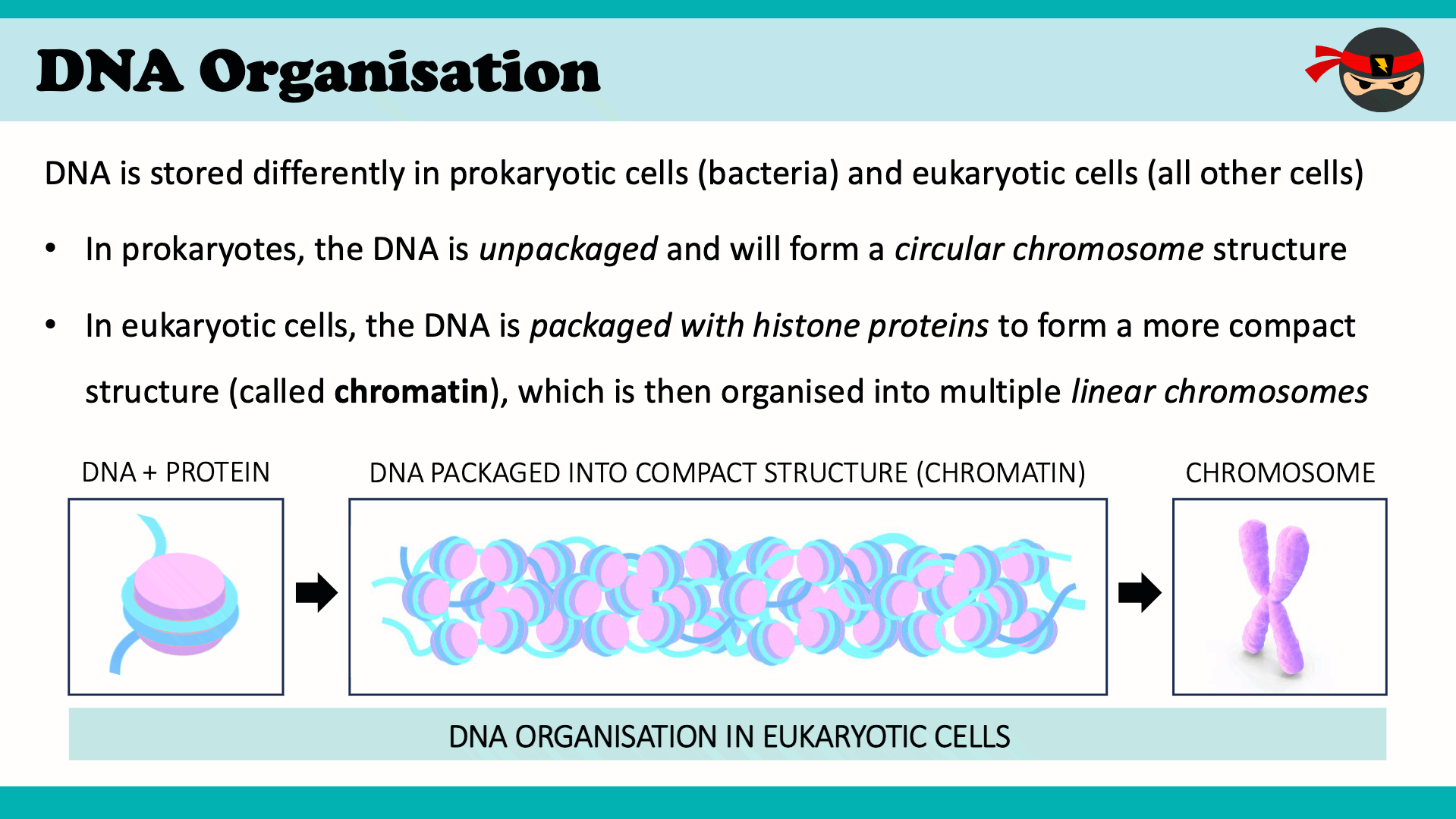
Which of these images is showing a Chromosome?
16
Draw
Label the diagram
17
Fill in the Blanks
In eukaryotic cells, DNA is packaged with histone proteins to form a more compact structure called
18
Labeling
The image represents eukaryotic genome complexity. Correctly label the organization of genetic material using the words provided. One has already been filled in for you.
Cell
Nitrogen Bases
Gene
Chromosome
19

20
21
Multiple Choice
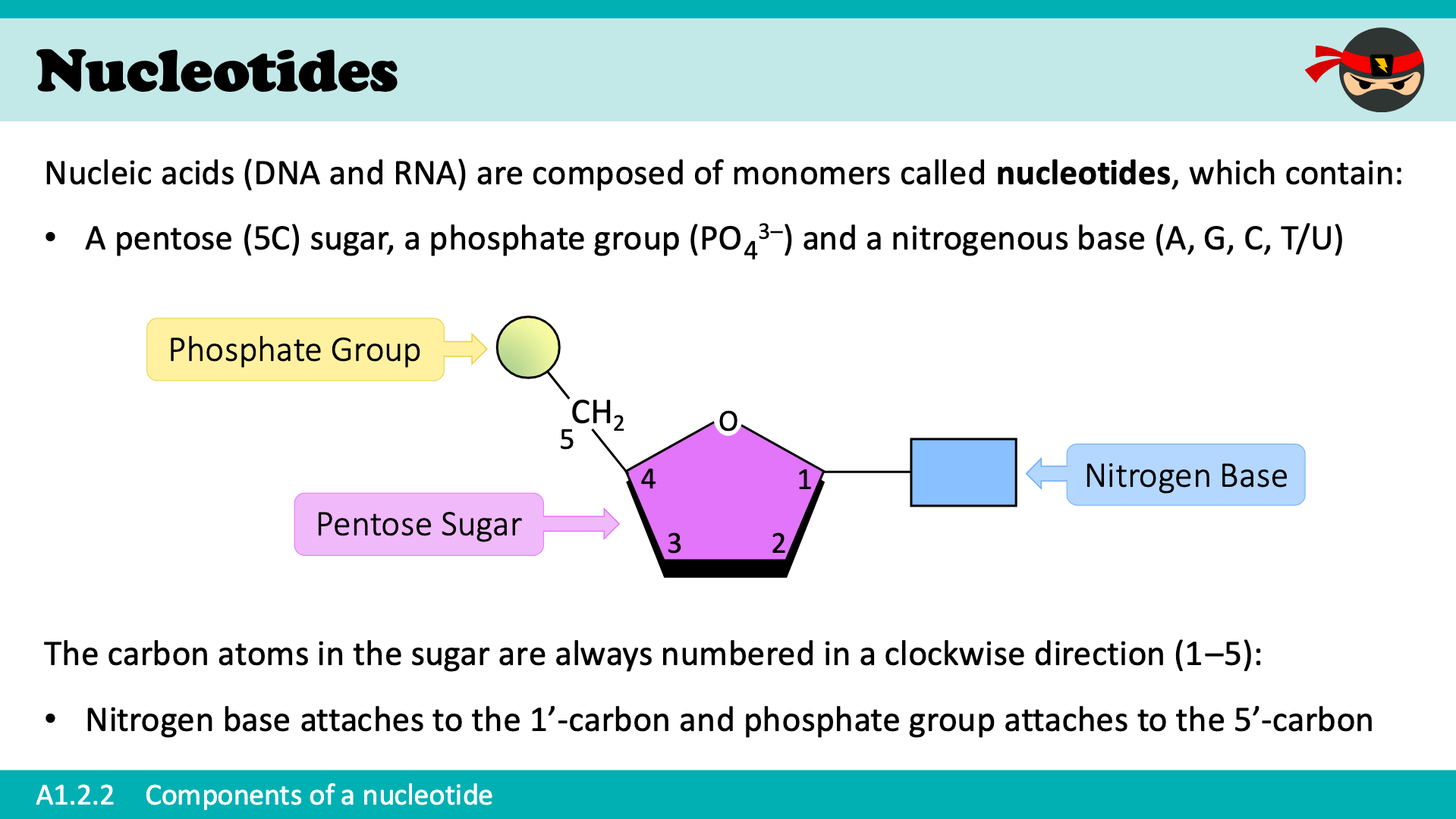
Which of the following is NOT a component of a nucleotide?
Phosphate group
Sugar (deoxyribose or ribose)
Nitrogenous base
Amino acid
22
Labeling
Label the diagram
sugar
phosphate
nitrogenous base
23
Multiple Choice
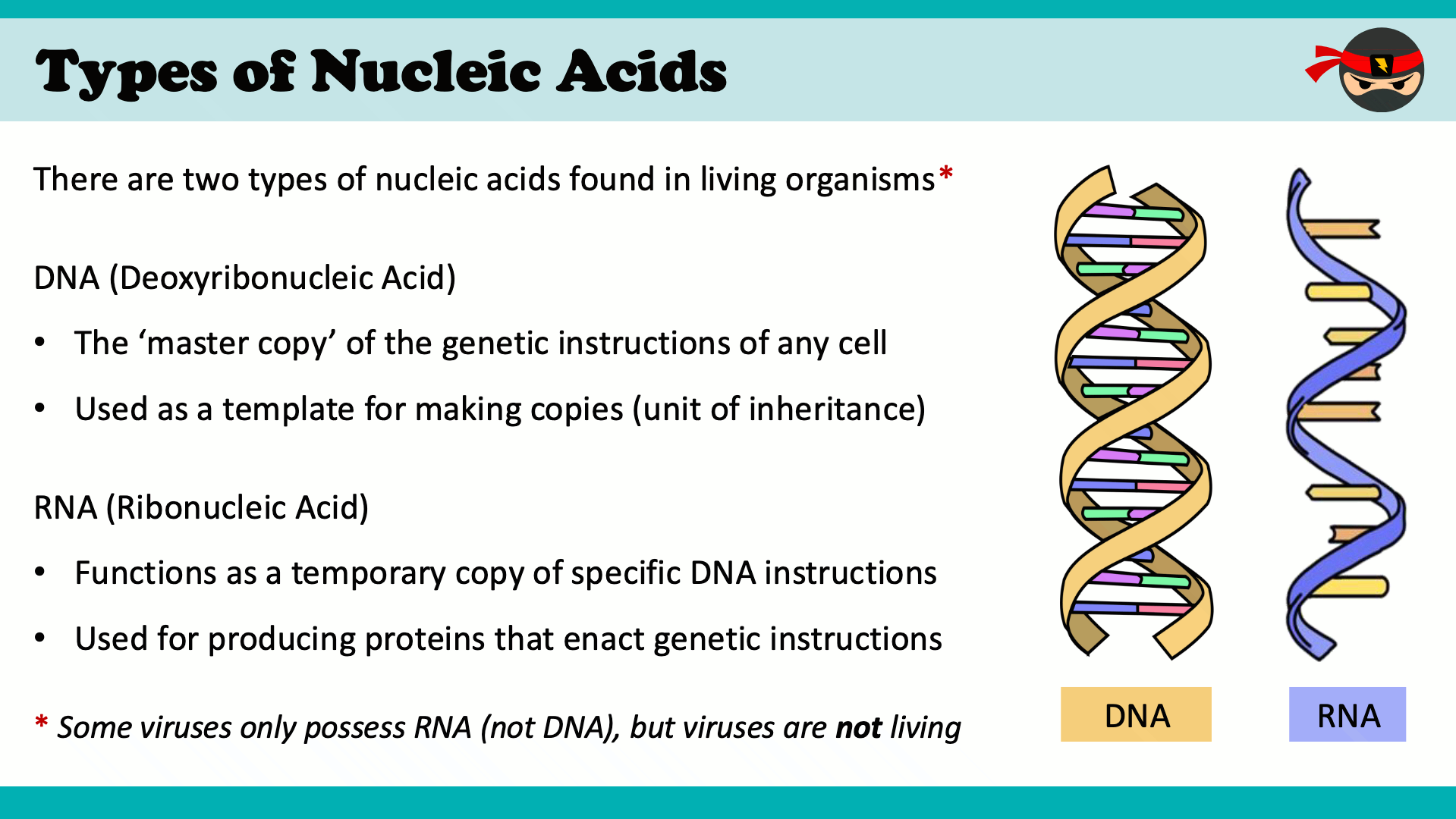
Which of the following best describes the main function of DNA in living organisms?
It acts as a temporary copy of genetic instructions.
It is used for producing proteins.
It serves as the master copy of genetic instructions and is used as a template for making copies.
It is only found in viruses.
24

25
26
Multiple Choice
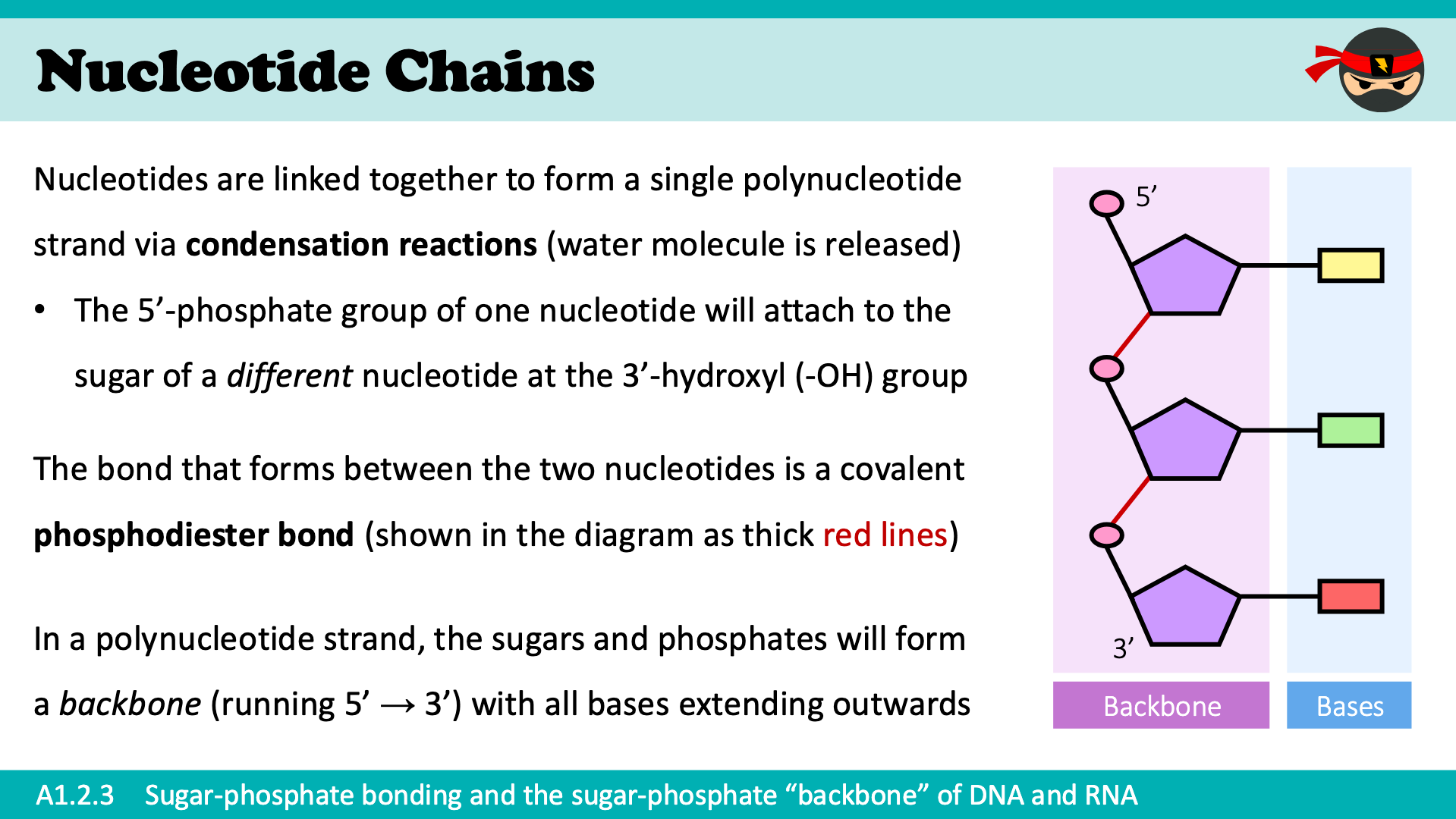
What is the linkage between nucleotide monomers call?
Phosophodiester
Diphosphoester
Phosphoester
Phosphoester
27

28

29
30

31
32
Match
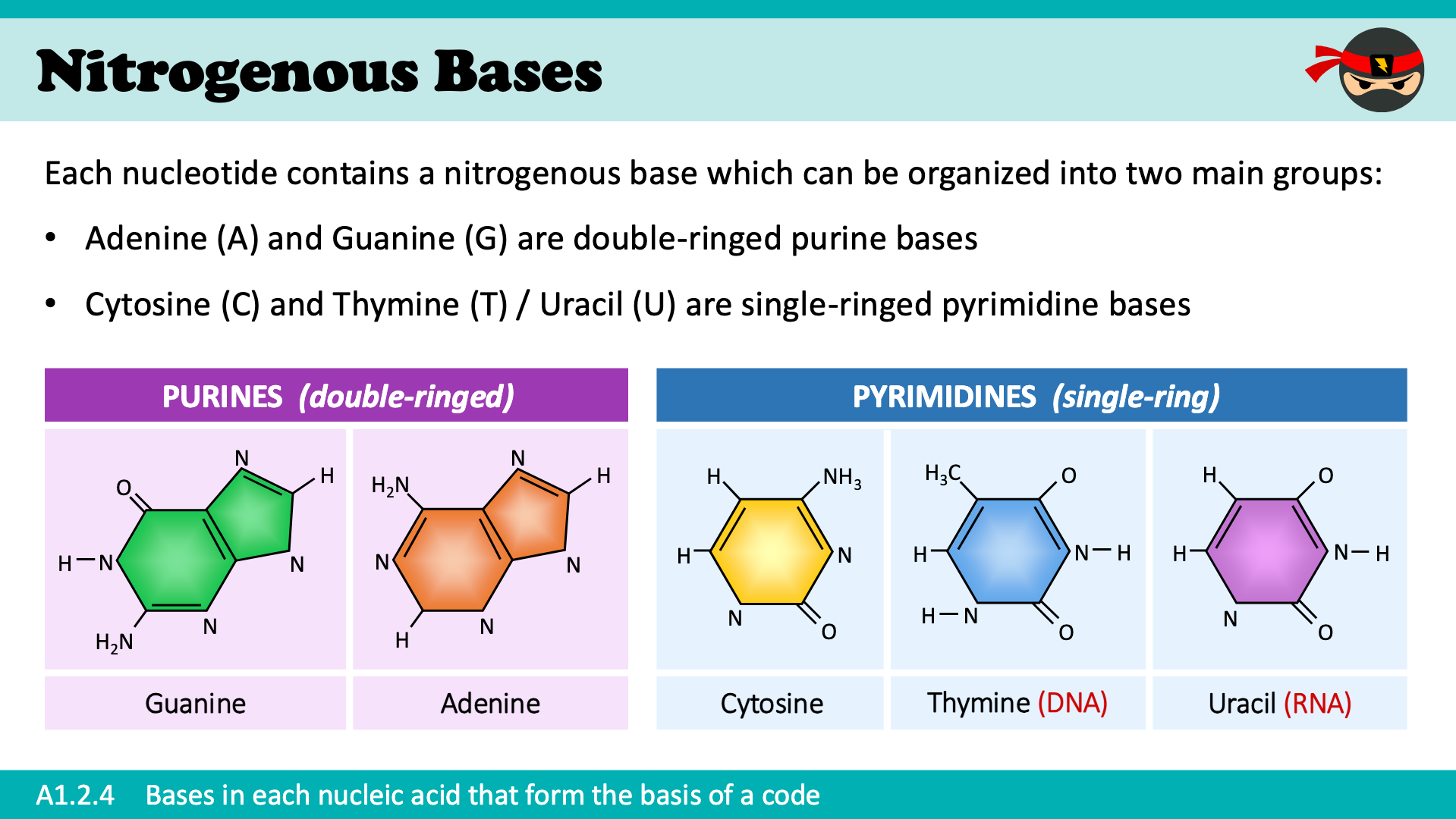
adenine & guanine
thymine, cytosine, & uracil
2
1
purine bases
pyrimidine bases
number of ring(s) in purines
number of ring(s) in pyrimidines
purine bases
pyrimidine bases
number of ring(s) in purines
number of ring(s) in pyrimidines
33
Multiple Choice
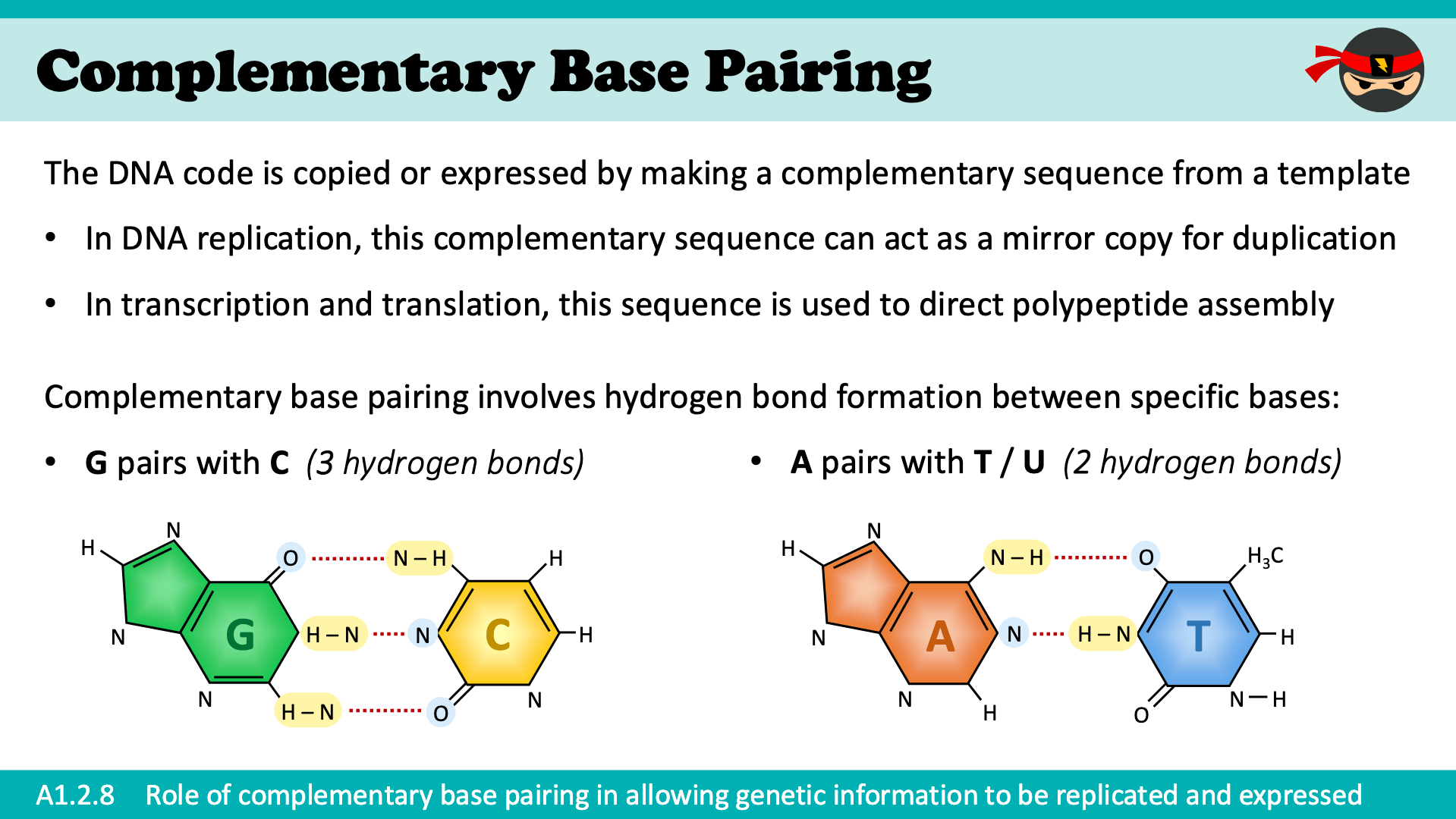
Which base pairs with cytosine in DNA, and how many hydrogen bonds are formed between them?
Adenine; 2 hydrogen bonds
Guanine; 3 hydrogen bonds
Thymine; 2 hydrogen bonds
Uracil; 3 hydrogen bonds
34
Multiple Select
Which of the following statements about base pairing in DNA is/are correct?
Adenine always pairs with Thymine
Guanine always pairs with Cytosine
Adenine always pairs with Cytosine
Guanine always pairs with Thymine
35
Match
Match the following base pairs.
Adenine
Guanine
Cytosine
Thymine
Thymine
Cytosine
Guanine
Adenine
Thymine
Cytosine
Guanine
Adenine
36
Labeling
Label the DNA model
Sugar Phosphate Backbone
Nucleotide
Nitrogen Base
37
Labeling
Using the labels, identify the parts of a DNA molecule.
Base pair
Phosphate
Nitrogen Base
Hydrogen bond
Nucleotide
Deoxyribose
38
Hotspot
Which arrow is pointing to the nitrogenous base?
39
Fill in the Blanks
The bond that holds the two strands of the DNA double helix together is called
40
Fill in the Blanks
nucleotides are linked by
41
Fill in the Blanks
Four different nucleotides:
42
Dropdown
43
Labeling
Match the letter to the part.
Covalent Bond
Deoxyribose Sugar
Hydrogen Bonds
Nitrogen Bases (2)
Phosphate
44
Hotspot
Click where DNA replication takes place
45
Labeling
Label the parts of the Cell Cycle
S phase
G1
Mitosis
G2
46
Drag and Drop

47
Math Response
A segment of DNA has 1,000 total bases. If 360 are thymine, how many are guanine?
48
Drag and Drop
How much Adenine?
How much Thymine?
49
Multiple Choice

50
51
52

53
Multiple Choice
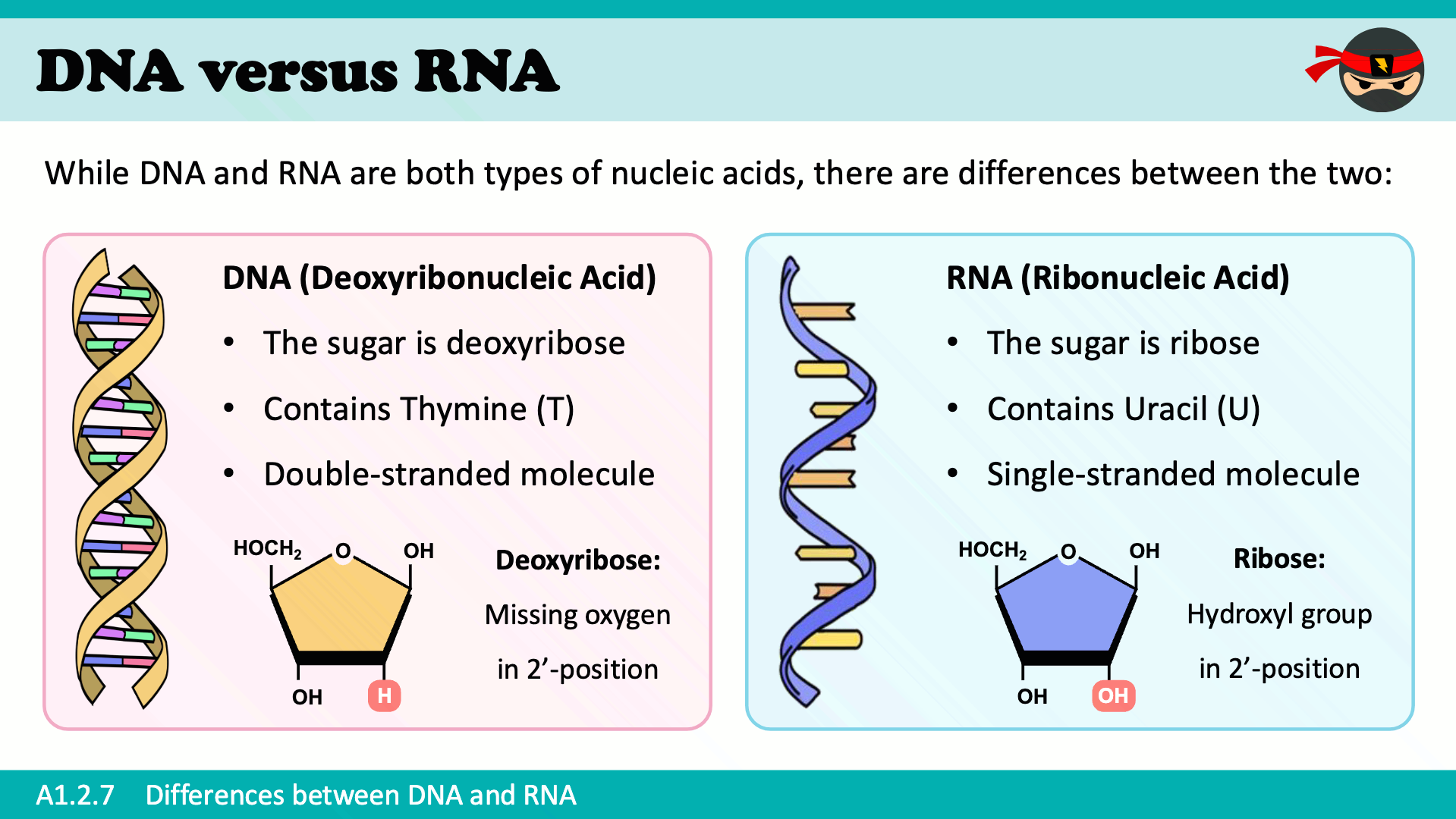
Which nitrogenous base is found in RNA but not in DNA?
Thymine
Uracil
Adenine
Cytosine
54
Multiple Choice
Which of the following is a key difference between DNA and RNA?
DNA contains thymine, while RNA contains uracil.
DNA is single-stranded, while RNA is double-stranded.
DNA contains ribose, while RNA contains deoxyribose.
DNA is found only in prokaryotes, while RNA is found only in eukaryotes.
55
Dropdown
56

57

58

59
Multiple Select
Which of the following statements about DNA replication are correct?
DNA replication occurs during the S phase of interphase.
Each daughter cell receives a complete set of chromosomes.
DNA replication uses both strands as templates simultaneously.
DNA replication only occurs during mitosis.
60
Multiple Choice
What is meant by 'semi-conservative replication' of DNA?
Both strands of DNA are newly synthesized.
One strand is conserved and one is new in each daughter molecule.
Both strands are conserved in one daughter molecule.
DNA is replicated only once in a cell's lifetime.
Why is the process of DNA replication essential for living organisms?
Show answer
Auto Play
Slide 1 / 60
OPEN ENDED
Similar Resources on Wayground

57 questions
Introduction to Genetics and Punnett Squares
Presentation
•
9th - 12th Grade
59 questions
U5 RNA & Protein Synthesis Notes
Presentation
•
9th - 12th Grade
59 questions
STAAR Review- MAKEUP
Presentation
•
9th - 12th Grade
55 questions
Energy and Changes in State Lesson
Presentation
•
9th - 12th Grade
52 questions
Osmosis Tonicity Lesson
Presentation
•
9th Grade - University
59 questions
Fungi
Presentation
•
9th - 12th Grade
55 questions
Amendments 11-27
Presentation
•
9th - 12th Grade
54 questions
Task 3: DNA structure review and traits intro
Presentation
•
9th - 12th Grade
Popular Resources on Wayground
10 questions
Safety Day 2026 – Student Review

Quiz
•
9th Grade
21 questions
Continents and Oceans
Quiz
•
6th Grade
20 questions
Parts of Speech
Quiz
•
5th Grade
16 questions
Subject & Predicate
Quiz
•
5th Grade
25 questions
Multiplication Facts
Quiz
•
5th Grade
12 questions
Map Skills
Quiz
•
3rd Grade
22 questions
Continents and Oceans
Quiz
•
5th Grade
15 questions
Rounding Decimals
Quiz
•
5th Grade
Discover more resources for Biology
20 questions
Cell organelles and functions
Quiz
•
10th Grade
20 questions
Cell Transport
Quiz
•
9th - 12th Grade
25 questions
photosynthesis and cellular respiration
Quiz
•
9th Grade
20 questions
Cell Cycle
Quiz
•
9th Grade
8 questions
DNA vs. RNA
Presentation
•
9th - 12th Grade
14 questions
Ecological Succession: Primary and Secondary
Quiz
•
9th Grade
20 questions
Macromolecules
Quiz
•
10th Grade
20 questions
Characteristics of Life
Quiz
•
9th - 10th Grade