Search Header Logo
  1. Resource Library
  2. Science
  3. Chemistry
  4. Chemical Elements
  5. Classifying Elements
Classifying Elements

Classifying Elements

Assessment

Presentation

Science

6th - 8th Grade

Practice Problem

Hard

NGSS
MS-PS1-1, HS-PS1-1

Standards-aligned

Created by

Cindy Todd

Used 3+ times

FREE Resource

15 Slides • 18 Questions

1
media

2

media

3

Multiple Choice

Question image

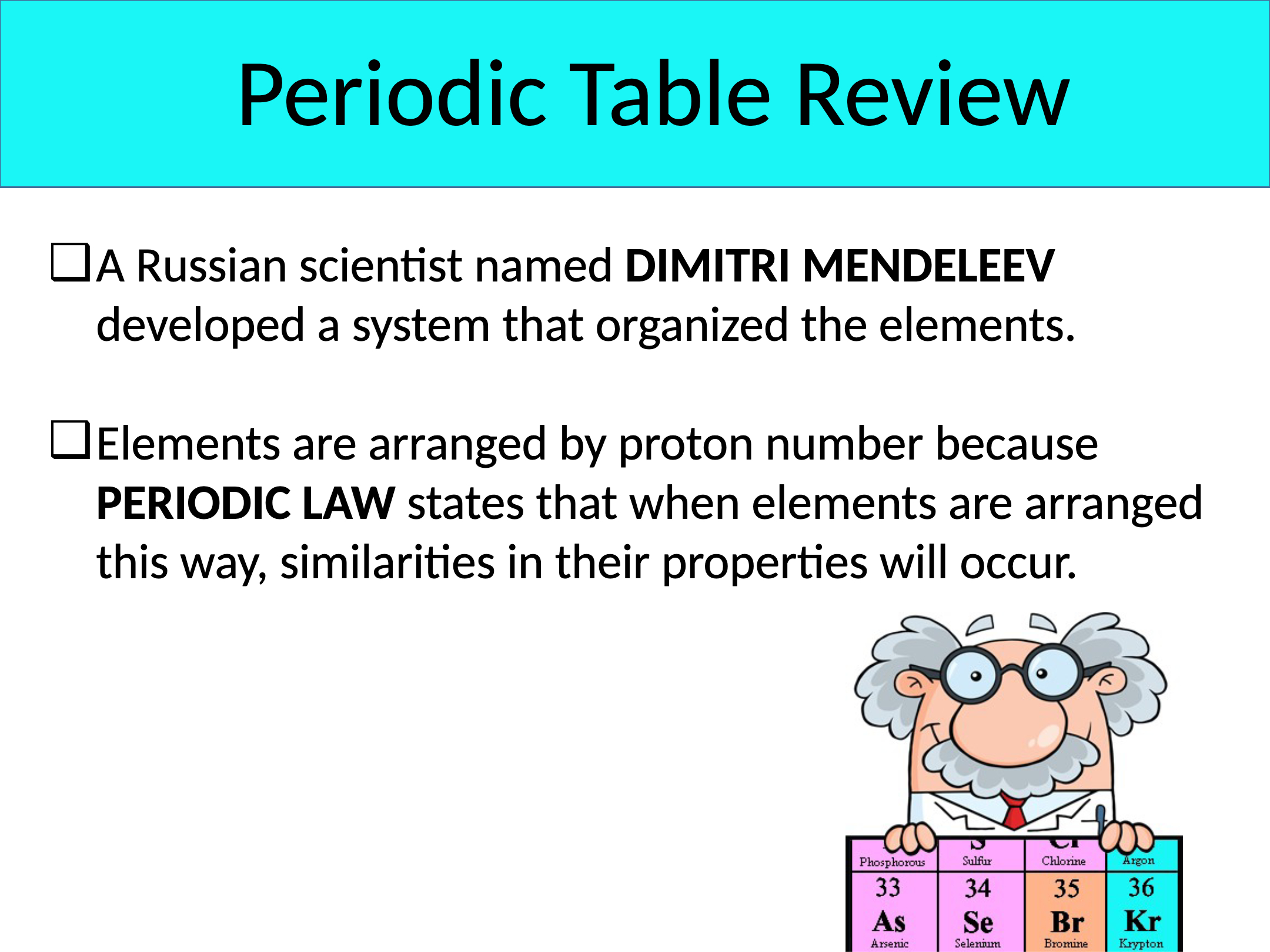
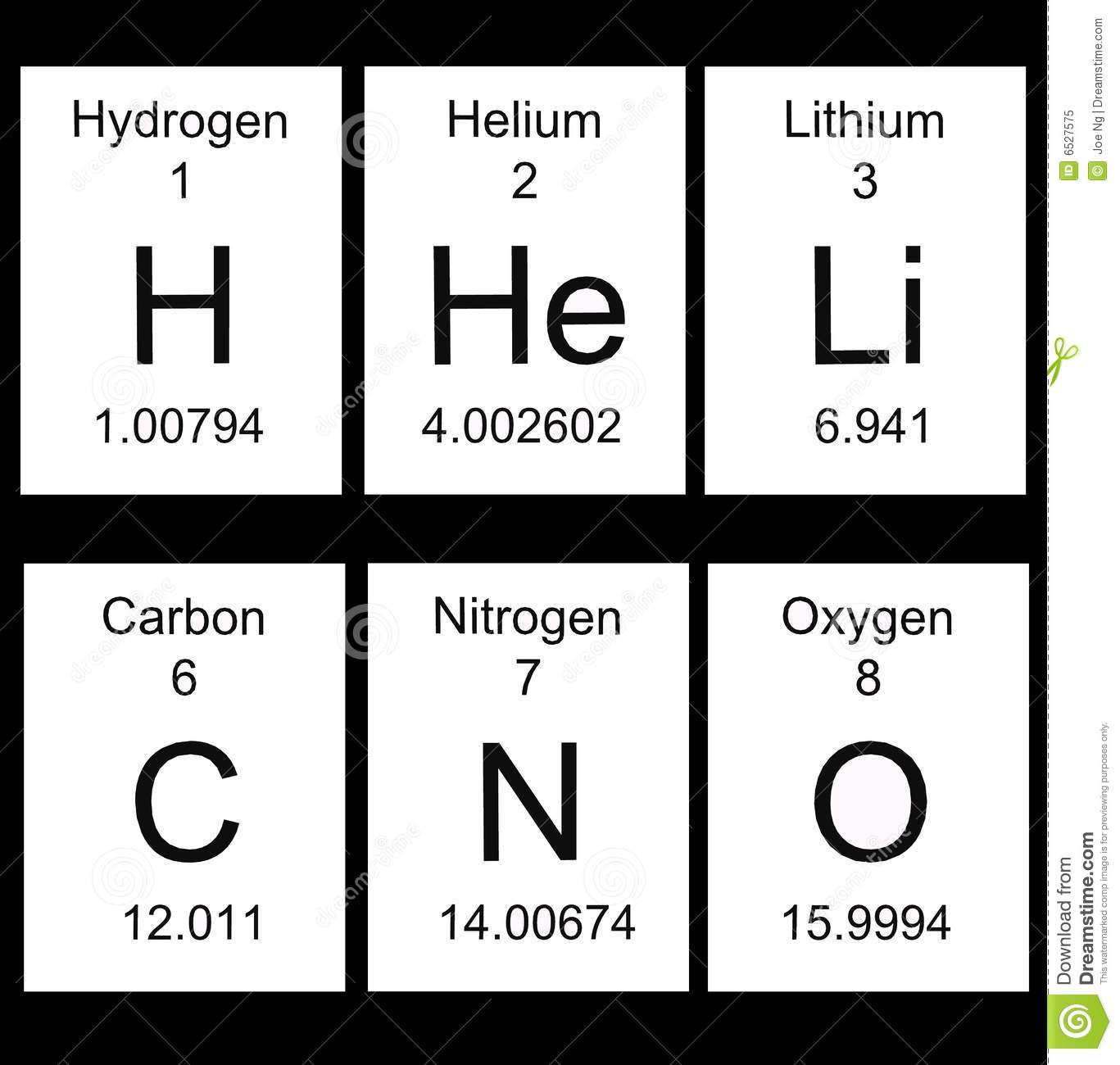
Elements are arranged by their ​

1
Atomic number
2

Atomic mass

3

Neutrons

4

4

Open Ended

How did Dimitri Mendeleev's organization of the periodic table influence our understanding of chemical properties?

5

media

6

Multiple Choice

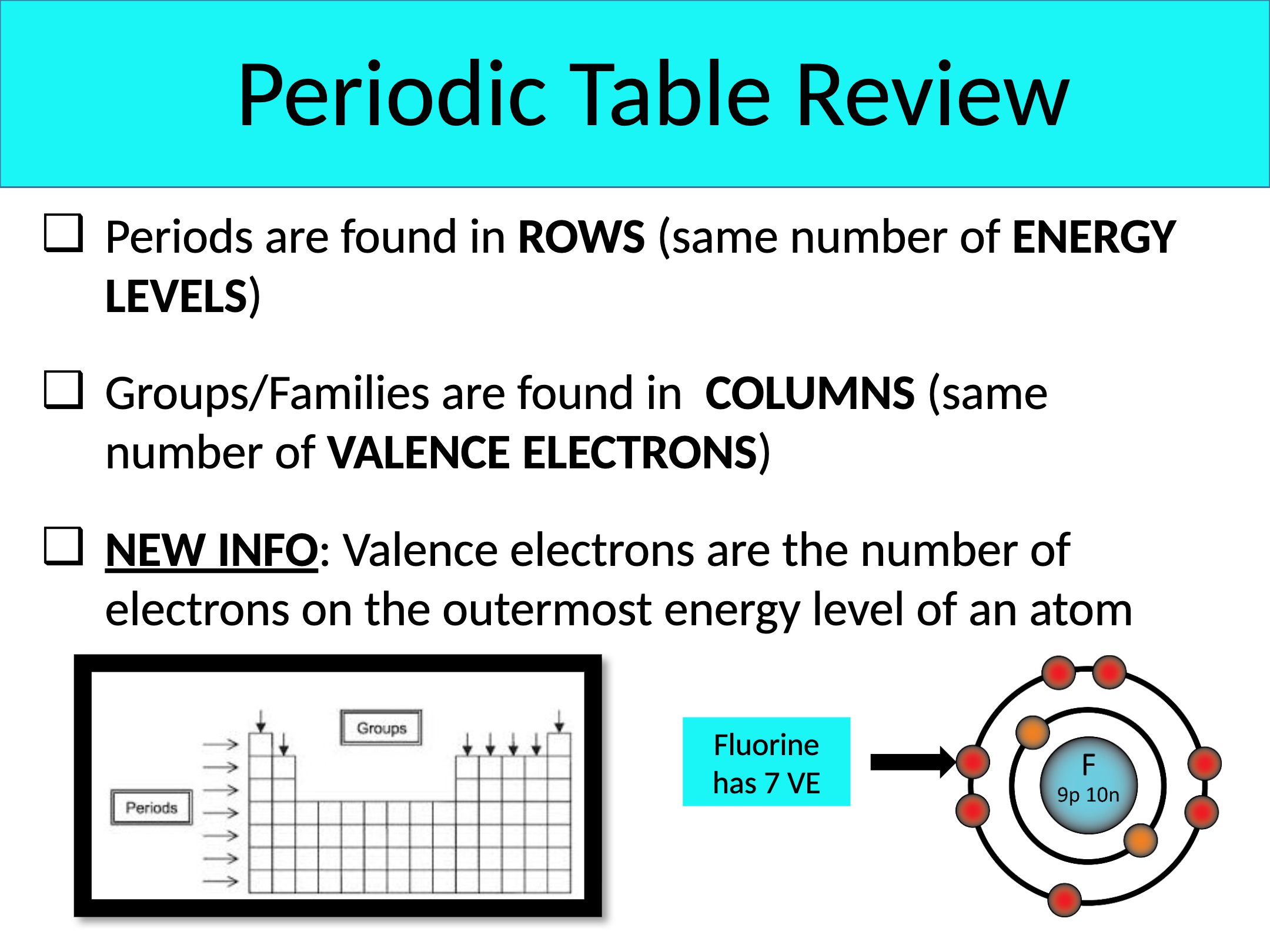
Which of the following statements best describes the difference between periods and groups on the periodic table?

1

Periods are columns and groups are rows.

2

Periods are found in rows and have the same number of energy levels, while groups are found in columns and have the same number of valence electrons.

3

Periods have the same number of valence electrons, while groups have the same number of energy levels.

4

Periods and groups both refer to columns on the periodic table.

7

media

8

Open Ended

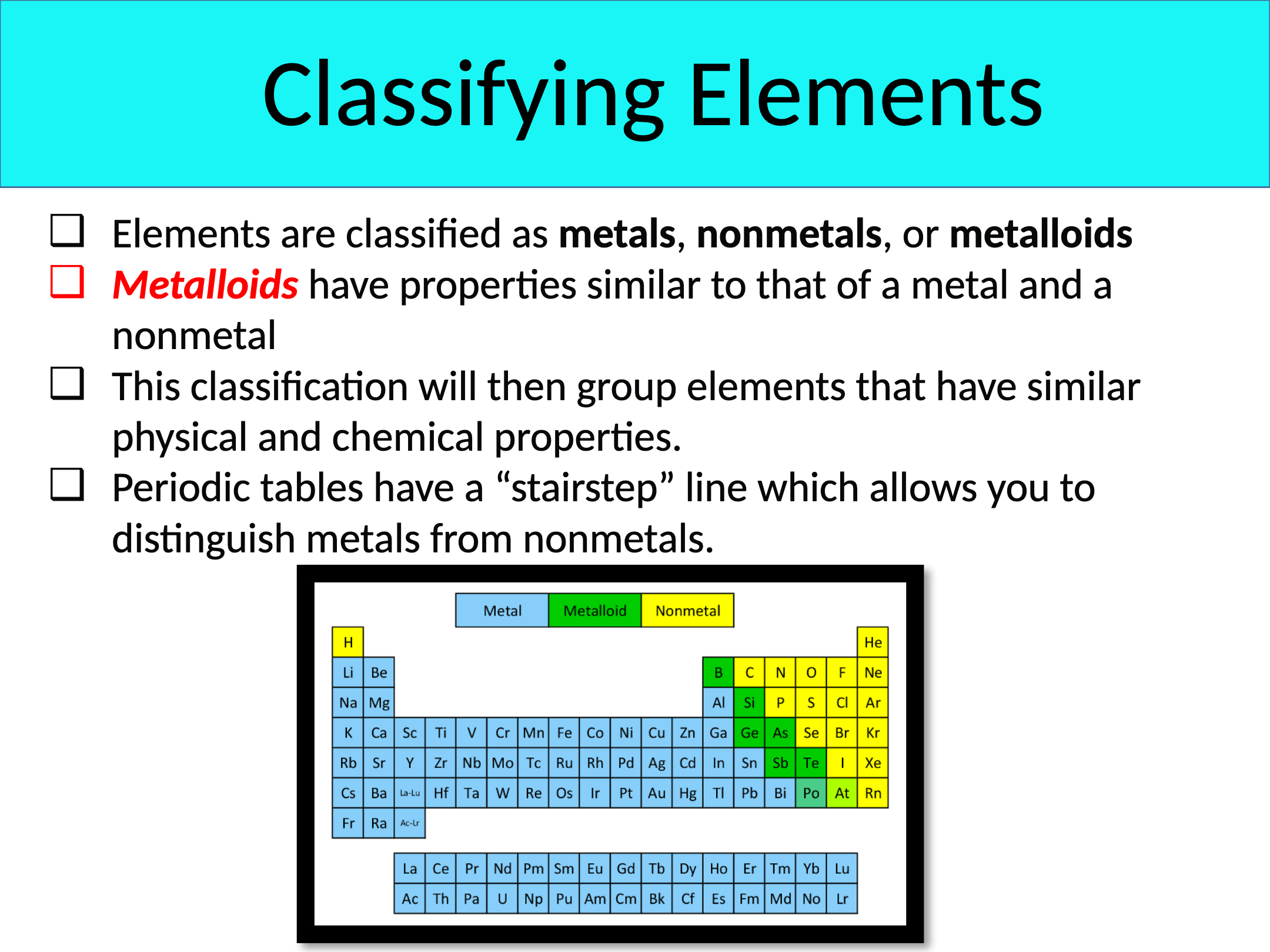
Explain how the classification of elements as metals, nonmetals, or metalloids helps in understanding their physical and chemical properties.

9

media

10

Multiple Select

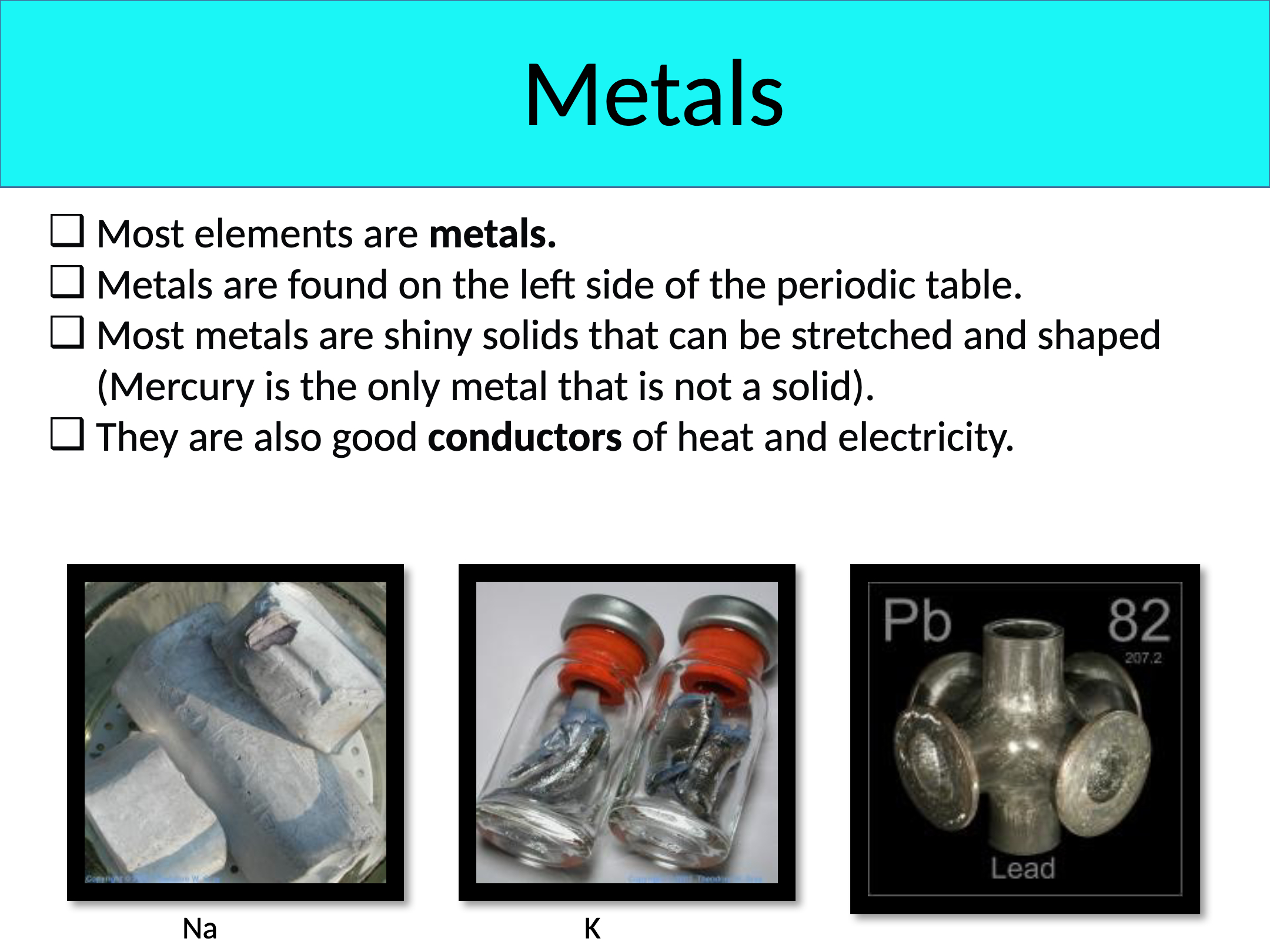
Which of the following are properties of metals?

1

They are good conductors of heat and electricity.

2

They are usually found on the right side of the periodic table.

3

Most are shiny solids that can be stretched and shaped.

4

They are mostly gases at room temperature.

11

media

12

Fill in the Blank

13

media

14

media

15

Fill in the Blank

16

media

17

Multiple Choice

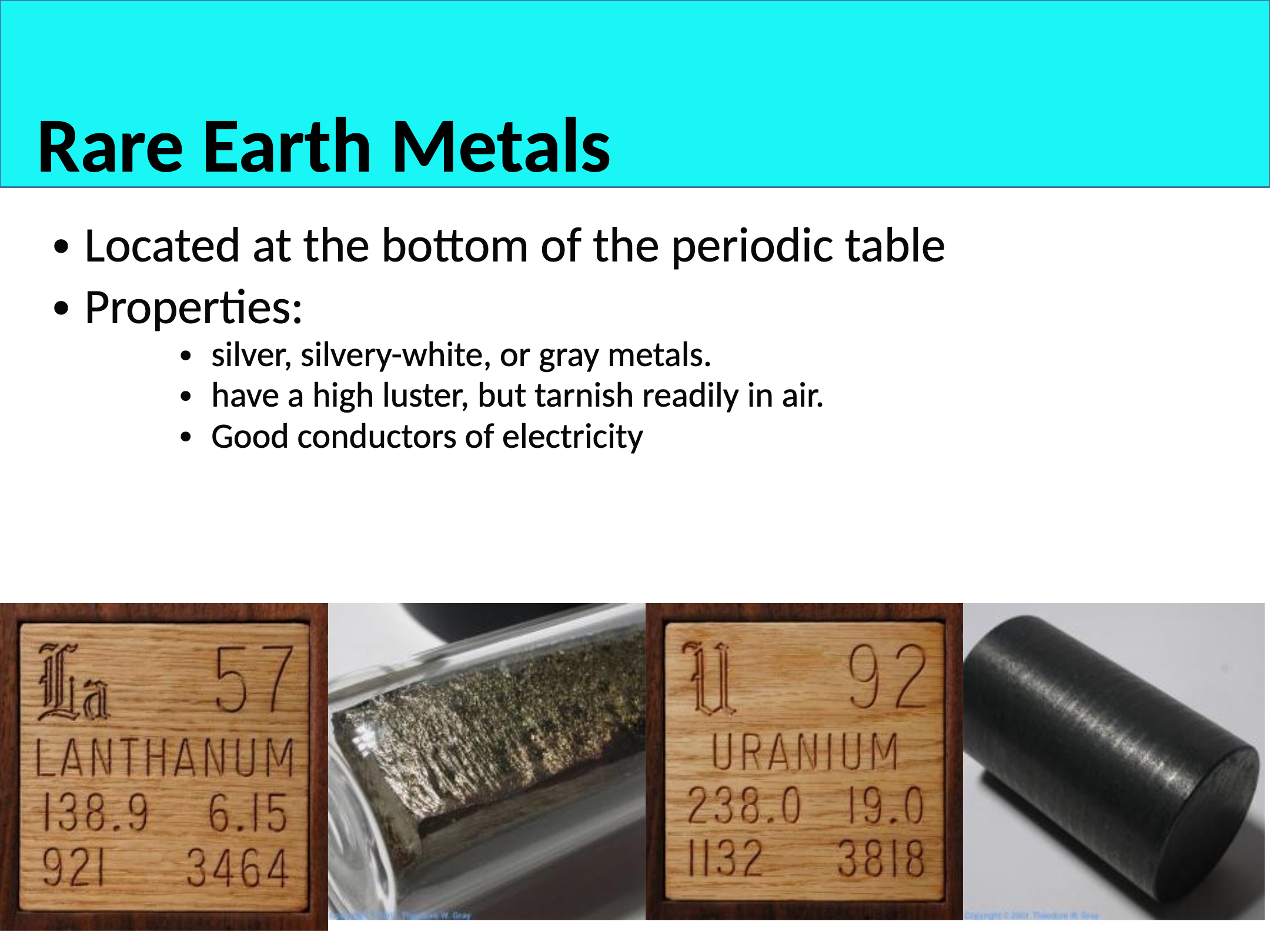
Which of the following is a property of rare earth metals?

1

They are poor conductors of electricity

2

They are typically dull and brittle

3

They have a high luster but tarnish readily in air

4

They are found on the right side of the periodic table

18

media

19

Hotspot

Select the nucleus.

20

Labelling

Move the labels to the correct location on the box from the Periodic Table.

Drag labels to their correct position on the image

Equals the # of Protons

Equals the # of Protons PLUS Nuetrons

Adds up to the # of electrons

21

Multiple Choice

Question image
Which table below correctly lists the properties of metals and nonmetals? *
1
A
2
B
3
C
4
D

22

media

23

Multiple Choice

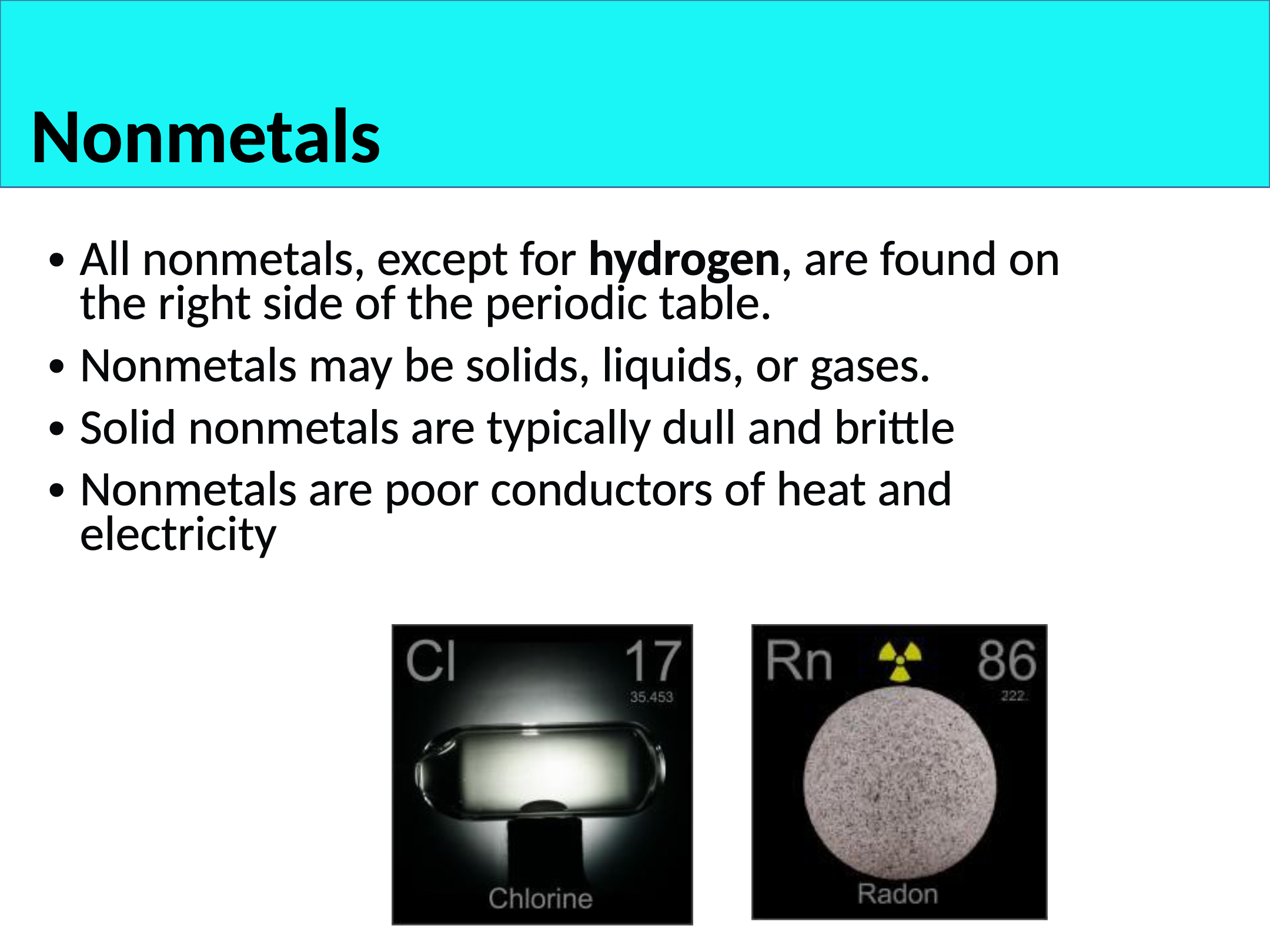
Which of the following statements about nonmetals is correct?

1

Nonmetals are good conductors of electricity

2

Nonmetals are typically shiny

3

Nonmetals are found on the left side of the periodic table

4

Nonmetals are poor conductors of heat and electricity

24

media

25

Multiple Select

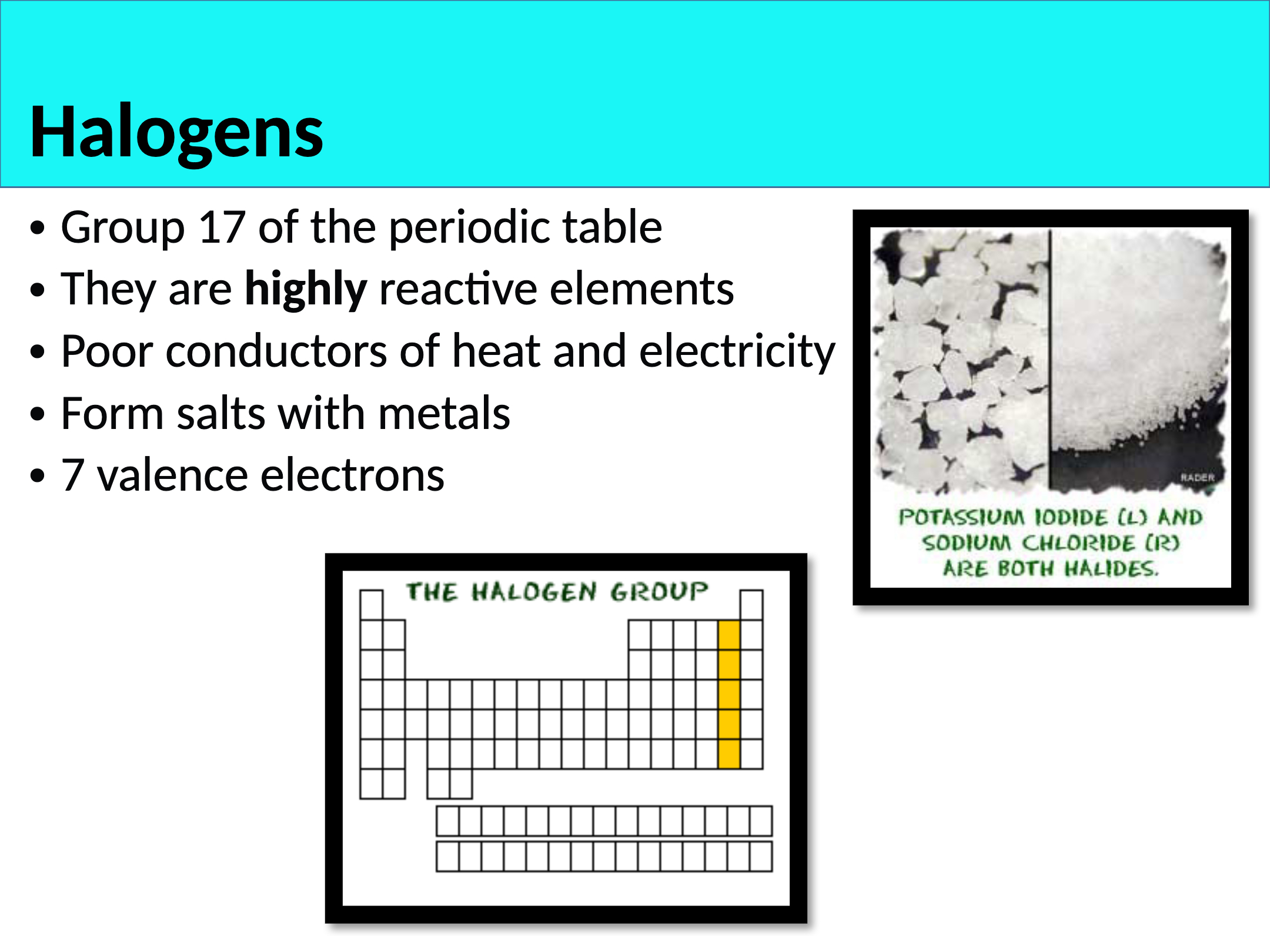
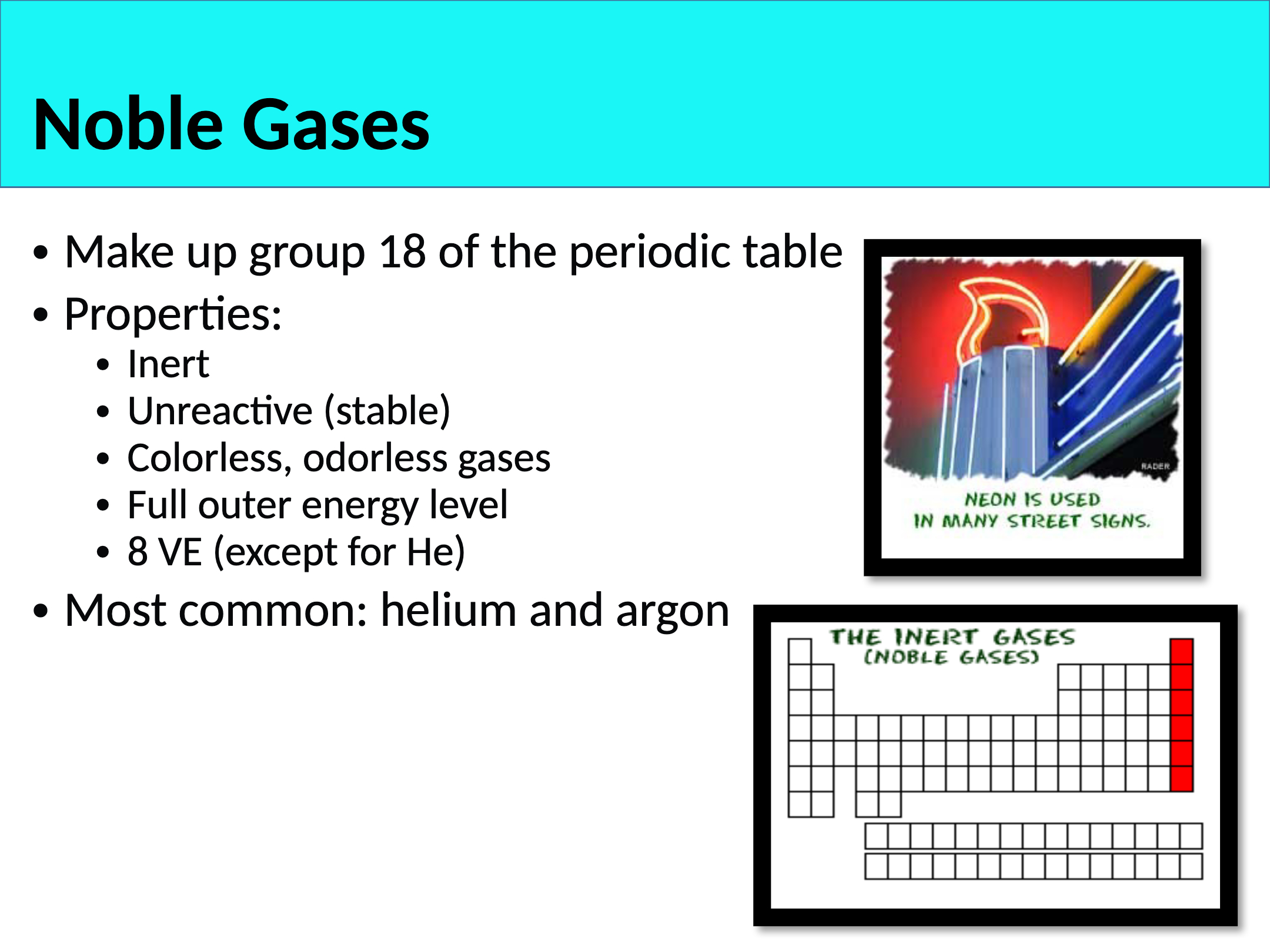
Select all the properties that apply to halogens.

1

Highly reactive elements

2

Good conductors of heat and electricity

3

Form salts with metals

4

7 valence electrons

26

media

27

Fill in the Blank

28

media

29

Open Ended

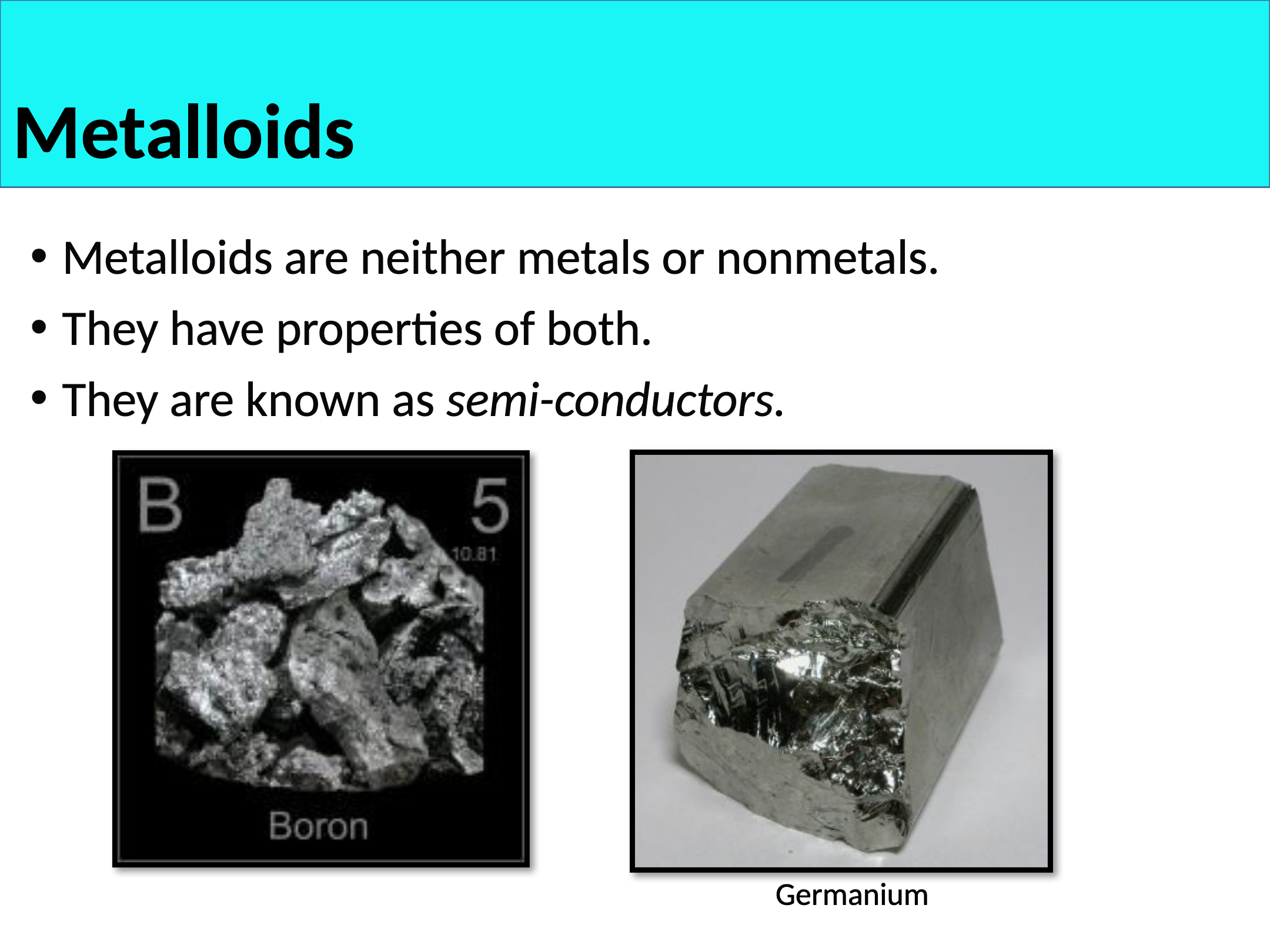
Describe how metalloids differ from metals and nonmetals in terms of their properties.

30

media

31

Open Ended

How does the arrangement of elements by proton number help in understanding their properties according to the periodic law?

32

Multiple Choice

Who developed the system that organized the elements in the periodic table?

1

Dmitri Mendeleev

2

Albert Einstein

3

Marie Curie

4

Isaac Newton

33

Open Ended

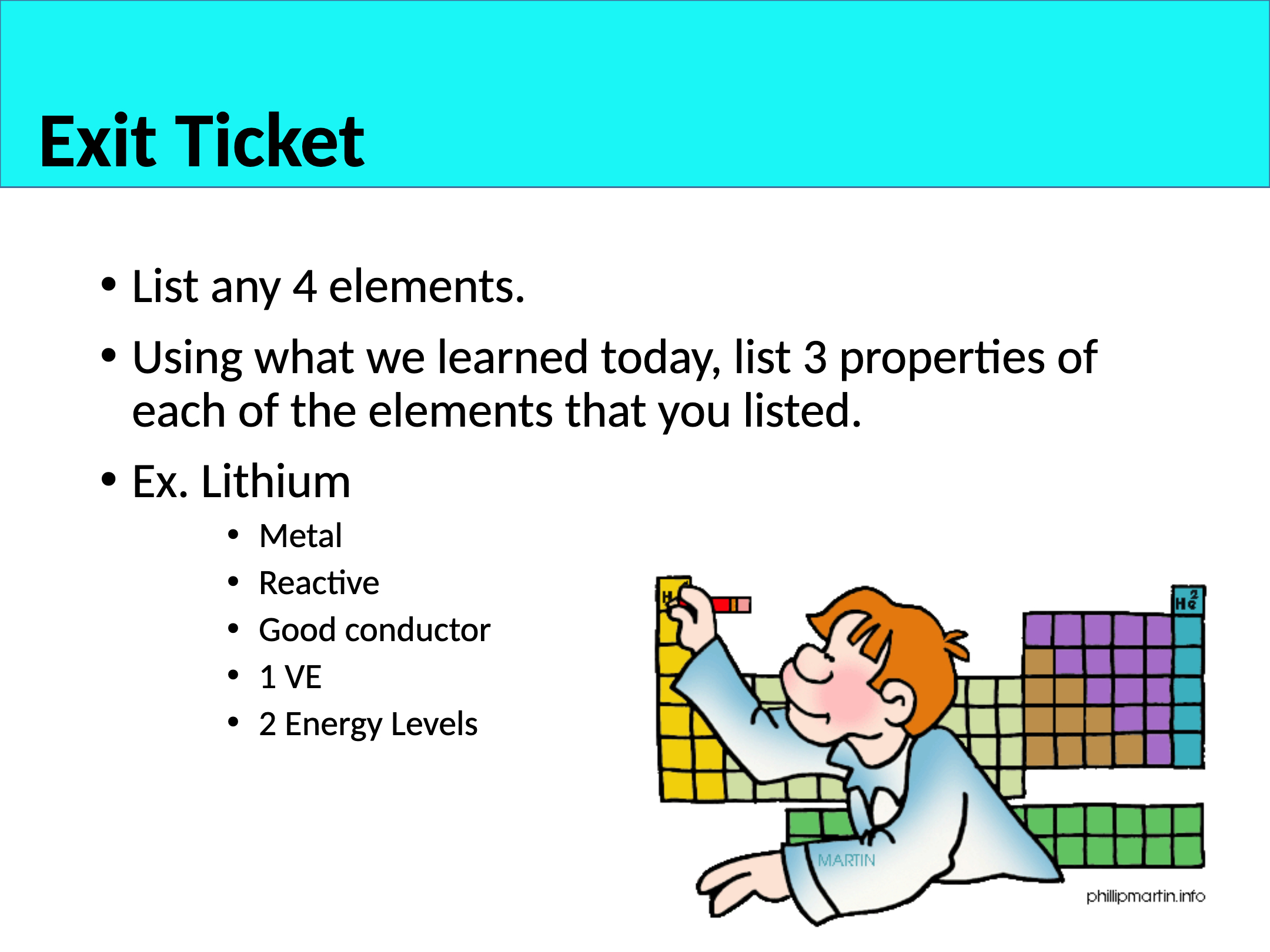
List any 4 elements. Using what we learned today, list 3 properties of each of the elements that you listed.

media

Show answer

Auto Play

Slide 1 / 33

SLIDE