

Translation/Protein Synthesis -WC

Presentation
•
Science
•
9th Grade
•
Practice Problem
•
Hard
Standards-aligned

Gemma Colunga
FREE Resource
19 Slides • 21 Questions
1
2
3
Open Ended
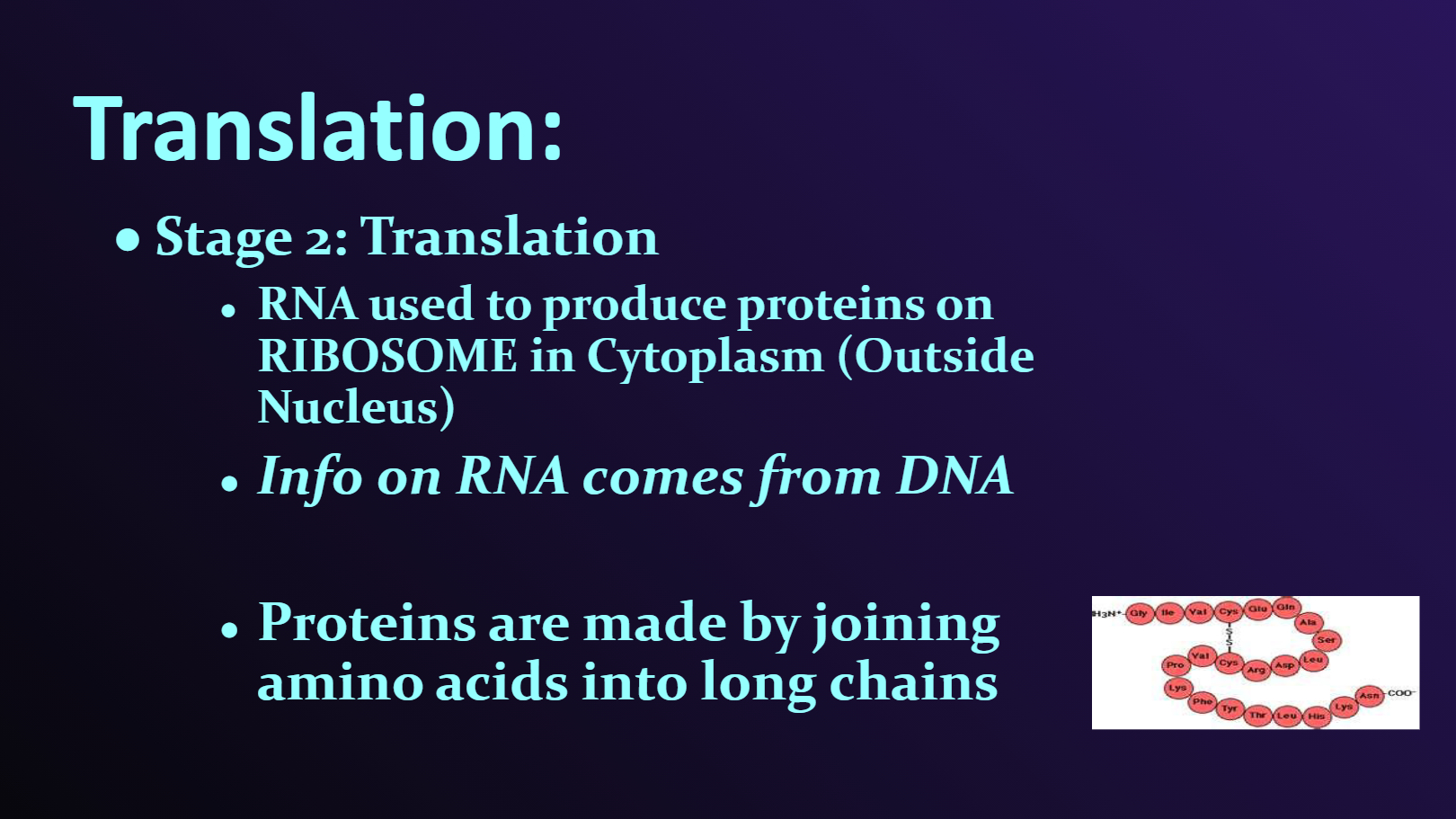
How does information from DNA ultimately result in the formation of proteins within a cell?
4
Multiple Choice
Why is the process of translation important in protein synthesis?
It allows cells to replicate DNA
It enables the production of proteins from RNA
It breaks down proteins into amino acids
It transports proteins out of the cell
5
6
Multiple Choice
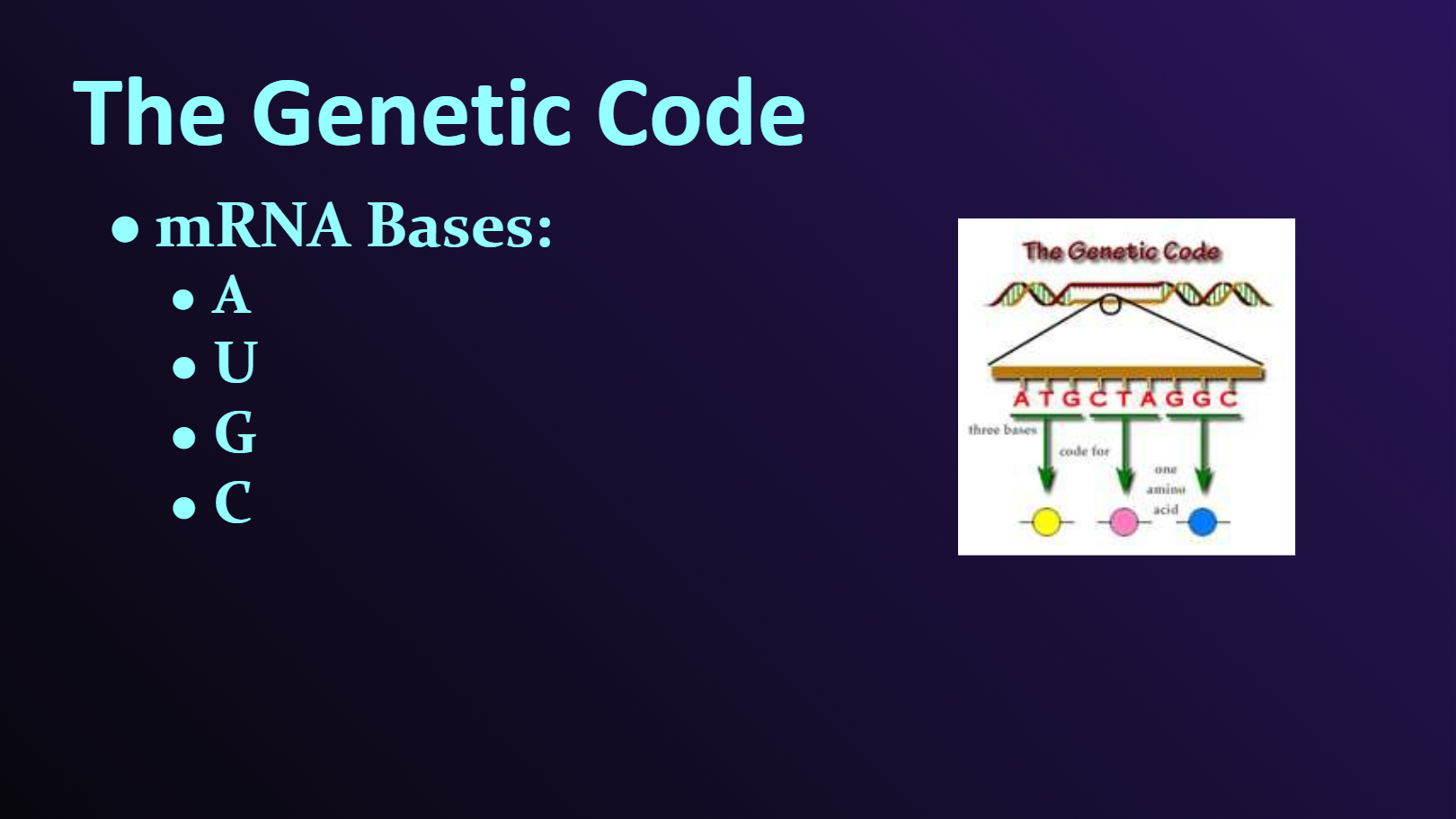
Which of the following is NOT a base found in mRNA?
A
U
G
T
7
8
Open Ended
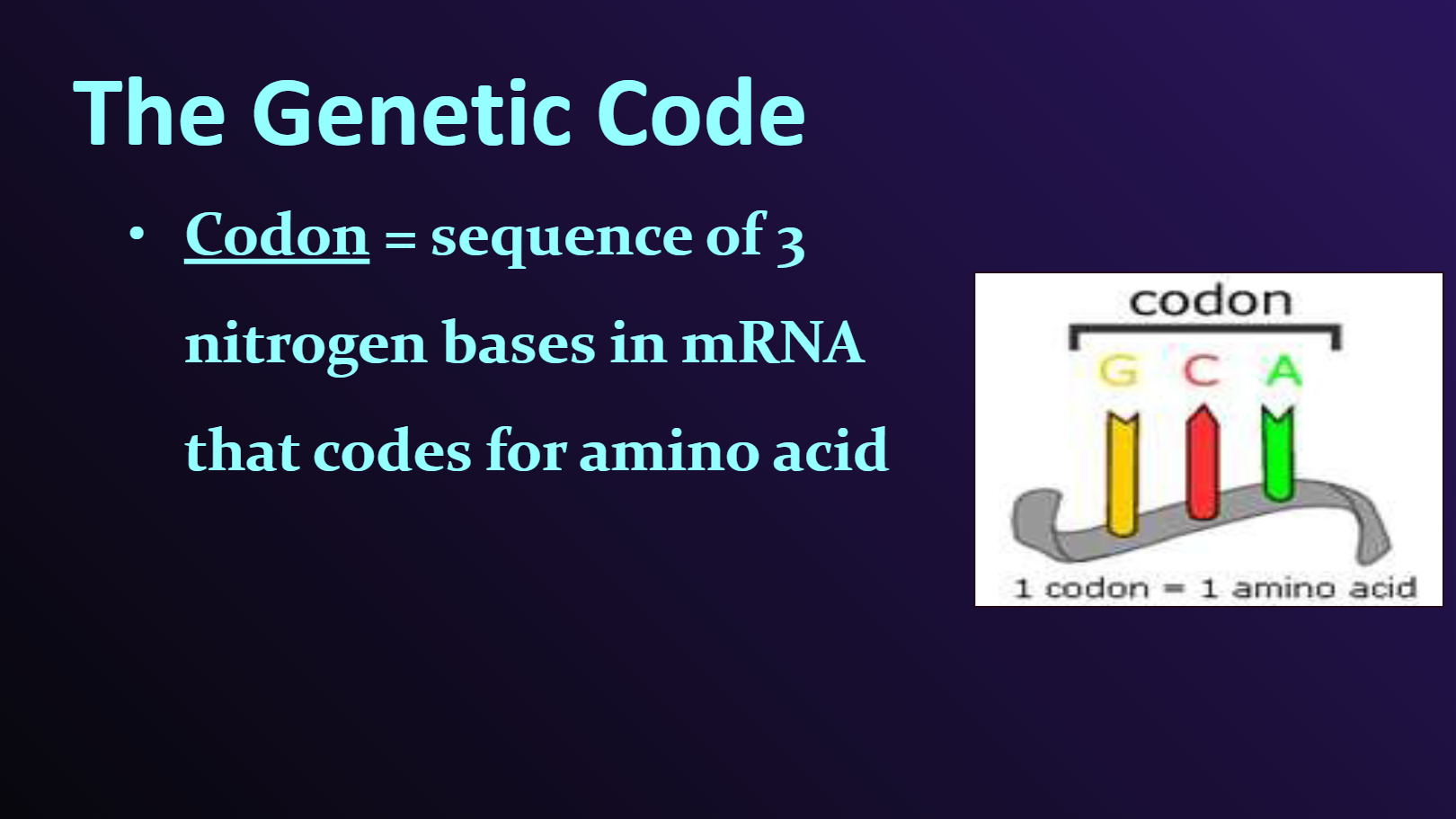
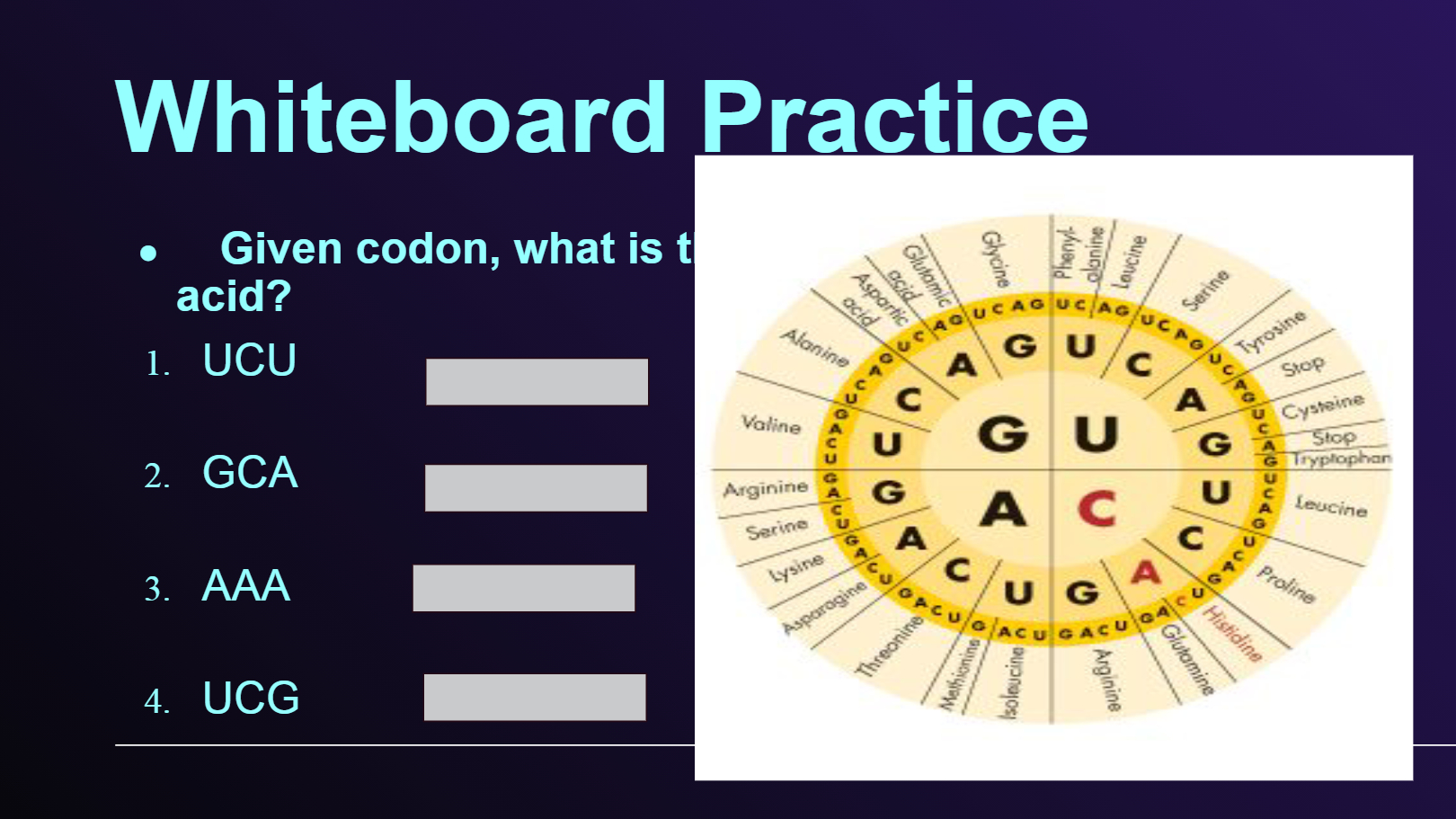
Explain the relationship between codons and amino acids in the process of translation.
9
10
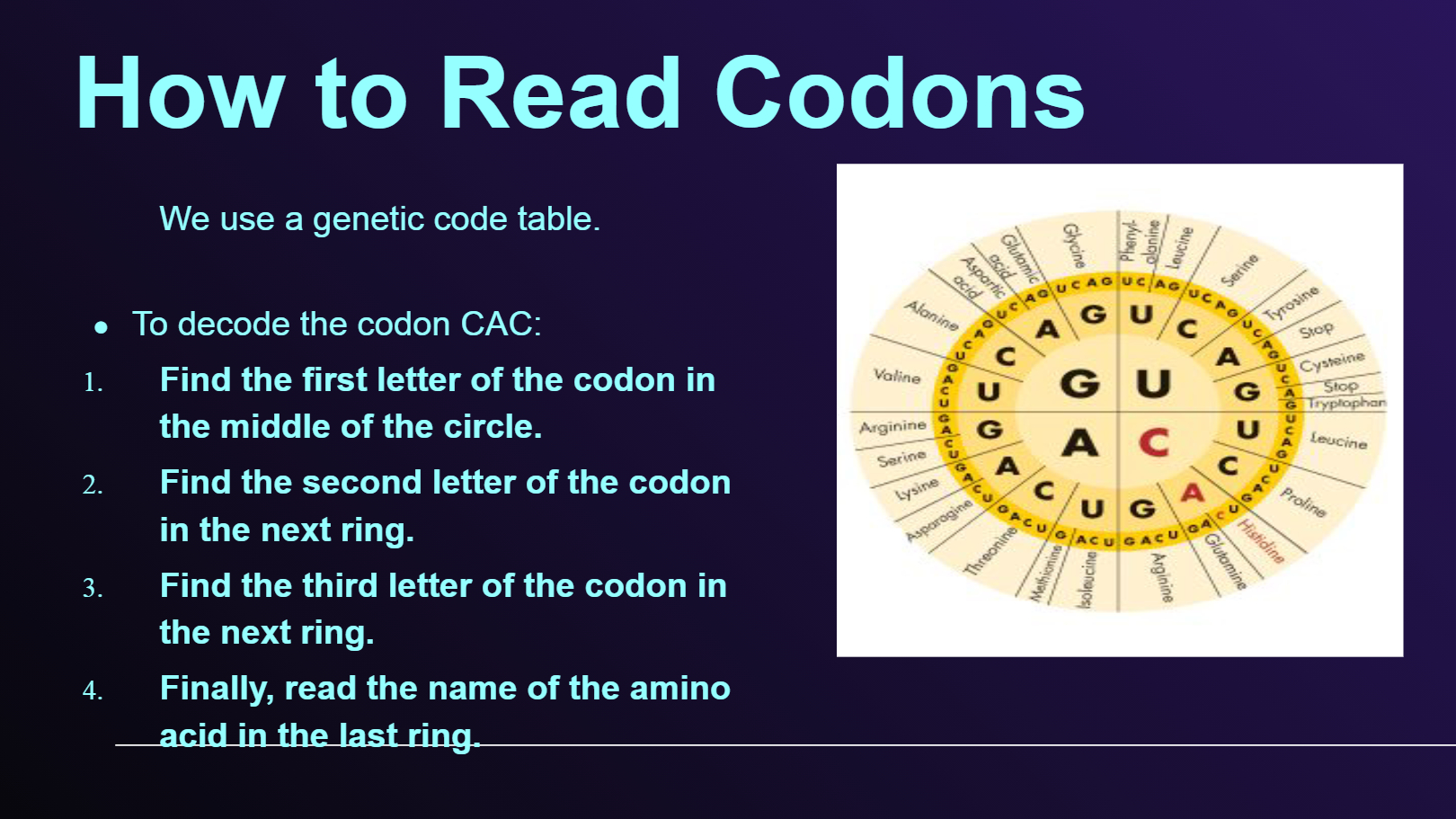
Multiple Choice
Which steps are involved in decoding a codon using a genetic code table?
Find the first letter in the middle, second in next ring, third in next ring, then read amino acid name
Find the first letter in the outer ring, second in the middle, third in the next ring
Find the first letter in the last ring, second in the middle, third in the next ring
Find the first letter in the middle, second in the last ring, third in the outer ring
11
12
13
Fill in the Blanks
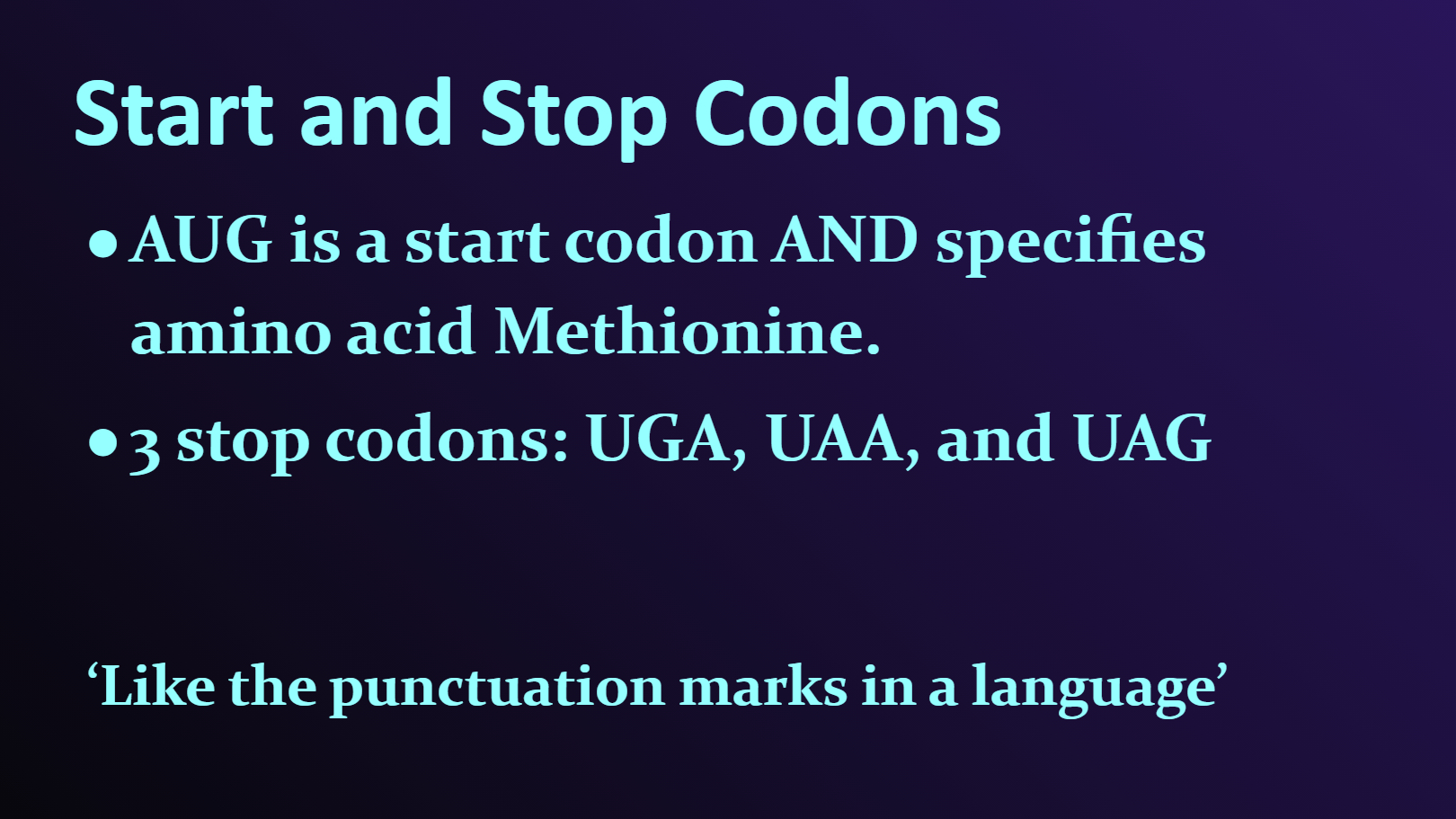
AUG is a start codon and codes for the amino acid
Type answer...
14
Multiple Select
Which of the following are stop codons in the genetic code?
UGA
UAA
UAG
AUG
15
16
Fill in the Blanks
Where does Translation take place?
Type answer...
17
18
Multiple Choice
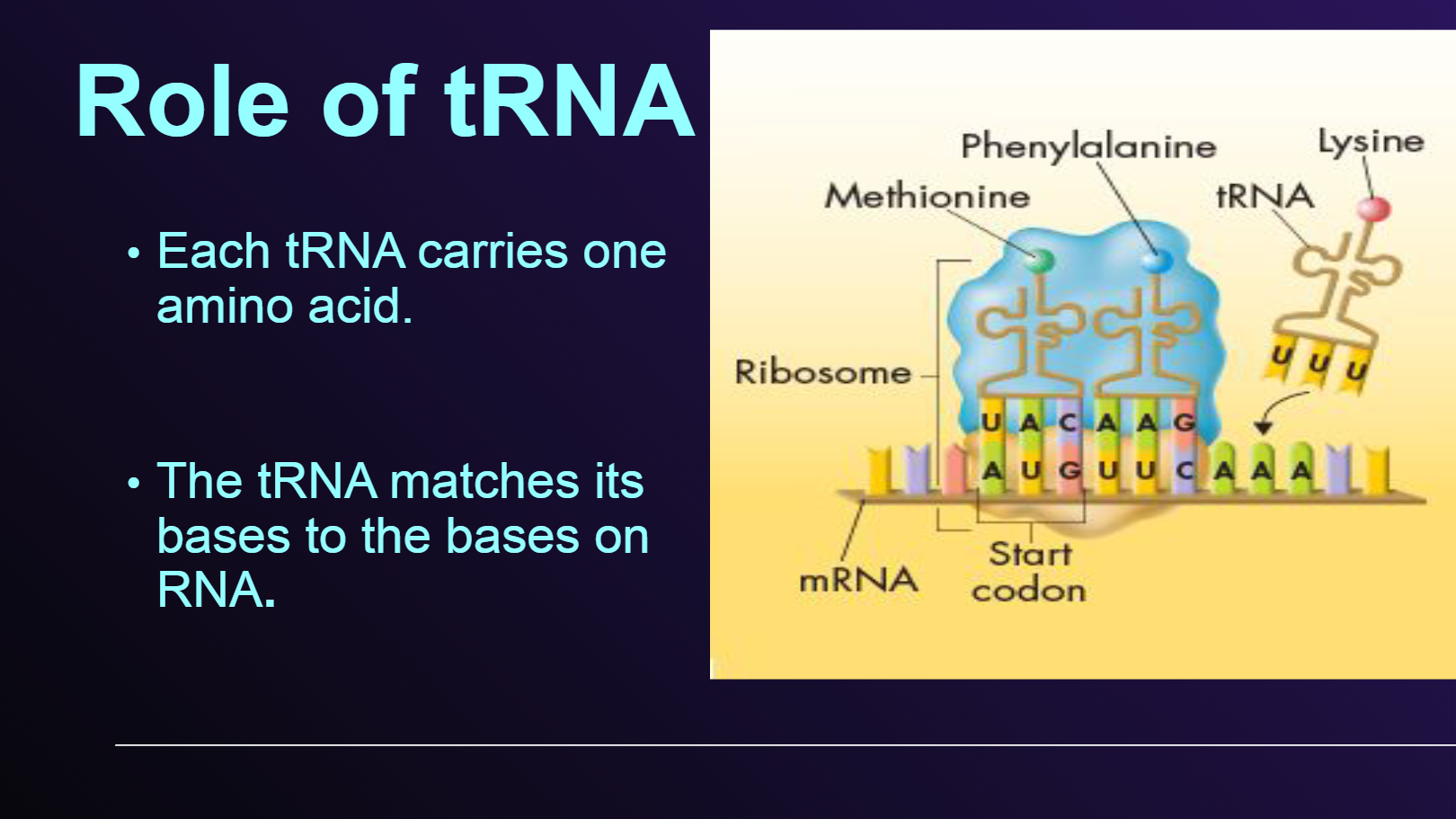
Which molecule carries amino acids to the ribosome during protein synthesis?
tRNA
mRNA
DNA
Ribosome
19
20
Open Ended
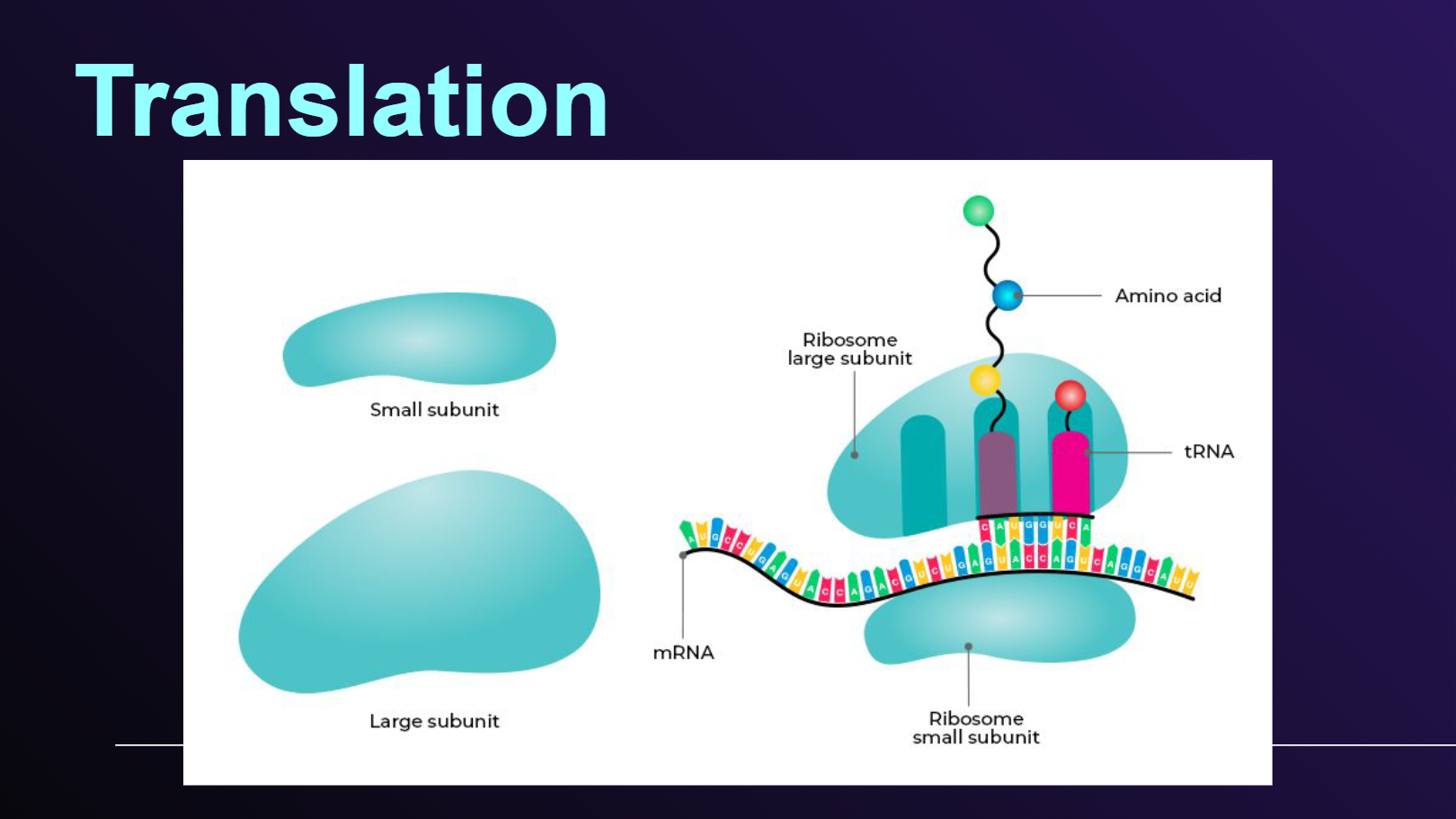
Explain the role of the ribosome in the process of translation.
21
22
Multiple Choice
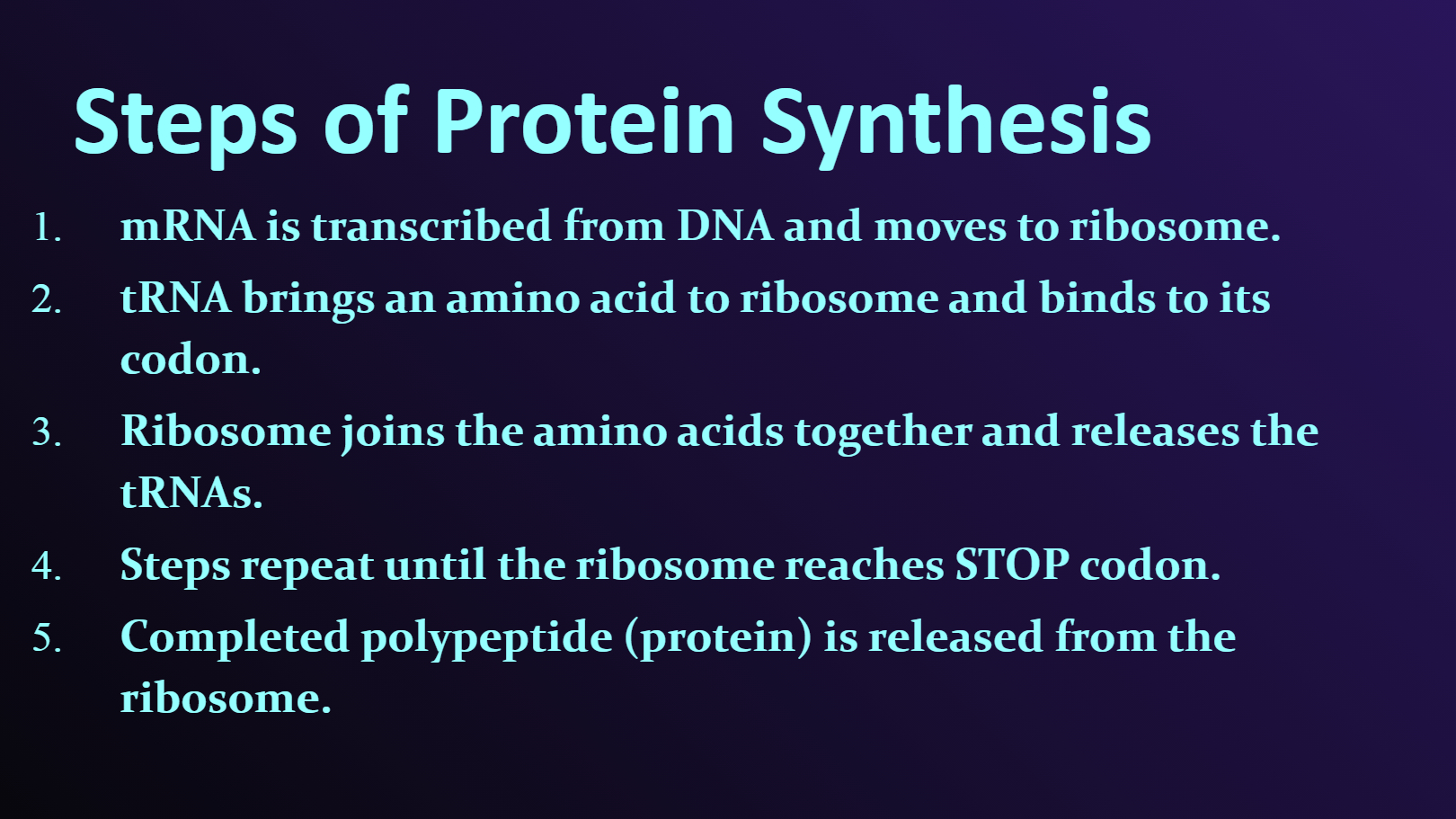
Which of the following is the correct order of steps in protein synthesis?
mRNA transcribed, tRNA brings amino acid, ribosome joins amino acids, repeat until STOP codon, protein released
tRNA brings amino acid, mRNA transcribed, ribosome joins amino acids, repeat until STOP codon, protein released
Ribosome joins amino acids, tRNA brings amino acid, mRNA transcribed, repeat until STOP codon, protein released
Protein released, repeat until STOP codon, ribosome joins amino acids, tRNA brings amino acid, mRNA transcribed
23
24
Fill in the Blanks
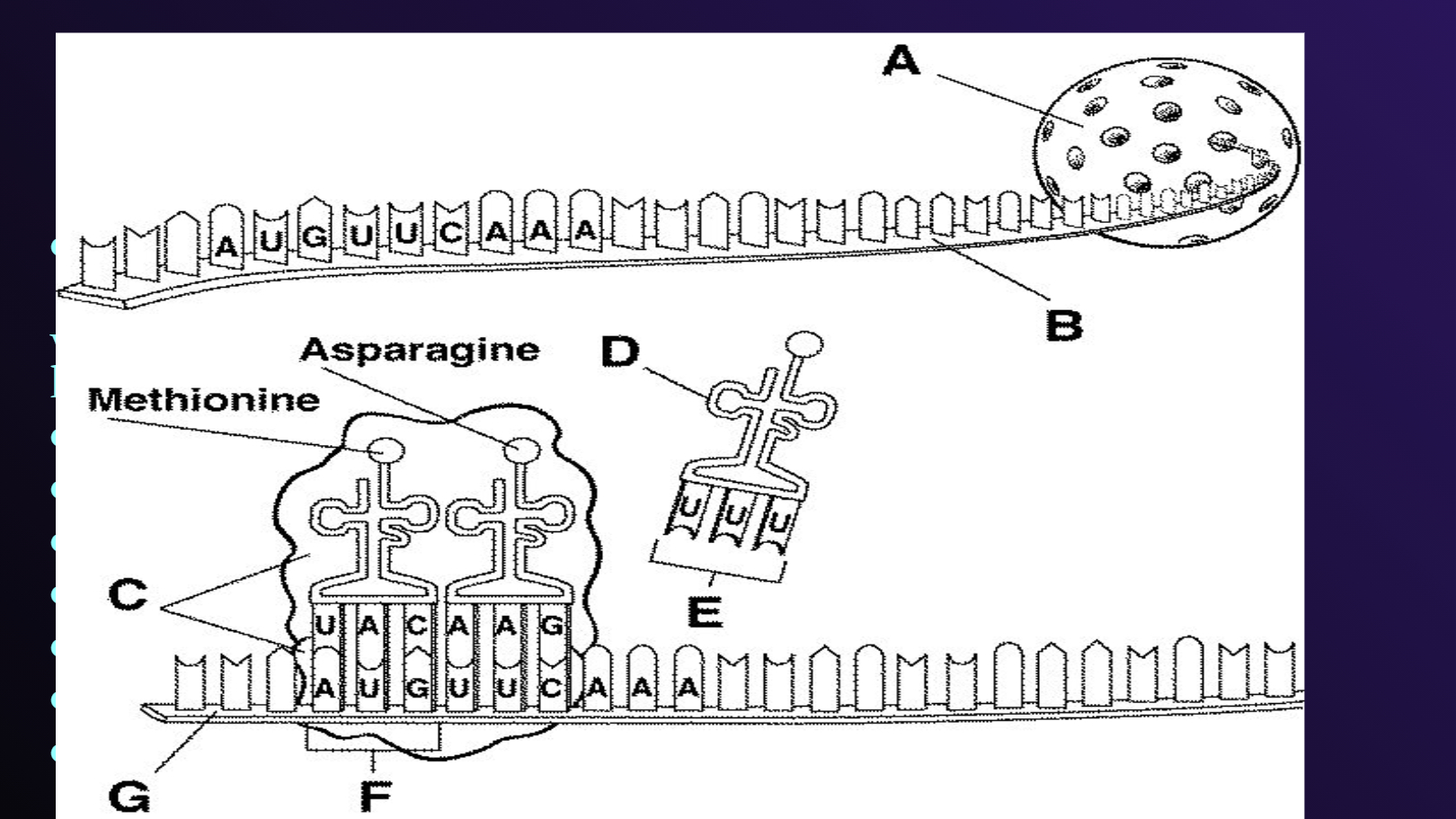
Fill in the blank: The sequence AUG on mRNA is known as the
Type answer...
25
26
Multiple Select
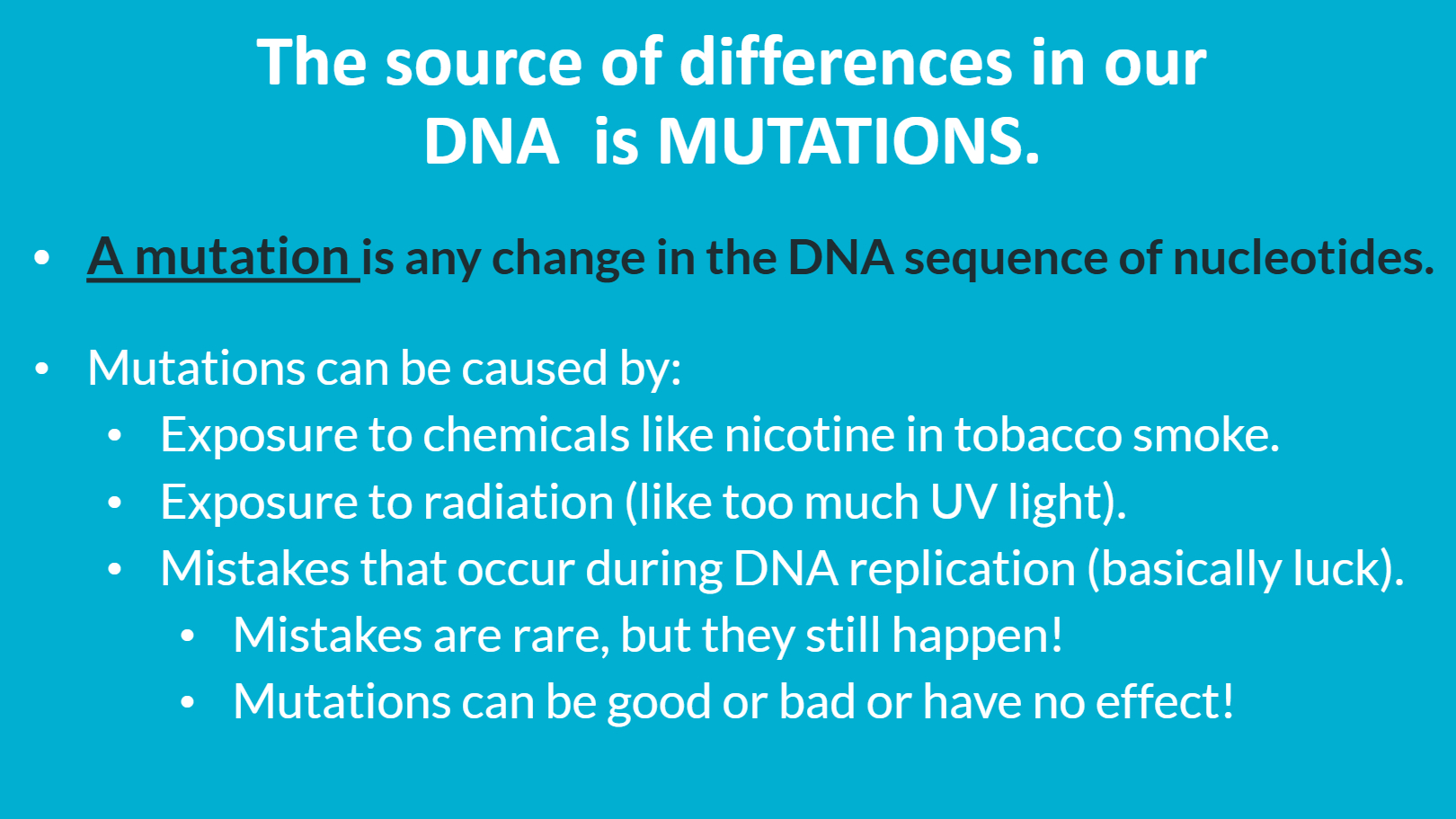
Which of the following can cause mutations in DNA?
Exposure to chemicals
Exposure to radiation
Mistakes during DNA replication
All of the above
27
28
Open Ended
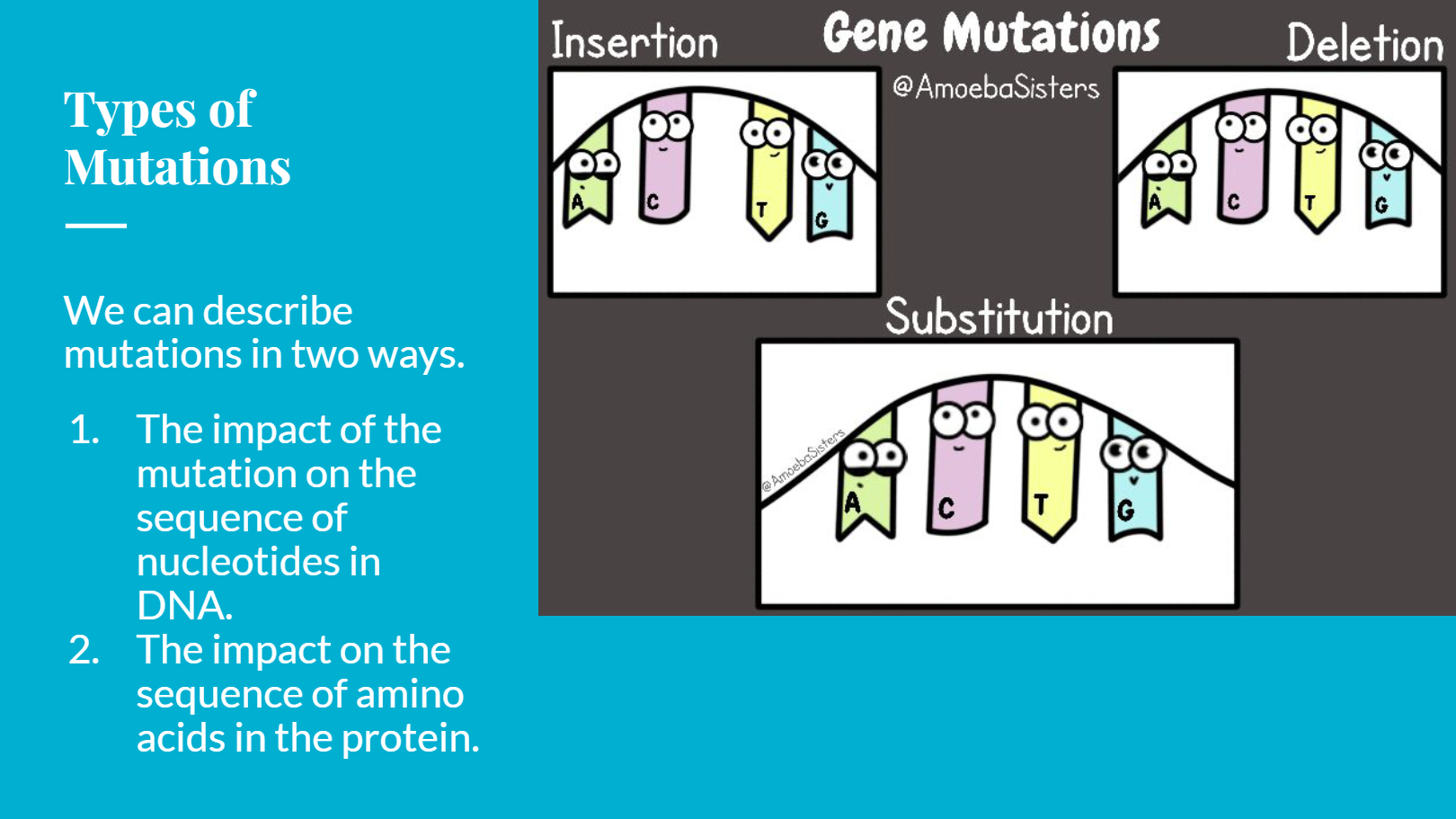
Describe how insertion, deletion, and substitution mutations differ in their impact on DNA.
29
30
Multiple Choice
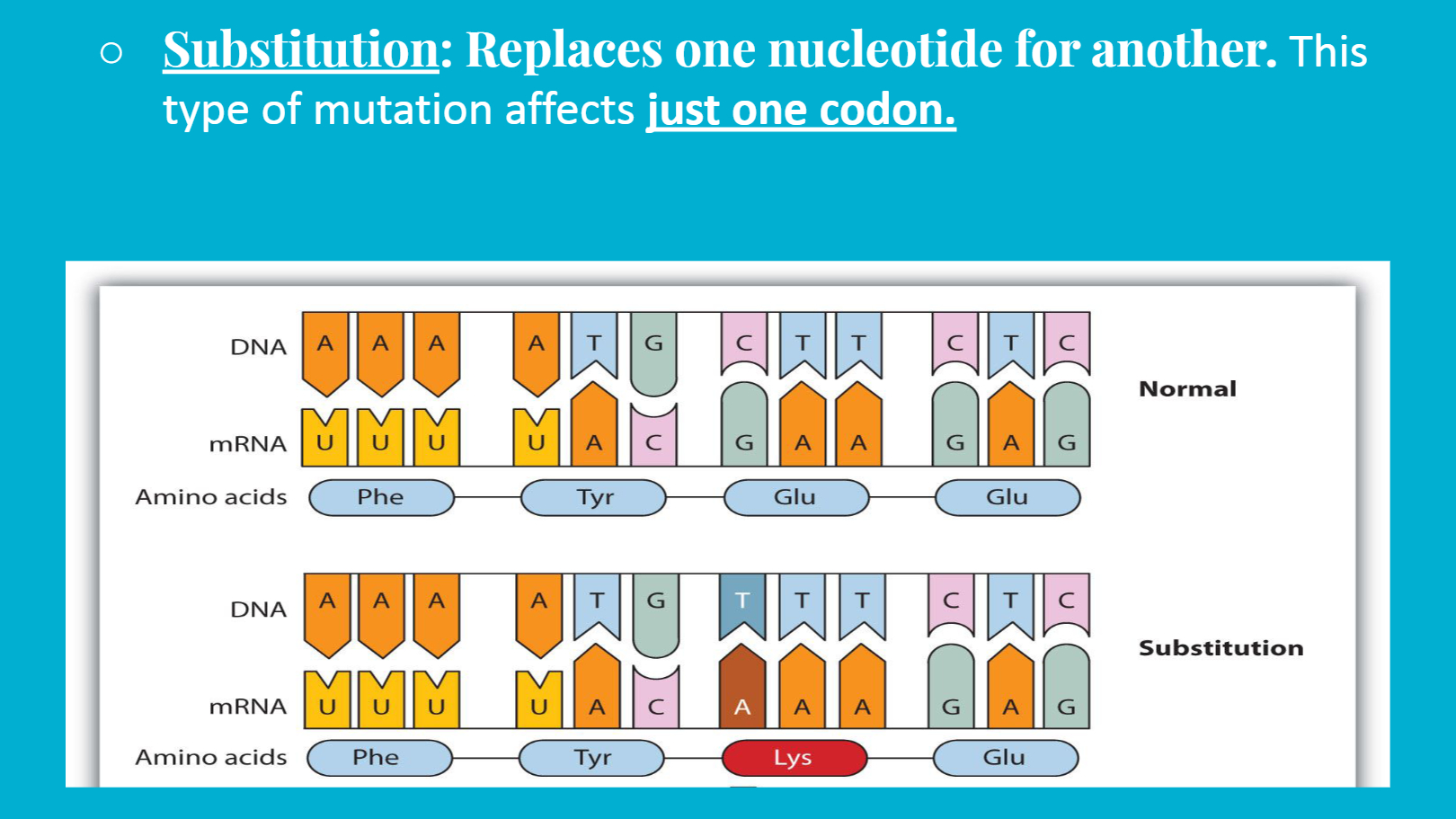
Which type of mutation replaces one nucleotide for another and affects just one codon?
Substitution
Frameshift
Insertion
Deletion
31
32
Multiple Select
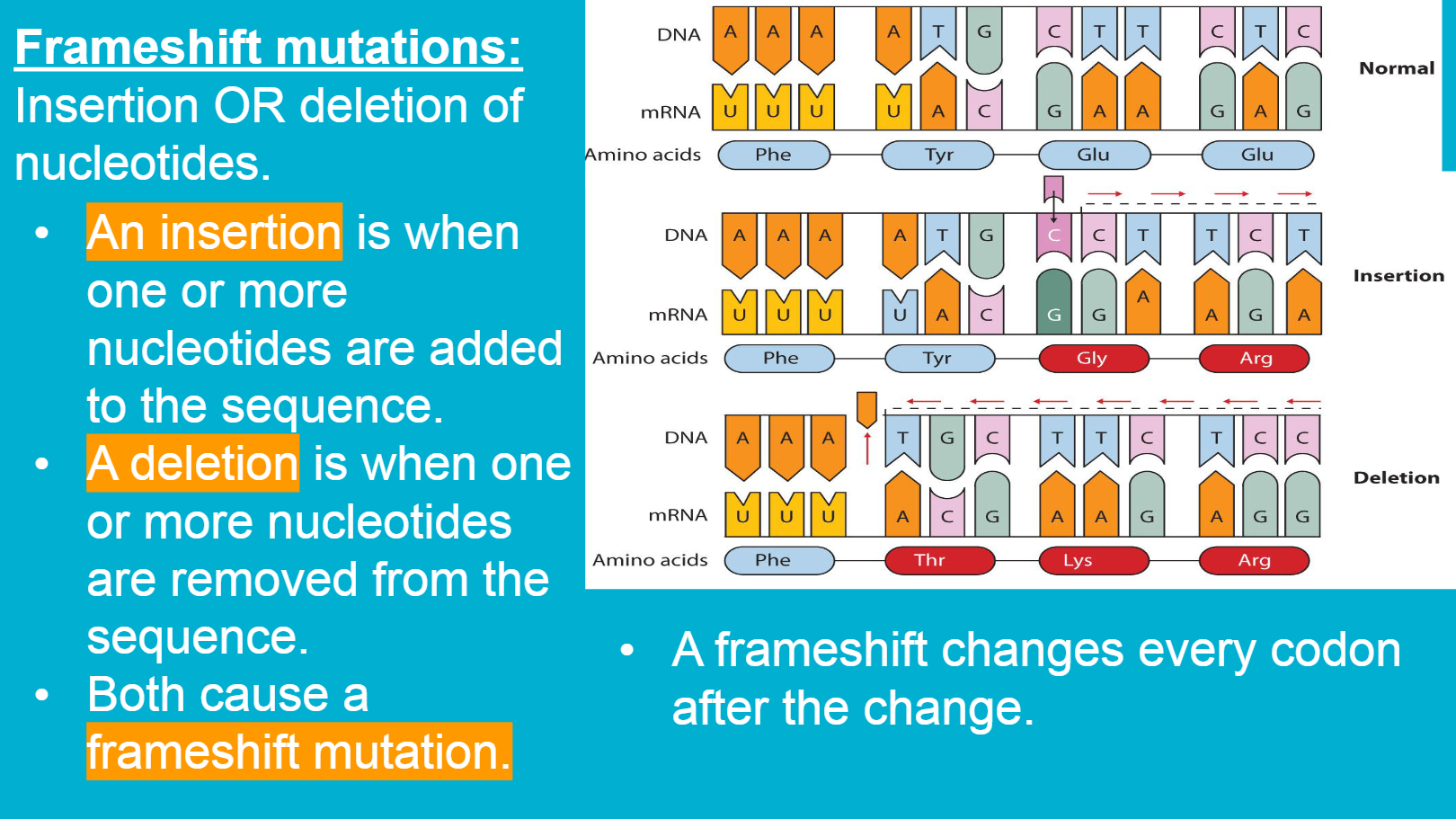
Which of the following statements about frameshift mutations are correct?
They can be caused by insertion of nucleotides.
They can be caused by deletion of nucleotides.
They only affect one codon.
They change every codon after the mutation.
33
34
Fill in the Blanks
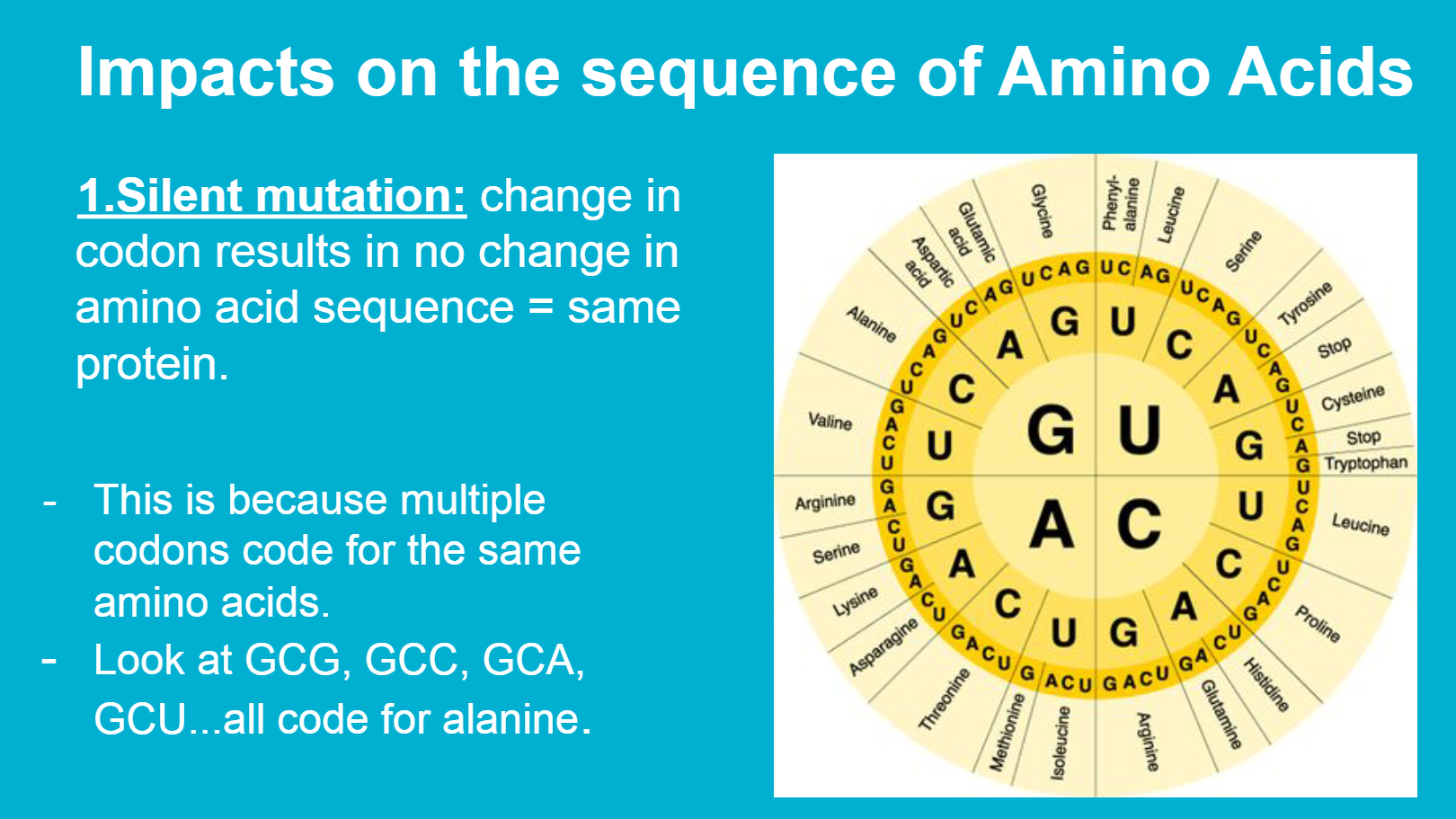
A silent mutation is a change in codon that results in
Type answer...
35
36
Open Ended
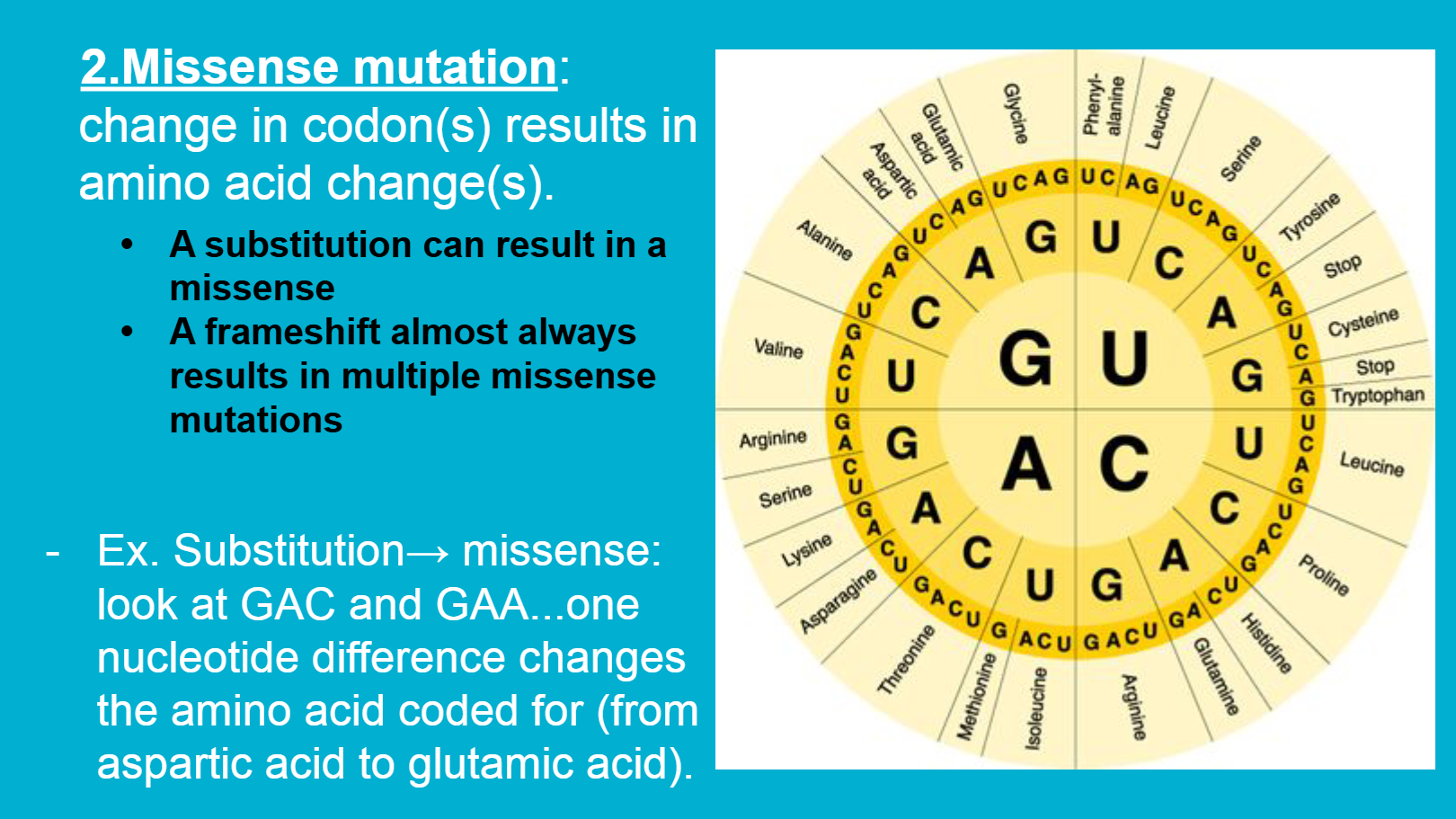
Explain how a substitution mutation can lead to a missense mutation, using an example from the codon chart.
37
38
Multiple Choice
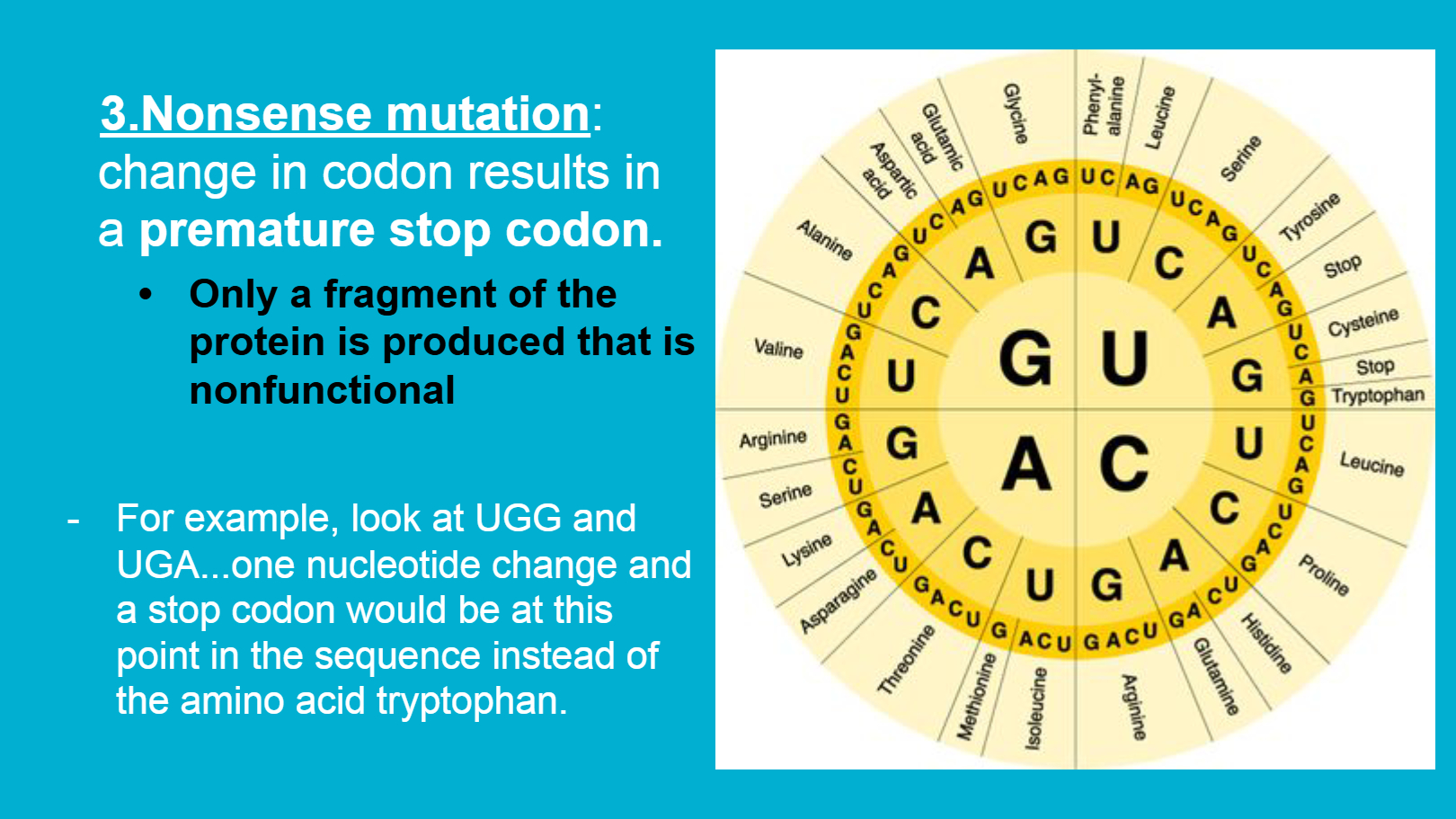
What is the result of a nonsense mutation in a protein-coding gene?
A premature stop codon is introduced, producing a nonfunctional protein fragment.
The protein is longer than normal.
There is no change in the amino acid sequence.
Multiple amino acids are changed after the mutation.
39
Open Ended
How does the information flow from DNA to the production of proteins during translation?
40
Multiple Choice
What is the role of RNA in the process of translation?
RNA provides the genetic code for protein synthesis on ribosomes.
RNA transports amino acids to the nucleus.
RNA breaks down proteins in the cytoplasm.
RNA stores genetic information permanently.
Show answer
Auto Play
Slide 1 / 40
SLIDE
Similar Resources on Wayground

33 questions
Wave Interaction Notes
Presentation
•
8th Grade
33 questions
Chemical Properties
Presentation
•
8th Grade
36 questions
AI Lesson
Presentation
•
9th Grade
34 questions
Pax Romana & Contributions
Presentation
•
9th Grade
37 questions
Scientific Method Notes
Presentation
•
8th Grade
33 questions
Diffusion and Osmosis Notes
Presentation
•
9th Grade
35 questions
Cell Organelles
Presentation
•
9th Grade
35 questions
Chapter 10 Forces and Motion Lesson 1 & 2
Presentation
•
8th Grade
Popular Resources on Wayground
10 questions
How much do you know about our Portrait of an Eagle?

Quiz
•
10th Grade
10 questions
Fast Food Slogans
Quiz
•
6th - 8th Grade
21 questions
Continents and Oceans
Quiz
•
6th Grade
20 questions
Parts of Speech
Quiz
•
5th Grade
16 questions
Subject & Predicate
Quiz
•
5th Grade
25 questions
Multiplication Facts
Quiz
•
5th Grade
12 questions
Map Skills
Quiz
•
3rd Grade
22 questions
Continents and Oceans
Quiz
•
5th Grade
Discover more resources for Science
10 questions
Exploring Chemical and Physical Changes

Interactive video
•
6th - 10th Grade
20 questions
Atomic Structure
Quiz
•
9th Grade
10 questions
Decoding the Periodic Table of Elements
Interactive video
•
6th - 10th Grade
10 questions
Exploring the Periodic Table
Interactive video
•
6th - 10th Grade
22 questions
Periodic Table Review
Quiz
•
9th - 12th Grade
20 questions
Observation vs. Inference
Quiz
•
7th - 9th Grade
10 questions
Exploring the States of Matter
Interactive video
•
6th - 10th Grade
10 questions
Exploring Physical and Chemical Changes
Interactive video
•
6th - 10th Grade