

EDUCACIÓN PARA LA SALUD

Presentation
•
Science
•
11th Grade
•
Practice Problem
•
Hard

Ana Hernández
FREE Resource
18 Slides • 19 Questions
1

2
Open Ended
Why is understanding the health-disease process important for promoting sustainable health education?
3
4
Multiple Choice
Which of the following is a key component of epidemiology and disease prevention?
Identifying risk factors for diseases
Ignoring economic factors in health
Focusing only on treatment
Avoiding classification of diseases
5

6
7
Multiple Select
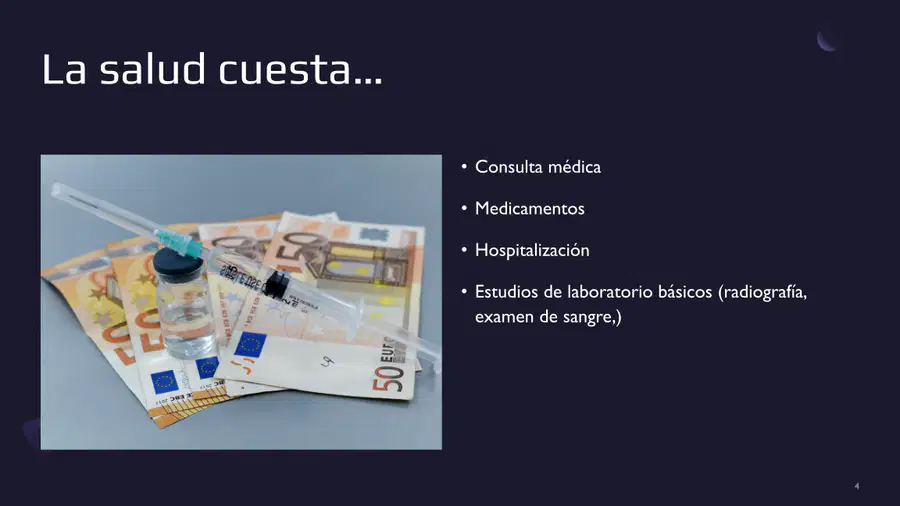
Which of the following are common costs associated with maintaining health?
Medical consultation
Travel expenses
Hospitalization
Basic laboratory studies
8
9
Open Ended
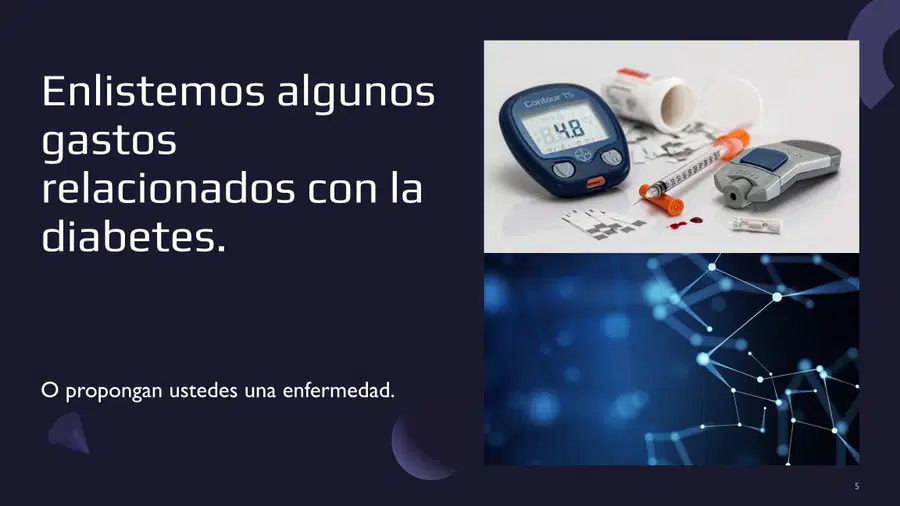
List some expenses related to diabetes or propose another disease and its associated costs.
10
11
Open Ended
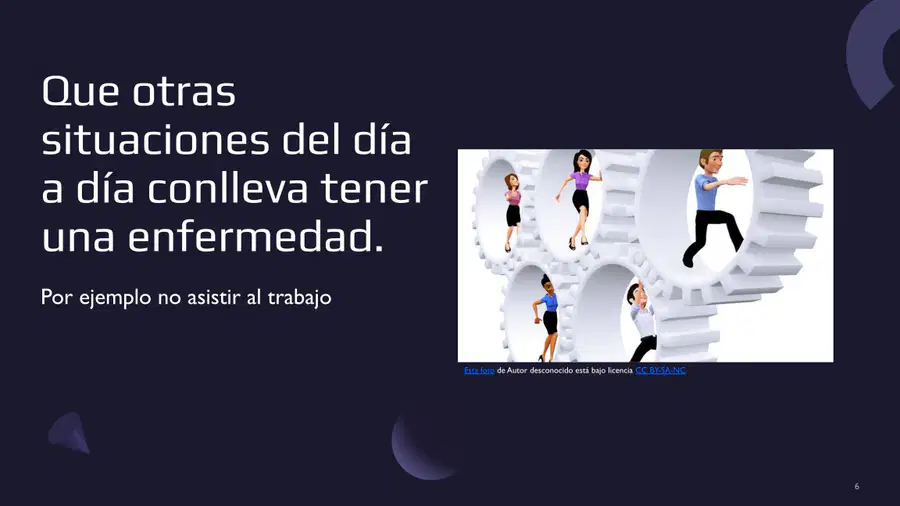
What are some day-to-day situations that having an illness can lead to, besides missing work?
12

13
14
Multiple Choice
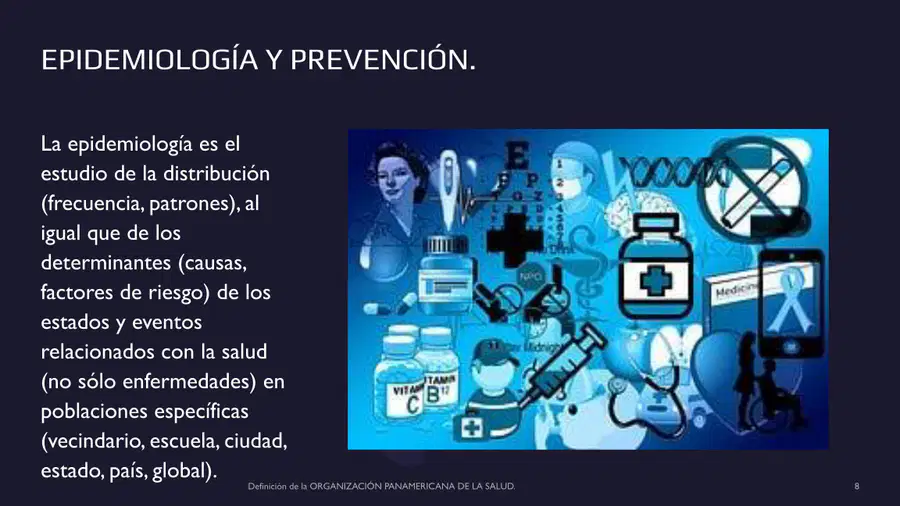
According to the definition of epidemiology, which populations can be studied?
Neighborhoods
Schools
Countries
All of the above
15
Multiple Select
Which of the following are determinants studied in epidemiology?
Causes
Weather
Risk factors
Population density
16
Fill in the Blanks
Epidemiology is the study of the distribution and
Type answer...
17
18
Multiple Choice
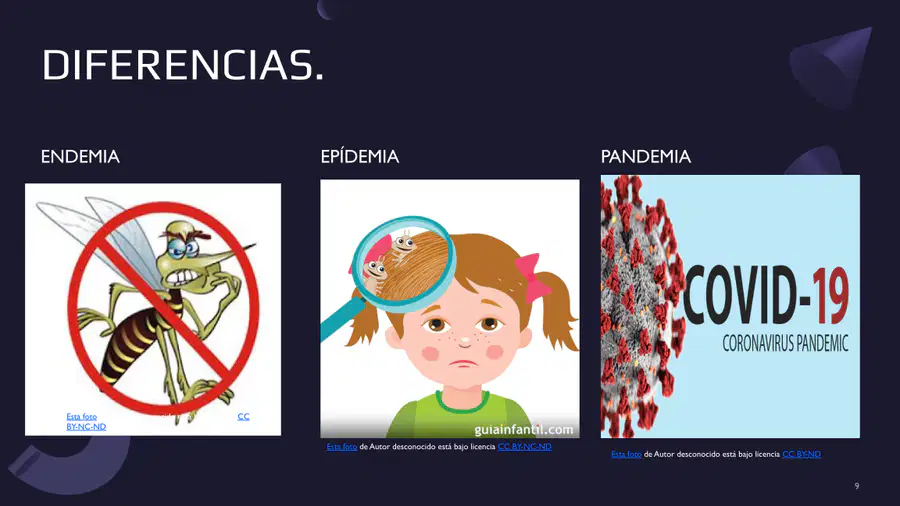
Which of the following best describes the difference between endemia, epidemia, and pandemia?
Endemia is a disease regularly found among particular people or in a certain area; epidemia is a sudden increase in cases; pandemia is a worldwide spread.
Endemia is a worldwide spread; epidemia is a disease regularly found among particular people; pandemia is a sudden increase in cases.
Endemia and epidemia are the same; pandemia is a disease regularly found among particular people.
Pandemia only affects animals; endemia and epidemia only affect humans.
19
20
Open Ended
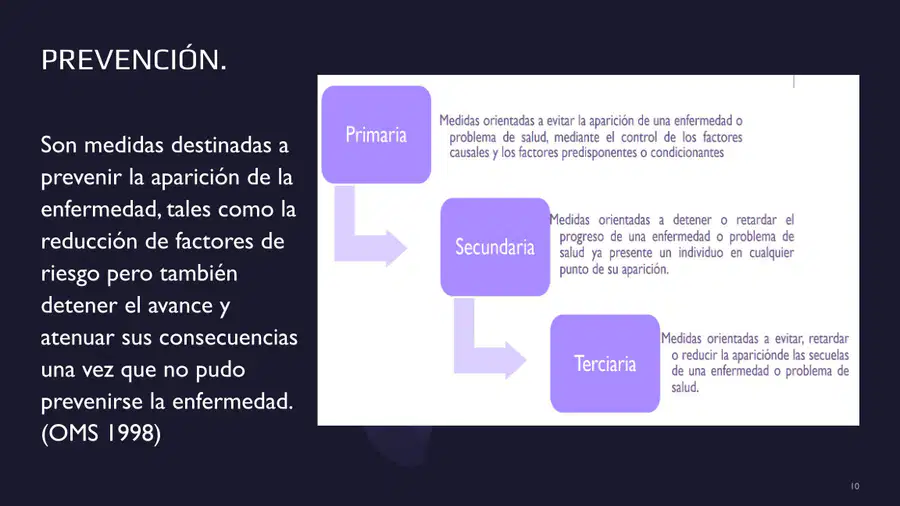
Explain how the three levels of prevention (primaria, secundaria, terciaria) work together to reduce the impact of diseases.
21

22
23
24
Fill in the Blanks
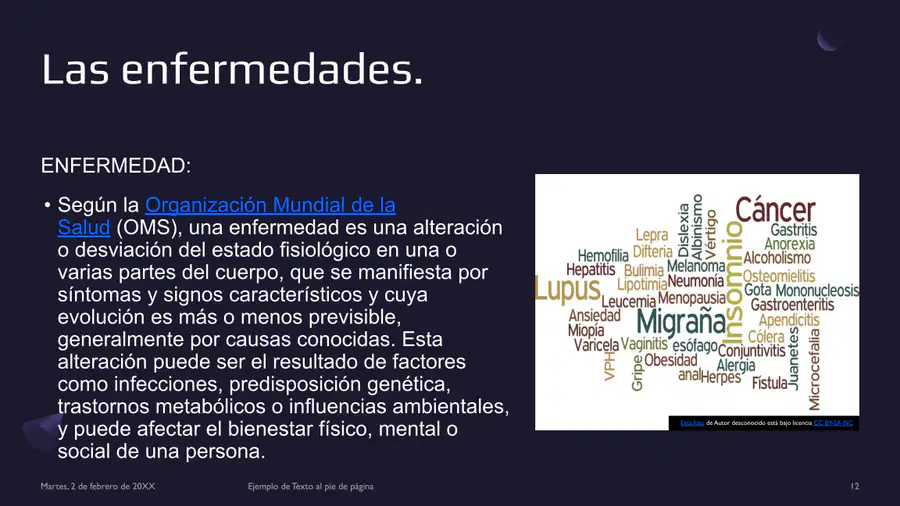
Fill in the blank: According to the World Health Organization, a disease is an alteration or deviation of the
Type answer...
25
26
Multiple Choice
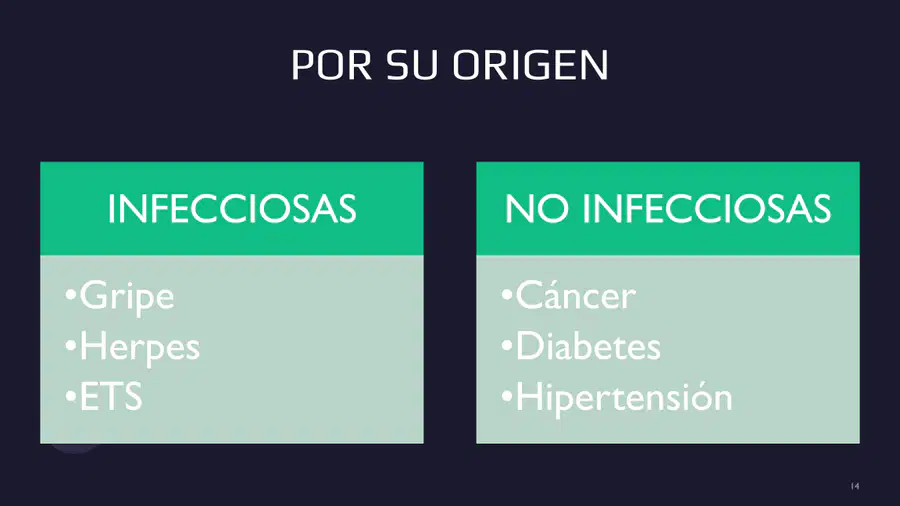
Which of the following is NOT a non-infectious disease?
Cáncer
Diabetes
Hipertensión
Herpes
27
Open Ended
Based on the classification by origin, what is the main difference between infectious and non-infectious diseases?
28
Multiple Select
Which of the following are considered infectious diseases?
Gripe
Cáncer
Herpes
Diabetes
29
30
Multiple Choice
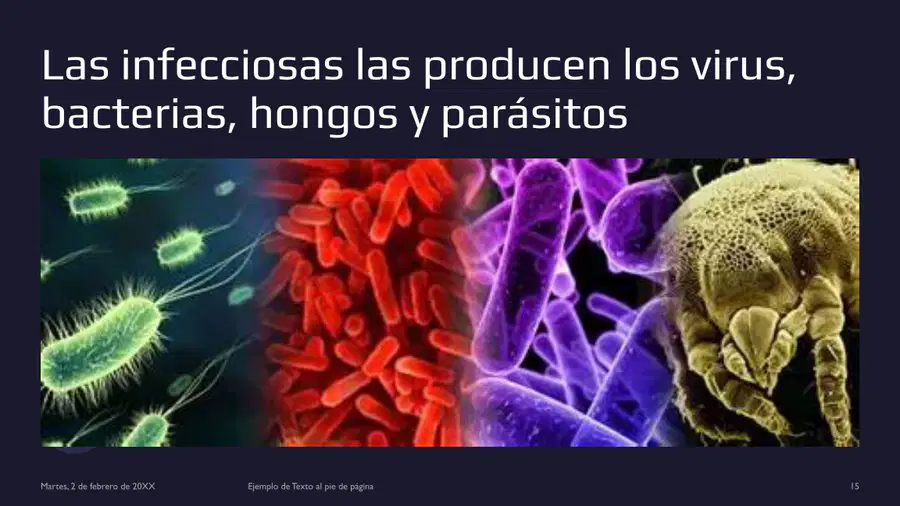
Which of the following are examples of agents that cause infectious diseases?
Viruses, bacteria, fungi, and parasites
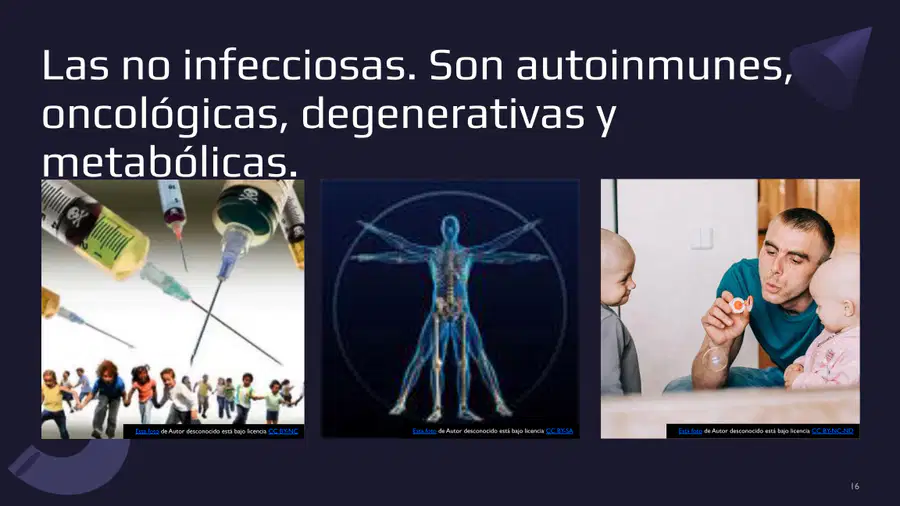
Autoimmune cells and metabolic enzymes
Cancer cells and degenerative tissues
Vaccines and antibiotics
31
32
33
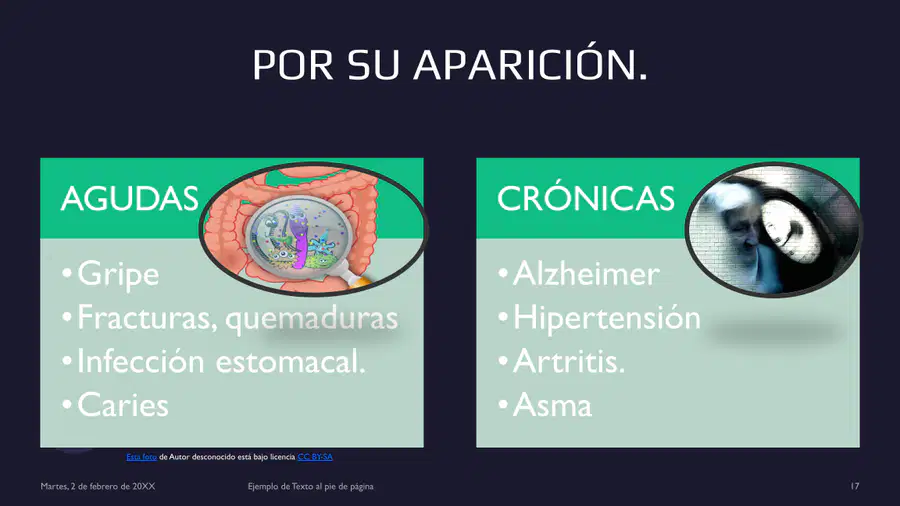
Multiple Choice
Which of the following diseases are considered chronic?
Gripe, fracturas, infección estomacal, caries
Alzheimer, hipertensión, artritis, asma
Gripe, artritis, infección estomacal, asma
Hipertensión, fracturas, gripe, caries
34
35
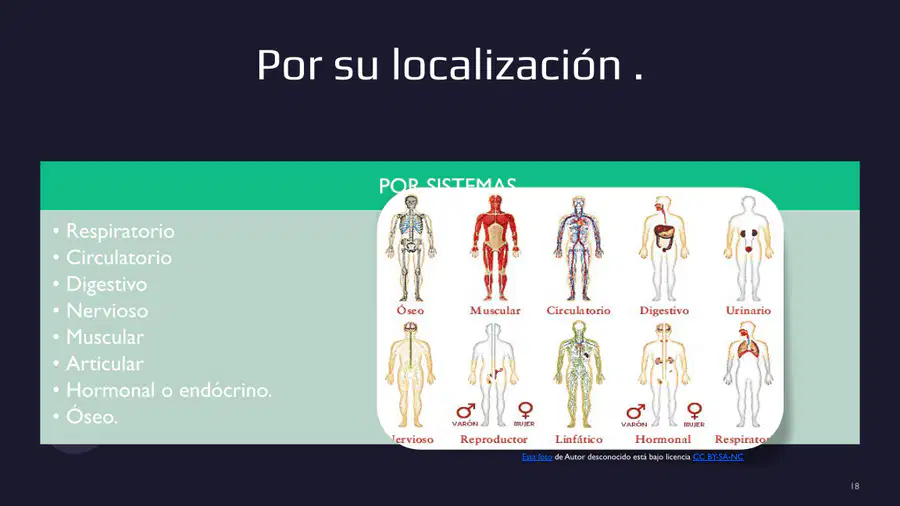
Fill in the Blanks
The circulatory system is part of the
Type answer...
36
Multiple Choice
Which of the following is most closely related to the concept of epidemiology?
Studying the spread and prevention of diseases in populations
Classifying diseases based on symptoms
Analyzing the economic impact of illness
Providing individual patient care
37
Open Ended
Reflecting on this week's topics—health-disease process, epidemiology and prevention, and classification of diseases—what is one concept you found most interesting or would like to explore further?
Show answer
Auto Play
Slide 1 / 37
SLIDE
Similar Resources on Wayground

32 questions
Colligative properties practice
Presentation
•
10th - 12th Grade
33 questions
Motion Graphs
Presentation
•
11th Grade
32 questions
LOS COMPUESTOS ORGÁNICOS Y SU CLASIFICACIÓN
Presentation
•
11th Grade
28 questions
Solubility Curves
Presentation
•
10th - 12th Grade
28 questions
Electromagnet
Presentation
•
10th Grade
31 questions
Calvin Cycle
Presentation
•
11th Grade
33 questions
Origin of Life forms 2021
Presentation
•
11th - 12th Grade
33 questions
P.7A,B- Characteristics and Behaviors of Waves
Presentation
•
11th Grade
Popular Resources on Wayground
10 questions
Safety Day 2026 – Student Review

Quiz
•
9th Grade
21 questions
Continents and Oceans
Quiz
•
6th Grade
20 questions
Parts of Speech
Quiz
•
5th Grade
16 questions
Subject & Predicate
Quiz
•
5th Grade
25 questions
Multiplication Facts
Quiz
•
5th Grade
12 questions
Map Skills
Quiz
•
3rd Grade
22 questions
Continents and Oceans
Quiz
•
5th Grade
15 questions
Rounding Decimals
Quiz
•
5th Grade
Discover more resources for Science
14 questions
Periodic Trends

Interactive video
•
11th Grade
7 questions
Newton's Laws Video Quiz
Interactive video
•
9th - 12th Grade
35 questions
Cell Transport/Enzyme/Cell/Macro Review
Quiz
•
9th - 12th Grade
13 questions
Explore Enzyme Functions and Interactions
Quiz
•
9th - 12th Grade
10 questions
Fact or Fiction: Microbes
Quiz
•
9th - 12th Grade
10 questions
Understand Cell Functions and Organelles
Quiz
•
9th - 12th Grade
20 questions
BIOGEOCHEMICAL CYCLES
Quiz
•
10th - 11th Grade
19 questions
Explore Macromolecules in Living Organisms
Quiz
•
9th - 12th Grade