

Fundamentals of Communication

Presentation
•
Professional Development
•
11th Grade
•
Practice Problem
•
Easy

Crystal Daniels
Used 1+ times
FREE Resource
22 Slides • 20 Questions
1
2
Open Ended
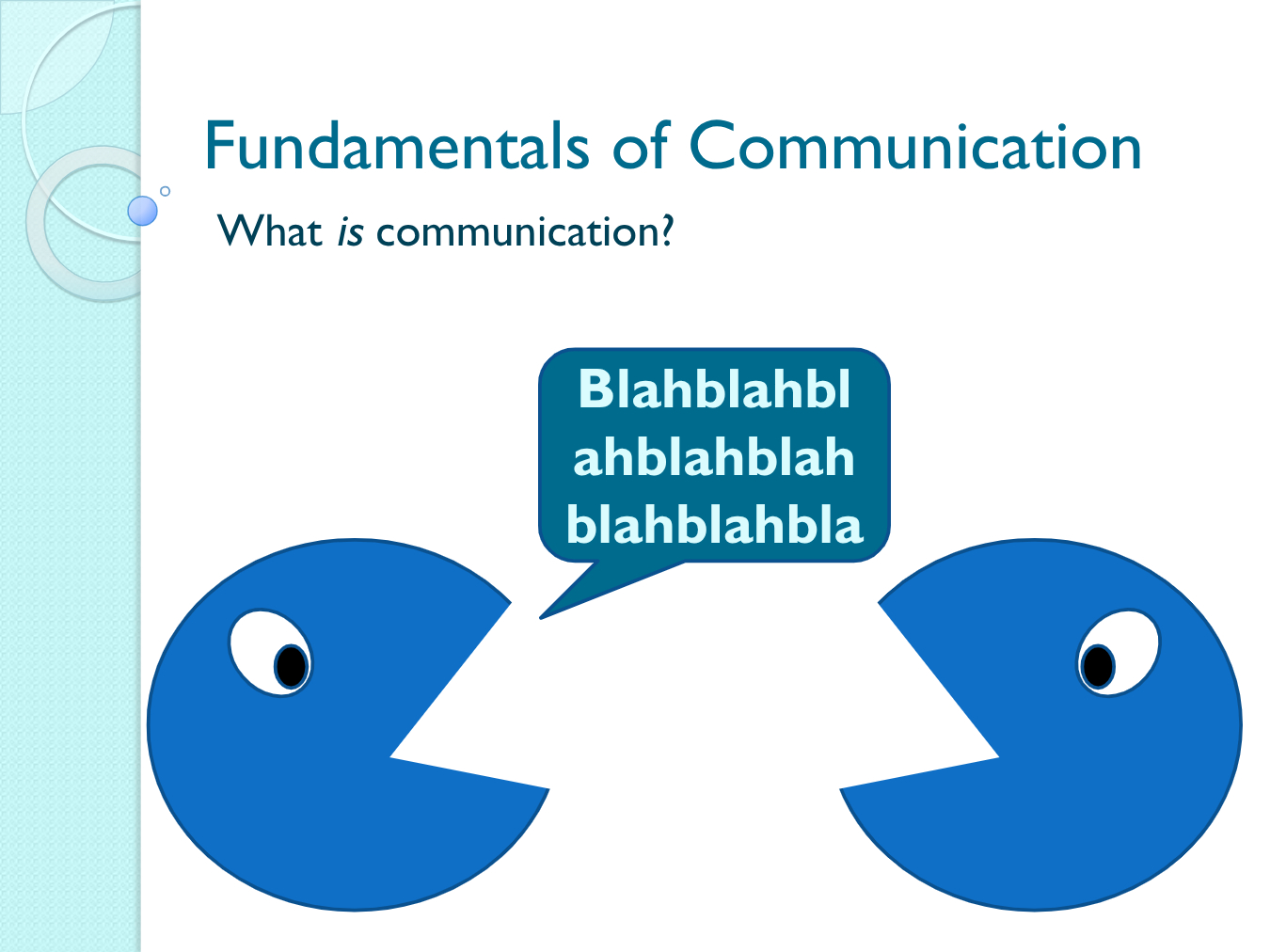
What is communication?
3
4
Multiple Choice
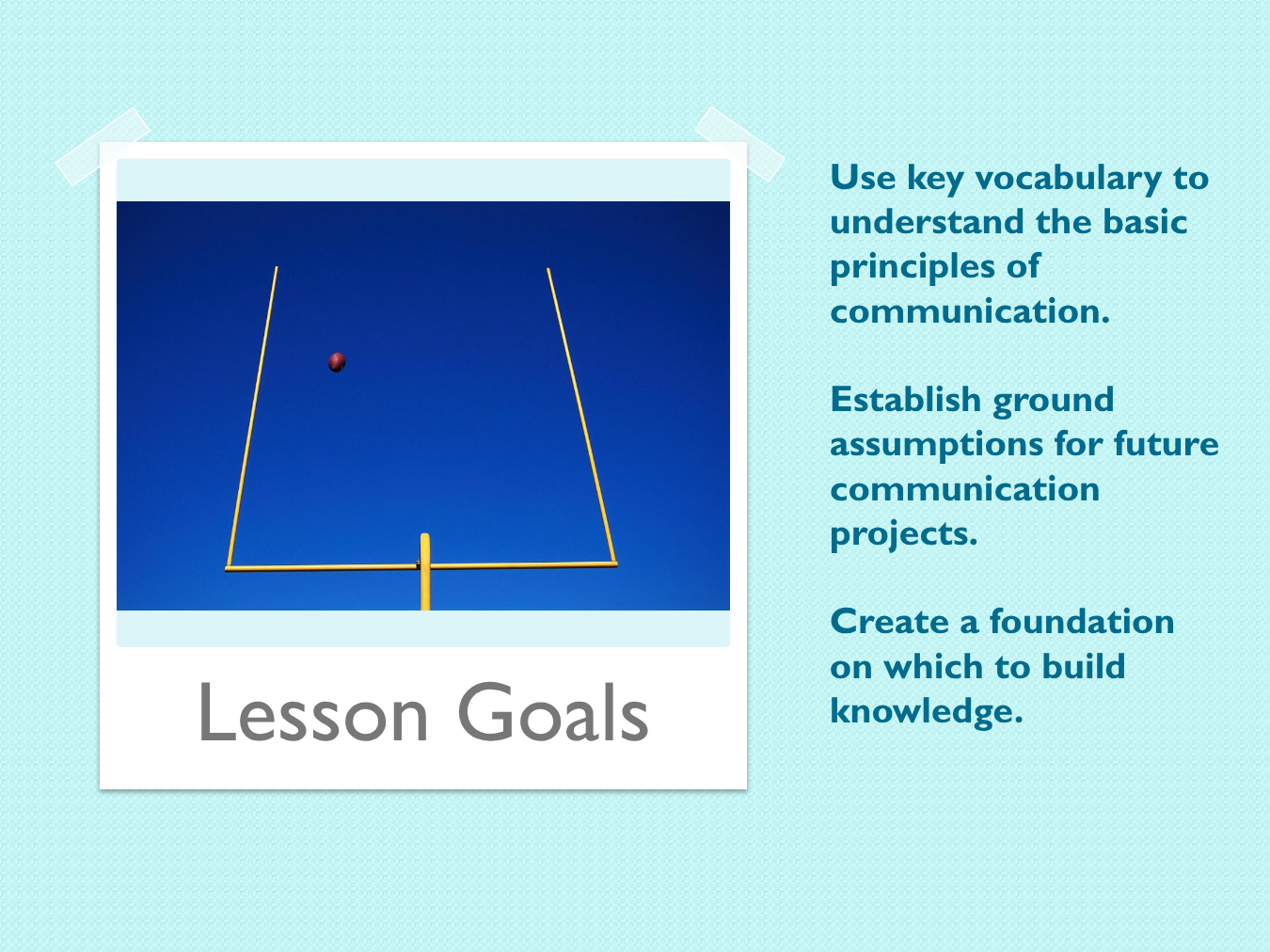
Why is it important to establish ground assumptions before starting a communication project?
It helps avoid misunderstandings and sets clear expectations.
It makes the project more expensive.
It reduces the need for teamwork.
It allows for ignoring feedback.
5
6
Multiple Choice
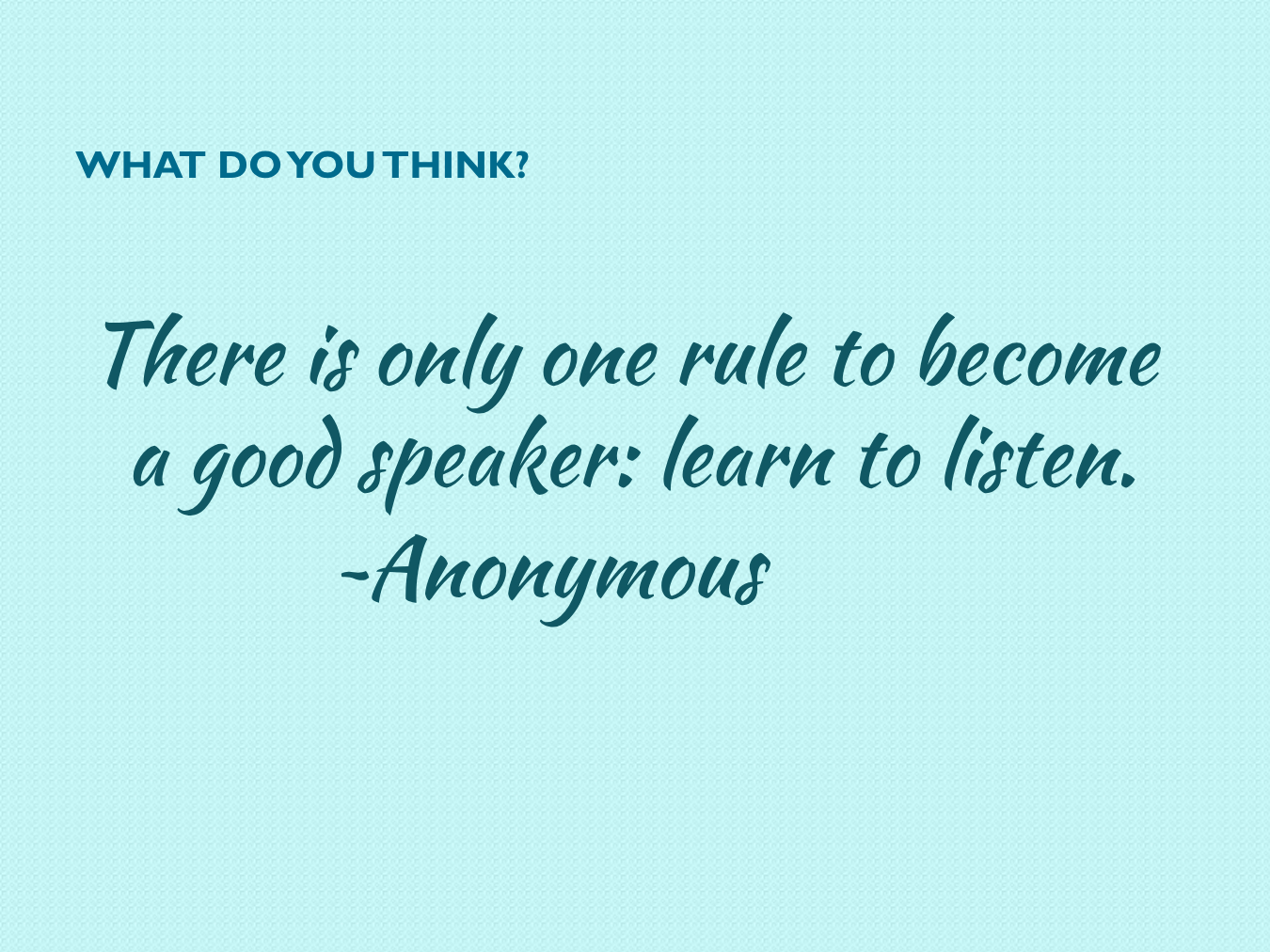
Why is listening considered an important skill for becoming a good speaker?
Because it helps you understand others and respond appropriately.
Because it allows you to talk more.
Because it makes you appear smarter.
Because it is easier than speaking.
7
8
Open Ended
How would you define 'communication' in your own words?
9
10
Multiple Choice
Which of the following best describes the process of communication?
Exchanging ideas and creating meaning.
Talking to yourself.
Ignoring others' opinions.
Writing without sharing.
11
12
13
Fill in the Blanks
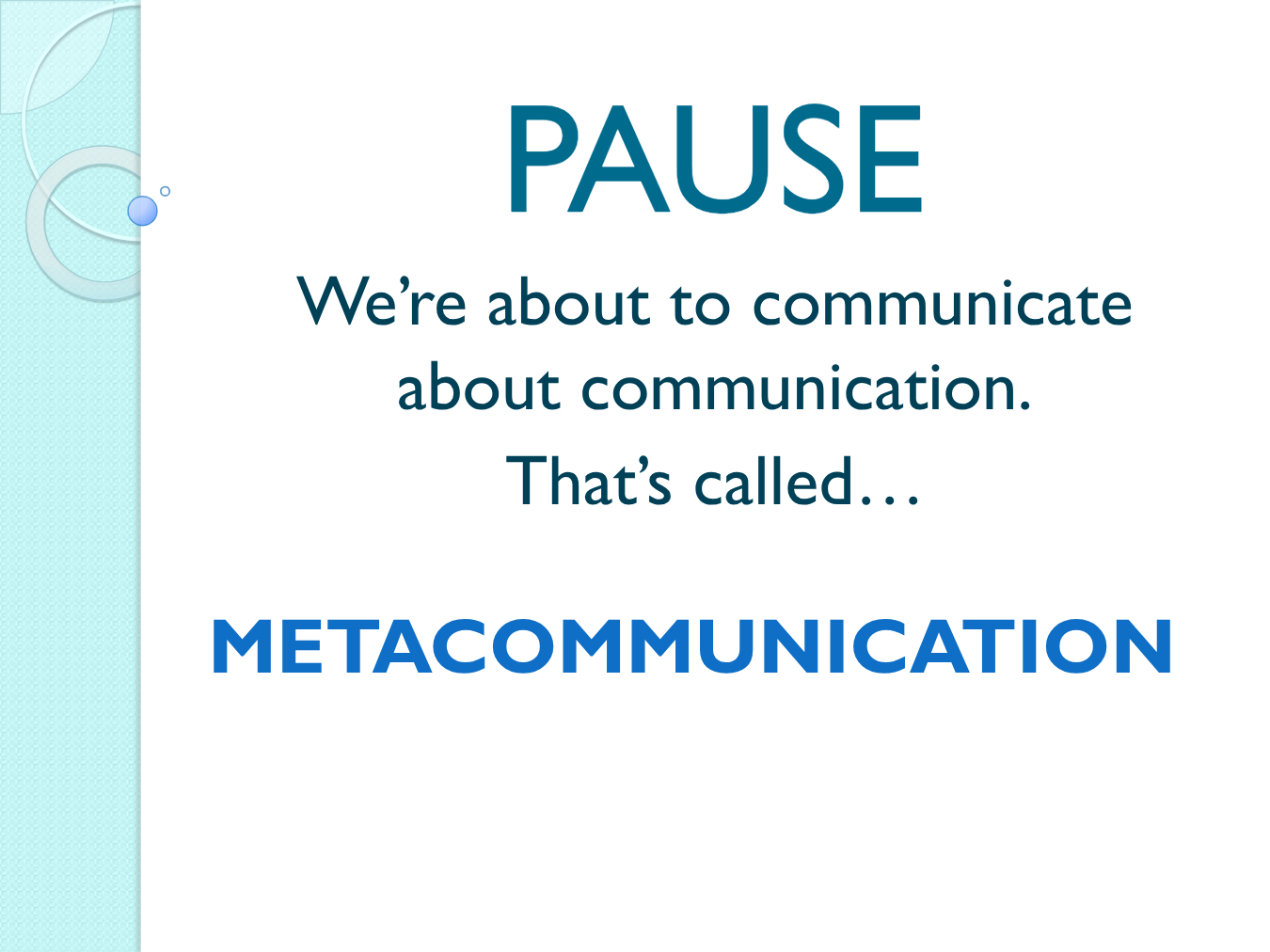
The act of communicating about communication is called
Type answer...
14
15
Multiple Choice
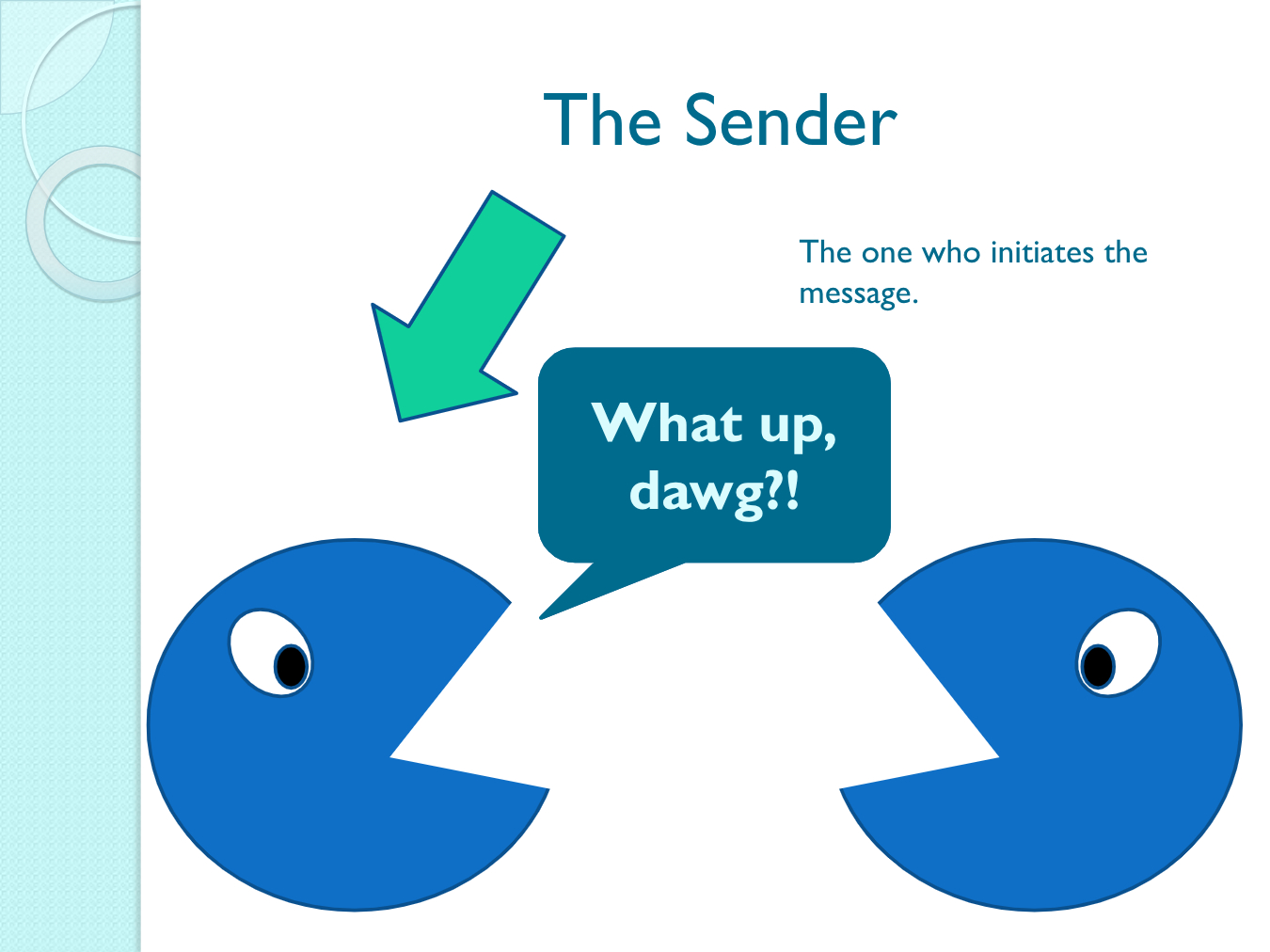
In the communication model, who is the sender?
The one who initiates the message.
The one who receives the message.
The one who ignores the message.
The one who repeats the message.
16
Multiple Select
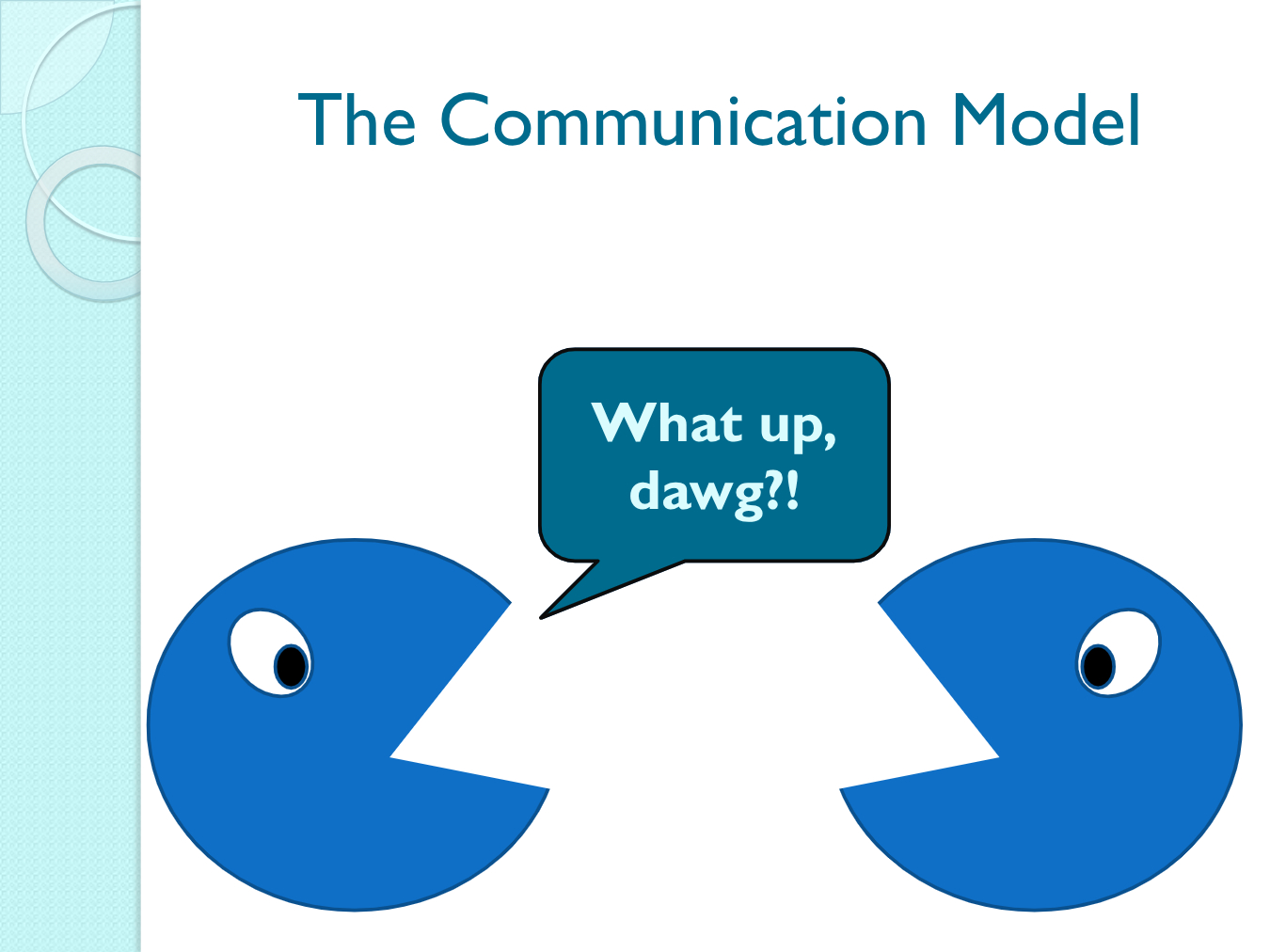
Based on the communication model shown, what are two key elements involved in communication between people?
Sender and receiver
Speaker and listener
Writer and reader
Leader and follower
17
18
Multiple Choice
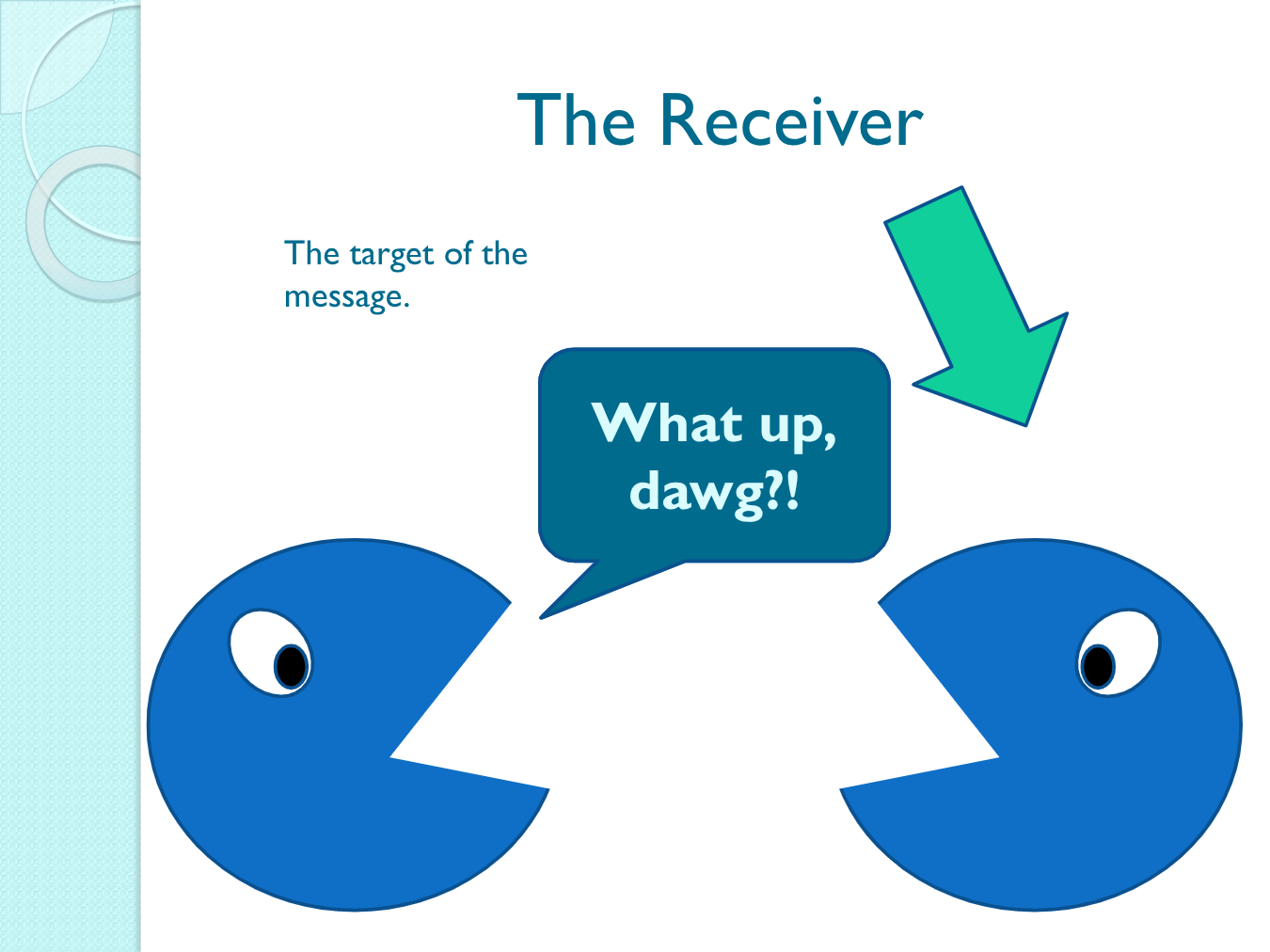
Which element of communication is represented by the person who receives the message?
Sender
Receiver
Channel
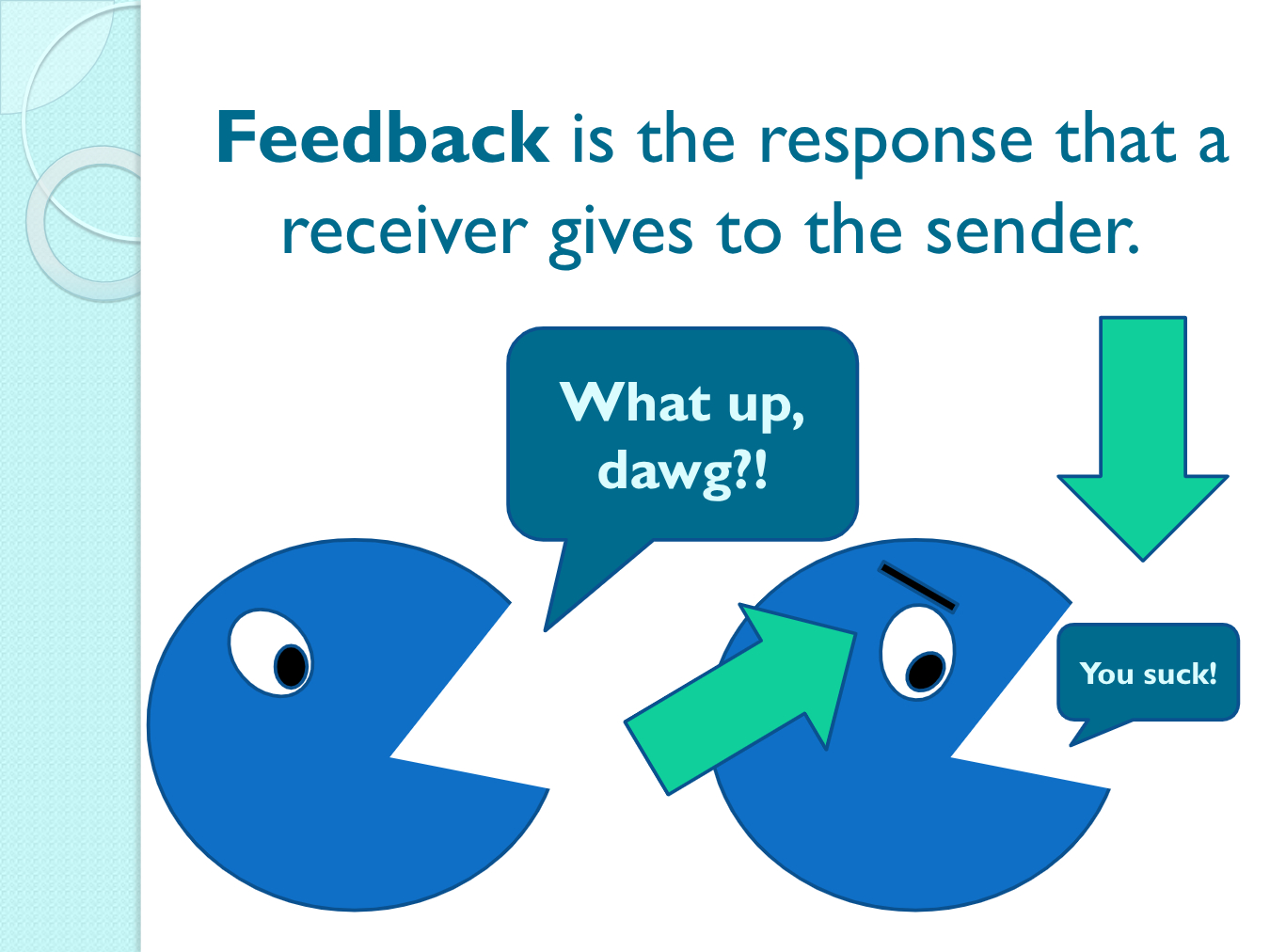
Feedback
19
20
21
Multiple Select
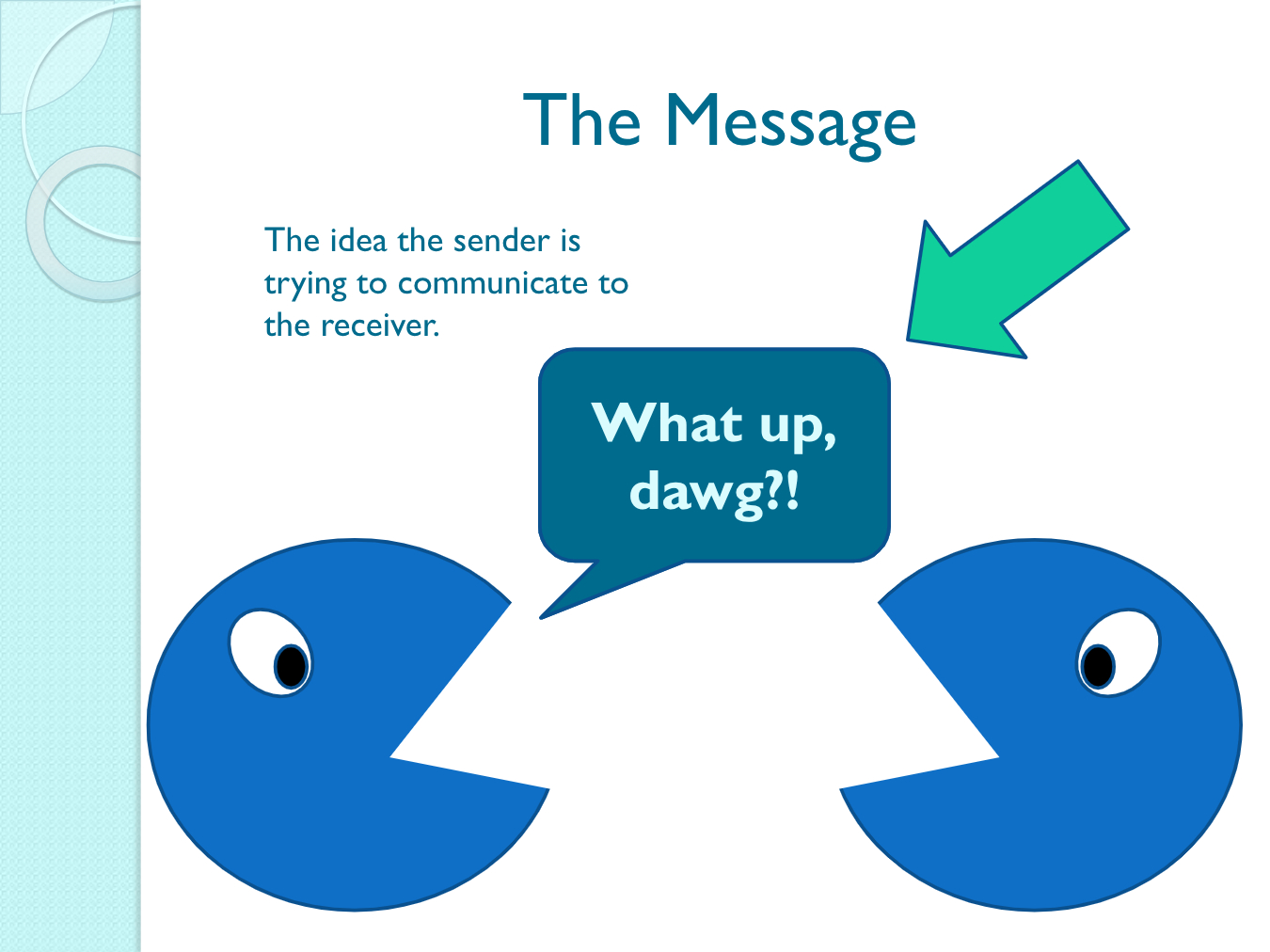
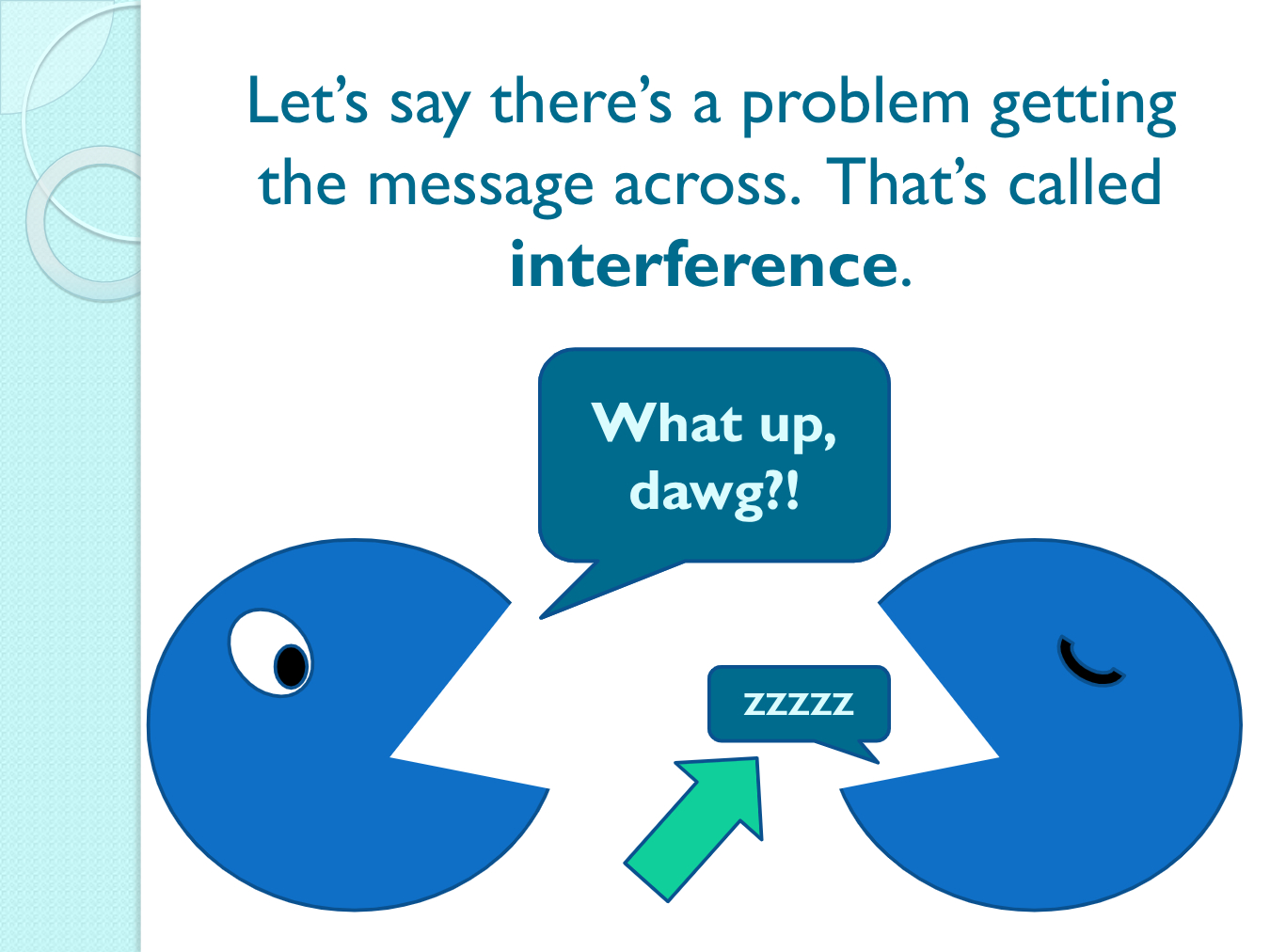
Which of the following are components of the communication process as shown in the images?
Sender
Message
Interference
All of the above
22
23
24
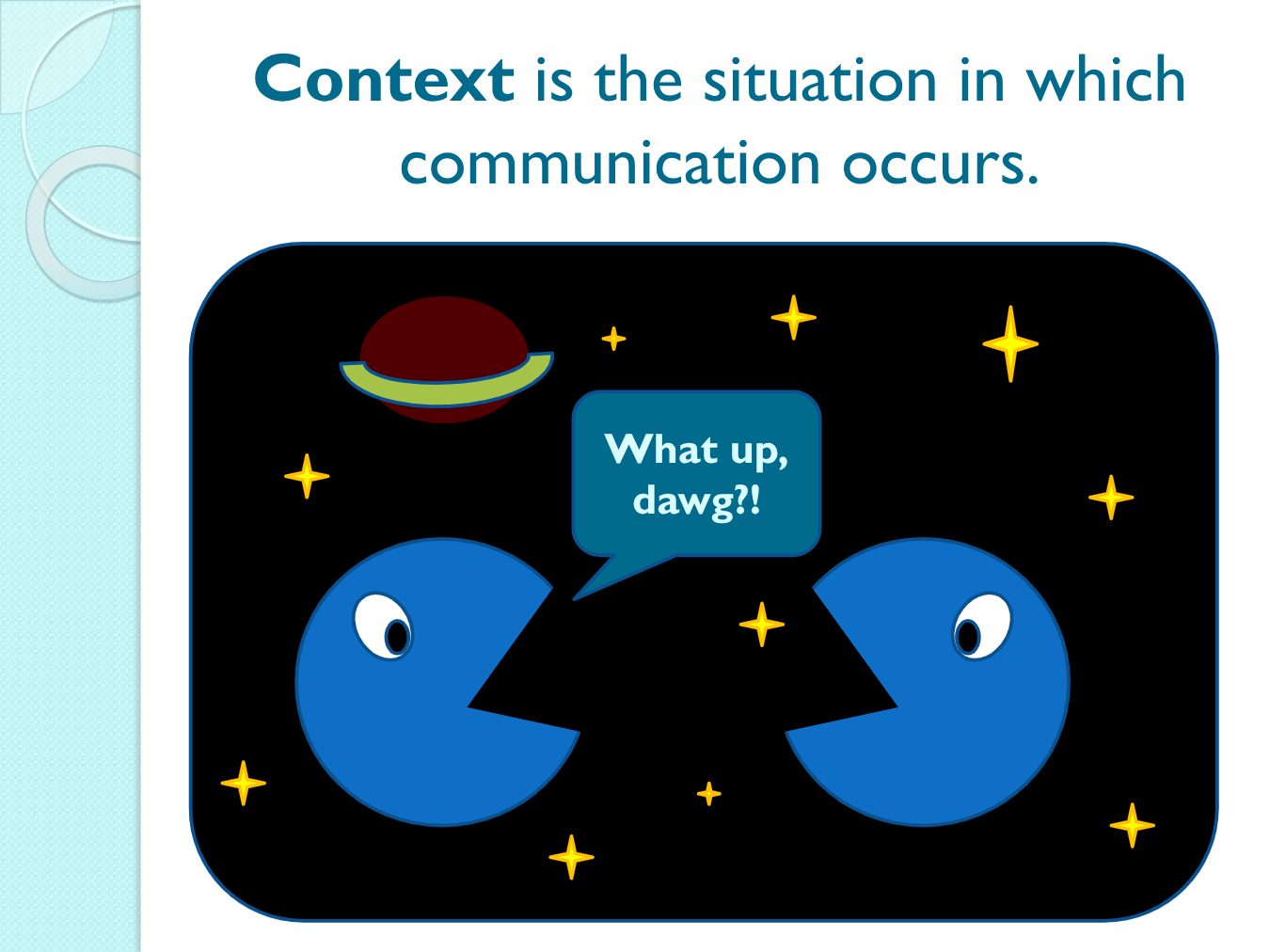
Fill in the Blanks
The situation in which communication occurs is called
Type answer...
25
26
27
Multiple Choice
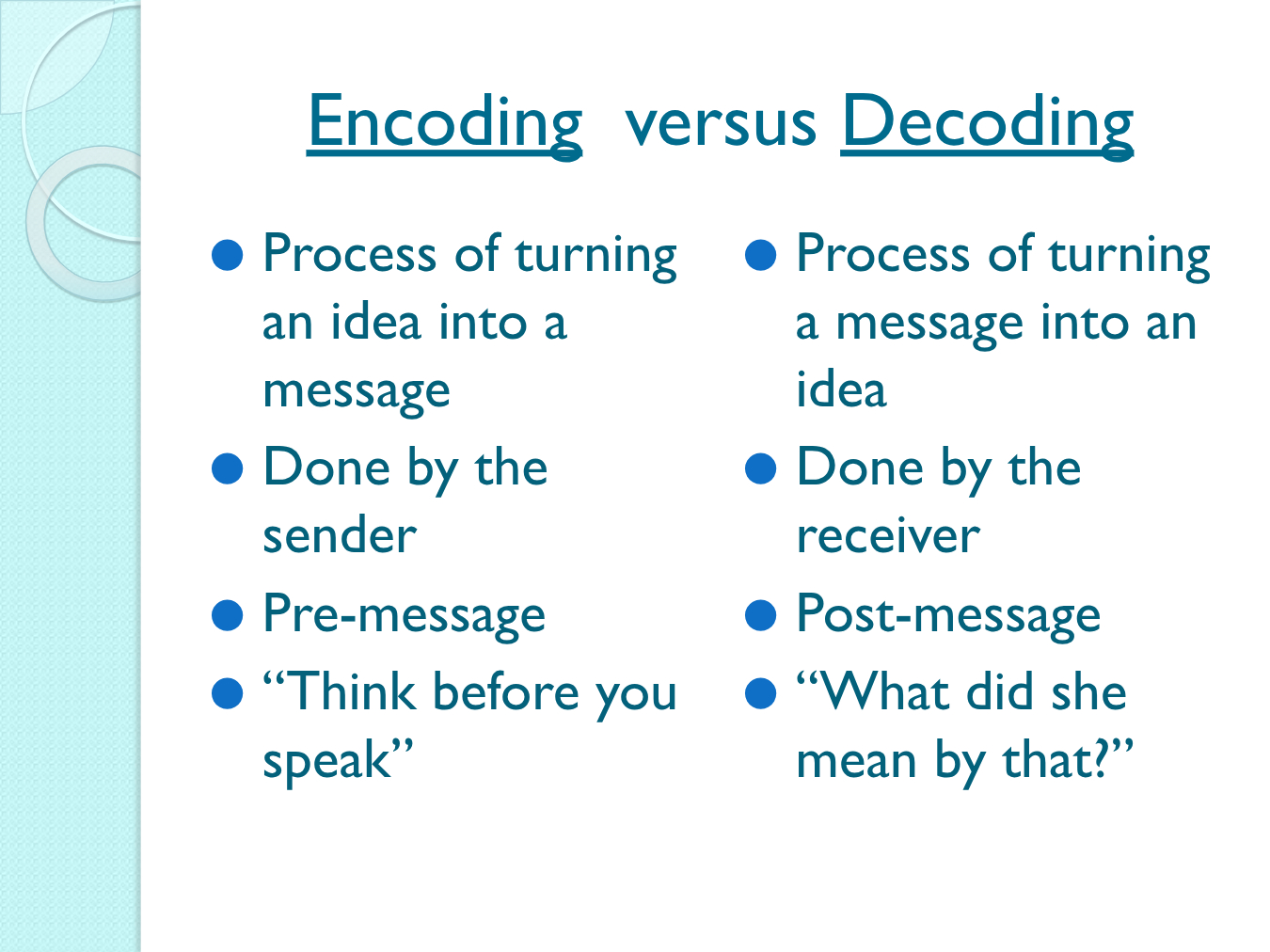
Which of the following best describes the difference between encoding and decoding in communication?
Encoding is turning an idea into a message, while decoding is turning a message into an idea.
Encoding is done by the receiver, while decoding is done by the sender.
Encoding happens after the message is received, while decoding happens before the message is sent.
Encoding and decoding are both done by the sender.
28
29
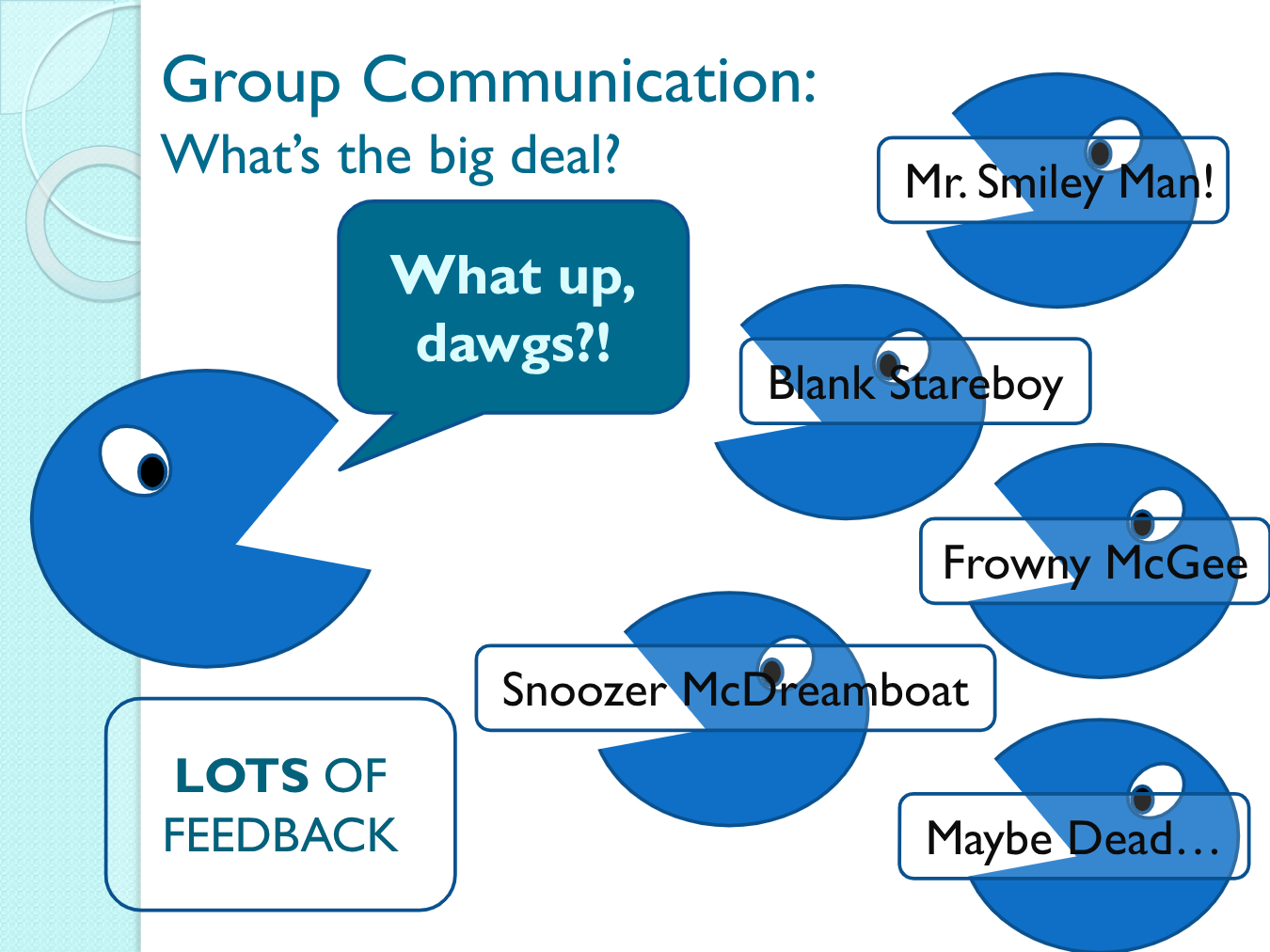
Multiple Choice
How does feedback play a role in group communication?
It allows the sender to ignore the receiver's response.
It helps the sender adjust their message based on the group's reactions.
It makes communication less effective in groups.
It prevents misunderstandings from occurring.
30
31
Open Ended
How can you make public speaking less scary?
32
33
Multiple Choice
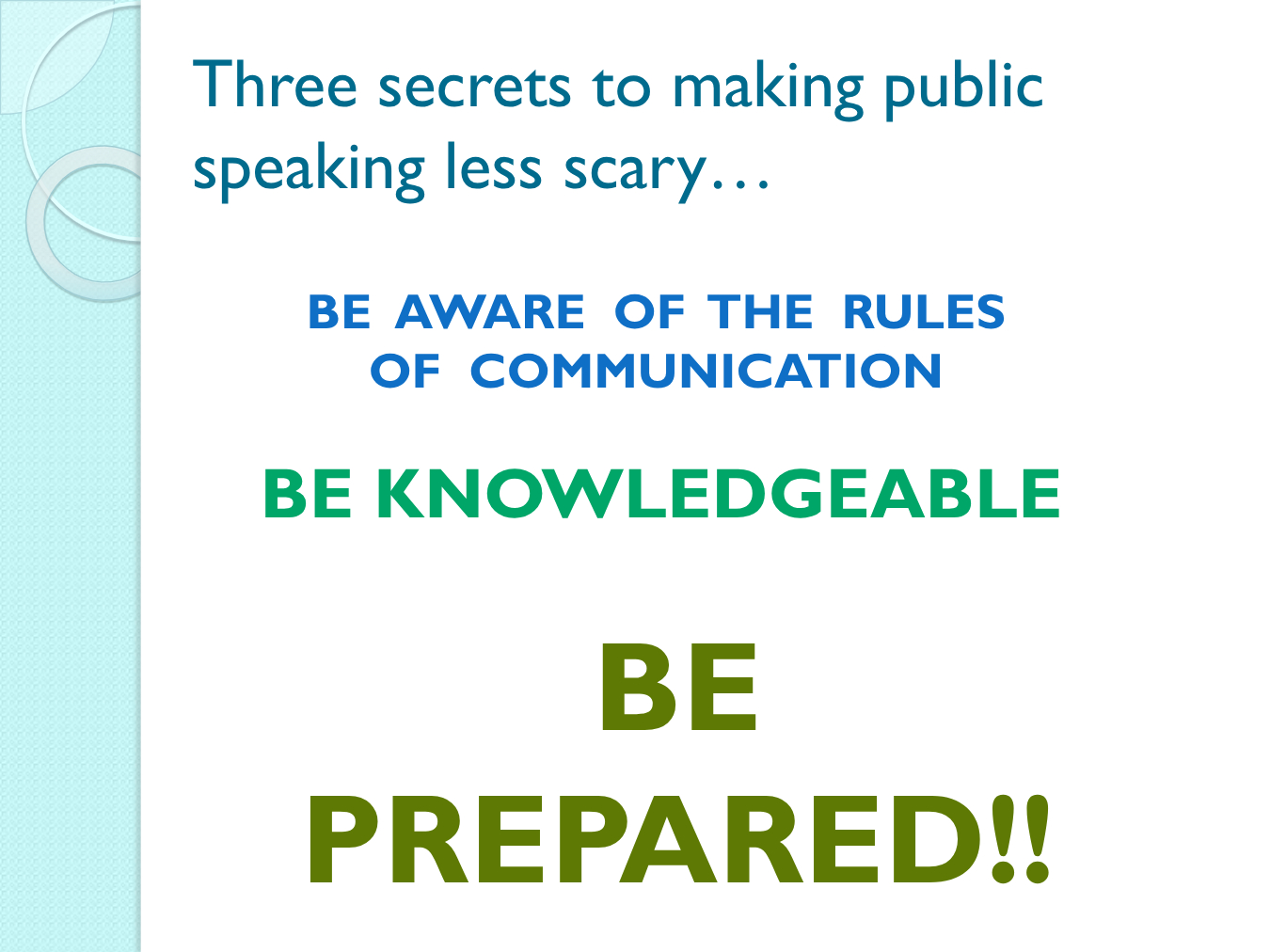
What are three secrets to making public speaking less scary, according to the presentation?
Be aware of the rules of communication, be knowledgeable, be prepared
Speak loudly, use humor, avoid eye contact
Memorize your speech, ignore the audience, use visual aids
Arrive late, speak quickly, avoid questions
34
35
Fill in the Blanks
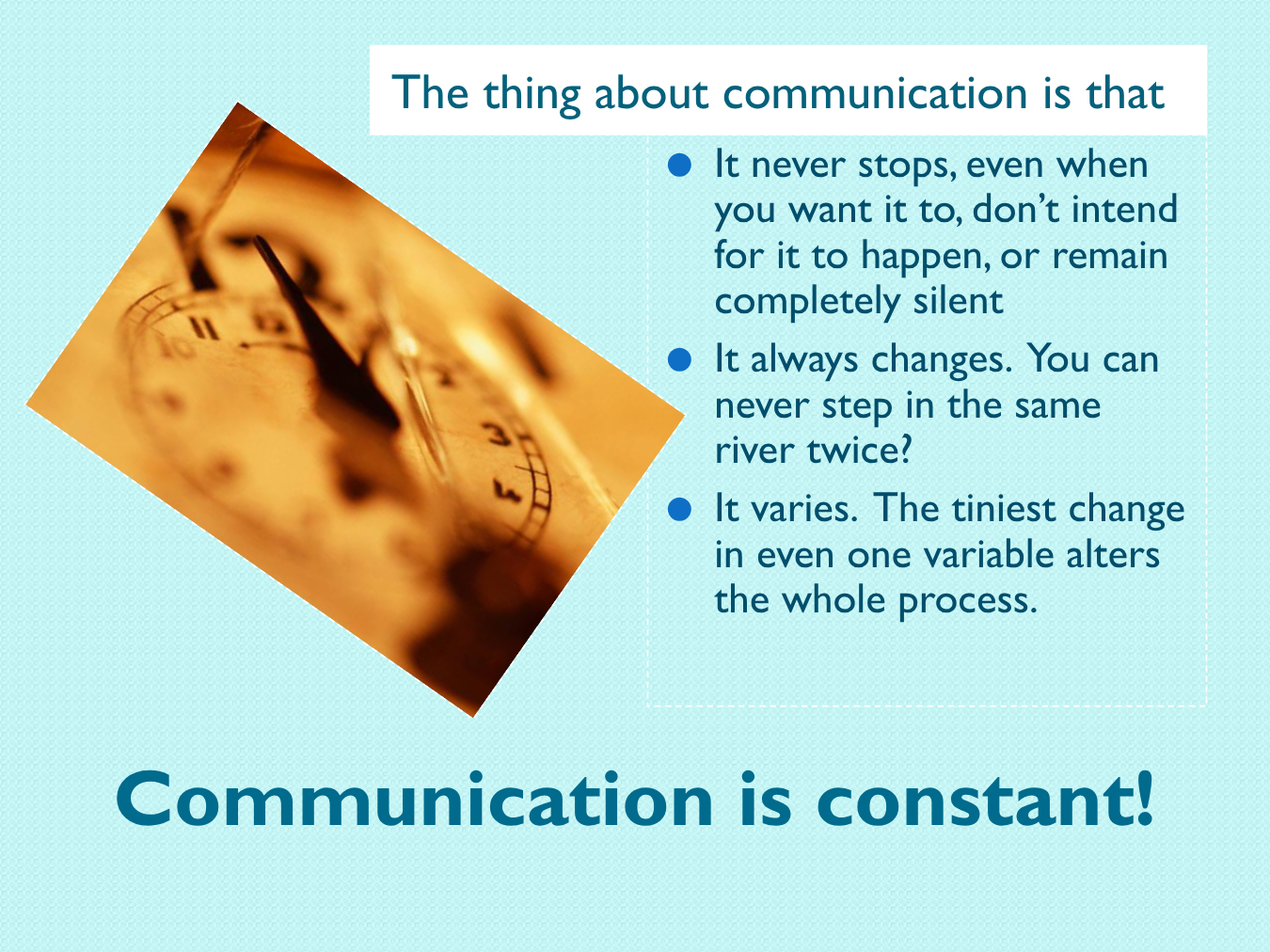
Fill in the blank: Communication is
Type answer...
36
37
Multiple Choice
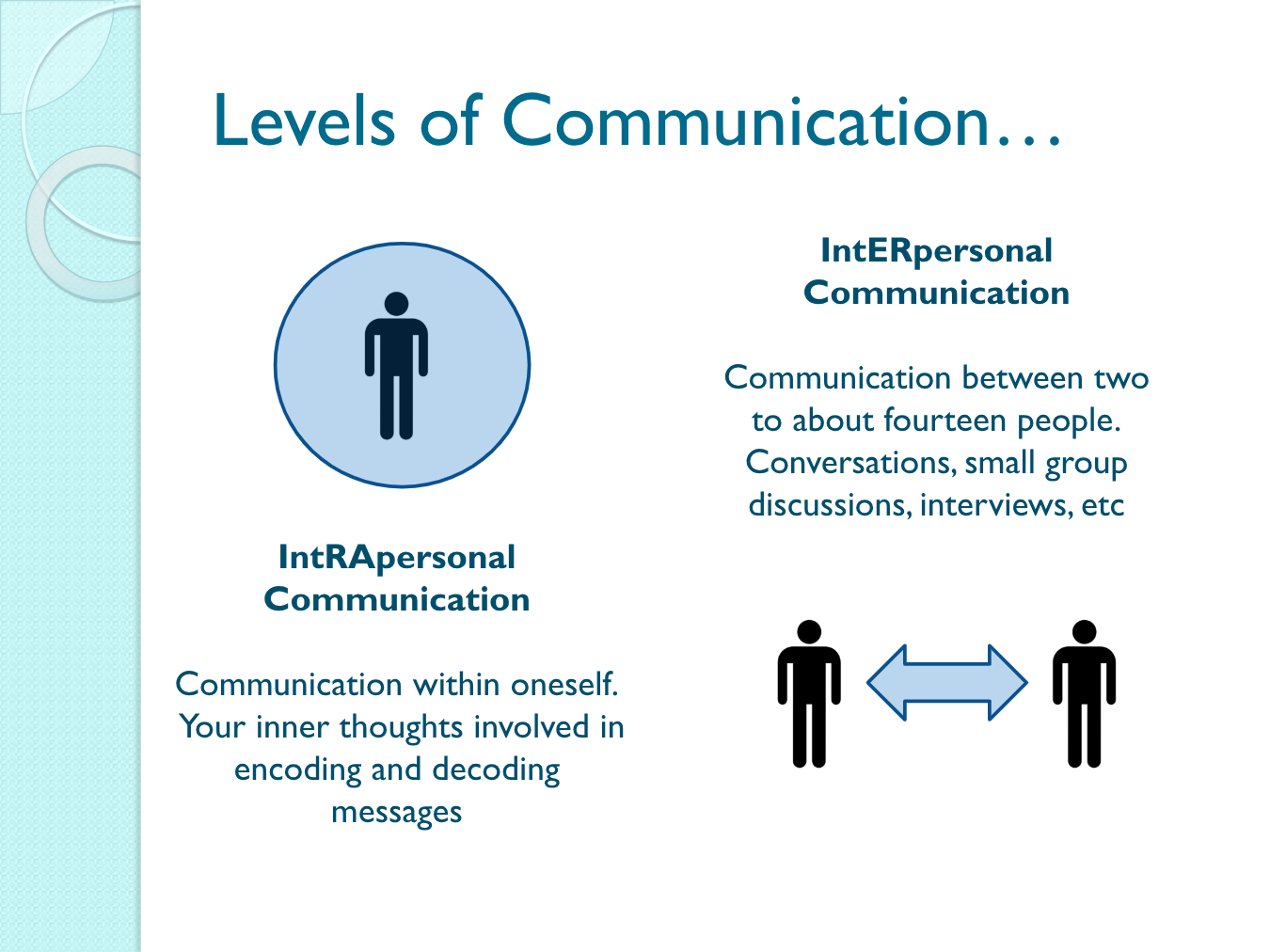
Which of the following statements about levels of communication is correct?
Intrapersonal communication involves communication between two people.
Interpersonal communication involves communication within oneself.
Intrapersonal communication involves encoding and decoding messages within oneself.
Interpersonal communication is only for large groups.
38
39
Open Ended
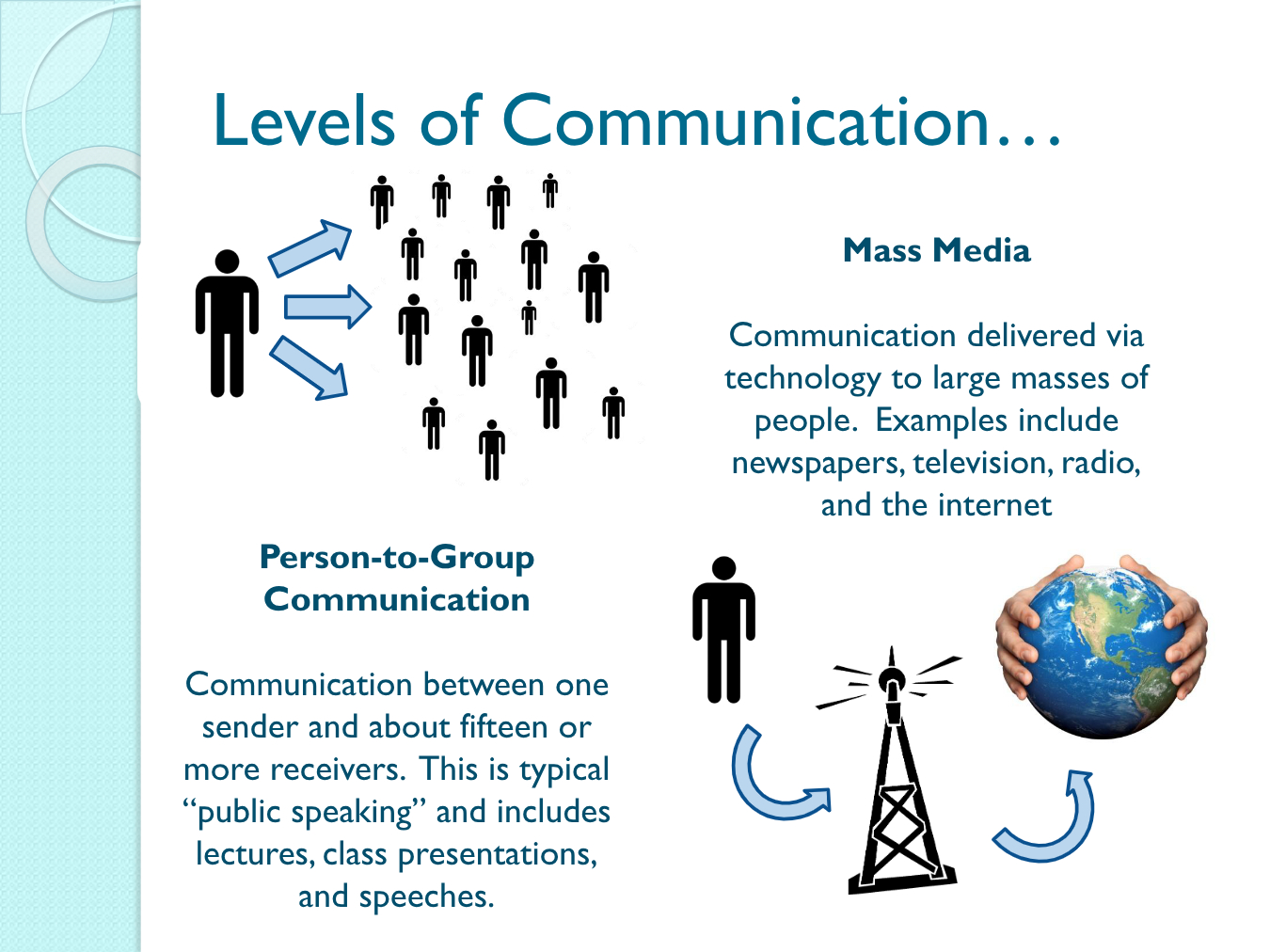
How do person-to-group communication and mass media communication differ in terms of their audience and delivery methods?
40
Multiple Choice
Which of the following best describes mass media communication?
Communication between one sender and a small group of receivers
Communication delivered via technology to large masses of people
Communication between two individuals
Communication in a family setting
41

42
Multiple Choice
Which of the following is NOT one of the lesson goals for understanding the fundamentals of communication?
Use key vocabulary to understand the basic principles of communication.
Establish ground assumptions for future communication projects.
Create a foundation on which to build knowledge.
Memorize famous speeches.
Show answer
Auto Play
Slide 1 / 42
SLIDE
Similar Resources on Wayground

39 questions
Communication Barriers
Presentation
•
10th Grade
35 questions
T3.C2.4 | Paraphrasing | Interaction
Presentation
•
12th Grade
38 questions
Matrix Inverses
Presentation
•
10th - 12th Grade
39 questions
Sketching Higher Order Polynomials
Presentation
•
10th - 11th Grade
37 questions
Pheno
Presentation
•
11th Grade
37 questions
Preterite Vs Imperfect
Presentation
•
10th Grade
37 questions
Tragedy Notes
Presentation
•
12th Grade
39 questions
SLIDES: EXPRESSING AND ASKING OPINION
Presentation
•
11th Grade
Popular Resources on Wayground
21 questions
Continents and Oceans

Quiz
•
6th Grade
20 questions
Parts of Speech
Quiz
•
5th Grade
16 questions
Subject & Predicate
Quiz
•
5th Grade
25 questions
Multiplication Facts
Quiz
•
5th Grade
12 questions
Map Skills
Quiz
•
3rd Grade
22 questions
Continents and Oceans
Quiz
•
5th Grade
15 questions
Rounding Decimals
Quiz
•
5th Grade
20 questions
Brand Labels
Quiz
•
5th - 12th Grade
Discover more resources for Professional Development
20 questions
Brand Labels
Quiz
•
5th - 12th Grade
10 questions
Exploring the 4 Major Macromolecules and Their Functions

Interactive video
•
9th - 12th Grade
20 questions
Cell Transport
Quiz
•
9th - 12th Grade
20 questions
Metric Conversions
Quiz
•
11th Grade
20 questions
Budgeting
Quiz
•
9th - 12th Grade
20 questions
Investing
Quiz
•
9th - 12th Grade
25 questions
Spanish Speaking Countries Map Quiz Review
Quiz
•
9th - 12th Grade
15 questions
PRESENTE CONTINUO
Quiz
•
9th - 12th Grade