Search Header Logo
  1. Resource Library
  2. Science
  3. Earth & Space Science
  4. Biogeochemical Cycles
  5. Biogeochemical Cycles, Succession, Human Impact, Water

Biogeochemical cycles, Succession, Human impact, water

Biogeochemical cycles, Succession, Human impact, water

Assessment

Presentation

•

Science

•

9th - 12th Grade

•

Hard

•
NGSS
MS-LS2-3, MS-LS2-4, MS-ESS3-4

+8

Standards-aligned

Created by

GHS Biology undefined

FREE Resource

6 Slides • 24 Questions

1

Biogeochemical cycles, Succession, Human impact, water and Scientific method

By GHS Biology

2

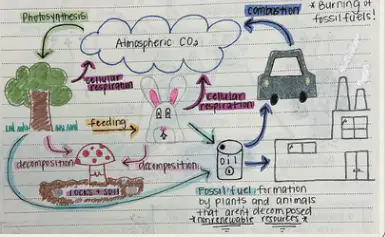
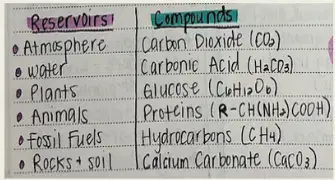
Reservoir is a location
Carbon cycle
You start and end in another place
Carbon moves a lot and ends in the atmosphere.
Only plants remove carbon

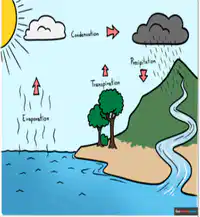
Water cycle
Evaporation
->Condensation
-> Precipitation.

dont forget TRANSPIRATION

media
media
media

3

Multiple Choice

Humans burn fossil fuels and wood, releasing carbon dioxide into the atmosphere. This carbon dioxide is then absorbed by trees for photosynthesis. These processes are part of which chemical cycle?

1

The carbon cycle

2

The water cycle

3

The nitrogen cycle

4

The phosphorous cycle

4

Multiple Choice

Question image

The diagram to the left shows part of the carbon cycle.

If many trees are removed from the forest by logging, what is the most immediate effect on the carbon cycle in that forest?

1

increase the rates of decomposition

2

increase in the rates of atmospheric carbon dioxide

3

decreases combustion of fossil fuels

4

increase production of organic compounds

5

Multiple Choice

Question image

A graph of atmospheric carbon dioxide concentration over time is shown to the left.

Scientists are investigating the cause of the large increase in atmospheric carbon dioxide concentration since about 1800. Which of the following provides the best explanation for the increase?

1

eruptions of large volcanoes

2

photosynthesis by phytoplankton

3

use of fossil fuels by humans

4

natural fluctuations of climate

6

Labeling

Correctly place the labels for the processes that occur in the carbon cycle

Drag labels to their correct position on the image

Respiration

Decomposition

Photosynthesis

combustion

7

media

1.​What type of succession is represented in the picture?
2. What are some events that could lead to this type of succession?
3. What is something that is needed for succession to occur?
4. Which stage of succession is the most stable? What makes it the most stable?
5. What would happen to the stability of an ecosystem if I completely remove a species?

​Succession

8

Multiple Choice

Question image
What is the difference between primary and secondary succession?
1
Primary succession already has soil.
2
Primary has soil and secondary does not
3
soil is present in both
4
primary has no soil and secondary has soil

9

Categorize

Options (9)
Question image

Glacier

Bare Rock

Question image

Sand

Soil Present

Question image

Forest Fire

Question image

Plowed Field

Simple to Complex

Climax Community

Increasing Biodiversity

Sort whether the following terms are considered primary succession, secondary succession or both.

Primary Succession
Secondary Succession
Both

10

Multiple Choice

Question image
What is the most important function of pioneer species?
1
To create rocks
2
To create soil and add nutrients to the environment 
3
To look nice
4
Food for animals 

11

media

1.​What human impact is causing the ocean to be more acidic?
2. What vocabulary word did we learn that connects with habitat loss?
3. What human activity is causing climate change?
4. What effects do invasive species have on an ecosystem?

BONUS: Explain the process of eutrophication?

Human Impact

12

Multiple Choice

Which of the following best describes the relationship between the human population and the use of natural resources?

1

As the human population increases the use of natural resources decreases

2

As the human population increases the use of natural resources increases also

3

As the human population decrease the use of natural resources increases

4

As the human population increases the use of natural resources remains constant

13

Multiple Choice

How do invasive plants damage the environment?
1
Compete with native species
2
Change plant community
3
Alter diversity
4
All of these

14

Multiple Choice

Which of these would be MOST effective in preserving Biodiversity.

1

Protecting lakes and rivers from dirty run-off and creating parks (like Shenandoah or Yowell Meadow) that protect habitats.

2

Asking people to stop building homes in animals habitats.

3

Make laws the make people stop driving cars and trucks.

4

Outlawing dirty factories.

15

Multiple Select

Which of these would have a negative effect on the populations in a forest? (pick 3)

1

Building a shopping center

2

Drought (low rainfall for a long time)

3

Forest fire

4

A rainy day

5

Warm sunny days

16

Match

Match the human impact description with the correct vocabulary word

Mass removal or clearing of trees that results in a decrease of carbon dioxide absorption from the atmosphere

The process of which land or water becomes dry land as a result of deforestation or inappropriate agricultural practices

Overgrowth of algae in water caused by the use of fertilizer in agriculture

Organisms that are nonnative to a particular ecosystem bringing disease and increasing competition

The gradual increase of the overall temperature caused by excess greenhouse gases in the atmosphere

Deforestation

Desertification

Eutrophication

Invasive Species

Global Warming

17

Multiple Choice

Which of the following is NOT a threat to biodiversity?

1

Pollution

2

Deforestation

3

Invasive Species

4

Ecological Succession

18

Multiple Choice

Extra carbon dioxide in the atmosphere could...

1

Lower the temperature around the globe

2

Act like a blanket for the planet and raise the temperature.

3

Disappear

4

Cause the water and nitrogen to disappear.

19

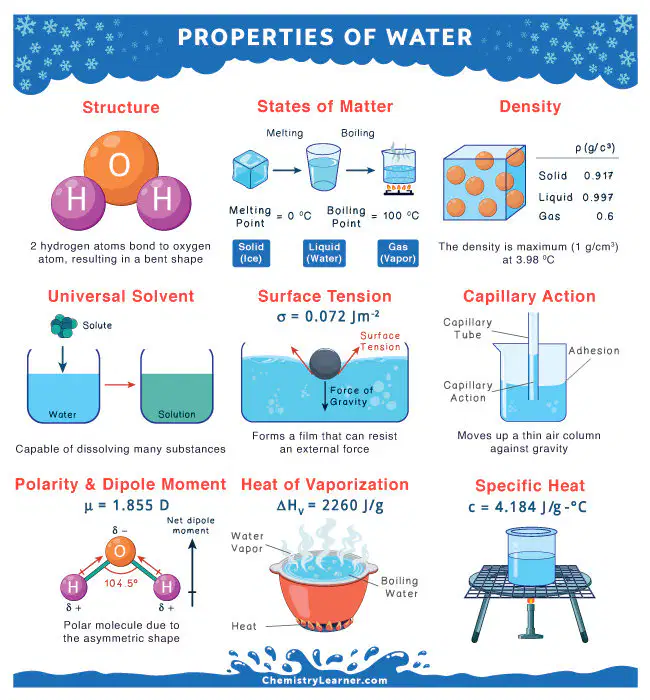
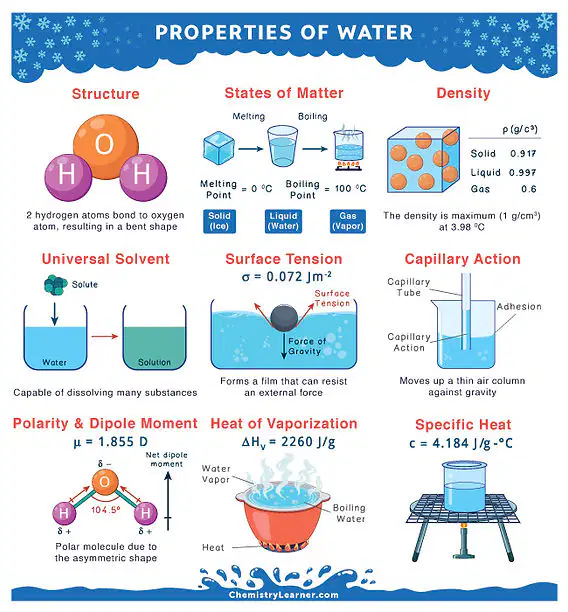
1.​ Water's ability to climb up a vessel using cohesion and adhesion
2. Water sticking to other water molecules
3. Water's ability to dissolve a wide variety of other polar molecules
4. When water freezes it expands becoming ________ dense than liquid water causing ice to ___________
5. Property of water that allows the earth to have moderate temperatures
6. All properties of water are due to water being __________

Water Properties

media

20

Multiple Choice

Question image

Water's unique properties plays a vital role in all living organisms including water's high specific heat, cohesion, adhesion, capillary action and being a universal solvent. This is due to which overall property of water?

1

Water is cold which makes it polar and the covalent bonds that is between the water molecules.

2

Water has a positive and negative charge and can form many hydrogen bonds

3

Water is nonpolar which means it is hydrophobic and can form these special properties

4

Water only have positive charges and molecules with positive charges must have special abilities.

21

Categorize

Options (8)

Cohesion and adhesion facilitates capillary action

Water has high specific heat capacity

Water can dissolve a narrow selection of solvents

Water expands and becomes more dense when frozen

Water expands when frozen and becomes less dense

Water can evaporate quickly which is why it travels up the narrow tubes of organisms

Water can form many hydrogen bonds with other water molecules

Water can form many covalent bonds with other water molecules

Question image

 Sort the following statements about water as TRUE or FALSE

TRUE
FALSE

22

Multiple Choice

Which of the following properties of water is essential to life processes?

1

Water strengthens bonds between molecules

2

Water dissolves many substances

3

Water has a relatively high freezing point

4

Water as a liquid is less dense than water as a solid

23

Multiple Choice

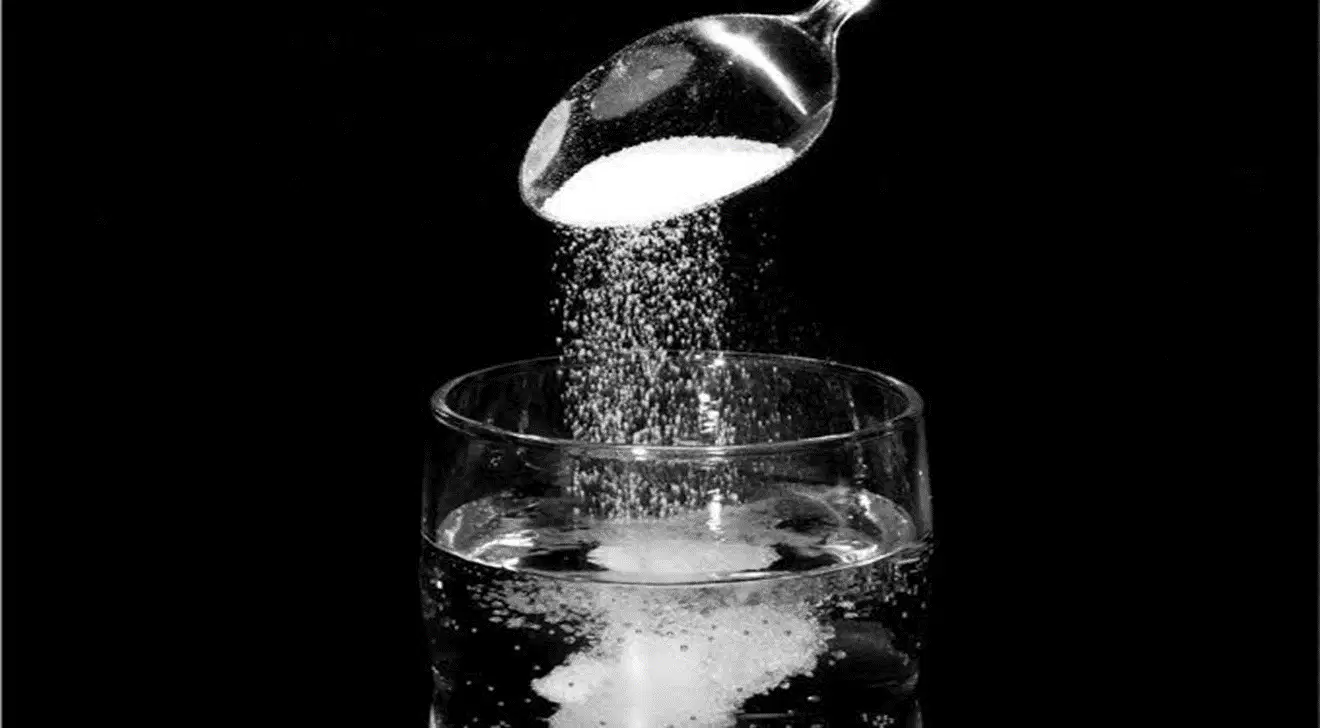
Question image

Identify the property of water in action in the image.

1

Capillary action

2

Expansion of water when frozen

3

Universal solvent

4

Moderation of temperature

24

Multiple Choice

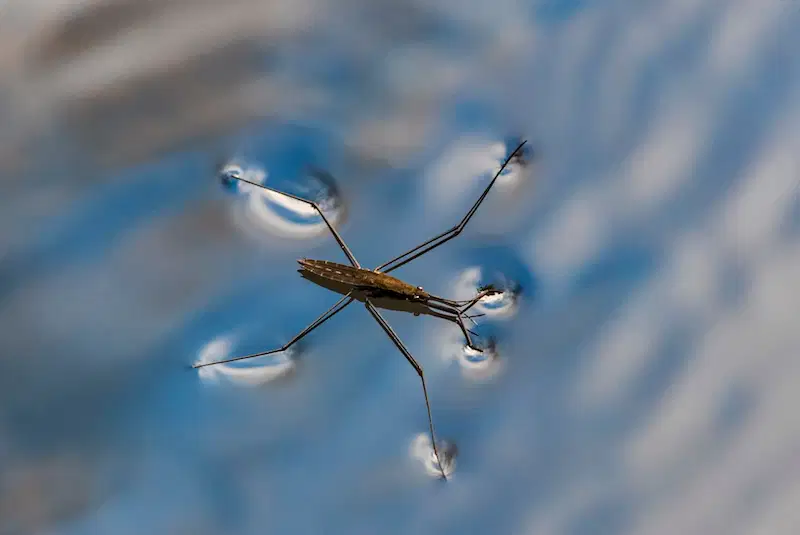
Question image

What property of water allows pond striders to walk across the surface of a pond?

1

pH

2

Adhesion

3

Cohesion

4

It is non-polar

25

Multiple Choice

Fish living at the bottom of ponds do not die in the winter because:

1

Water in solid phase is denser than in liquid

2

Water in solid phase is less dense than in liquid phase

3

Water is non-polar

4

Water has adhesive properties

26

1.​What is the independent variable in this table?
2. What is the dependent variable?
3. How many variables should we change in a controlled experiment?
4. Based on the title of the table at the bottom, what is the independent variable?
5. What is the dependent variable?

Variables & Data

media
media

27

Multiple Choice

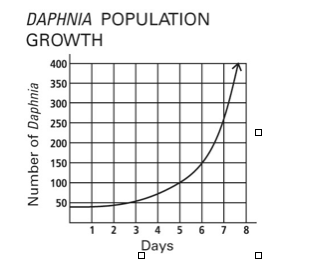
Question image
What type of population growth is shown in the graph?  
1
logistic growth
2
logical growth
3
exponential growth
4
density-dependent growth

28

Multiple Choice

Question image

What is the optimum (best) temperature for this enzyme?

1

20

2

40

3

60

4

70

29

Multiple Choice

Question image

Marilu wants to know the effect of the amount of pesticides on the size of apples

What is the independent variable?

1

amount of pesticides

2

size of apples

3

amount of apples

4

amount of pests

30

Multiple Choice

Water fleas typically live in water that is 20oC. A student believes that increasing water temperature will increase heart rate. Water fleas are placed in 20°C, 30oC, 40oC, and 50oC water and their heart rates are recorded. Which of the following best describes the control group?

1

water flea heart rate

2

20oC water

3

# of water fleas

4

40oC water

5

type of flea

pattern-tertiary
Biogeochemical cycles, Succession, Human impact, water and Scientific method

By GHS Biology

Show answer

Auto Play

Slide 1 / 30

SLIDE