Search Header Logo
U1 B1+B2 Revision

U1 B1+B2 Revision

Assessment

Presentation

•

Science

•

11th - 12th Grade

•

Practice Problem

•

Easy

•
DOK Level 4: Extended Thinking

Standards-aligned

Created by

Niamh Smith

Used 1+ times

FREE Resource

24 Slides • 33 Questions

1
media

2

Multiple Choice

What is the 3rd letter of the alphabet?

1

A

2

B

3

C

4

D

3

media

4

Multiple Choice

Question image

The cell theory applies to all organisms, including the five shown. Which of the following statements describes how these organisms are an example of the cell theory?

1

The organisms have cells that lack a nucleus.

2

The organisms are made of one or more cells.

3

The cells of the organisms undergo photosynthesis.

4

The cells of the organisms are identical to each other.

5

Open Ended

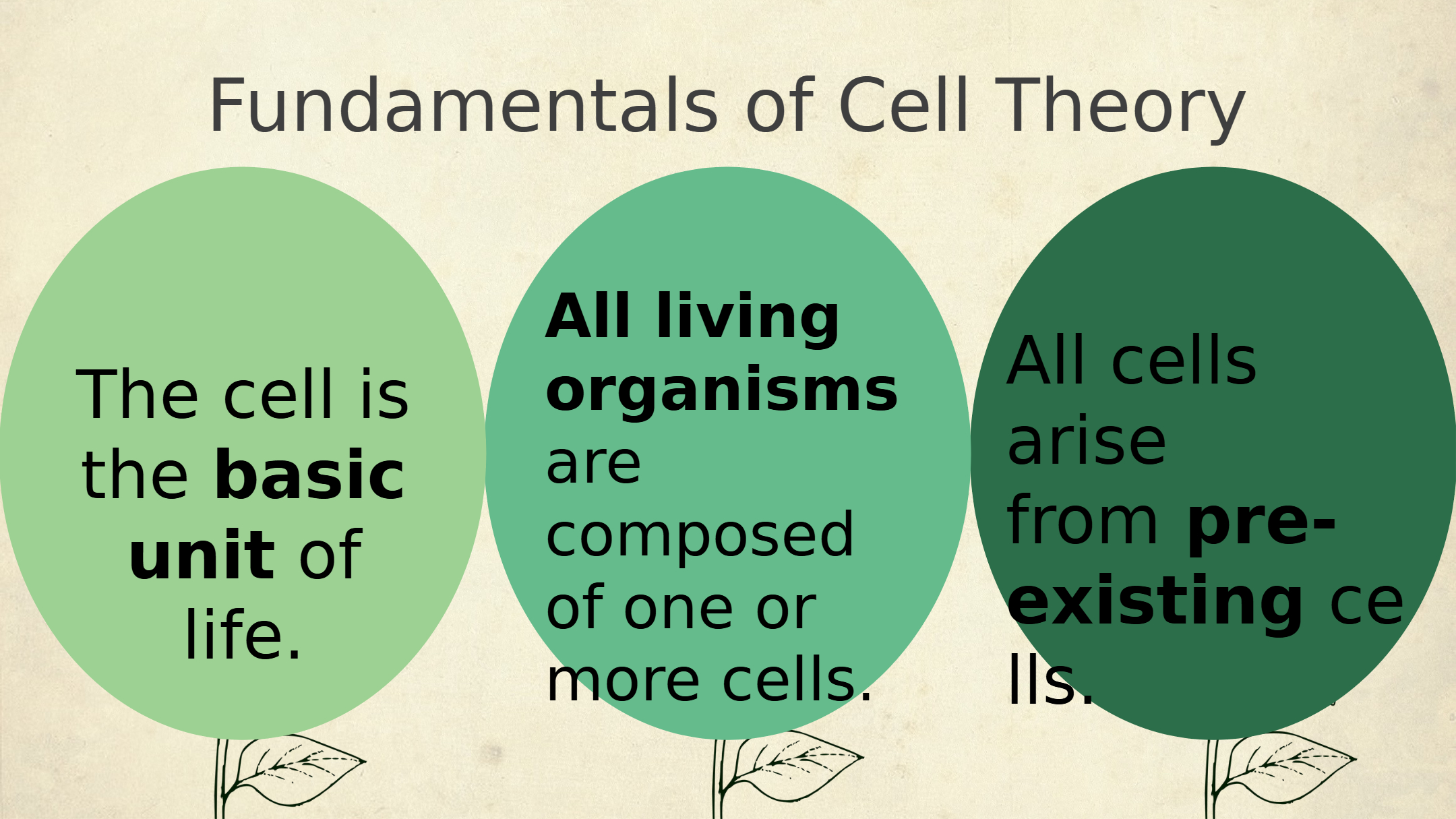
What are the other 2 fundamentals of cell theory?

6

media

7

Open Ended

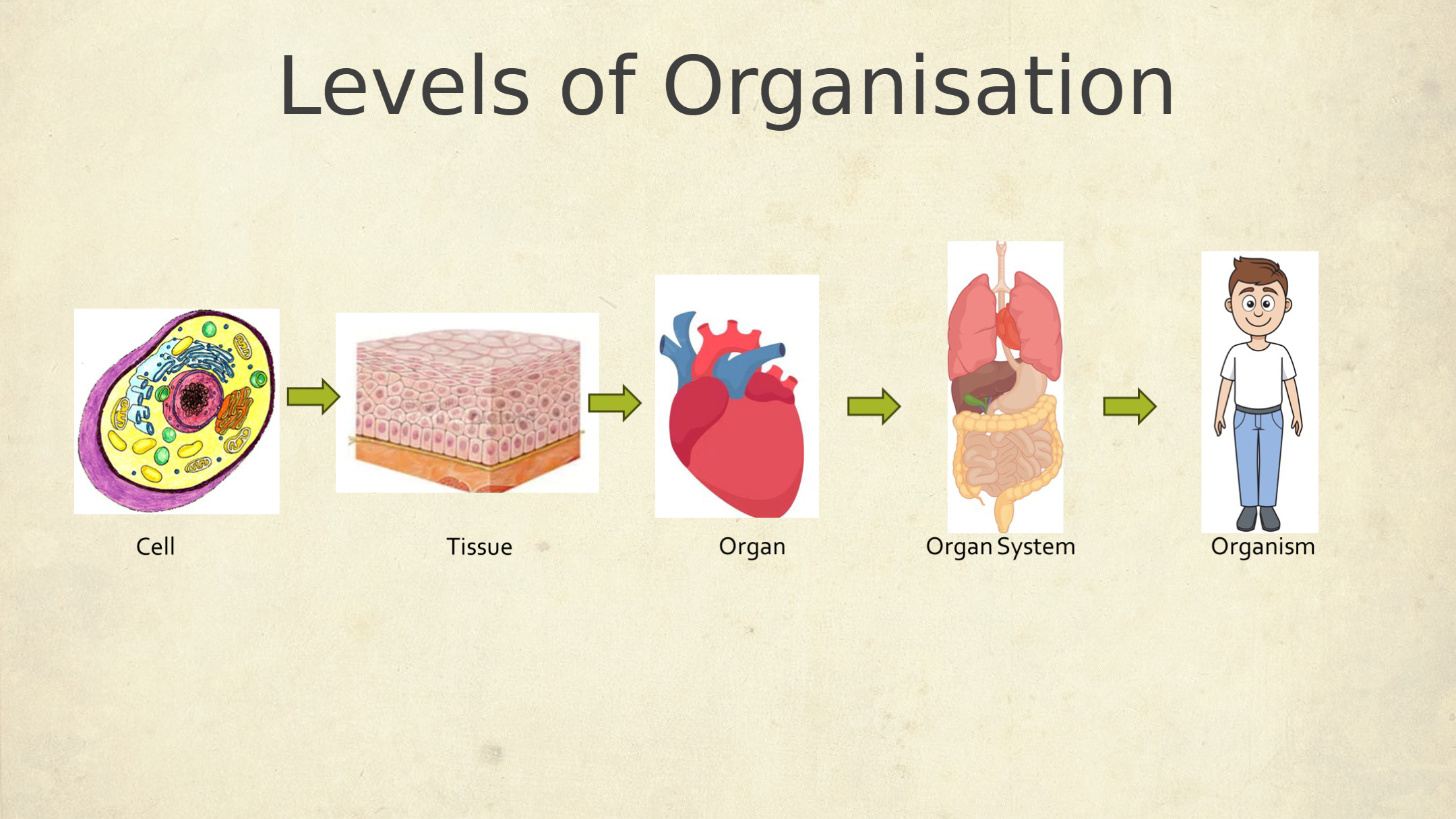
What are the 5 levels of organisation in a multicellular organism?

8

media

9

Fill in the Blanks

media image

Which numbered cellular structure in the cell provides external support as well as protection for the cell?

10
media

11

Open Ended

Explain how the structure of the cell membrane contributes to its function in regulating the movement of substances into and out of the cell.

12

Open Ended

How is cell ultrastructure studied?

13

Light Microscope

Uses visible light and magnifying lenses to observe small objects


Has low resolution and magnification


Requires staining, e.g., methylene blue

14

Multiple Choice

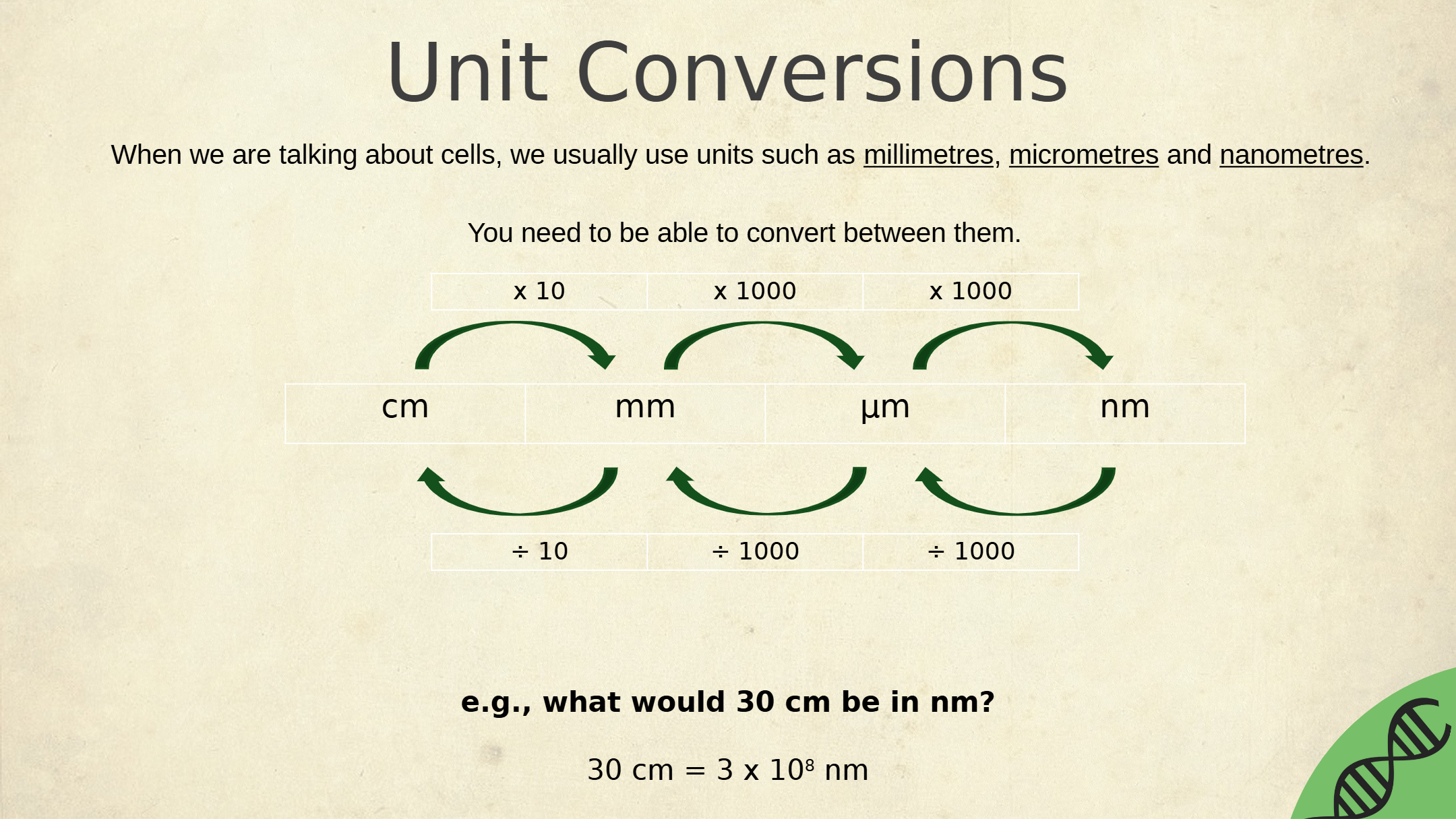
What is the conversion of 30 cm to nm?

1

3 x 10^6 nm

2

3 x 10^7 nm

3

3 x 10^8 nm

4

3 x 10^9 nm

15

media

16

Multiple Choice

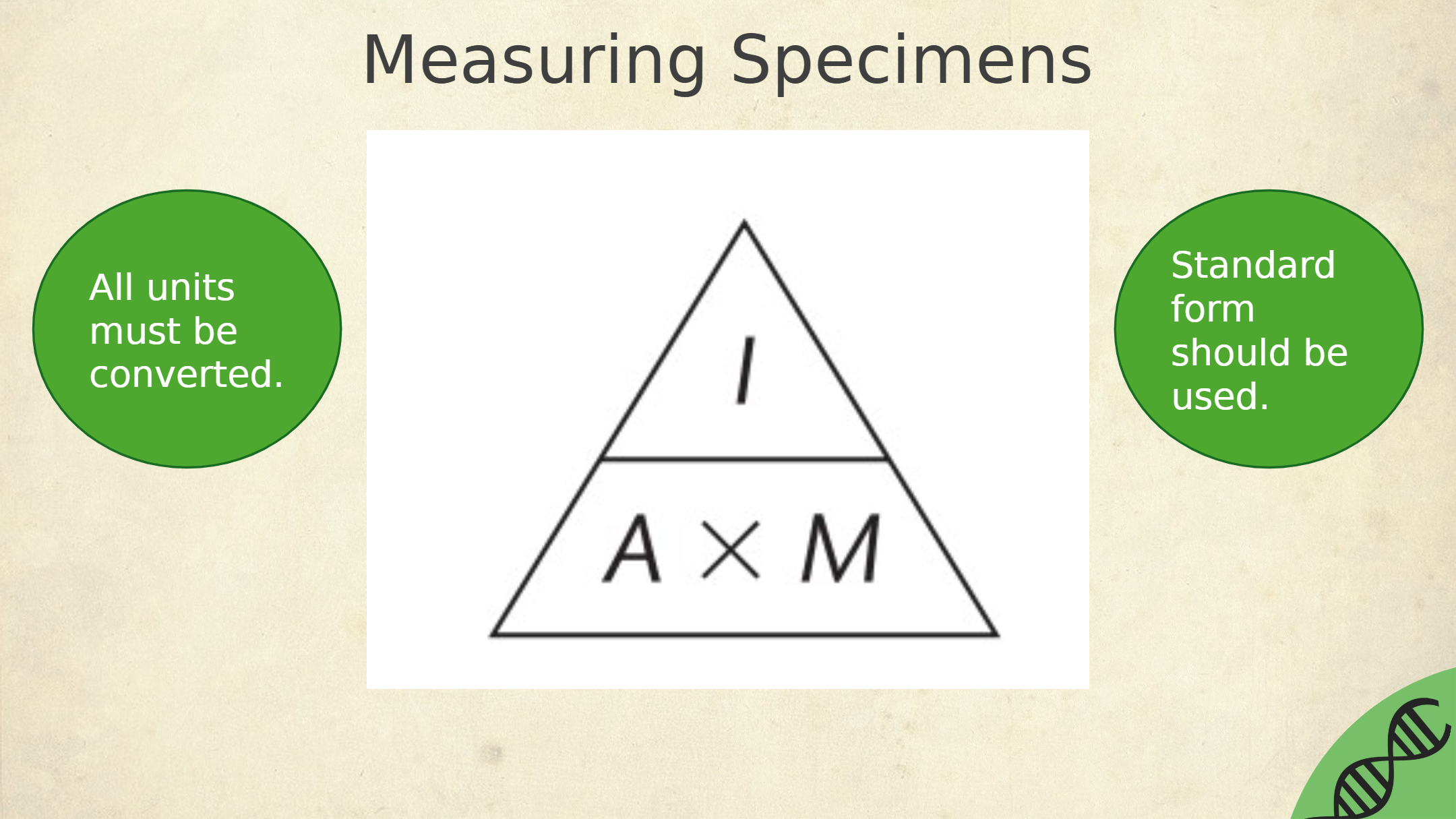
What does the triangle diagram represent in measuring specimens?

1

Image (I)

2

Actual (A)

3

Magnification (M)

4

All of the above

17

media

18

Fill in the Blanks

media image

What cell structure are you looking at?

19

Multiple Choice

Question image

Which of these is the best model of a prokaryotic cell?

1

A

2

B

3

C

4

D

20

Fill in the Blanks

media image

Label _ is likely the Cell Wall.

21

Open Ended

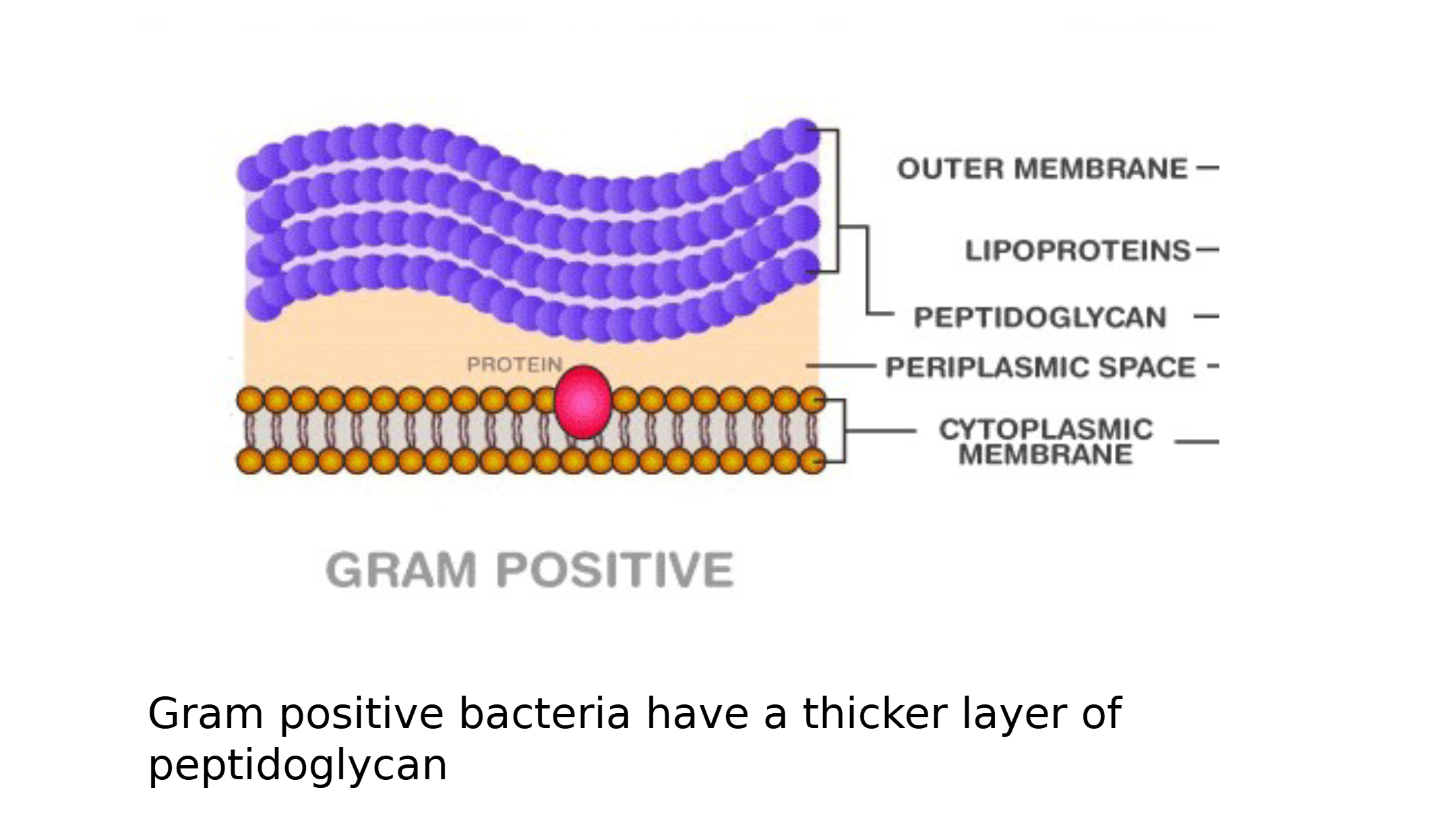
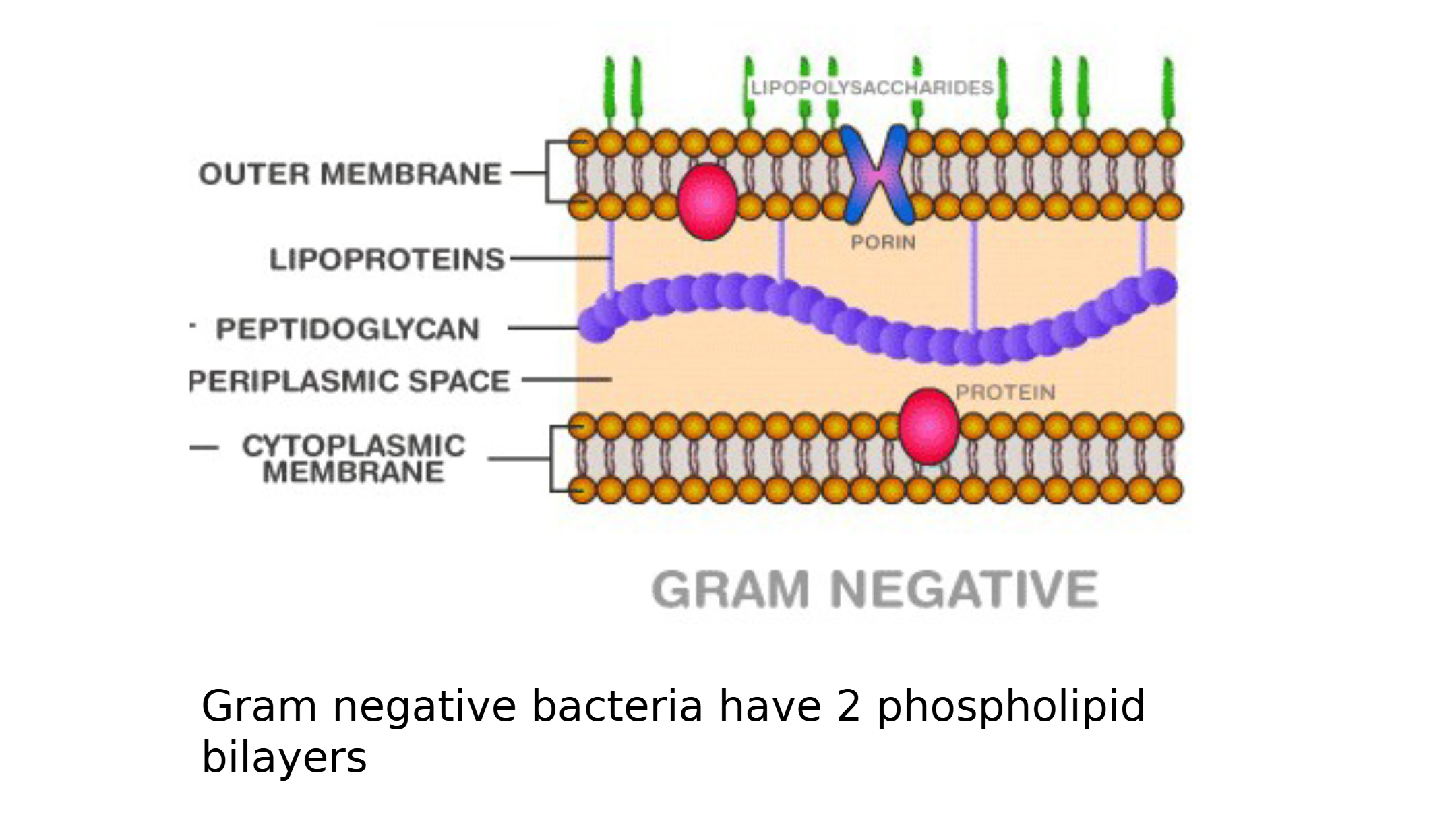
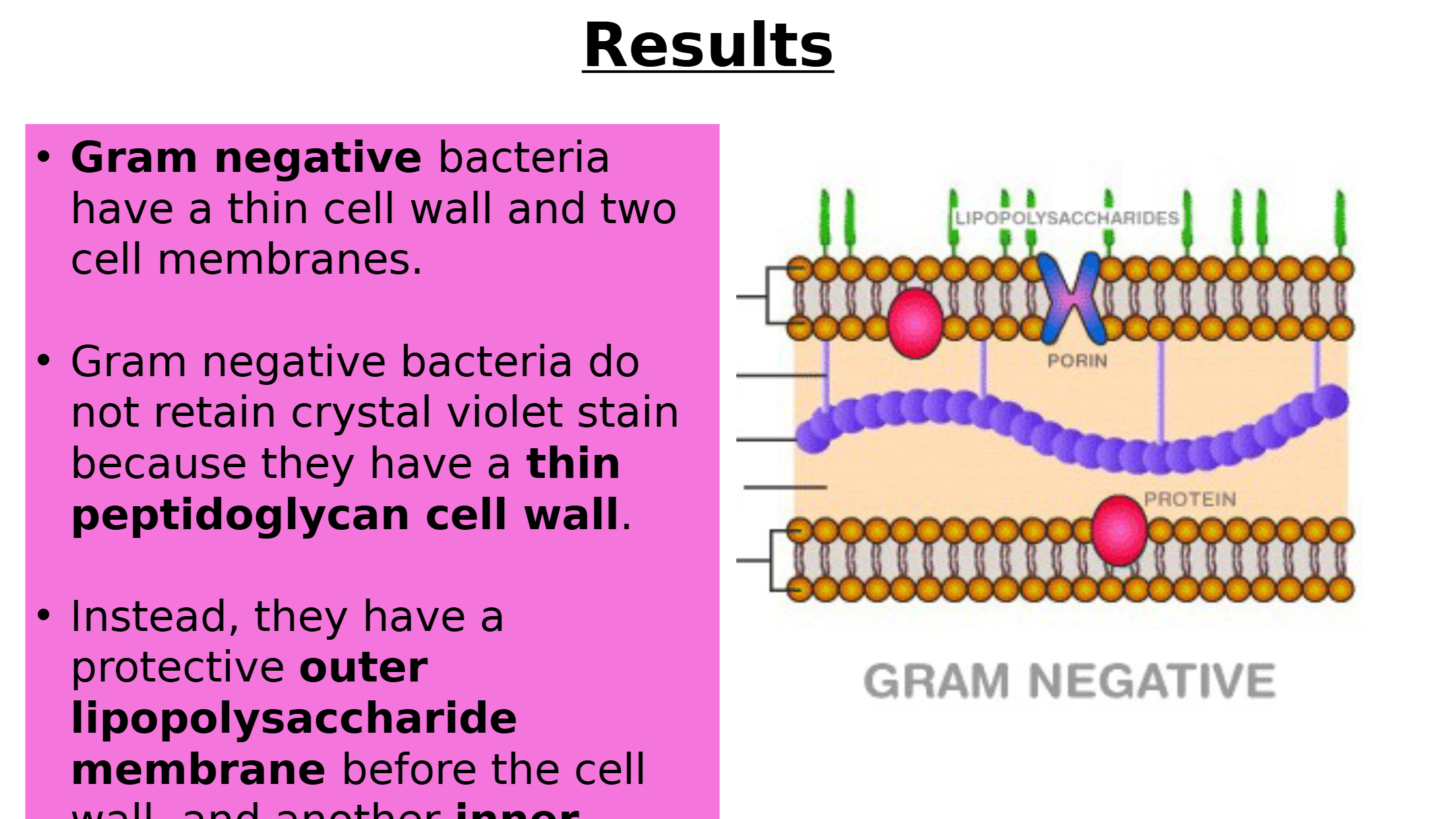
What are 2 structural differences between gram positive and gram negative bacteria?

22

media

23

media

24

Multiple Select

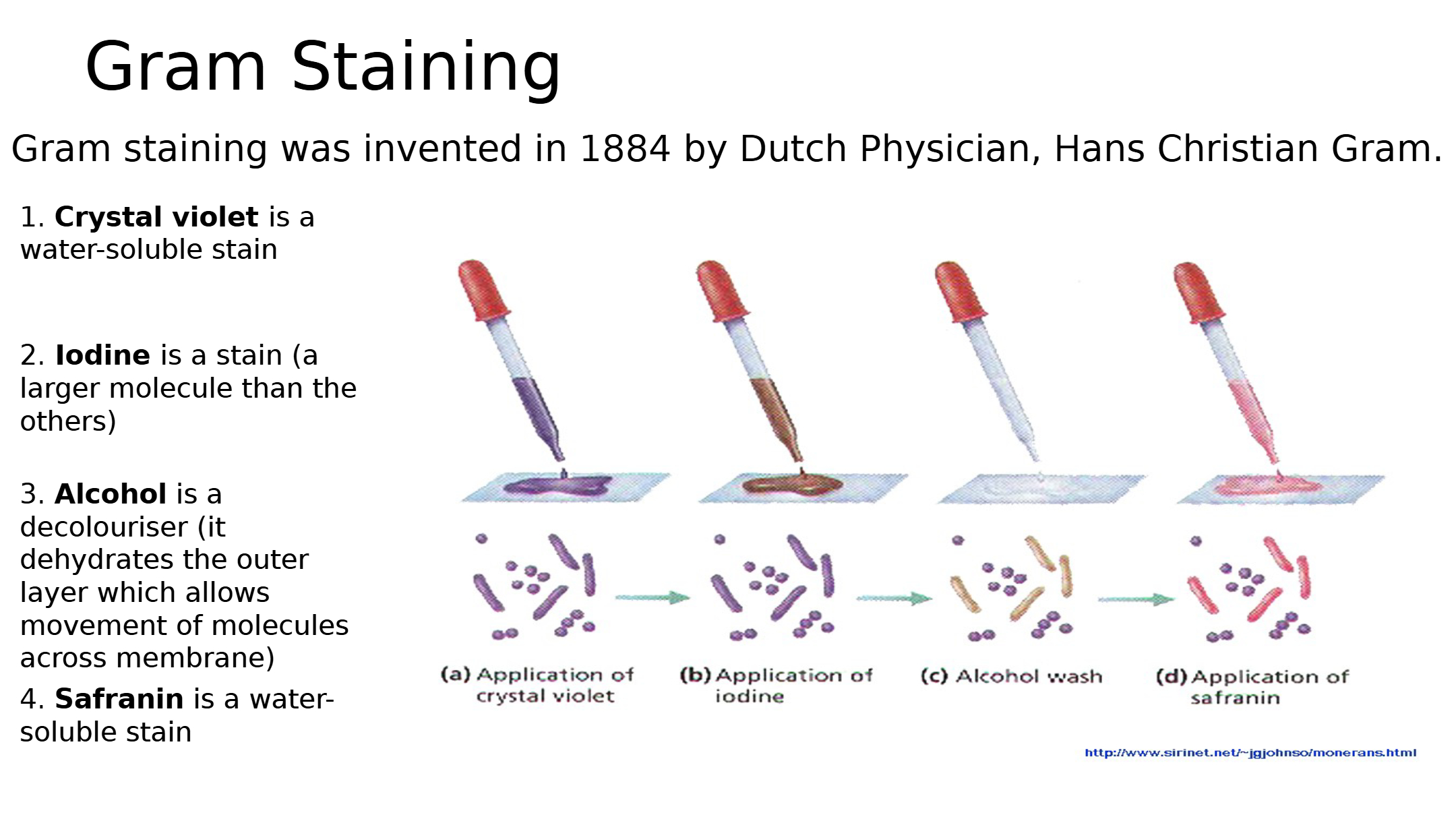
Which of the following are steps in the gram staining process?

1

Application of crystal violet

2

Application of iodine

3

Alcohol wash

4

Application of safranin

25

Open Ended

Which order do they go?

26

media

27

Multiple Choice

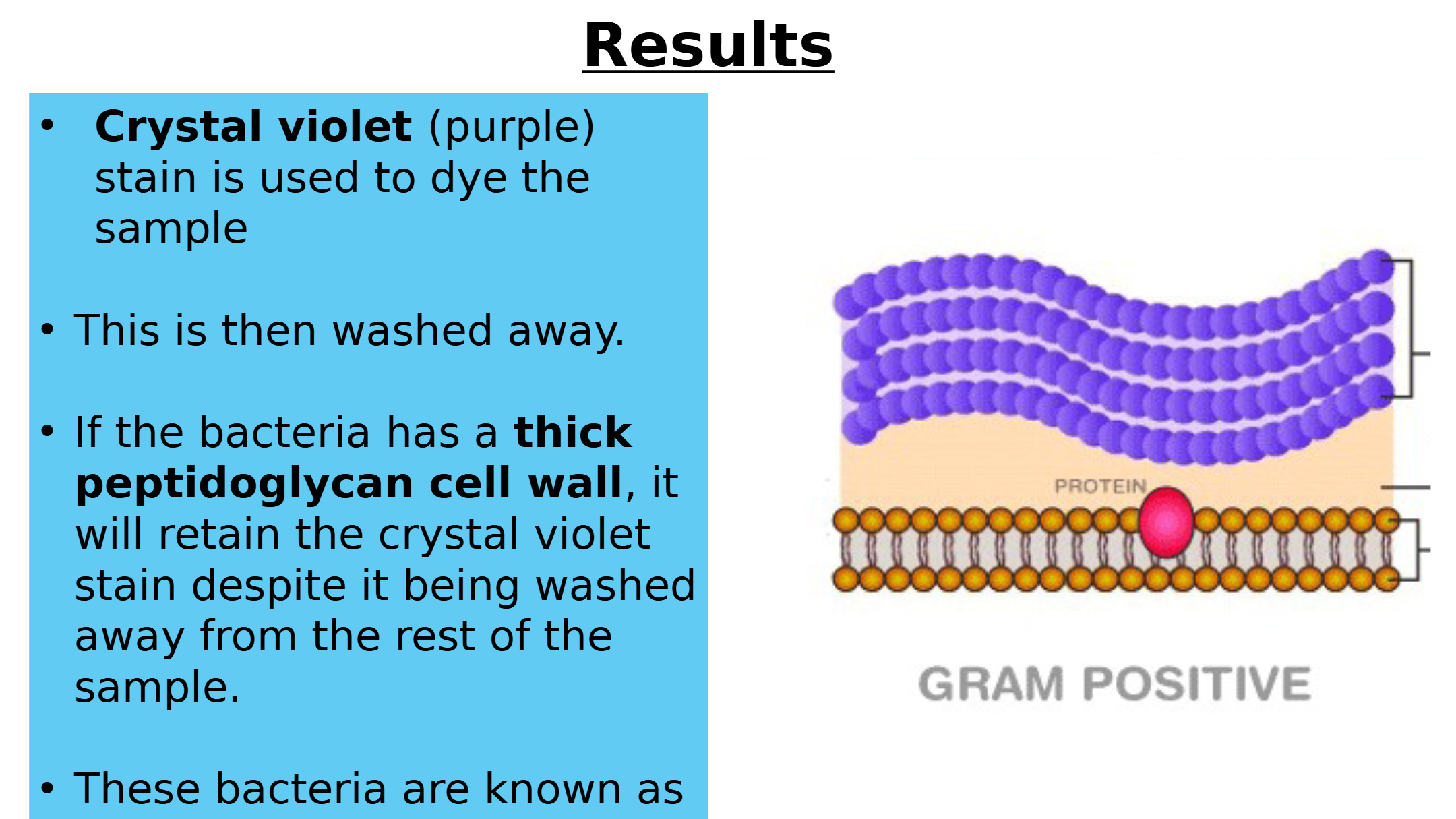
During a gram-stain test- a bacteria dyes purple. This means:

1

It is gram-positive & has a thick cell wall

2

It is gram-negative & has a thick cell wall

3

It is gram-positive & has a thin cell wall

4

It is gram-negative & has a thin cell wall

28

media

29

media

30

Multiple Choice

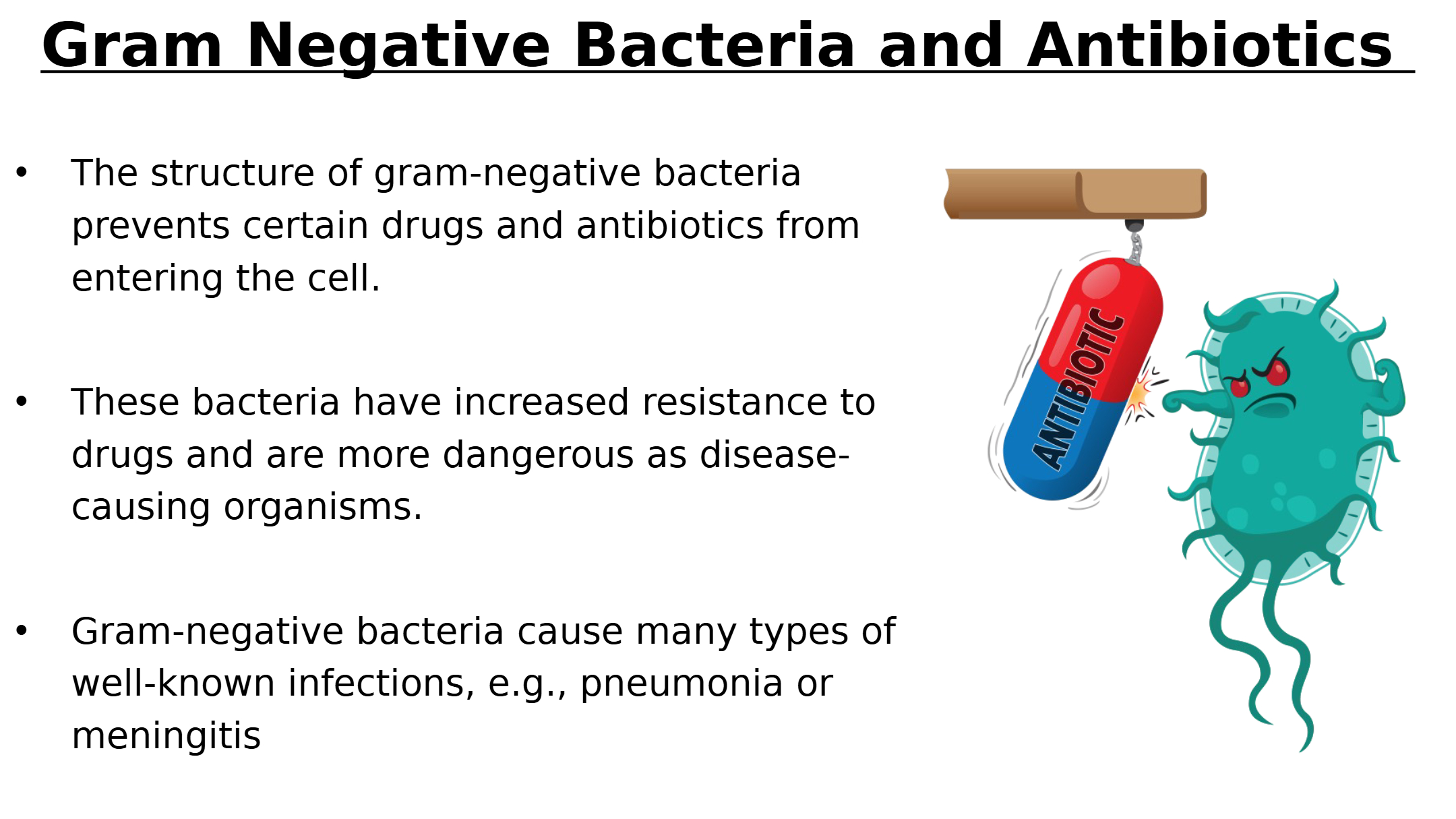
What is the primary reason gram-negative bacteria are resistant to certain drugs and antibiotics?

1

Their double plasma membrane

2

Their size

3

Their reproduction rate

4

Their colour

31

media

32

media

33

media

34

Open Ended

Question image

Each body cell contains the same genetic information, but can differ in appearance and size. The diagram below shows three different types of cells found in the human body.

A. Identify one similarity, other than the genetic information, that these body cells have.

B. Explain why differences in these human body cells are a biological advantage.

35
media

36

Multiple Choice

Question image

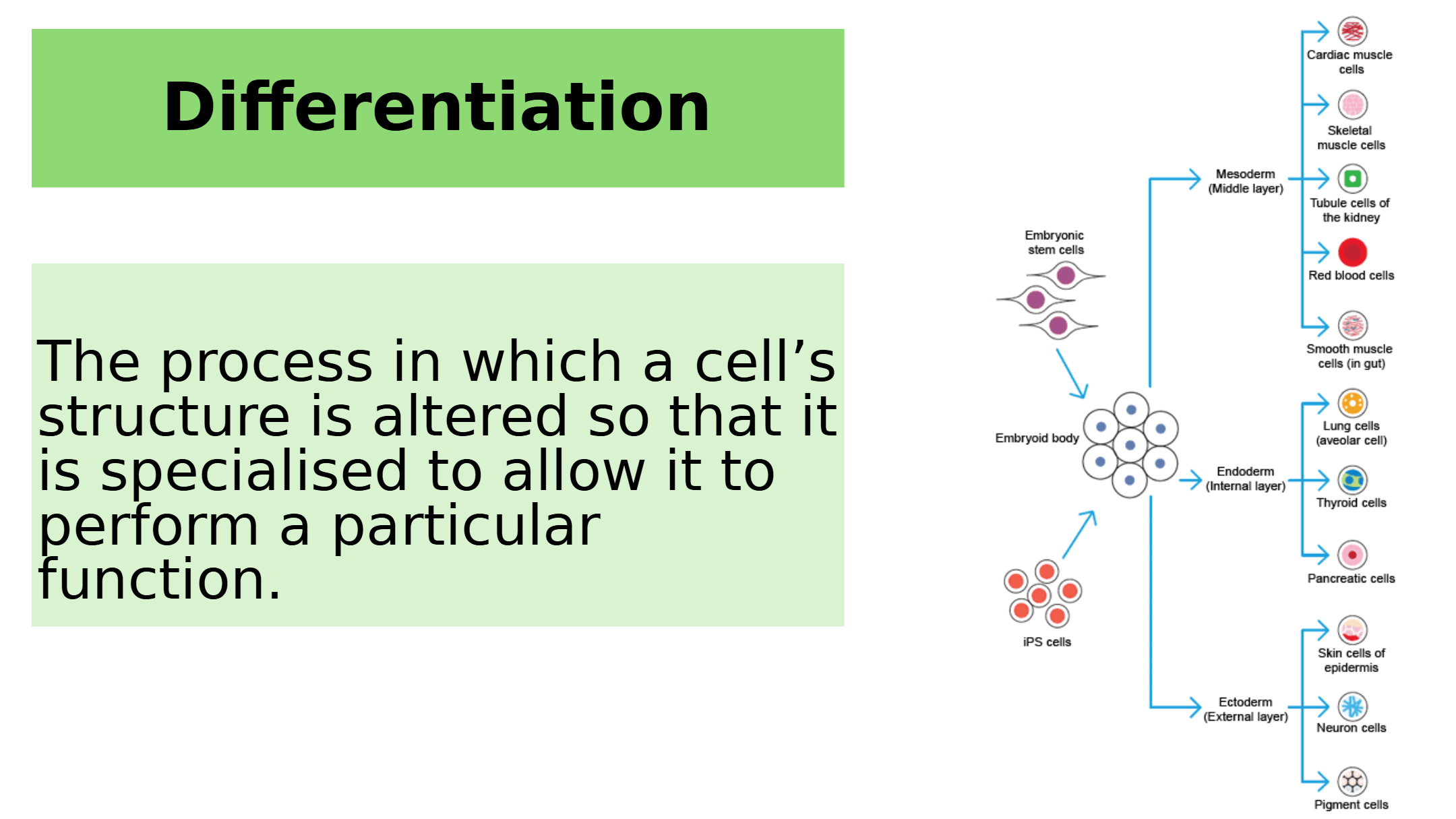
These diagrams show a variety of cells from the same organism.

How can cells from the same organism have such different shapes and functions?

1

As each cell differentiates, the DNA changes so that each type of cell has different

2

Mutations in the cells’ nuclei lead to new combinations of DNA, resulting in different shapes and functions in the different types of cells.

3

During differentiation, different parts of the DNA in each type of cell are activated, resulting in the different structure and function of the cells.

4

During differentiation, different types of cells produce proteins which destroy the nonactive DNA, leading to cell specialization.

37

Open Ended

Question image

If a cell has no nucleus and a cell wall what type of cell would it be: a plant cell, bacterial cell, or animal cell?

38
media

39

Open Ended

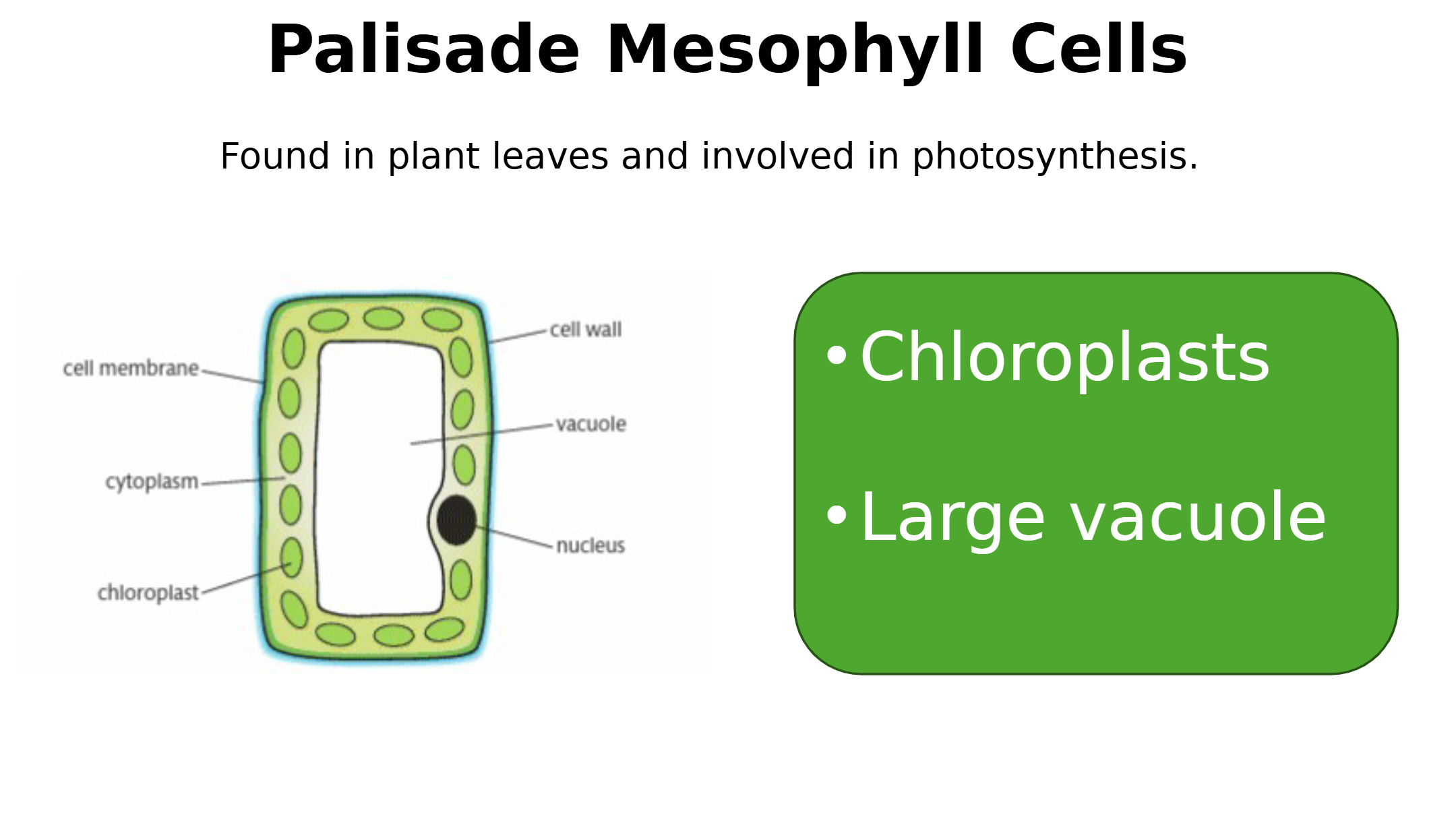
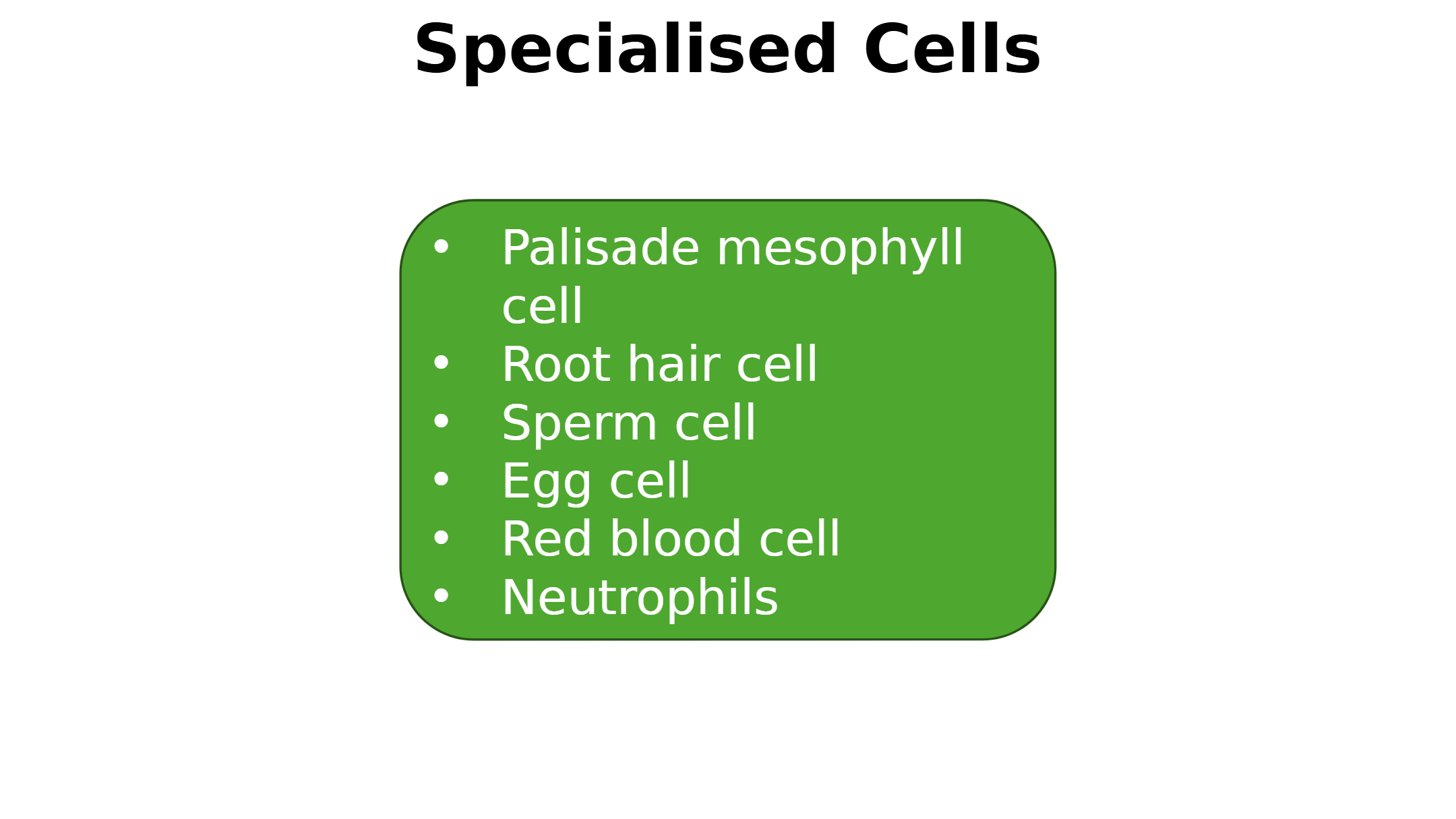
Found in plant leaves and involved in photosynthesis.

40

Open Ended

Name one adaptation of a palisade mesophyll cell and its purpose.

41

Open Ended

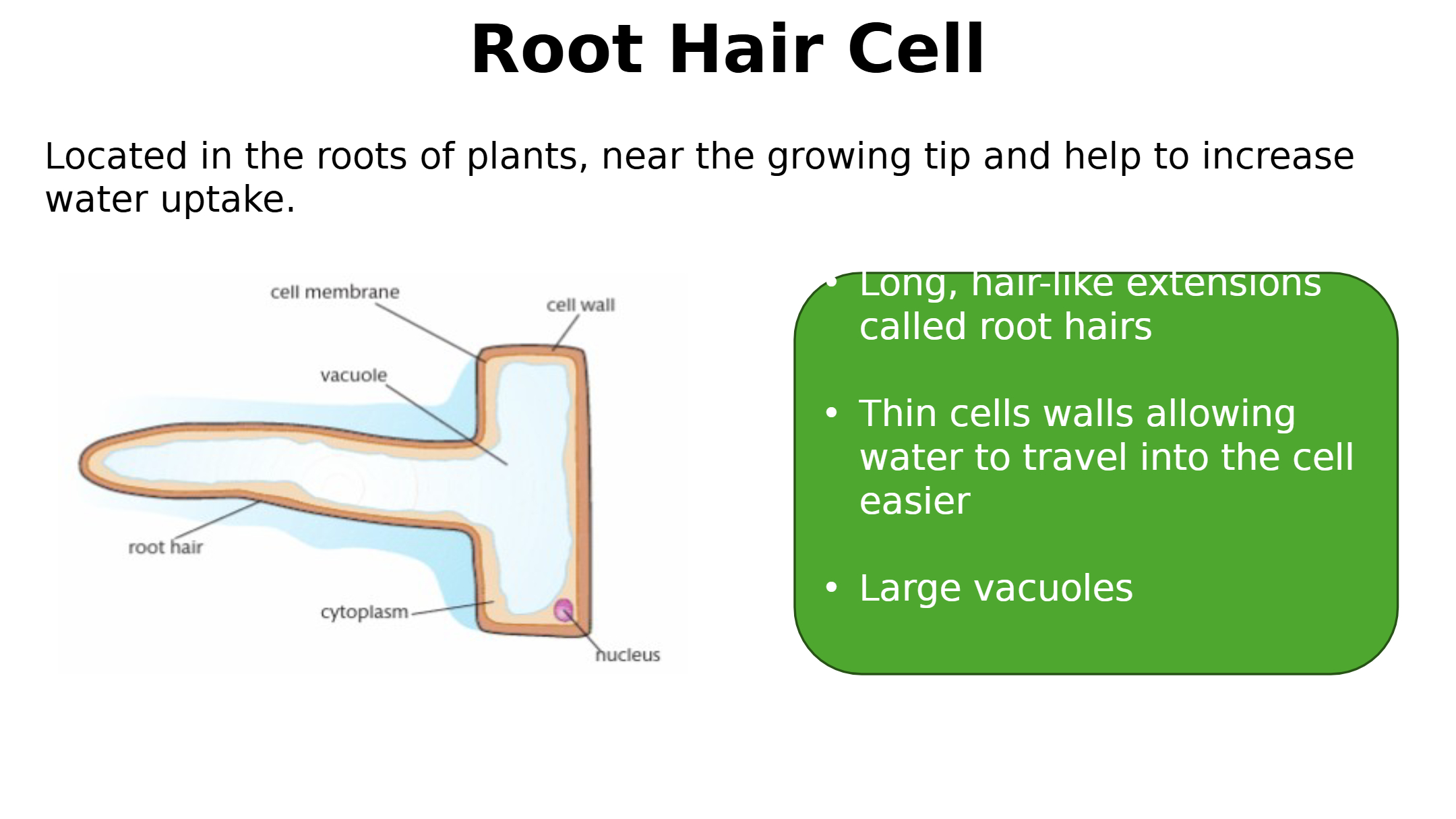
Located in the roots of plants, near the growing tip, and help to increase water uptake.

42

Open Ended

Name one adaptation of a root hair cell and its purpose.

43

Open Ended

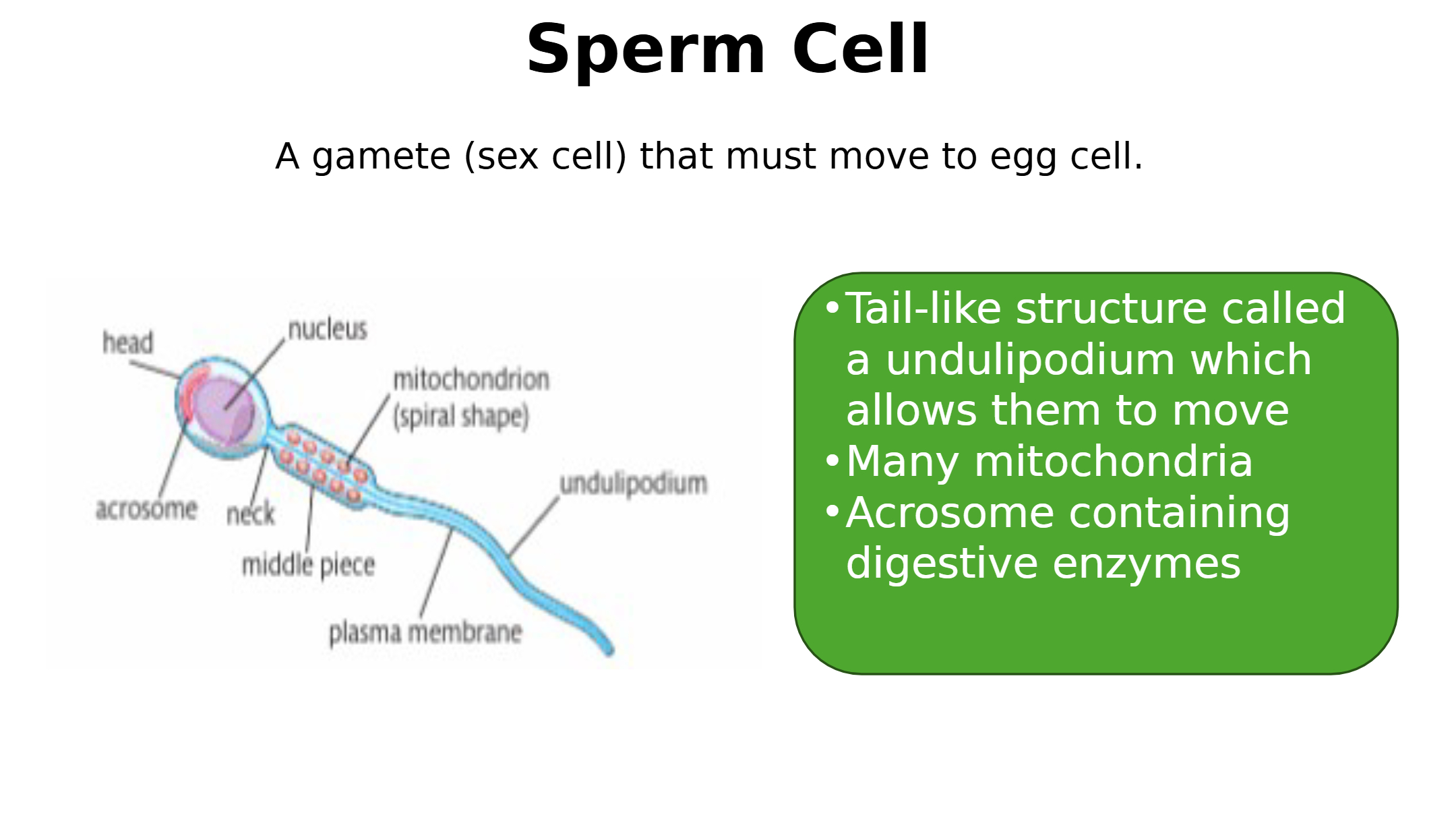
A gamete that moves to the egg cell.

44

Open Ended

Name one adaptation of a sperm cell and its purpose.

45

Open Ended

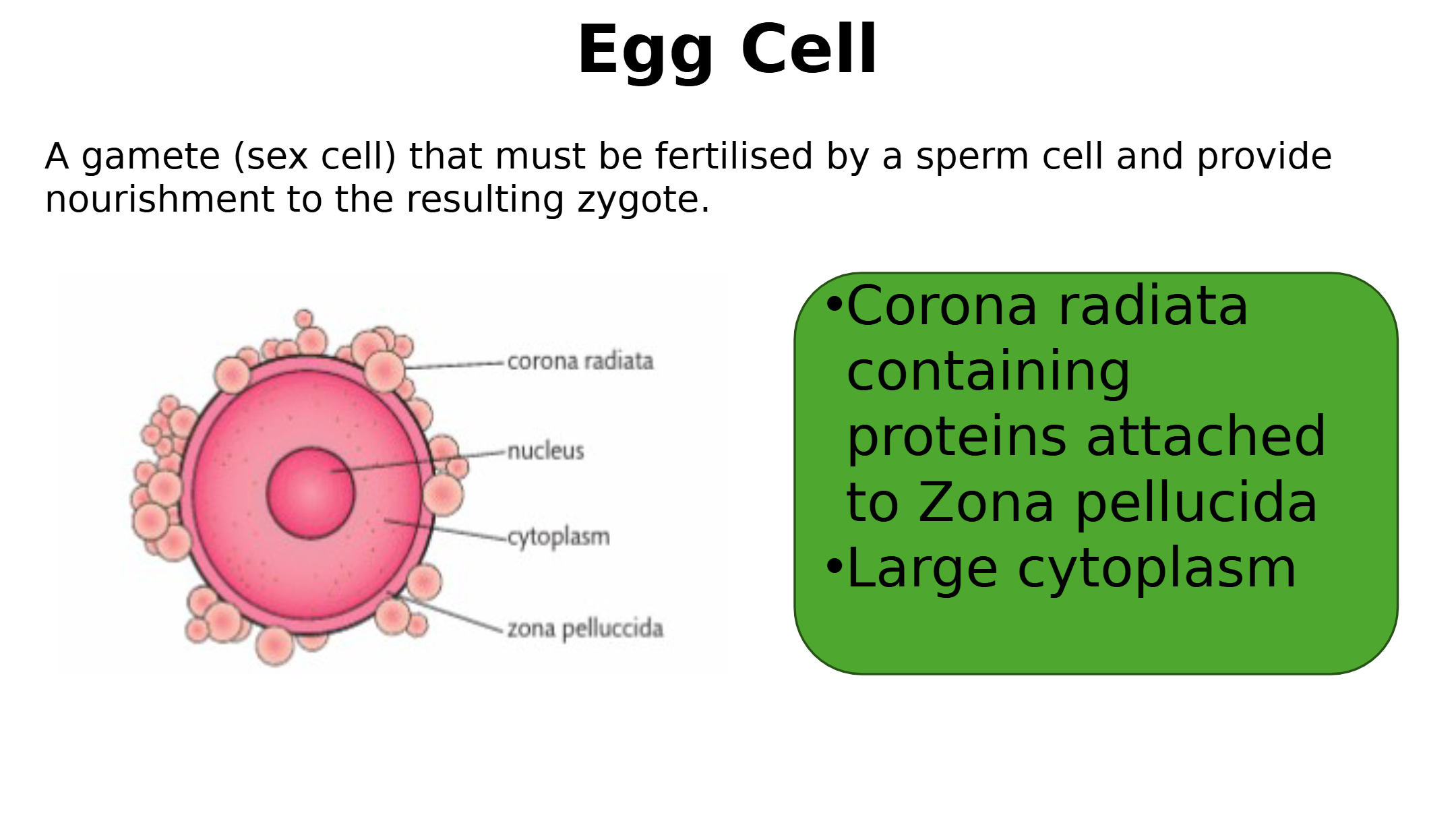
A gamete that is fertilised by a sperm cell and provides nourishment to the resulting zygote.

46

Open Ended

Name one adaptation of an egg cell and its purpose.

47

Open Ended

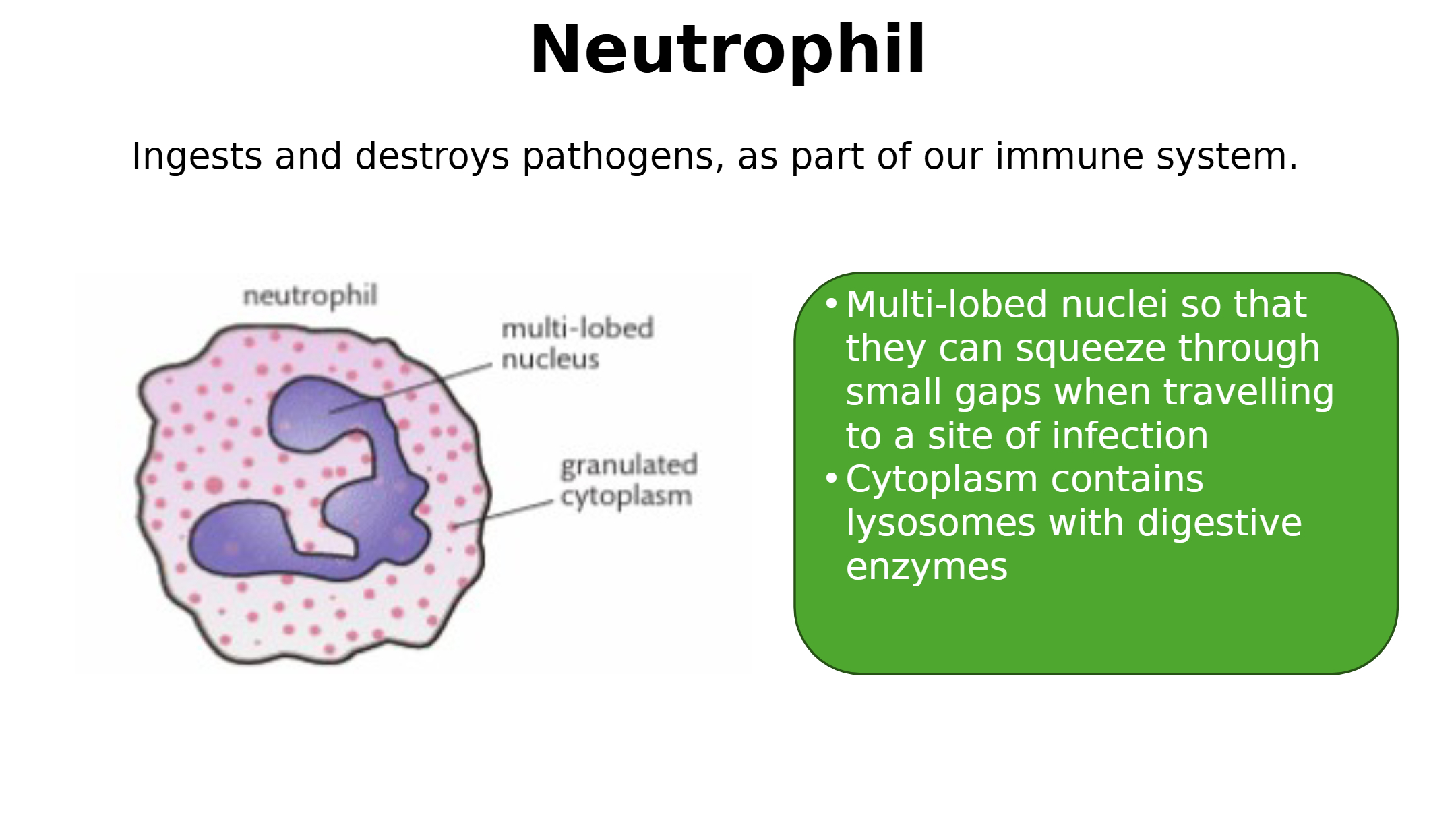
Ingests and destroys pathogens as part of our immune system.

48

Open Ended

Name one adaptation of a neutrophil and its purpose.

49

Open Ended

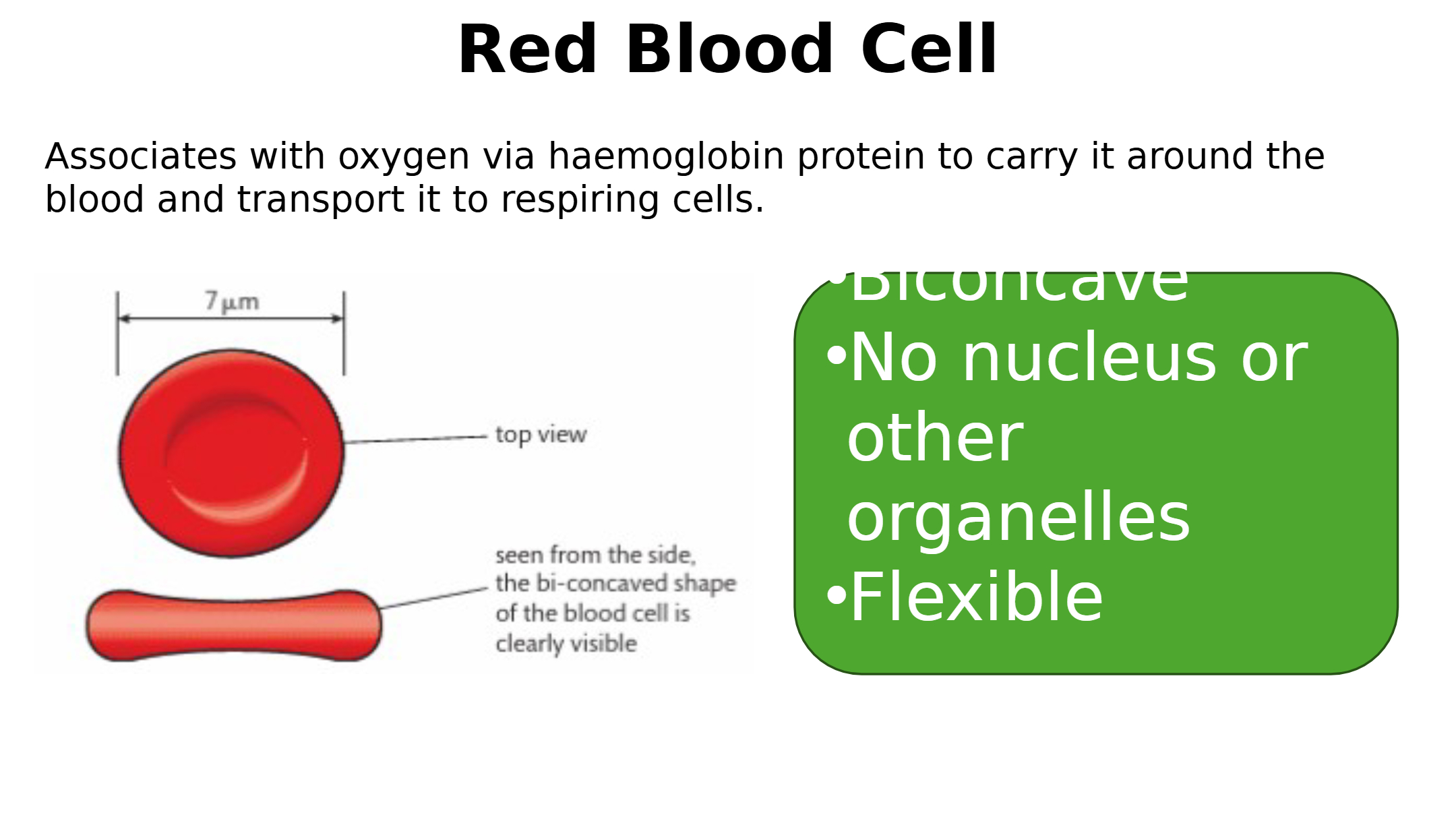
Associates with oxygen via haemoglobin to carry it around the blood and transport it to respiring cells.

50

Open Ended

Name one adaptation of red blood cells and its purpose.

51

media

52

media

53

media

54

media

55

media

56

media

57

Poll

How confident do you feel about this topic now?

Very confident
Somewhat confident
Not confident
pattern-tertiary
media

Show answer

Auto Play

Slide 1 / 57

SLIDE