Classification & Taxonomy Review
Presentation
•
Biology
•
9th - 10th Grade
•
Easy
+4
Standards-aligned
Laura Rodriguez
Used 2+ times
FREE Resource
12 Slides • 35 Questions
1
Classification, Taxonomy & Cladistics Review
By Laura Rodriguez
2
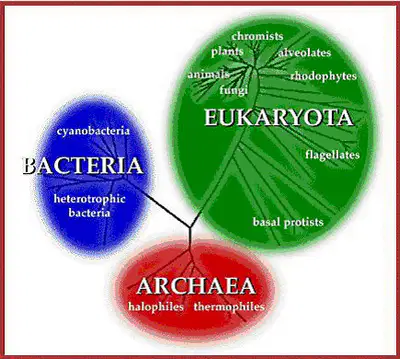
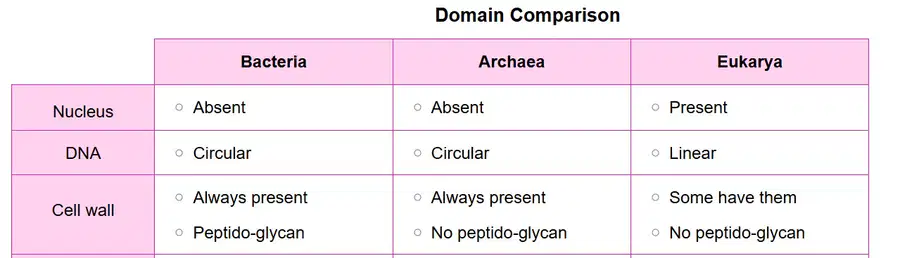
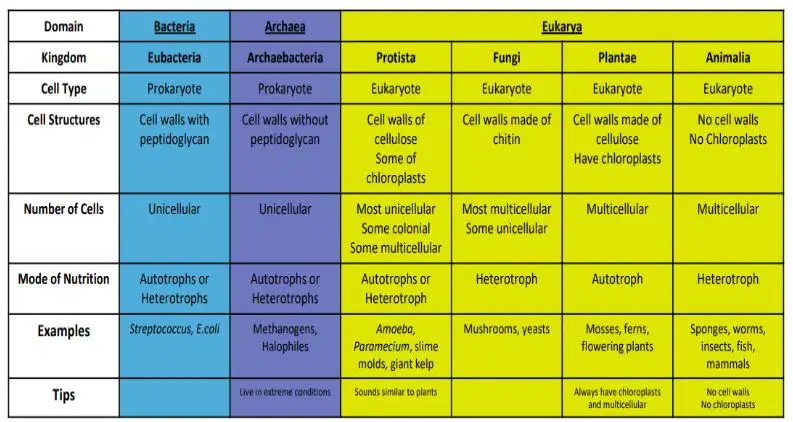
All organisms are divided up into 3 domains
Based on the cell type and the chemical components of the cells.
3 Domains of Life
3
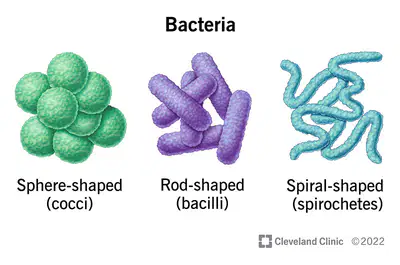
Prokaryotic cells
Kingdom Eubacteria
Includes prokaryotes that are commonly encountered - beneficial and pathogenic.
Domain Bacteria
4
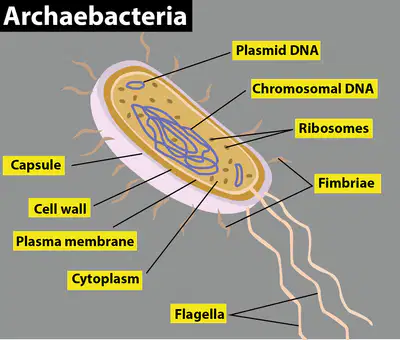
Prokaryotic cells
Kingdom Archaebacteria
Includes prokaryotes that are extremophiles (thermophiles, halophiles, methanogens)
Domain Archaea
5
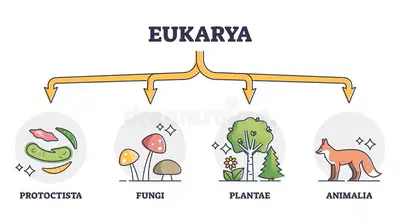
Eukaryotic cells
Kingdoms: Protista, Fungi, Plantae, Animalia
Domain Eukarya
6
All life used to be divided into prokaryotic and eukaryotic cells, but molecular analysis of the cell walls of prokaryotes led to the organization of prokaryotes into the domains Bacteria & Archaea.
7
Multiple Choice
Streptococcus pyogens is a bacteria that spreads through airborne droplets when someone with the infection coughs or sneezes. Which kingdom is this bacteria in?
Archaebacteria
Protista
Eubacteria
Fungi
8
Multiple Choice
Halophiles are organisms that are able to grow and live in extreme salty environments. Which DOMAIN are halophiles in?
archaebacteria
archaea
bacteria
eubacteria
9
Multiple Choice
10
Multiple Choice
11
Match
Match the following domains with their characteristics.
Bacteria
Archaea
Eukarya
Single-celled organisms without a nucleus, often found in diverse environments.
Single-celled organisms without a nucleus, often found in extreme environments.
Organisms with cells that contain a nucleus and organelles.
Single-celled organisms without a nucleus, often found in diverse environments.
Single-celled organisms without a nucleus, often found in extreme environments.
Organisms with cells that contain a nucleus and organelles.
12
Match
Match the following domains with the environments they are typically found in.
Bacteria
Archaea
Eukarya
Found in diverse environments including soil, water, and human bodies
Thrives in extreme environments such as volcanic hot springs
Includes organisms like plants, animals, and fungi
Found in diverse environments including soil, water, and human bodies
Thrives in extreme environments such as volcanic hot springs
Includes organisms like plants, animals, and fungi
13
Multiple Select
Which FOUR of the following belong to the Domain Eukarya?
Protista
Plantae
Animalia
Fungi
Bacteria
14
Multiple Choice
This animal is a unicellular, prokaryote autotroph that lives in Yellowstone hot springs. The hot springs can reach up to 200 degrees Fahrenheit. This organism belongs to the Domain __.
Eukarya
Bacteria
Archaea
15
Multiple Select
Which TWO domains are composed of only unicellular organisms?
Eukarya
Archaea
Bacteria
16
Multiple Choice
Which domain contains organisms with a nucleus?
Eukarya
Archaea
Bacteria
17
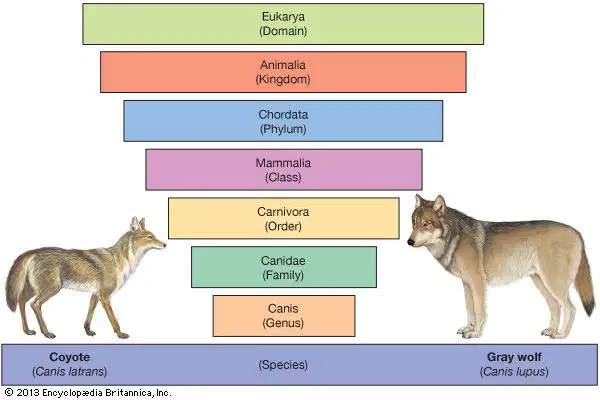
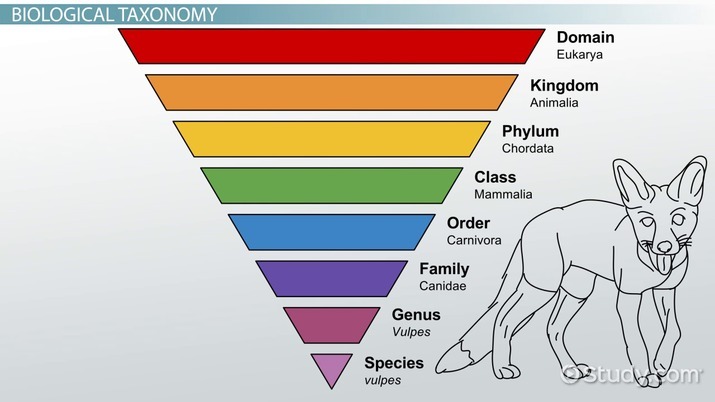
Taxonomy
Broadest Category - organisms not closely related
18
19
20
Multiple Choice
Protista are there own kingdom because they have characteristics of
Just plants
Plants and animals
Fungi
Plants, animals or fungi
21
Multiple Choice
One characteristic of the plant kingdom include
Their cell walls are made of cellulose
They are green
They are the only ones to do photosynthesis
They require water to grow
22
Multiple Choice
The most specific term when classifying organisms is
Genus
Class
Family
Species
23
Multiple Choice
24
Multiple Choice
25
Match
Match the vocab word to the correct description.
3 groups of living things
Simple cell with no nucleus
Complex cell with a nucleus
Organism that harnesses its own energy
Organisms that get their energy from other organisms
Domains
Prokaryotic Cell
Eukaryotic Cell
Autotroph
Heterotroph
Domains
Prokaryotic Cell
Eukaryotic Cell
Autotroph
Heterotroph
26
Multiple Choice
This organism lives in the rainforest and is unicellular with a nucleus. It is heterotrophic and found in rainwater trapped in leaves.
Domain Eukarya, Kingdom Protista
Domain Eukarya, Kingdom Fungi
Domain Archaea, Kingdom Archaea
Domain Bacteria, Kingdom Bacteria
27
Multiple Choice
What is the role of fungi in ecosystems?
Fungi produce oxygen for plants.
Fungi decompose organic matter, recycling nutrients back into the ecosystem.
Fungi are primary producers in food chains.
Fungi cause diseases in plants and animals.
28
Multiple Choice
What type of organisms are found in the kingdom Plantae?
Unicellular, prokaryotic organisms that perform photosynthesis.
Multicellular, eukaryotic organisms that perform photosynthesis.
Multicellular, prokaryotic organisms that absorb nutrients.
Unicellular, eukaryotic organisms that perform chemosynthesis.
29
Multiple Choice
Multicellular organism with cell walls made of chitin found growing on a decomposing manure pile.
30
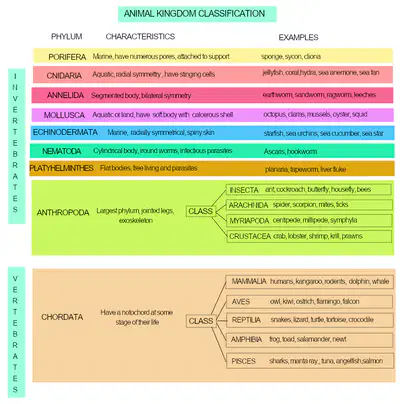
Need to recognize characteristics of the different phyla and classes in the Animal Kingdom
31
Multiple Choice
Which of the following sets of animals would be the most closely related?
Animals in the same order
Animals in the same genus
Animals in the same class
Animals in the same family
32
Multiple Choice
Which of the following groups of vertebrates would contain the least related animals?
Vertebrates in the same genus
Vertebrates in the same species
Vertebrates in the same class
Vertebrates in the same family
33
Multiple Choice
34
Multiple Choice
An animal without a backbone
chirdate
vertebrate
spina corda
invertebrate
35
Match
Cnidarian
Arthropod
Annelid
Mollusk
Chordate
Cnidarian
Arthropod
Annelid
Mollusk
Chordate
36
Multiple Choice
An imaginary line that can bisect an animal into right and left parts is an example of ___
asymmetry
symmetry
bilateral symmetry
radial symmetry
37
Multiple Choice
Organisms with radial symmetry...
can be divided into left and right
can be divided into wedges, like a pizza
have no order or divisions to their shape
38
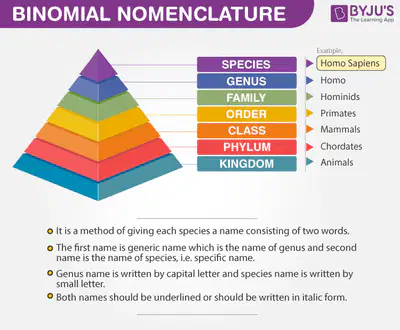
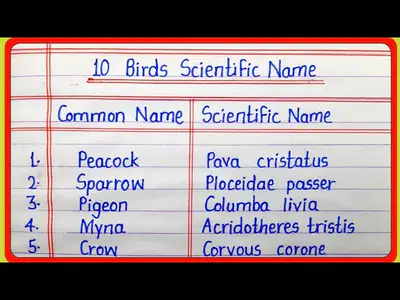
How Organisms are Named
39
Multiple Choice
The American lobster (Homarus americanus) is most closely related to which of the following organisms?
Cape lobster (Homarinus capensis)
Common lobster (Homarus gammarus)
Patagonian lobsterette (Thymops birsteini)
Scarlett clawed lobster (Nephropsis atlantica)
40
Multiple Choice
Black panthers (Panthera onca) are a color variant of a species of large cats. Black panthers would be most closely related to what organism listed below?
Tiger (Panthera tigris)
Cheetah (Acinonyx jubatus)
Puma (Puma concolor)
41
Multiple Choice
Which of the following pairs of organisms from the table shown to the left would be the most closely related?
Desert iguana and Box turtle
Chuckwalla and Bush anole
Box turtle and Bush anole
Desert iguana and Chuchwalla
42
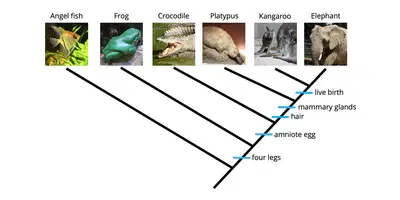
Showing Relationships
43
Multiple Choice
Who is most closely related to Taxidea taxus?
Lutra lutra
Panthera pardus
Canis latrans
Canis lupus
44
Multiple Choice
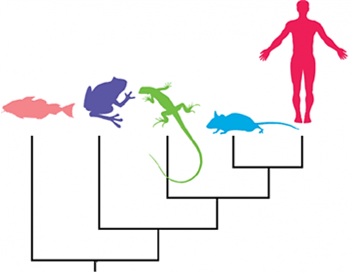
According to this phylogenetic tree, which creature is the least related out of all pictured?
Fish
Frog
Salamander
Human
45
Multiple Choice
Which trait (adaptation) was developed most recently?
tetrapod limbs
feathers
amnion
They developed at the same time
46
Hotspot
Which numbered location on the phylogenetic tree identifies characteristics shared by Species B, C, and D?
47
Multiple Choice
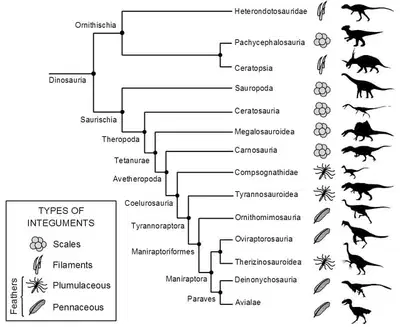
Which group of animals on this tree are most closely related to birds?
Saurischian dinosaurs
Ornithischian dinosaurs
Crocodiles
None of these are related to birds
Classification, Taxonomy & Cladistics Review
By Laura Rodriguez
Show answer
Auto Play
Slide 1 / 47
SLIDE

Similar Resources on Wayground
42 questions
All About Venn Diagrams
Presentation
•
10th Grade
43 questions
Genetic Technologies
Presentation
•
9th - 10th Grade
40 questions
Cell terms part 1
Presentation
•
9th - 10th Grade
39 questions
Genetics terms part 1
Presentation
•
9th - 10th Grade
40 questions
Cell terms part 2
Presentation
•
9th - 11th Grade
38 questions
2023 EOC Review - Day 1 - Plant / Animal Body Systems
Presentation
•
9th - 10th Grade
38 questions
Taxonomy and Three Domains
Presentation
•
9th Grade
38 questions
Photosynthesis and Respiration in Detail 22-23
Presentation
•
9th - 10th Grade
Popular Resources on Wayground
24 questions
PBIS-HGMS Day 10
Quiz
•
6th - 8th Grade
10 questions
HCS SCI 03 Summer School Review 3
Quiz
•
3rd Grade
11 questions
Home Scope
Quiz
•
7th - 8th Grade
15 questions
HCS SCI 05 Summer School Assessment 3 Review
Quiz
•
5th Grade
35 questions
Lufkin Road Middle School Student Handbook & Policies Assessment
Quiz
•
7th Grade
18 questions
Geo 11.3 Area of Circles and Sectors
Quiz
•
9th - 11th Grade