Search Header Logo
History of Electronic Music - Part 1

History of Electronic Music - Part 1

Assessment

Presentation

Arts

9th - 12th Grade

Practice Problem

Easy

Created by

K Groves

Used 4+ times

FREE Resource

30 Slides • 27 Questions

1

media

2

media

3

Poll

Question image

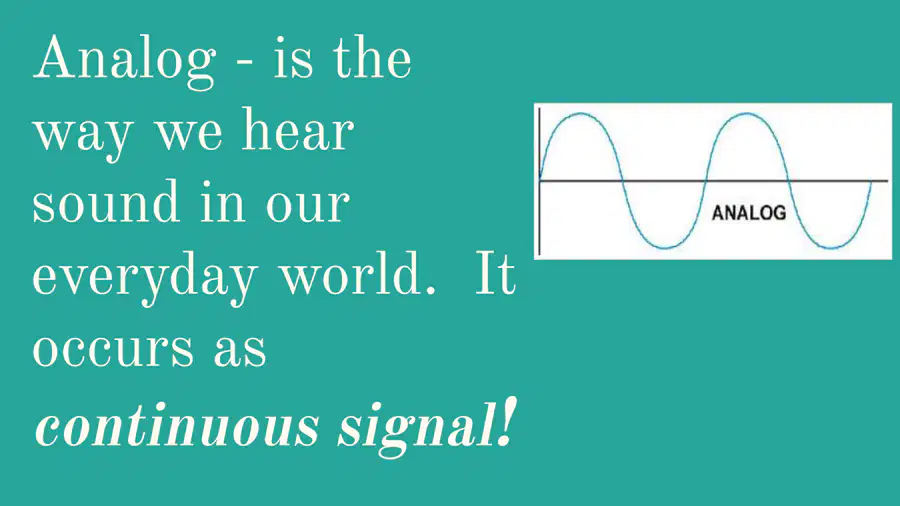
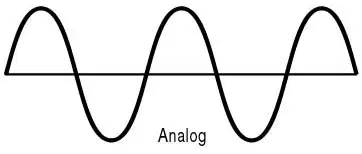
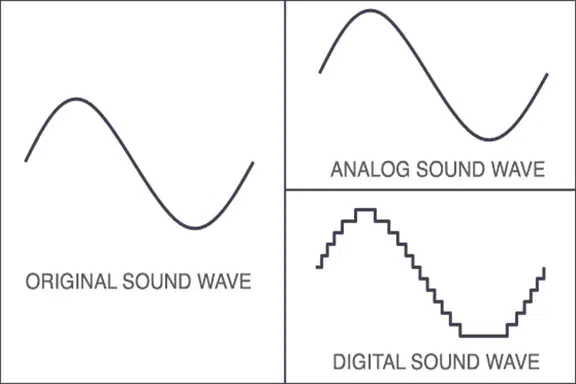
Why is the concept of analog sound important in the history of music technology?

¿Por qué es importante el concepto de sonido analógico en la historia de la tecnología musical?

It allows for digital manipulation of sound

It represents the way sound is naturally heard and recorded before digital technology

It is only used in modern music production

It is unrelated to music technology

4

media

5

media

6

Open Ended

Question image

How do you think the transition from analog to digital technology has impacted the way we experience music?

¿Cómo crees que la transición de la tecnología analógica a la digital ha impactado la forma en que experimentamos la música?

7

Multiple Choice

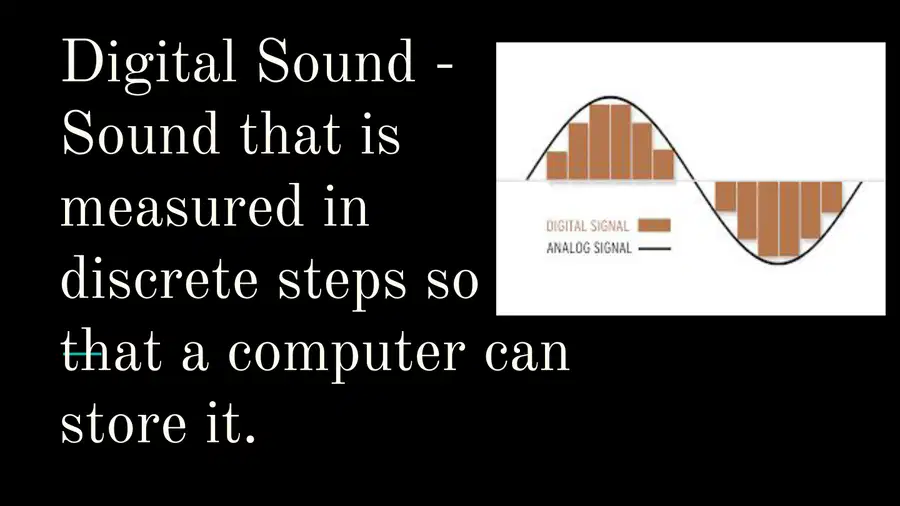
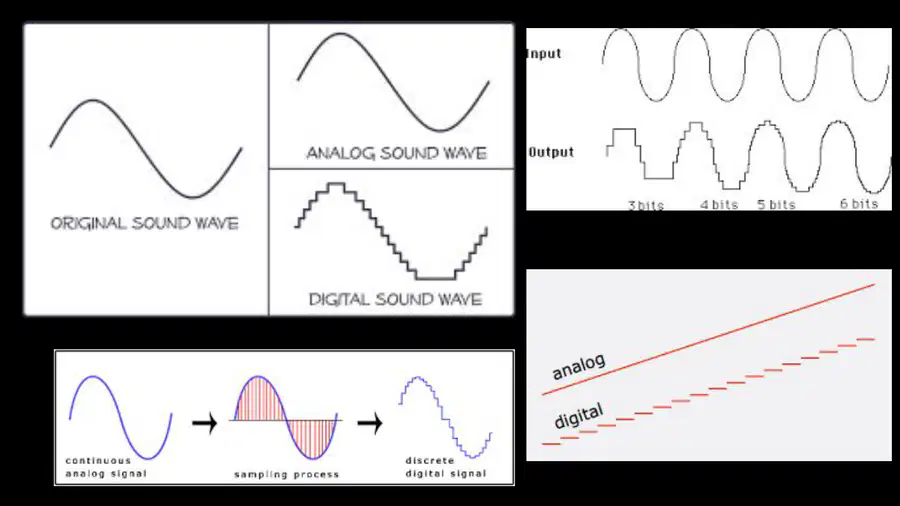
Which statement best describes the difference between analog and digital sound waves as shown in the diagrams?

¿Qué afirmación describe mejor la diferencia entre las ondas sonoras analógicas y digitales, tal como se muestra en los diagramas?

1

Analog sound waves are continuous, while digital sound waves are measured in discrete steps.

2

Analog sound waves are measured in bits, while digital sound waves are continuous.

3

Digital sound waves are smoother than analog sound waves.

4

Digital sound waves cannot be stored by computers.

8

media

9

Multiple Choice

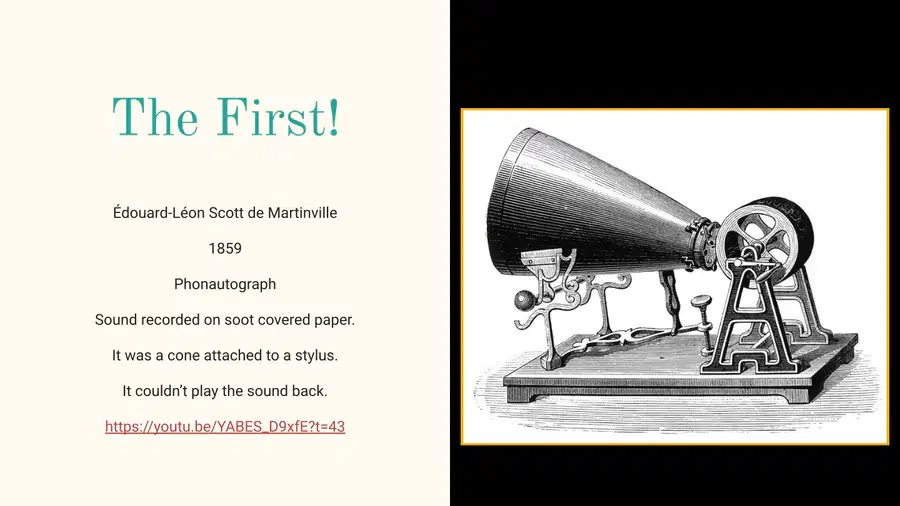
The first device to record sound was the ___, invented by Édouard-Léon Scott de Martinville.

El primer dispositivo para grabar sonido fue el ___, inventado por Édouard-Léon Scott de Martinville.

1
phonautograph
2

digital

3

analog

4

telharmonium

10

media

11

12

13

Multiple Choice

Which of the following features distinguished Thomas Edison's tinfoil phonograph from the earlier phonautograph?

1

It could play back recorded sound.

2

It used a cone attached to a stylus.

3

It recorded sound on soot-covered paper.

4

It was invented in the 19th century.

14

Reorder

Each of these were materials used for recording audio in the 19th century. Put them in order from earliest to latest.

Cada uno de estos materiales se utilizaba para grabar audio en el siglo XIX. Ordénelos de más antiguo a más reciente.

Soot-Covered Paper

Tin foil

Wax Disc

1
2
3

15

media

16

media

17

Multiple Choice

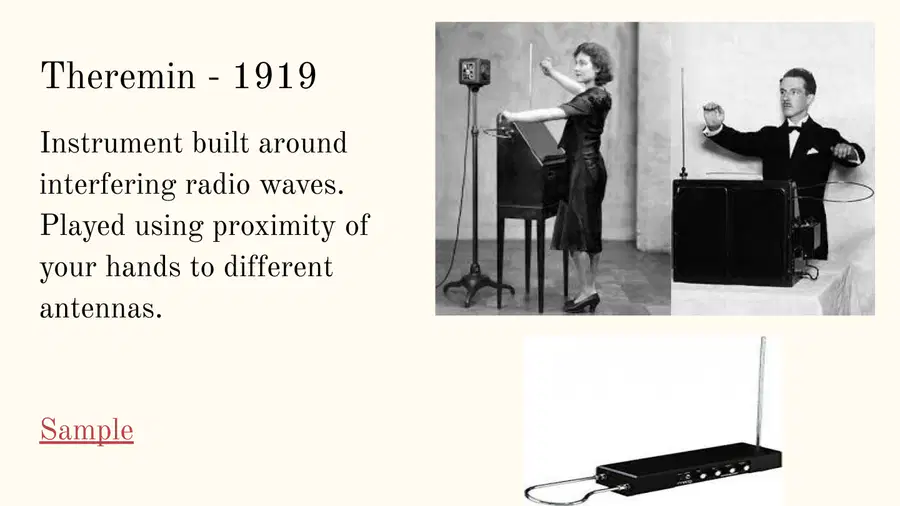
Which of the following statements about the Theremin is correct?

1

It is played by touching keys.

2

It uses interfering radio waves to produce sound.

3

It was invented in 1897.

4

It records sound onto a wax disc.

18

19

Now, we will go in to Logic and find/create a Theramin sound!

20

media

21

Multiple Choice

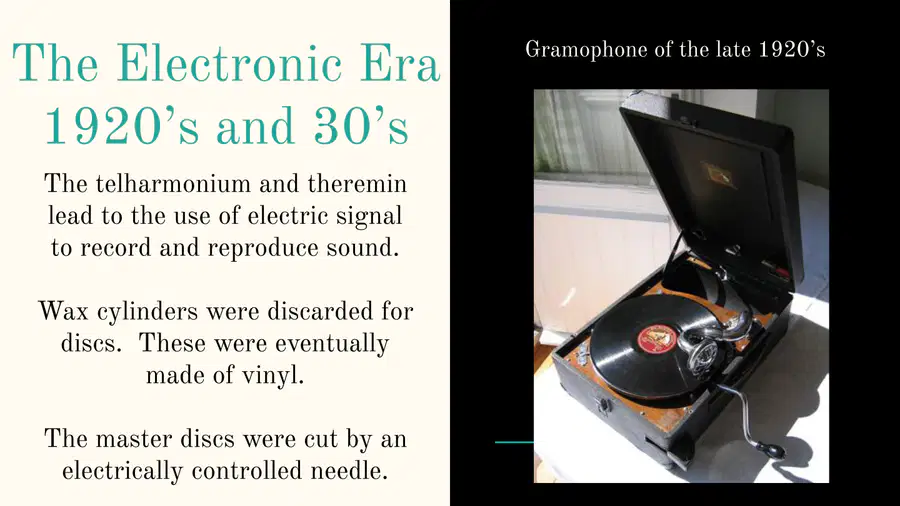
Which technological advancement in the 1920s and 1930s led to the use of electric signals to record and reproduce sound?

¿Qué avance tecnológico de las décadas de 1920 y 1930 permitió el uso de señales eléctricas para grabar y reproducir sonido?

1

The invention of the gramophone

2

The development of magnetic tape

3

The telharmonium and theremin

4

The creation of the electric guitar

22

media

23

Open Ended

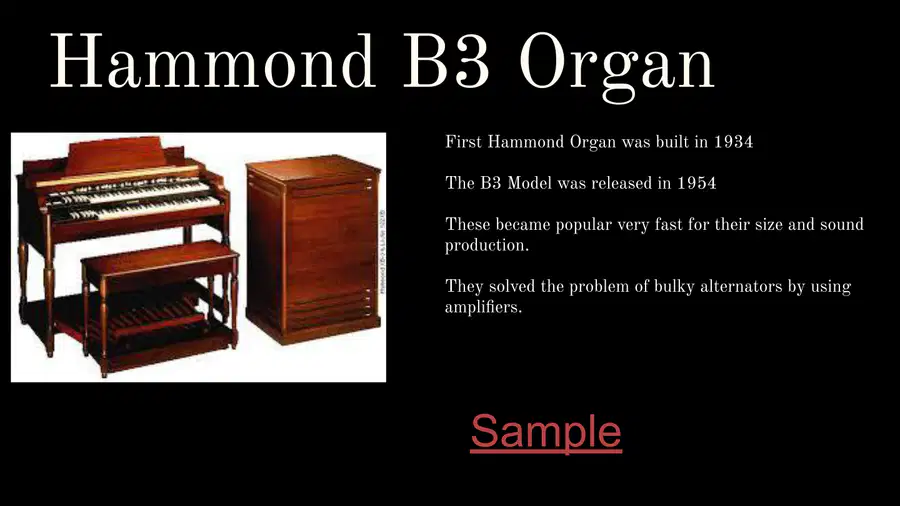
Explain how the Hammond B3 Organ solved the problem of bulky alternators in sound production.

24

media

25

Multiple Choice

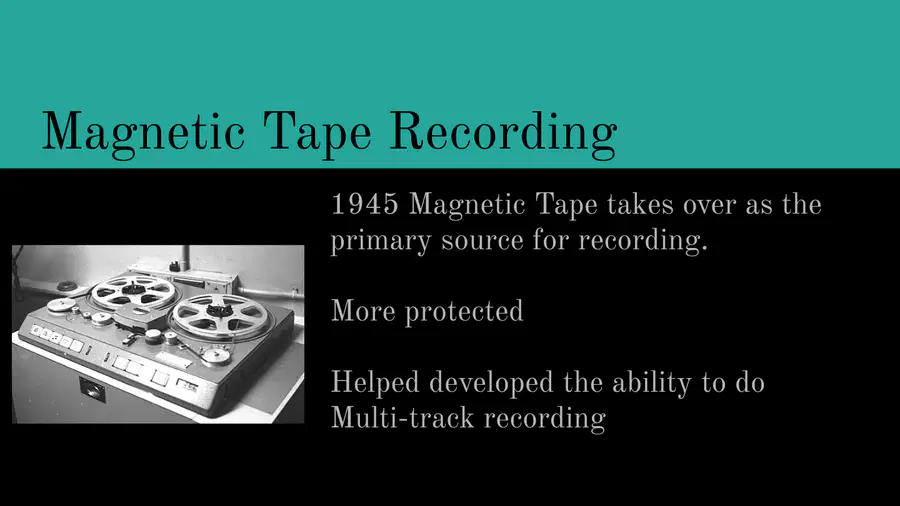
What were two major benefits of magnetic tape recording introduced in 1945?

1

It was cheaper and lighter

2

It was more protected and enabled multi-track recording

3

It produced higher sound quality and was easier to store

4

It was easier to manufacture and more durable

26

media

27

Fill in the Blanks

Type answer...

28

media

29

Open Ended

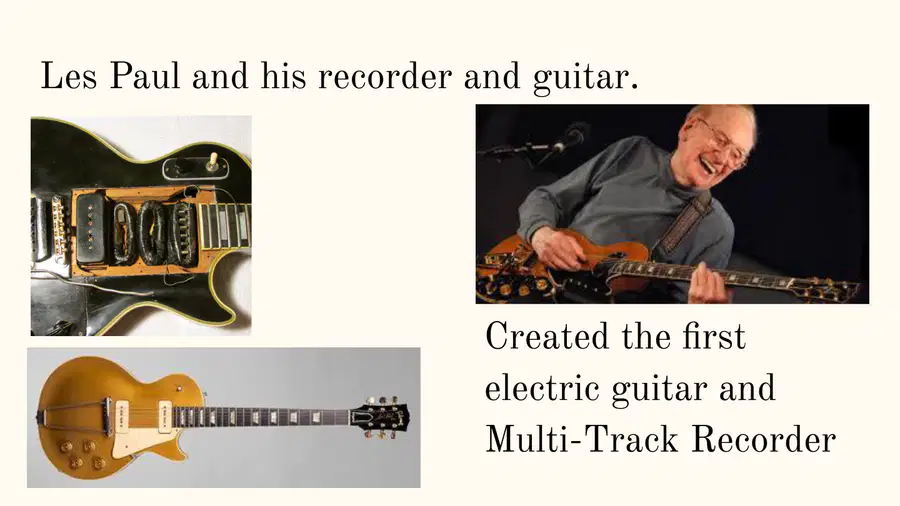
Describe the contributions of Les Paul to the development of electronic music instruments and recording technology.

30

media

31

Multiple Choice

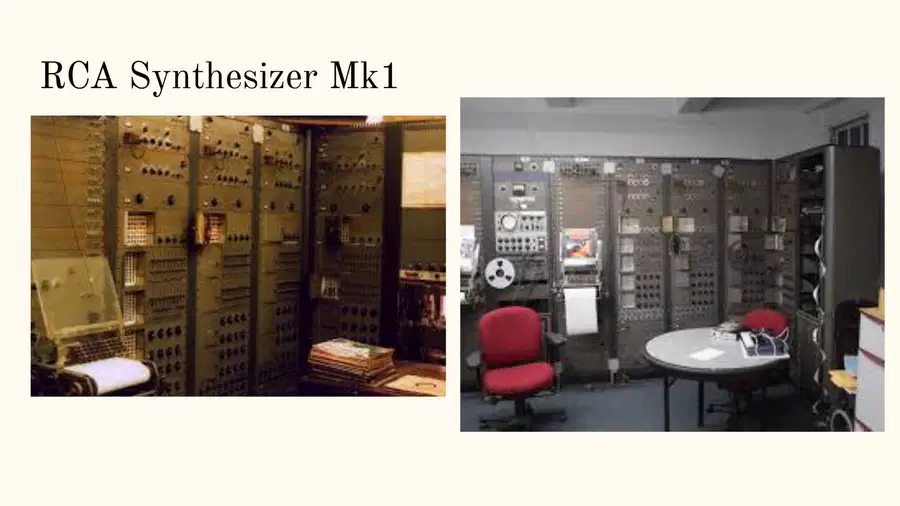
Which device shown was an early example of a synthesizer used in electronic music production?

1

Gramophone

2

Hammond B3 Organ

3

RCA Synthesizer Mk1

4

Magnetic Tape Recorder

32

media

33

Multiple Choice

What was the purpose of paper tape in the RCA Mk 2 synthesizer?

1

To store information for recalling specific sounds

2

To record live performances

3

To amplify sound output

4

To connect synthesizer modules

34

media

35

Open Ended

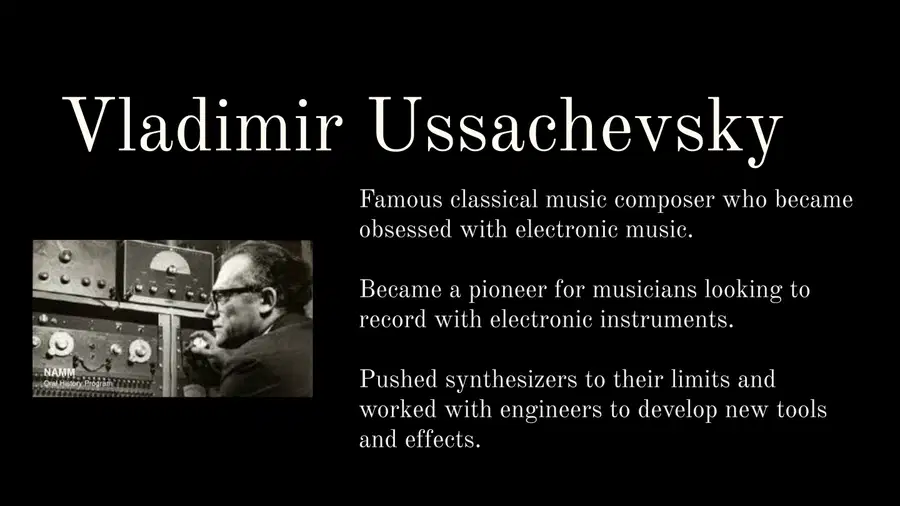
Explain how Vladimir Ussachevsky contributed to the development of electronic music.

36

media

37

Multiple Select

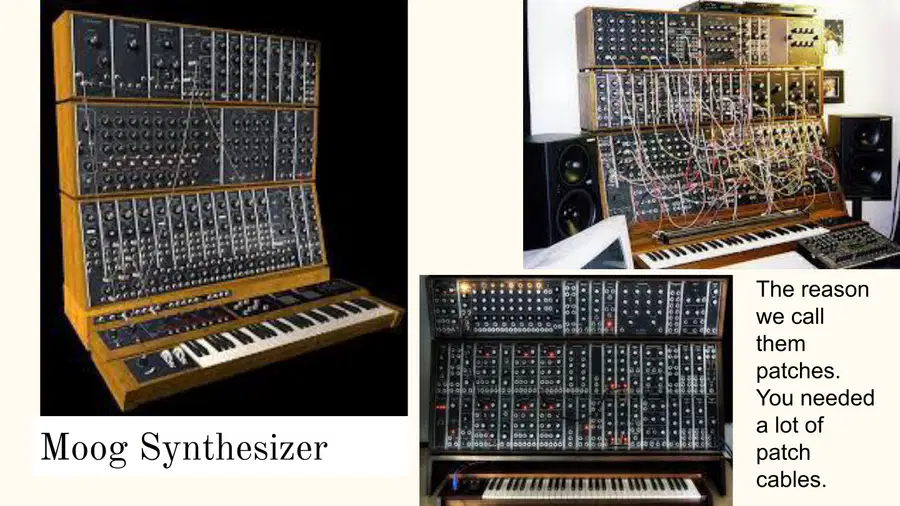
Which of the following are true about the Moog Synthesizer?

1

It required many patch cables for operation

2

It was used for classical music only

3

It was one of the first modular synthesizers

4

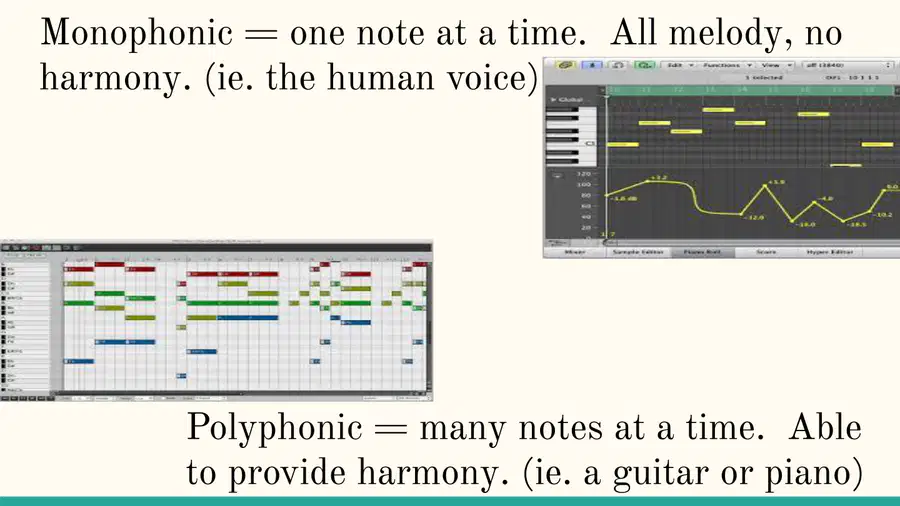
It could only play monophonic notes

38

media

39

Fill in the Blanks

Type answer...

40

media

41

Open Ended

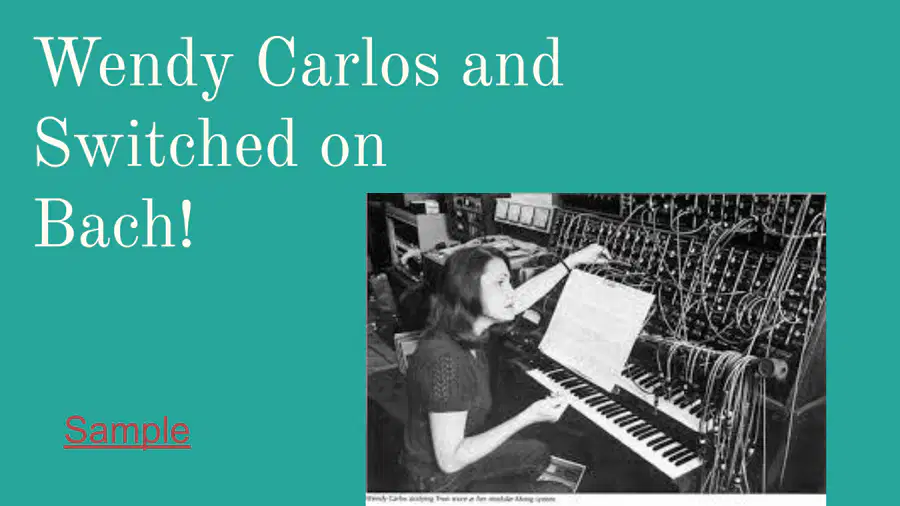
Describe the significance of Wendy Carlos's 'Switched on Bach' in the history of electronic music.

42

media

43

Fill in the Blanks

Type answer...

44

media

45

Multiple Choice

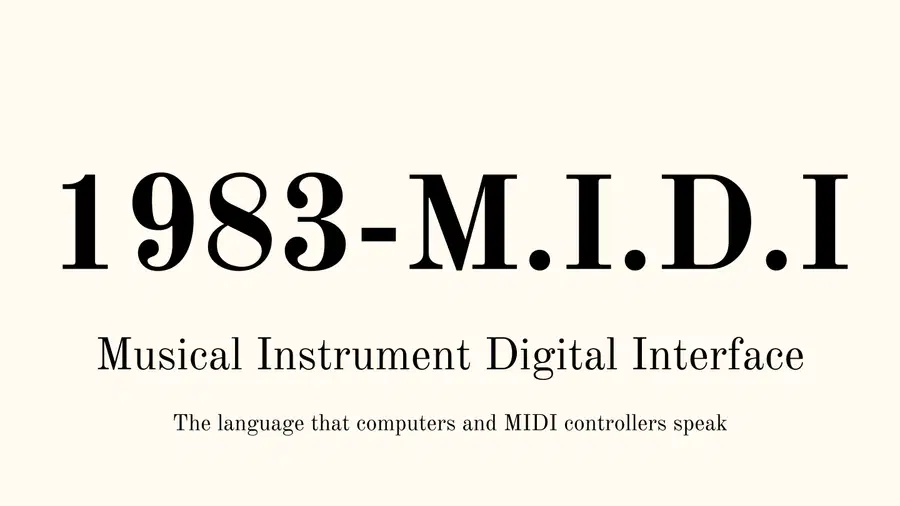
Which synthesizer introduced the breakthrough of Frequency Modulation in 1983?

1

Roland TR-808

2

Yamaha DX7

3

Moog Minimoog

4

Korg M1

46

media

47

Multiple Choice

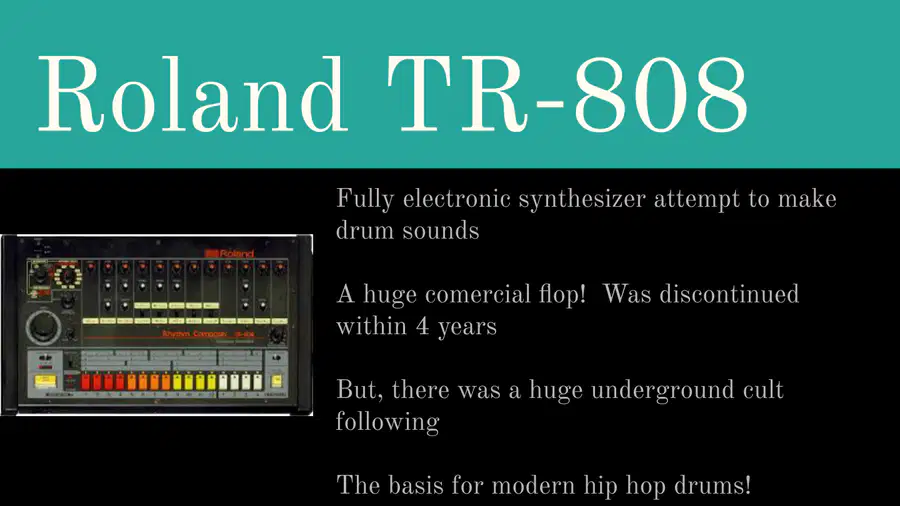
Which of the following statements about the Roland TR-808 is correct?

1

It was a commercial success from the start.

2

It was discontinued within 4 years due to poor sales.

3

It was never used in hip hop music.

4

It was an acoustic drum machine.

48

Open Ended

Compare the impact of the Yamaha DX7 and the Roland TR-808 on music production and popular culture.

49

media

50

Fill in the Blanks

Type answer...

51

media

52

Multiple Select

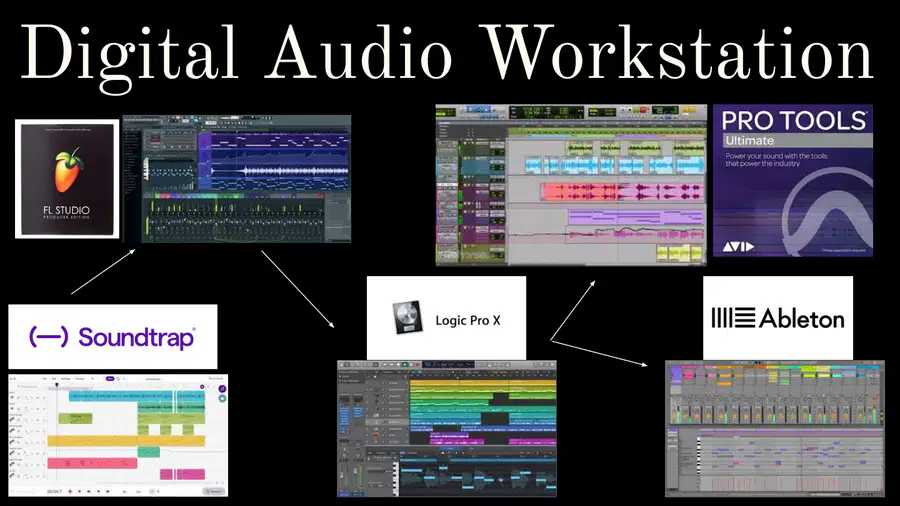
Which of the following are examples of Digital Audio Workstations (DAWs)?

1

FL Studio

2

Logic Pro X

3

Ableton

4

Soundtrap

53

media

54

Open Ended

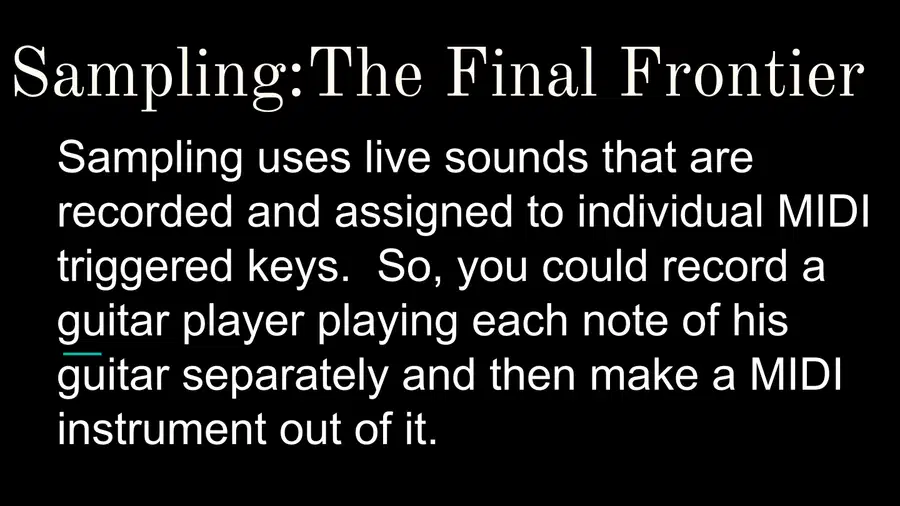
Explain how sampling can be used to create a MIDI instrument from a live performance.

55

media

56

Open Ended

After learning about analog signals, what questions do you still have about how sound is represented or transmitted in music technology?

57

Multiple Choice

What is an analog signal, and how does it differ from other types of signals in the context of sound?

1

A signal that is continuous and represents sound as it occurs in the real world.

2

A signal that is made up of discrete steps or values.

3

A signal that cannot be heard by humans.

4

A signal that only exists in digital devices.

media

Show answer

Auto Play

Slide 1 / 57

SLIDE