Integumentary System - Bilingual Review
Presentation
•
Science
•
10th Grade
•
Practice Problem
•
Hard
Linda Philip
FREE Resource
14 Slides • 12 Questions
1
2
3
Multiple Choice
4
Multiple Choice
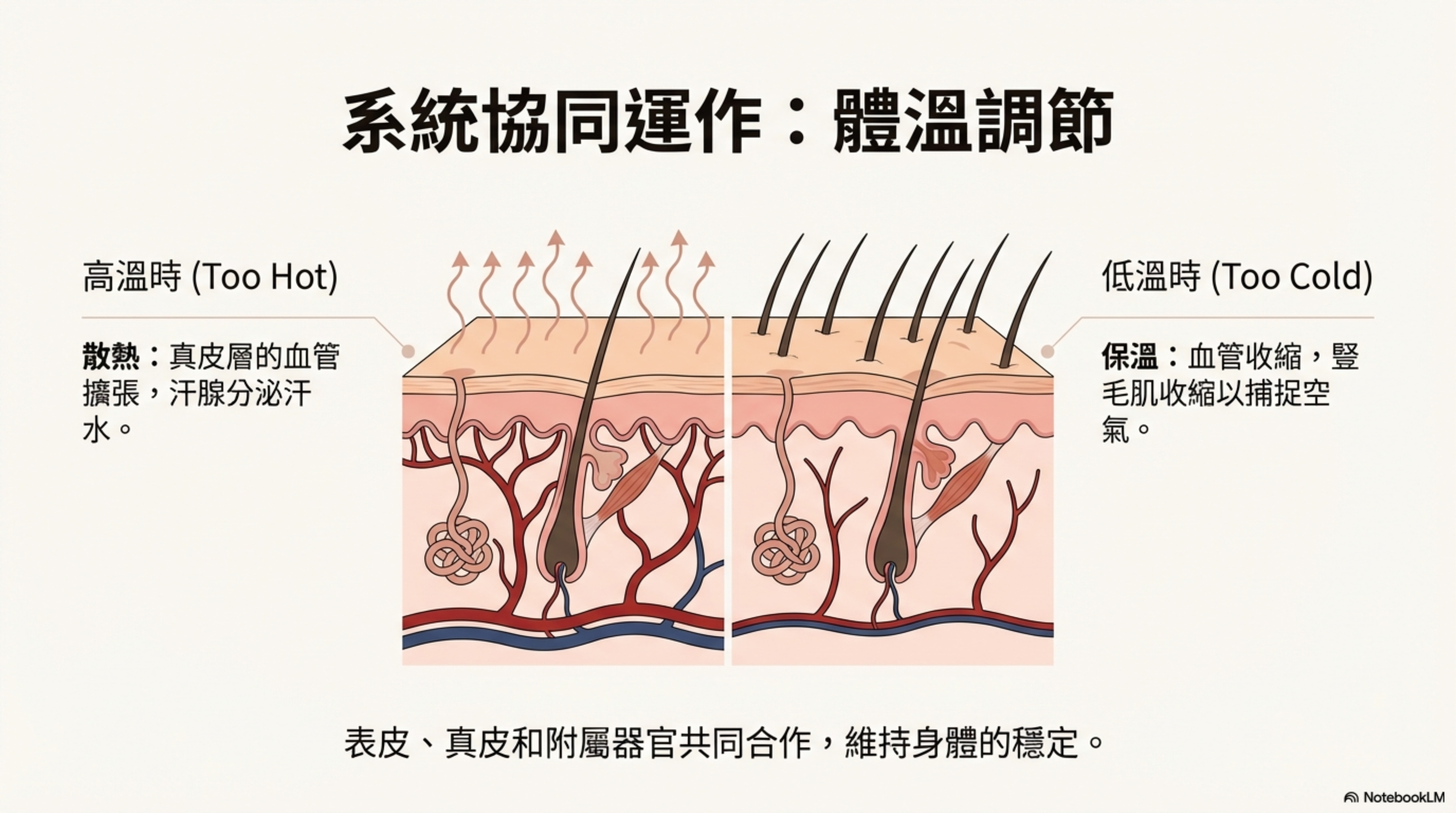
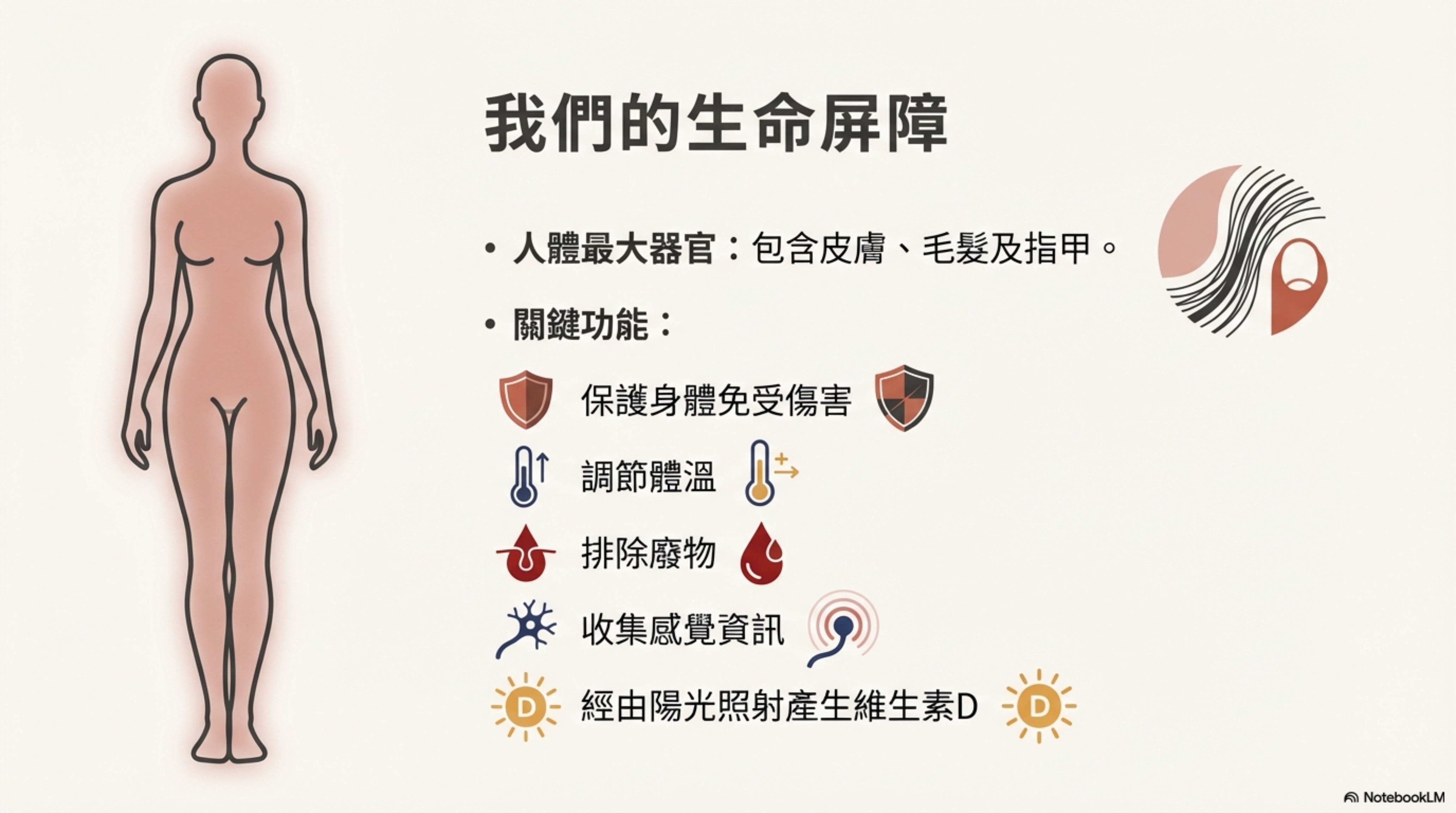
What are the key functions of the human body's largest organ?
Protection from injury
Regulation of body temperature
Waste elimination
All of the above
5
6
Multiple Choice
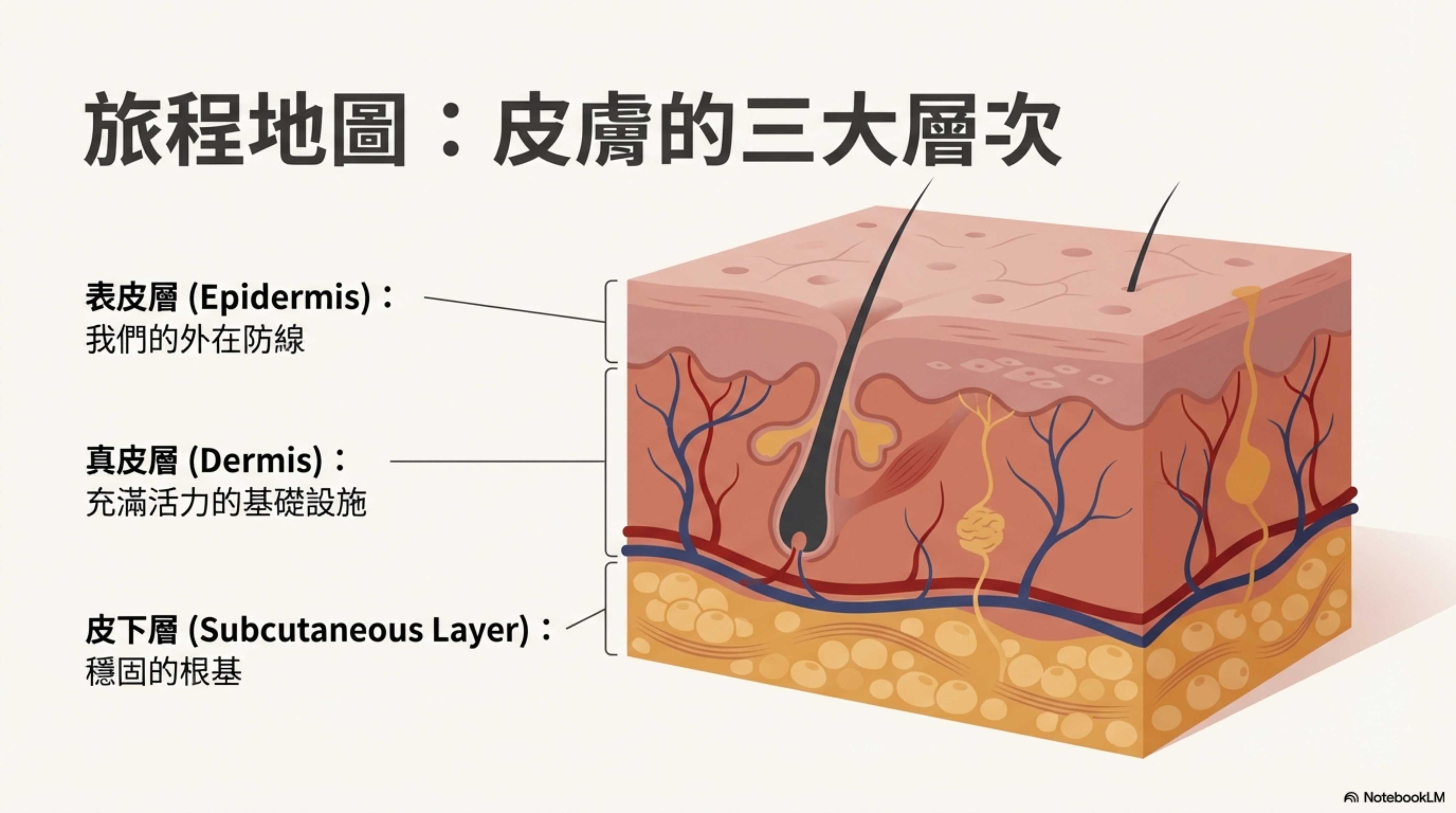
Which of these is pointing to the Dermis layer?
A
B
C
D
7
8
9
Multiple Choice
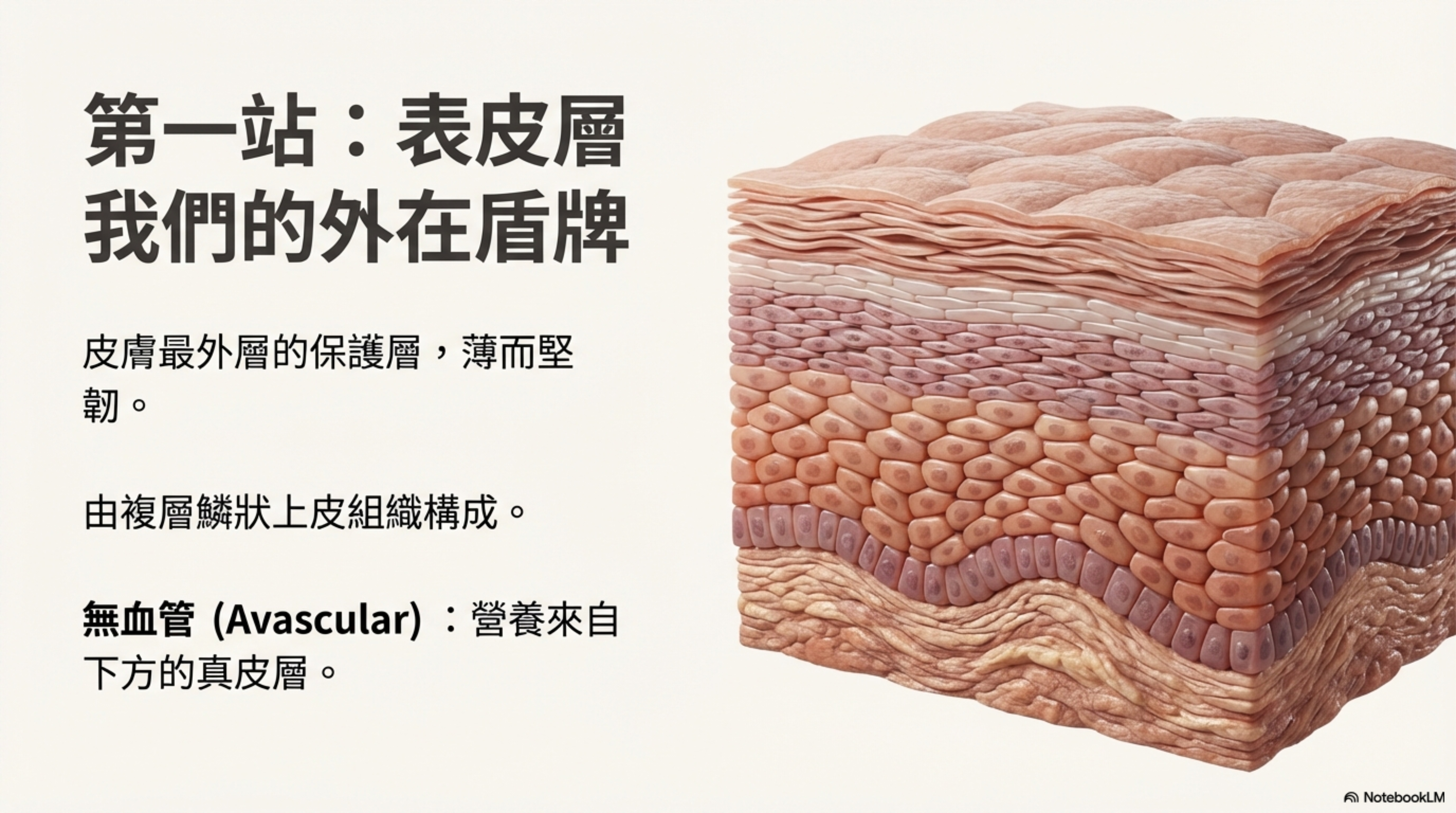
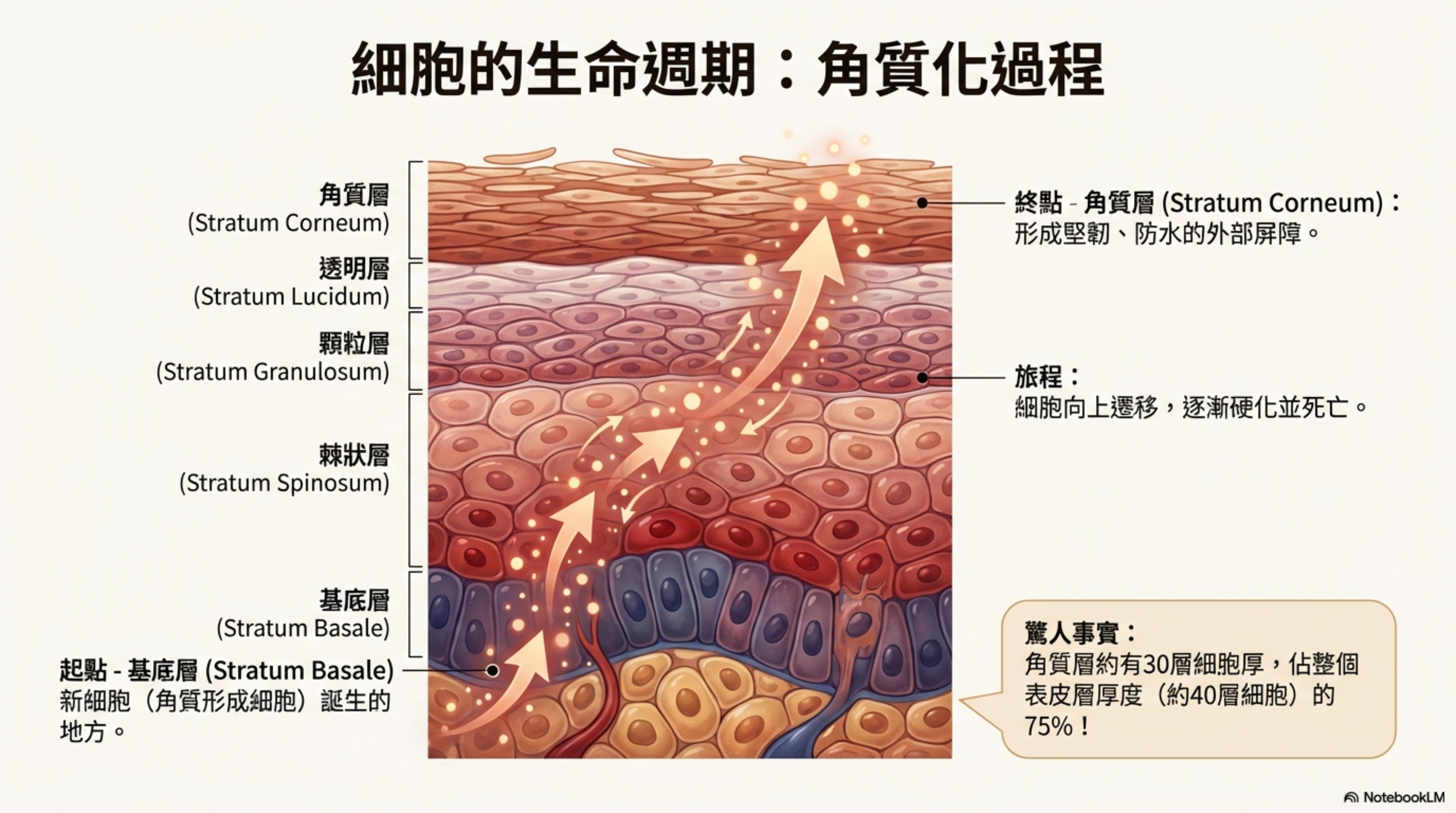
List the layers of the Epidermis in order from top to bottom.
5,2,3,4,1
1,2,3,4,5
4,5,3,1,2
1,4,3,2,5
10
11
Multiple Choice
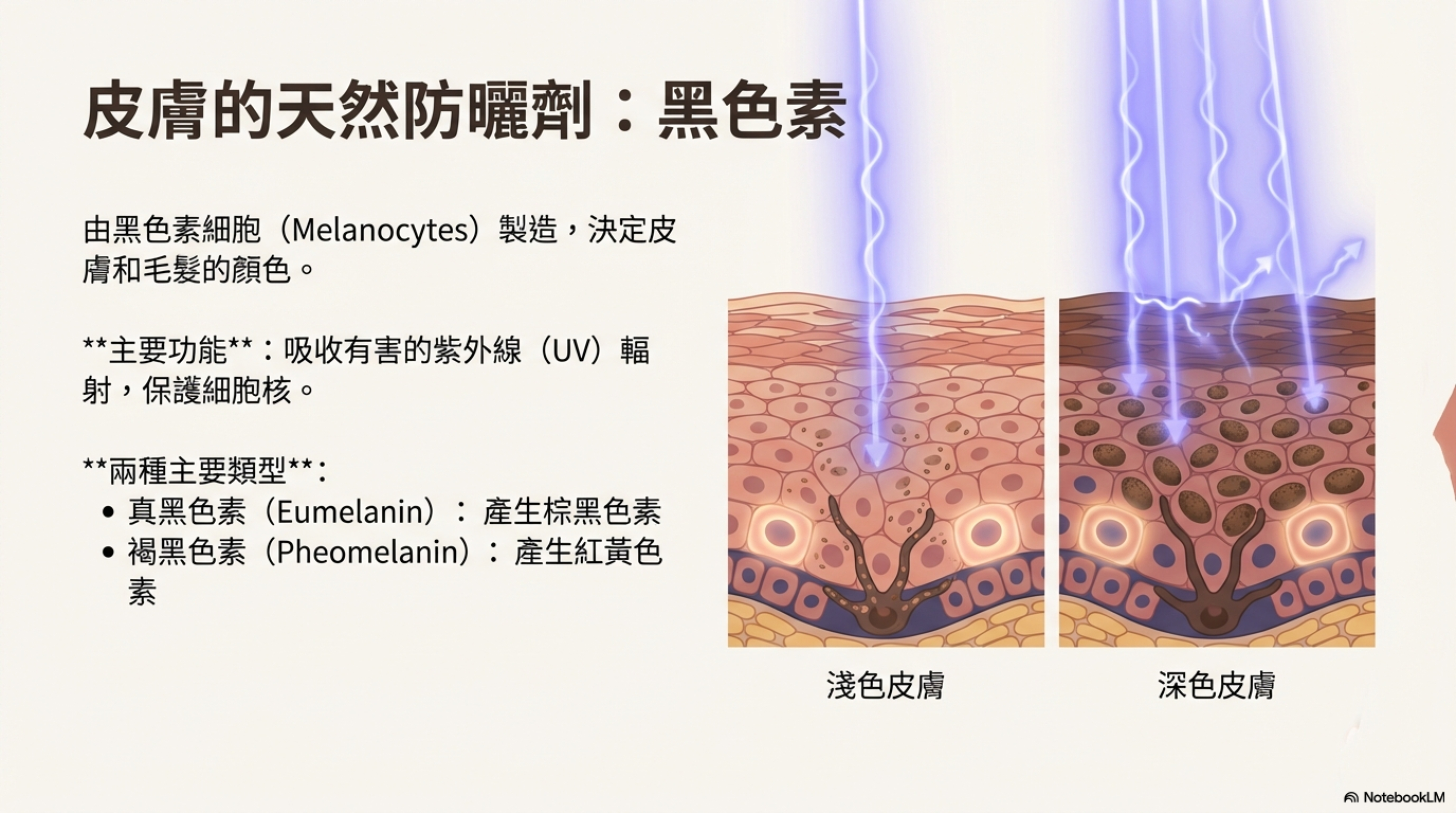
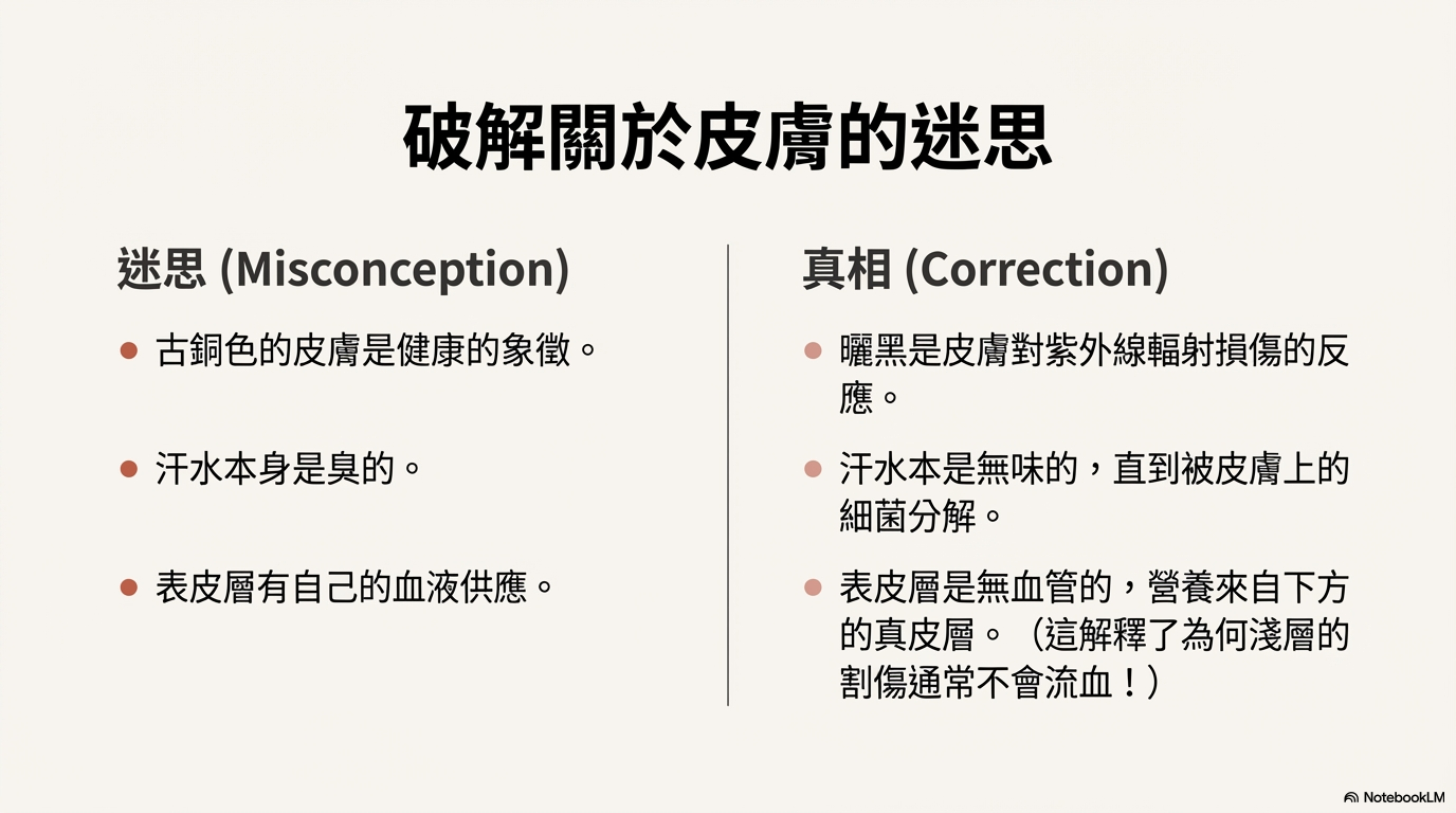
How does melanin protect cell's DNA from the damaging effects of Ultraviolet light?
It relies on folate
It doesn't you must use sunscreen
it activates vitamin D3 production which takes care of that
Forms a protective cap over the nucleus of skin cells
12
13
Multiple Choice
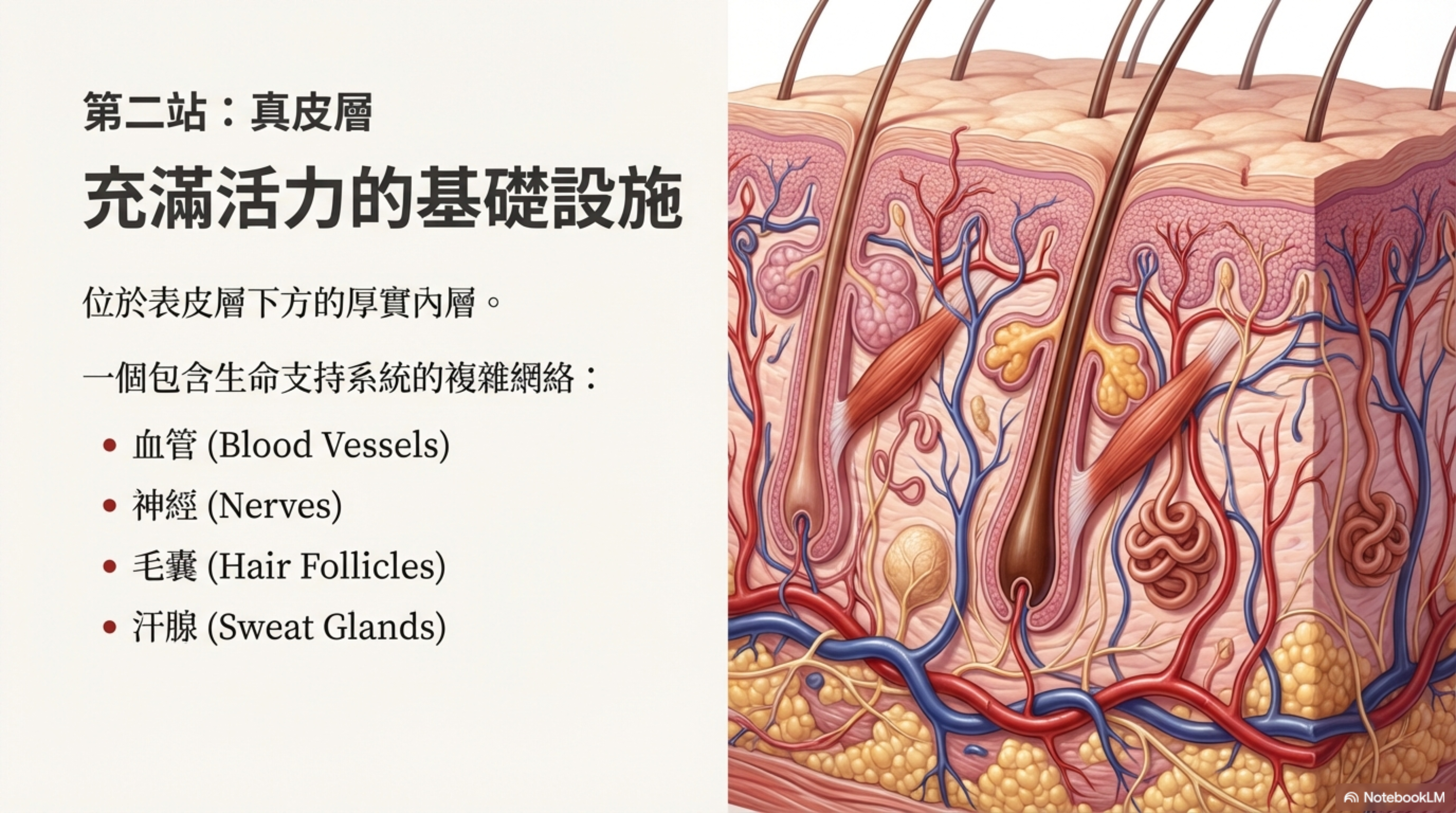
What are the components of the dermis layer of the skin?
Blood Vessels
Nerves
Hair Follicles
Sweat Glands
14
15
Multiple Choice
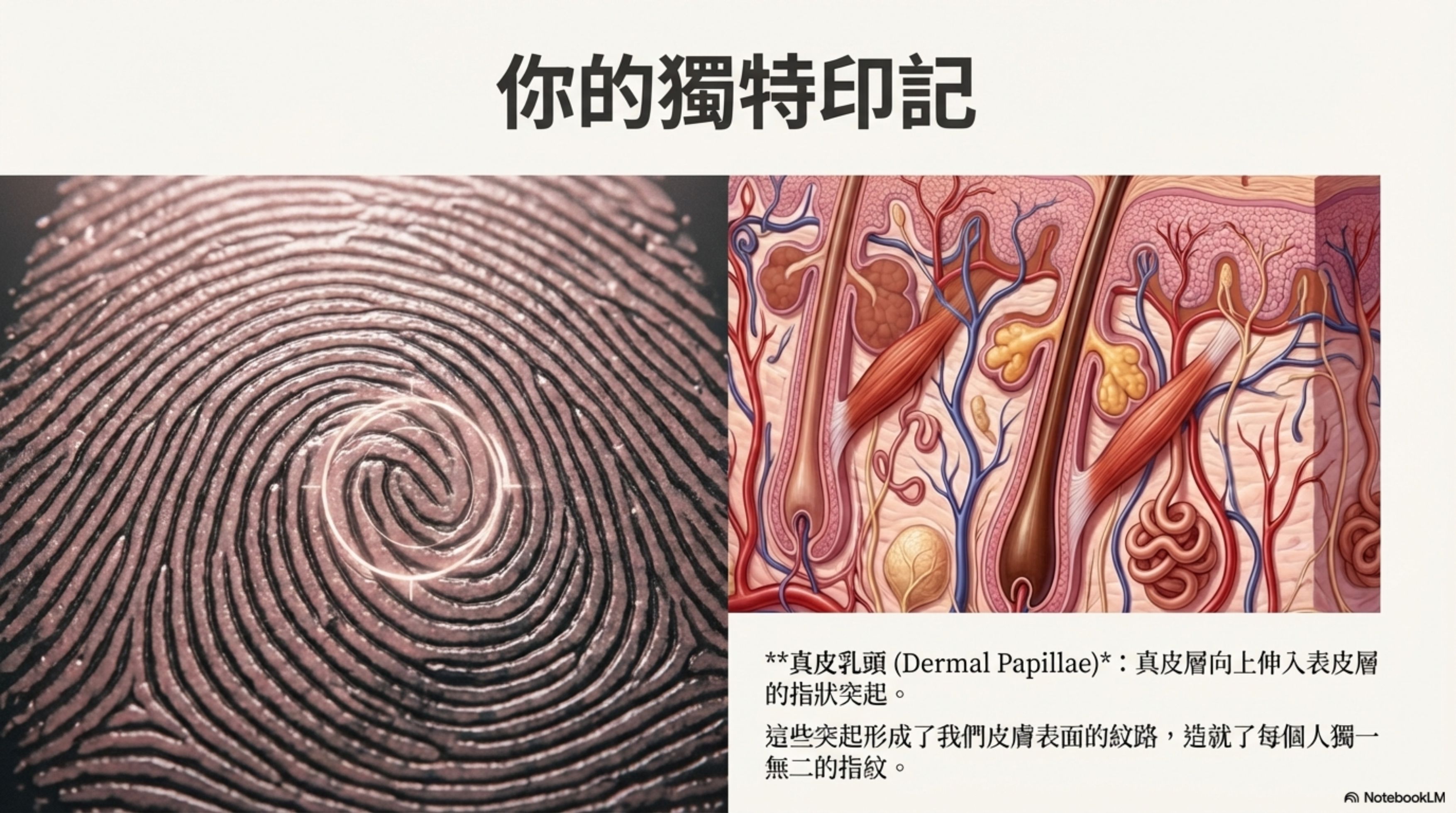
What is the function of dermal papillae in the skin?
To provide nutrients to the skin
To form fingerprints
To regulate temperature
To produce sweat
16
17
Multiple Choice
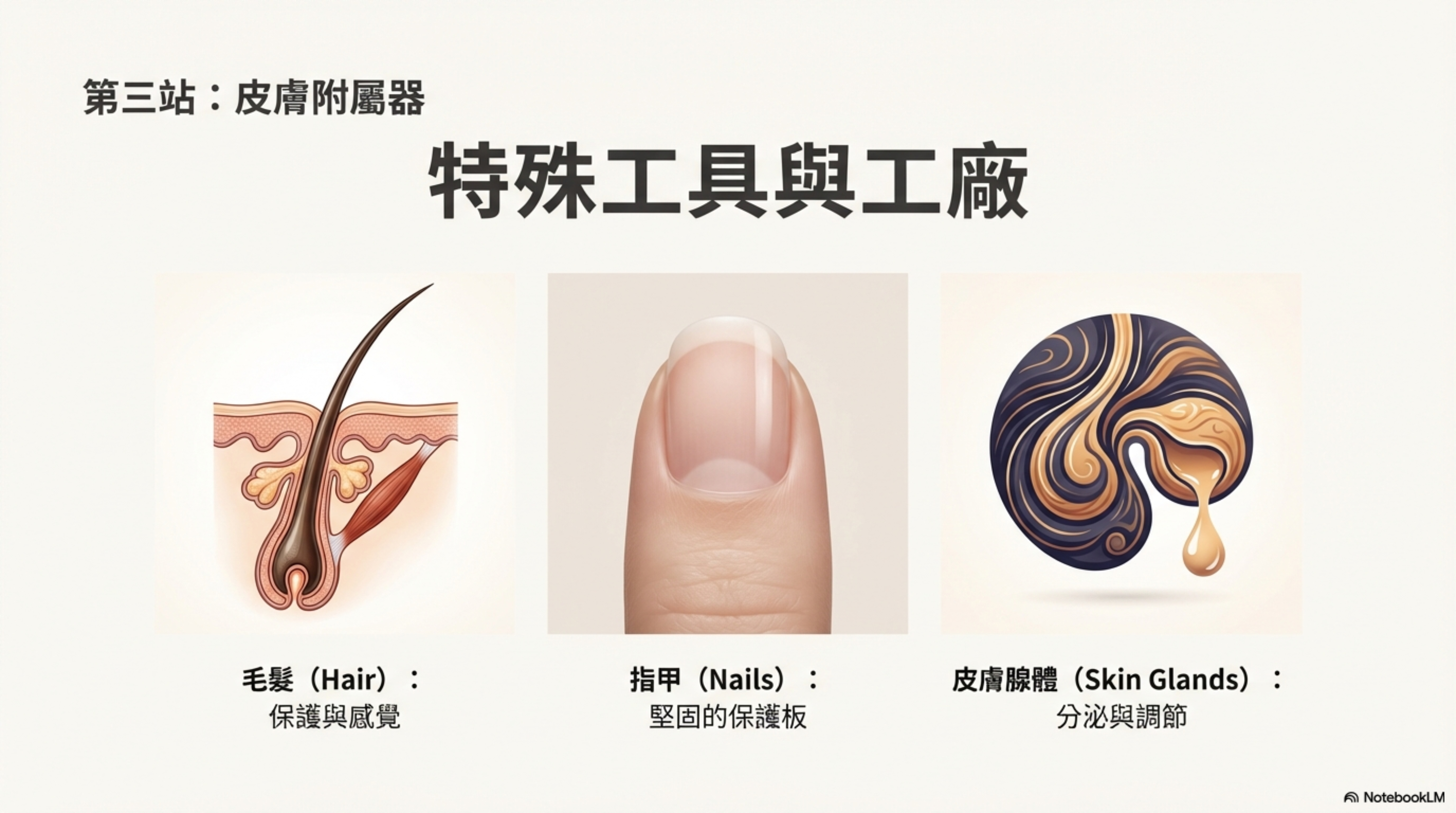
What are the three components of the skin appendages shown in the image?
Hair
Nails
Skin Glands
All of the above
18
19
Multiple Choice
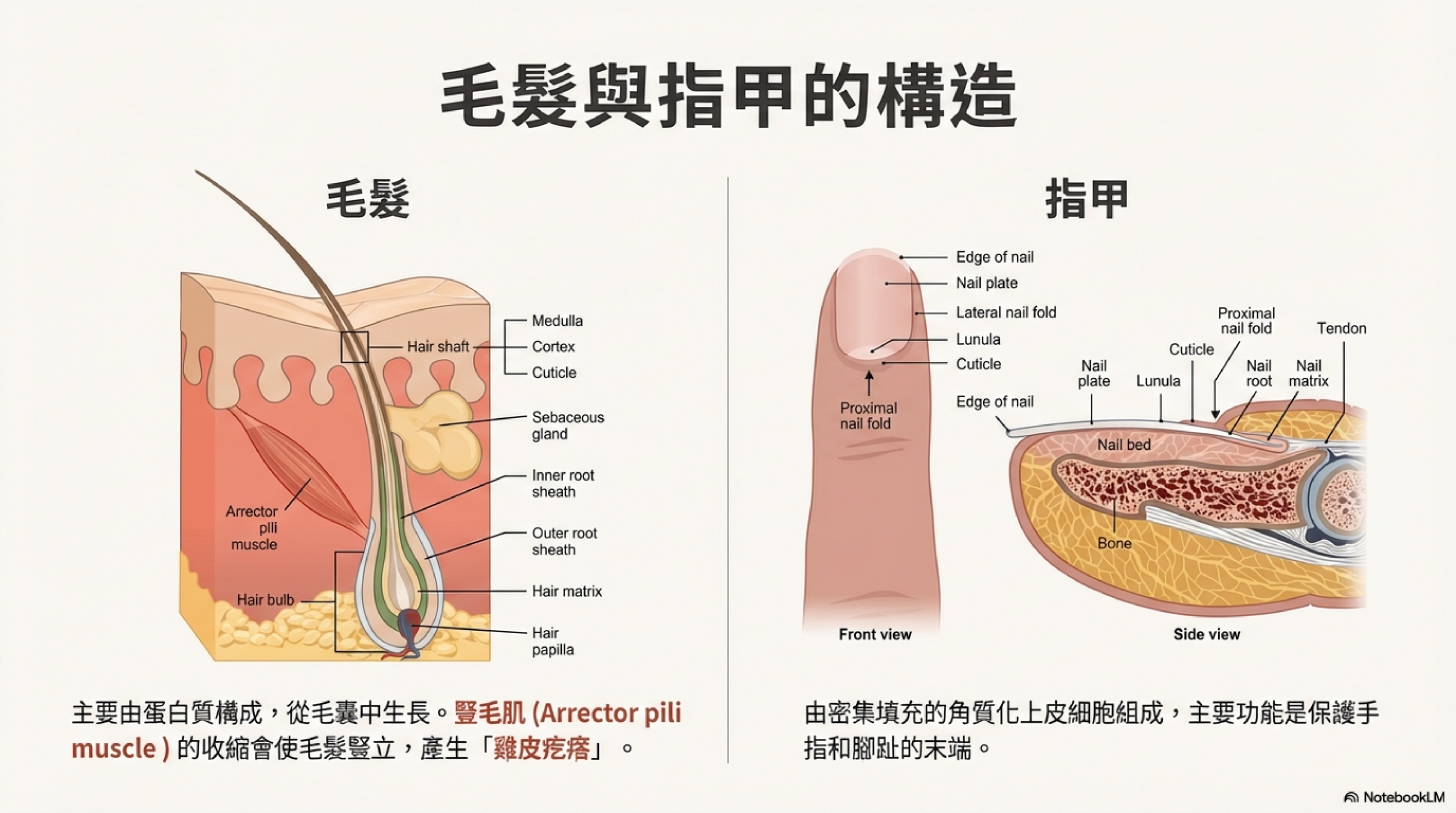
What are the main components of hair as shown in the diagram?
Hair shaft
Sebaceous gland
Hair bulb
Arrector pili muscle
20
21
Multiple Choice
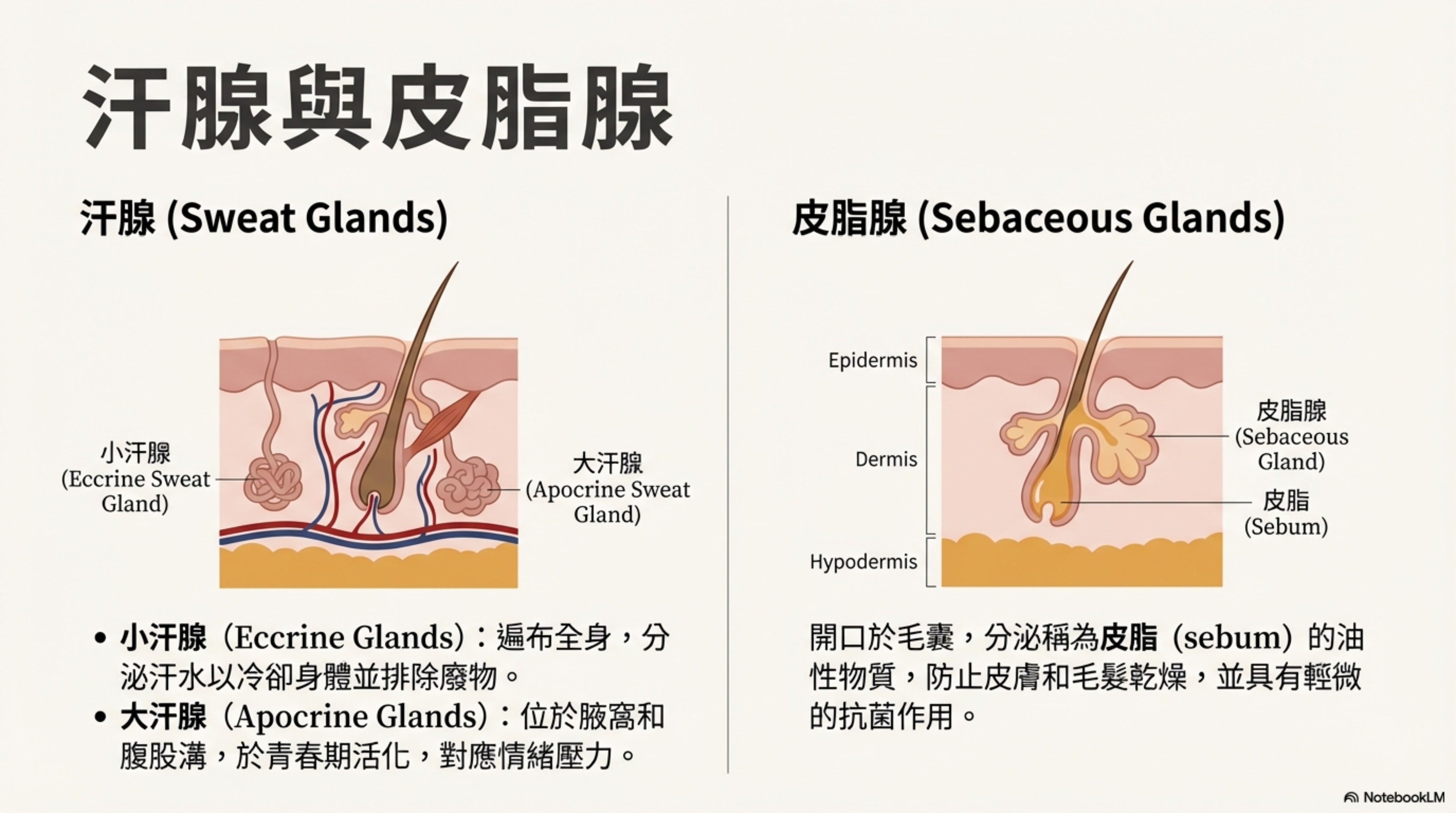
What are the main differences between eccrine and apocrine sweat glands?
Eccrine glands are found all over the body, while apocrine glands are located in specific areas.
Eccrine glands produce sebum, while apocrine glands do not.
Eccrine glands are larger than apocrine glands.
Apocrine glands are responsible for cooling the body, while eccrine glands are not.
22
23
Multiple Choice
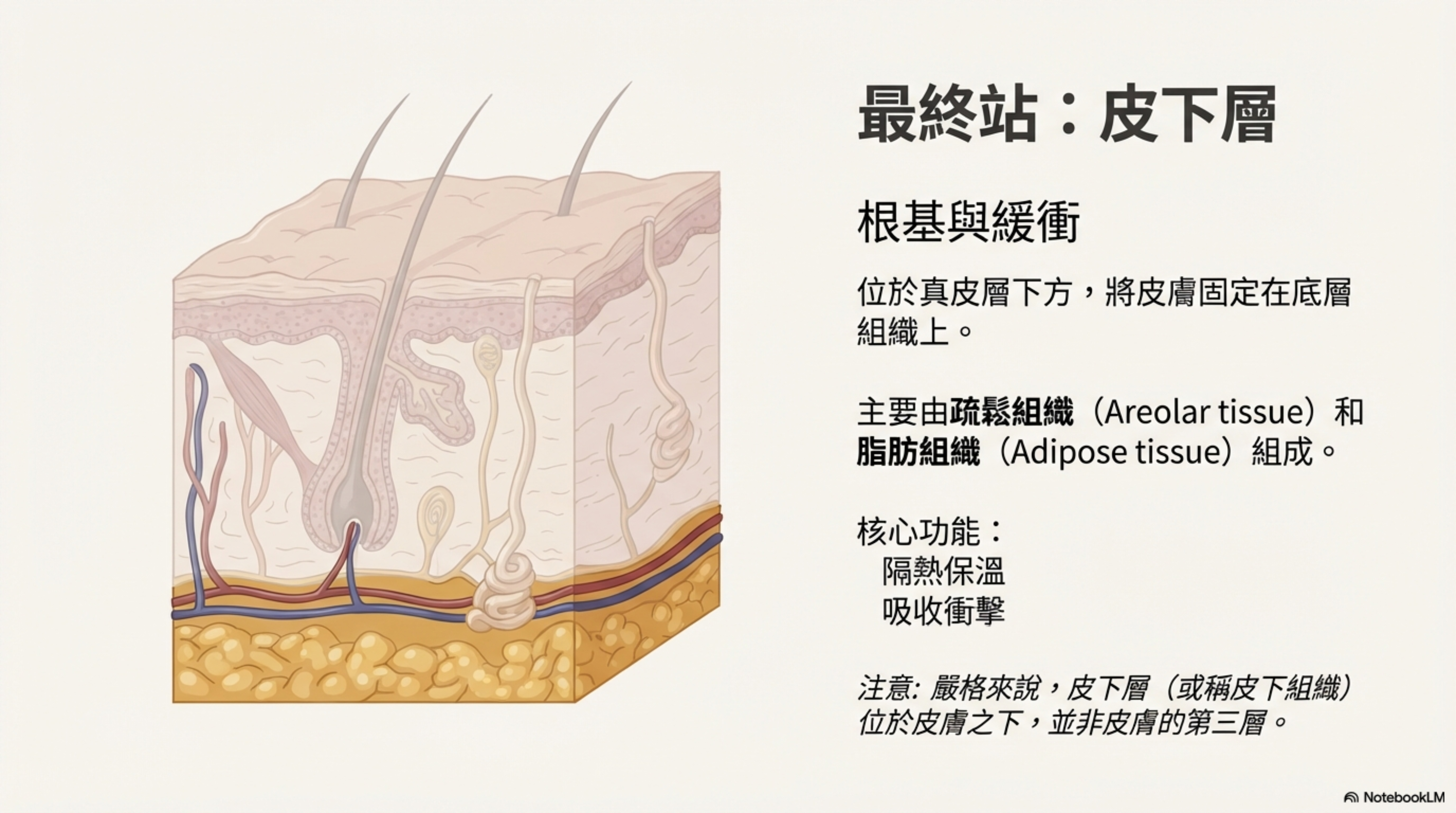
What are the main components of the subcutaneous layer as described in the image?
Areolar tissue and Adipose tissue
Epithelial tissue and Connective tissue
Muscle tissue and Nervous tissue
Cartilage and Bone tissue
24
25
26
Poll
How confident do you feel about this topic now?
Show answer
Auto Play
Slide 1 / 26
SLIDE

Similar Resources on Wayground
21 questions
Newton's First Law of Motion
Presentation
•
11th Grade
19 questions
DNA and DNA Replication
Presentation
•
10th Grade
21 questions
Biogeochemical Cycles
Presentation
•
10th Grade
18 questions
Maslow's Hierarchy of Needs
Presentation
•
10th Grade
23 questions
Periodic Table Trends
Presentation
•
10th Grade
20 questions
Protein Synthesis
Presentation
•
9th Grade
20 questions
Solar System and Nebular Theory
Presentation
•
9th - 10th Grade
20 questions
Hormones and the Reproductive System
Presentation
•
10th Grade
Popular Resources on Wayground
10 questions
How much do you know about our Portrait of an Eagle?
Quiz
•
10th Grade
10 questions
Fast Food Slogans
Quiz
•
6th - 8th Grade
21 questions
Continents and Oceans
Quiz
•
6th Grade
20 questions
Parts of Speech
Quiz
•
5th Grade
16 questions
Subject & Predicate
Quiz
•
5th Grade
25 questions
Multiplication Facts
Quiz
•
5th Grade
12 questions
Map Skills
Quiz
•
3rd Grade
22 questions
Continents and Oceans
Quiz
•
5th Grade
Discover more resources for Science
10 questions
Exploring Chemical and Physical Changes
Interactive video
•
6th - 10th Grade
10 questions
Decoding the Periodic Table of Elements
Interactive video
•
6th - 10th Grade
10 questions
Exploring the Periodic Table
Interactive video
•
6th - 10th Grade
14 questions
Physical and Chemical Changes
Quiz
•
10th Grade
22 questions
Periodic Table Review
Quiz
•
9th - 12th Grade
10 questions
Exploring the States of Matter
Interactive video
•
6th - 10th Grade
10 questions
Exploring Physical and Chemical Changes
Interactive video
•
6th - 10th Grade
21 questions
Macromolecules and Enzymes Study Guide
Quiz
•
9th - 10th Grade