Search Header Logo
Quizzes part 2 Unit 6 -EVOLUTION

Quizzes part 2 Unit 6 -EVOLUTION

Assessment

Presentation

Biology

9th - 12th Grade

Practice Problem

Medium

NGSS
HS-LS4-1, HS-LS4-2, HS-LS4-4

+4

Standards-aligned

Created by

Vandie Joseph

Used 1+ times

FREE Resource

59 Slides • 28 Questions

1
media

2

Open Ended

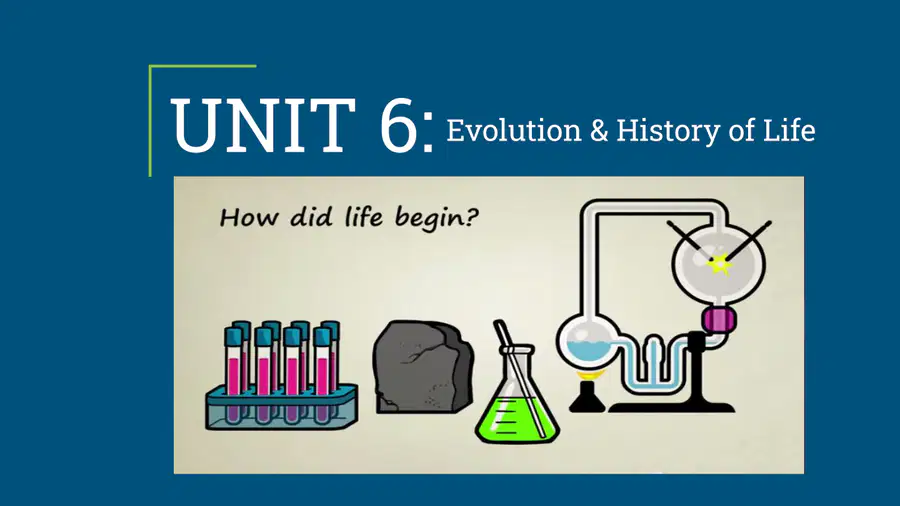
How did life begin?

3

media

4

Multiple Choice

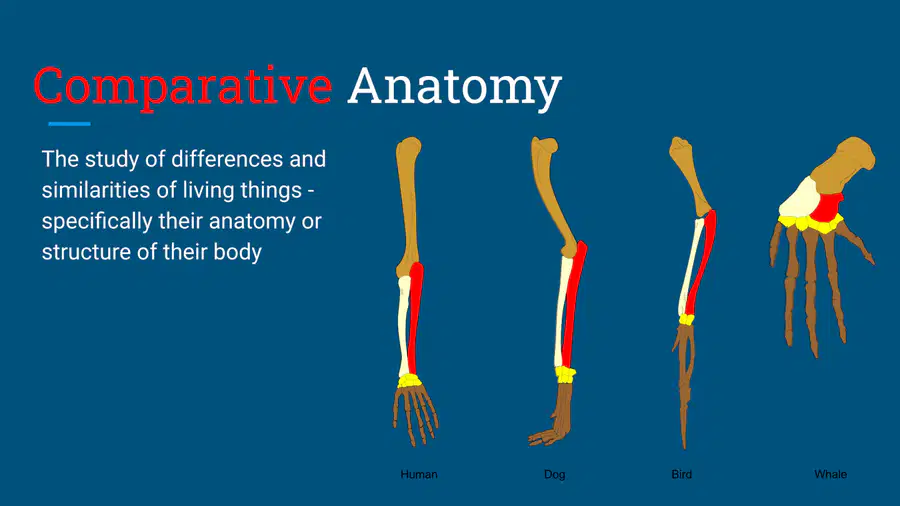
Which of the following best explains how comparative anatomy provides evidence for evolution?

1

It shows how different species have similar structures due to common ancestry.

2

It explains how fossils are formed in sedimentary rocks.

3

It describes how all living things have the same DNA sequence.

4

It shows that all species have identical body structures.

5

media

6

Multiple Choice

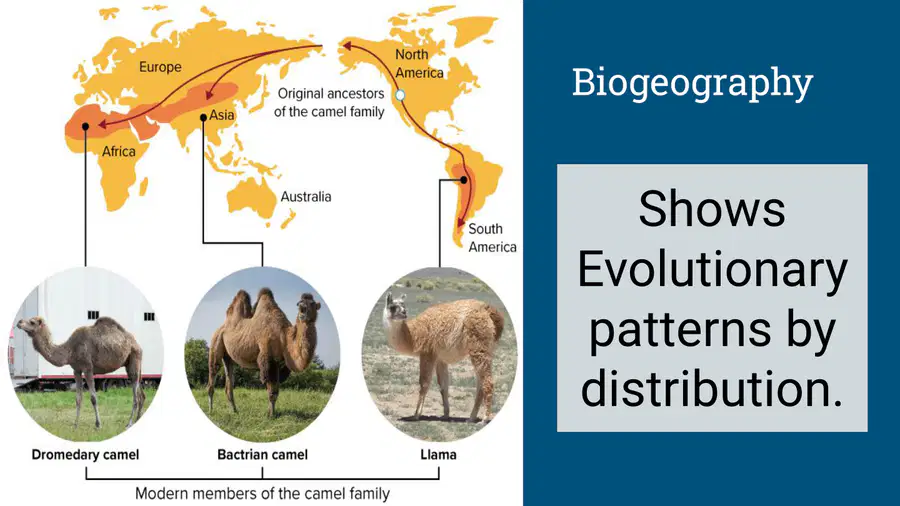
Dromedary camels and South American llamas have similar skeletal and muscle structures, but each has a specialized hump. What would a scientist most likely conclude based on this observation?

1

They evolved from a common ancestor and adapted to different environments.

2

They are not related and developed similar traits by chance.

3

They are the same species with minor differences.

4

They have no evolutionary relationship.

7

media

8

Multiple Choice

How does biogeography provide evidence for evolution?

1

By showing how species are distributed across the world and how they evolved from common ancestors.

2

By comparing the DNA of different species.

3

By studying the fossil record only.

4

By observing animal behavior in different regions.

9

media

10

Multiple Select

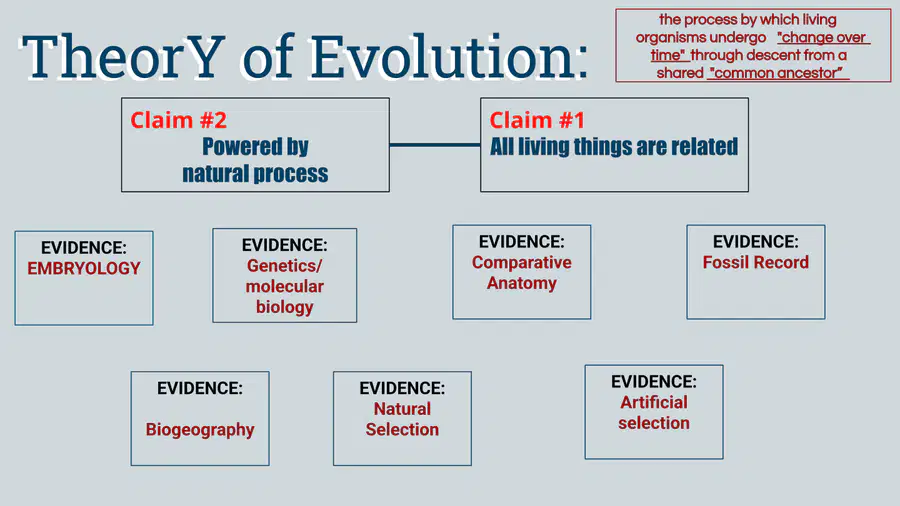
Which of the following are types of evidence that support the theory of evolution?

1

Embryology

2

Comparative Anatomy

3

Fossil Record

4

Photosynthesis

11

media

12

Fill in the Blanks

Type answer...

13

media

14

Open Ended

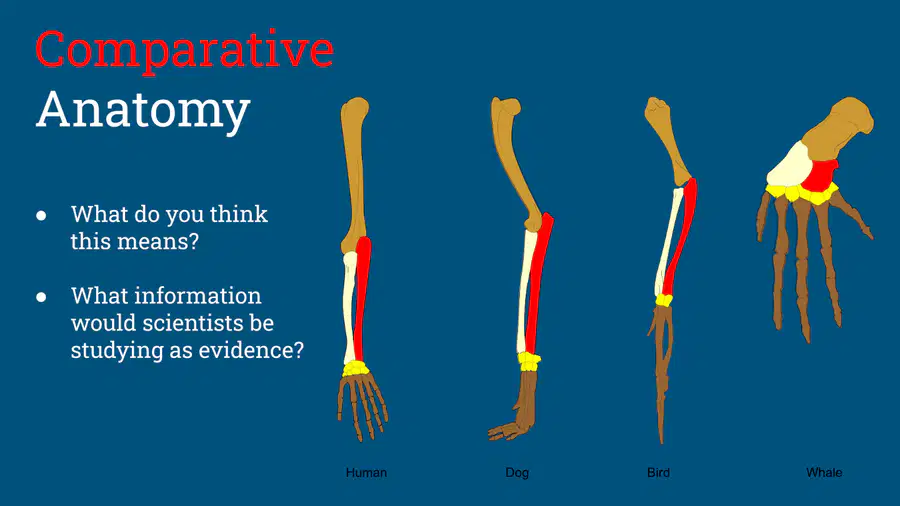
What information would scientists be studying as evidence in comparative anatomy?

15

media

16

Fill in the Blanks

Type answer...

17

media

18

Multiple Choice

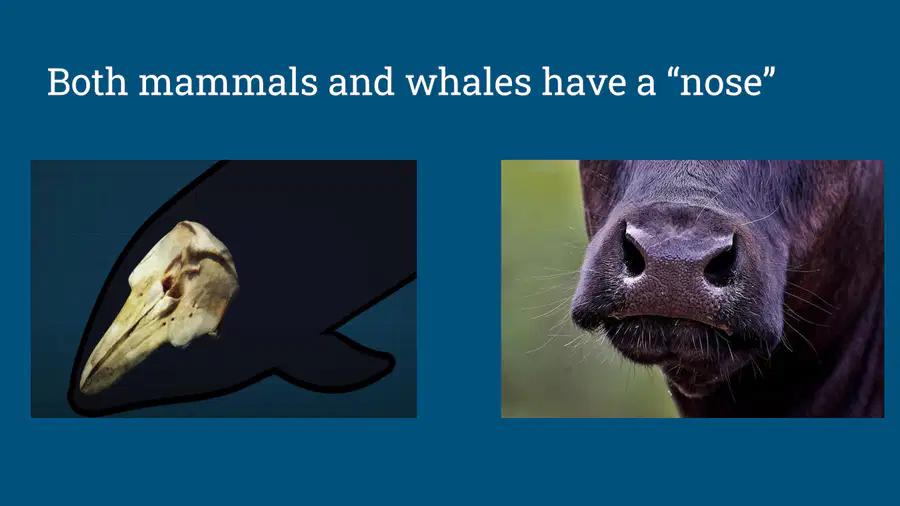
Which of the following is a similarity between mammals and whales as shown in the images?

1

Both have a nose

2

Both have fur

3

Both lay eggs

4

Both have wings

19

media

20

Multiple Choice

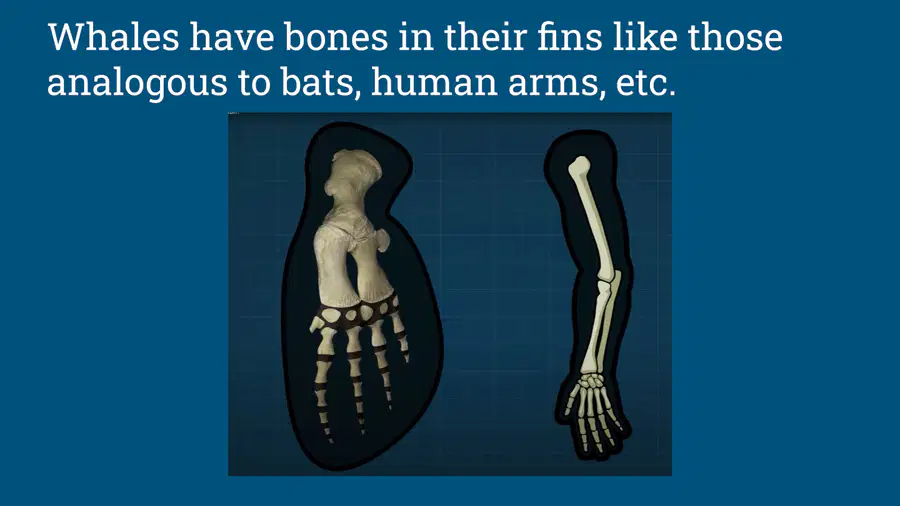
How do the bones in a whale's fin compare to those in a human arm?

1

They are completely different

2

They are analogous, showing similar bone structures

3

Whales have no bones in their fins

4

Humans have more bones in their arms than whales have in their fins

21

media

22

Open Ended

Describe how scientists use different types of evidence to support theories of evolution.

23

media

24

Open Ended

Why is the 'idea' of Evolution not just a hypothesis but rather, a theory?

25

media
media

26

Fill in the Blanks

Type answer...

27

media

28

Open Ended

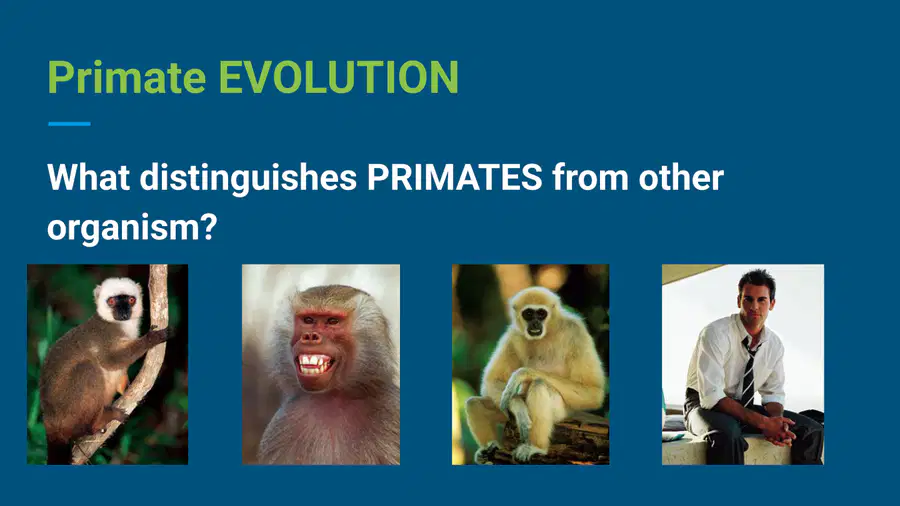
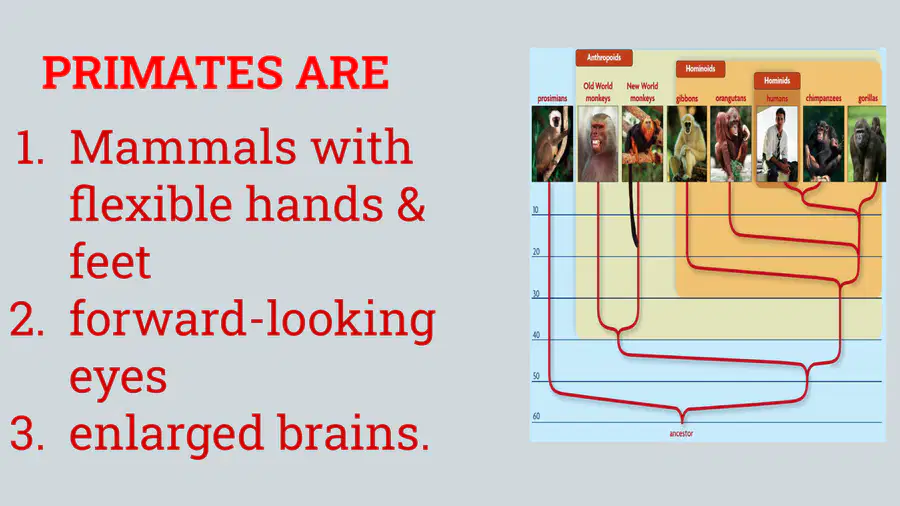
What distinguishes primates from other organisms?

29

media

30

Multiple Choice

Which of the following is NOT a characteristic of primates?

1

Flexible hands and feet

2

Forward-looking eyes

3

Enlarged brains

4

Cold-blooded

31

media

32

Open Ended

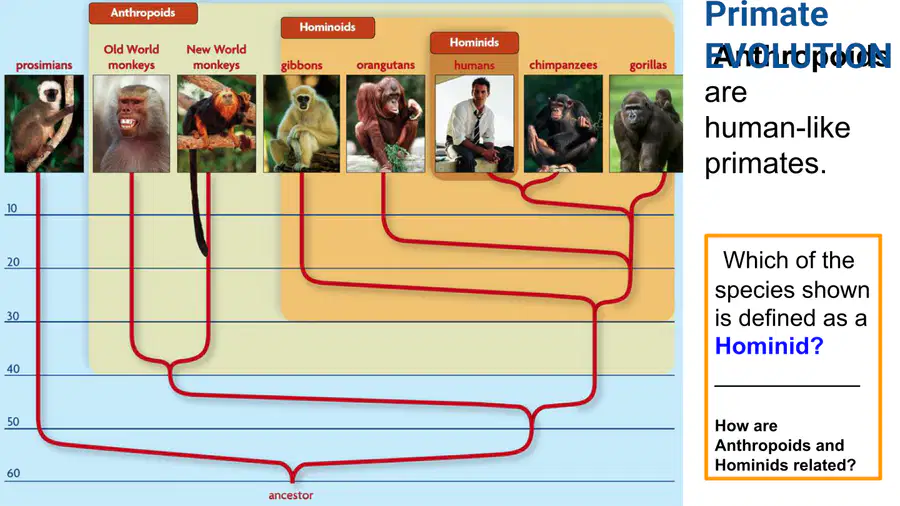
How are Anthropoids and Hominids related according to the evolutionary tree shown?

33

media

34

Multiple Choice

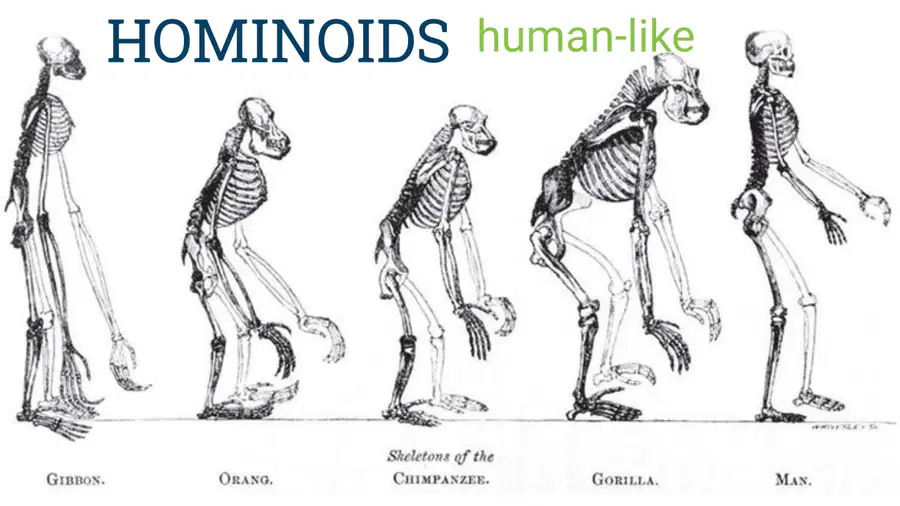
Which of the following species are classified as hominoids?

1

Gibbons

2

Orangutans

3

Chimpanzees

4

All of the above

35

media

36

Open Ended

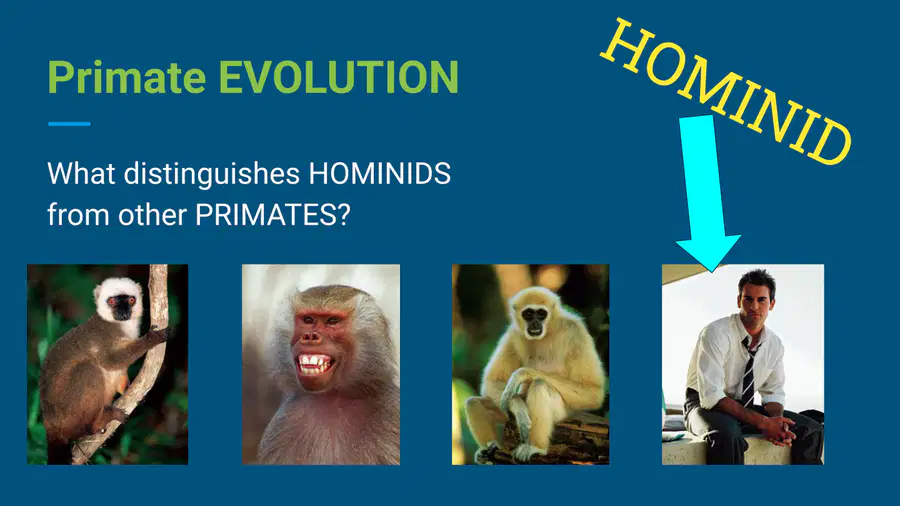
What distinguishes hominids from other primates?

37

media

38

Fill in the Blanks

Type answer...

39

media

40

Multiple Choice

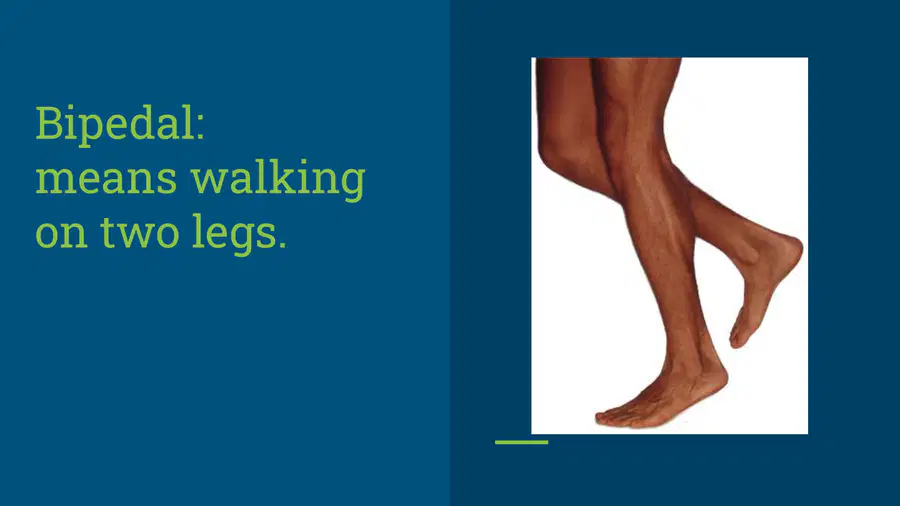
Which of the following is a defining feature of bipedalism?

1

Walking on four legs

2

Walking on two legs

3

Swinging from trees

4

Using tools

41

media

42

Multiple Choice

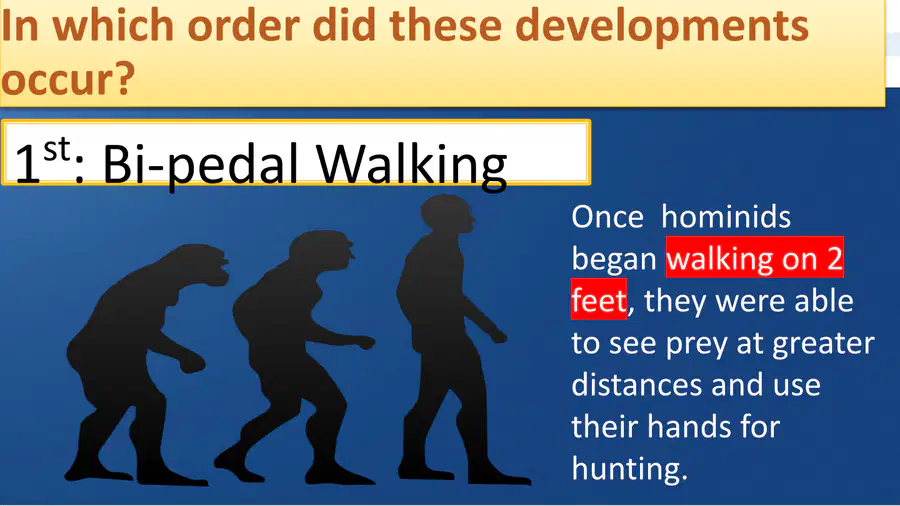
What was the first major development in early hominids that allowed them to see prey at greater distances and use their hands for hunting?

1

Bi-pedal walking

2

Making and using tools

3

Developing language

4

Building shelters

43

media

44

Open Ended

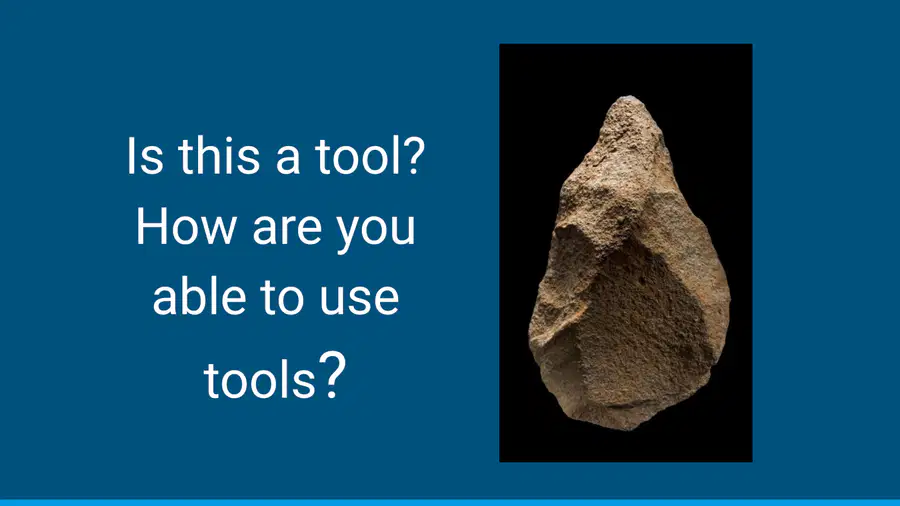
Is this a tool? How are you able to use tools?

45

media

46

Multiple Select

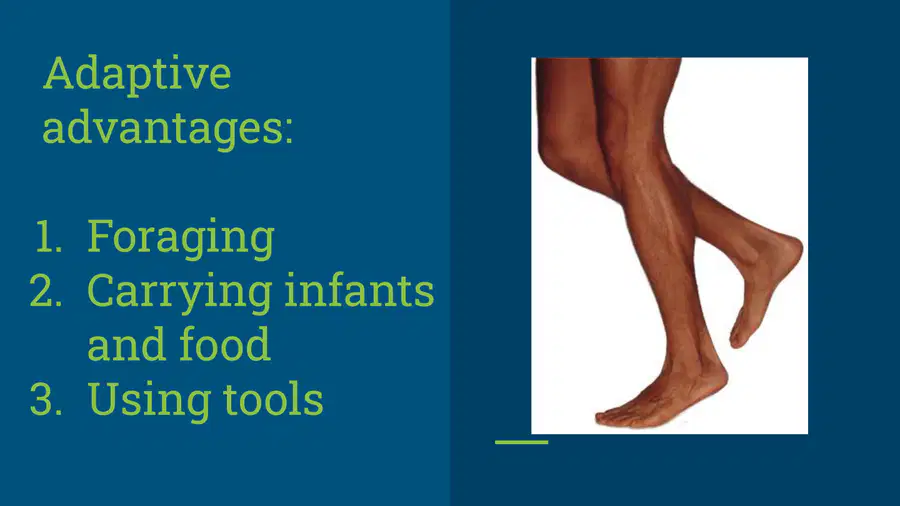
Which of the following are adaptive advantages of bi-pedal walking?

1

Foraging

2

Carrying infants and food

3

Using tools

4

Swimming

47

media

48

Fill in the Blanks

Type answer...

49

media

50

Multiple Choice

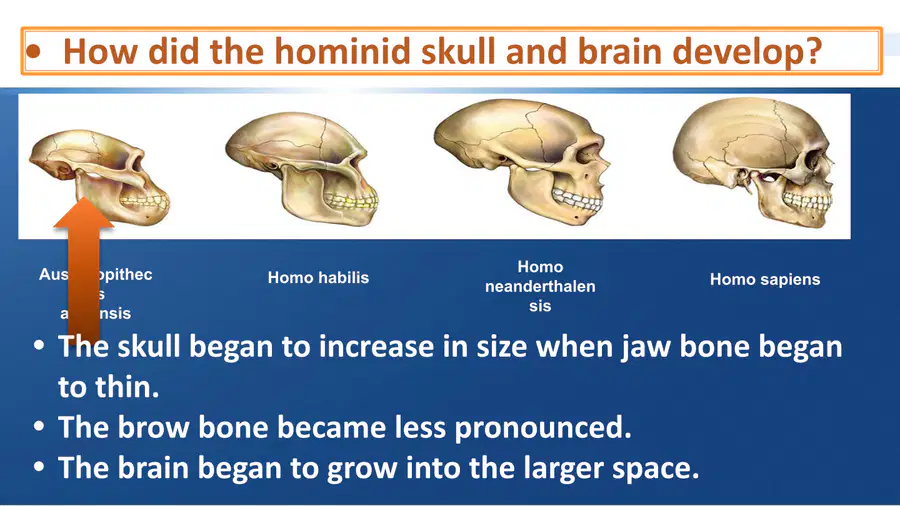
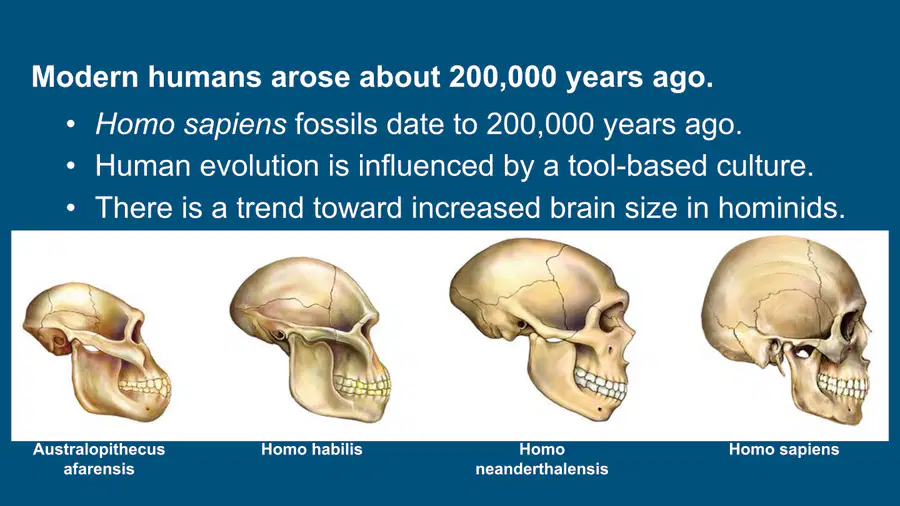
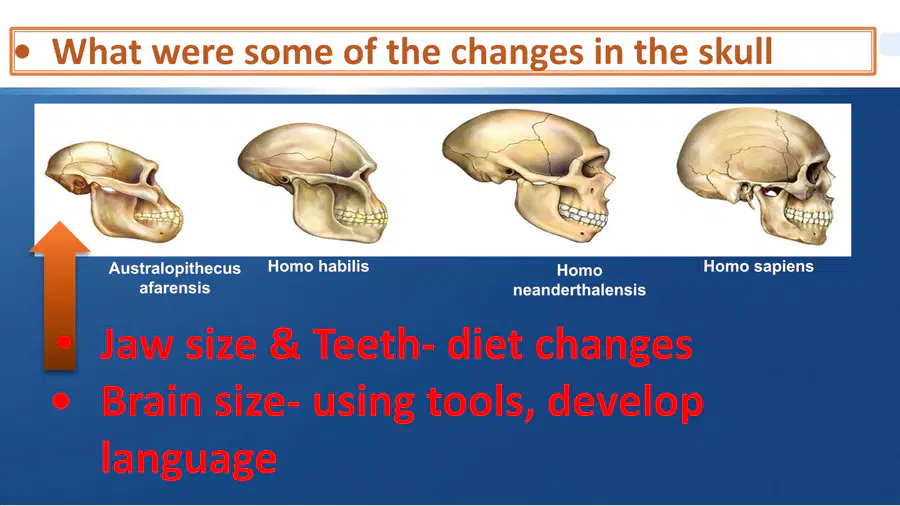
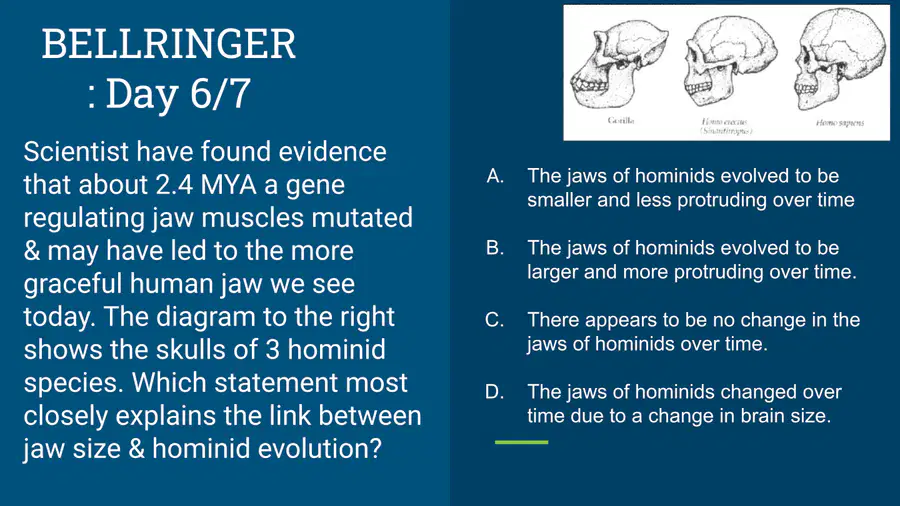
According to the images, what changes occurred in the hominid skull and brain as the jaw bone began to thin?

1

The skull increased in size and the brain grew larger

2

The jaw became sharper

3

The nose became more pronounced

4

The eyes became smaller

51

media
media

52

Multiple Choice

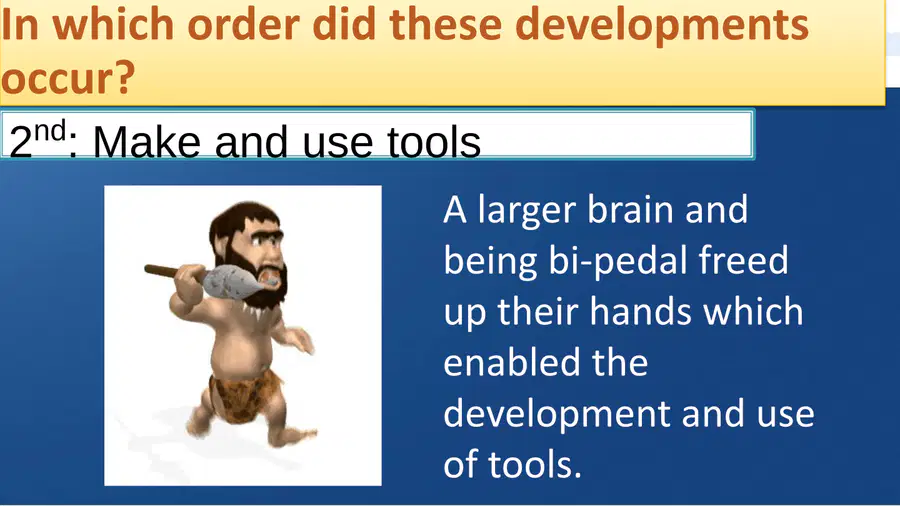
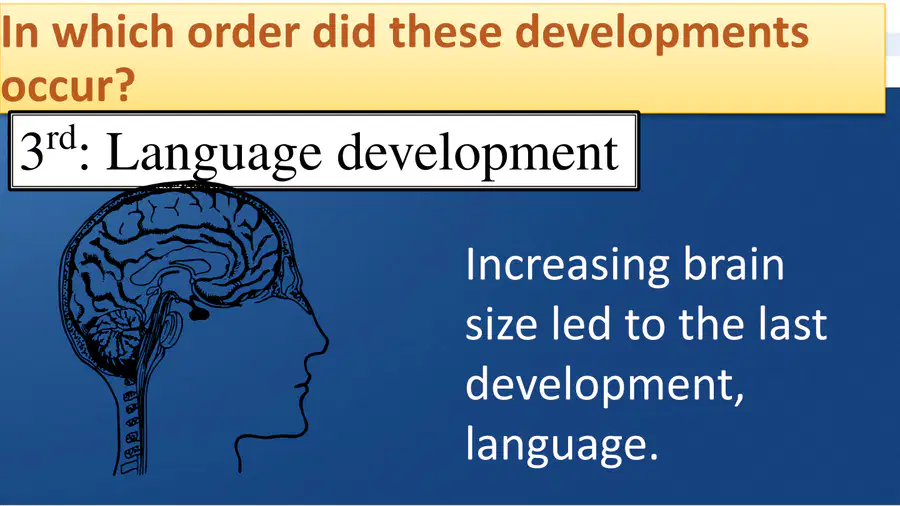
What was the second major development in early hominids after bi-pedal walking?

1

Make and use tools

2

Develop language

3

Grow crops

4

Build shelters

53

media

54

media

55

media

56

media

57

media

58

media

59

media

60

media

61

media

62

media

63

media

64

media

65

media

66

media

67

media

68

media

69

media

70

media

71

media

72

media

73

media

74

media

75

media

76

media

77

media

78

media

79

media

80

media

81

media

82

media

83

media

84

media

85

media

86

Open Ended

Reflecting on today's lesson, what is one question you still have about the evidence for evolution or the history of life?

87

Multiple Choice

How does comparative anatomy provide evidence for evolution?

1

By showing similarities in bone structures among different species

2

By comparing the diets of different species

3

By analyzing the speed of different animals

4

By observing the color patterns of animals

media

Show answer

Auto Play

Slide 1 / 87

SLIDE