

7.10 - Health & Science in the Industrial Revolution

Presentation
•
Social Studies
•
9th - 12th Grade
•
Practice Problem
•
Easy

Cole Ferguson
Used 1+ times
FREE Resource
19 Slides • 1 Question
1
2
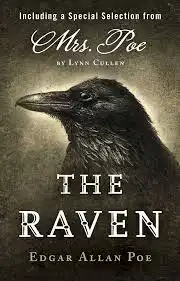
On this day in 1845, Edgar Allan Poe's "The Raven" was published.
1845 - "The Raven" is published
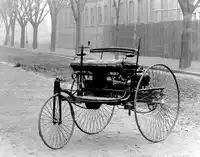
On this day in 1886, Karl Benz patents the "Benz Patent-Motorwagen" in Karlsruhe, Germany, the world's first automobile with an internal combustion engine
1886- Karl Benz patents the first car!
3
Today!
Today we will:
identify scientific discoveries made during the Industrial Revolution
explain how scientific advancements improved people’s health and daily lives
Riddle! - I have 7 fish in my aquarium. 1 fish drown. How many fish do I have now?
4
7! Fish don't drown!

5
Vocabulary
cell theory - states - all organisms are made up of one or more cells, cells are the basic unit of life, and all cells come from existing cells.
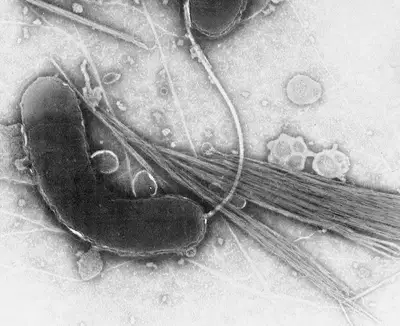
cholera - a bacterial disease usually spread through contaminated water. Cholera causes severe diarrhea and dehydration. Left untreated, cholera can be fatal within hours, even in previously healthy people.
germ theory - the theory that certain diseases are caused by bacteria that infect someone’s body.
miasma - Bad air
natural selection - developed by Charles Darwin, this concept states that individuals with traits that help them survive live longer, have more offspring, and pass on their traits to the next generation. It is often summarized as “survival of the fittest.”
6
Disease Outbreaks
Overcrowding and poor sanitation led to diseases to be easily spread.
One of the most dangerous diseases was cholera, an infectious disease of the small intestine that could be fatal.
1854 Cholera outbreak in London
Watch Cholera video in Edio.

7
1854 Cholera Outbreak

8
Bacteria
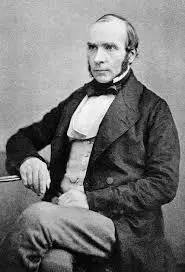
The Cholera Outbreak led John Snow to believe that diseases were caused by germs or bacteria.
At this time people did not believe in germs; they believed that diseases or illness was caused by “bad air.”
Scientists have known about bacteria since the 1600s, but knowledge of bacteria’s role in diseases did not develop until the 1800s.
9
NOT this John Snow!

10
Louis Pasteur
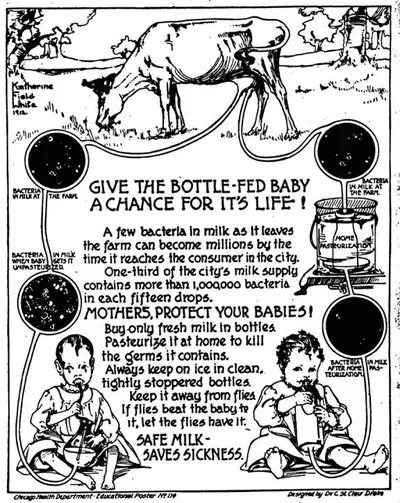
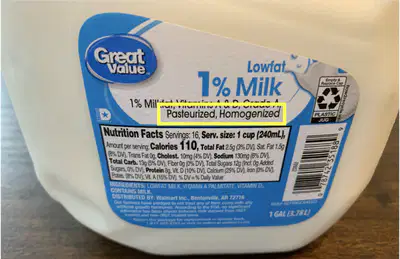
French chemist Louis Pasteur is known for his method of pasteurization, which is heating up food and beverages to kill bacteria.
The process of heating food and beverages to kill bacteria is called pasteurization in honor of Pasteur. It is an important part of ensuring some foods are safe.
11
Reducing Bacteria
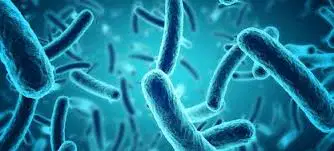
Increasing knowledge in bacteria and diseases was important in reducing the number of deaths from infectious diseases.
Cities took greater measures to ensure clean drinking water.
Doctors sterilized tools to kill bacteria.
Hospitals became safer and had better hygiene.
Scientists used knowledge of bacteria to develop vaccines.
12
Cell Theory
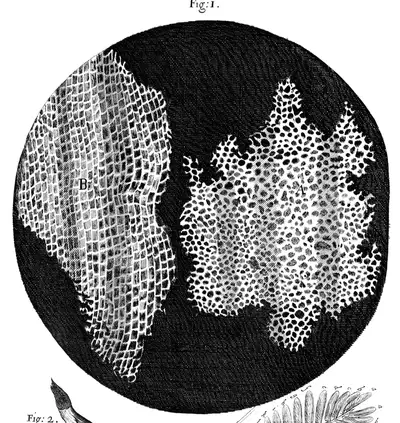
During the Industrial Revolution, scientists gained a better understanding of cells, which are the building blocks of life.
All organisms are made up of one or more cells.
Cells are the basic unit of life.
All cells come from existing cells.
Watch Edio video on cells.
13
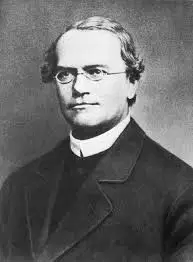
Genetics
From 1854 to 1856, a monk in Austria named Gregor Mendel conducted experiments to research the inheritance of traits.
Mendel was interested in the mathematical probability that a trait would be passed on from a parent to its offspring.
Mendel’s work affects people today, such as farmers who are trying to improve their crop yields and better‑tasting food.
Watch Edio video on genetics.
14
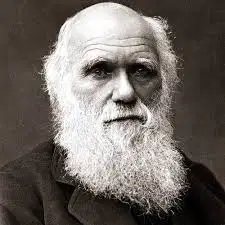
Natural Selection
Charles Darwin studied nature and described the idea of natural selection.
Natural selection → individuals have traits that help them survive, live longer, have more offspring, and pass on their traits to the next generation.
“Survival of the fittest.”
15
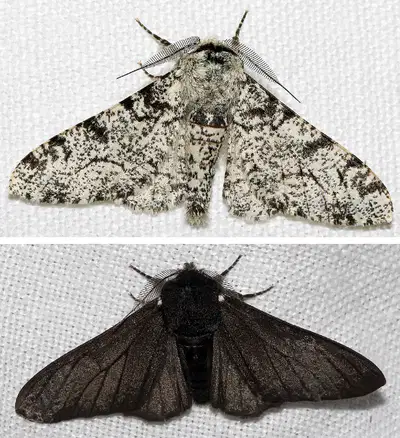
Moths & Pollution
Moth example: pre‑industrial revolution, the moths were pale to blend in with the pale trees.
Due to the pollution, the trees were no longer pale; they became blackened, and the moths could no longer blend in.
Some moths had a blackened color and were able to blend in and survive better. This trait was passed on to the next generation of moths.
Darwin proposed that species could gradually evolve over time.
16
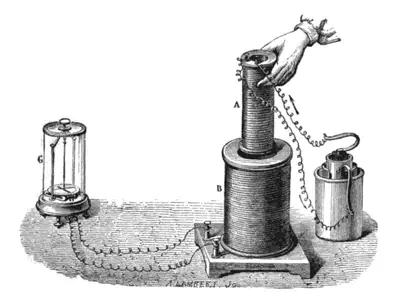
Generating Electricity
In 1831, British scientist Michael Faraday discovered he could create an electric current using magnets and a copper wire. The image shows the equipment he used to experiment. Throughout the century, engineers developed electrical generators and motors. Advancements allowed electricity to be produced on a larger scale and distributed to businesses and homes.
17
Uses of Electricity
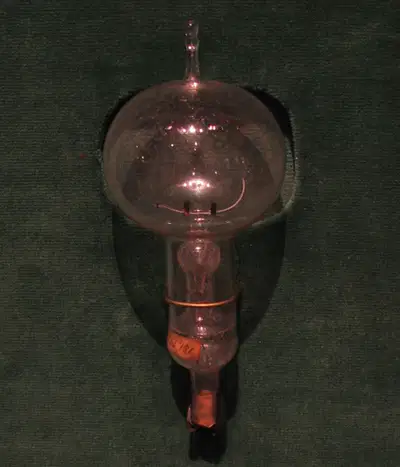
One of the early uses for electricity was lighting. American inventor Thomas Edison had a major role in the development of the lightbulb and patented the lightbulb in 1879. The image shows a lightbulb created in Edison’s shop. Electric lightbulbs joined gaslights as a major method of providing light in the United States. In the late 1800s, electricity was put to heavy commercial use in electric trams and subways in London.
18
Telegraph and Telephone
Electricity also provided new ways to communicate. In the 1830s, American inventor Samuel Morse built the first reliable telegraph machine that could transmit electrical pulses through a wire. He developed a system called Morse code, which used sets of long and short pulses to represent letters and send messages.
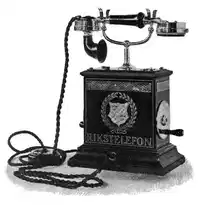
In the 1860s and 1870s, scientists, including Scottish inventor Alexander Graham Bell, learned how to transmit sound through wires and created the first telephones. The image shows an 1896 telephone from Sweden. The telegraph and telephone made communication much faster and easier.
19
Multiple Choice
What did Gregor Mendel discover from his experiments with pea plants?
Peas return important nutrients to soil.
Peas with harder outer casings are less likely to be eaten by animals.
Relying on a single crop increases the risk of famine.
Parent peas pass on their traits to their offspring.
20
Tomorrow!
Tomorrow we will learn about Economic Philosophies of the Industrial Revolution
If you have any questions please ask!
Have a great rest of your day!
Show answer
Auto Play
Slide 1 / 20
SLIDE
Similar Resources on Wayground

14 questions
John Adams' Presidency
Presentation
•
9th - 12th Grade
16 questions
Canada
Presentation
•
9th - 12th Grade
17 questions
The Renaissance
Presentation
•
9th - 12th Grade
18 questions
Monetary Policy Choices
Presentation
•
9th - 12th Grade
17 questions
Foundations of Government: Rights and Limited Government
Presentation
•
9th - 12th Grade
15 questions
Origins of Sociology: Sociology Ch 1 sec 2
Presentation
•
9th - 12th Grade
16 questions
Where to Go (Intro Activity)
Presentation
•
9th - 12th Grade
15 questions
How to Make a Program for Theater Productions
Presentation
•
9th - 12th Grade
Popular Resources on Wayground
10 questions
Safety Day 2026 – Student Review

Quiz
•
9th Grade
21 questions
Continents and Oceans
Quiz
•
6th Grade
20 questions
Parts of Speech
Quiz
•
5th Grade
16 questions
Subject & Predicate
Quiz
•
5th Grade
25 questions
Multiplication Facts
Quiz
•
5th Grade
12 questions
Map Skills
Quiz
•
3rd Grade
22 questions
Continents and Oceans
Quiz
•
5th Grade
15 questions
Rounding Decimals
Quiz
•
5th Grade
Discover more resources for Social Studies
10 questions
Exploring the Age of Exploration: Key Events and Figures

Interactive video
•
6th - 10th Grade
9 questions
Exploring Ancient Mesopotamia and Its Civilizations
Interactive video
•
10th Grade
20 questions
Chapter 8 Test "Types of Business Organizations"
Quiz
•
12th Grade
39 questions
Unit 7 Key Terms
Quiz
•
11th Grade - University
10 questions
Debating the Legacy of Christopher Columbus
Interactive video
•
6th - 10th Grade
38 questions
Unit 6 Key Terms
Quiz
•
11th Grade - University
27 questions
World Geography - Q1 9week Test
Quiz
•
9th Grade
22 questions
U3T2 Vocab FAC: Domestic Policy
Quiz
•
10th Grade